
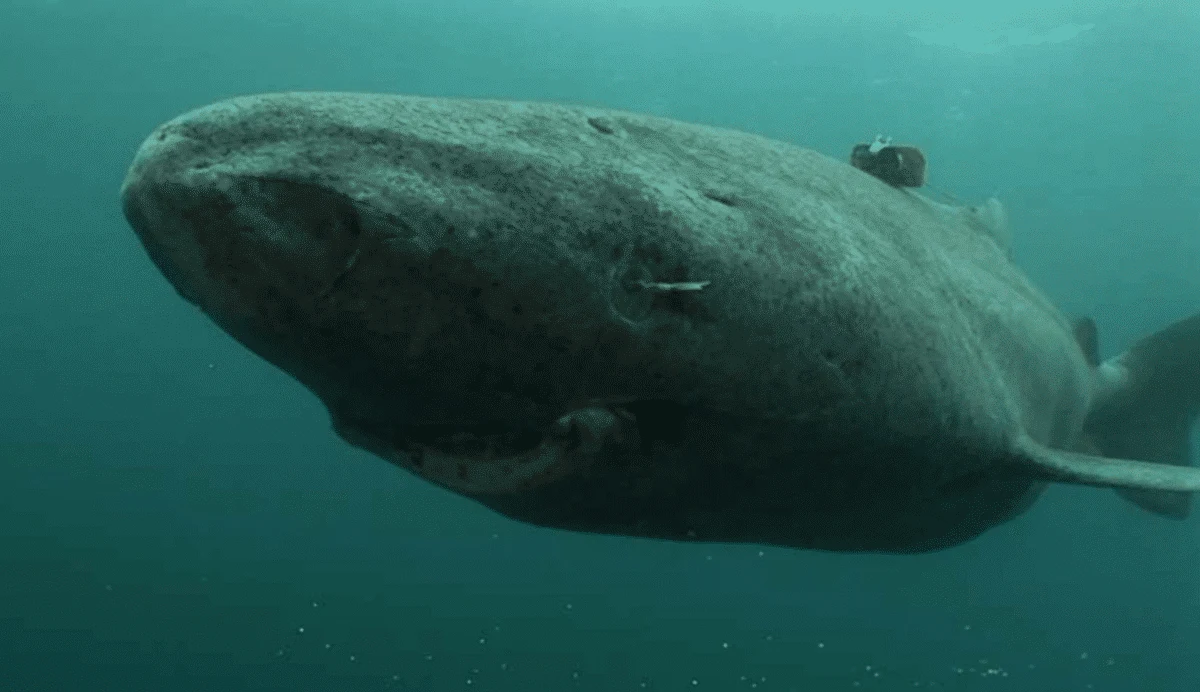
In the depths of our oceans swim remarkable creatures that have survived for millions of years, outlasting dinosaurs and witnessing countless evolutionary changes. Among these ancient mariners, sharks stand out not only for their predatory prowess but for a biological mystery that has captivated scientists for decades – their apparent resistance to cancer. While humans and many other mammals frequently develop malignancies, sharks rarely exhibit tumors, suggesting they possess biological mechanisms that effectively combat cancer development. Recent research focusing particularly on the Greenland shark – one of the longest-living vertebrates on Earth – has opened new avenues for understanding cancer resistance that could potentially revolutionize human cancer treatment. This article explores the fascinating relationship between sharks and cancer, examining how these apex predators might hold secrets to fighting one of humanity’s most persistent diseases.
The Cancer Paradox in Sharks
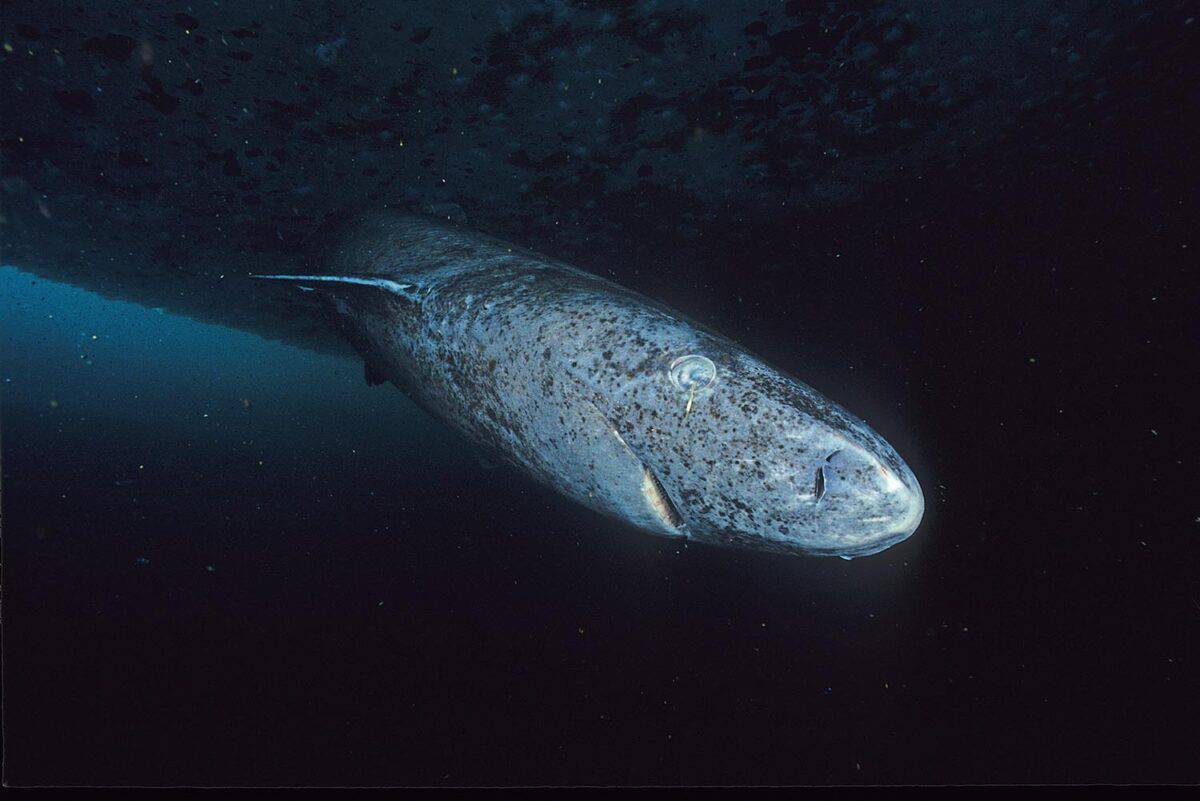
The scientific community has long observed that sharks rarely develop cancer, creating what researchers call “Peto’s paradox.” This paradox questions why large, long-lived animals with more cells and longer lifespans – factors that should increase cancer risk – don’t seem to develop cancer at rates proportional to their size and longevity. Sharks, with lifespans ranging from decades to centuries depending on the species, represent a prime example of this paradox. The Greenland shark, which can live over 400 years, should theoretically experience multiple cancerous mutations throughout its extensive lifetime, yet tumor formation remains exceptionally rare. This cancer resistance occurs despite sharks having approximately 25 billion more cells than humans, each representing a potential site for cancerous mutation. Such remarkable resistance suggests that sharks have evolved sophisticated anti-cancer mechanisms that effectively suppress tumor development, making them valuable subjects for cancer research.
The Greenland Shark: A Living Time Capsule

The Greenland shark (Somniosus microcephalus) represents one of the most intriguing subjects in shark cancer research. These slow-moving giants of the North Atlantic and Arctic Ocean can live for centuries – with the oldest documented specimen estimated to be approximately 392 years old, making it the longest-lived vertebrate known to science. Such extraordinary longevity means these sharks have survived through the Industrial Revolution, the American Civil War, and both World Wars without developing the cellular degradation that leads to cancer in humans. Their slow metabolism and adaptation to cold, deep waters contribute to their remarkable lifespan, but also raise questions about how their cells resist malignant transformation over such extended periods. Scientists believe that understanding the cellular mechanisms that protect the Greenland shark from cancer could provide revolutionary insights for human medicine, potentially uncovering completely novel approaches to cancer prevention.
Shark Genetics and Cancer Resistance

The genetic makeup of sharks provides significant clues to their cancer resistance. Research has revealed that sharks possess multiple copies of genes involved in tumor suppression and DNA repair – critical mechanisms for preventing cancer development. For instance, sharks have several copies of genes that encode p53, known as the “guardian of the genome” for its role in preventing damaged cells from dividing and potentially becoming cancerous. While humans have just one copy of this gene, making us vulnerable if it mutates, sharks’ redundant copies create a powerful defense system. Additionally, shark genomes show evidence of enhanced DNA repair mechanisms that quickly correct mutations before they can lead to cancer. Comparative genomic studies between the Greenland shark and shorter-lived shark species have identified unique genetic adaptations in the long-lived species that may contribute to both their longevity and cancer resistance, including specialized genes involved in cell cycle regulation and immune function that appear highly effective at preventing tumor formation.
The Immune System Advantage

The shark immune system represents another frontier in understanding their cancer resistance. Unlike mammals, sharks possess a remarkably ancient yet sophisticated immune system that evolved over 400 million years. Their adaptive immune system includes antibody-like proteins called Immunoglobulin New Antigen Receptors (IgNARs) that have unique structural properties not found in human antibodies. These specialized molecules can penetrate tissues and bind to antigens in ways that human antibodies cannot, potentially allowing them to identify and destroy cancerous cells more effectively. Furthermore, shark blood contains potent antimicrobial peptides and unique immune cells that may contribute to tumor surveillance and elimination. Studies examining the Greenland shark’s immune system have identified specialized white blood cells capable of recognizing and destroying abnormal cells before they develop into tumors. These immune adaptations, refined over millions of years of evolution, represent potential mechanisms that could be mimicked in human cancer treatment approaches.
Squalamine: The Shark-Derived Compound

Among the most promising anti-cancer compounds derived from sharks is squalamine, a steroid molecule initially isolated from the liver of dogfish sharks. This remarkable compound has demonstrated impressive anti-angiogenic properties – meaning it can prevent the formation of new blood vessels that tumors require for growth and metastasis. In laboratory studies, squalamine has shown effectiveness against various cancer types, including lung, prostate, breast, and brain cancers, by disrupting the blood supply to tumors and inducing cancer cell death. What makes squalamine particularly valuable is its selective toxicity – it targets abnormal blood vessel formation in tumors while sparing normal tissues. Clinical trials investigating squalamine as a cancer treatment have shown promising results, particularly when combined with conventional chemotherapy. The compound represents just one example of how shark biology might contribute to cancer treatment, with researchers continuing to explore other shark-derived molecules with potential therapeutic applications.
Cartilage: More Than Just Structure
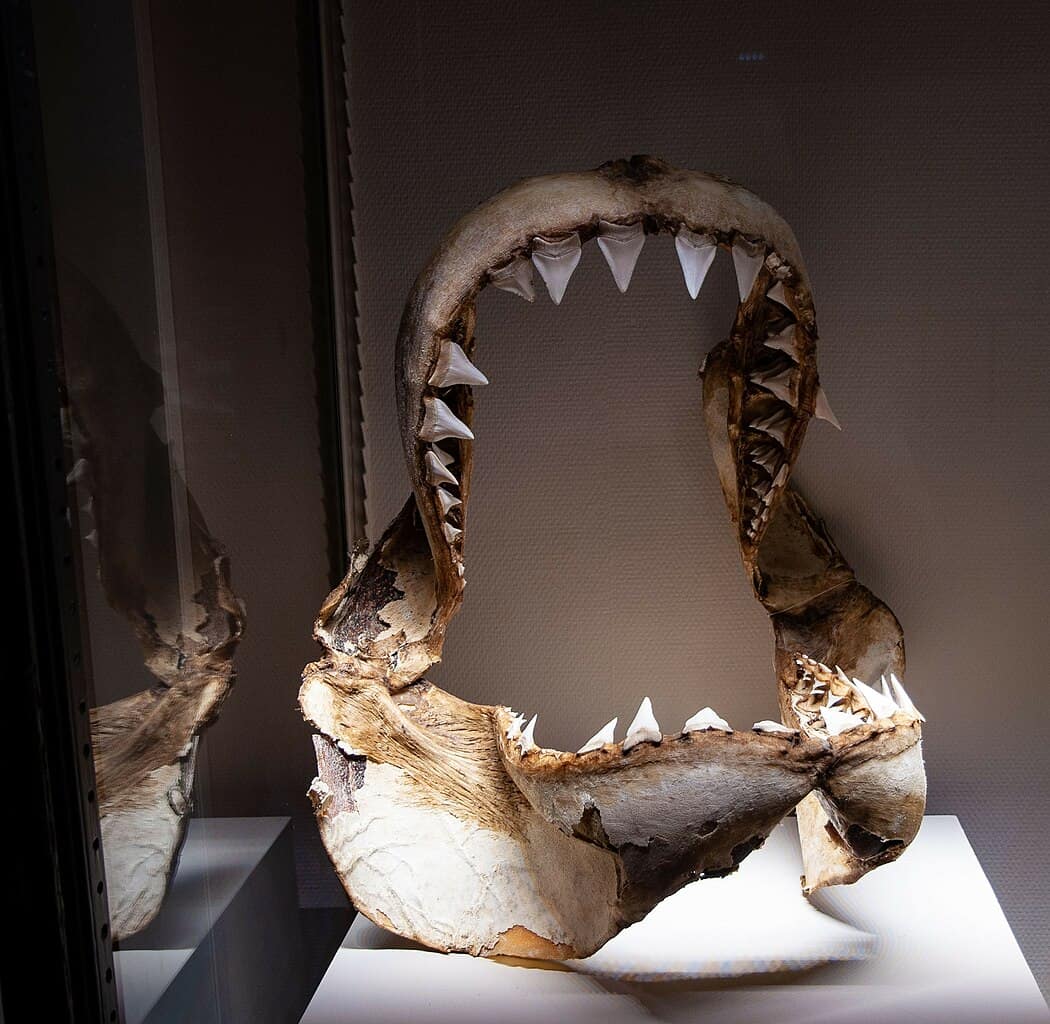
The shark’s skeleton, composed entirely of cartilage rather than bone, has also been investigated for anti-cancer properties. Shark cartilage contains several bioactive compounds that appear to inhibit angiogenesis – the formation of new blood vessels necessary for tumor growth. These include proteins like U-995, which has demonstrated anti-angiogenic effects in laboratory studies. Additionally, shark cartilage contains molecules that may directly inhibit cancer cell proliferation and induce apoptosis (programmed cell death) in abnormal cells. While early enthusiasm for shark cartilage supplements as cancer treatments has been tempered by mixed clinical trial results, refined extracts of specific compounds from shark cartilage continue to show promise. Importantly, the Greenland shark’s cartilage appears to contain unique structural properties and bioactive components not found in other shark species, potentially related to their extreme longevity and environmental adaptations. Research continues to isolate and characterize these specific compounds that might serve as templates for new cancer-fighting drugs.
Cellular Aging and Telomere Maintenance

The relationship between cancer resistance and longevity in sharks may be partially explained by their telomere biology. Telomeres are protective caps at the ends of chromosomes that typically shorten with each cell division, eventually leading to cellular senescence or malfunction – a process linked to both aging and cancer. Remarkably, the Greenland shark appears to maintain telomere length throughout its centuries-long lifespan, suggesting efficient telomere maintenance mechanisms. This ability to preserve chromosomal integrity likely contributes to both their longevity and cancer resistance by preventing the genomic instability that often precedes tumor development. Research has identified elevated expression of telomerase – the enzyme responsible for rebuilding telomeres – in certain shark tissues, but with strict regulatory controls that prevent the uncontrolled cell division characteristic of cancer. Understanding how sharks maintain this delicate balance between telomere preservation and controlled cell division could provide critical insights for addressing both cancer and age-related diseases in humans.
Metabolic Adaptations and Cancer Prevention
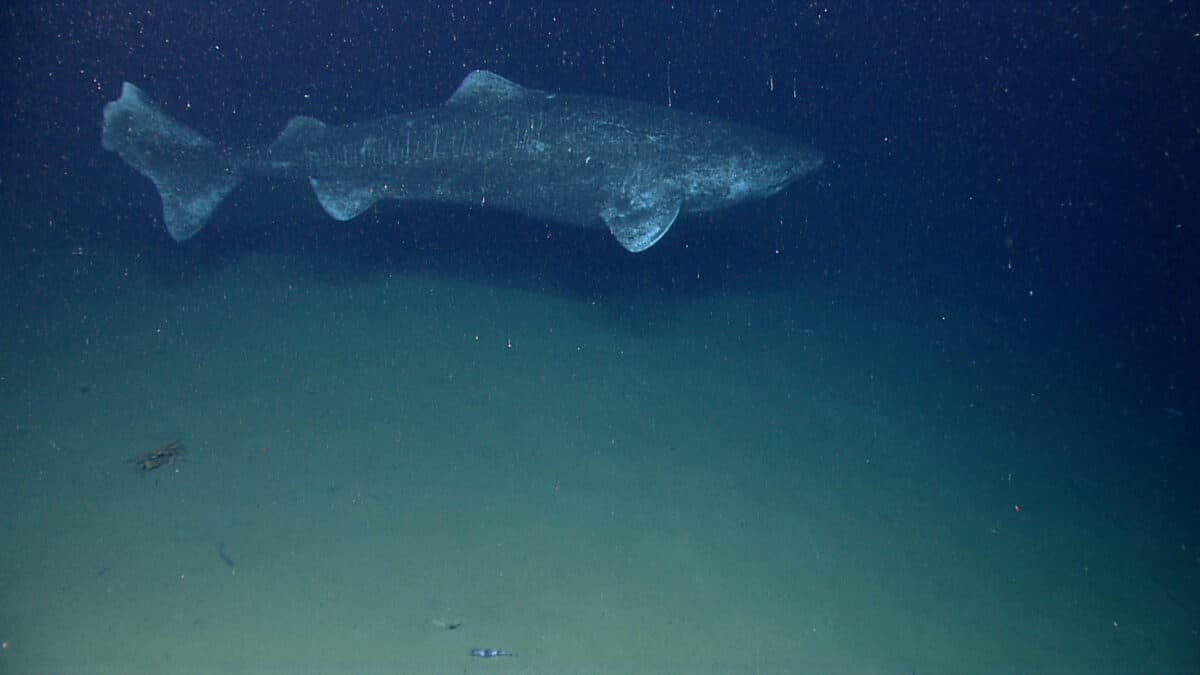
The metabolic adaptations of sharks, particularly the Greenland shark, may contribute significantly to their cancer resistance. These ancient predators have evolved remarkably efficient energy utilization systems that produce fewer harmful byproducts such as reactive oxygen species (ROS), which can damage DNA and potentially initiate cancer. The Greenland shark’s metabolism is exceptionally slow – a necessity for survival in the cold, deep waters of the Arctic – resulting in lower oxidative stress at the cellular level. Additionally, sharks possess specialized antioxidant systems that efficiently neutralize free radicals and protect cellular components from oxidative damage. Research has identified unique metabolic enzymes in shark tissues that appear to regulate cellular energy production in ways that minimize DNA damage while maintaining cellular function. These metabolic adaptations represent potential therapeutic targets for cancer prevention in humans, as many human cancers are associated with metabolic dysregulation and increased oxidative stress. By understanding how sharks maintain metabolic balance while avoiding cancer, scientists hope to develop new strategies for cancer prevention focused on metabolic intervention.
Challenges in Shark Cancer Research

Despite the promising potential of shark cancer research, scientists face significant challenges in studying these enigmatic creatures. The Greenland shark, in particular, presents unique research difficulties due to its remote habitat in deep Arctic waters, slow growth rate, and extreme longevity. Obtaining viable tissue samples from living specimens requires specialized equipment and expertise, while ethical considerations limit the scope of experimental research that can be conducted. Additionally, the shark’s unique physiology makes it difficult to create laboratory models that accurately represent their cancer resistance mechanisms. Genetic studies are complicated by the large and complex shark genome, which contains many duplicate genes and regulatory elements not found in mammals. Furthermore, the rarity of naturally occurring tumors in sharks means researchers have few opportunities to study how shark bodies respond when cancer does develop. Despite these challenges, advances in genomic sequencing, cell culture techniques, and non-invasive sampling methods are gradually overcoming these obstacles, allowing researchers to unravel the molecular secrets behind shark cancer resistance.
Translating Shark Biology to Human Medicine

The ultimate goal of shark cancer research is to translate these biological insights into effective treatments for human cancer patients. Several approaches show promise for adapting shark cancer resistance mechanisms to human medicine. Biomimetic strategies aim to create synthetic versions of shark-derived compounds like squalamine that can be produced at scale without requiring shark harvesting. Genetic approaches explore how human gene therapy might replicate the redundant tumor suppressor genes found in sharks, potentially restoring protection in patients with genetic cancer risk. Immunotherapy represents another frontier, with researchers working to engineer human antibodies with structural features inspired by shark IgNARs to improve their tissue penetration and cancer cell recognition. Additionally, understanding shark metabolism has inspired new metabolic intervention strategies for cancer treatment that aim to disrupt cancer cells’ energy production while sparing healthy tissues. While significant biological differences between sharks and humans present translation challenges, the fundamental cellular mechanisms of cancer development are conserved across species, making sharks valuable models for identifying novel therapeutic approaches that might otherwise remain undiscovered.
Conservation Implications of Cancer Research
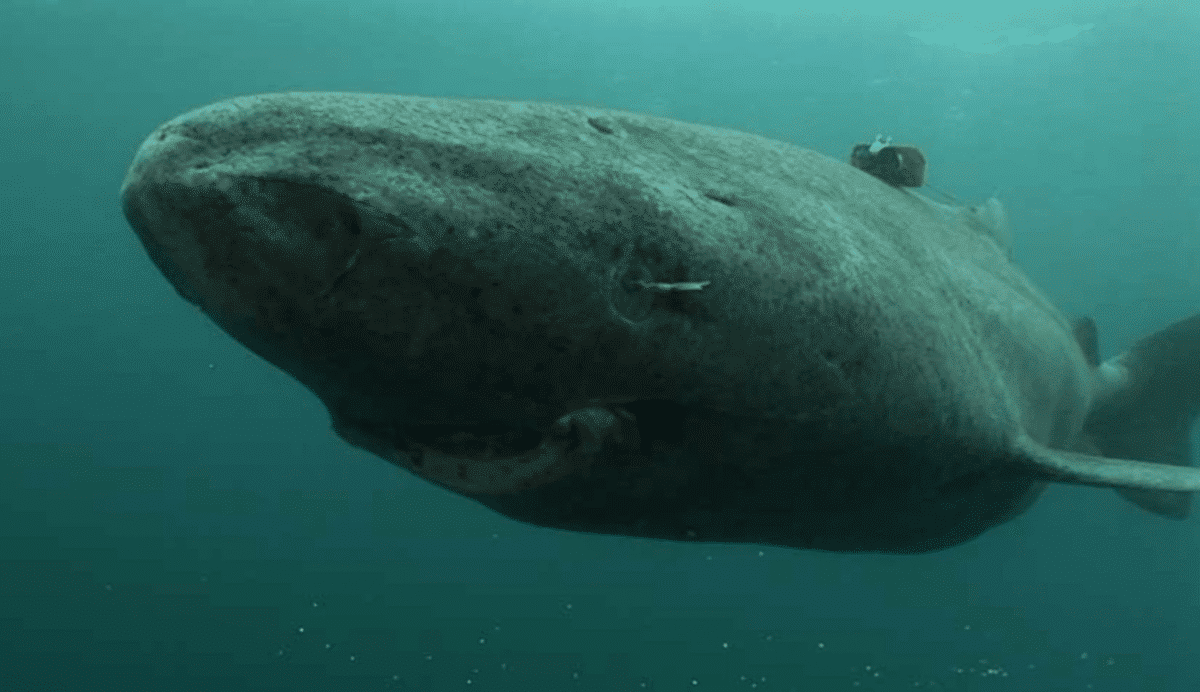
The potential medical value of sharks creates an important intersection between cancer research and marine conservation efforts. Many shark species, including some with promising anti-cancer properties, face severe population declines due to overfishing, habitat destruction, and climate change. The Greenland shark, though not commercially targeted, faces threats from climate change affecting Arctic ecosystems and accidental capture in deep-sea fishing operations. Ethical research approaches emphasize sustainable sampling methods that minimize harm to individual sharks and populations, such as using blood samples or small tissue biopsies from live specimens that are then released. Additionally, advances in synthetic biology increasingly allow researchers to produce shark-derived compounds in the laboratory rather than harvesting them from wild animals. Conservation of shark species and their habitats must be prioritized alongside medical research to ensure these ancient creatures continue to thrive in our oceans. The potential cancer treatments derived from shark biology provide yet another compelling argument for strengthening international shark protection measures and combating the unsustainable shark fin trade that threatens many species with extinction.
Future Directions in Shark Cancer Research

The future of shark cancer research appears promising, with several exciting developments on the horizon. Advanced genomic techniques, including single-cell sequencing and CRISPR gene editing, are allowing researchers to identify and test specific genes and pathways involved in shark cancer resistance with unprecedented precision. Comparative studies between different shark species with varying lifespans – from the short-lived dogfish shark to the long-lived Greenland shark – may reveal how cancer resistance mechanisms scale with longevity. Emerging technologies like organ-on-a-chip platforms offer possibilities for creating laboratory models incorporating shark cellular mechanisms without requiring extensive animal research. International research collaborations focusing on the Greenland shark aim to establish comprehensive tissue banks and genomic databases that will accelerate discovery. Additionally, the integration of artificial intelligence and machine learning approaches to analyze complex biological data sets may identify patterns and relationships in shark biology that human researchers might overlook. As climate change threatens marine ecosystems, there is also growing urgency to document and understand shark biology before potential species losses occur, driving expedited research timelines and innovative conservation-minded research approaches.
Conclusion: Oceans of Possibility

The remarkable cancer resistance observed in sharks, particularly the ancient Greenland shark, represents one of nature’s most fascinating biological puzzles and a potential treasure trove for medical science. Through millions of years of evolution, these marine predators have developed sophisticated genetic, immune, and metabolic adaptations that effectively prevent tumor formation despite their large size and extraordinary longevity. While significant challenges remain in translating these findings to human medicine, each discovery brings scientists closer to developing novel cancer prevention and treatment strategies inspired by shark biology. The intersection of shark research and cancer treatment highlights the irreplaceable value of biodiversity and the countless medical secrets still hidden within the natural world. As we continue to explore the molecular mechanisms behind shark cancer resistance, we not only gain insights that may help address one of humanity’s most persistent diseases but also develop a deeper appreciation for these magnificent ocean dwellers that have persisted through the ages. In protecting sharks and their habitats, we preserve not only a critical component of marine ecosystems but potentially the key to unlocking new frontiers in cancer treatment.

- The Secret Language of Dolphins Decoded by Researchers - July 20, 2026
- 7 Animals That Can Survive Extreme Environments You Couldn’t - July 20, 2026
- The Longest Snake Ever Found in the U.S. - July 20, 2026