

In the vast, seemingly featureless landscapes of Antarctica and the tumultuous waters of the Southern Ocean, penguins embark on remarkable journeys that would challenge even our most sophisticated navigational technologies. Unlike humans, who rely on compasses, GPS systems, and detailed maps, penguins have evolved extraordinary natural abilities to navigate their harsh environments with impressive precision. These flightless birds undertake migrations spanning hundreds or even thousands of kilometers, returning with uncanny accuracy to specific breeding colonies and feeding grounds. But how do they accomplish these navigational feats without a compass? The answer lies in a fascinating combination of celestial cues, geomagnetic sensing, olfactory navigation, visual landmarks, and possibly even sound mapping – a testament to the remarkable adaptability and sensory capabilities that evolution has bestowed upon these resilient birds.
The Navigational Challenge Penguins Face

Penguins navigate some of Earth’s most challenging environments. Emperor penguins trek up to 100 kilometers across Antarctic ice to reach breeding grounds, while Adélie penguins may swim over 17,000 kilometers annually during foraging and migration. Magellanic penguins can travel more than 10,000 kilometers in a single migration season. These journeys occur through environments with few visual landmarks, extreme weather conditions including blizzards and fog, and waters with powerful, shifting currents. Despite these challenges, penguins maintain remarkable navigational accuracy, consistently returning to specific colonies that may be just a few square kilometers in size. This precision suggests sophisticated navigational mechanisms that scientists have only recently begun to understand, revealing adaptations far more complex than initially thought.
The Sun as a Celestial Compass

For penguins, the sun serves as a critical navigational tool, functioning as a natural compass in their treacherous journeys. Research indicates that many penguin species possess an innate ability to track the sun’s position throughout the day, effectively using it as a directional guide. This solar navigation system is particularly remarkable because it accounts for the sun’s movement across the sky. Penguins appear to have an internal chronometer that allows them to compensate for this movement, maintaining directional awareness even as the sun’s position changes. This ability is especially valuable during the Antarctic summer when the sun remains visible for extended periods. However, the mechanism becomes more complex during the polar winter when sunlight is scarce or absent for months. During these periods, penguins must rely on other navigational methods, demonstrating the sophisticated redundancy in their navigational toolkit.
Stellar Navigation Under Antarctic Skies

When darkness falls over the Antarctic and sub-Antarctic regions, penguins don’t lose their way – they simply look up. Evidence suggests that several penguin species, including Emperors and Kings, can navigate by the stars, using the night sky as a celestial map. Similar to ancient human mariners, these birds appear capable of recognizing star patterns and using them to maintain directional orientation. The clear, pollution-free skies of their remote habitats provide ideal conditions for stellar observation. Scientists believe penguins may focus on particularly bright stars or recognizable constellations as reference points. This stellar navigation likely complements their solar navigation, providing a continuous directional system across the day-night cycle. What makes this ability even more impressive is that penguins must account for seasonal changes in the night sky and the rotation of stars throughout the night – suggesting a level of astronomical awareness that rivals our own navigational traditions before modern technology.
Earth’s Magnetic Field: The Penguin’s Internal Compass

Perhaps the most sophisticated element of penguin navigation is their apparent ability to detect Earth’s magnetic field. Scientific studies have found evidence suggesting that penguins, like several other migratory animals, possess magnetoreception – the ability to sense magnetic fields. This biological compass likely allows them to determine both direction and potentially their approximate position on Earth. The mechanism behind this ability remains under investigation, but researchers have identified magnetite particles in the tissue of some penguin species, particularly near their beaks and eyes. These naturally magnetic particles may interact with Earth’s magnetic field, creating sensory information the birds can interpret. This magnetic sensing provides penguins with a navigation system that works regardless of weather conditions, time of day, or visual landmarks. It may be particularly crucial during long-distance oceanic journeys where other navigational cues are limited. The geomagnetic field varies subtly across Earth’s surface, potentially allowing experienced penguins to recognize specific magnetic signatures associated with their breeding colonies and feeding grounds.
Olfactory Navigation: Following Their Nose

The role of smell in penguin navigation represents one of the more recent discoveries in our understanding of these remarkable birds. Studies have shown that many penguin species possess a surprisingly well-developed sense of smell, which they may use as part of their navigational strategy. Researchers have documented that some penguins can detect and follow scent trails across vast distances of open ocean. These olfactory cues may include the distinctive smell of krill blooms (their primary food source), the unique scent signature of their home colony (created by the concentration of guano and other biological materials), or even large-scale atmospheric scents that create “odor landscapes” across oceanic regions. King penguins, in particular, have demonstrated remarkable olfactory abilities, with experiments suggesting they can detect minute concentrations of dimethyl sulfide – a compound released by phytoplankton that often indicates productive feeding areas. This chemical sensing ability essentially provides penguins with an invisible map of resource-rich waters, guiding them to optimal foraging locations even when visual cues are absent.
Visual Landmarks and Memory

Despite the apparent uniformity of ice shelves and open ocean, penguins demonstrate remarkable visual memory and landmark recognition abilities. Research has shown that they can identify and remember subtle features in their environment – distinctive ice formations, coastal rock formations, or even particular patterns in the snow. These visual cues serve as waypoints during their journeys, allowing them to create mental maps of their territories. Penguin colonies themselves often form around distinctive landscape features that provide navigational reference points visible from a distance. What makes this ability particularly impressive is the birds’ capacity to recognize these landmarks despite seasonal changes in appearance due to snowfall, melting, or shifts in ice formation. Some researchers suggest that penguins may possess a form of photographic memory for environmental features, allowing them to recognize locations they’ve visited previously even after significant absences. This visual navigation strategy complements their other sensing abilities, providing a multi-layered approach to wayfinding in their challenging habitat.
Sound Mapping and Acoustic Navigation

The underwater world is filled with sound, and emerging research suggests penguins may use acoustic information as part of their navigational strategy. The ocean has distinct sound profiles in different regions – created by currents, seafloor topography, ice movements, and even biological activity. Penguins, particularly during their oceanic phases, may be able to detect and interpret these acoustic landscapes. Some scientists propose that penguins might recognize the distinctive sounds of certain underwater features, such as the continental shelf edge or specific current systems. Additionally, the distinctive vocalizations of their colonies – which can contain thousands of birds – may serve as acoustic beacons guiding penguins home from considerable distances. While this area of research is still developing, studies using underwater microphones have detected consistent sound patterns in penguin foraging areas, suggesting these birds may indeed be tuning into a sonic environment that remains largely imperceptible to humans. This acoustic navigation would be particularly valuable in conditions of poor visibility, providing yet another redundant system in the penguin’s navigational toolkit.
Social Learning and Inherited Knowledge
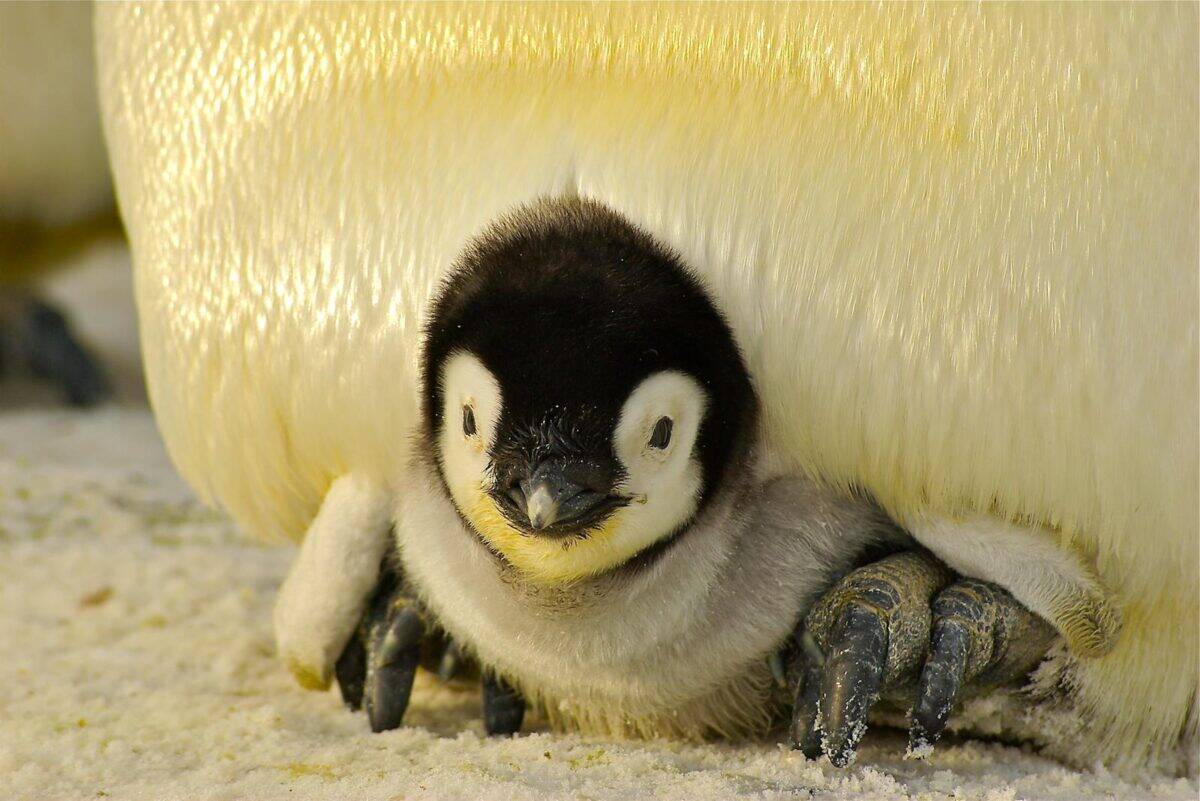
Navigation skills in penguins appear to involve a complex interplay between innate abilities and learned behaviors. Young penguins often make their first migrations by following experienced adults, suggesting a form of social learning in their navigational development. This apprenticeship period allows juvenile birds to memorize routes, landmarks, and environmental cues under the guidance of birds who have successfully completed the journey multiple times. Research tracking juvenile and adult penguins simultaneously has shown that first-time migrants typically take less efficient routes than experienced birds, but improve their navigation with each subsequent journey. There’s also evidence suggesting that some navigational preferences may be inherited genetically, predisposing certain penguin populations to specific migration routes or foraging areas. This combination of inherited tendencies and experiential learning creates a sophisticated navigational culture within penguin colonies, allowing them to adapt their wayfinding strategies to changing environmental conditions across generations while maintaining their traditional territories and migration patterns.
Oceanographic Knowledge: Currents and Thermoclines

Penguins display an impressive understanding of ocean dynamics that aids their navigation significantly. Research tracking penguin movements has revealed that these birds often strategically use ocean currents – riding favorable flows to conserve energy while avoiding or counteracting unfavorable ones. This suggests they possess a mental map of current systems in their range. Additionally, penguins appear sensitive to thermoclines – boundaries between water masses of different temperatures – which often mark productive feeding areas and can serve as underwater “roads” guiding their movements. Studies using temperature and depth recorders attached to penguins show they frequently adjust their diving behavior precisely at these thermocline boundaries. Some species, like Gentoo penguins, have been observed following specific oceanic fronts – areas where water masses converge – suggesting they recognize these as reliable navigational features. This oceanographic awareness represents a sophisticated adaptation to marine environments, allowing penguins to navigate efficiently through seemingly featureless waters by detecting subtle physical properties that humans can only measure with specialized instruments.
Weather Prediction and Barometric Sensing

The ability to anticipate and respond to weather patterns plays a crucial role in penguin navigation and survival. Evidence indicates that penguins can detect changes in barometric pressure, essentially sensing approaching weather systems before they arrive. This meteorological sensitivity influences their decision-making about when to begin migrations, when to return to colonies, and when to seek shelter. Researchers have observed that colony departures and arrivals often correlate with specific weather patterns, suggesting penguins time their movements to take advantage of favorable conditions. Emperor penguins, for instance, appear to time their return to breeding colonies to coincide with periods of milder Antarctic weather. This weather prediction capability represents a form of temporal navigation – not just knowing where to go, but when to travel. Some scientists propose that penguins might detect infrasound waves produced by distant storms or ocean swells, giving them advance warning of changing conditions. This weather awareness adds another dimension to penguin navigation, allowing them to optimize their journeys through not just space but also time.
Multi-Modal Navigation: Redundancy and Adaptation
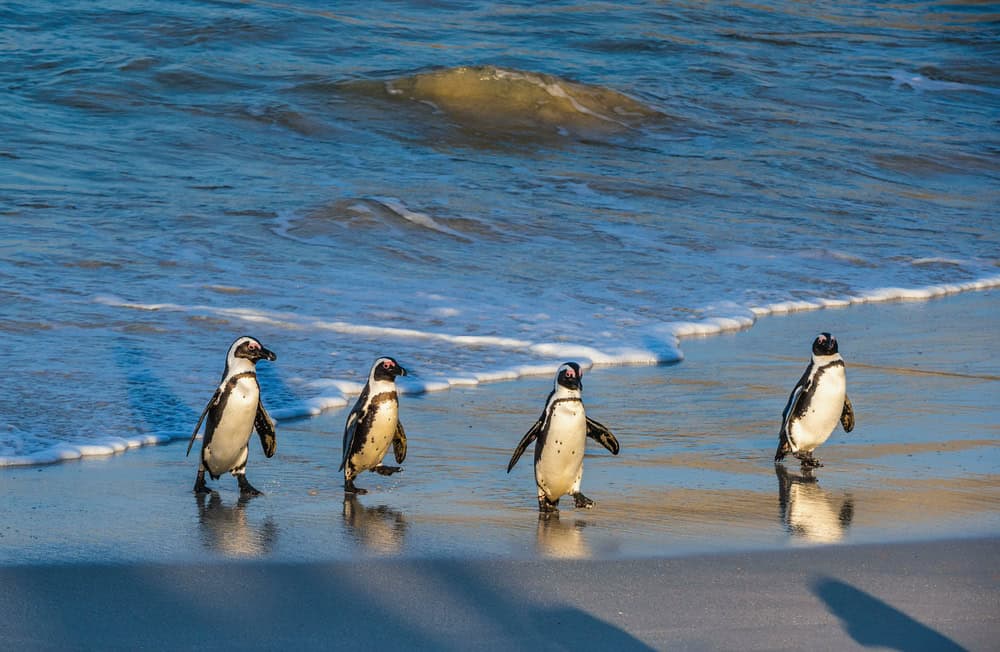
What makes penguin navigation truly remarkable is not any single method but rather their integration of multiple navigational systems that function redundantly. This multi-modal approach provides penguins with extraordinary resilience in their wayfinding abilities. When fog obscures visual landmarks, they can rely on magnetic sensing. When magnetic storms interfere with their geomagnetic reception, celestial navigation takes over. This redundancy explains how penguins maintain their navigational precision even under extreme conditions. Research suggests that different penguin species may emphasize different navigational strategies based on their specific ecological niches and challenges. For example, species that make longer oceanic journeys appear to rely more heavily on magnetic and celestial navigation, while coastal species may place greater emphasis on landmark recognition. Even more impressive, individual penguins show the ability to adapt their navigational strategies based on conditions, switching between primary methods as needed. This flexibility allows them to navigate successfully through changing environments and unexpected circumstances – a critical adaptation in the rapidly changing polar regions they inhabit.
Conservation Implications of Penguin Navigation

Understanding penguin navigation has become increasingly important for conservation efforts as these birds face unprecedented challenges from climate change and human activity. Rising temperatures are altering the physical landmarks, ice formations, and oceanographic features that penguins have relied upon for navigation over millennia. Changes in Earth’s magnetic field, while natural, may also impact their geomagnetic navigation abilities. Light pollution near human settlements can interfere with celestial navigation, while underwater noise from shipping and industrial activities may disrupt acoustic navigation. These disruptions to navigational cues can have serious consequences, potentially leading to colony abandonment, unsuccessful migrations, or inability to locate traditional feeding grounds. Conservation strategies now increasingly consider these navigational challenges, with efforts to minimize disruptions to key penguin habitat features that serve as navigational references. Researchers are also using their understanding of penguin navigation to predict how colonies might adapt to changing conditions, identifying potential future habitats that would support their navigational needs and creating protected corridors along their migration routes.
The Remarkable Navigational Toolkit of Penguins
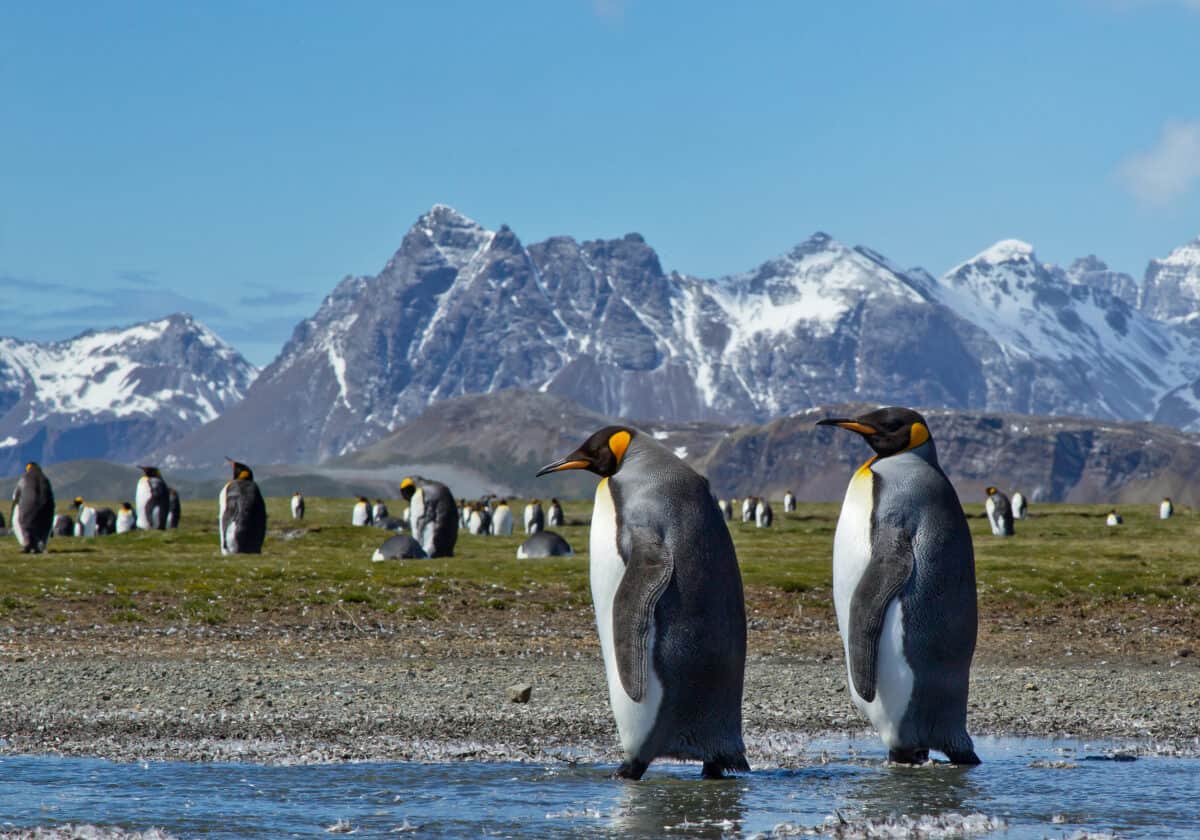
The navigational abilities of penguins represent one of nature’s most impressive adaptations, showcasing evolution’s capacity to develop sophisticated solutions to environmental challenges without the benefit of technology. Through their integration of celestial navigation, geomagnetic sensing, olfactory mapping, visual memory, acoustic awareness, and oceanographic knowledge, penguins have mastered the art of finding their way through some of Earth’s most demanding environments. This multi-layered approach to navigation provides them with redundancy and resilience that human navigators might envy, allowing them to maintain their extraordinary journeys despite the obstacles they face. As climate change transforms their world, these navigational abilities may prove crucial to penguin survival, potentially allowing them to adapt to new conditions and territories. For scientists, the continuing study of penguin navigation not only deepens our understanding of these charismatic birds but also inspires innovations in our own navigational technologies and provides valuable insights into the complex sensory worlds of animals that perceive their environment in ways fundamentally different from our own human experience.

- Can Snakes Give Birth Without Mating? - July 15, 2026
- The Hidden Desert Beneath a U.S. Forest—A Strange Natural Twist - July 15, 2026
- Rare Shark Sighting Alarms Scientists Near Baja California - July 15, 2026