

The animal kingdom is filled with remarkable examples of parental care, from the dedicated protection of offspring to ingenious teaching methods that prepare young ones for survival in the wild. While we often focus on the ferocity or majesty of adult wild animals, there’s something uniquely heartwarming about witnessing the tender interactions between animal parents and their adorable babies. These relationships not only showcase the gentler side of wildlife but also demonstrate fascinating evolutionary adaptations designed to ensure species survival. From the savannas of Africa to the depths of the ocean, let’s explore 15 wild animal parents and their undeniably cute offspring, examining the special bonds and behaviors that help these youngsters thrive in their natural habitats.
15. African Elephants Giants with Gentle Hearts

African elephant mothers are among the most devoted parents in the animal kingdom, with pregnancies lasting approximately 22 months—the longest of any land mammal. When a calf is finally born, weighing around 200-300 pounds, it becomes the center of attention for the entire matriarchal herd. The mother elephant uses her trunk to gently guide her baby, teaching essential skills like how to use its own trunk for feeding and drinking. Baby elephants, with their oversized ears, stumpy trunks, and playful demeanor, are incredibly endearing as they learn to navigate their environment under mom’s watchful eye. The bond between mother and calf can last 50 years or more, showcasing one of nature’s most enduring parent-child relationships.
14. Emperor Penguins The Ultimate Sacrifice

Emperor penguin parenting involves extraordinary sacrifice in one of Earth’s harshest environments. After the female lays a single egg, she transfers it to her mate’s feet where he’ll balance it for about two months during the Antarctic winter, enduring temperatures as low as -40°F while the mother returns to the sea to feed. Males huddle together for warmth, fasting entirely during this period and losing up to 45% of their body weight. When the chicks hatch—fluffy gray balls with distinctive black and white facial markings—they’re kept warm in specialized abdominal pouches until the mothers return with food. This remarkable co-parenting strategy results in some of the most heartwarming scenes in nature: tiny, fuzzy penguin chicks peeking out from their parents’ feet in the midst of the Antarctic ice.
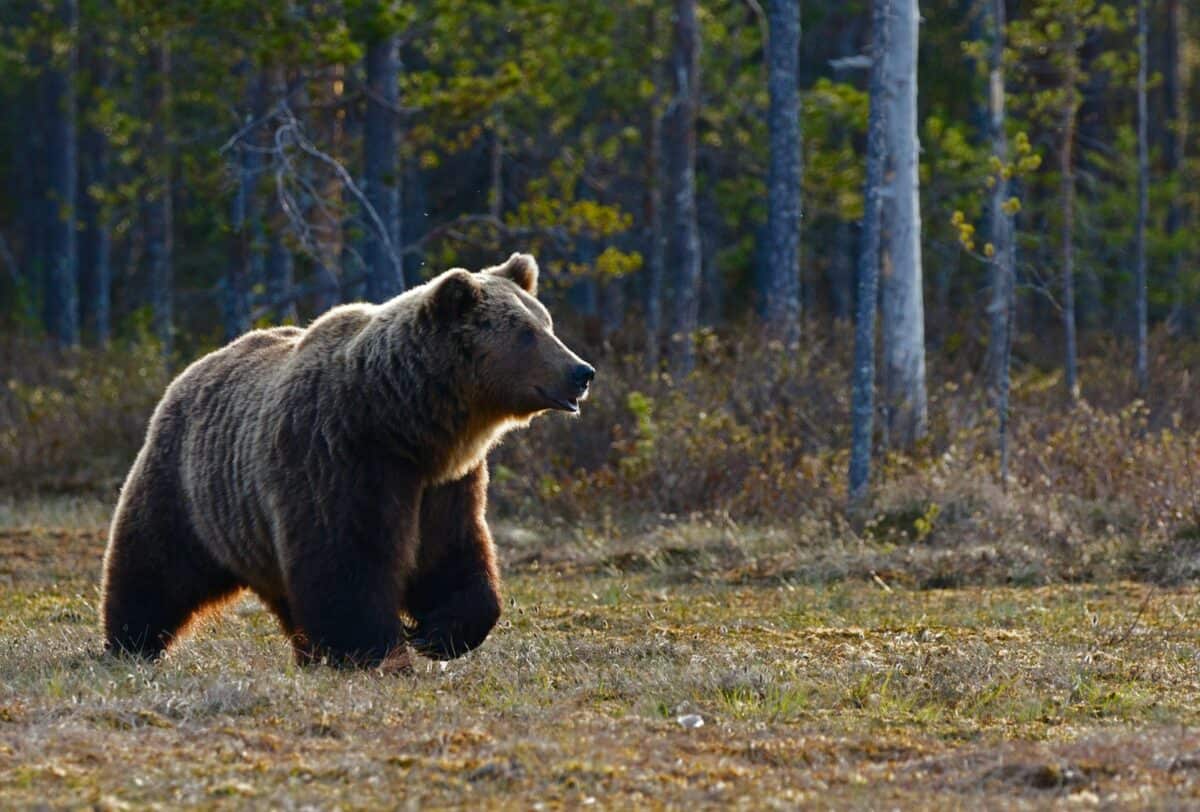
13. Grizzly Bears Fierce Protection

Female grizzly bears, or sows, are renowned for their fierce protection of their cubs, which are born during winter hibernation weighing just about one pound. These tiny cubs, with their round ears and curious expressions, grow rapidly on their mother’s rich milk. For approximately 2-3 years, grizzly mothers teach their cubs essential survival skills—from fishing techniques to foraging for berries and roots. The playful antics of grizzly cubs, whether wrestling with siblings or attempting to climb trees, contrast sharply with their future as formidable predators. Sows are famously protective, willing to confront any threat—including larger male bears or humans—that might endanger their offspring, making the mother-cub relationship one of the most respected and feared in North American wilderness.
12. Sea Otters Floating Nurseries
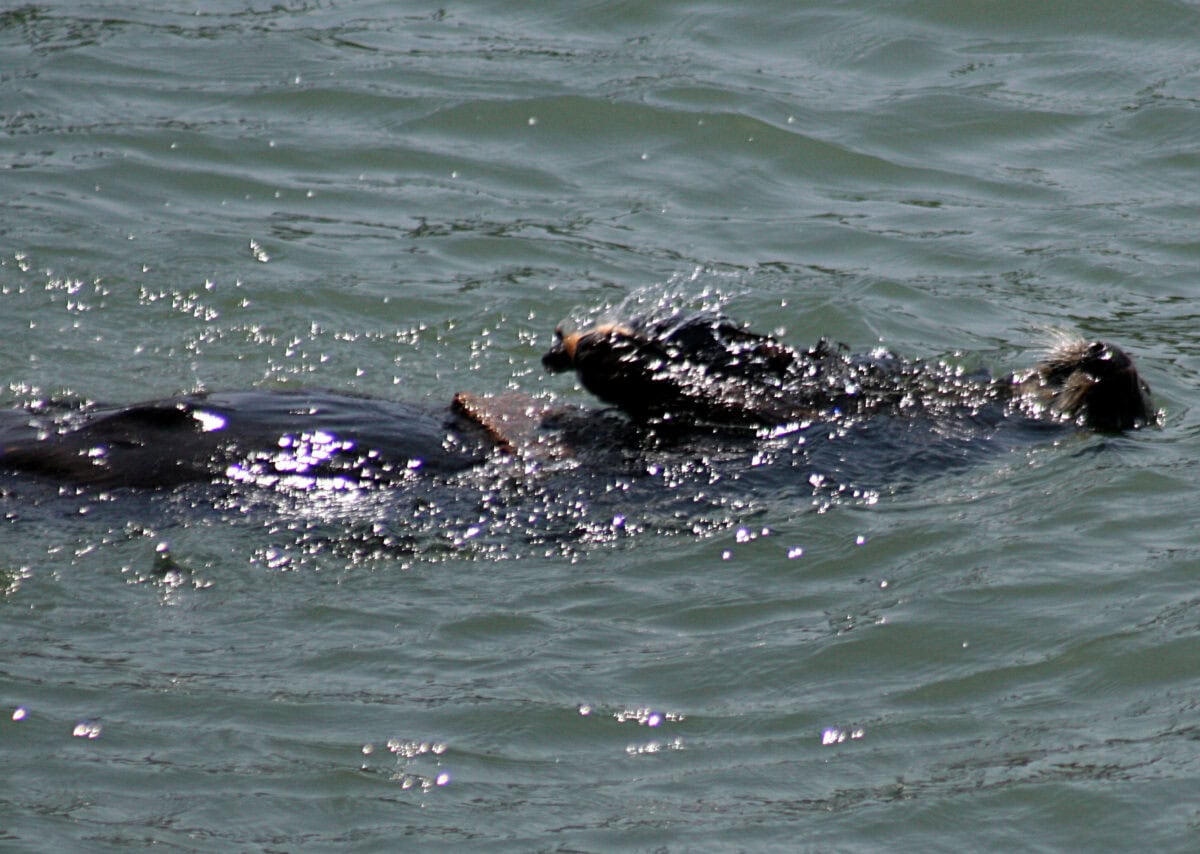
Sea otter mothers create natural “cradles” for their pups by floating on their backs in kelp forests along the Pacific coast. Newborn sea otter pups, with their dense, fluffy fur that allows them to float immediately after birth, are among the most photogenic babies in the marine world. Mothers meticulously groom their pups, blowing air into their fur to maintain its insulating properties in the cold ocean waters. A mother sea otter will rarely leave her pup alone, carrying it on her chest as she dives for food or wrapping it in kelp while she hunts nearby. She also teaches her young how to use stones as tools to crack open shellfish—a rare example of tool use being taught in the animal kingdom. The tight bond between mother and pup, combined with the baby’s wide-eyed expression and tiny paws, makes sea otters a favorite among wildlife enthusiasts.
11. Orangutans The Eight-Year Education

Orangutan mothers invest the longest childhood training period of any animal aside from humans—typically 8 years or more. These great apes form an extraordinarily close bond with their babies, who cling to their mothers’ orange fur as they navigate the rainforest canopy. Baby orangutans, with their wide-set expressive eyes and playful personalities, spend years observing their mothers’ every move, learning complex skills like which fruits are safe to eat, how to build night nests, and techniques for extracting insects from tree bark. Mothers create custom “tools” to demonstrate food gathering, actively teaching rather than merely allowing observation. Infant orangutans’ complete dependence on their mothers and their remarkably human-like expressions of curiosity and joy make them among the most relatable baby animals in the wild, while highlighting the threat posed by deforestation to these endangered primates.
10. Tigers Training Future Predators
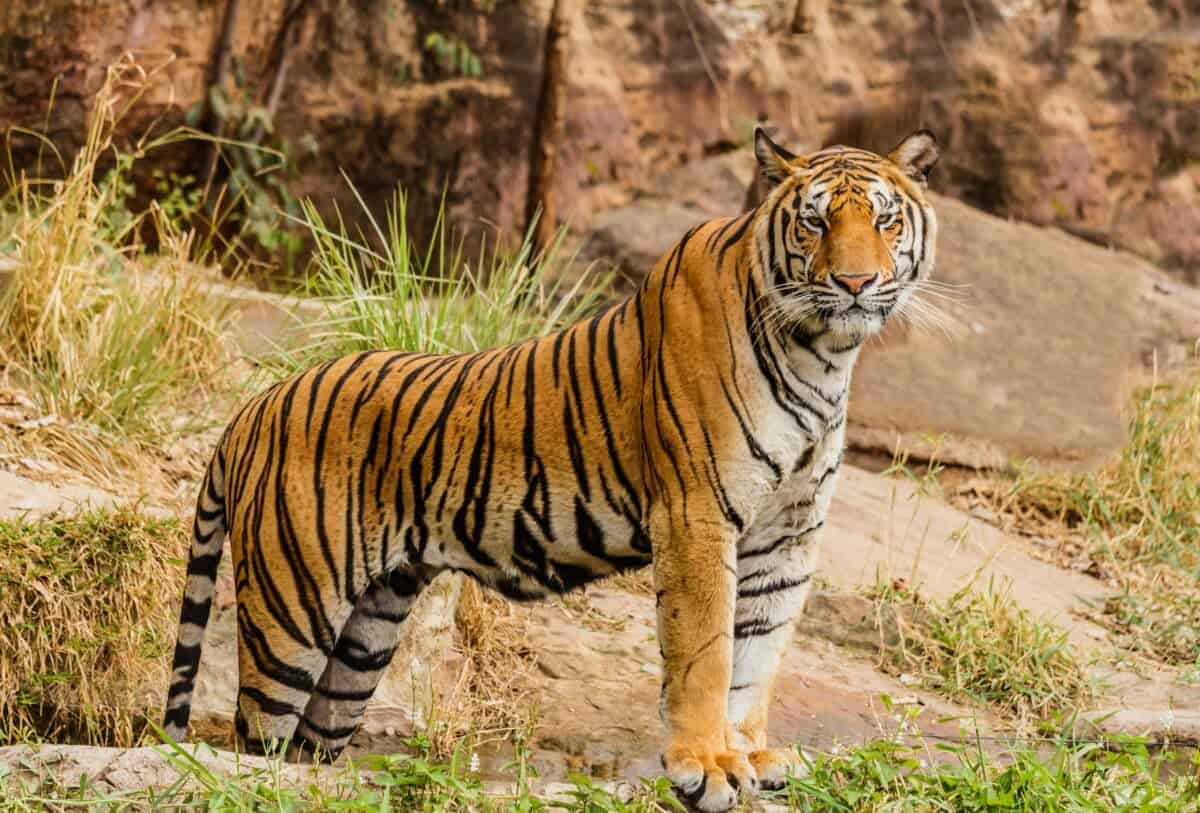
Tiger mothers raise their cubs in secluded dens for the first few months of life, protecting the blind, helpless newborns that weigh only 2-3 pounds at birth. These tiny striped cubs, with oversized paws they’ll eventually grow into, develop rapidly under their mother’s attentive care. Around six months of age, tiger moms begin taking their cubs on hunting expeditions, teaching them to stalk prey through careful demonstration. She’ll often injure prey animals but leave them alive so her cubs can practice the killing bite—crucial education for future apex predators. Playtime serves a serious purpose too, as cubs wrestle and pounce on each other to develop the coordination they’ll need for hunting. With their bright blue eyes (which later turn amber), round faces, and playful demeanor, tiger cubs represent an adorable beginning for animals that will grow into some of nature’s most powerful predators.
9. Giant Pandas Devoted Single Mothers
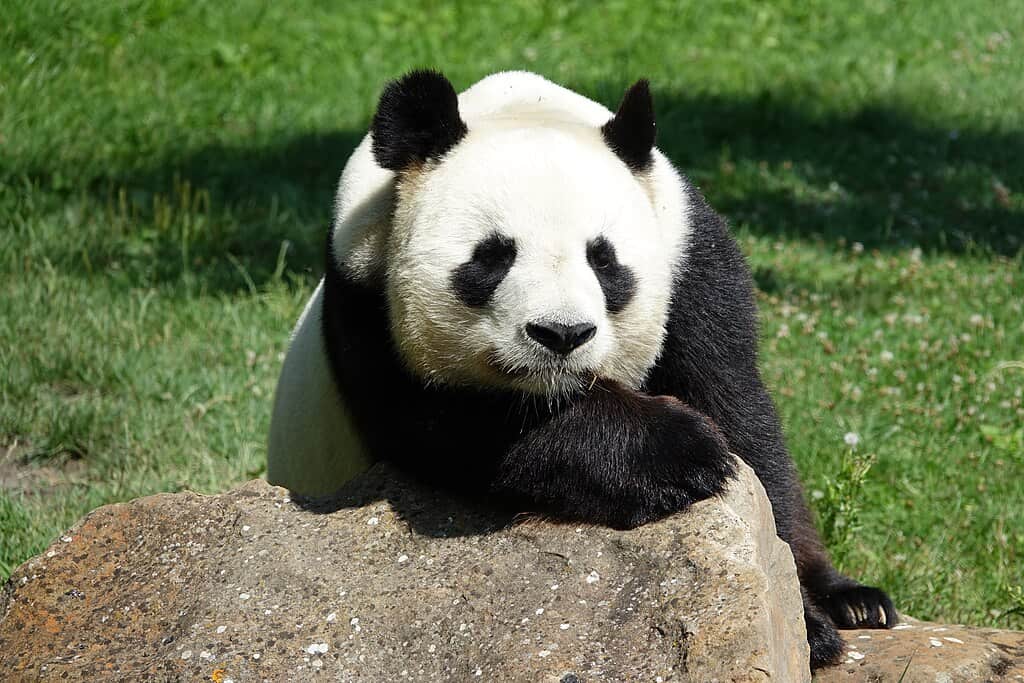
Giant panda mothers devote extraordinary attention to their tiny, helpless cubs. At birth, panda cubs weigh just 3-5 ounces—about 1/900th of their mother’s weight—and are pink, hairless, and blind. The stark contrast between the tiny, vulnerable newborn and its eventual 250-pound adult form makes baby pandas particularly endearing. Mothers rarely set down their cubs during the first month, holding them almost constantly and forgoing food and water for days at a time. As the distinctive black and white fur develops and the cub grows, mothers teach their young how to forage for their specialized bamboo diet. Panda cubs are known for their clumsy antics as they learn to climb and tumble about, creating some of wildlife photography’s most charming moments. The intense maternal dedication is especially remarkable considering the significant energy expenditure required while maintaining the pandas’ bamboo-only diet.
8. Wolves The Pack Mentality

Wolf pups benefit from the ultimate extended family arrangement. Born in underground dens, the blind, deaf pups weigh only one pound at birth but develop rapidly under the care of not just their parents but the entire pack. Alpha female wolves nurse the pups, but all pack members participate in pup-rearing by regurgitating food for the young and taking turns watching over them. By three weeks, wolf pups emerge from the den with their characteristic oversized paws, floppy ears, and playful temperaments that belie their future as sophisticated pack hunters. Through play-fighting and observation, pups learn vital social behaviors and hunting strategies. Their adorable appearance—with rounded facial features that gradually elongate into the more angular adult wolf face—makes young wolf pups particularly charming, while the communal parenting approach highlights the complex social structure that helps ensure wolf survival in challenging environments.
7. Giraffes The Dramatic First Steps

Giraffe calves experience one of the most dramatic entrances into the world—a 5-6 foot drop to the ground as mothers give birth standing up. Despite this rough start, newborn giraffes show remarkable resilience, typically standing within 30 minutes and running within 10 hours of birth. Already standing 6 feet tall at birth, these gangly calves with their wide eyes, knobbly knees, and miniature ossicones (horn-like structures) are undeniably charming as they wobble beside their towering mothers. Giraffe mothers are protective guardians, forming “nursery groups” with other mothers to share protection duties while feeding. The mothers can identify their calves by their unique spot patterns, and they’ll stand guard as the youngsters rest, protecting them from predators like lions and hyenas. The sight of a baby giraffe taking shelter beneath its mother’s long legs, occasionally peering out curiously at the world around it, creates one of the savanna’s most heartwarming scenes.
6. Humpback Whales Long-Distance Parenting
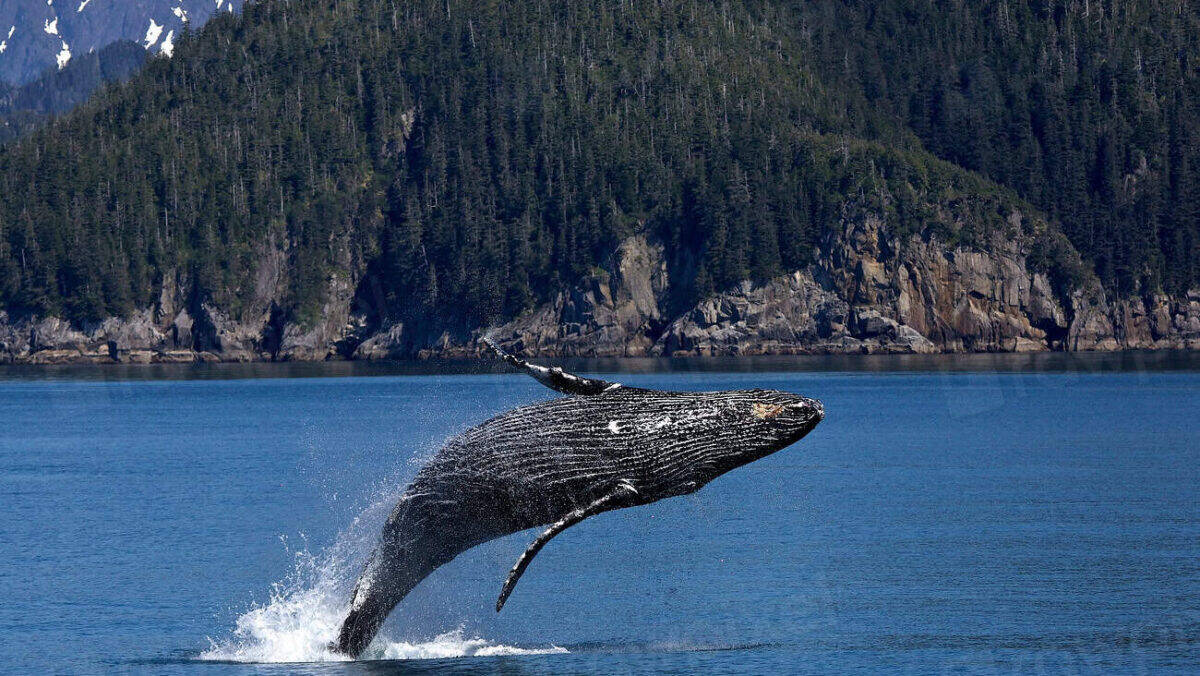
Humpback whale calves are born after an 11-12 month gestation period, emerging at 13-16 feet long and weighing approximately one ton—already larger than most adult land animals. Despite their size, these calves are relatively helpless, relying entirely on their mothers for protection and nourishment. Mothers produce over 100 gallons of milk daily, allowing calves to gain nearly 100 pounds every day during their first year. The bond between mother and calf is reinforced through constant physical contact as they swim side by side, with the calf often positioned in the slipstream created by its mother’s movement, conserving energy during the long migration journeys that can span thousands of miles. Baby humpbacks, with their proportionally smaller pectoral fins and more rounded heads, learn complex behaviors from their mothers including the spectacular breach—where these massive animals launch themselves out of the water. The playful nature of humpback calves, combined with their wide-eyed expressions, makes them captivating subjects for underwater photographers.
5. Meerkats The Community Childcare System
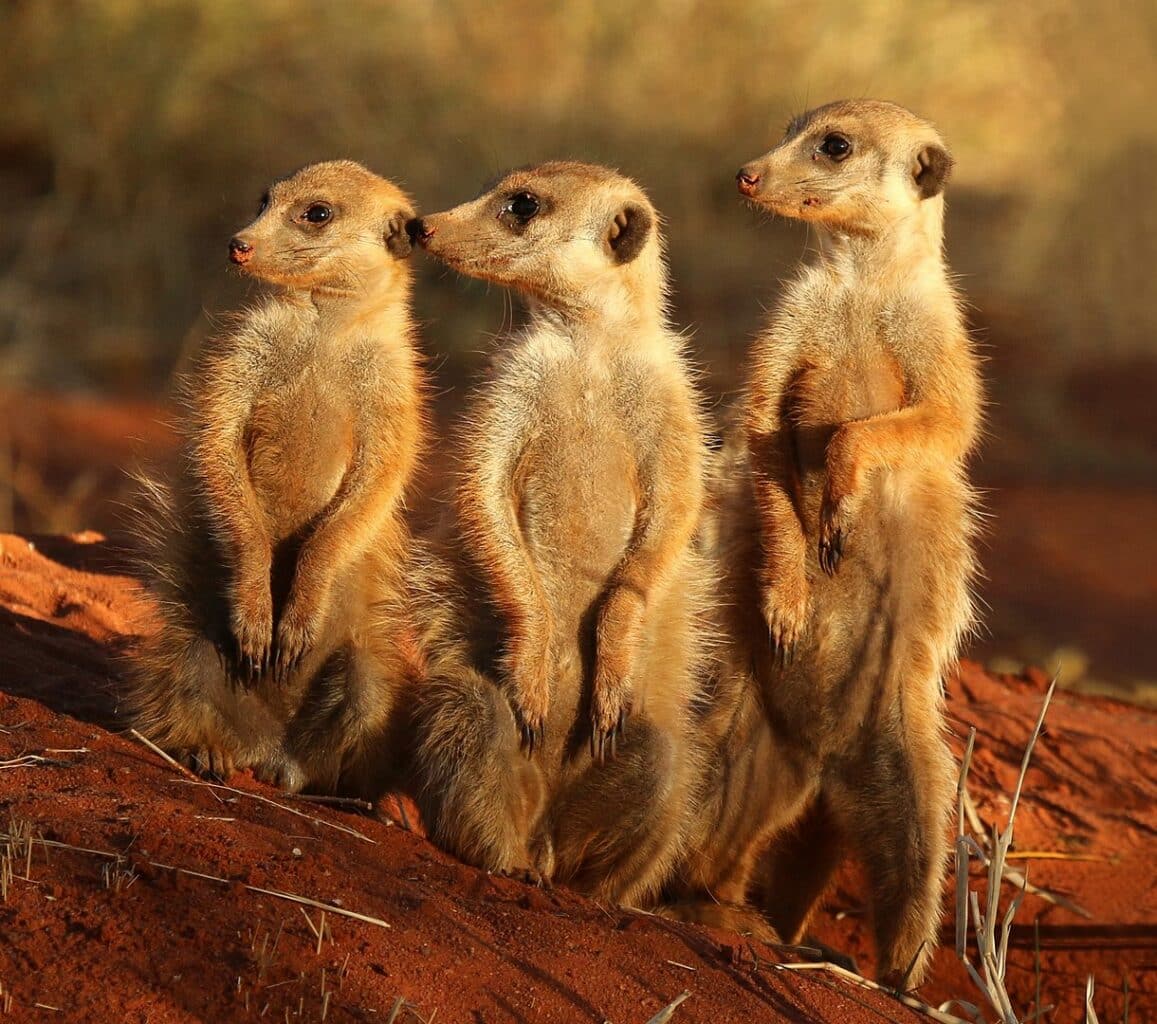
Meerkat pups benefit from one of nature’s most elaborate babysitting systems. Born in underground burrows after a 70-day gestation period, litters typically contain 2-5 pups that are hairless, blind, and completely dependent. While the mother nurses her young, other colony members take turns as designated babysitters, standing guard over the pups when they emerge from the burrow at about three weeks old. These babysitters will even sacrifice their own feeding time to protect the young. As the pups grow, they’re taught crucial survival skills through a form of mentorship—adults will bring injured prey to young meerkats so they can practice hunting techniques safely. With their disproportionately large heads, tiny paws, and curious upright posture as they imitate the sentinel behavior of adults, meerkat pups rank among the most photogenic young animals in the wild. Their communal upbringing showcases how some species have evolved cooperative parenting strategies that benefit the entire social group.
4. Red Foxes The Playful Teachers

Red fox kits are born in underground dens called earths, typically in litters of 4-5 after a gestation period of about 52 days. These tiny fox babies, weighing only 100 grams at birth, are born blind and with dark brown fur that gradually transitions to the distinctive red coat as they mature. The mother fox (vixen) rarely leaves the den during the first few weeks, relying on the father to bring food while she nurses. Around four weeks of age, the kits begin venturing outside the den, where they engage in seemingly endless play that serves a critical purpose: developing the pouncing, chasing, and stalking skills they’ll need as adult hunters. Fox parents gradually introduce their young to solid food by bringing small prey items back to the den, eventually teaching hunting techniques through demonstration. With their oversized ears, bright eyes, and boundless energy, fox kits exemplify the perfect combination of cuteness and developing predatory prowess that makes watching young animals so fascinating.
3. Hippos Underwater Nurseries

Hippopotamus calves face the challenge of being born underwater, where mothers give birth after an 8-month gestation period. These baby hippos, weighing between 50-110 pounds at birth, must immediately swim to the surface for their first breath—often with help from their mothers who nudge them upward. Despite their considerable birth weight, hippo calves look miniature next to their massive 3,000-pound mothers. Young hippos nurse underwater, holding their breath while feeding from their mother’s mammary glands—a unique adaptation among mammals. For protection against crocodiles and other threats, mothers create nursery groups where they can take turns watching over the calves while others feed. Baby hippos, with their barrel-shaped bodies, round eyes, and tiny ears, have a distinctively cartoonish appearance that contrasts with the formidable nature of adult hippos. Their playful water antics and tendency to use their mothers as climbing platforms make them endearing subjects for wildlife photographers, despite being the offspring of one of Africa’s most dangerous animals.
2. Polar Bears Surviving the Arctic
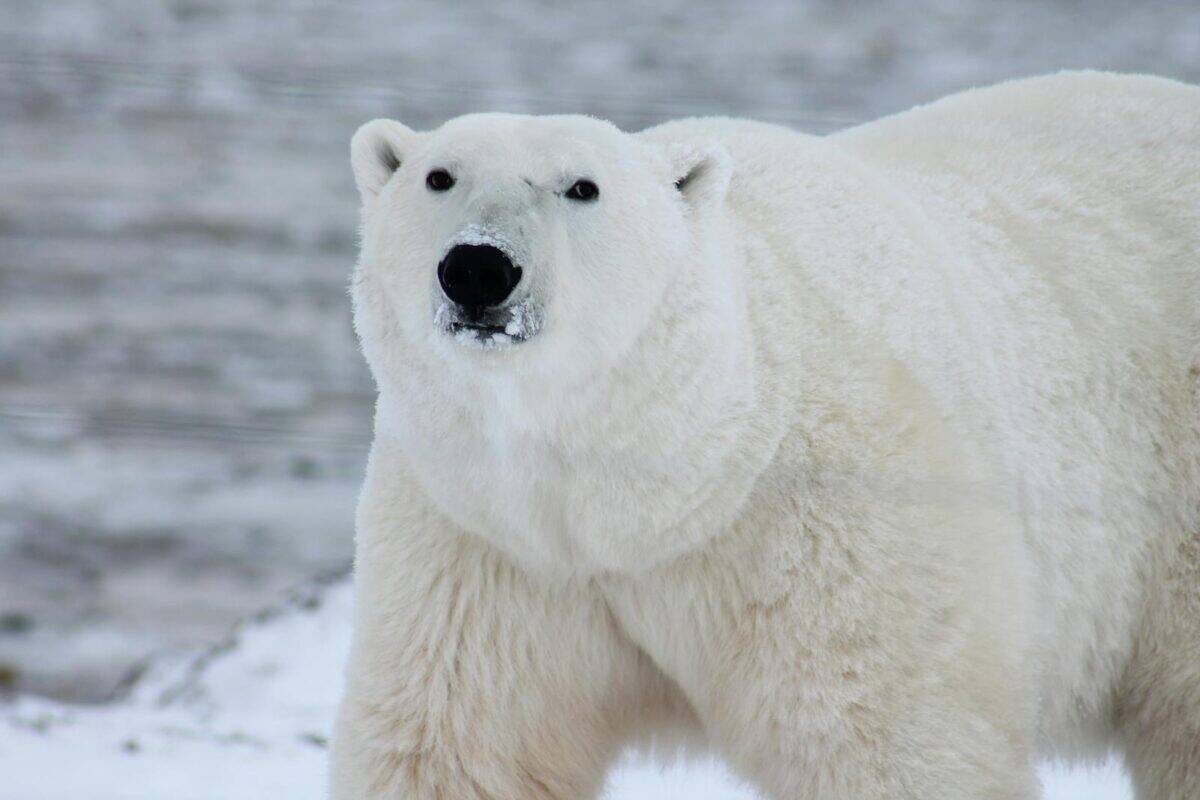
Polar bear cubs are born in winter dens excavated from snowdrifts, where mothers have been fasting for months during pregnancy. These cubs, weighing only about one pound at birth, are blind, toothless, and covered with fine white fur. Their tiny size—approximately 1/500th of their mother’s weight—makes them among the most vulnerable mammal newborns relative to adult size. For the first few months, they nurse in the protected den while developing the fat layer and thick fur needed to survive Arctic conditions. When cubs finally emerge in spring, weighing around 20-30 pounds, they face a harsh environment where mothers must immediately begin teaching survival skills like hunting seals. Polar bear cubs typically stay with their mothers for 2-3 years, learning to navigate sea ice and develop hunting techniques. With their charming waddle, playful wrestling matches with siblings, and tendency to ride on their mother’s back when crossing cold waters, polar bear cubs represent one of nature’s most appealing contradictions—adorable beginnings for one of the planet’s most powerful predators.
1. Cheetahs Teaching Speed and Stealth
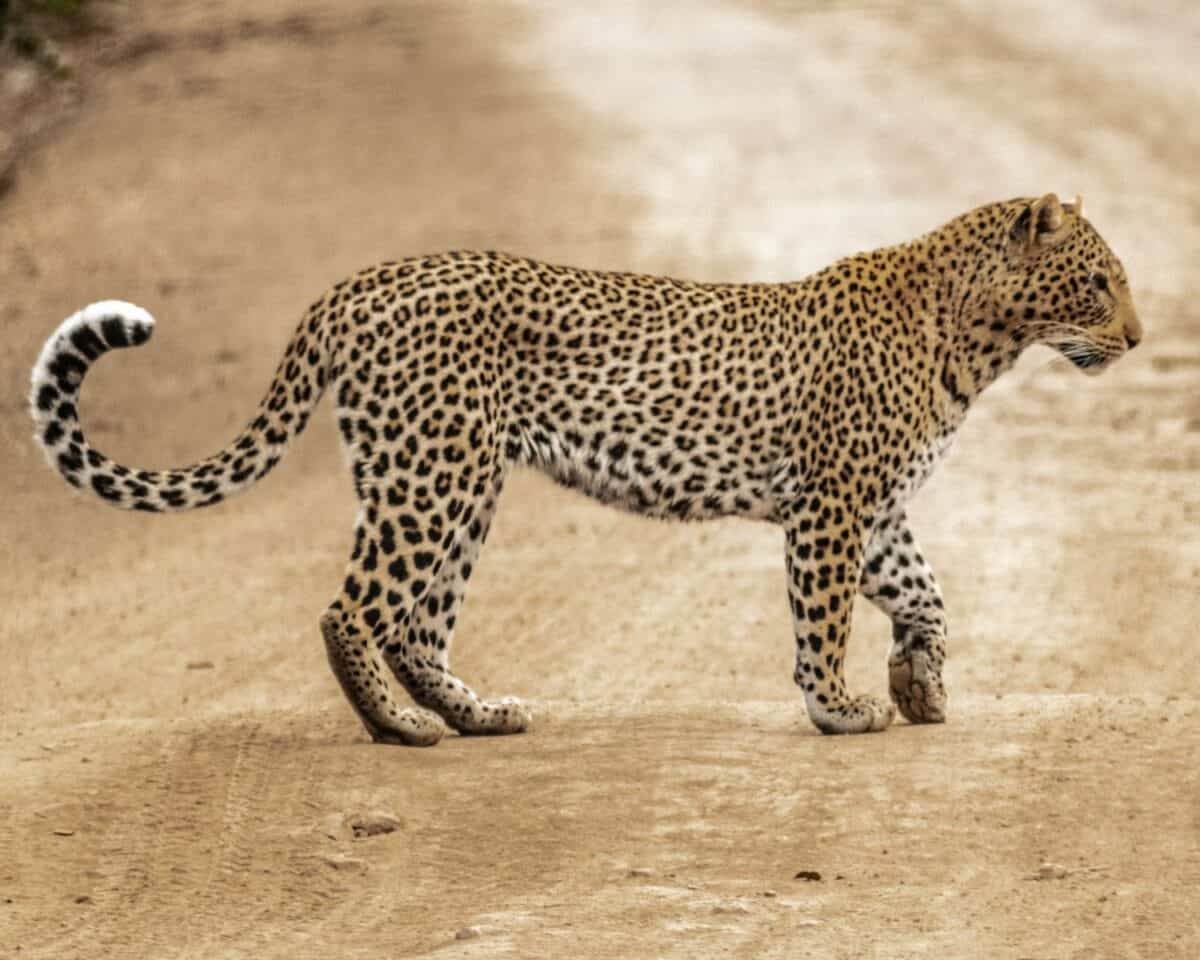
Cheetah cubs are born after a 90-day gestation period, typically in litters of 3-5, hidden in tall grass where their spotted coats provide natural camouflage. These cubs, weighing just 5-10 ounces at birth, feature a distinctive mantle of long, gray fur along their backs that helps them blend into grass and may resemble the aggressive honey badger—potentially deterring predators. Cheetah mothers move their cubs to new hiding places every few days to avoid detection by predators like lions and hyenas. Around six weeks, cubs begin following their mother, learning through observation as she demonstrates hunting techniques. What makes cheetah parenting particularly remarkable is how mothers deliberately bring injured prey back to cubs, allowing them to practice the chase and capture techniques that will make them the world’s fastest land predators. With their fluffy mantles, oversized heads, and distinctive tear marks that extend from eye to mouth even in infancy, cheetah cubs combine exceptional cuteness with the early markings of the sleek, specialized hunters they’ll become.
Conclusion: The Circle of Wild Life Nurturing the Next Generation

The diverse parenting strategies we see across wild animal species highlight the remarkable adaptations that have evolved to ensure offspring survival in challenging environments. From the communal care of wolf packs to the intense single-mother dedication of pandas, these parenting approaches represent millions of years of evolutionary refinement. The undeniable appeal of baby animals goes beyond mere cuteness—it reflects our innate recognition of vulnerability and potential, qualities that transcend species boundaries. As we witness these wild parents nurturing, protecting, and teaching their young, we’re reminded of the complex bonds that exist throughout the animal kingdom. In a world where habitat loss and climate change increasingly threaten wildlife populations, understanding and appreciating these remarkable parent-offspring relationships becomes not just a source of wonder but a compelling reason for conservation efforts to ensure these wild families can continue to thrive for generations to come.

As a little kid, I fell in love with nature, wildlife, and animals. Living in the USA, South Africa, Italy, China and Germany gave me the opportunity to discover the world's Wildlife. My favorite animals are Mountain Gorillas, Siberian Tigers, and Great White Sharks.
I'm a certified PADI Open Water Diver, went to Everest Base Camp and Trekked Gorillas in Uganda. I hold a Master of Science in Economics and Finance.
Please send any feedback to feedback@animalsaroundtheglobe.com
- 10 Dogs That Love to Run And 3 That Prefer the Couch - July 21, 2026
- 15 Spider Adaptations That Defy Logic - July 21, 2026
- 13 Cat Breeds That Get Along with Dogs - July 20, 2026