


In the frigid, dark depths of the Arctic Ocean and North Atlantic waters, a remarkable creature silently glides through the gloom. The Greenland shark (Somniosus microcephalus) holds an extraordinary distinction as the longest-living vertebrate known to science, with lifespans potentially reaching 500 years or more. While humans have evolved through Renaissance, Industrial Revolution, and Digital Age, these ancient mariners have continued their slow, methodical existence largely unchanged. Their exceptional longevity has captivated scientists worldwide, presenting a biological puzzle with profound implications for understanding aging and survival. This article explores the remarkable characteristics and adaptations that have allowed these ancient fish to endure through centuries, witnessing the rise and fall of human civilizations from the silent depths of polar waters.
The Remarkable Discovery of Extreme Longevity

The scientific community was stunned in 2016 when researchers from the University of Copenhagen published their groundbreaking findings in the journal Science. Using radiocarbon dating of eye lens proteins from 28 Greenland sharks, they determined that the largest specimen, measuring 16.5 feet (5 meters), was approximately 392 years old, with a potential range of 272-512 years.
This makes the Greenland shark not just the longest-living fish, but the longest-living vertebrate on Earth, far outpacing previous record holders like the bowhead whale (estimated to live up to 200 years). The discovery fundamentally changed our understanding of vertebrate longevity and raised fascinating questions about the biological mechanisms that could allow such extraordinary lifespans.
The Biological Blueprint for Longevity
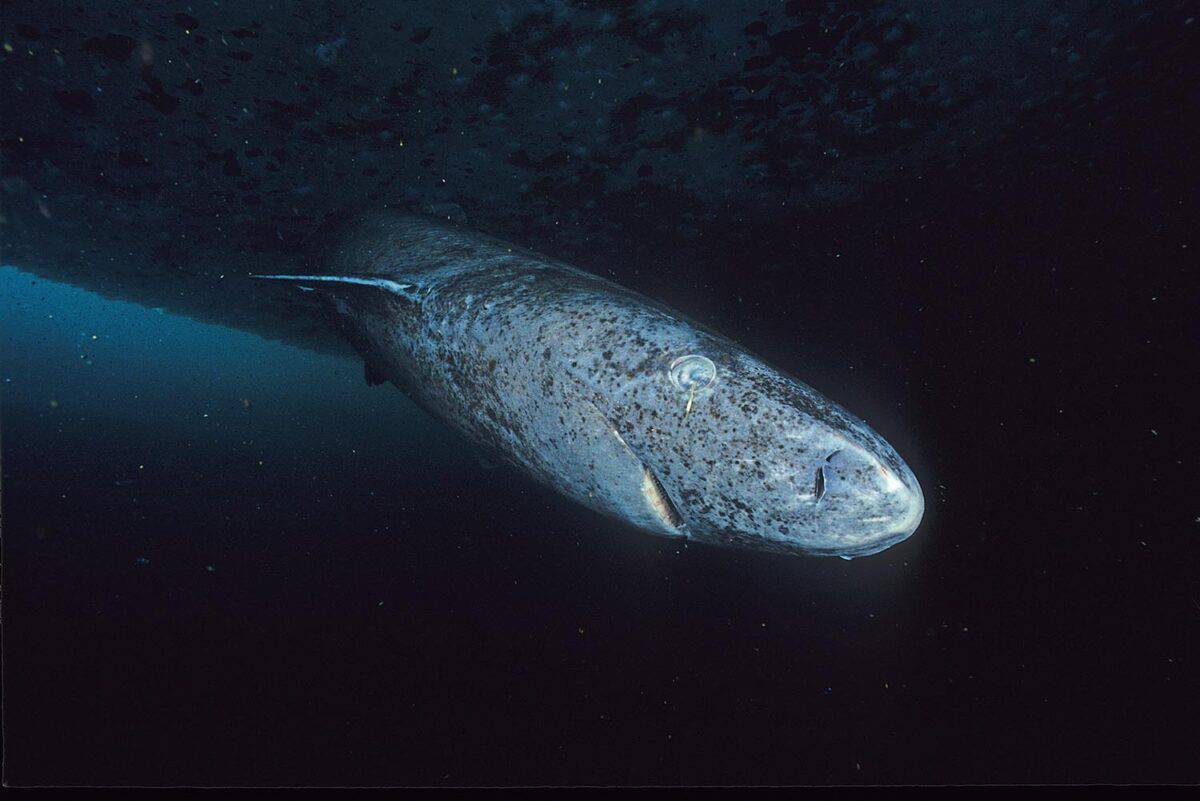
Greenland sharks possess a unique biological blueprint that contributes to their exceptional longevity. Their metabolic rate is extraordinarily slow—among the slowest of any shark species—a direct adaptation to the frigid Arctic waters where temperatures rarely rise above 39°F (4°C). This cold-water adaptation has profound effects on their physiology, slowing cellular processes and reducing the accumulation of metabolic damage that typically contributes to aging.
Additionally, these sharks grow at an incredibly slow rate, approximately 0.4 inches (1 cm) per year, reaching sexual maturity only after about 150 years. This remarkably slow pace of life appears to be a fundamental component of their longevity strategy, allowing cellular processes to unfold at a glacial pace that minimizes damage to tissues and DNA.
Extreme Environments and Evolutionary Adaptations

The harsh Arctic environment has driven the evolution of several critical adaptations that contribute to the Greenland shark’s longevity. These sharks have developed specialized liver oils containing high concentrations of compounds that function as natural antifreeze, preventing their blood and tissues from freezing in sub-zero temperatures. Their bodies also maintain a high concentration of trimethylamine N-oxide (TMAO), which stabilizes proteins under pressure and cold, enabling their survival at depths reaching 7,200 feet (2,200 meters).
These adaptations to extreme environmental conditions have shaped a physiology that operates efficiently under circumstances that would be lethal to most vertebrates. The constant cold and high pressure of their deep-water habitat may actually preserve tissues and slow biochemical reactions that typically lead to cellular damage and aging.
The Mystery of Cellular Repair Mechanisms

Scientists believe that Greenland sharks possess extraordinarily efficient cellular repair mechanisms that contribute significantly to their longevity. Research indicates they may have enhanced DNA repair capabilities that allow them to correct genetic damage before it accumulates and leads to age-related decline.
Additionally, studies suggest they have robust mechanisms for removing damaged proteins and cellular components, a process called autophagy, which essentially “cleans house” at the cellular level. These sharks likely also have heightened protection against oxidative stress—damage caused by free radicals that is closely associated with aging in most species. Understanding these repair mechanisms has become a focal point for researchers seeking insights into human aging and age-related diseases, potentially offering clues for extending human healthspan.
Slow Reproduction and Century-Long Maturation
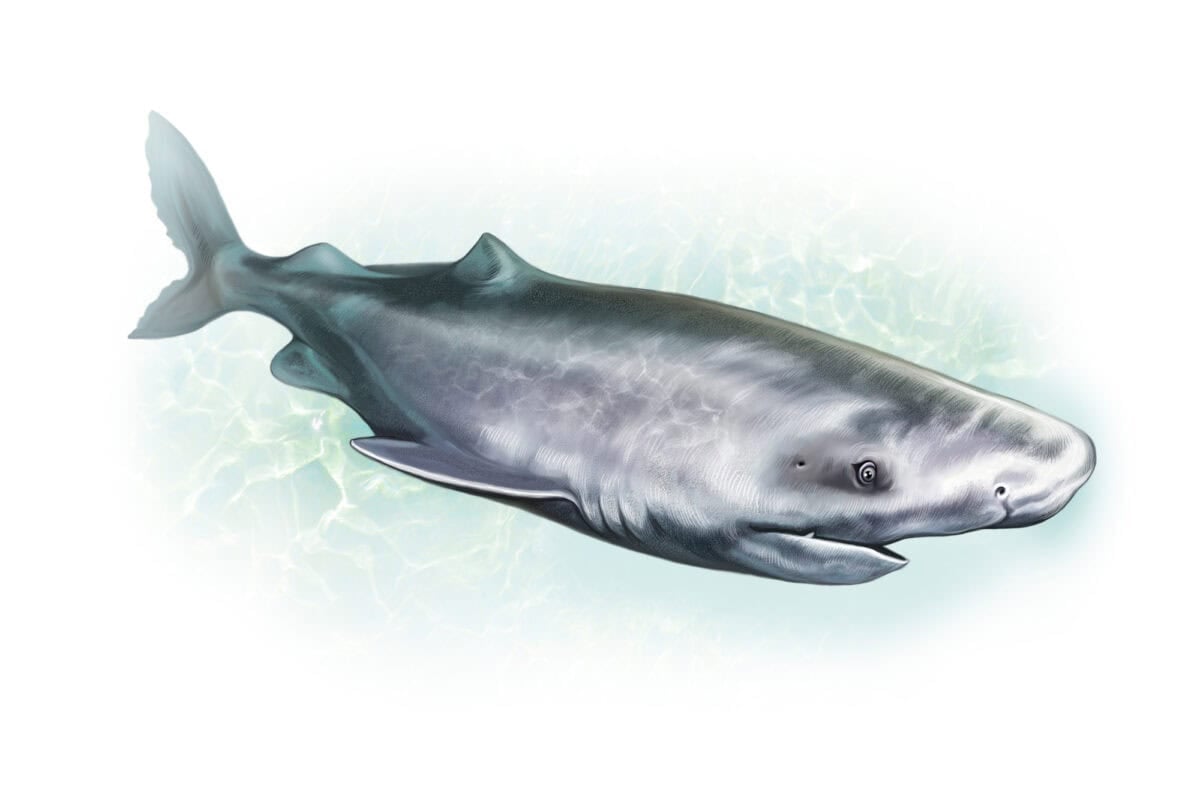
Perhaps one of the most extraordinary aspects of Greenland shark biology is their reproductive timeline. These sharks reach sexual maturity only after approximately 150 years of life—a timescale almost incomprehensible from a human perspective. Females may carry up to 10 live young, but the gestation period is estimated to be exceptionally long, potentially lasting many years.
This extremely delayed reproduction is intrinsically linked to their slow growth rate and metabolism, creating a life history strategy focused on extreme longevity rather than rapid reproduction. This reproductive pattern represents an evolutionary trade-off: rather than producing many offspring quickly with high mortality, they invest in few offspring over a vastly extended reproductive lifespan, allowing them to contribute to the population for centuries rather than decades.
The Paradox of Predatory Success

Despite moving at speeds of less than 1 mile per hour (1.6 km/h)—often described as “glacial”—Greenland sharks have evolved into successful apex predators. Their hunting strategy relies not on speed but on stealth, patience, and opportunity. They are primarily scavengers, but stomach content analyses have revealed remains of seals, fish, whales, and even polar bears and reindeer (likely scavenged from carcasses that fell into the water).
This slow-motion predation represents an energy-efficient survival strategy perfectly aligned with their slow metabolism. Recent research using underwater cameras has shown that these sharks can ambush sleeping seals, suggesting their hunting capabilities may be more sophisticated than previously thought. This efficient, low-energy predatory strategy minimizes the metabolic costs associated with high-speed hunting, potentially contributing to their extended lifespan.
Insights from Shark Parasites
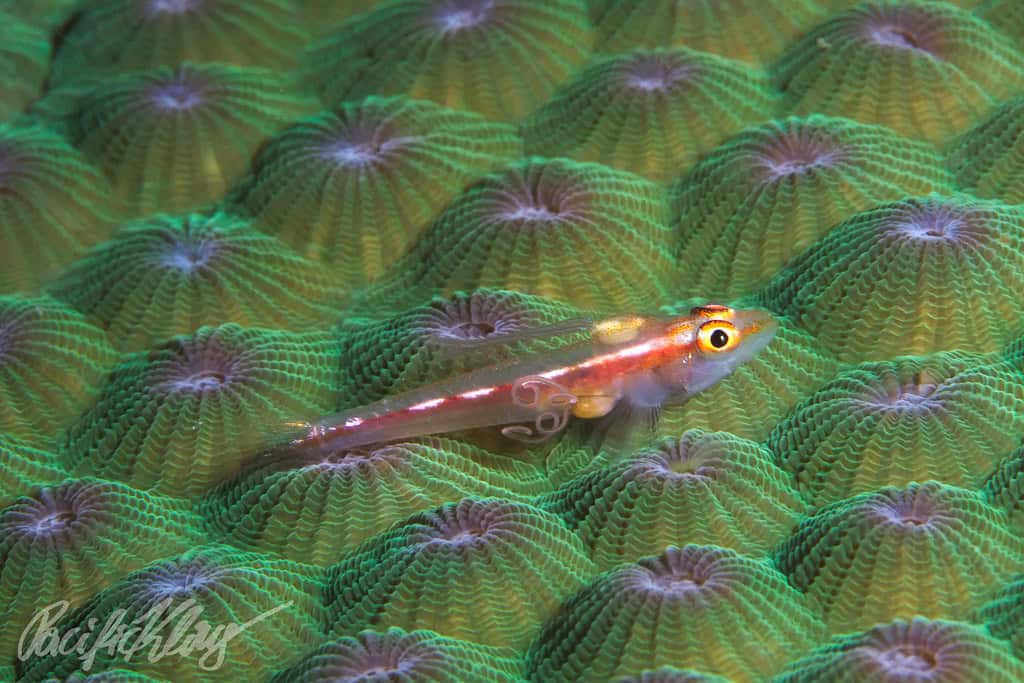
Remarkably, one of the most distinctive features of Greenland sharks provides indirect evidence of their longevity. Most adults host copepod parasites (Ommatokoita elongata) that attach to their corneas, causing partial blindness. These parasites, which can be several inches long, remain attached for decades or possibly even centuries.
Studies of these parasite populations and their life cycles offer indirect confirmation of the sharks’ extreme longevity, as the relationship between host and parasite has clearly evolved over evolutionary timescales to accommodate the sharks’ centuries-long existence. Despite the partial blindness these parasites cause, the sharks continue to thrive, relying more on their acute sense of smell than vision for hunting and navigation—another adaptation that suits their deep, dark habitat.
The Challenge of Studying Ancient Swimmers

Studying animals that potentially live for half a millennium presents unique scientific challenges. Traditional tagging and recapture methods used for other marine species are ineffective when dealing with lifespans that far exceed the careers of several generations of scientists. Researchers have had to develop innovative approaches, including non-lethal tissue sampling techniques and sophisticated aging methodologies based on radiocarbon dating and growth band analysis.
The 2016 breakthrough came from analyzing eye lens nuclei, which contain proteins formed during embryonic development that remain unchanged throughout life. By measuring carbon-14 isotopes incorporated into these proteins—a technique that takes advantage of the “bomb pulse” of carbon-14 released during nuclear testing in the 1950s—scientists created a timeline for dating these ancient creatures. These methodological innovations have opened new avenues for studying extremely long-lived species without sacrificing them.
Climate Change Threats to Century-Old Fish

Despite surviving for centuries through various climatic shifts, today’s rapidly accelerating climate change poses unprecedented threats to Greenland sharks. These ancient creatures evolved in a stable, cold environment, and the current rate of Arctic warming—occurring two to three times faster than global averages—may exceed their adaptive capacity. Increasing water temperatures could disrupt their metabolic processes, potentially affecting growth, reproduction, and longevity.
Ocean acidification, another consequence of climate change, may impact their prey availability and overall ecosystem functioning. Additionally, retreating sea ice is opening previously inaccessible Arctic regions to commercial fishing operations, increasing the risk of Greenland sharks being caught as bycatch. Conservation efforts are complicated by the sharks’ extreme life history characteristics—with such delayed maturity and reproduction, populations cannot quickly recover from depletion.
Longevity Genes and Medical Implications

The genetic foundations of the Greenland shark’s extreme longevity hold tremendous potential for medical science. Researchers are working to sequence and analyze their genome, searching for genetic adaptations that contribute to their extended lifespan. Preliminary studies suggest they possess unique genetic variants related to DNA repair, cell cycle regulation, and resistance to cancer. Of particular interest are genes associated with telomere maintenance, as telomeres (protective caps on chromosomes) typically shorten with age in most species.
Understanding how these sharks maintain genomic stability over centuries could provide revolutionary insights for human medicine, potentially informing treatments for age-related diseases and approaches to extending human healthspan. Scientists are also investigating the sharks’ apparent resistance to cancer, which is statistically remarkable given their large body size and extreme longevity.
Cultural Significance Across Centuries

Greenland sharks have featured prominently in the cultural traditions of Arctic indigenous peoples for millennia. In Inuit culture, these sharks, known as “Eqalussuaq,” appear in various myths and were traditionally processed for food despite containing neurotoxins that require extensive preparation to make the meat safe for consumption. Icelandic tradition includes hákarl, a fermented Greenland shark dish prepared through a months-long process that neutralizes the toxins.
Historical records show that Vikings valued the sharks for their liver oil, used in lamps and traditional medicine. These cultural practices reflect human-shark interactions spanning centuries, with some traditional knowledge suggesting awareness of the sharks’ great age long before scientific confirmation. Today, they represent living connections to historical epochs, having been swimming the Arctic waters during the Viking age, the European Renaissance, the Industrial Revolution, and now the Digital Age.
Conservation Status and Future Prospects

The International Union for Conservation of Nature (IUCN) currently lists the Greenland shark as “Near Threatened,” but this assessment is complicated by limited population data. Their extreme longevity and late maturation make them particularly vulnerable to overfishing and environmental changes, as populations cannot quickly recover from depletion. Historically, these sharks were heavily hunted for their liver oil until the mid-20th century, with annual catches reaching 47,000 individuals in some years—a potentially devastating impact on a slow-reproducing species.
Today, conservation efforts focus on reducing bycatch in commercial fisheries and establishing protected marine areas in critical habitats. International agreements regarding Arctic fishing practices increasingly consider the unique vulnerability of these ancient creatures. Research continues to improve our understanding of their population structure, migration patterns, and habitat requirements, providing essential information for effective conservation strategies aimed at ensuring these remarkable animals continue their centuries-long swimming for generations to come.
Conclusion: The Living Time Capsules of Our Oceans
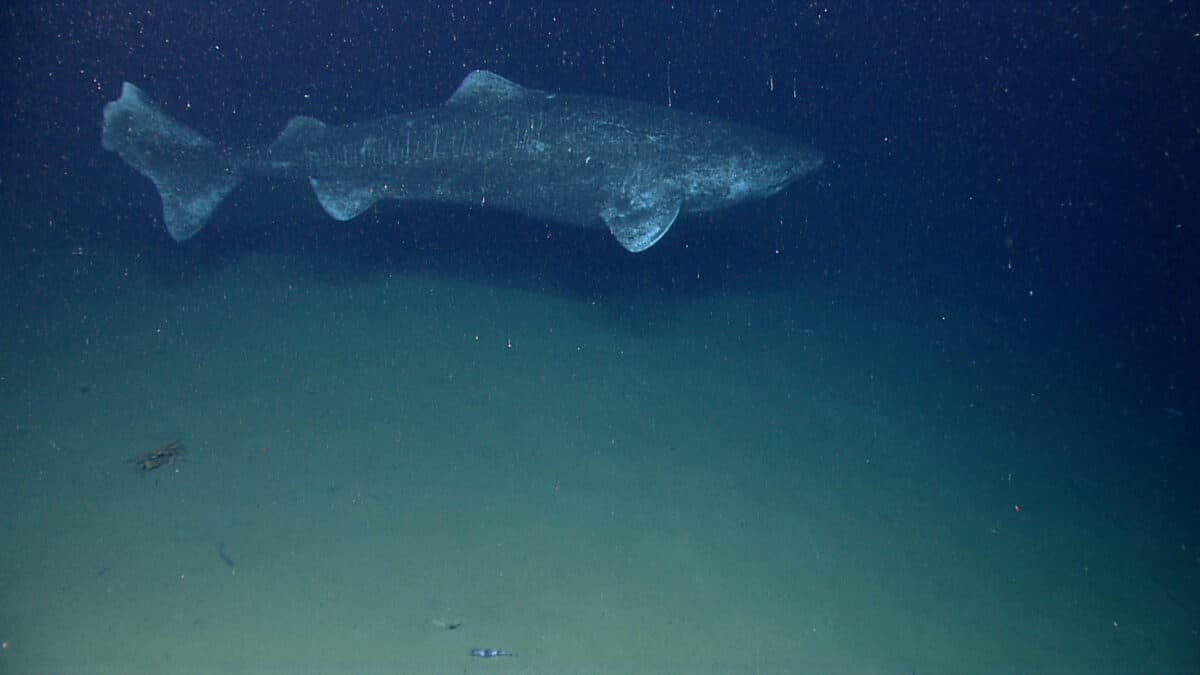
Greenland sharks represent one of nature’s most remarkable evolutionary experiments—living time capsules that challenge our understanding of vertebrate longevity and adaptation. Their extraordinary lifespans, potentially exceeding five centuries, demonstrate nature’s capacity to engineer biological systems capable of functioning far longer than previously thought possible. As we continue to unravel the mysteries of these ancient mariners, from their unique metabolic adaptations to their genetic protections against aging, we gain valuable insights not only into marine biology but potentially into human health and longevity.
The Greenland shark’s continued existence represents a living connection to historical epochs long past, swimming silently through the deep while human civilizations rose and fell above. Their conservation is not merely about protecting a single species but about preserving living biological history—organisms that may hold secrets to cellular resilience and longevity that could benefit human medicine and expand our understanding of life’s possibilities on Earth.

From exploring the marine wonders in the Azores and witnessing the vast savannas of Kenya, to delving deep into the rich biodiversity of South Africa and traversing iconic landscapes in Australia and the US like Yellowstone, Chris's experiences are vast.
With a penchant for diving alongside sharks, the ocean holds a special place in his heart.
Through his academic insights, he champions wildlife conservation, striving with 'Animals Around The Globe' to cultivate a profound connection between humans and animals, enhancing our mutual appreciation.
Connect with him at Feedback@animalsaroundtheglobe.com.
- Why Spiders Don’t Get Stuck in Their Own Webs - July 20, 2026
- What Scientists Found in a 10,000-Year-Old Beehive - July 20, 2026
- This Spider Builds Fake Decoys of Itself - July 20, 2026