

Fireflies have captivated human imagination for centuries with their enchanting bioluminescent displays. These magical insects, also known as lightning bugs, create some of nature’s most mesmerizing light shows on warm summer evenings. However, firefly populations are declining worldwide due to habitat loss, light pollution, pesticide use, and climate change. Their potential extinction would have far-reaching consequences beyond just losing a beautiful natural phenomenon. This article explores the ecological, scientific, cultural, and emotional impacts that would occur if fireflies were to disappear from our world forever.
The Current State of Firefly Populations

Firefly populations have been declining globally at an alarming rate over the past few decades. Scientists estimate that certain species have already experienced 50-70% population reductions, with some local populations disappearing entirely. The International Union for Conservation of Nature (IUCN) has added several firefly species to their Red List of threatened species. Of the approximately 2,000 firefly species worldwide, many haven’t been formally assessed for conservation status, suggesting the situation could be even more dire than currently documented. Research from Tufts University indicates that the combination of habitat destruction, light pollution, and pesticide use creates a “perfect storm” of threats to firefly populations across North America, Europe, and Asia.
Ecological Impact on Food Webs

The extinction of fireflies would disrupt established food webs and ecological balances. Adult fireflies are predators of snails, slugs, worms, and other small invertebrates, helping to control these populations naturally. Their larvae, sometimes called “glowworms,” are voracious predators that feed on slugs, snails, and other soil-dwelling invertebrates. Without this predation pressure, certain prey species could experience population explosions, potentially damaging plant communities and disrupting soil ecosystems. Additionally, fireflies themselves serve as food for various species of birds, amphibians, reptiles, and other insects. Their disappearance would remove a vital food source for these predators, potentially causing cascading effects throughout local food webs and ecosystems.
Loss of Natural Pest Control Services
Fireflies provide valuable ecosystem services by controlling pest populations naturally. Many firefly larvae are efficient predators of agricultural and garden pests such as slugs, snails, and certain worms that damage crops and ornamental plants. For instance, the larvae of the common eastern firefly (Photinus pyralis) actively hunt and consume garden pests that would otherwise damage vegetation. The extinction of fireflies would eliminate this natural pest control service, potentially leading to increased reliance on chemical pesticides. This increased pesticide use would further harm beneficial insects and other wildlife, creating a negative feedback loop of ecological damage and biodiversity loss in agricultural and garden settings.
Impact on Scientific Research and Medicine
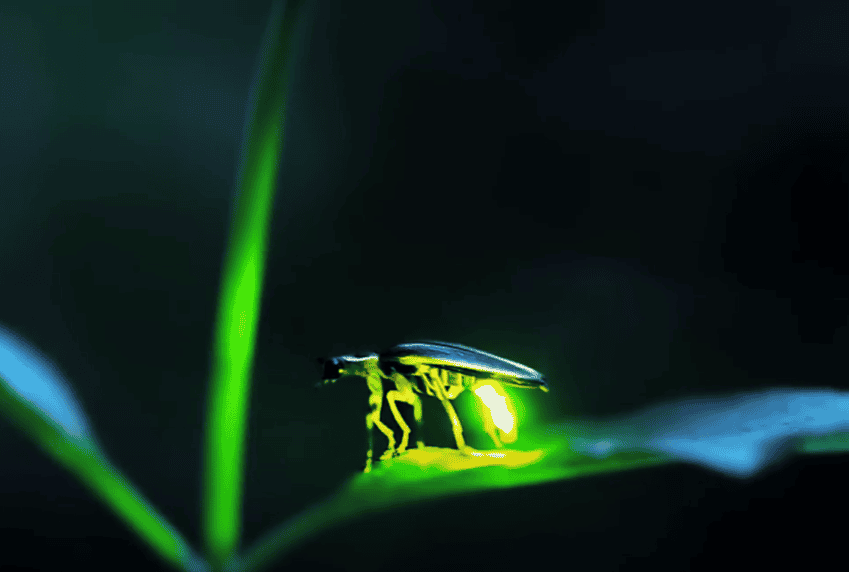
The extinction of fireflies would represent an incalculable loss to scientific research and medical advancement. The bioluminescent compounds in fireflies, particularly luciferase and luciferin, have been essential to numerous scientific breakthroughs. These compounds are used as biological markers in cancer research, gene sequencing, food safety testing, and infectious disease detection. The green fluorescent protein (GFP), inspired by bioluminescent organisms like fireflies, revolutionized cellular imaging and earned its discoverers the 2008 Nobel Prize in Chemistry. Firefly luciferase is currently used in COVID-19 testing and research. Without living fireflies to study, scientists would lose not only existing applications but also the opportunity to discover new medical and scientific uses for these unique biochemical systems that have evolved over millions of years.
Cultural and Emotional Consequences

Fireflies hold profound cultural significance across many societies worldwide. In Japan, they symbolize the souls of the dead and are celebrated in summer firefly festivals (hotaru matsuri) that date back centuries. In Native American traditions, fireflies represent enlightenment and guidance. The extinction of fireflies would erase these living cultural symbols and the traditions associated with them. Beyond formal cultural contexts, fireflies provide meaningful connections to nature for countless people, especially children, who experience wonder and joy watching these insects illuminate summer evenings. This emotional connection to nature, which fireflies so effectively foster, plays a crucial role in developing environmental awareness and appreciation. Their loss would diminish these formative experiences for future generations, potentially reducing emotional investment in broader conservation efforts.
Educational Value Diminished

Fireflies serve as accessible educational tools for teaching fundamental scientific concepts. Their bioluminescence provides a tangible, observable example of chemical reactions, energy conversion, and evolutionary adaptation that educators use to inspire interest in science. The mating rituals of fireflies, with their species-specific flash patterns, offer clear illustrations of natural selection, communication systems, and reproductive biology. Teachers and naturalists regularly use fireflies to demonstrate these concepts in engaging, memorable ways. Without living fireflies, educators would lose this powerful teaching resource that naturally captivates student interest. While videos and historical accounts could substitute to some degree, the absence of direct experience with these phenomena would significantly diminish their educational impact and the formation of personal connections to scientific inquiry.
Indicator Species Function Lost
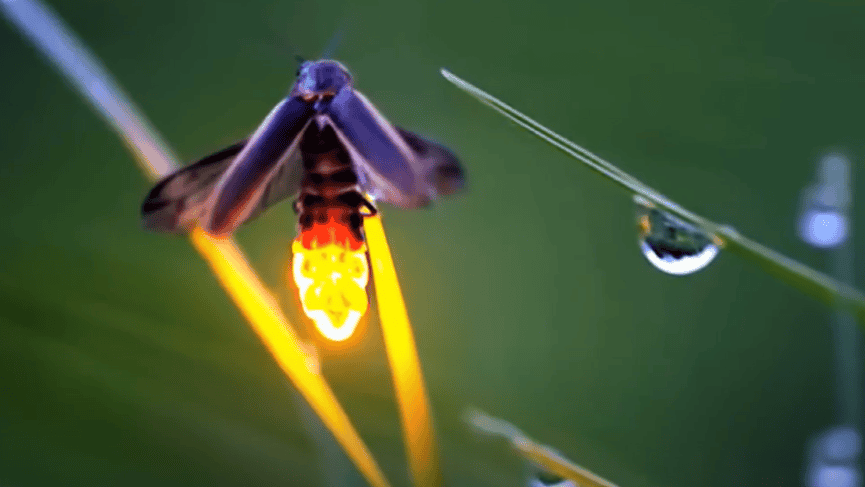
Fireflies function as important biological indicators of environmental health. Their complex life cycles—requiring specific habitat conditions including clean water, undisturbed soil, and minimal light pollution—make them sensitive to environmental changes. Scientists use firefly populations to monitor ecosystem integrity, water quality, and the effects of pollution. Their presence typically indicates healthy, functioning ecosystems with minimal contamination. If fireflies were to go extinct, we would lose this valuable early warning system that alerts us to environmental degradation before more resilient species are affected. This loss would hamper conservation efforts and environmental monitoring programs that rely on indicator species to guide protection priorities and restoration efforts in vulnerable ecosystems around the world.
Genetic Resources Permanently Lost

The extinction of fireflies would permanently eliminate their unique genetic resources and evolutionary innovations. Each firefly species represents millions of years of evolutionary adaptation, resulting in specialized biochemical pathways for bioluminescence, unique mating strategies, and ecological adaptations. This genetic diversity holds potential applications we haven’t yet discovered. Biomimicry researchers study firefly light production—which achieves nearly 100% energy efficiency—to develop more efficient lighting technologies. Their cold-light production mechanisms could inspire innovations in LED technology and energy conservation. The venom some firefly larvae use to subdue prey is being investigated for potential pharmaceutical applications. Once extinct, this genetic library of evolutionary solutions would be irretrievably lost, eliminating future discoveries and applications that could benefit humanity and ecosystem restoration efforts.
Tourism and Economic Impacts
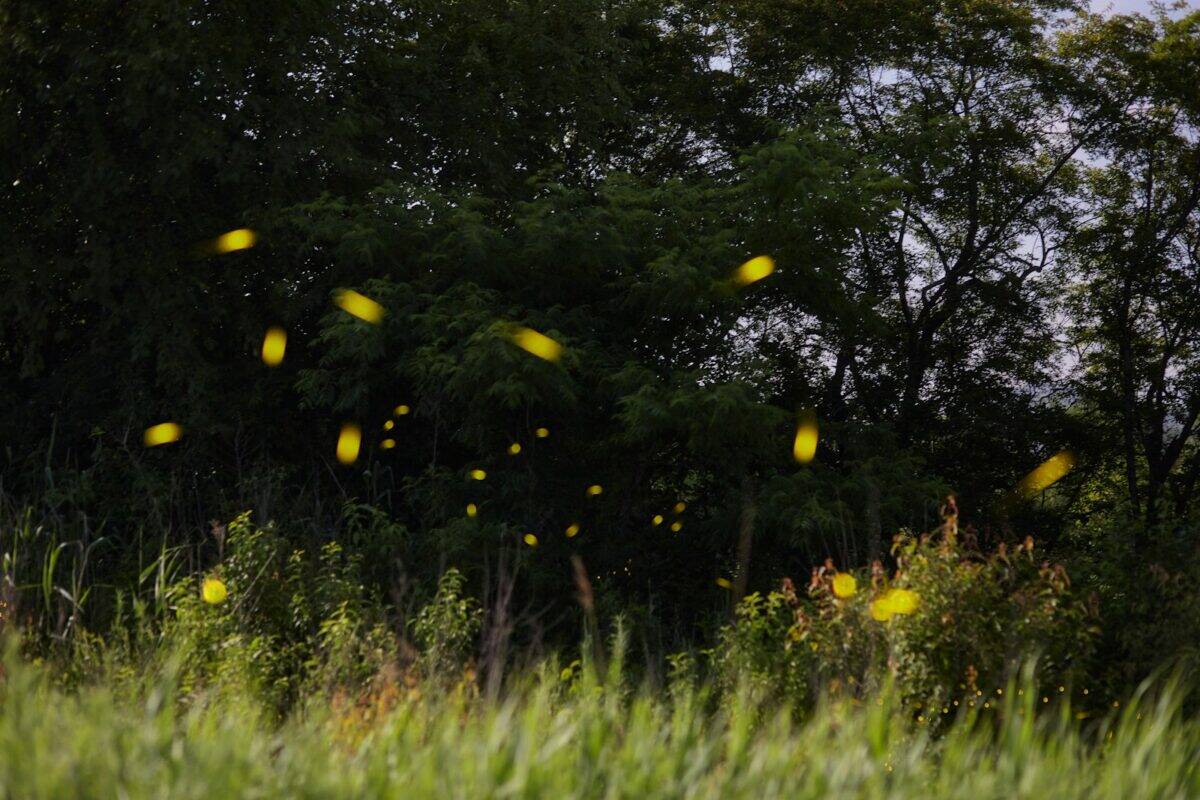
Firefly-based ecotourism generates significant economic benefits for communities around the world. In places like Malaysia’s mangrove forests, Japan’s rural areas, the Great Smoky Mountains in the United States, and Taiwan’s Alishan region, spectacular firefly displays attract thousands of visitors annually. These firefly-watching tours support local economies through accommodation, food services, guide employment, and related tourism infrastructure. The synchronous fireflies of Malaysia and Tennessee, which flash in unison creating breathtaking displays, are particularly valuable tourism assets. A study in Taiwan estimated that firefly tourism generates millions in annual revenue for rural communities. The extinction of fireflies would eliminate this sustainable income source for many communities, particularly in developing regions where alternative economic opportunities may be limited, while simultaneously removing incentives for habitat conservation.
Loss of Pollination Services

While not as recognized for pollination as bees or butterflies, certain firefly species contribute to plant reproduction through pollination. Adult fireflies of some species feed on nectar and pollen, transferring genetic material between plants as they forage. This is particularly true in tropical regions where firefly diversity is highest. For example, studies in Malaysia have documented fireflies visiting and pollinating certain flowering plants. The extinction of these firefly species would remove their pollination services from ecosystems, potentially affecting plant reproduction and genetic diversity. While the full extent of fireflies’ contribution to pollination remains understudied, their loss would eliminate their ecological role in plant reproduction and could impact plant species that have co-evolved with these insects as pollinators.
Spiritual and Artistic Inspiration Diminished
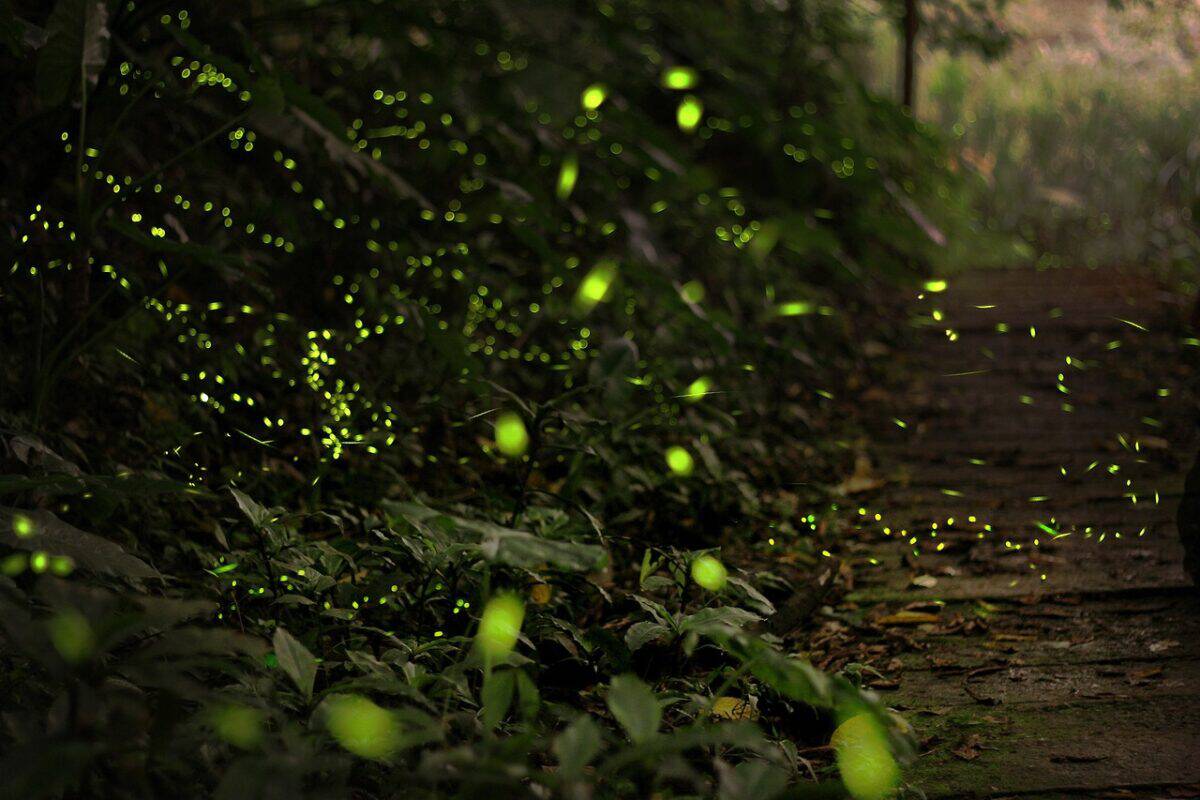
Fireflies have inspired spiritual practices, artistic expression, and creative works across human history. Their ephemeral light displays have been interpreted as spiritual messages in various traditions and feature prominently in poetry, literature, art, and music worldwide. From Japanese haiku and woodblock prints to Western poetry, fireflies have symbolized hope, transience, guidance, and the wonder of nature. Films like “Grave of the Fireflies” and contemporary music use firefly imagery to evoke powerful emotional responses. The extinction of fireflies would silence this living muse that has sparked human creativity for centuries. Future generations would understand firefly references in historical art and literature only abstractly, without the visceral experience that inspires continued artistic creation. This disconnection would diminish our cultural heritage and reduce sources of creative inspiration derived from direct interaction with nature’s phenomena.
The Loss of Natural Wonder

Perhaps the most profound consequence of firefly extinction would be the loss of natural wonder they inspire. Fireflies create what entomologist Sara Lewis calls “silent fireworks”—natural light displays that evoke awe, connection to nature, and perspective on our place in the world. These experiences of wonder have psychological benefits, reducing stress and increasing well-being, while fostering environmental awareness. Children who experience fireflies often develop stronger connections to nature that inform their values and behaviors as adults. The extinction of fireflies would eliminate one of nature’s most accessible displays of magic and mystery, particularly important in increasingly urbanized societies where opportunities to experience natural phenomena are diminishing. This loss of wonder, while difficult to quantify, represents a significant impoverishment of human experience and our relationship with the natural world.
Conclusion: A World Without Fireflies
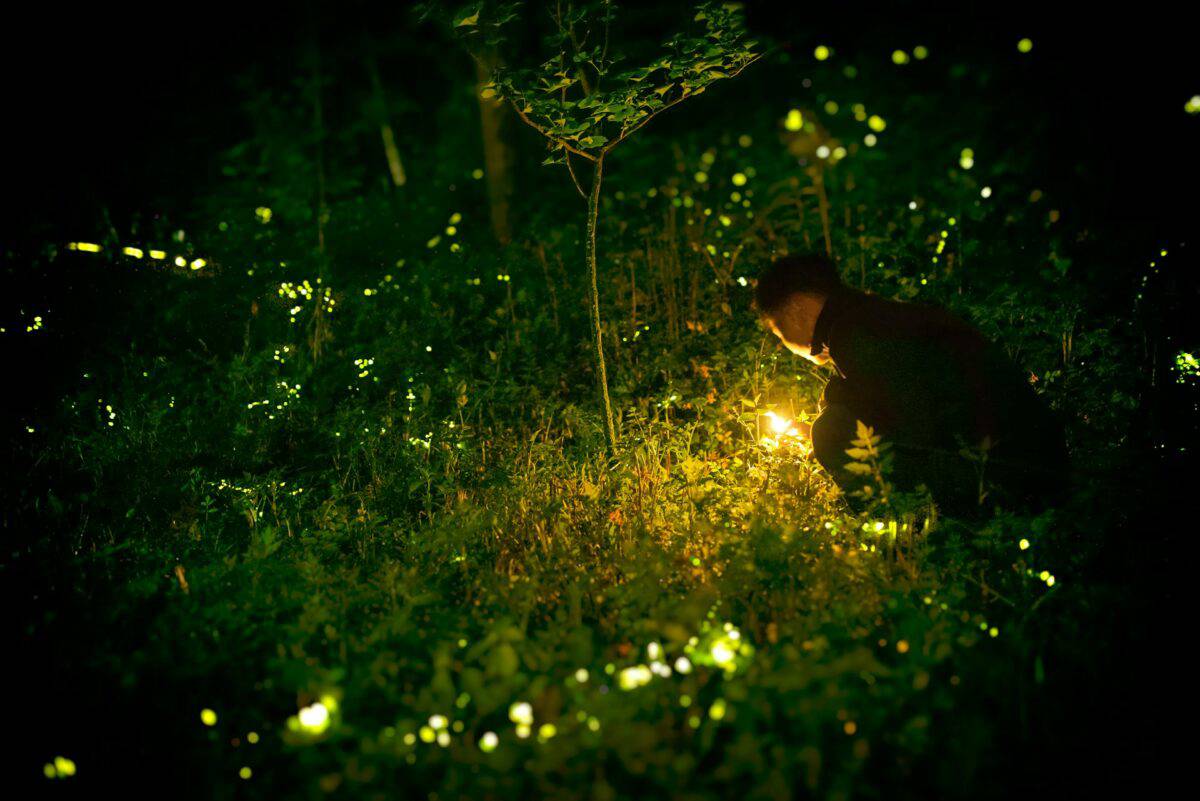
The extinction of fireflies would create ripple effects far beyond the obvious loss of their enchanting light displays. Their disappearance would disrupt ecosystems, eliminate valuable scientific resources, erase cultural traditions, and diminish human experiences of wonder and connection to nature. While synthetic versions of firefly compounds might continue to serve in laboratories, no technology could replace the ecological functions, cultural significance, or inspirational value of living fireflies illuminating summer evenings. The potential extinction of fireflies serves as a powerful reminder that biodiversity loss impacts not just ecological systems but human well-being, scientific progress, and cultural heritage. By understanding what would be lost if fireflies disappear, we gain stronger motivation to address the threats they face—habitat destruction, light pollution, pesticide use, and climate change—before their lights go out forever.

- The Secret Language of Dolphins Decoded by Researchers - July 20, 2026
- 7 Animals That Can Survive Extreme Environments You Couldn’t - July 20, 2026
- The Longest Snake Ever Found in the U.S. - July 20, 2026