


Just like humans show a preference for using either their right or left hand, cats also display “pawedness” – a tendency to favor one paw over the other when performing certain tasks. This fascinating aspect of feline behavior has intrigued both pet owners and scientists alike. While you might not have given much thought to whether your furry companion is a “southpaw” or right-dominant, understanding your cat’s paw preference can offer interesting insights into their brain function and behavior. In this article, we’ll explore the science behind paw preference in cats, how to determine if your cat is left-pawed or right-pawed, and what this might mean for your feline friend’s personality and behavior.
The Science of Paw Preference in Cats

Paw preference in cats, often called “lateral bias” or “motor laterality” in scientific literature, refers to the tendency to use one paw more frequently or skillfully than the other. This phenomenon is linked to brain lateralization – the fact that the two hemispheres of the brain control different functions. In mammals, including cats and humans, the left hemisphere typically controls the right side of the body and is associated with routine behaviors, while the right hemisphere controls the left side and is linked to responses to novelty and emergency situations. Research suggests that approximately 50% of cats have a definite paw preference, with the remainder showing ambidexterity or mixed preference depending on the task. Unlike humans, where right-handedness is predominant (affecting about 90% of the population), cats appear to be more evenly distributed between right and left preferences.
Historical Research on Feline Laterality
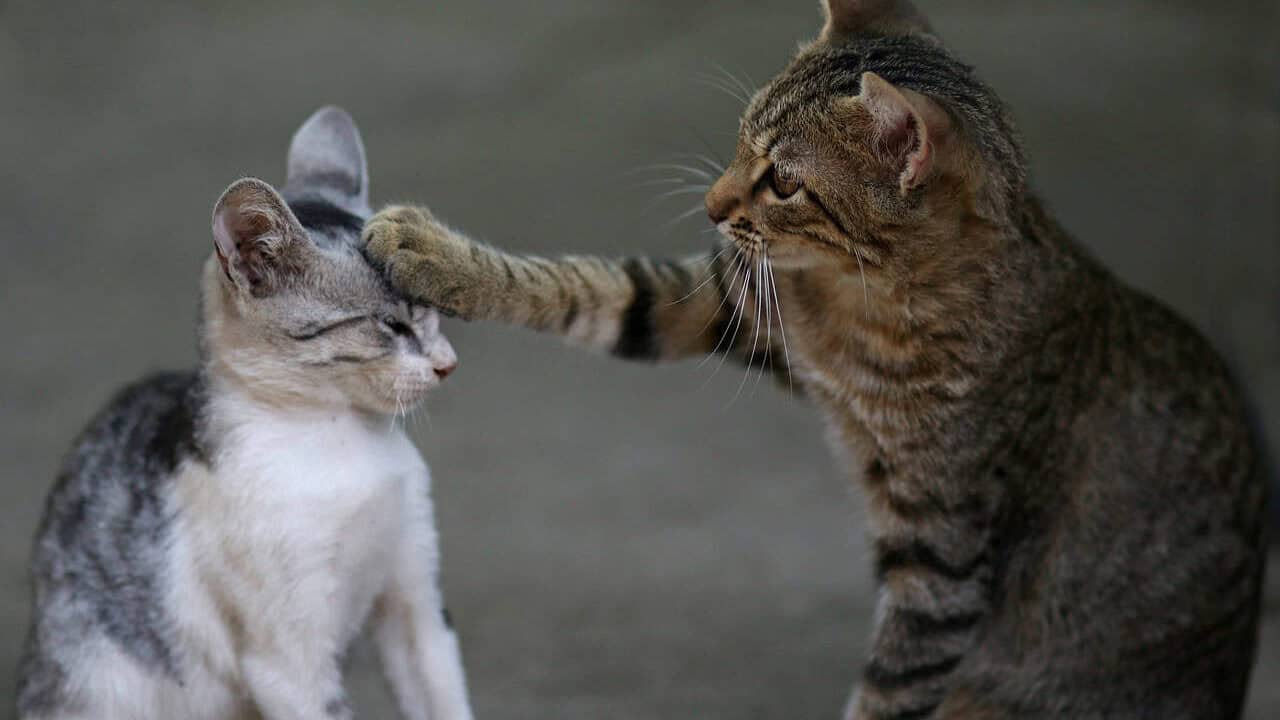
Scientific interest in animal laterality dates back several decades, but focused research on cats gained momentum in the early 2000s. In 2001, researchers at Queen’s University Belfast conducted one of the first comprehensive studies on paw preference in domestic cats. They observed 42 cats performing various tasks and found that 46% were right-pawed, 44% were left-pawed, and 10% showed no clear preference. Since then, numerous studies have expanded our understanding of this phenomenon, examining not just whether cats have a preference but also how this preference might relate to sex, age, personality, and stress responses. These studies have utilized various methodologies, from simple observation of spontaneous behaviors to more controlled experimental setups designed to elicit specific paw-based responses.
Gender Differences in Paw Preference
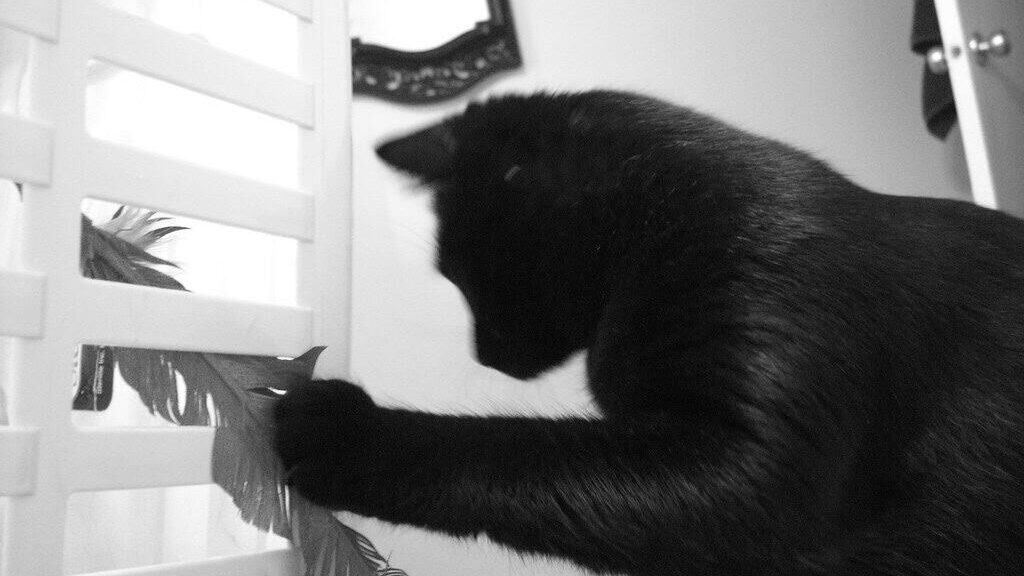
One of the most consistent findings in feline laterality research is the difference between male and female cats. Multiple studies have found that male cats tend to favor their left paw, while females are more likely to prefer their right paw. This gender-based difference appears to be linked to hormonal influences on brain development and function. A 2019 study published in the journal “Animal Behaviour” examined 44 cats (20 males and 24 females) and found that 73% of the females preferred using their right paw, while 60% of males showed a left-paw preference. This pattern contrasts with humans, where right-handedness predominates regardless of gender. The hormonal theory suggests that prenatal testosterone exposure might influence the development of the brain’s hemispheres differently in males and females, leading to these distinct lateral preferences.
How to Test Your Cat’s Paw Preference
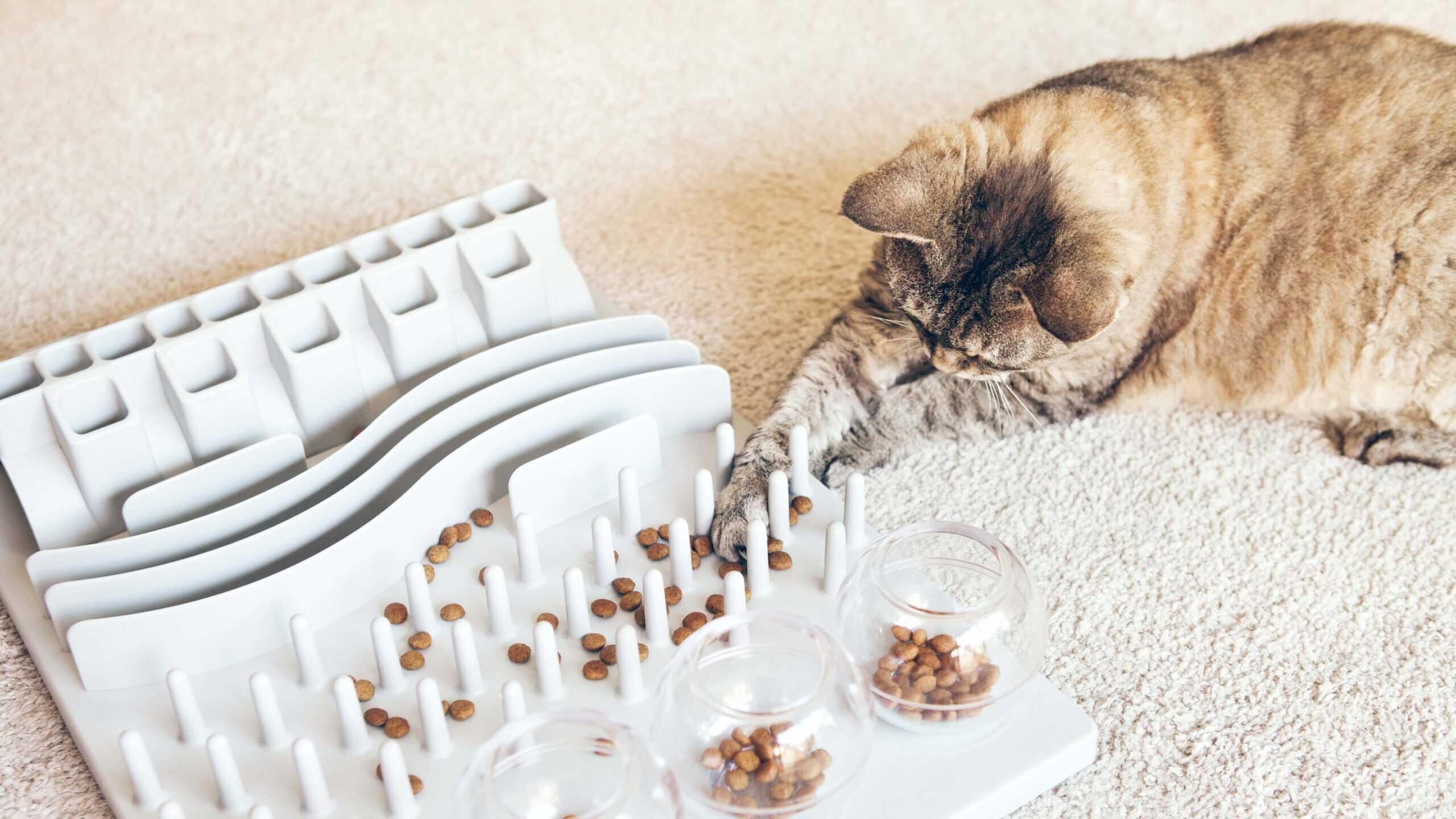
Curious about your own cat’s paw preference? Several simple tests can help you determine if your feline friend is left-pawed, right-pawed, or ambidextrous. The most scientifically validated method is the “food reaching test.” Place a small treat or piece of food in a narrow jar or container that forces your cat to use one paw to retrieve it. Observe which paw your cat uses over multiple trials (at least 20-30 attempts for reliable results). Another test involves placing a toy or object slightly out of reach and noting which paw your cat uses to bat at it. For more spontaneous observation, watch which paw your cat uses to initiate movement from a stationary position or which paw they use to groom their face. Remember that consistency is key – a true paw preference will show up repeatedly across multiple trials and situations.
Paw Preference and Personality Traits

Some research suggests that paw preference might be linked to certain personality traits in cats. A 2017 study from Animal Behaviour Centre at Queen’s University Belfast found that left-pawed cats appeared to show more negative emotional responses and were more likely to display fearful, anxious, or aggressive behaviors when stressed. Right-pawed cats, on the other hand, tended to be more sociable and less reactive to novel situations. These findings align with research in humans and other animals suggesting that right-brain dominance (associated with left-side preference) correlates with stronger fear responses and negative emotional processing. However, it’s important to note that these are general tendencies rather than absolute rules, and many other factors influence a cat’s personality beyond their paw preference.
Ambidextrous Cats: When There’s No Clear Preference

Not all cats show a strong paw preference. Some felines appear to be genuinely ambidextrous, using both paws with equal frequency and skill depending on the situation. Research suggests that between 10-30% of cats fall into this category. Interestingly, some studies indicate that ambidextrous cats might process information differently than strongly lateralized cats (those with a clear paw preference). These cats may show more behavioral flexibility in problem-solving but might also be more susceptible to stress in certain situations. Some researchers theorize that strong lateralization evolved as an advantage in terms of neural efficiency, allowing for specialized processing in each hemisphere. However, ambidexterity may offer its own advantages in terms of behavioral adaptability.
Task-Specific Paw Preferences

A fascinating aspect of feline laterality is that many cats show different paw preferences depending on the specific task at hand. For instance, a cat might consistently use their right paw for reaching food but prefer their left paw for batting at toys. This task-specific laterality has been documented in several studies and suggests that different types of motor actions might be controlled by different neural pathways. Researchers categorize tasks into “precision” tasks (like retrieving food from a narrow container) and “non-precision” tasks (like swatting at a moving toy). Some cats show stronger lateralization for precision tasks while remaining more ambidextrous for simpler movements. This complexity adds another layer to understanding your cat’s cognitive processing and motor control systems.
Evolutionary Perspectives on Feline Laterality

Why would paw preference evolve in cats in the first place? Evolutionary biologists suggest that brain lateralization provides advantages in terms of neural efficiency and multitasking abilities. By specializing different functions in separate hemispheres, the brain can process different types of information simultaneously without interference. For predatory animals like cats, this ability to process multiple streams of information efficiently would be particularly advantageous during hunting. Some researchers also suggest that lateralization might have evolved as a population-level adaptation. In group-living animals, predictable behavioral asymmetries across the population could facilitate coordinated movements. While domestic cats are often solitary, their wild ancestors lived in more complex social structures where such coordination might have been beneficial.
Age-Related Changes in Paw Preference
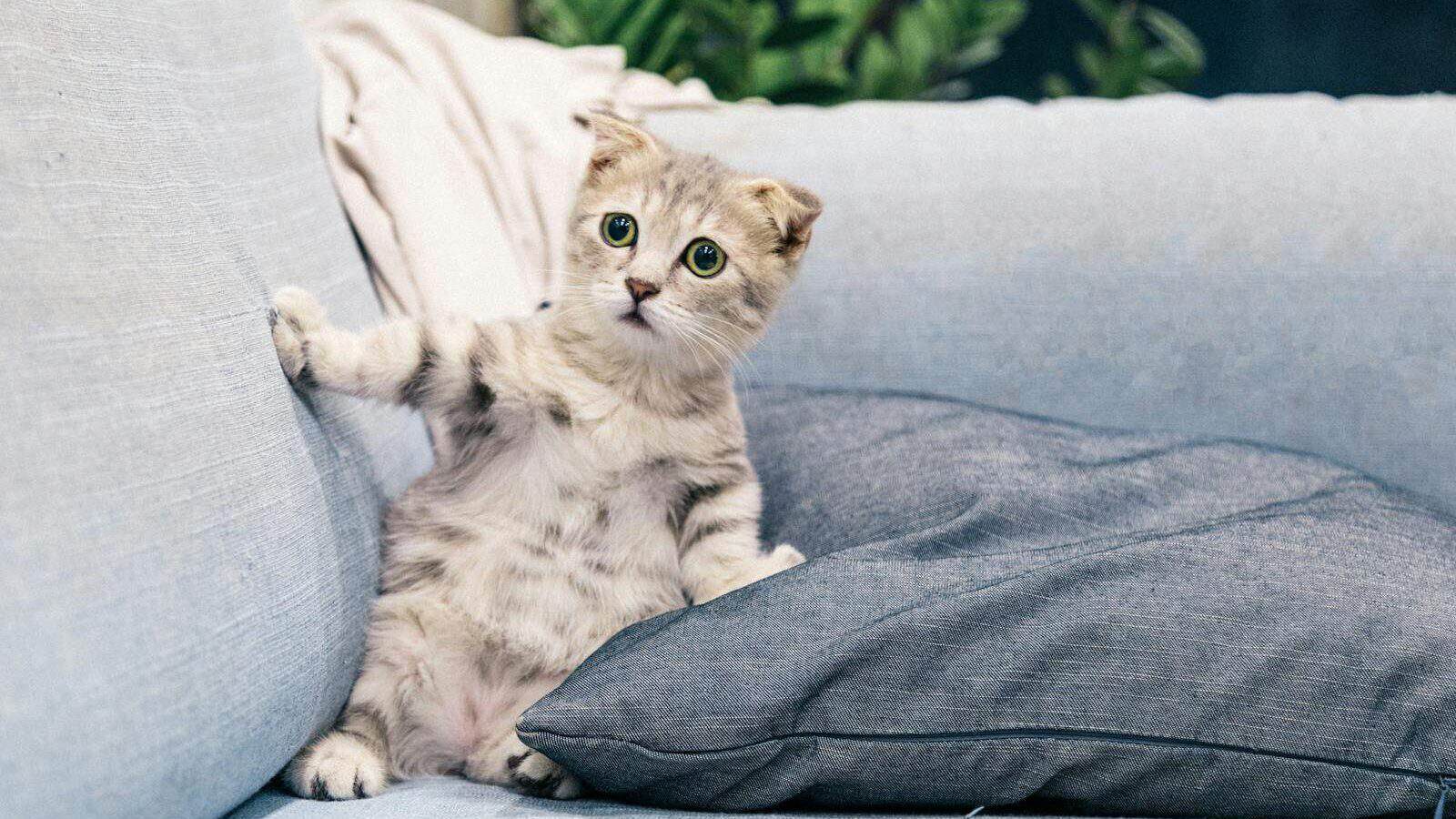
Like many aspects of cognition and behavior, paw preference can change throughout a cat’s lifetime. Some studies suggest that very young kittens show less consistent lateralization, with paw preferences becoming more established as they mature. In elderly cats, there may be shifts in paw preference due to age-related changes in the brain or physical limitations like arthritis that might make using one paw more comfortable than the other. Longitudinal studies tracking cats throughout their lifespan are limited, but the evidence we do have suggests that paw preference is not necessarily static. This dynamic aspect of laterality adds another layer of complexity to understanding feline cognition and behavior development.
Paw Preference and Health Considerations
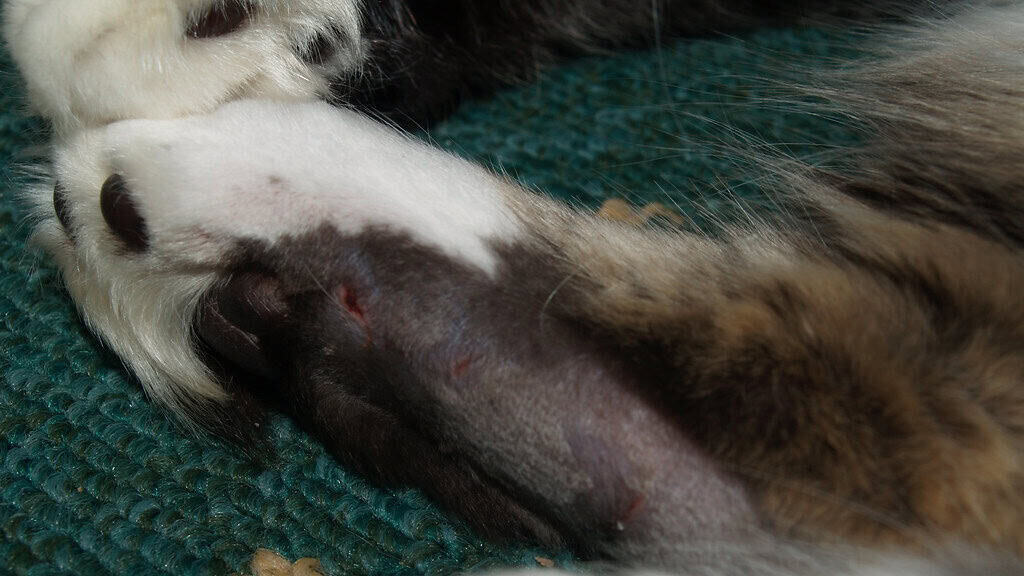
While paw preference itself is not a health concern, sudden changes in paw usage might signal underlying medical issues. If your cat has consistently favored one paw and suddenly switches to the other, this could indicate pain or discomfort in their preferred limb. Conditions like arthritis, soft tissue injuries, or even neurological problems can cause a cat to alter their natural paw preference. Additionally, some research suggests that strongly lateralized cats (those with a very clear paw preference) might process stress differently than ambidextrous cats. Left-pawed cats in particular might be more susceptible to stress-related health issues according to some studies, though more research is needed to fully understand these connections. As always, any significant behavioral change warrants attention and potentially a veterinary consultation.
Practical Applications of Understanding Your Cat’s Paw Preference

Beyond the fascinating science, understanding your cat’s paw preference can have practical applications for pet owners. Knowing which paw your cat prefers can help you position toys, feeding puzzles, or interactive elements in their environment for optimal engagement. For cats with strong preferences, placing interactive toys slightly to their preferred side might increase their interest and participation. For more nervous or reactive cats, especially those with a left-paw preference who might be more stress-sensitive, this knowledge can help you create more supportive environments. You might provide additional hiding spots, vertical spaces, or calming pheromone products to help manage their stress responses. Additionally, understanding your individual cat’s laterality can simply deepen your appreciation of their unique cognitive and behavioral traits.
Comparison with Other Animals’ Laterality
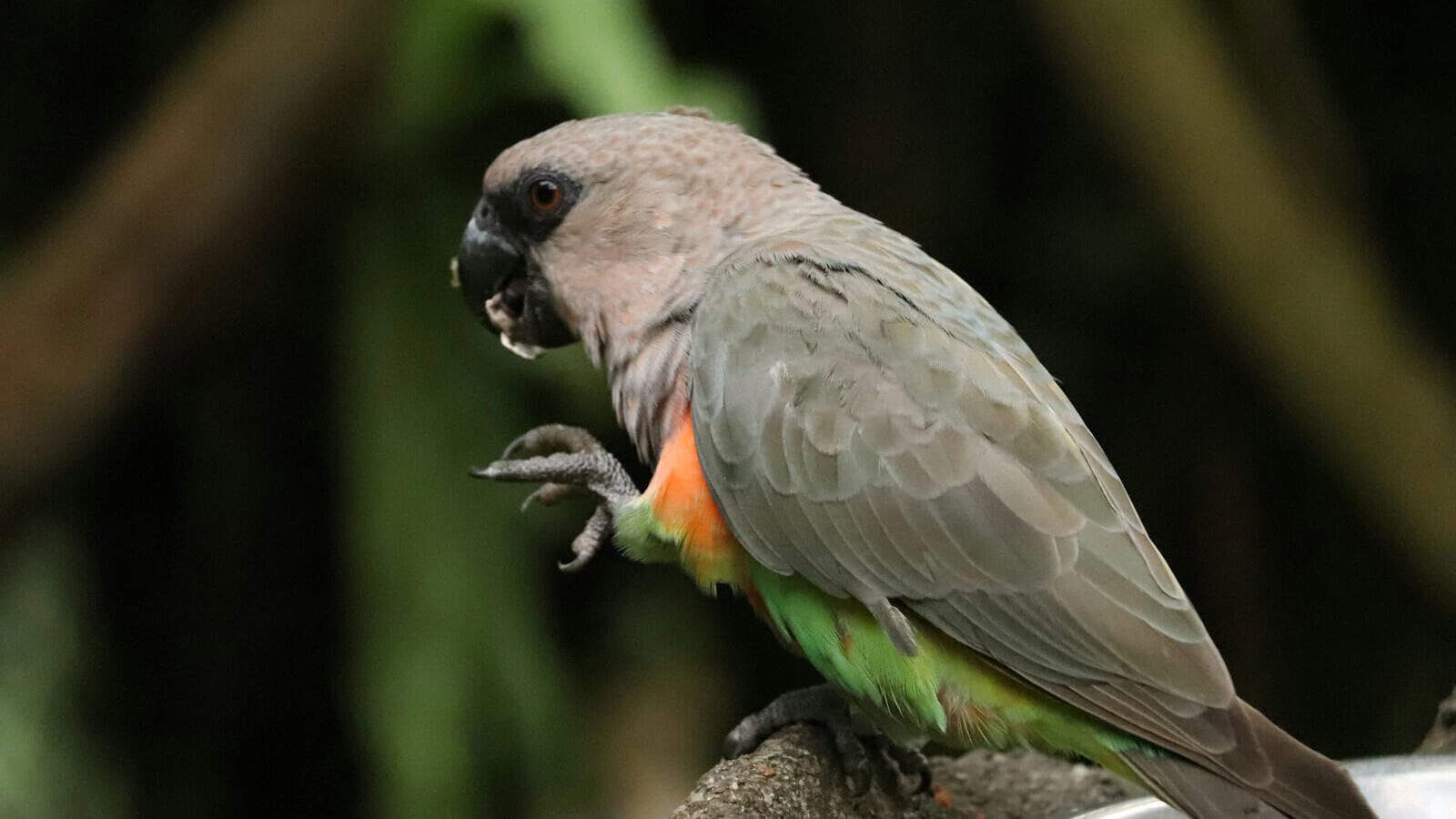
Cats aren’t the only animals to show lateralized behavior. Paw preference has been documented in dogs, with some studies suggesting that around 60% of dogs are right-pawed. Primates show varying patterns of handedness, with chimpanzees showing more individual variation than the strong right-hand bias seen in humans. Even animals without paws display laterality – fish prefer turning in specific directions, parrots favor one foot for grasping objects, and horses typically have a preferred leading leg. Interestingly, domestic animals often show more pronounced laterality than their wild counterparts, possibly because domestication has reduced evolutionary pressure for balanced bilateral skills needed in natural environments. Cats sit somewhere in the middle of this spectrum, showing clear individual preferences but without the strong population-level bias toward right-sidedness seen in humans.
The question of whether your cat is left-pawed or right-pawed opens a fascinating window into feline neurology, behavior, and individual personality. While determining your cat’s paw preference might seem like a simple curiosity, it actually reveals complex aspects of brain lateralization and cognitive processing that influence how your cat interacts with the world. The research suggests meaningful connections between paw preference and temperament, stress responses, and problem-solving approaches, particularly when considering gender differences. Understanding your cat’s lateral bias can enhance your relationship by providing insights into their unique cognitive makeup and potentially helping you create an environment that suits their particular processing style. So the next time you watch your feline friend reach for a toy or food treat, pay attention to which paw they use – you might just learn something new about the complex little predator sharing your home.

- How Crickets Chirp Using Their Wings - July 20, 2026
- The Largest Sea Turtle Ever Rescued Off North Carolina - July 20, 2026
- The Ocean’s Escape Artist: Why Octopuses Outsmart Us All - July 20, 2026