


Americans have always been fascinated by the animal kingdom, whether it’s searching for information about potential pets, learning about wildlife conservation, or simply satisfying curiosity about exotic creatures. Google search trends offer a fascinating glimpse into which animals capture the national imagination. This comprehensive article explores the top 16 most Googled animals in the United States, examining why these creatures fascinate us, what questions Americans are asking about them, and interesting facts about each popular animal. From beloved household companions to dangerous predators and everything in between, these are the animals that Americans can’t stop searching for online.
Dogs America’s Most Searched Animal

It comes as no surprise that dogs claim the top spot as America’s most Googled animal. With approximately 48 million households owning at least one dog, Americans are constantly searching for information about breeds, training techniques, health concerns, and behavioral issues. The American Kennel Club recognizes 199 dog breeds, but mixed breeds and designer dogs like Goldendoodles and Labradoodles have seen dramatic increases in search volume over the past decade. Most commonly, Americans search for “dog breeds,” “puppies near me,” and “how to train a dog.” The enduring popularity of dogs in search trends reflects their status as “man’s best friend” and their deep integration into American family life. Interestingly, specific breeds like Golden Retrievers, German Shepherds, and French Bulldogs consistently rank among the most searched dog breeds year after year.
Cats The Internet’s Favorite Pet

Cats secure the second position on America’s most Googled animals list, with approximately 31.8 million households owning at least one feline companion. The internet’s obsession with cats has been well-documented, with cat videos and memes dominating social media platforms for years. Americans frequently search for information about cat behavior, health issues, and different breeds. Popular search terms include “why does my cat knead,” “cat not eating,” and “Maine Coon cats.” Cat searches spike during kitten season (spring through fall) when many Americans consider adopting. Unlike dogs, whose searches often focus on training, cat-related searches more frequently revolve around understanding mysterious behaviors and solving health problems. The American Association of Feline Practitioners reports that despite their popularity online, cats receive less veterinary care than dogs, which may explain the high volume of cat health queries.
Sharks Feared and Fascinating

Sharks claim the third position among America’s most Googled animals, with search interest peaking dramatically during the summer months and during the annual “Shark Week” television programming. Despite the relatively low risk of shark attacks (the International Shark Attack File recorded just 57 unprovoked attacks worldwide in 2020), Americans remain captivated by these ocean predators. The most common shark-related searches include “great white shark,” “megalodon,” and “shark attacks near [location].” Coastal states like Florida, California, and Hawaii predictably show higher search volumes for sharks. The fascination with sharks represents a complex mix of fear and admiration, with many Americans simultaneously concerned about shark attacks while also worried about shark conservation. Since the 1970s, shark populations have declined by over 70% due to overfishing and habitat destruction, leading to increased searches about shark protection in recent years.
Bears Wilderness Icons
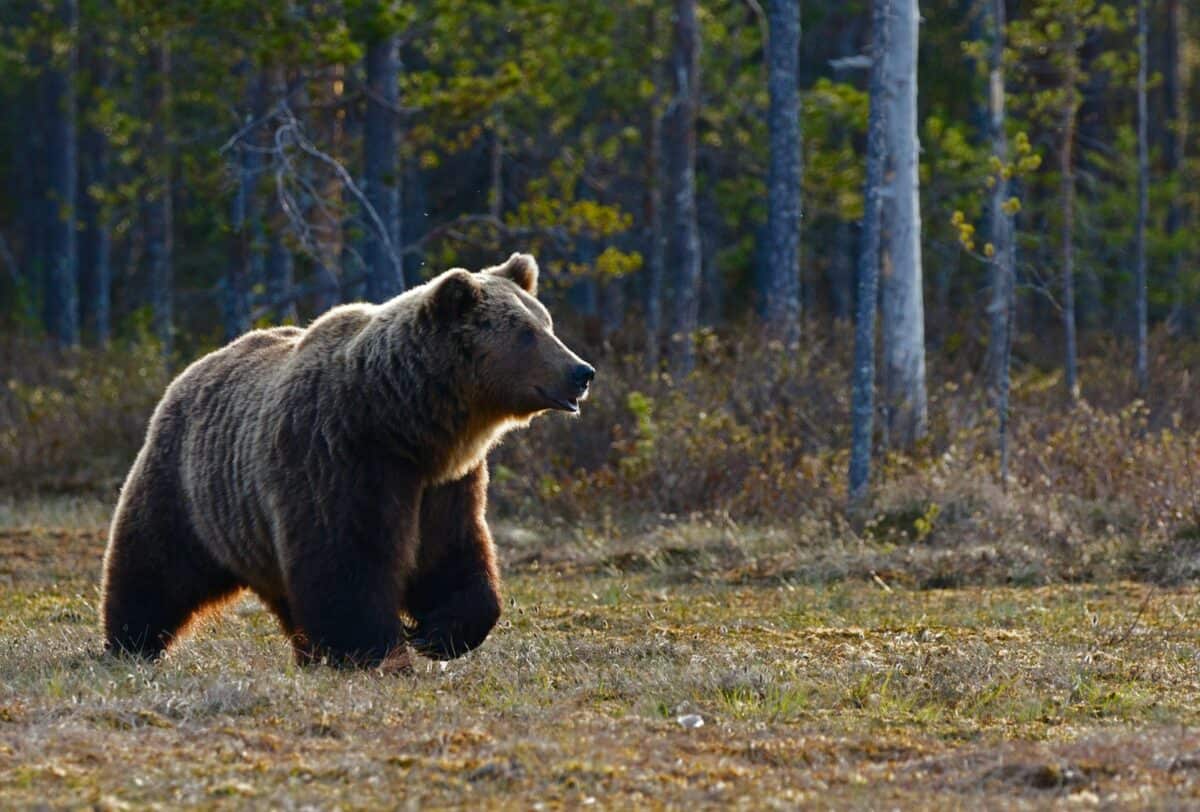
Bears rank fourth on America’s list of most searched animals, with interest spiking during camping season and following high-profile bear encounters in national parks. The United States is home to three bear species: black bears, brown bears (including grizzlies), and polar bears. Americans frequently search for information on bear safety, identification between species, and hibernation habits. Common queries include “how to survive a bear attack,” “bear spray effectiveness,” and “bear-proofing campsites.” States with significant bear populations like Alaska, Montana, and Wyoming show consistently higher search volumes. Interestingly, searches about bears are almost evenly split between practical safety information and educational curiosity. The National Park Service reports that despite millions of visitors to bear country annually, serious bear attacks remain extremely rare, with fewer than one fatal attack per year on average in North America. This hasn’t diminished Americans’ fascination with these powerful omnivores.
Snakes Fear-Driven Searches

Snakes slither into fifth place among America’s most Googled animals, with searches driven largely by fear and safety concerns. The United States is home to approximately 50 species of venomous snakes, including rattlesnakes, copperheads, and coral snakes. Searches for snake identification spike dramatically during spring and summer months when human-snake encounters increase. The most common snake-related searches include “how to identify venomous snakes,” “snake in yard what to do,” and “are snakes good for garden.” Southern and southwestern states show significantly higher search volumes, correlating with greater snake diversity in these regions. Despite widespread ophidiophobia (fear of snakes), only about 7,000-8,000 venomous snake bites occur annually in the US, with fewer than 10 fatalities. Conservation organizations note that educational searches about snakes’ ecological benefits have increased in recent years, suggesting a gradual shift in public perception of these reptiles.
Eagles America’s National Symbol

Eagles, particularly the bald eagle, secure the sixth position among America’s most searched animals. As the national bird and symbol of the United States since 1782, the bald eagle holds a special place in American culture and identity. Search interest in eagles peaks around patriotic holidays like July 4th and during major conservation milestones. Common searches include “bald eagle nest cam,” “eagle population recovery,” and “where to see bald eagles.” The bald eagle represents one of America’s greatest conservation success stories, having recovered from just 417 nesting pairs in the 1960s to more than 71,400 nesting pairs today following the ban on DDT and protection under the Endangered Species Act. Alaska shows the highest search volume for eagles, followed by states with significant eagle populations like Minnesota, Wisconsin, and Florida. Americans search not only for bald eagles but also for golden eagles, which inhabit the western United States but receive less attention than their more famous cousins.
Horses Equestrian Interest Remains Strong
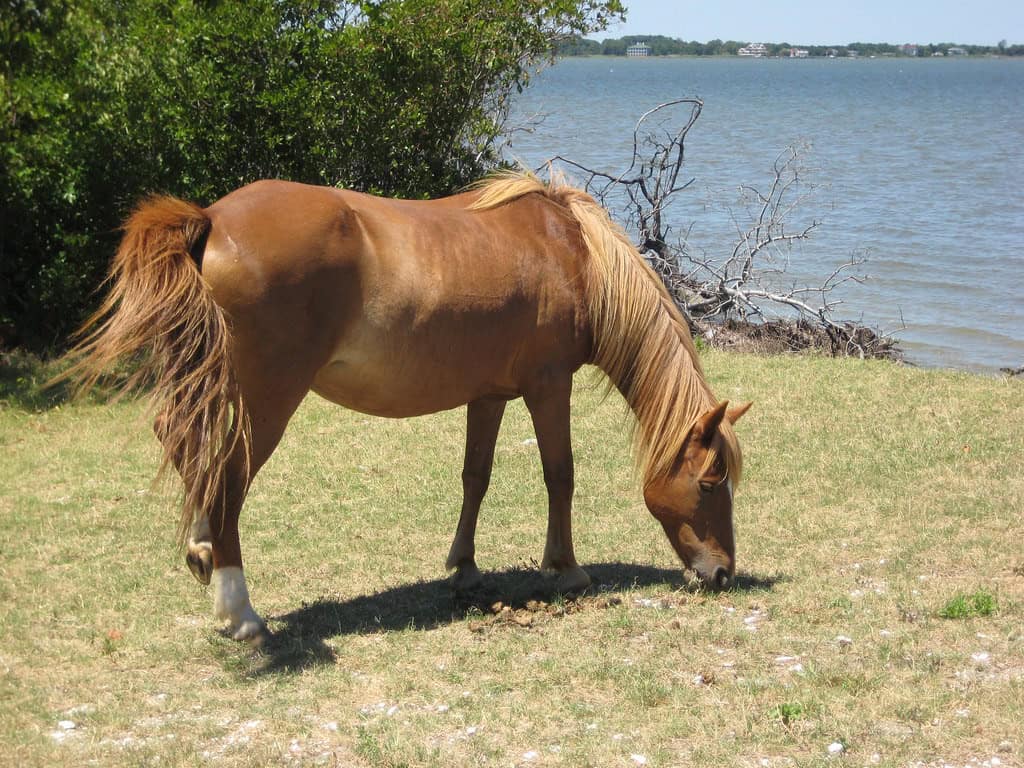
Horses gallop into seventh place among America’s most Googled animals, reflecting their enduring cultural significance and practical importance. With approximately 7.2 million horses in the United States and a $122 billion economic impact, equine interest remains strong despite urbanization. Americans search for information on horse breeds, care, training, and equestrian events. Popular searches include “horse breeds with pictures,” “how much does a horse cost,” and “Kentucky Derby horses.” States with strong equestrian traditions like Kentucky, Texas, and Wyoming show the highest search volumes. Unlike many other animals on this list, horse searches remain relatively consistent throughout the year, spiking only during major racing events like the Triple Crown. The American Horse Council reports that approximately 1.6 million Americans own horses, while 30.5 million people ride horses annually, explaining the sustained search interest. Therapeutic riding programs have also gained popularity, generating increased searches about horses’ roles in physical and emotional therapy.
Wolves Controversy and Fascination
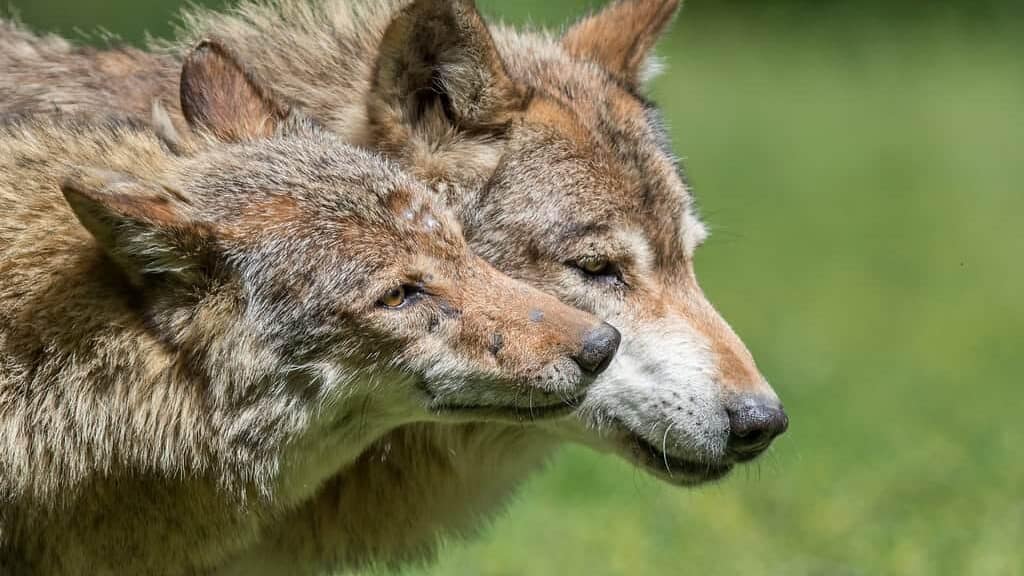
Wolves claim the eighth position among America’s most searched animals, with interest driven by both conservation efforts and ongoing controversies about wolf reintroduction programs. Once nearly exterminated from the lower 48 states, gray wolves have made a comeback in regions like the Northern Rockies, Great Lakes, and Pacific Northwest, sparking both celebration and conflict. Americans frequently search for information about wolf pack behavior, howling, and the ecological impacts of wolves. Common searches include “wolf reintroduction Yellowstone,” “wolf vs. dog differences,” and “are wolves dangerous to humans.” States actively involved in wolf management like Montana, Wyoming, and Minnesota show the highest search volumes. Search interest spikes noticeably following policy changes regarding wolf hunting regulations or when wolves are added to or removed from endangered species protections. Despite polarized opinions about wolves, Americans across the political spectrum demonstrate curiosity about these apex predators, with wildlife documentaries and wolf centers driving educational searches.
Dolphins Intelligent Marine Mammals

Dolphins swim into ninth place among America’s most Googled animals, capturing attention with their intelligence, social behavior, and seemingly perpetual “smiles.” There are over 40 dolphin species worldwide, with bottlenose dolphins being the most familiar to Americans. Coastal states predictably show higher search volumes, with Florida—home to numerous dolphin tours and marine parks—leading the nation. Common searches include “dolphin intelligence,” “swimming with dolphins near me,” and “dolphin communication research.” Search interest peaks during summer vacation months when Americans plan ocean activities. The public’s fascination with dolphins centers primarily on their cognitive abilities, with studies suggesting dolphins possess self-awareness, cultural learning, and complex communication systems. Environmental concerns also drive searches, particularly following oil spills or reports of dolphin strandings. The National Oceanic and Atmospheric Administration reports that educational searches about wild dolphin protection have increased by 35% over the past decade, reflecting growing awareness about responsible marine wildlife viewing.
Lions Kings of the Animal Kingdom
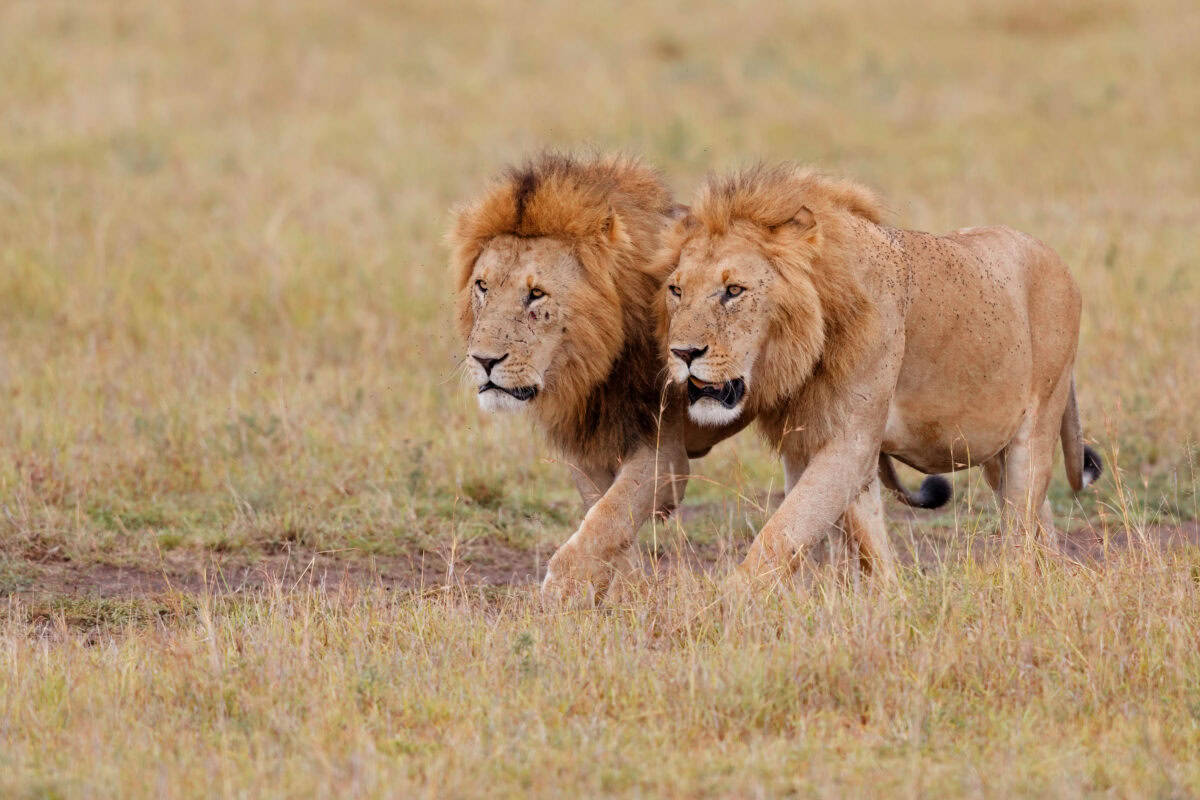
Lions roar into tenth place among America’s most Googled animals despite not being native to North America. As iconic symbols of strength and courage featured in countless movies, books, and sports team logos, lions maintain a powerful hold on the American imagination. Search interest in lions spikes noticeably following major wildlife documentaries, conservation news, and the release of lion-featuring films like Disney’s “The Lion King.” Common searches include “lion vs. tiger strength,” “African lion conservation status,” and “why do male lions have manes.” Americans search not only for information about wild lions but also about lions in zoos, with the San Diego Zoo’s lion exhibit generating significant search traffic. Conservation concerns drive many searches, as African lion populations have declined by approximately 43% over the past two decades, with fewer than 25,000 remaining in the wild. The Cecil the Lion controversy in 2015 created the largest spike in lion-related searches in Google history, demonstrating how specific events can dramatically influence America’s animal search patterns.
Owls Mysterious Nocturnal Hunters

Owls swoop into eleventh place among America’s most Googled animals, with their mysterious nocturnal habits and cultural associations with wisdom driving curiosity. The United States is home to 19 owl species, ranging from the tiny Elf Owl to the impressive Great Horned Owl. Americans frequently search for information on owl identification, calls, and behaviors, with common queries including “owl hooting meaning,” “owl in backyard identification,” and “are owls good luck.” Search interest in owls shows interesting seasonal patterns, peaking during Halloween due to their spooky associations and again in winter when many species become more visible and vocal during mating season. Northern states show higher search volumes for owls like Snowy Owls, while searches for Burrowing Owls concentrate in western states. The Harry Potter series created sustained interest in owls among younger Americans, with searches for “pet owls” requiring the U.S. Fish and Wildlife Service to clarify that keeping native owls as pets is illegal under the Migratory Bird Treaty Act. Conservation organizations report leveraging owl popularity to promote habitat protection for these important predators.
Foxes Clever Backyard Visitors

Foxes dash into twelfth place among America’s most Googled animals, with their increasing adaptation to suburban environments generating both concern and fascination. The United States is home to five fox species, with the red fox and gray fox being most commonly encountered. As human development expands into natural areas, fox sightings in residential neighborhoods have increased, driving searches like “fox in my yard dangerous,” “what do foxes eat,” and “are foxes cats or dogs.” (For the record, foxes are canids, related to dogs and wolves.) Search interest peaks in spring when fox kits emerge from dens and become more visible. Northeastern and mid-Atlantic states show the highest search volumes for foxes, correlating with regions where red foxes have most successfully adapted to human landscapes. Urban wildlife experts note that educational searches about coexisting with foxes have increased by 56% over the past five years. Cultural representations of foxes as clever tricksters in folklore and children’s literature continue to shape Americans’ perceptions of these adaptable predators, making them objects of both caution and admiration.
Tigers Endangered Fascination
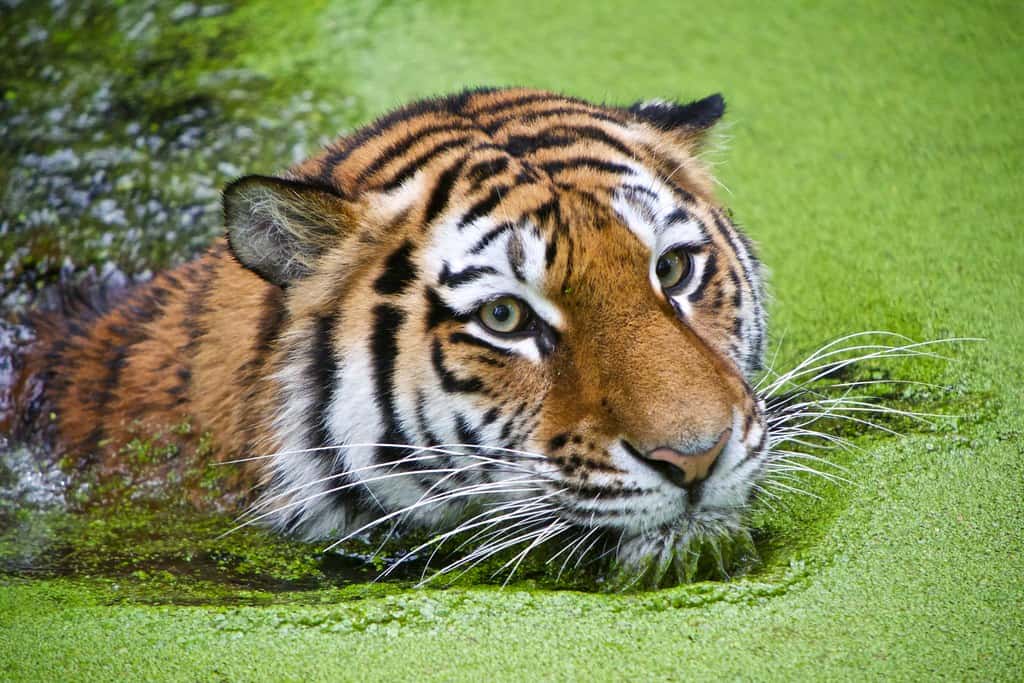
Tigers prowl into thirteenth place among America’s most Googled animals, despite not being native to North America. America’s fascination with tigers stems from their power, beauty, and endangered status, with fewer than 4,000 remaining in the wild globally. Search interest in tigers surged dramatically following the 2020 release of Netflix’s “Tiger King” documentary series, which exposed the controversial private ownership of tigers in the United States. The most common tiger-related searches include “how many tigers left in the wild,” “tiger subspecies differences,” and “why are tigers endangered.” Zoo tigers drive significant search traffic, with the Smithsonian’s National Zoo’s tiger webcams generating millions of views annually. Conservation searches dominate tiger queries, reflecting growing awareness about poaching and habitat loss threats. Interestingly, specific tiger individuals like Tony the Tiger (Frosted Flakes mascot) and famous zoo tigers like Amur tigers in northern zoos generate distinct search patterns. The Big Cat Public Safety Act, signed into law in 2022, which restricts private ownership of tigers and other big cats, prompted a significant spike in tiger-related searches as Americans sought to understand the legislation’s impact.
Elephants Gentle Giants

Elephants trumpet their way to fourteenth place among America’s most Googled animals, captivating Americans with their intelligence, emotional complexity, and impressive size. Despite not being native to North America, elephants maintain a strong presence in American culture through zoos, circuses (historically), and wildlife documentaries. The most common elephant-related searches include “elephant memory,” “how smart are elephants,” and “elephant conservation status.” Search interest peaks during major conservation news, such as ivory ban implementations or births at major zoos. Americans search almost equally for African and Asian elephants, though searches about conservation focus more heavily on African elephants due to their vulnerable status. The shift away from elephants in circuses has generated significant search traffic, with Ringling Bros. and Barnum & Bailey Circus’ 2016 decision to retire their elephant acts creating a major spike in searches. Educational searches about elephant cognition have increased steadily, with studies demonstrating elephants’ self-awareness, tool use, and complex social structures fascinating the American public. Zoos report that elephants remain among their most popular attractions, driving both in-person visits and online search interest.
Deer Abundant Woodland Neighbors
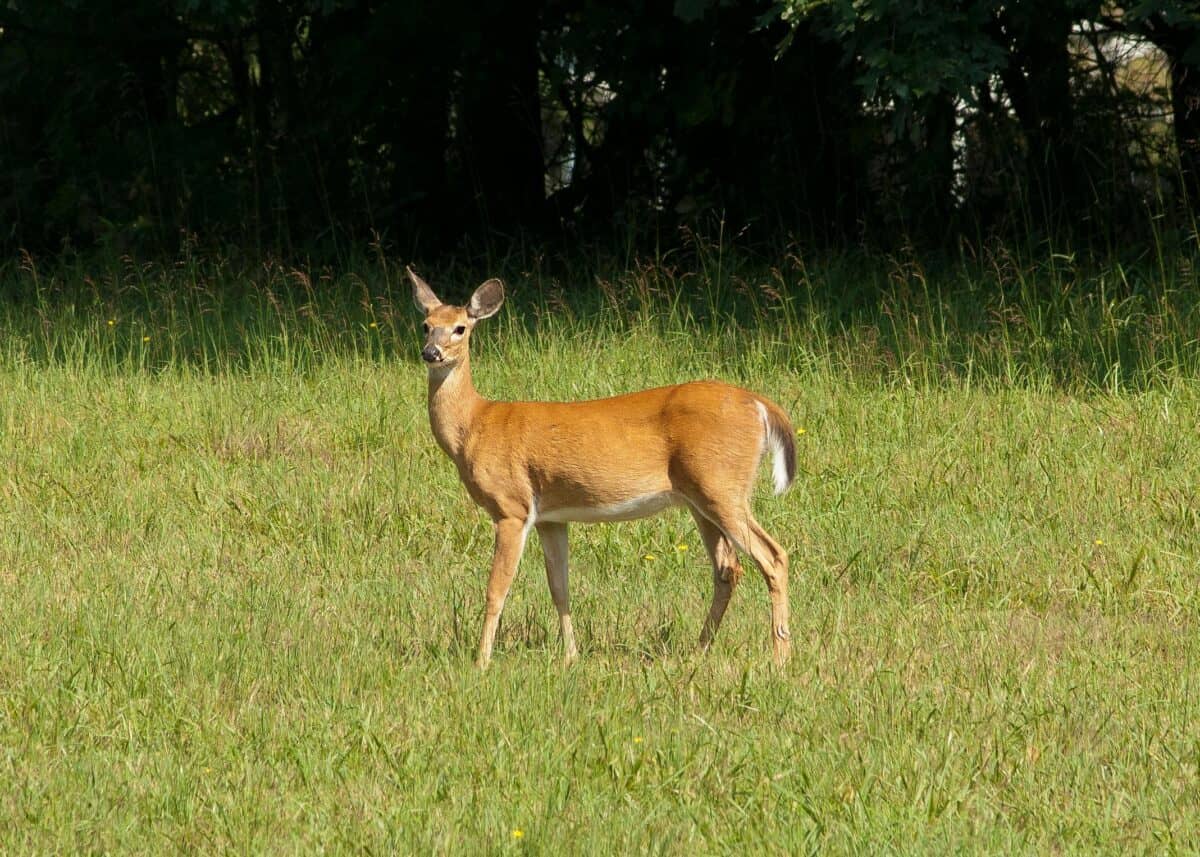
Deer bound into fifteenth place among America’s most Googled animals, with the white-tailed deer being the most frequently searched species. With an estimated 30 million white-tailed deer in the United States, these animals represent one of America’s most successful wildlife management stories, having recovered from near-extinction in the early 1900s to sometimes problematic abundance today. Americans frequently search for information about deer-vehicle collisions (which cause approximately 200 human deaths annually), garden protection from deer, and hunting regulations. Common searches include “deer repellent that works,” “deer hunting season [state],” and “what do deer eat.” Search interest shows strong seasonal patterns, peaking during fall hunting seasons and spring when fawns are born and garden damage increases. Rural and suburban areas show the highest search volumes, reflecting regions where human-deer interactions are most common. The management of deer populations generates significant search traffic as communities debate culling programs, contraception methods, and predator reintroduction. Conservation organizations note that despite their abundance, understanding of deer ecology remains important, with searches about deer’s role in forest ecosystems increasing among educational institutions.
Turtles Slow-Moving Search Stars

Turtles crawl into sixteenth place among America’s most Googled animals, with interest spanning pet care, conservation efforts, and wild turtle identification. The United States is home to 57 turtle species, more than any other country, including everything from tiny bog turtles to massive sea turtles and snapping turtles. Americans frequently search for information about turtle lifespan, care requirements, and species identification. Common searches include “how to tell turtle age,” “turtle vs tortoise difference,” and “helping turtle cross road safely.” Search interest in sea turtles peaks during nesting season (May-October), particularly in coastal states like Florida, South Carolina, and Hawaii.
Conclusion

The top 16 most Googled animals in the U.S. reveal a nation deeply fascinated by the natural world, whether driven by affection, curiosity, caution, or concern. From beloved pets like dogs and cats to majestic wildlife like lions and eagles, these search trends highlight how animals shape American culture, inspire conservation efforts, and spark ongoing questions about coexistence. Whether Americans are looking to adopt, learn, protect, or simply understand, their online behavior reflects a growing awareness of and engagement with the animal kingdom—one that underscores both our dependence on and responsibility toward the creatures we share the planet with.

As a little kid, I fell in love with nature, wildlife, and animals. Living in the USA, South Africa, Italy, China and Germany gave me the opportunity to discover the world's Wildlife. My favorite animals are Mountain Gorillas, Siberian Tigers, and Great White Sharks.
I'm a certified PADI Open Water Diver, went to Everest Base Camp and Trekked Gorillas in Uganda. I hold a Master of Science in Economics and Finance.
Please send any feedback to feedback@animalsaroundtheglobe.com
- 10 Most Unique Reptiles You will See in the US - July 21, 2026
- 3 Dangerous Invasive Species the USA Must Eradicate - July 21, 2026
- 10 Things That Calm Cats And 4 That Make Them Nervous - July 21, 2026