


Capuchin monkeys, with their expressive faces and remarkable intelligence, have fascinated scientists and animal enthusiasts for generations. These small New World primates, native to Central and South America, exhibit some of the most complex behaviors in the animal kingdom outside of great apes. While many people recognize capuchins from movies and television, there’s much more to these extraordinary creatures than their Hollywood appearances suggest. Behind their charming appearance lies a sophisticated social structure, impressive problem-solving abilities, and cultural traditions that continue to surprise researchers. In this article, we’ll explore fourteen fascinating aspects of capuchin behavior that showcase why these primates are considered among the most intelligent and adaptable species on our planet.
14. Tool Use Rivals Early Humans
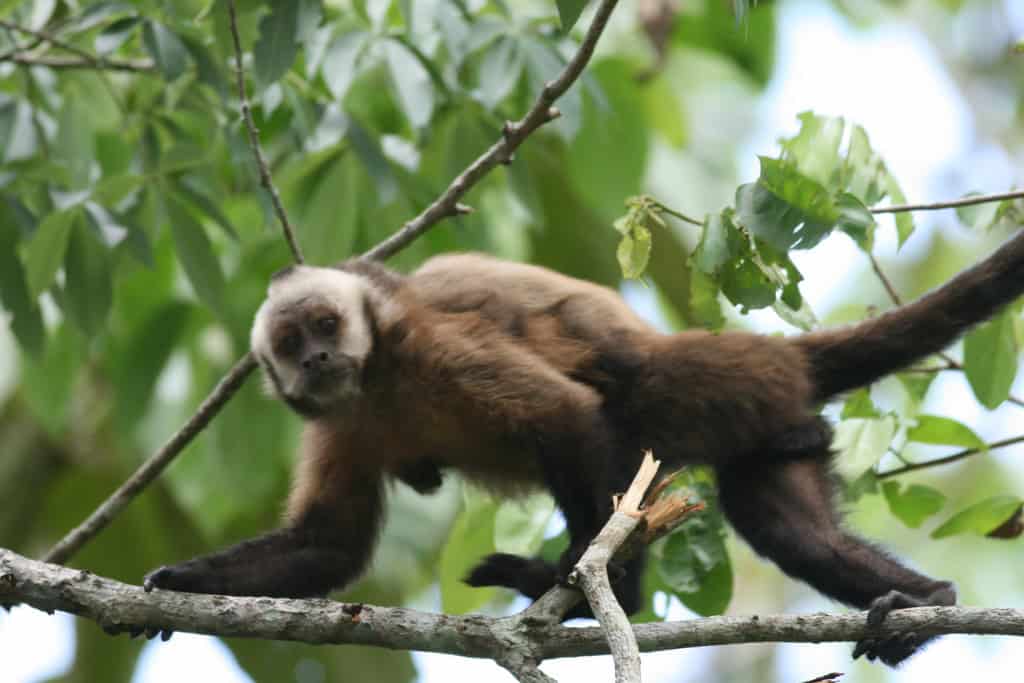
Capuchin monkeys are among the most prolific tool users in the animal kingdom, with abilities that in some ways parallel those of our early human ancestors. In Brazil’s Serra da Capivara National Park, wild bearded capuchins have been documented using stone tools to crack open nuts for at least 3,000 years—constituting the oldest known non-human archaeological record. These monkeys carefully select specific stones based on weight and material, often transporting them considerable distances to specialized “anvil” sites. Their technique involves precise striking motions that require significant practice to master. Young capuchins spend years observing adults before developing proficiency, demonstrating a form of cultural transmission similar to human learning. Perhaps most impressively, researchers have documented regional variations in tool use techniques among different capuchin populations, suggesting the equivalent of cultural traditions that pass down through generations.
13. Complex Social Hierarchies
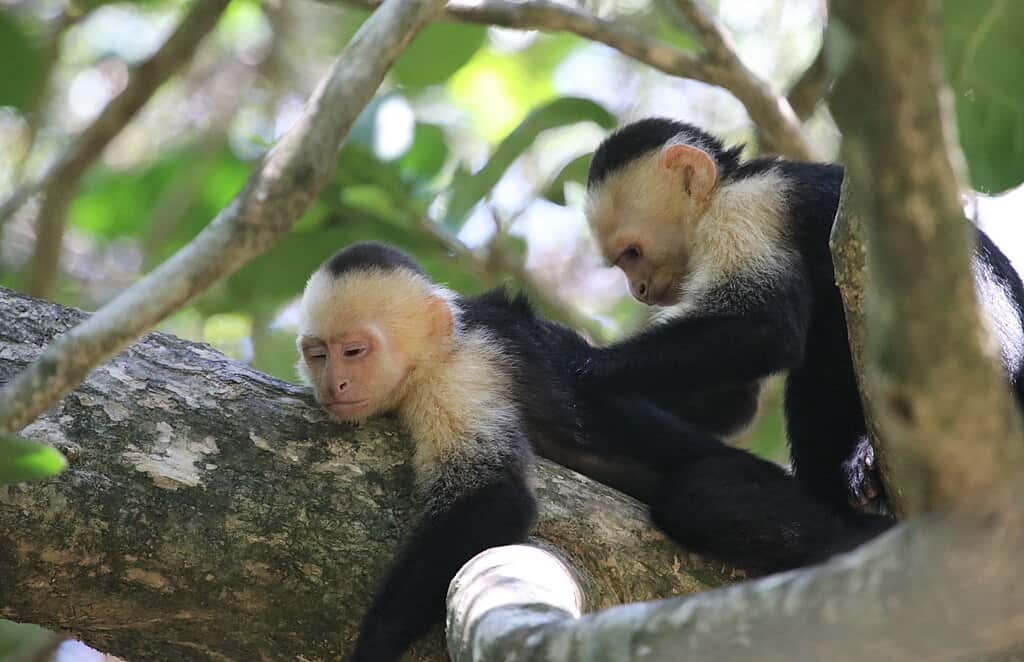
Capuchin society operates under remarkably complex social hierarchies that go far beyond simple dominance relationships. Their groups typically consist of 10-35 individuals organized in multi-level structures with intricate power dynamics. Alpha males maintain their position not merely through physical dominance but through strategic alliances with females and other group members. Interestingly, female capuchins typically remain in their birth groups for life, creating strong matrilineal kinship networks, while males transfer between groups upon reaching maturity. This creates a social dynamic where females often maintain stable, long-term alliances that can sometimes overrule male authority. Researchers have observed that high-ranking capuchins receive preferential access to food and mating opportunities, but they’re also expected to lead group defense against predators and rival troops—demonstrating a form of social contract where privilege comes with responsibility. Perhaps most fascinating is how capuchins constantly negotiate their social positions through grooming, food sharing, and coalition formation in ways that suggest awareness of the political landscape within their communities.
12. Medicinal Plant Use
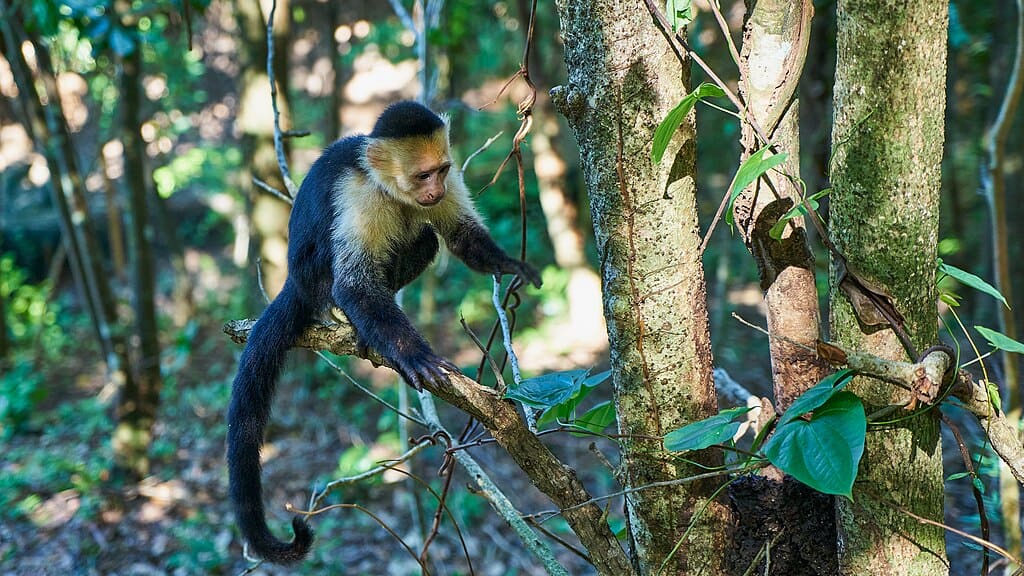
One of the most remarkable behaviors observed in capuchin monkeys is their apparent understanding and use of plants for medicinal purposes. Researchers have documented capuchins deliberately seeking out and applying certain plants with insect-repellent properties to their fur during periods of high mosquito or tick activity. In some regions, they’ve been observed rubbing their bodies with citrus fruits, millipedes, and certain pungent leaves that contain compounds known to repel insects and potentially treat parasitic infections. What makes this behavior particularly noteworthy is its selective and situational application—the monkeys don’t simply rub themselves with any plant, but specifically choose those with beneficial properties, and often increase this behavior during seasons when insects are most prevalent. Some scientists believe this represents a form of self-medication that requires sophisticated learning and knowledge transmission through the group. The behavior varies between populations in different geographical areas, suggesting it’s a learned cultural tradition rather than pure instinct, adding another dimension to our understanding of capuchin intelligence.
11. Cooperative Hunting Strategies
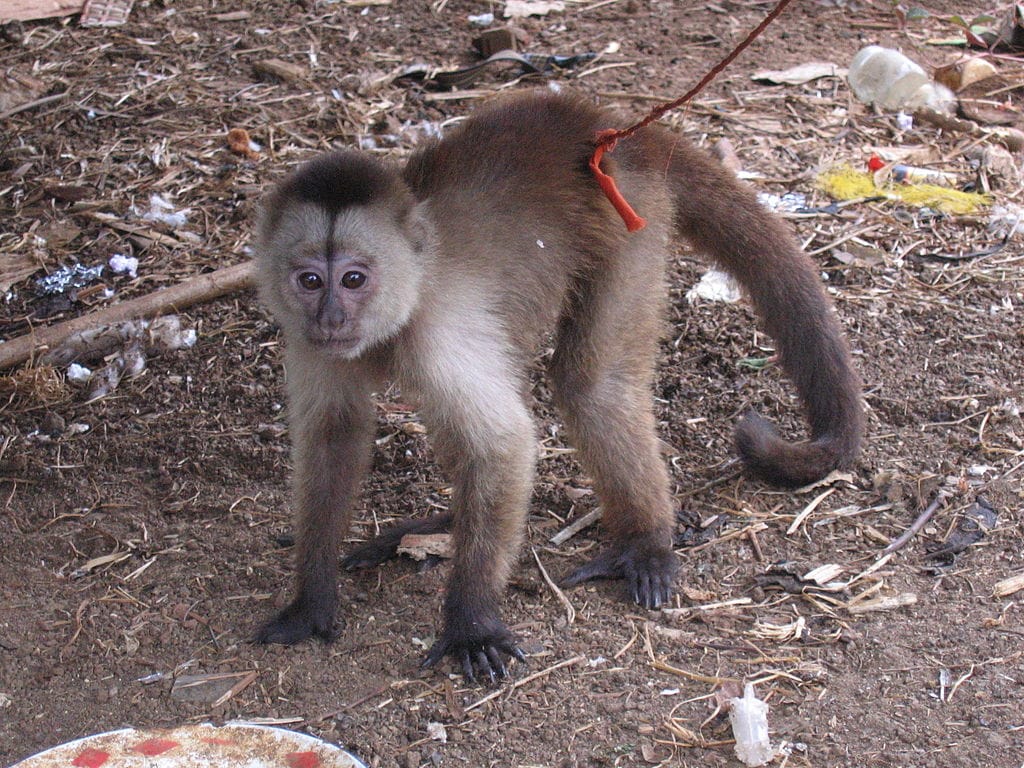
While commonly perceived as primarily fruit and insect eaters, capuchins engage in sophisticated cooperative hunting that demonstrates remarkable teamwork and coordination. When targeting larger prey like squirrels, birds, or even small mammals like coatis, capuchins employ strategic group hunting techniques that involve different individuals playing specialized roles. Some group members will deliberately flush prey from hiding spots while others position themselves to intercept escaping animals. Most impressively, capuchins demonstrate awareness of each other’s positions during these hunts, adjusting their own movements to complement those of their groupmates. After a successful hunt, the distribution of meat often follows social hierarchy patterns, but hunters typically receive shares regardless of rank—suggesting a rudimentary understanding of fair contribution and reward. The planning and coordination evident in these hunts indicates a level of intentional cooperation that was once thought unique to humans and a few other highly social predators like wolves and lions. These cooperative behaviors extend beyond hunting to include coordinated defense against predators and rival groups, showing how capuchins have evolved complex social strategies for survival.
10. Facial Recognition and Memory
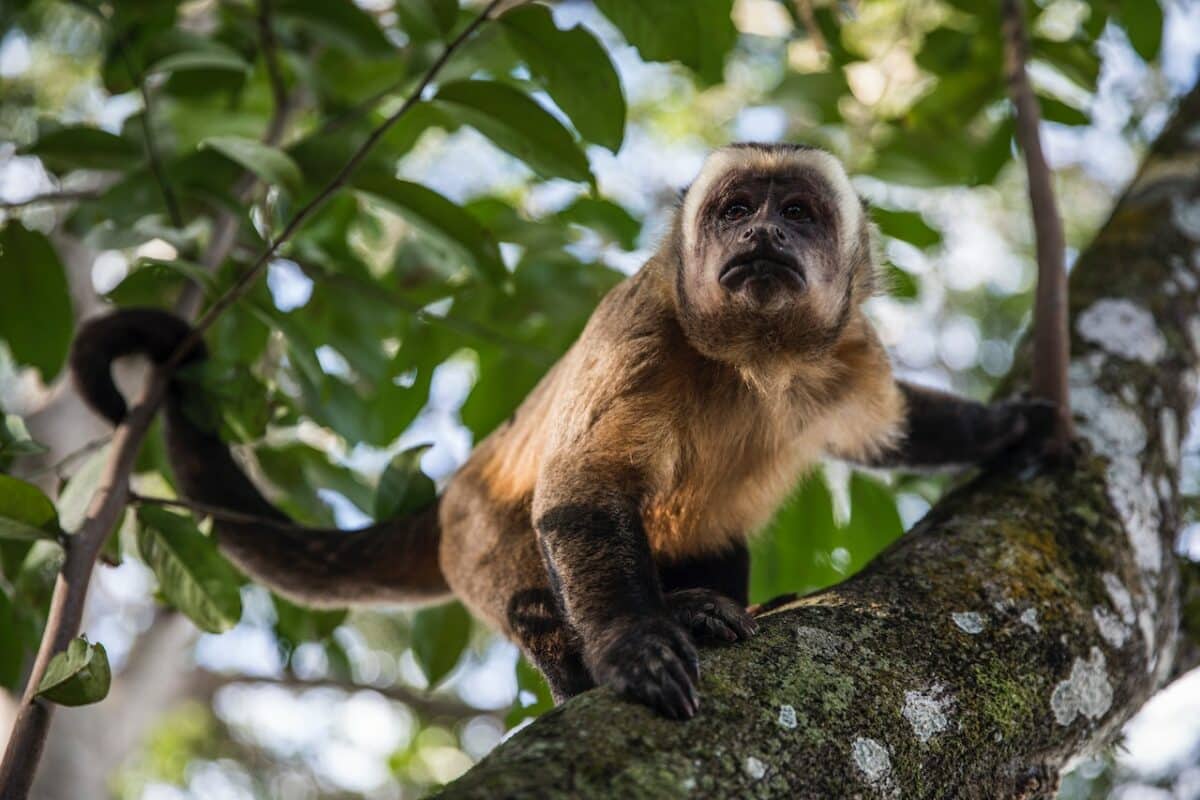
Capuchin monkeys possess extraordinary facial recognition abilities that allow them to identify and remember individual faces—both of other capuchins and humans—for years after initial encounters. This remarkable cognitive skill enables them to maintain complex social relationships within their troops, where each monkey must track dozens of dynamic relationships. Research has shown that capuchins can recognize photographs of group members they haven’t seen in over two years, suggesting a long-term social memory comparable to that of humans. They also demonstrate selective memory for individuals who have treated them favorably or unfavorably in the past. In laboratory settings, capuchins consistently remember which human researchers have provided them with food and which have withheld it, sometimes altering their behavior accordingly even months later. This sophisticated recognition system extends beyond mere identification—capuchins appear to remember the specific nature of past interactions with particular individuals, forming the basis for their complex social alliances and grudges. This capacity for detailed social memory likely evolved as an adaptation to their highly political group living, where remembering allies and rivals provides significant survival advantages.
9. Ritualized Behaviors and Traditions

Capuchin groups develop distinct cultural traditions that include what anthropologists might recognize as ritualized behaviors—consistent group activities with no immediate practical purpose. One of the most fascinating examples is “hand-sniffing ceremonies,” where capuchins in certain populations will gather in groups and systematically smell each other’s hands, often in specific sequences according to rank. Other documented traditions include peculiar forms of social play that differ between groups, specific ways of processing difficult foods, and even what appears to be rudimentary forms of decorative behavior, such as placing specific leaves or flowers on their heads during social interactions. Perhaps most striking is that when young capuchins transfer to new groups, they typically abandon their native traditions and adopt those of their new community, showing remarkable cultural flexibility. Researchers studying different capuchin populations have identified over 50 distinct behavioral traditions that vary between groups despite similar environments, strongly suggesting these are socially transmitted customs rather than instinctual behaviors. This cultural transmission of non-survival behaviors represents one of the closest parallels to human cultural development observed in any non-human animal.
8. Emotional Intelligence and Empathy
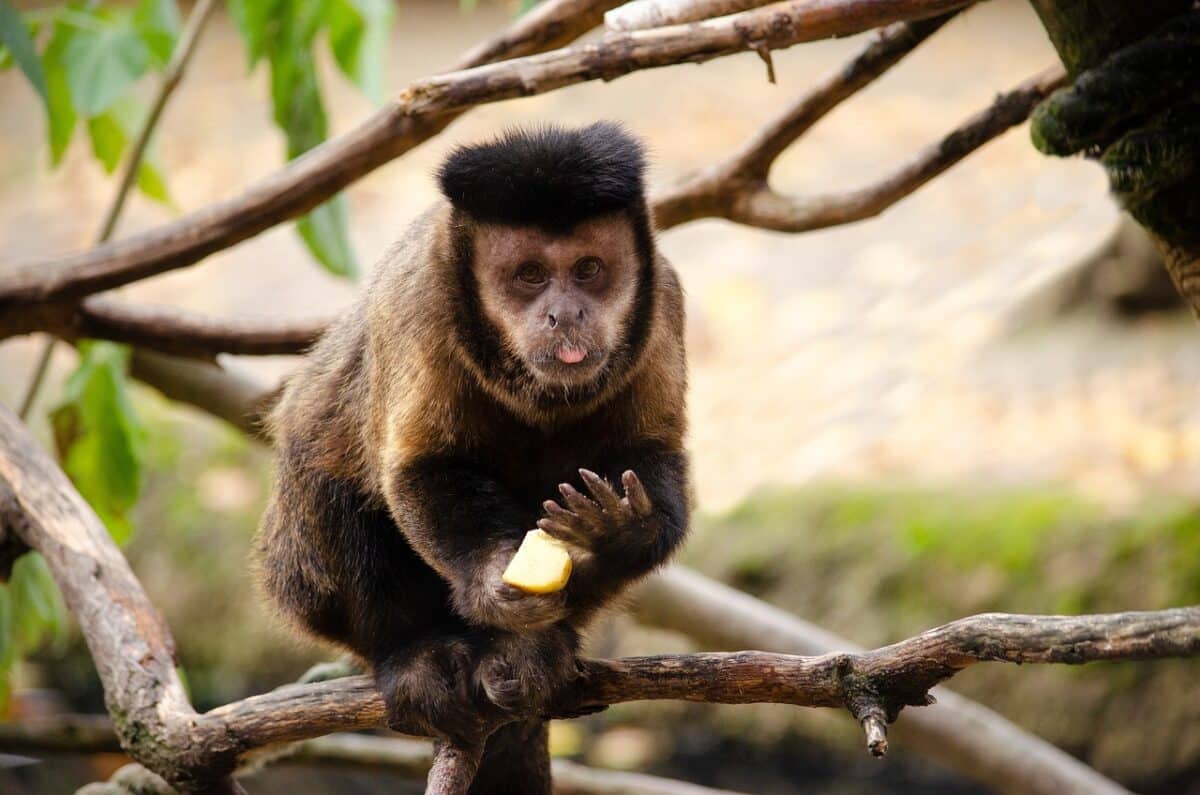
Capuchin monkeys display sophisticated emotional intelligence that includes recognizing distress in others and responding with what appears to be empathetic behavior. When group members are injured or distressed, other capuchins often approach them slowly, making gentle contact and providing grooming that has no obvious self-serving purpose. Researchers have documented cases where capuchins share food specifically with sick or injured group members, sometimes even bringing water to companions unable to travel to drinking sources. During conflicts, uninvolved third parties frequently comfort the losers of fights through embraces and specialized vocalizations that appear to serve a consoling function. Laboratory studies have shown that capuchins react negatively to inequitable treatment of others, sometimes refusing rewards when they observe companions receiving lesser compensation for the same task—a behavior suggesting a rudimentary sense of fairness. Most remarkably, capuchins show signs of perspective-taking, adjusting their behavior based on the emotional states of others, such as being gentler around nervous group members or more cautious around irritable ones. This emotional sophistication likely evolved to maintain group cohesion in their highly interdependent social systems, where cooperation provides survival advantages.
7. Complex Communication Systems
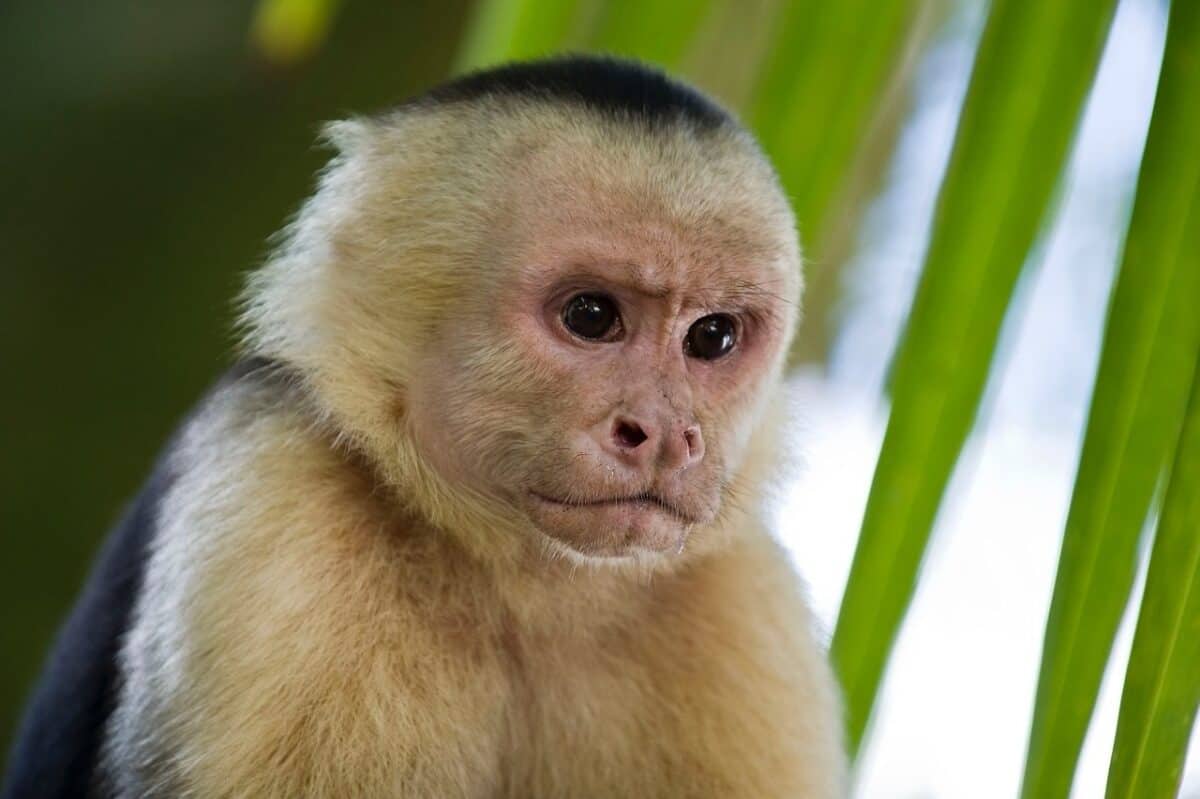
Capuchin communication extends far beyond simple calls, encompassing a sophisticated system of vocalizations, facial expressions, body postures, and tactile signals that convey remarkably specific information. Their vocal repertoire includes over 30 distinct calls, each communicating different messages about food, predators, social status, or emotional states. What makes their communication particularly impressive is its referential quality—capuchins use different alarm calls for specific predator types (aerial, terrestrial, or snake), allowing group members to take appropriate evasive action without having seen the threat themselves. They combine these vocalizations with facial expressions so nuanced that researchers have identified at least 15 distinct expressions, each conveying specific emotional states and intentions. Touch plays a crucial role in their communication as well, with different types of contact—from gentle fingertip touches to full embraces—serving distinct social functions. Perhaps most remarkably, capuchins adjust their communication based on their audience, intensifying signals when their message hasn’t been received and sometimes deliberately concealing information (such as food discoveries) from competitors. This combination of specificity, flexibility, and audience awareness in capuchin communication represents one of the most advanced systems observed outside human language.
6. Innovative Problem-Solving Abilities
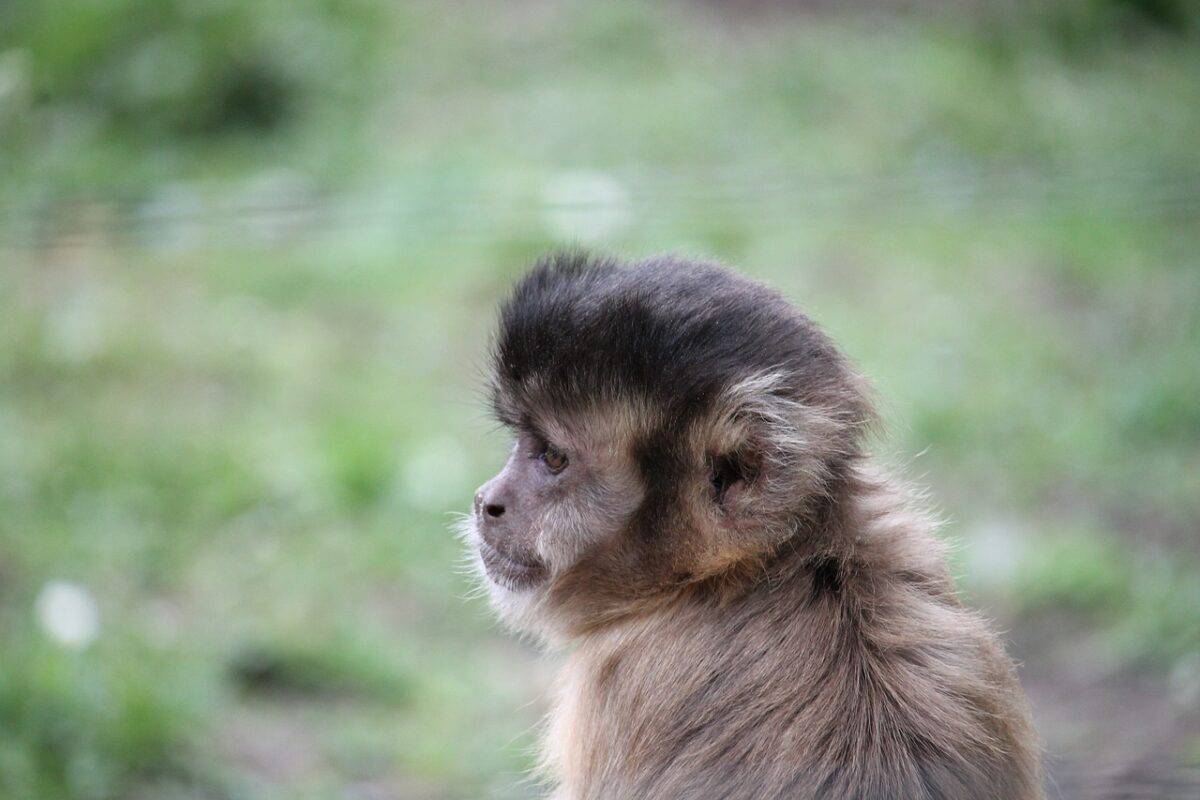
Capuchin monkeys showcase extraordinary problem-solving abilities that demonstrate both creativity and persistence. Unlike many animals that rely primarily on trial-and-error learning, capuchins often pause to examine problems before attempting solutions, suggesting a capacity for mental planning. In laboratory settings, they’ve been observed solving multi-step puzzles that require using one tool to retrieve another tool before accessing rewards—a form of sequential thinking once thought unique to great apes. What particularly distinguishes capuchin problem-solving is their innovative approach; when faced with novel challenges, they readily experiment with unconventional solutions, sometimes discovering techniques never demonstrated by researchers or other group members. Field researchers have documented wild capuchins inventing new food processing techniques, such as developing methods to neutralize the irritating hairs on certain caterpillars by rubbing them against tree bark before consumption. Their problem-solving extends to social challenges as well, with capuchins developing complex strategies to access resources controlled by higher-ranking individuals, often involving distraction or alliance formation. This cognitive flexibility allows capuchins to exploit diverse food sources and adapt to changing environmental conditions, contributing to their success across varied habitats throughout Central and South America.
5. Deceptive Tactics and Strategic Thinking
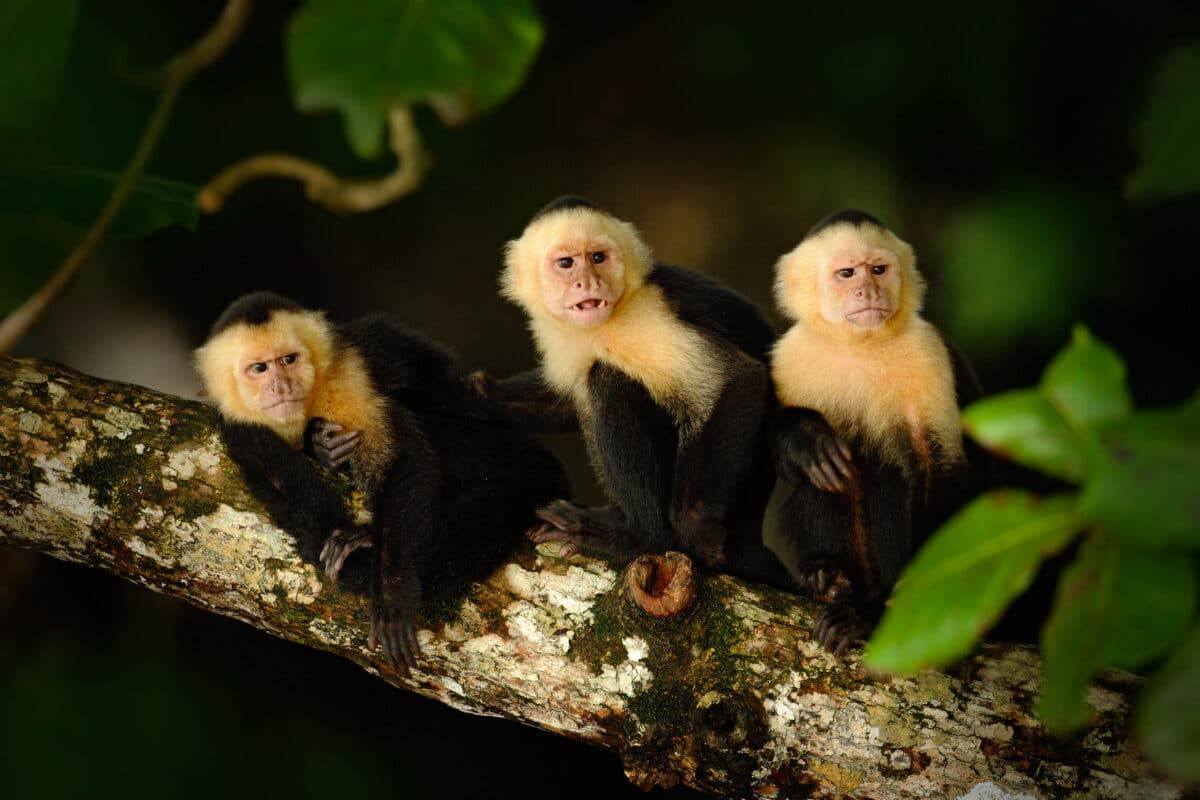
Capuchin monkeys regularly employ sophisticated deceptive tactics that demonstrate an understanding of others’ mental states—a cognitive ability once considered unique to humans and great apes. Subordinate males have been observed concealing mating activities from dominant males by leading females away from the group or timing copulation to moments when alpha males are distracted. When discovering valuable food sources, capuchins sometimes suppress their food calls and return later when alone, or deliberately lead group members in wrong directions before doubling back to monopolize the resource. In experimental settings, capuchins quickly learn to mislead competitors about the location of food, suggesting they understand that others act based on their own perceptions rather than objective reality. Perhaps most impressively, they tailor their deceptive strategies to specific individuals based on past interactions, using more sophisticated tactics against those who have previously detected their deceptions. These behaviors require not only understanding others’ perspectives but also predicting how their actions might influence others’ beliefs—a form of strategic thinking that suggests rudimentary “theory of mind” capabilities. This capacity for tactical deception likely evolved as part of the complex social intelligence needed to navigate capuchin society, where resources and reproductive opportunities are fiercely contested.
4. Play Behaviors That Mimic Adult Activities

Young capuchin monkeys engage in elaborate play behaviors that serve as remarkably accurate rehearsals for adult activities and responsibilities. Unlike simple rough-and-tumble play seen in many mammals, capuchin play often directly mimics complex adult behaviors such as tool use, hunting, and social negotiation. Juvenile capuchins have been observed practicing nut-cracking with inappropriately sized stones, refining their technique through years of play before achieving adult proficiency. Their social play includes mock fights that follow different rules depending on the relative ranks of participants, helping young monkeys learn the complex etiquette of capuchin society without serious consequences for mistakes. Young females engage in “baby-doll” behaviors, carrying sticks or other objects much as they will later carry infants, sometimes even “grooming” these objects. What makes these play behaviors particularly significant is their self-handicapping nature—older or stronger individuals deliberately reduce their advantage when playing with younger or weaker partners, suggesting an understanding of fairness that facilitates learning. Researchers have noted that capuchin groups with more extensive play opportunities develop more innovative behaviors as adults and show greater social cohesion, demonstrating how this seemingly frivolous activity serves crucial developmental functions. This sophisticated practice of adult skills through structured play represents one of the clearest examples of intentional skill development observed in non-human animals.
3. Water-Related Behaviors and Swimming

Unlike most primate species that avoid water, capuchin monkeys display remarkable comfort with aquatic environments, including voluntary swimming behaviors that contradict the common belief that monkeys fear water. Researchers have documented wild capuchins deliberately entering streams and shallow rivers to forage for aquatic invertebrates, using their sensitive fingertips to detect prey beneath rocks and sediment. During dry seasons in certain regions, capuchins have been observed digging wells up to 10 inches deep to access groundwater, sometimes creating rudimentary drinking tools by chewing leaves into absorbent “sponges” that they dip into water sources too narrow to drink from directly. Most surprisingly, some capuchin populations regularly cross water barriers by swimming, using a dog-paddle motion and keeping their heads above water while traversing distances of up to 100 feet. This comfort with water appears to be a learned behavior rather than instinctual, as young capuchins initially show hesitation around water before gradual exposure through observing adults. Their willingness to exploit aquatic environments gives capuchins access to food resources unavailable to competing primate species and allows them to establish territories separated by water barriers that predators may be unwilling to cross. This adaptive flexibility with water represents another example of how capuchin behavioral plasticity contributes to their ecological success across diverse environments.
2. Weather Awareness and Predictive Behaviors

Capuchin monkeys demonstrate sophisticated awareness of weather patterns and engage in predictive behaviors that suggest an understanding of meteorological cause and effect. Field researchers have documented capuchins increasing food consumption before major storms, effectively “stocking up” calories before weather conditions might limit foraging opportunities. During periods of seasonal transition, capuchins have been observed systematically testing potential sleeping sites for wind exposure and water penetration before selecting their nighttime locations. Perhaps most impressively, some capuchin groups modify their daily routines based on seasonal weather patterns, starting foraging earlier during hot periods and changing their ranging patterns to remain closer to shelter during storm seasons. Some populations even construct rudimentary shelters during heavy rain periods by weaving branches into loose canopies that provide additional protection beyond natural tree cover. This weather awareness extends to specific adaptations for extreme conditions—during cold snaps, capuchins huddle in tight groups and select sleeping sites with maximum sun exposure for morning warming. Their ability to adjust behavior based not just on current conditions but on anticipated weather changes represents a sophisticated temporal understanding that allows these monkeys to thrive in environments with pronounced seasonal variations and unpredictable weather events.
1. Awareness of Death and Mourning-Like Behaviors
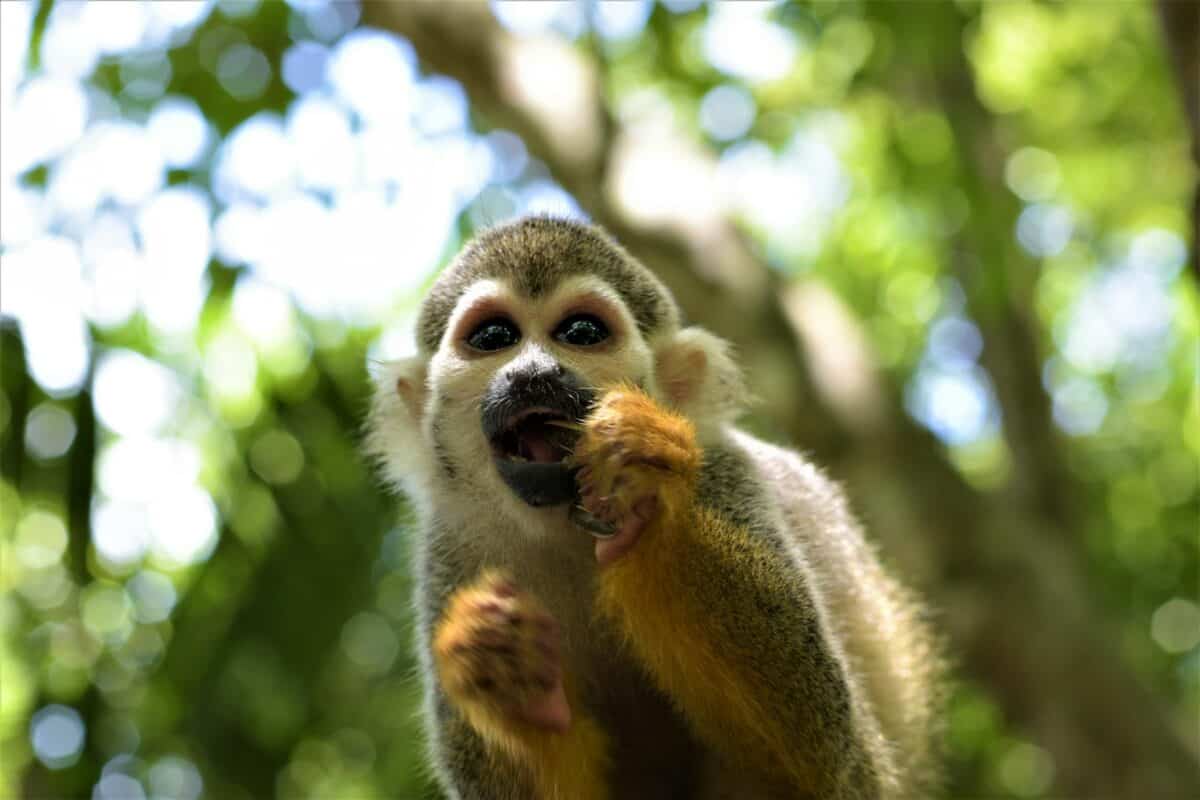
Capuchin monkeys exhibit behaviors suggesting a rudimentary awareness of death and responses that resemble mourning practices. When group members die, capuchins often gather around the body, touching and inspecting it with apparent curiosity and distress. Mothers of deceased infants have been observed carrying the bodies for days or even weeks after death, gradually reducing contact as decomposition progresses—a behavior that seems to represent a transition period of adjustment. Group members frequently maintain vigils near deceased companions, sometimes forgoing feeding opportunities and producing specific vocalizations not heard in other contexts. Most notably, capuchins alter their behaviors following a death, often avoiding the location where the death occurred for extended periods and displaying reduced social interaction and play behaviors for days afterward. Some researchers have documented cases where group members place vegetation on or around deceased companions in actions that bear superficial resemblance to human burial practices, though the intention behind these behaviors remains unclear. While we must be cautious about anthropomorphizing these responses, the consistency and specificity of capuchin reactions to death across different populations suggest more than simple confusion or curiosity. These behaviors may represent an evolutionary precursor to the more complex grief responses seen in humans and great apes, providing insight into the origins of how social species process loss.
Conclusion
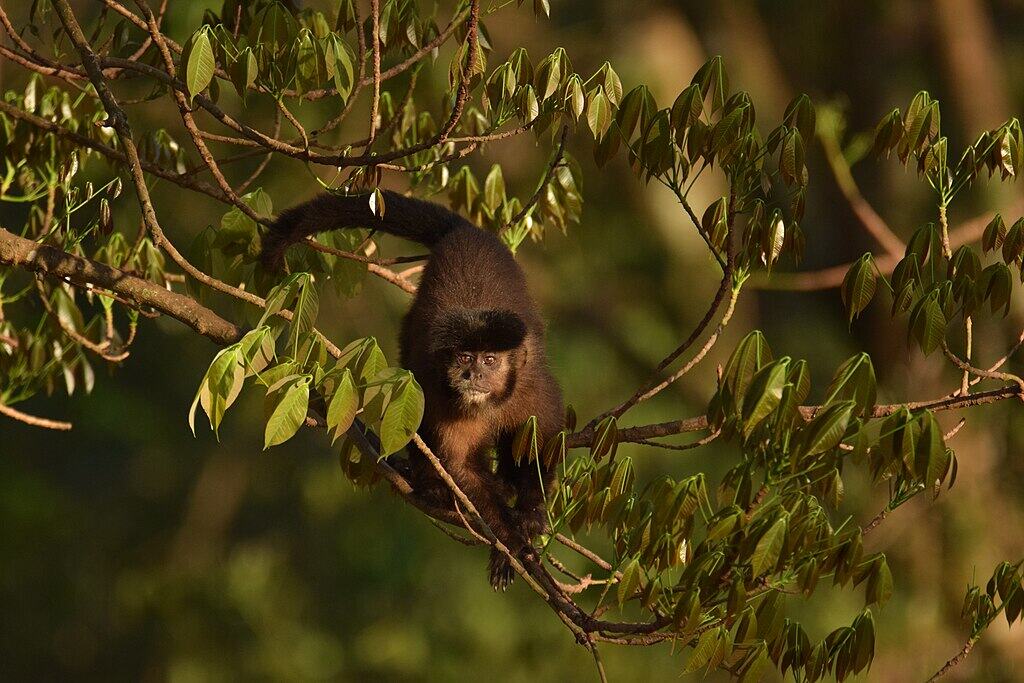
The remarkable behaviors exhibited by capuchin monkeys reveal cognitive, emotional, and social complexities that rival those of some of our closest primate relatives. From using tools and medicinal plants to practicing cultural traditions, strategic deception, and even mourning their dead, capuchins demonstrate a level of intelligence and adaptability that challenges our assumptions about the mental lives of non-human animals. Their intricate social structures, innovative problem-solving, and empathetic responses underscore the richness of their inner worlds and the evolutionary pressures that have shaped their behavior. These 14 lesser-known facets of capuchin life not only deepen our appreciation for these fascinating primates but also offer a powerful reminder of the diversity and depth of intelligence found throughout the animal kingdom. As researchers continue to uncover more about capuchin cognition and culture, one thing is clear: these small monkeys have much to teach us about cooperation, adaptation, and what it means to be truly sentient.

As a little kid, I fell in love with nature, wildlife, and animals. Living in the USA, South Africa, Italy, China and Germany gave me the opportunity to discover the world's Wildlife. My favorite animals are Mountain Gorillas, Siberian Tigers, and Great White Sharks.
I'm a certified PADI Open Water Diver, went to Everest Base Camp and Trekked Gorillas in Uganda. I hold a Master of Science in Economics and Finance.
Please send any feedback to feedback@animalsaroundtheglobe.com
- 12 Sea Animals Believed to Bring Luck or Doom - July 29, 2026
- The Lizard That Can Run on Water – Nature’s Real-Life Jesus Lizard - July 29, 2026
- Why Some Fish Can Live in Both Freshwater and Saltwater - July 29, 2026