


Finding Nemo splashed onto screens in 2003, captivating audiences with its vibrant underwater world and lovable aquatic characters. The Pixar film’s attention to detail in depicting marine life won acclaim from both critics and viewers. But how scientifically accurate is this beloved animation? While Pixar took creative liberties with talking fish and anthropomorphized sea creatures, the studio also consulted with marine biologists to ensure many aspects of ocean life were portrayed realistically. This article dives deep into the science behind Finding Nemo, examining how the film balances entertainment with biological accuracy, and which marine creatures were faithfully represented versus those that received a Hollywood makeover.
The Making of Finding Nemo’s Marine Life
Pixar’s commitment to realism in Finding Nemo went beyond basic animation. Director Andrew Stanton and his team immersed themselves in marine biology, consulting with experts from institutions including the University of California and the Monterey Bay Aquarium. The animation team even took scuba diving lessons to better understand underwater movement and environments.
According to production designer Ralph Eggleston, the team spent nearly three years researching marine biology, studying everything from fish anatomy to coral reef ecosystems. This dedication to research shows in many subtle details throughout the film, from the way light filters through water to the distinctive swimming patterns of different fish species. While artistic license was necessary for storytelling, this foundation of research helped ground the film in recognizable marine science.
Clownfish Biology: Nemo’s Real-Life Counterparts

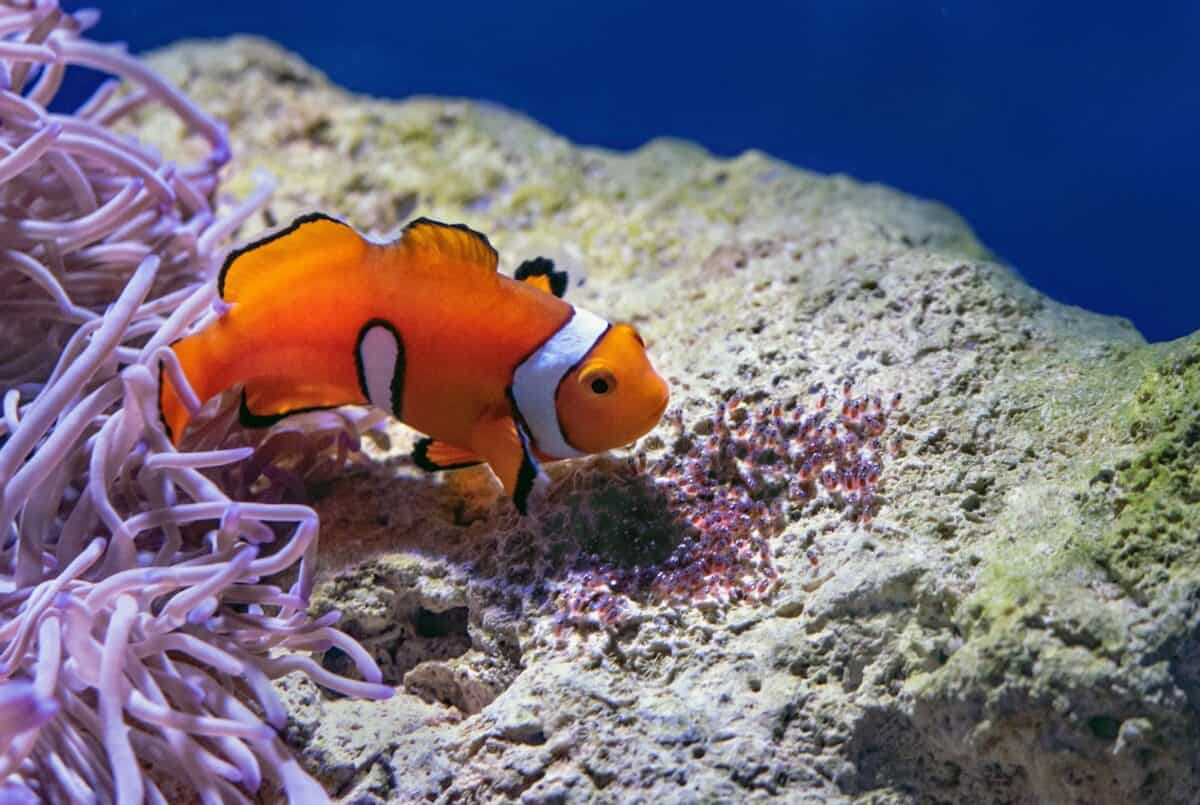
Nemo and Marlin are ocellaris clownfish (Amphiprion ocellaris), and Pixar got many aspects of their biology correct. The distinctive orange bodies with white stripes and black outlines are accurately portrayed, as is their symbiotic relationship with sea anemones. The film correctly shows how clownfish are protected from anemone stings by a mucus coating that develops through careful “dancing” with the anemone’s tentacles. However, the biggest biological inaccuracy involves clownfish reproduction and family dynamics.
In nature, clownfish are sequential hermaphrodites – they can change sex depending on social hierarchy. When a female dies, the dominant male changes sex to become female, while the next ranking male takes his place. This means that after Coral’s death, Marlin would have actually become female rather than remaining Nemo’s father. Additionally, clownfish typically live in groups with strict hierarchies, not the father-son pair depicted in the film. These biological facts were understandably altered to maintain the father-son narrative central to the story.
Dory: The Blue Tang’s True Nature

Dory, the forgetful blue tang (Paracanthurus hepatus), is one of the film’s most beloved characters. Physically, her bright blue coloration with black markings and yellow fins is accurately depicted. Blue tangs are indeed reef-dwelling fish found in the Indo-Pacific, including areas around Australia’s Great Barrier Reef. However, several aspects of Dory’s portrayal diverge from reality. While the film attributes Dory’s memory problems to short-term memory loss, there’s no scientific evidence that blue tangs suffer from this condition.
This was purely a creative choice to develop her character. Additionally, blue tangs are generally solitary or found in small groups, not as social as portrayed in the film. They’re also significantly larger than clownfish in reality, growing up to 12 inches (30 cm) in length, making the similar sizes shown in the film inaccurate. Perhaps most importantly, blue tangs are actually quite territorial and can be aggressive, a far cry from Dory’s friendly, helpful personality.
The Great Barrier Reef Ecosystem
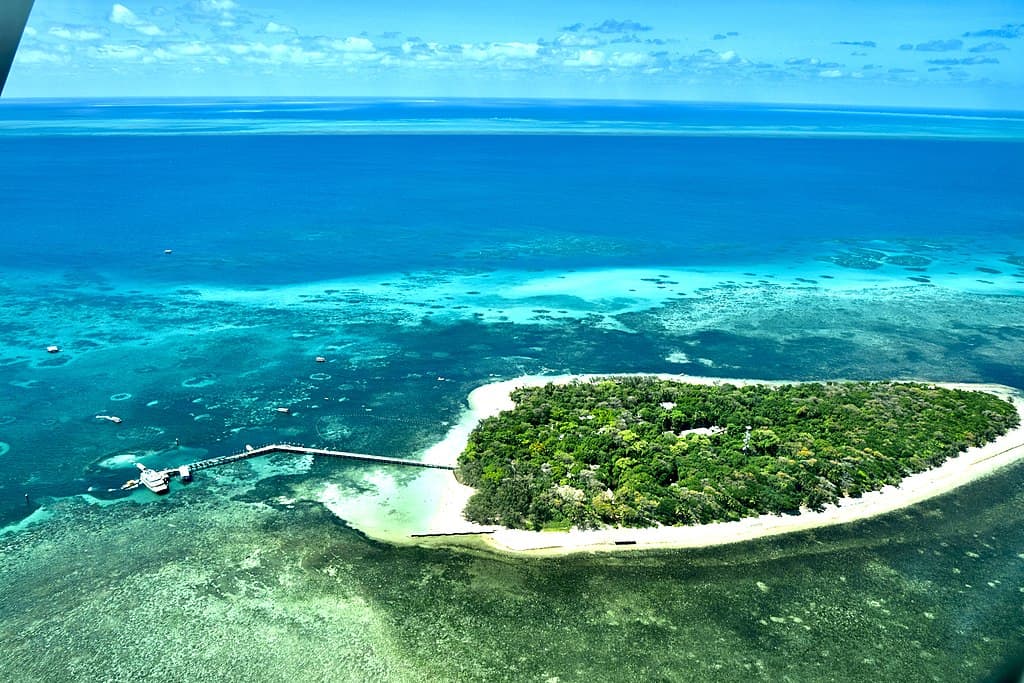
Finding Nemo showcases Australia’s Great Barrier Reef with impressive visual accuracy. The film’s depiction of coral diversity, vibrant colors, and the complex ecosystem of the reef aligns well with reality. The animators successfully captured the reef’s biodiversity, showing various coral formations, anemones, and the multitude of fish species that inhabit this environment. The film also correctly portrays the reef as a bustling metropolis of marine life, with different species occupying specific niches. However, one scientific inaccuracy is the film’s depiction of the reef as pristine throughout.
In reality, even by 2003 when the film was released, the Great Barrier Reef was already experiencing significant stress from climate change, coral bleaching, and other environmental threats. The film understandably focuses on the reef’s beauty rather than its vulnerability, though this creative choice missed an opportunity for environmental education. Still, the attention to detail in recreating the reef’s appearance and diversity demonstrates Pixar’s commitment to visual authenticity.
Sharks: Predators with a PR Problem

The shark characters Bruce, Anchor, and Chum represent different shark species – a great white, hammerhead, and mako respectively. Their physical appearances are reasonably accurate, though slightly caricatured for character design. The film plays with the fearsome reputation of sharks while simultaneously subverting it through the “Fish are Friends, Not Food” support group. Scientifically, the film perpetuates some misconceptions while challenging others. The portrayal of sharks as mindless eating machines triggered by blood is exaggerated – while sharks do have an acute sense for detecting blood, they don’t automatically enter a feeding frenzy at the slightest drop.
Research shows sharks are selective predators with complex behaviors, not the instinct-driven creatures often portrayed in media. On the positive side, the film hints at the unfair vilification of sharks through Bruce’s struggle to overcome his nature, subtly educating viewers that sharks aren’t evil. However, the film missed representing that different shark species have vastly different diets and behaviors – great whites are indeed predatory, but many shark species pose no threat to humans or other fish.
Sea Turtles: Crush and Squirt

The sea turtles in Finding Nemo, particularly Crush and his son Squirt, are green sea turtles (Chelonia mydas). Their physical appearance is generally accurate, though somewhat stylized. The film correctly shows these turtles as air-breathing reptiles that must surface periodically. One of the most scientifically accurate sequences in the film is the portrayal of the East Australian Current (EAC) as a “turtle highway.” Sea turtles do indeed use ocean currents for migration and travel, conserving energy by riding these natural conveyor belts.
The depiction of Crush as a 150-year-old turtle is plausible, as green sea turtles can live 60-70 years in the wild, with some possibly reaching 100+ years. However, the surfer-dude personalities and speech are purely anthropomorphic inventions. The film also correctly shows turtles nesting on beaches and hatchlings making their dangerous journey to the sea, though compressed into a much shorter timeline than would occur in nature. The animated turtles’ shells are appropriately portrayed as part of their bodies (not separate like a hermit crab’s shell), though real turtles cannot withdraw their heads as far as shown in some scenes.
Marine Bird Species: Nigel the Pelican

Nigel the pelican represents an Australian pelican (Pelecanus conspicillatus), and his physical appearance is quite accurate. The film correctly depicts the massive bill and pouch characteristic of these birds, as well as their size and coloration. Australian pelicans do inhabit coastal areas around Sydney Harbor, where Nigel is based. The film also accurately shows pelicans as opportunistic feeders who scoop up fish in their bills. However, the portrayal deviates from reality in several ways.
Pelicans don’t typically interact with or help small fish as Nigel does with Marlin and Dory – they would more likely see them as food. The film also exaggerates pelicans’ ability to maneuver in human environments; while they do adapt to urban settings, they don’t navigate building interiors with the dexterity shown. Additionally, while pelicans are intelligent birds, they don’t possess the complex communication abilities or problem-solving skills attributed to Nigel. His character represents one of the more heavily anthropomorphized animals in the film, chosen more for narrative purposes than biological accuracy.
The Reality of Jellyfish Forests

The jellyfish forest sequence in Finding Nemo creates one of the film’s most visually stunning and dangerous obstacles. While the scene takes creative liberties, it’s based on real marine phenomena. Large aggregations of jellyfish, called blooms or swarms, do occur in oceans worldwide. These can create vast “forests” similar to those depicted in the film. The translucent pink jellyfish shown most closely resemble several species of true jellyfish (Scyphozoa class). The film accurately portrays the danger of jellyfish stings, as many species possess nematocysts (stinging cells) that can cause painful and potentially fatal reactions.
The scene where Marlin and Dory bounce across the tops of the jellyfish bells to avoid tentacles reflects a partial truth – the bells of many jellyfish contain fewer stinging cells than their tentacles. However, the idea that the tops are completely safe is fictional; contact with any part of most jellyfish can result in stings. The uniform size, perfect arrangement, and synchronized movement of the jellyfish in the film are artistic exaggerations of natural jellyfish behavior, which is more random and varied. The scene effectively balances visual spectacle with enough biological reality to create believable danger.
Gill and the Tank Gang: Aquarium Fish Realities

The aquarium fish in the dentist’s office represent various marine species found in the aquarium trade. Gill, the leader, is a moorish idol (Zanclus cornutus), and his distinctive black, white, and yellow coloration is accurately depicted. However, moorish idols are notoriously difficult to keep in captivity due to their specialized diet and susceptibility to disease – something the film doesn’t address. Other members of the tank gang are also accurately drawn: Bloat (a porcupine pufferfish), Peach (a starfish), Bubbles (a yellow tang), Jacques (a cleaner shrimp), Deb/Flo (a black-and-white humbug damselfish), and Gurgle (a royal gramma).
The film correctly shows how fish in aquariums develop unique behaviors and social structures in captivity. The depiction of tank maintenance, including the filter system, water quality issues, and algae growth, reflects real concerns in aquarium keeping. However, the film takes creative license with the fish’s ability to survive out of water. While some species like anabantoids can breathe air, most marine fish can survive only minutes outside water, not the extended periods shown during the escape sequences. Additionally, the film overlooks the fact that tropical marine fish require carefully maintained water temperatures and chemistry that would make their survival in Sydney Harbor impossible.
Predator-Prey Relationships in the Ocean

Finding Nemo portrays various predator-prey relationships that exist in marine ecosystems, though sometimes with creative modifications. The film accurately shows the food chain concept, with larger creatures preying on smaller ones, as seen with the barracuda attacking the clownfish at the beginning, and the anglerfish hunting Marlin and Dory in the deep sea. The depiction of the anglerfish (Melanocetus) with its bioluminescent lure is scientifically accurate, as is its ambush hunting strategy in the deep ocean. However, the film generally softens the brutal reality of marine predation.
In nature, predator-prey interactions are commonplace and necessary for ecosystem balance. The film anthropomorphizes these relationships, portraying predators as either villainous (the barracuda) or comically inept (the anglerfish). This approach serves the narrative but simplifies the complex ecological roles these animals play. Additionally, the film mostly ignores that many of its protagonist species would naturally be prey items for others. For instance, real clownfish are prey for larger fish, and blue tangs are consumed by various predators. This sanitization of nature’s food web is understandable in a family film but represents a significant departure from biological reality.
Deep Sea Creatures and Environments
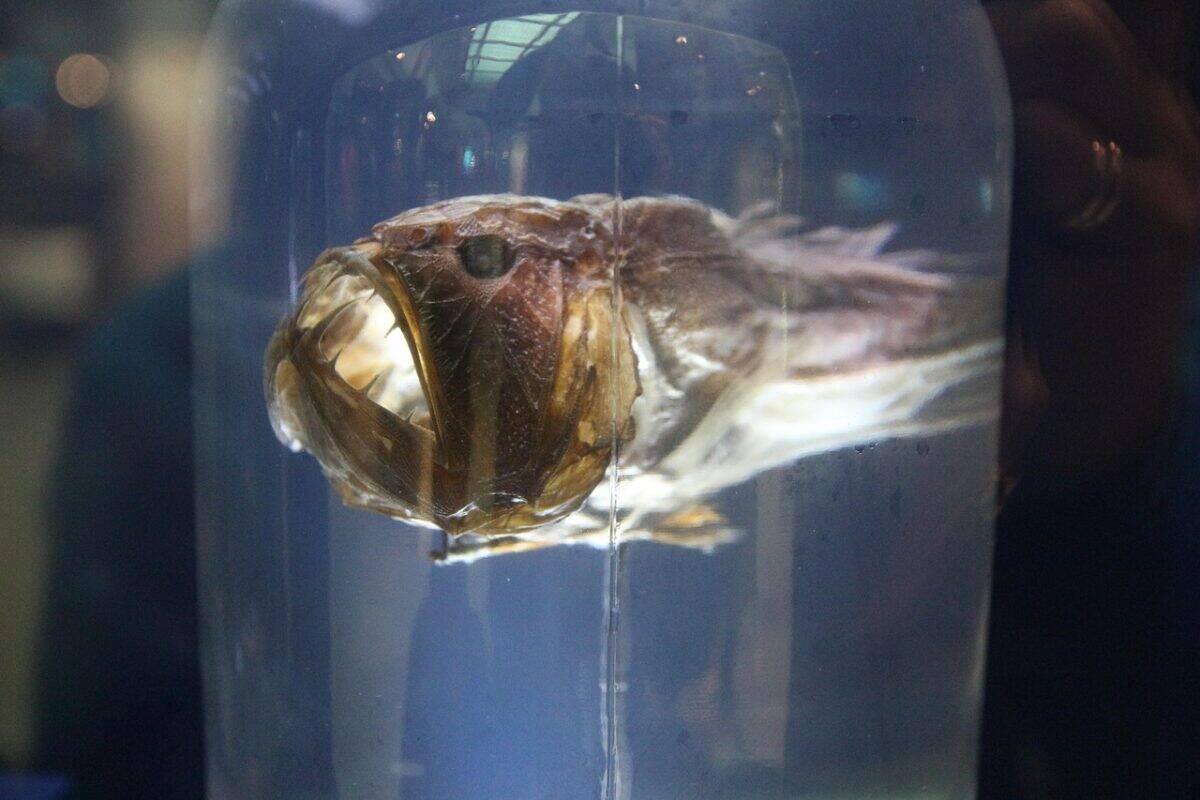
The deep-sea sequences in Finding Nemo offer a glimpse into one of Earth’s most mysterious environments. The film accurately portrays several aspects of the deep ocean, including the darkness, pressure, and strange creatures that inhabit these depths. The anglerfish scene correctly shows how bioluminescence functions as both an attraction for prey and a light source in the lightless deep. The film also accurately depicts the transition from the bright, colorful reef environments to the increasingly dark and sparse deep ocean zones. However, several aspects are simplified or modified for dramatic effect.
The film compresses the vast depth zones of the ocean, showing deep-sea creatures relatively close to the surface zones. In reality, true deep-sea environments begin at around 1,000 meters (3,300 feet) below the surface, where no sunlight penetrates. At these depths, the pressure would be fatal to surface-dwelling fish like Marlin and Dory. The film also shows the deep sea as primarily empty except for occasional creatures, whereas these environments host diverse ecosystems adapted to extreme conditions. Additionally, the deep ocean is depicted as within swimming distance of the Great Barrier Reef, when in fact the continental shelf drop-off to such depths would be much further from the reef than suggested.
Conclusion: Balancing Entertainment with Educational Value
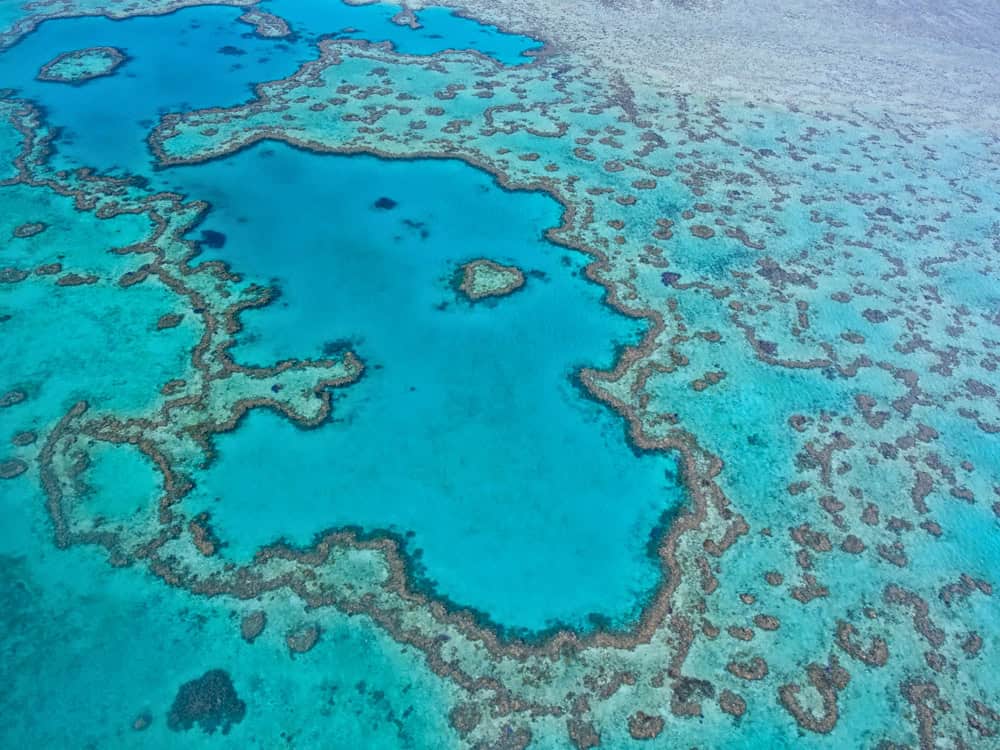
Finding Nemo succeeds in striking a remarkable balance between entertainment and biological accuracy. While the film takes necessary creative liberties to tell its story – talking fish, anthropomorphized personalities, and simplified ecosystems – it grounds these fictional elements in a foundation of marine science that educates as it entertains. The film’s meticulous attention to visual details, from the distinctive swimming patterns of different species to the complex environments of coral reefs, demonstrates Pixar’s commitment to creating a believable underwater world.
This blend of accuracy and imagination has made Finding Nemo not just a beloved film but also an entry point for many children’s interest in marine biology and ocean conservation. By presenting a version of marine life that is recognizable to experts while accessible to general audiences, Finding Nemo accomplishes something significant: it fosters curiosity about the real ocean world while acknowledging that the most scientifically accurate depiction isn’t always the most effective storytelling approach.

From exploring the marine wonders in the Azores and witnessing the vast savannas of Kenya, to delving deep into the rich biodiversity of South Africa and traversing iconic landscapes in Australia and the US like Yellowstone, Chris's experiences are vast.
With a penchant for diving alongside sharks, the ocean holds a special place in his heart.
Through his academic insights, he champions wildlife conservation, striving with 'Animals Around The Globe' to cultivate a profound connection between humans and animals, enhancing our mutual appreciation.
Connect with him at Feedback@animalsaroundtheglobe.com.
- Why Spiders Don’t Get Stuck in Their Own Webs - July 20, 2026
- What Scientists Found in a 10,000-Year-Old Beehive - July 20, 2026
- This Spider Builds Fake Decoys of Itself - July 20, 2026