


Have you ever been greeted by a dog with what appears to be a genuine smile, lips pulled back and teeth showing in what looks remarkably like human happiness? Or perhaps you’ve noticed that while some canines seem to beam with joy, others maintain a more stoic expression regardless of their mood. This variation in “smiling” behavior among dogs has fascinated pet owners and animal behaviorists alike. The phenomenon of canine smiling is more complex than it might initially appear, involving a blend of genetics, domestication history, individual temperament, and learned behaviors. In this comprehensive exploration, we’ll unpack the science behind dog smiles, examine why certain breeds or individuals are more prone to this behavior, and help you better understand what your dog’s facial expressions really mean.
The Science Behind Canine Facial Expressions

Dogs possess a remarkable facial musculature that allows them to make various expressions, including what humans interpret as smiles. Research from the University of Portsmouth’s Dog Cognition Centre has identified that dogs have evolved specific facial muscles that wolves lack, particularly around the eyes and mouth regions. These evolutionary adaptations enable dogs to form expressions that humans find appealing or communicative. The levator anguli oris muscle, which pulls the corners of the mouth upward in a smile-like expression, is more developed in domestic dogs than in their wild counterparts. This anatomical difference isn’t merely coincidental—it appears to have evolved during the 33,000+ years of dog domestication as part of their adaptation to human social environments.
What Constitutes a “Smile” in Dogs?
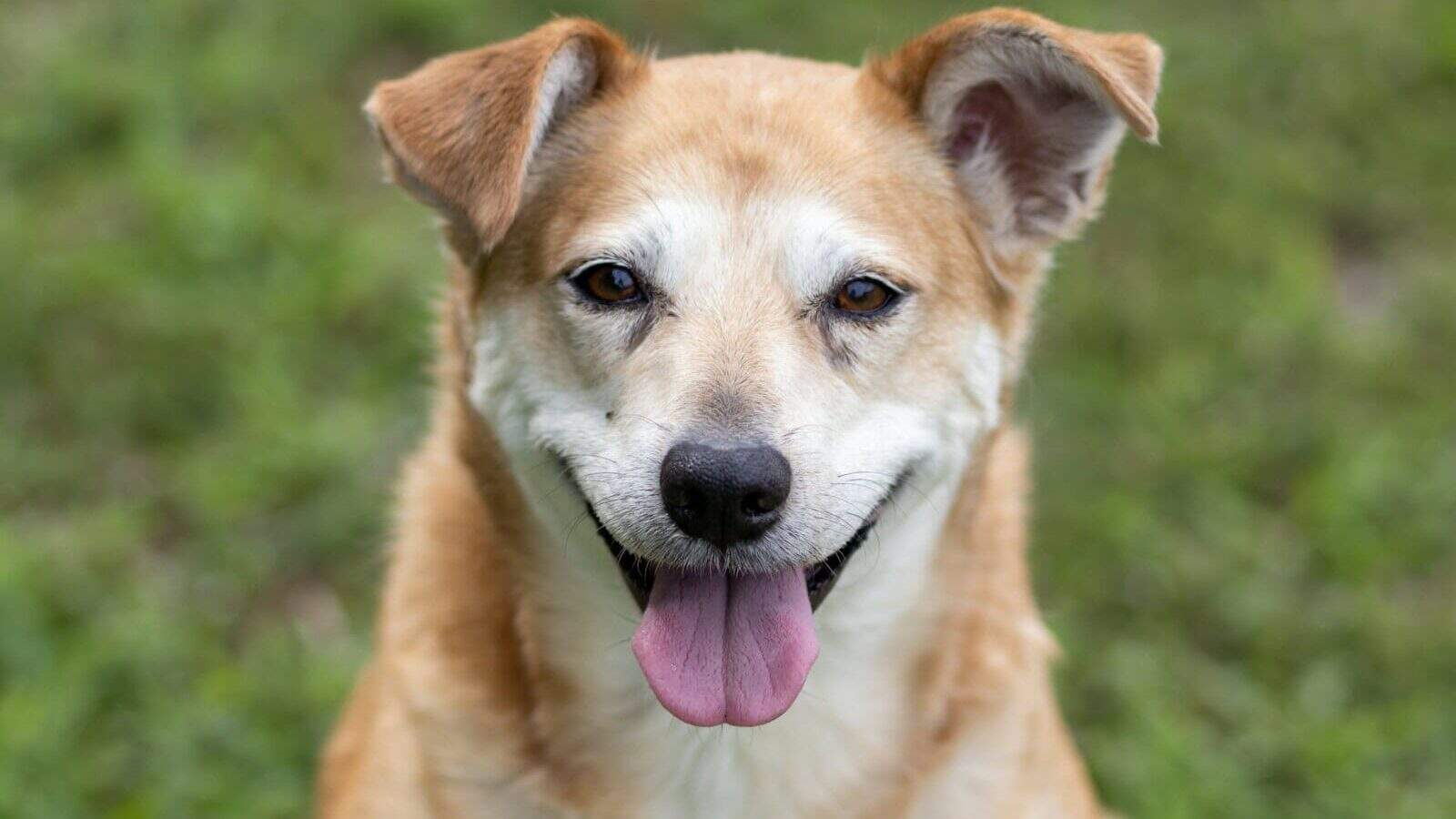
When we speak of dogs “smiling,” we’re generally referring to one of two distinct behaviors. The first is a relaxed, open-mouthed expression where the lips are pulled back slightly, exposing some teeth while the eyes remain soft and the overall body language is loose—often called a “play face.” The second is what behaviorists term a “submissive grin,” characterized by a more pronounced retraction of the lips, often accompanied by a lowered head, squinted eyes, and a hunched posture. These expressions serve different communicative purposes and shouldn’t both be anthropomorphized as simple happiness. Understanding the subtle differences is crucial: a relaxed, panting dog with a slightly open mouth is displaying comfort, while a dog with tightly pulled-back lips, exposed teeth, and tense body language might actually be signaling stress, not joy.
The Role of Breed Genetics in Smiling Behavior
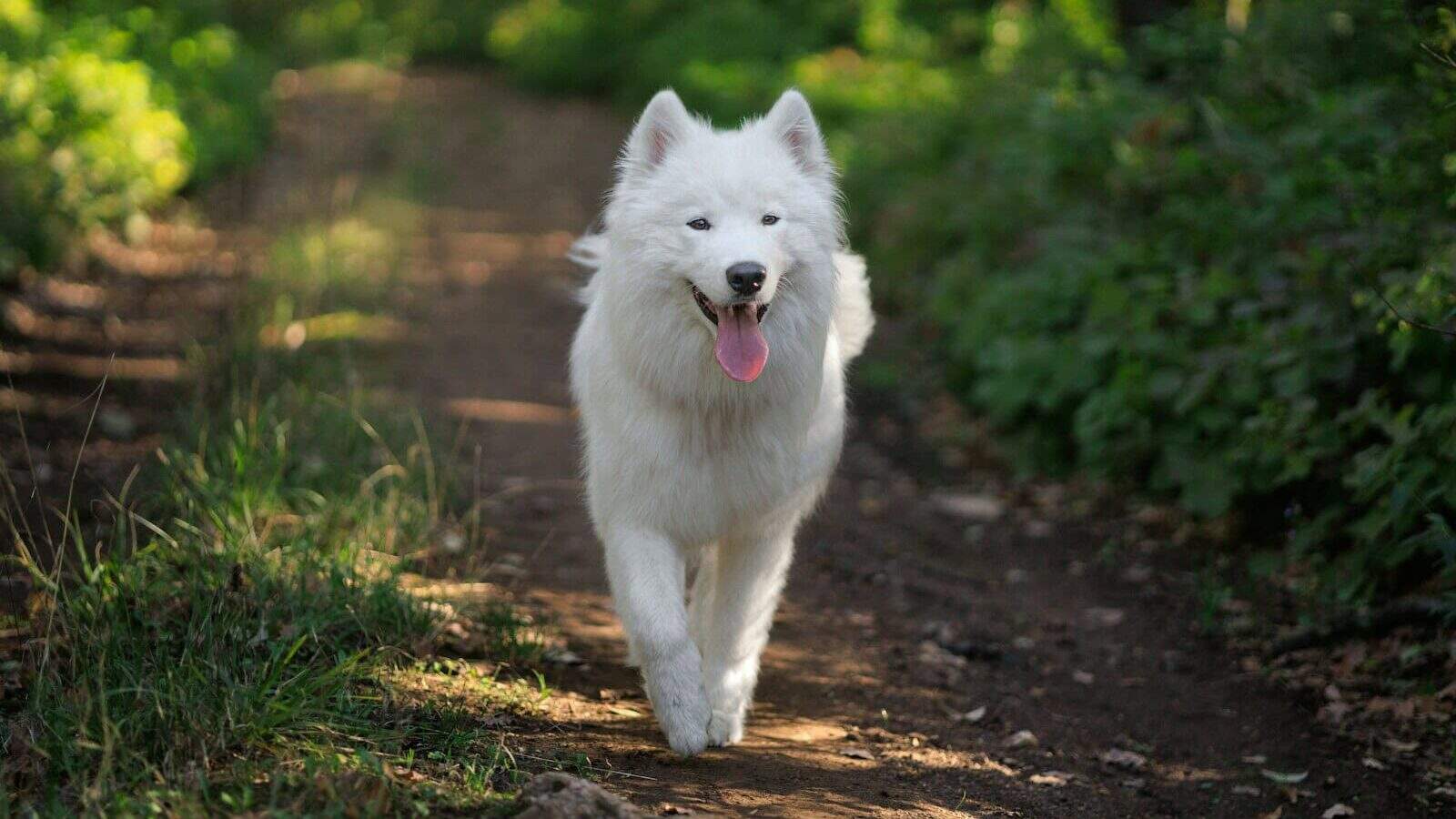
Certain dog breeds are genetically predisposed to facial expressions that humans interpret as smiles. Breeds like Samoyeds are famously known as “smiling dogs” due to their naturally upturned mouth corners that create a perpetual smile-like appearance. Similarly, American Eskimo Dogs, Dalmatians, and Staffordshires often have facial structures that facilitate smile-like expressions. This predisposition is partly due to selective breeding for certain aesthetic qualities that humans find appealing. Conversely, breeds with different muzzle shapes and facial musculature, such as Bulldogs or Shar-Peis, may have physical limitations that make similar expressions less likely or less recognizable to the human eye. These differences remind us that what we perceive as a smile may be more related to canine anatomy than to the dog’s emotional state.
Domestication’s Impact on Dog Expressions

The domestication process has profoundly influenced dogs’ ability to communicate with humans through facial expressions. A groundbreaking study published in the Proceedings of the National Academy of Sciences revealed that domesticated dogs raise their inner eyebrows significantly more when humans are looking at them compared to when they’re alone. This behavior is absent in wolves, even those hand-raised by humans. This evolutionary development suggests that dogs have specifically adapted to communicate with humans by developing expressions that we respond to positively. Dogs who “smile” might be unconsciously utilizing a behavior that has historically earned them rewards from their human companions. Through generations of coexistence, dogs have essentially learned which facial expressions effectively trigger nurturing responses from humans.
Learned Behavior: When Dogs Smile for Rewards
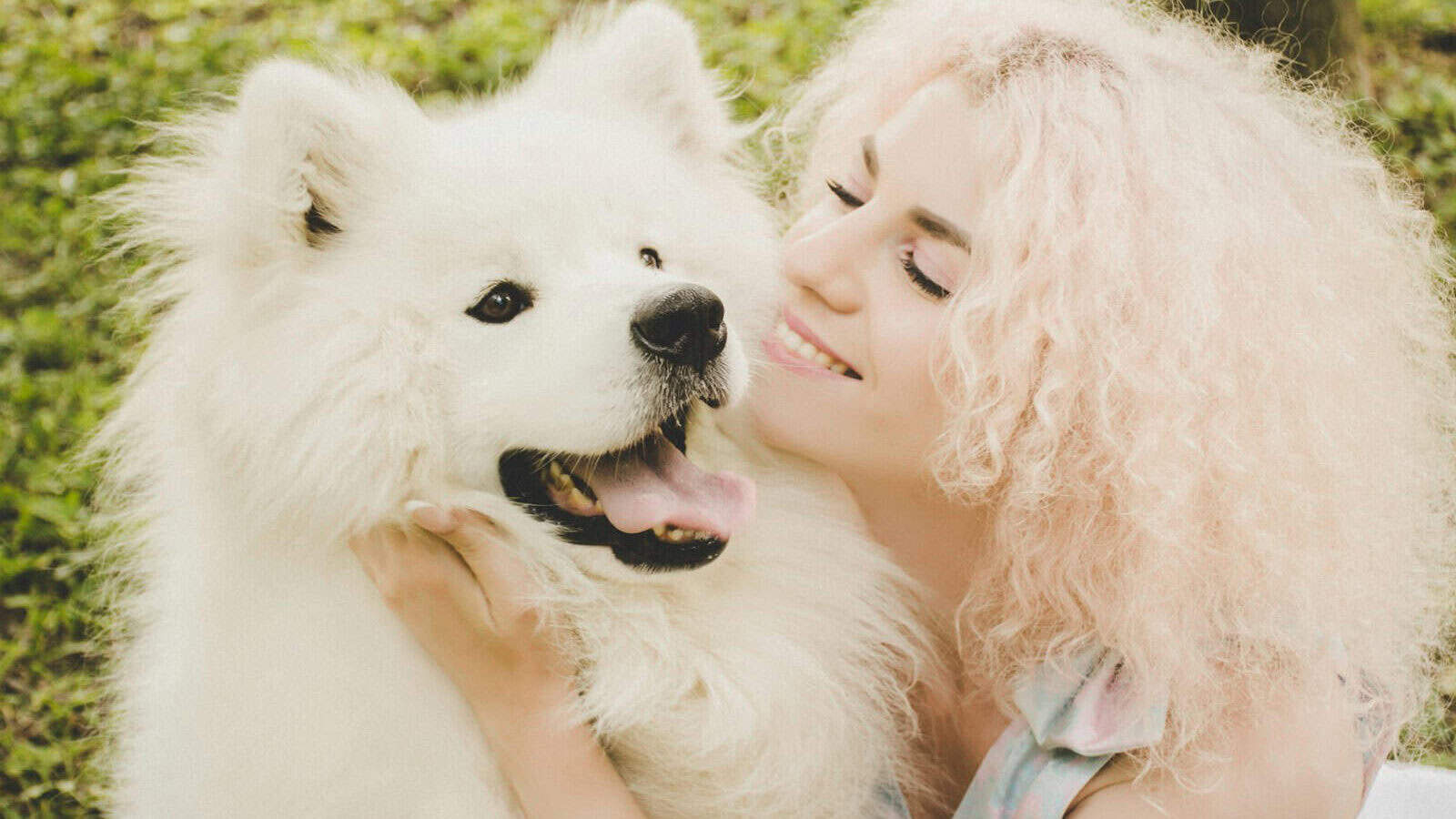
Many dogs who regularly “smile” have learned this behavior through positive reinforcement. When a dog naturally displays a facial expression that resembles a human smile, owners typically respond with attention, affection, or treats. Through classical conditioning, dogs quickly learn that this particular facial movement results in desirable outcomes. Over time, they may deliberately produce the expression to elicit positive responses from their owners. This phenomenon explains why some dogs within the same household or breed might smile while others don’t—their individual learning histories differ. Behaviorists have documented numerous cases where dogs who frequently “smile” come from homes where the behavior is consistently acknowledged and rewarded, supporting the theory that much of canine smiling is reinforced behavior rather than purely instinctive expression.
The Submissive Grin: Misinterpreted Smiles

What many dog owners mistake for a happy smile is actually a submissive grin—a distinctly different behavior with roots in canine pacification signals. This expression, characterized by a horizontal retraction of the lips with exposed teeth, lowered body posture, and often squinted eyes, is a dog’s way of communicating, “I’m not a threat.” It evolved as a pacifying gesture to defuse potential conflict with more dominant dogs or humans. Breeds that were historically more hierarchical in their pack structure, such as German Shepherds or Siberian Huskies, may display this behavior more frequently. The submissive grin is often triggered by situations involving mild anxiety, uncertainty, or when greeting someone the dog perceives as dominant. Understanding this expression prevents the common misinterpretation of stress signals as happiness, allowing owners to better respond to their dog’s emotional needs.
Individual Temperament and Personality Factors
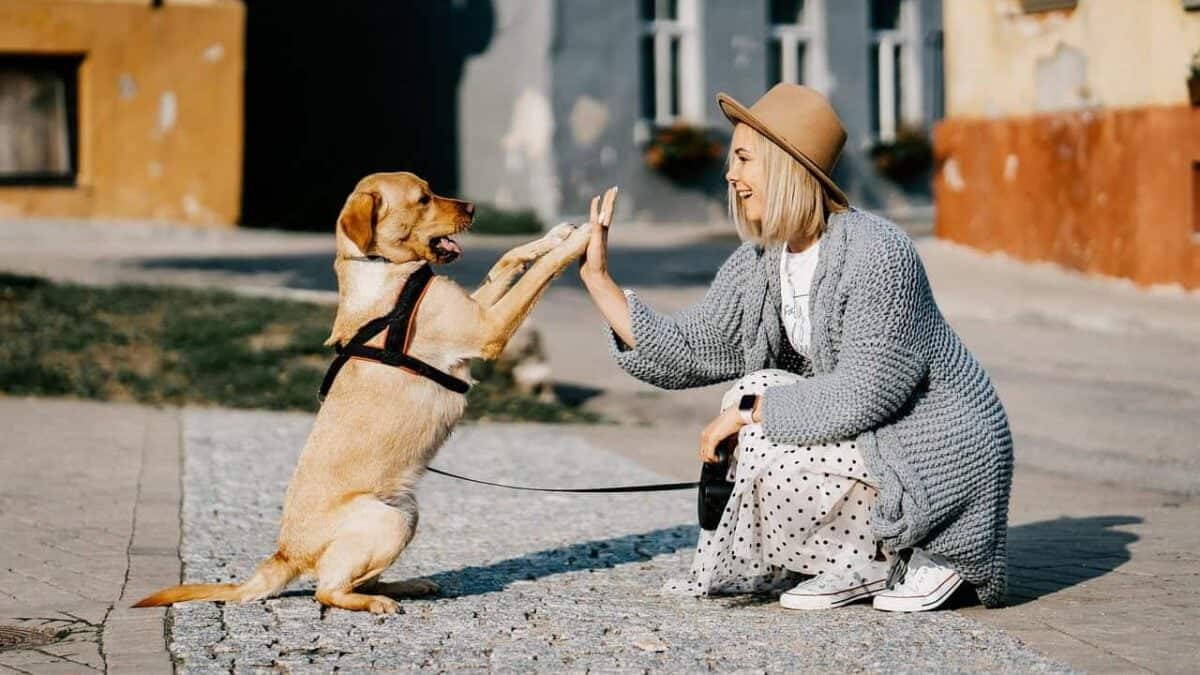
Just as humans have unique personalities that affect how expressive they are, dogs exhibit individual temperamental differences that influence their tendency to “smile.” Research in canine behavioral genetics suggests that traits like sociability, confidence, and expressiveness have heritable components that vary from dog to dog, even within the same litter. More socially confident and expressive dogs tend to use a wider range of facial expressions, including smile-like behaviors, to communicate with humans. Conversely, more reserved or independent dogs might rely less on facial communication and more on body language or vocalizations. These individual differences explain why two dogs of the same breed, raised in similar environments, might display drastically different tendencies toward smiling behaviors. Recognizing and respecting these personality differences helps owners form more accurate expectations about their pet’s expressive behaviors.
Cultural and Social Influences on Canine Expression
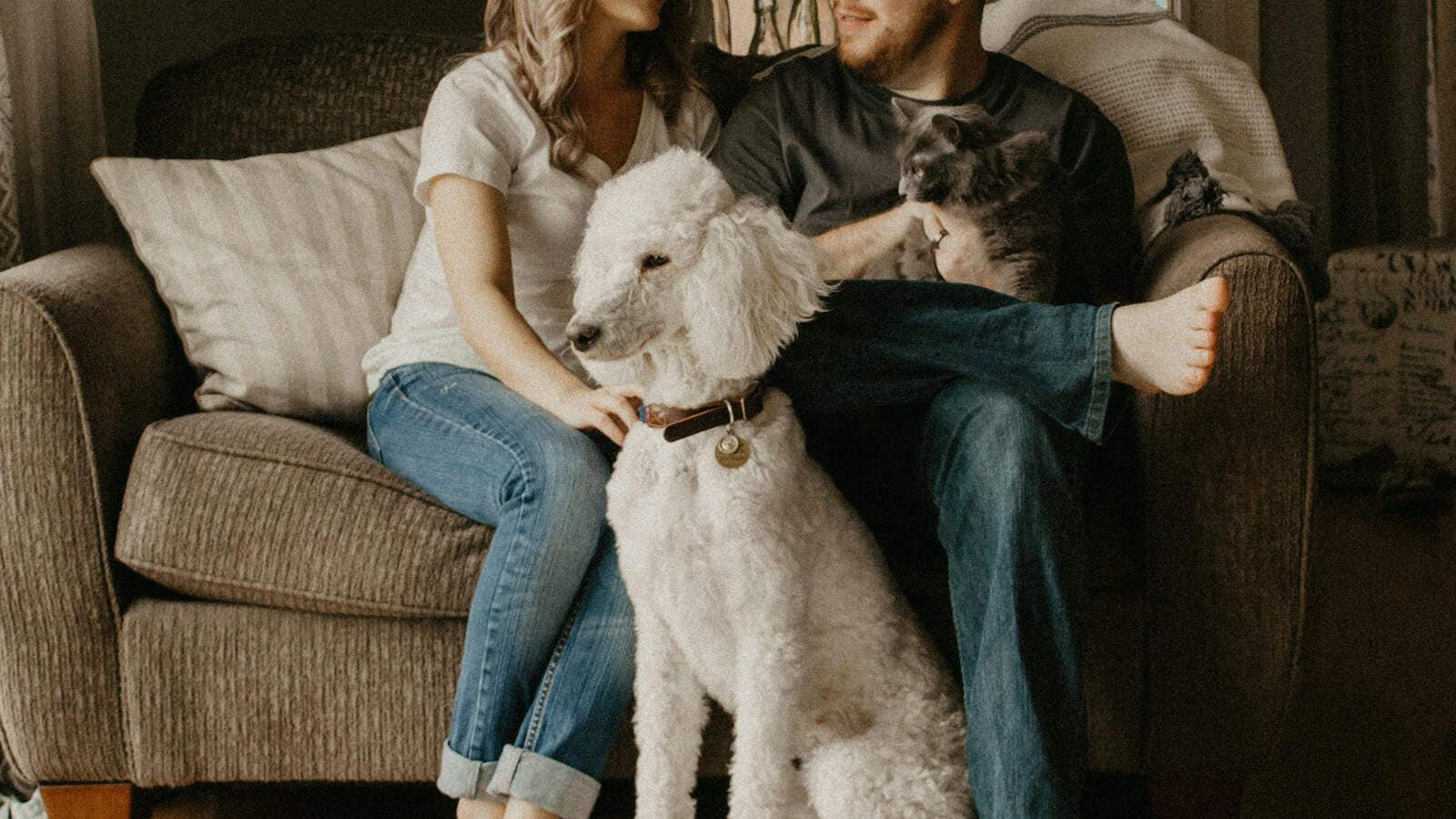
Dogs are remarkably attuned to the social environments they inhabit, adapting their communicative behaviors to match the cultural context. Studies comparing dogs from different countries have found variations in expressive behaviors that correlate with the emotional expressiveness of the human cultures they live in. Dogs in more emotionally demonstrative societies often display more obvious facial expressions themselves. Additionally, the specific household environment plays a crucial role—dogs living with families that include children tend to develop more expressive faces compared to those living with single adults or elderly owners. This adaptability demonstrates dogs’ exceptional sensitivity to social learning and their ability to modify their communication styles to fit their human companions’ preferences and responsiveness patterns.
The Relationship Between Smiling and Other Dog Emotions
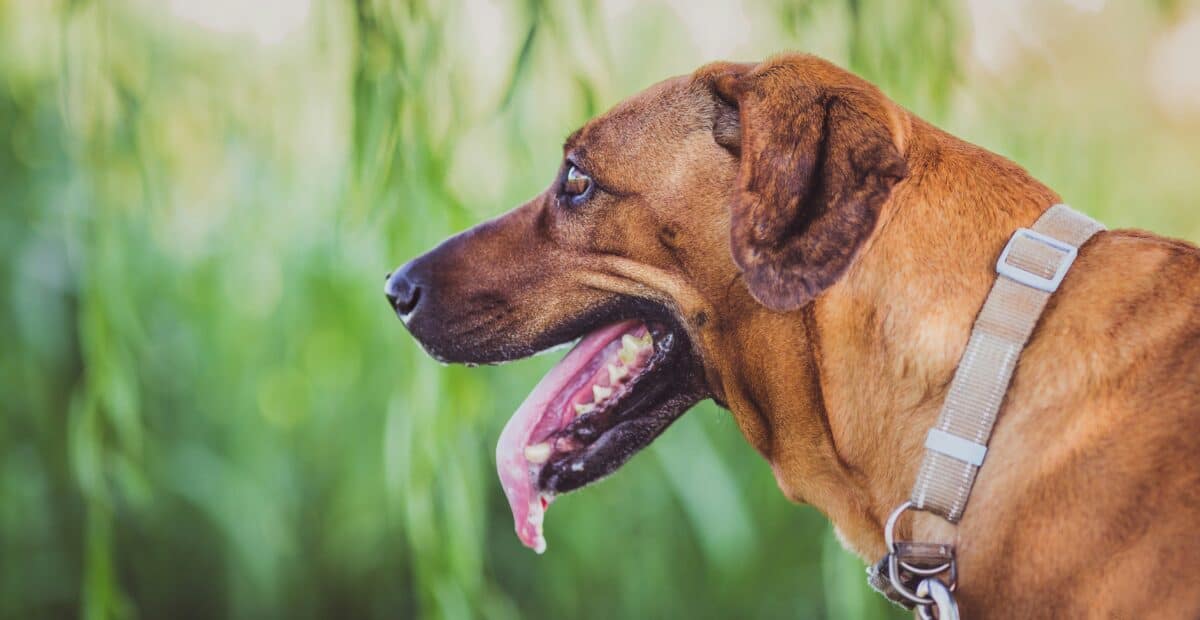
A dog’s smile-like expression exists within a complex system of emotional and physical states. What appears to be a smile might actually be related to other emotional or physiological conditions. For instance, a dog panting due to heat or anxiety might display an open-mouthed expression that resembles a smile but indicates something entirely different. Similarly, some dogs display a “smile” when they’re excited or anticipating activity, creating a correlation between this expression and positive arousal states. Research using facial action coding systems specifically adapted for dogs (DogFACS) has helped scientists map these expressions to emotional states more accurately. This research reveals that what we perceive as a single expression—the smile—can actually represent numerous different emotional states ranging from relaxed contentment to anxious appeasement, depending on the accompanying body language, ear position, eye contact, and environmental context.
Teaching Your Dog to “Smile” on Command
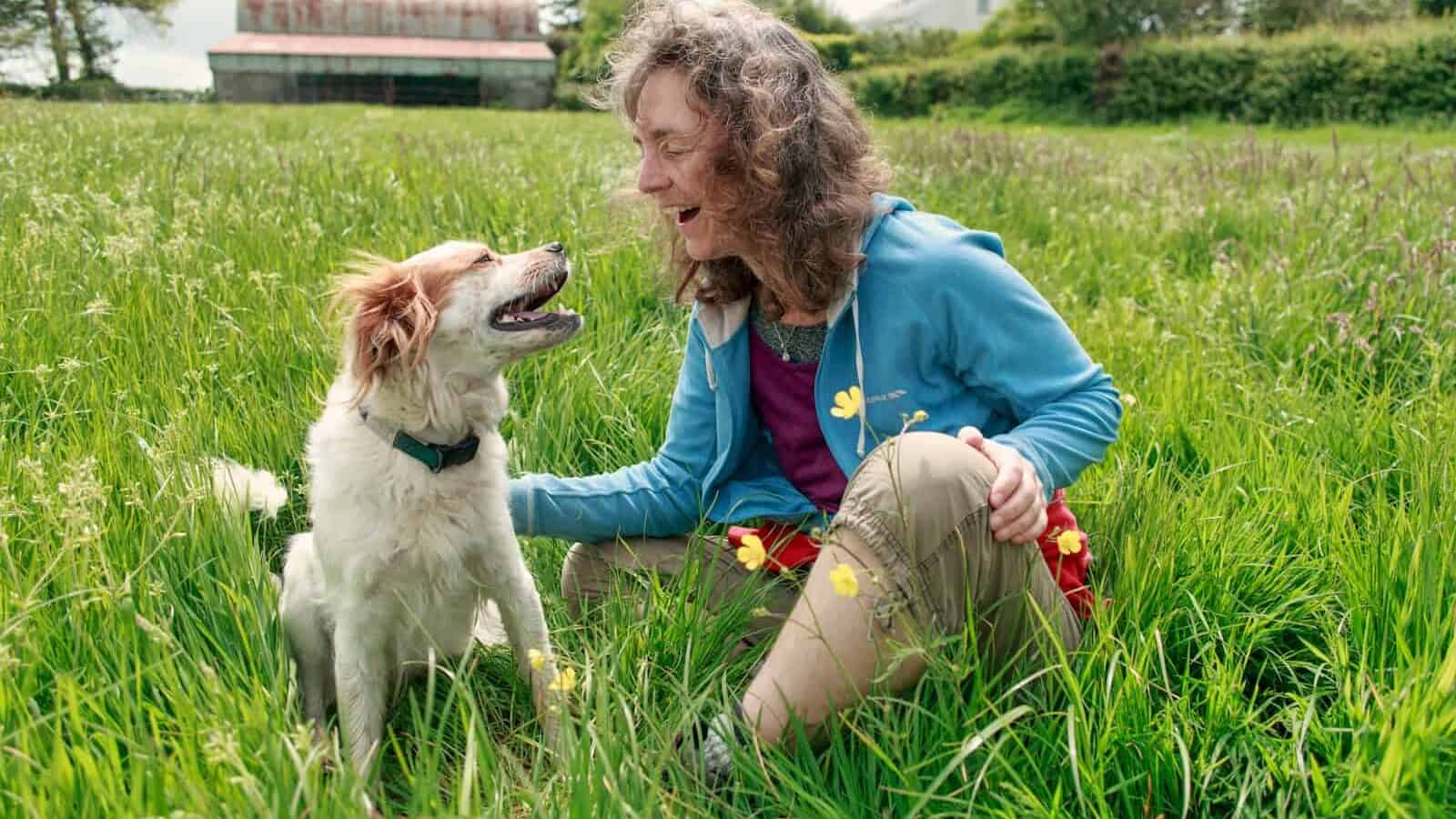
For owners enchanted by doggy smiles, it is possible to train many dogs to perform a smile-like expression on command. This training utilizes positive reinforcement techniques to shape the behavior. The process typically begins by capturing natural instances of the expression with immediate rewards, then gradually introducing a verbal cue like “smile” or “cheese” just before the dog is likely to make the expression. With consistent practice and reward timing, many dogs can learn to produce the expression on cue. However, trainers and behaviorists caution that this should only be attempted with dogs who naturally display relaxed, open-mouthed expressions, not with dogs who show submissive grins associated with anxiety. Forcing anxious dogs to “smile” could inadvertently reinforce stress behaviors. When taught appropriately, however, a trained smile can become a charming trick that strengthens the human-canine bond.
Cross-Species Communication: How Humans Interpret Dog Expressions
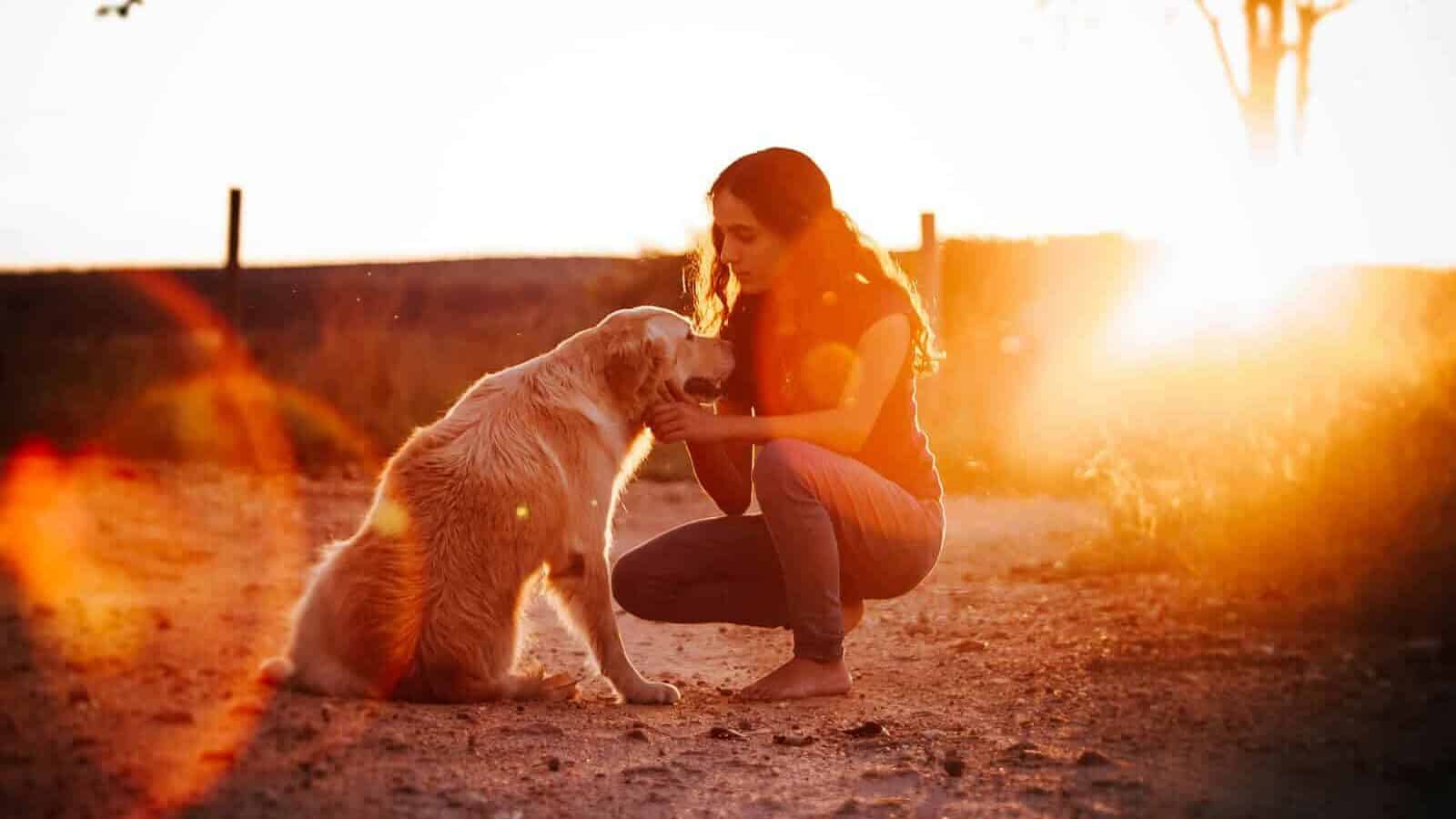
The human tendency to interpret dog expressions through our own emotional lens creates both connections and misunderstandings. Research from the University of Lincoln demonstrated that humans are remarkably consistent in how they interpret certain dog expressions, with most people accurately identifying fear and aggression signals. However, we show significant bias when interpreting more ambiguous expressions, often projecting human emotions onto neutral canine faces. This anthropomorphic tendency is particularly strong with expressions resembling smiles. Interestingly, experienced dog owners are sometimes less accurate than novices in certain contexts because they develop personal interpretative frameworks based on their own dogs. This research highlights the importance of learning to read the whole dog—facial expression, ear position, tail carriage, and overall body language—rather than focusing solely on mouth shape. Understanding these cross-species communication challenges helps owners develop more accurate interpretations of their dogs’ emotional states.
When a Dog’s Smile Might Indicate Health Issues

Occasionally, what appears to be a dog smile may actually signal underlying health concerns that require veterinary attention. Certain neurological conditions, dental problems, or jaw abnormalities can cause facial expressions that mimic smiling. For example, partial facial paralysis might cause one side of the mouth to droop or curl upward in a smile-like appearance. Similarly, dental pain can cause unusual mouth positioning or excessive panting that resembles a smile. One particularly concerning condition is “laughing dog syndrome” (canine distemper), where affected dogs may exhibit a characteristic grinning expression due to involuntary muscle contractions. If a dog suddenly begins “smiling” when they never did before, if the expression appears asymmetrical, or if it’s accompanied by other changes in behavior or physical symptoms, veterinary evaluation is warranted. Responsible pet ownership includes distinguishing between normal expressive behaviors and potential health indicators.
Understanding Your Dog’s Unique Communication Style
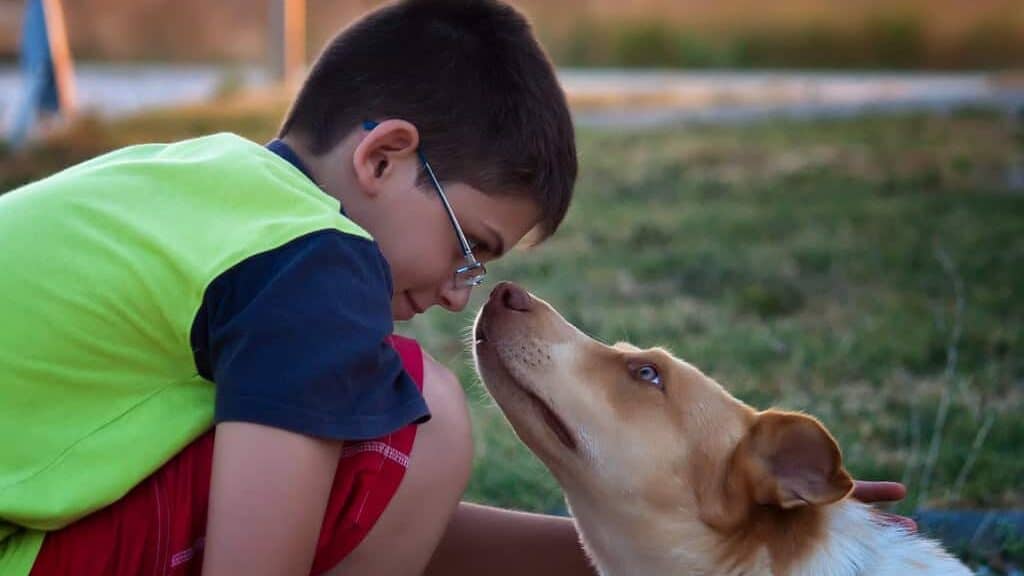
Every dog, whether a “smiler” or not, has developed a unique communication repertoire shaped by genetics, learning, and individual temperament. Rather than focusing exclusively on whether your dog smiles, it’s more valuable to become fluent in your particular dog’s full range of communicative behaviors. Some dogs may rarely “smile” but express happiness through energetic tail wagging, playful bows, or vocal communications. Others might smile frequently but show stress or anxiety through subtle signals like lip licking or averted gaze. By observing your dog in various emotional states and contexts, you can develop a personalized understanding of their communication style. This tailored knowledge is far more valuable than general interpretations of canine expressions. The most fulfilling human-canine relationships are built on this mutual understanding—recognizing and respecting each dog’s individual way of expressing their needs, boundaries, and affections.
The phenomenon of canine smiling represents a fascinating intersection of evolution, domestication, learning, and cross-species communication. Whether your dog is a natural “smiler” or expresses joy through other behaviors, what matters most is the mutual understanding you develop through attentive observation and respectful interaction. Dogs communicate with us through a sophisticated language of facial expressions, body postures, vocalizations, and behaviors that goes far beyond any single expression like smiling. By approaching canine communication with curiosity rather than assumptions, we deepen our connection with these remarkable companions who have evolved alongside us for millennia. The next time you see a dog smile—or not—remember that you’re witnessing not just a facial expression, but a glimpse into the rich emotional and social intelligence that makes the human-canine bond one of the most enduring and meaningful relationships in human history.

- How Sustainable Farming Protects Wildlife in Tea Regions - July 21, 2026
- Why So Many Marine Animals Are Bioluminescent - July 21, 2026
- Wildlife Mysteries That Took Decades to Solve - July 21, 2026