

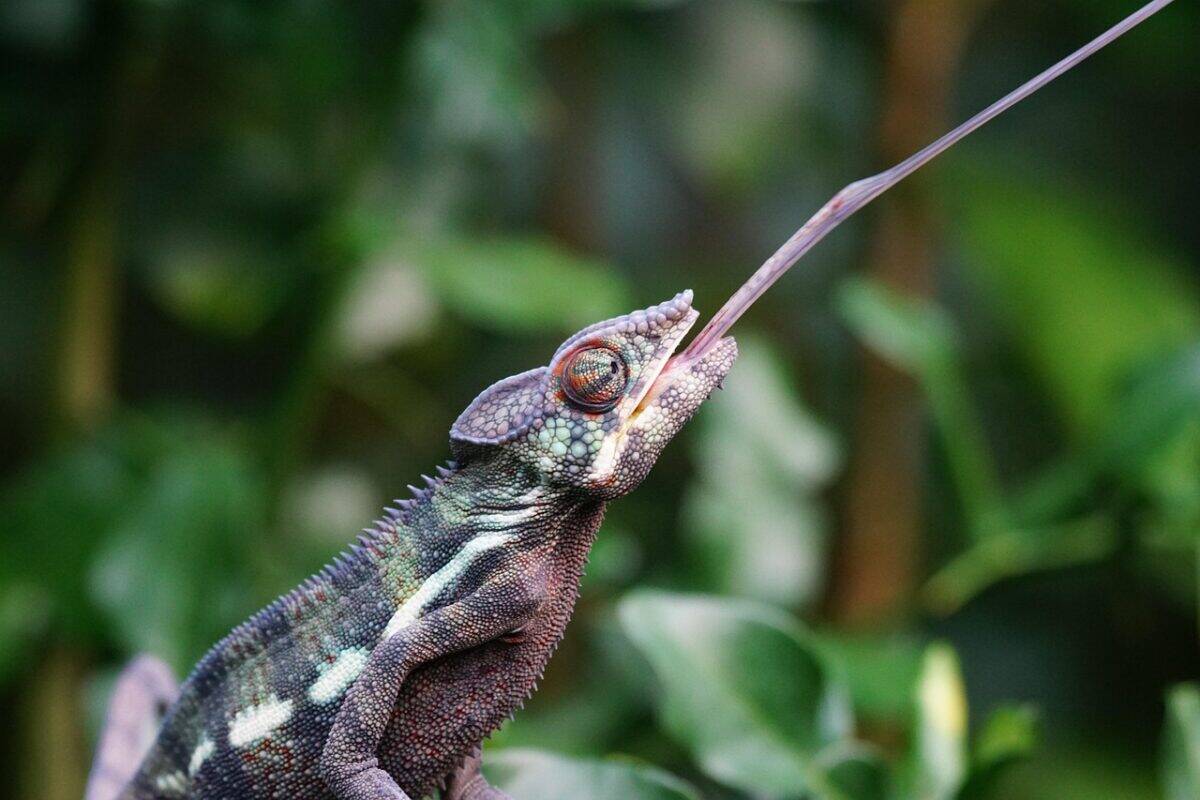
In the animal kingdom, extraordinary adaptations are abundant, but few are as remarkable as an animal possessing a tongue longer than its entire body. The chameleon, particularly species like the Jackson’s chameleon, holds this distinction. These fascinating reptiles can project their tongues at astonishing speeds to capture prey from distances that seem impossible given their body size. But how and why did such an extraordinary feature evolve? The answer lies in millions of years of evolutionary adaptation, specialized anatomy, and the chameleon’s unique ecological niche. This remarkable adaptation has fascinated scientists and nature enthusiasts alike, providing insight into the incredible diversity of survival strategies in the natural world.
The Remarkable Chameleon Tongue: An Overview
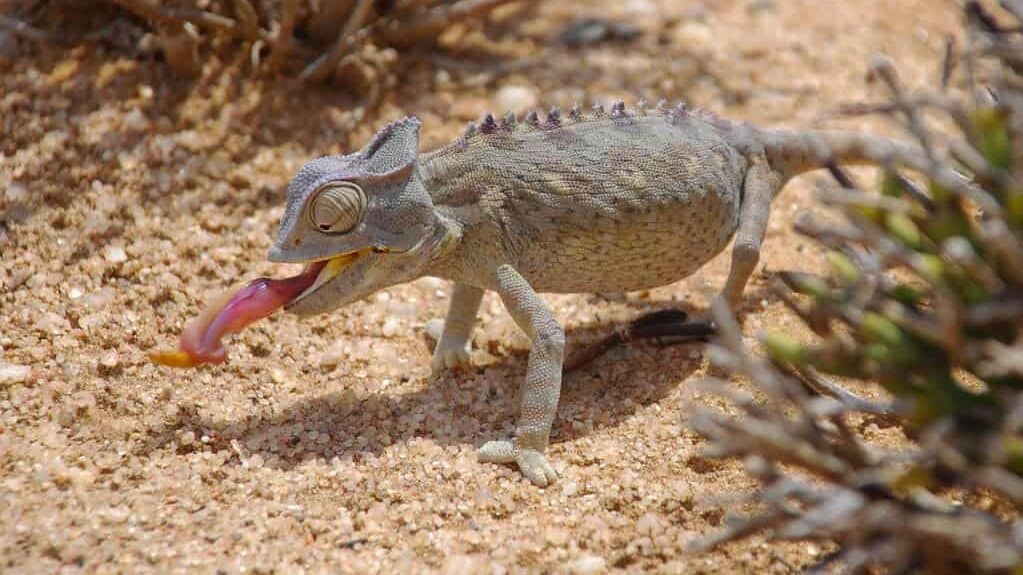
The chameleon’s tongue is truly one of nature’s most spectacular adaptations. When fully extended, it can reach up to twice the animal’s body length in some species. This extraordinary organ functions like a biological projectile system, allowing the chameleon to capture prey from a considerable distance without moving its body. The tongue can accelerate from 0 to 60 mph in a hundredth of a second—faster than a fighter jet. This remarkable feature gives chameleons a significant advantage in their environment, enabling them to capture elusive insects while remaining motionless and camouflaged. The precision and speed of this biological mechanism have inspired numerous scientific studies and even biomimetic engineering projects attempting to replicate its efficiency.
Anatomy of the Extraordinary: How the Tongue Works
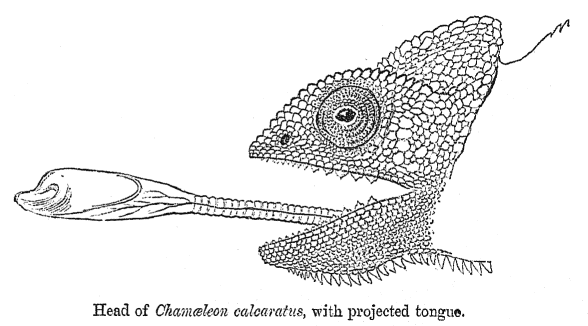
The chameleon’s tongue apparatus consists of several specialized components working in perfect harmony. At rest, the tongue sits folded like an accordion over a specialized bone called the hyoid apparatus. Unlike human tongues, which are primarily muscular, the chameleon’s tongue features a complex arrangement of accelerator muscles, collagen tissues, and a sticky tip containing mucus-producing glands. When the chameleon spots prey, the accelerator muscles contract forcefully, launching the tongue forward as the collagen tissues rapidly unfold. This action creates an explosive projection with acceleration exceeding 40 Gs—more than four times what fighter pilots experience. The tongue’s tip, covered in sticky mucus, adheres to the prey upon contact, while retractor muscles then pull the tongue back into the mouth with the captured meal. This entire process typically occurs in less than a second, making it one of the fastest movements in the animal kingdom.
Record-Breaking Species: The Champions of Tongue Length

Among the approximately 200 chameleon species worldwide, several stand out for their exceptional tongue-to-body ratios. The Rhampholeon spinosus, a tiny chameleon native to Tanzania, can project its tongue to 2.5 times its body length—the current record holder among chameleons. The more common Jackson’s chameleon (Trioceros jacksonii) can extend its tongue to about twice its body length. Interestingly, smaller chameleon species generally have proportionally longer tongues relative to their body size. This pattern suggests that the evolutionary pressure for longer tongues may be particularly strong in smaller species, possibly because they need to compensate for their limited mobility with an extended feeding range. Scientists continue to study various chameleon species, measuring tongue projection distances and speeds to better understand the evolutionary development of this remarkable adaptation across the chameleon family.
Evolutionary Development: Why Such Long Tongues?
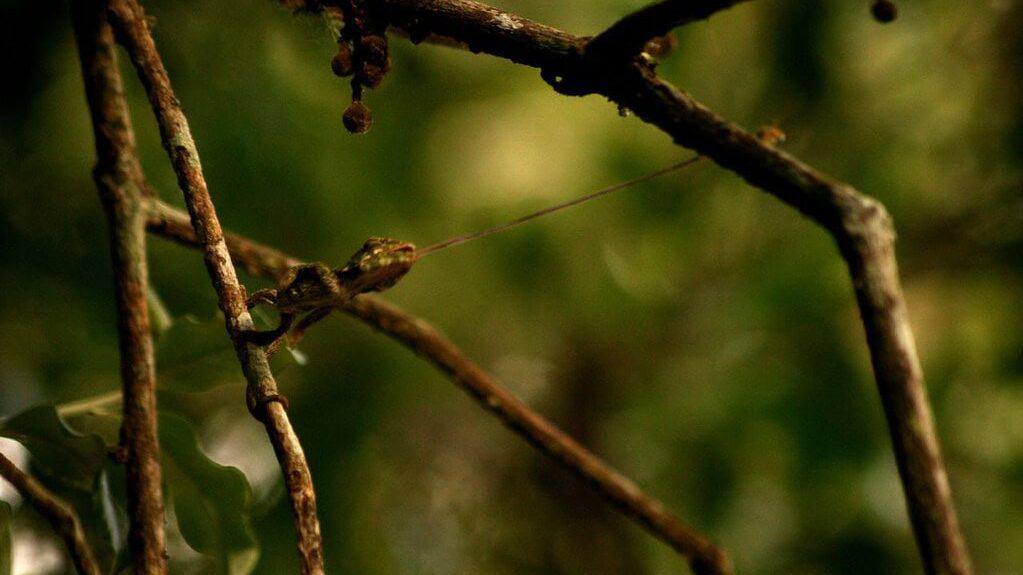
The evolution of the chameleon’s extraordinary tongue represents a perfect example of natural selection addressing a specific ecological challenge. Chameleons evolved as specialized arboreal hunters in environments where moving quickly to chase prey could be dangerous or energetically costly. Their slow, deliberate movement style, combined with excellent camouflage, made them effective ambush predators—but they needed a way to strike at prey from a distance. Over millions of years, natural selection favored individuals with increasingly efficient tongue projection systems. The tongue’s extreme length allowed chameleons to reach insects on distant branches without revealing their position or risking a fall. This adaptation also enabled them to capture multiple prey items in rapid succession without moving, maximizing feeding efficiency. What began as a modest tongue extension capability in ancestral species gradually developed into the remarkable biological catapult we observe today, demonstrating how specialized adaptations can evolve to fill specific ecological niches.
The Physics Behind the Projection: A Biological Catapult

The mechanics of the chameleon’s tongue projection have fascinated biomechanics researchers for decades. Unlike many biological movements that rely solely on direct muscle power, the chameleon’s tongue operates on a power amplification system similar to a catapult or crossbow. The key to this system lies in the specialized collagen tissues that store elastic energy before release. As the chameleon prepares to strike, its accelerator muscles slowly contract, stretching these collagen tissues and storing potential energy—like drawing back a bowstring. When the chameleon releases this tension, the stored energy converts to kinetic energy almost instantaneously, launching the tongue forward with remarkable force. This elastic recoil mechanism allows the tongue to accelerate faster than would be possible with muscle contraction alone. Recent high-speed video analysis has revealed that during maximum projection, the tongue can experience accelerations exceeding 41,000 m/s²—an astonishing figure that exceeds what the muscle tissue could generate directly. This sophisticated energy storage and release system represents one of nature’s most elegant biomechanical solutions.
Sticky Success: How Chameleons Capture Their Prey
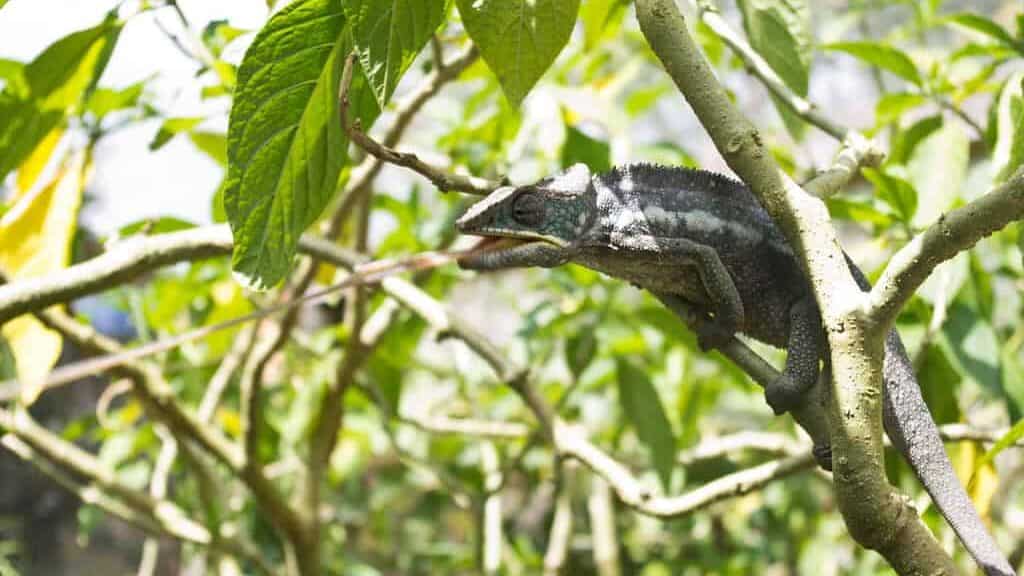
The extreme length and speed of the chameleon’s tongue would be useless without an effective mechanism to capture prey at the moment of impact. The tip of the chameleon’s tongue features a specialized structure covered in mucosal tissue that produces a sticky secretion. When the tongue makes contact with prey, this adhesive coating instantly creates a powerful bond. Microscopic analysis has revealed that this stickiness results from a combination of factors: the mucus itself provides adhesion, while the soft, deformable tissue of the tongue tip creates a suction effect by molding itself around the prey’s body. This dual-mechanism ensures that even smooth-bodied insects like beetles can be successfully captured. Additionally, tiny muscle fibers in the tongue tip contract upon contact, creating a slight cupping action that further secures the prey. The adhesive force is strong enough to capture prey weighing up to 30% of the chameleon’s body weight. Once prey is captured, powerful retractor muscles pull the tongue back into the mouth, where the chameleon’s jaws quickly process the meal. This combination of speed, reach, and adhesion makes the chameleon’s feeding mechanism one of the most efficient in the animal kingdom.
Size Matters: The Relationship Between Body and Tongue Length
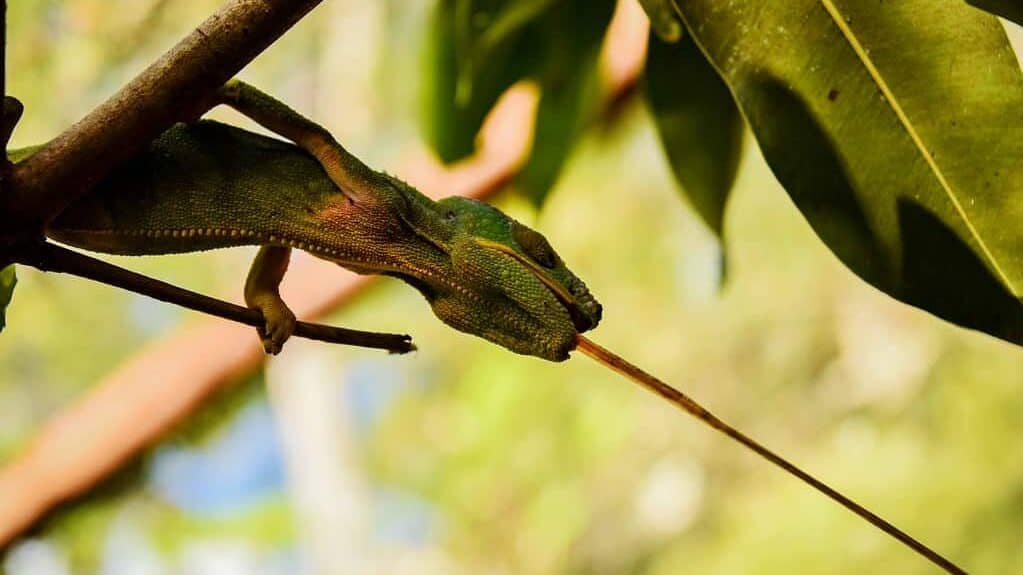
An intriguing pattern emerges when studying chameleon species of different sizes: smaller chameleons tend to have proportionally longer tongues relative to their body size. While a large Parson’s chameleon (Calumma parsonii) may have a tongue that extends to about 1.5 times its body length, a tiny pygmy chameleon might extend its tongue to 2.5 times its body length. This inverse relationship between body size and relative tongue length appears to be an evolutionary compensation strategy. Smaller chameleons face greater challenges in traversing their environment—a gap that might be easy for a larger chameleon to cross could be impossible for a tiny species. The disproportionately longer tongue allows smaller species to access a larger feeding area without moving, effectively expanding their ecological niche. Additionally, smaller chameleons benefit from the physics of scaling: the power-to-weight ratio favors smaller animals, allowing them to achieve greater accelerations with their tongue projection mechanism. Research comparing tongue projection across species of different sizes has shown that the smallest chameleons can achieve the highest tongue accelerations, sometimes exceeding 250 g-forces, highlighting how evolutionary pressures have optimized this remarkable adaptation according to body size.
Beyond Chameleons: Other Animals with Remarkable Tongues
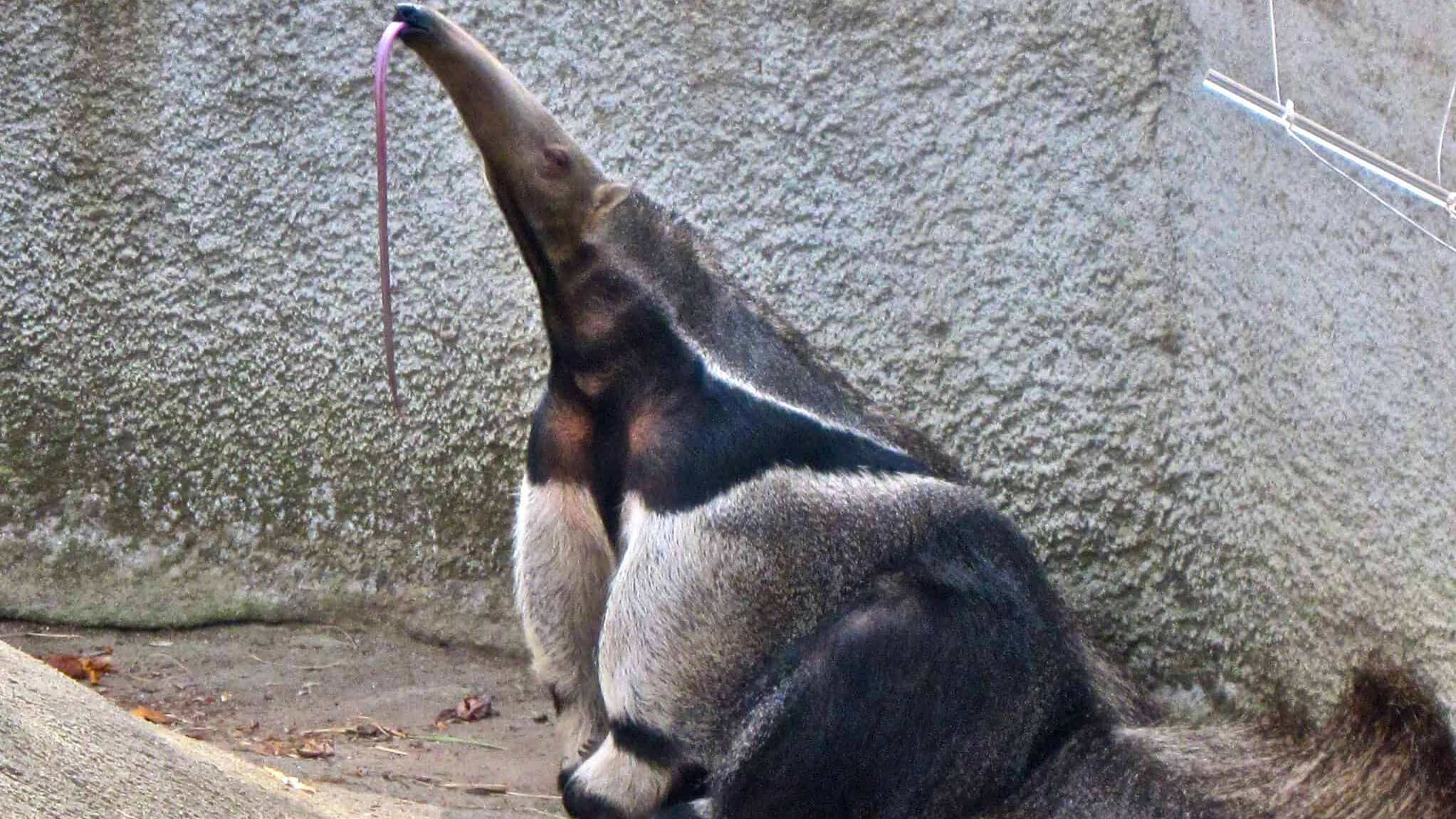
While chameleons may hold the record for tongue-to-body length ratio among vertebrates, they’re not the only animals with remarkable tongue adaptations. The giant anteater possesses a sticky tongue that can extend up to two feet in length, allowing it to reach deep into ant colonies. Woodpeckers have extraordinarily long tongues that wrap around their skulls when retracted, enabling them to extract insects from deep within tree trunks. Among amphibians, certain salamander species use a similar ballistic mechanism to chameleons, though typically with less extreme proportions. Perhaps the closest rival to the chameleon’s tongue-to-body ratio is found in the amphibian world: the plethodontid salamanders (lungless salamanders) can project their tongues with impressive speed and distance relative to their size. In the invertebrate realm, the contest becomes more competitive—certain tube-dwelling worms can extend feeding appendages to several times their body length. These parallel adaptations across different animal groups demonstrate convergent evolution, where similar selective pressures lead to comparable adaptations in unrelated species. Each of these remarkable tongue adaptations reflects the specific ecological challenges faced by these animals and the innovative evolutionary solutions that have emerged.
Diet and Feeding Behavior: How the Tongue Shapes Chameleon Ecology
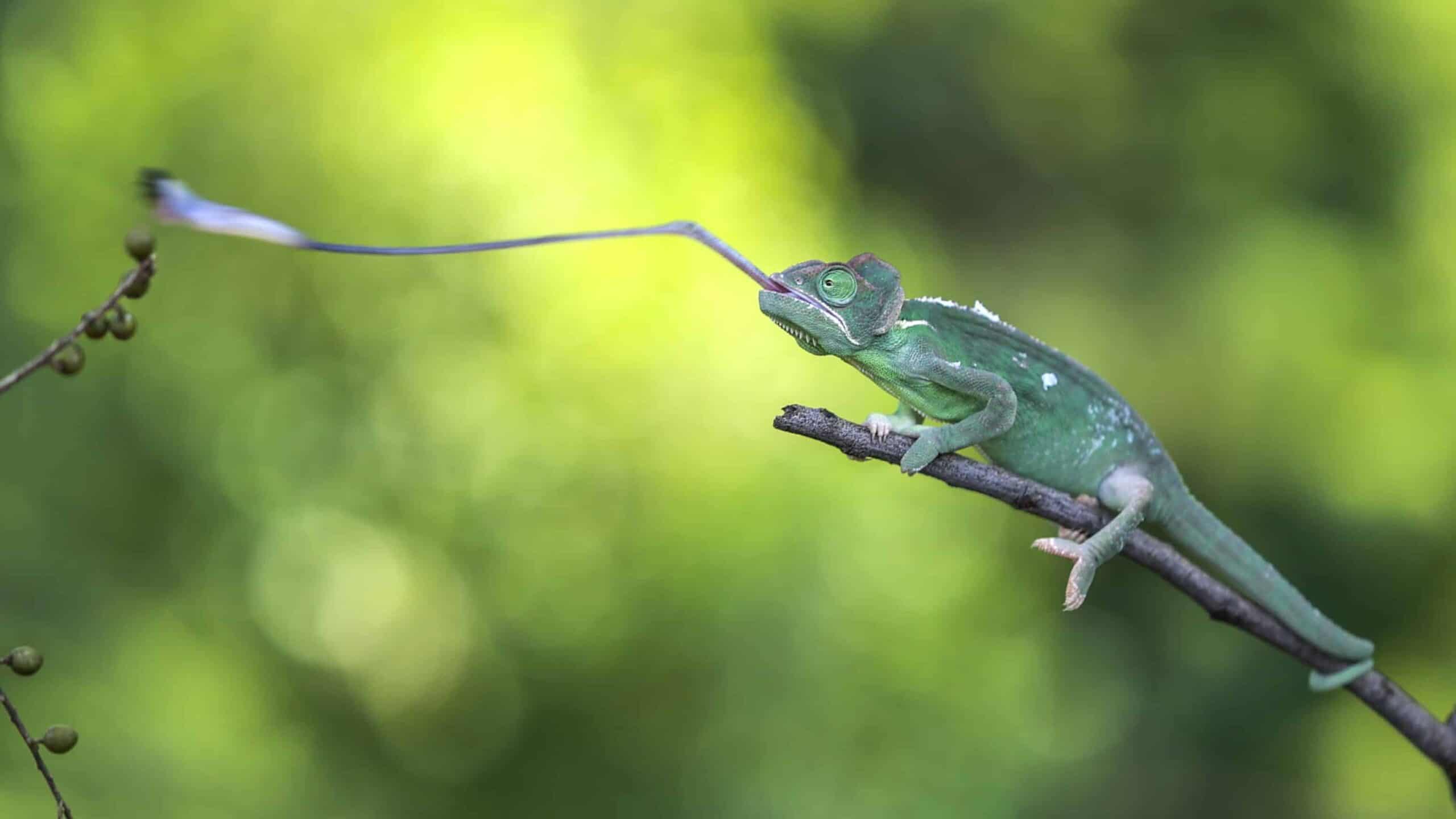
The chameleon’s extraordinary tongue has profoundly influenced its entire ecological niche and feeding strategy. As specialized insectivores, chameleons primarily target flying insects, spiders, and other small invertebrates. Their hunting approach is distinctly patient—a chameleon may remain motionless for hours, waiting for suitable prey to come within tongue-striking distance. When prey appears, the chameleon calculates distance with remarkable precision, adjusting its tongue projection accordingly. The extreme length and speed of the tongue allow chameleons to capture prey that would otherwise be inaccessible, including flying insects caught mid-air and prey on distant branches that would be risky to approach. This specialized feeding apparatus has allowed chameleons to exploit food resources that might be unavailable to other arboreal reptiles. Interestingly, studies have shown that chameleons adjust their tongue projection force based on prey size—using less energy for smaller prey and maximum force for larger, more nutritionally valuable targets. This energy-efficient approach to feeding, combined with their camouflage abilities, allows chameleons to survive in habitats where food resources may be scattered and unpredictable. The evolution of their extraordinary tongue has thus been central to the chameleon’s entire ecological strategy, shaping everything from their hunting behavior to their energy budget and habitat selection.
Scientific Research: Studying the World’s Most Remarkable Tongue

The chameleon’s extraordinary tongue has become a focal point for scientific research across multiple disciplines. Biomechanics researchers have used high-speed cameras capturing thousands of frames per second to analyze the precise mechanics of tongue projection and retraction. These studies have revealed that the chameleon’s tongue can accelerate from 0 to 60 mph in just 1/100th of a second—faster than the highest performance sports cars. Evolutionary biologists have examined the genetic and developmental pathways that led to this specialized adaptation, comparing tongue anatomy across different chameleon species and related lizards to trace its evolutionary history. Neurobiologists study how chameleons calculate distance and timing with such precision, investigating the specialized neural circuits that coordinate this complex behavior. Perhaps most excitingly, the chameleon’s tongue has inspired innovations in the field of soft robotics. Engineers are developing artificial muscles and projectile systems based on the chameleon’s elastic-energy storage mechanism, with potential applications ranging from minimally invasive surgical tools to specialized robotic grippers. By understanding how the chameleon achieves such remarkable performance with soft tissues, scientists hope to develop new technologies that mimic nature’s elegant solutions. This multidisciplinary research not only increases our understanding of these fascinating reptiles but also demonstrates how biological adaptations can inspire human innovation.
Conservation Concerns: Protecting These Unique Creatures

Despite their remarkable adaptations, many chameleon species face significant threats in the wild. Of the approximately 200 known species, the International Union for Conservation of Nature (IUCN) lists over 30% as vulnerable, endangered, or critically endangered. The primary threats include habitat destruction, particularly deforestation in their native ranges across Africa, Madagascar, and parts of southern Europe and Asia. Madagascar, home to about half of all chameleon species, has lost more than 80% of its original forest cover, devastating populations of endemic chameleons. The exotic pet trade presents another serious threat, with tens of thousands of chameleons captured from the wild annually. Their specialized nature makes chameleons particularly vulnerable to environmental changes—their reliance on specific habitats, temperature ranges, and prey types means they cannot easily adapt to altered conditions. Conservation efforts focus on habitat protection, sustainable management practices, and captive breeding programs for the most endangered species. Several international agreements now restrict trade in wild-caught specimens of certain species, though enforcement remains challenging in many regions. Protecting these remarkable animals requires not only preserving their habitats but also better understanding their ecological requirements and educating communities about their value. The loss of chameleon diversity would mean losing not only one of nature’s most extraordinary adaptations—the record-breaking tongue—but also the potential scientific and biomimetic innovations it might inspire.
The chameleon’s tongue represents one of nature’s most remarkable feats of biological engineering—a perfect example of how evolutionary processes can produce extraordinary adaptations to solve specific ecological challenges. This specialized projection system, capable of extending to more than twice the animal’s body length and accelerating faster than virtually any other vertebrate movement, demonstrates the incredible diversity of solutions that have evolved in the natural world. Beyond simply being a biological curiosity, the chameleon’s tongue provides valuable insights for fields ranging from evolutionary biology to biomechanical engineering, inspiring human innovations that mimic its unique properties. As we continue to study these remarkable creatures, we gain not only a deeper appreciation for the wonders of adaptation but also potential solutions to human technological challenges. The chameleon’s extraordinary tongue serves as a powerful reminder that after billions of years of evolutionary refinement, nature often remains our most sophisticated engineer and most valuable teacher.

- How Crickets Chirp Using Their Wings - July 20, 2026
- The Largest Sea Turtle Ever Rescued Off North Carolina - July 20, 2026
- The Ocean’s Escape Artist: Why Octopuses Outsmart Us All - July 20, 2026