

The intersection of animal welfare advocacy and agricultural practices has sparked a global reassessment of factory farming. As societies become increasingly aware of the ethical, environmental, and health implications of intensive animal agriculture, governments worldwide are facing mounting pressure to reform their food production systems. This shift isn’t merely philosophical—it represents a fundamental reconsideration of how humans relate to animals raised for food and the sustainability of current farming practices. From Europe to Asia, North America to Oceania, legislative bodies are responding to citizen concerns by implementing new regulations that prioritize animal welfare while balancing economic realities. This article examines how animal rights movements are catalyzing meaningful change in factory farming practices across the globe.
The Evolution of Animal Rights Consciousness
Animal rights advocacy has transformed dramatically over the past half-century, evolving from fringe activism to mainstream concern. The publication of Peter Singer’s “Animal Liberation” in 1975 marked a pivotal moment, introducing philosophical arguments for considering animal suffering in ethical decisions. Today’s animal rights movement encompasses diverse perspectives—from those advocating for improved welfare within farming systems to those seeking complete abolition of animal agriculture.
This spectrum of viewpoints shares common ground in recognizing animals as sentient beings deserving of moral consideration. Public awareness has grown substantially, with 94% of Americans believing animals raised for food deserve protection from harm and suffering, according to a 2017 American Society for the Prevention of Cruelty to Animals (ASPCA) survey. This shift in consciousness has translated to consumer behavior, with demand for higher welfare products growing by approximately 30% annually in some markets, creating economic incentives for reform alongside ethical imperatives.
Factory Farming’s Global Footprint

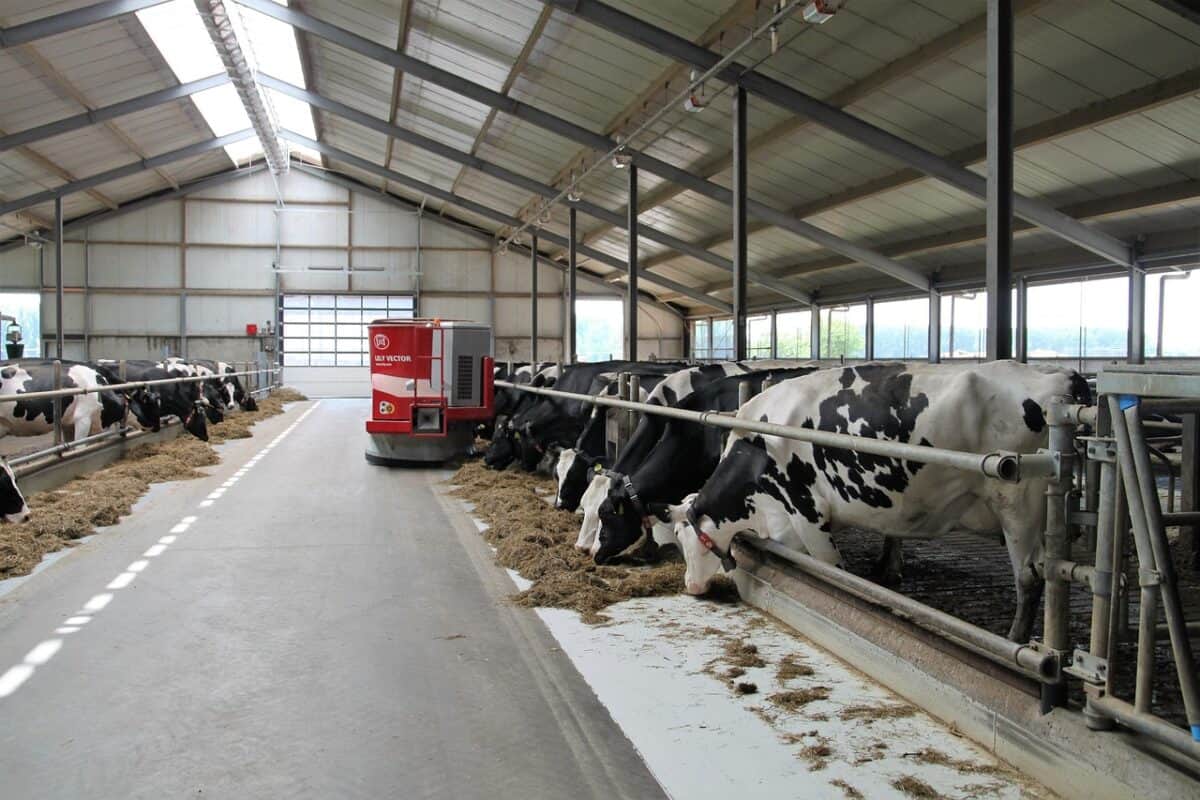
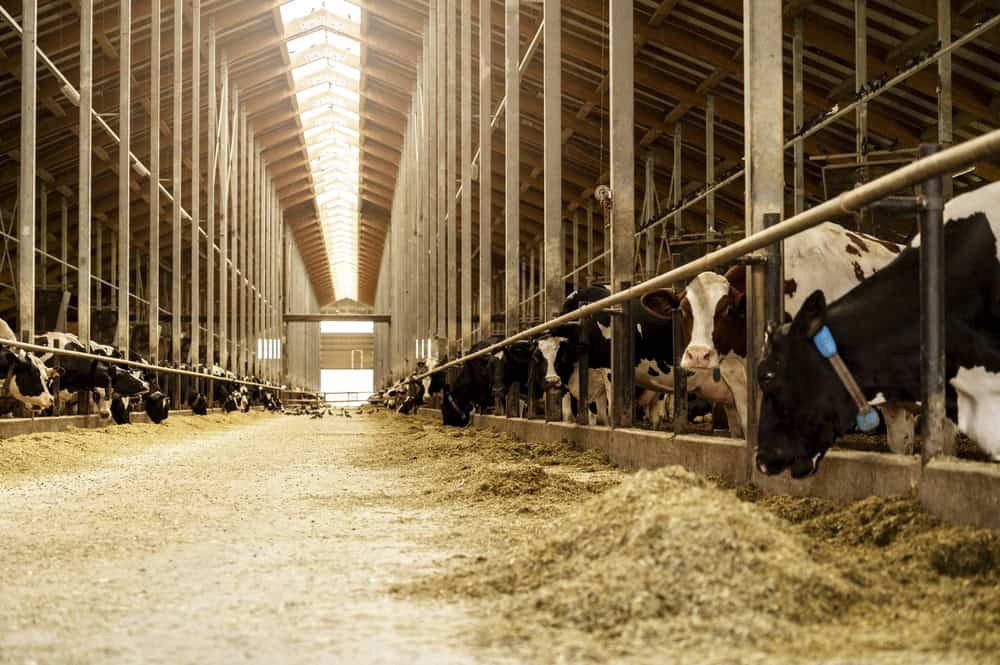
Factory farming, also known as concentrated animal feeding operations (CAFOs) or intensive animal farming, dominates global meat, egg, and dairy production. Approximately 99% of U.S. farm animals are raised in factory farms, with similar patterns emerging in developing economies. These operations confine thousands—sometimes tens of thousands—of animals in limited spaces to maximize production efficiency. The global scale is staggering: over 80 billion land animals are slaughtered annually for food, with chickens representing the vast majority.
Factory farming’s hallmarks include genetic selection for rapid growth, confinement systems limiting natural behaviors, routine antibiotic use, and environmental challenges including waste management and greenhouse gas emissions. The United Nations Food and Agriculture Organization estimates livestock production contributes approximately 14.5% of global greenhouse gas emissions. This industrial approach to animal agriculture emerged post-World War II as a means to increase food security but has become increasingly questioned as awareness grows about its multifaceted impacts.
European Union Leadership in Farm Animal Welfare
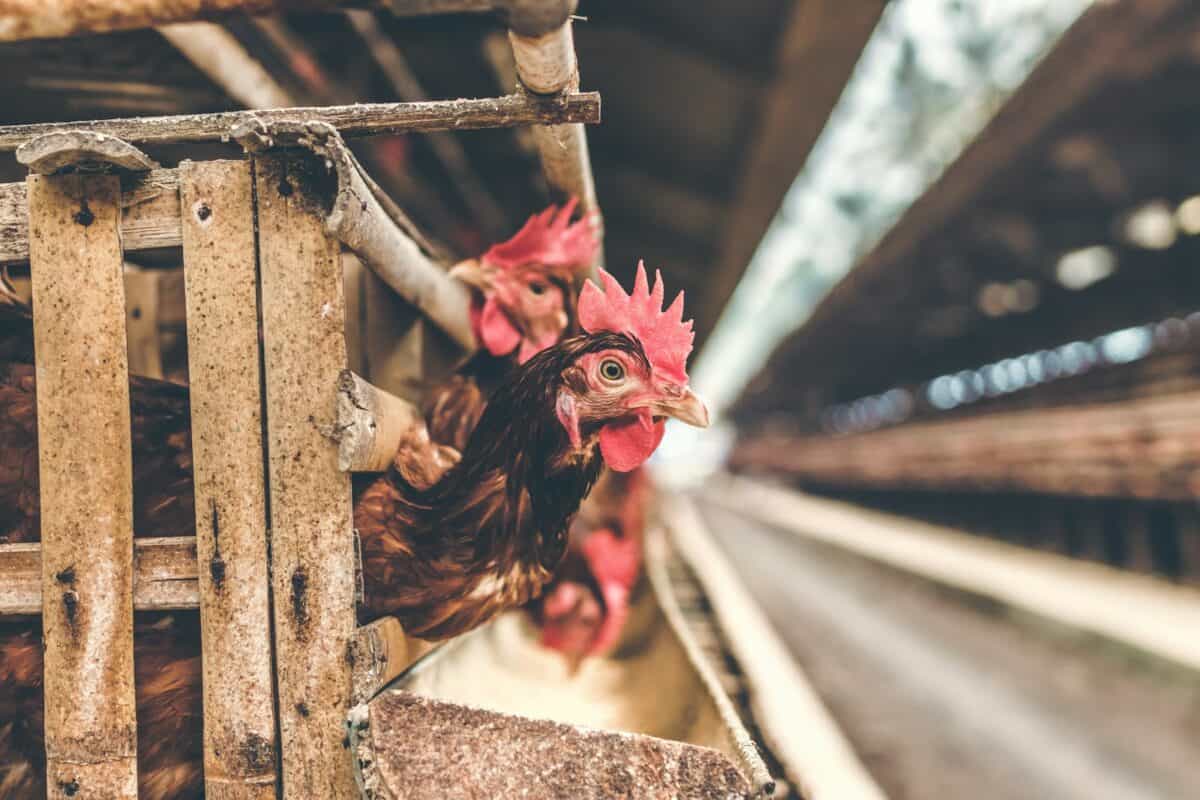
The European Union has established itself as a global pioneer in farm animal welfare legislation. The 2009 Treaty of Lisbon explicitly recognizes animals as sentient beings, creating a legal foundation for welfare protections. The EU has implemented phase-outs of several controversial confinement systems: battery cages for laying hens (banned since 2012), gestation crates for pregnant sows (partially banned since 2013), and veal crates for calves. The EU’s Farm to Fork Strategy, introduced in 2020, aims to further improve animal welfare standards as part of broader sustainability goals.
Individual member states have often exceeded EU-wide requirements, with Sweden banning all battery cages in 1988, decades before the EU-wide prohibition, and Germany announcing plans to end the culling of male chicks in egg production by 2022. These policies reflect both consumer demand and political will—a 2016 Eurobarometer survey found 94% of EU citizens believe protecting farm animal welfare is important. The EU approach demonstrates how government regulation, driven by animal rights concerns, can systematically transform farming practices across an entire economic bloc.
North America’s Patchwork of Reforms

Unlike the EU’s centralized approach, North American farm animal welfare reforms have emerged through a combination of state/provincial legislation, corporate policies, and consumer pressure. California’s landmark Proposition 2 in 2008 prohibited confining farm animals in ways that prevent basic movement, affecting egg-laying hens, veal calves, and pregnant sows. This was later strengthened by Proposition 12, which established specific space requirements and prohibited the sale of products from animals raised in noncompliant conditions, regardless of origin.
Similar ballot initiatives have passed in Massachusetts, Michigan, and other states. Canada updated its Code of Practice for farmed animals in 2014, committing to phase out gestation crates for sows by 2024. Major food corporations have responded to consumer preferences, with over 200 U.S. companies pledging to source only cage-free eggs by 2025. However, federal regulation remains limited in both countries, creating a complex landscape where standards vary by location. This regional variability demonstrates how animal rights advocacy can drive change through multiple channels when centralized reform proves challenging.
Asia’s Emerging Animal Welfare Frameworks

Asia represents both the fastest-growing market for animal products and an increasingly important frontier for animal welfare reforms. China, which produces and consumes more meat than any other nation, revised its Animal Husbandry Law in 2015 to include provisions for animal welfare. In 2020, China reclassified dogs as companions rather than livestock, reflecting evolving cultural attitudes. South Korea has implemented gradual reforms, including subsidies for farmers transitioning away from battery cages for hens.
Japan established farm animal welfare guidelines in 2012, though these remain primarily voluntary. India, despite its high vegetarian population, faces welfare challenges in its dairy industry, which the 2017 Prevention of Cruelty to Animals (Regulation of Livestock Markets) Rules began addressing. Multinational corporations operating in Asian markets increasingly apply global welfare standards to local operations, creating pathways for improvement. The region’s varied approaches reflect diverse cultural contexts and development stages, but demonstrate that animal welfare considerations are gaining traction even in traditionally production-focused economies. Animal rights organizations have adapted their approaches to respect cultural differences while advocating for core welfare principles.
The Economic Implications of Welfare Reforms

Transitioning away from intensive factory farming practices inevitably raises questions about economic impacts. Research shows mixed findings on production costs—higher welfare systems typically require more labor, space, and capital investment, potentially increasing production costs by 5-25% depending on the species and standards implemented. However, these systems often produce other economic benefits: reduced mortality rates, improved animal health requiring fewer veterinary interventions, premium pricing opportunities, and reduced environmental mitigation costs.
A 2020 study published in the journal Animals found that higher welfare pig farming in Europe resulted in only a 9% cost increase when accounting for these offsetting benefits. Consumer willingness to pay premiums for higher welfare products continues to grow, with surveys indicating 73% of global consumers are willing to pay more for sustainably produced food, including higher animal welfare standards. Governments have implemented various transition support mechanisms, including subsidies, tax incentives, and technical assistance programs to help farmers adapt. The economic conversation has evolved from viewing welfare as purely a cost burden to recognizing it as an element of sustainable, future-oriented agriculture systems.
Legal Personhood and Rights for Farm Animals
The most radical reconceptualization of human-animal relationships involves extending legal personhood or specific rights to farm animals. While not yet mainstream policy, these approaches are gaining academic and limited legal consideration. The Animal Legal Defense Fund has pursued cases arguing for legal personhood for certain animals, particularly those with demonstrated cognitive complexity. In 2018, the Superior Court of Justice in Brazil recognized that non-human animals are “sentient beings who possess an inherent dignity and value” in a case involving experimentation.
Several jurisdictions, including New Zealand and Quebec, have formally recognized animals as sentient in their legislation, creating a foundation for potential rights-based approaches. The concept of animal rights in a legal sense would move beyond welfare improvements within farming systems to question whether certain species should be used for food production at all. While comprehensive animal rights frameworks remain theoretical in most jurisdictions, they represent an important conceptual challenge to conventional agricultural paradigms and may influence future policy development, particularly for mammals with demonstrated cognitive and emotional complexity.
Technology and Innovation in Higher-Welfare Farming

Technological innovation is creating new possibilities for reconciling animal welfare with productive agriculture. Precision livestock farming uses sensors, cameras, and artificial intelligence to monitor individual animal health and behavior, potentially identifying welfare problems before they become severe. These systems can reduce reliance on prophylactic antibiotics by allowing targeted treatment of sick animals. Alternative housing systems that accommodate natural behaviors while maintaining production efficiency are advancing—from enriched colony systems for laying hens to group housing for sows with electronic feeding stations.
Genetic selection is being redirected toward robustness and welfare traits rather than exclusively maximizing production. Sensor technology that monitors air quality, temperature, and other environmental conditions helps maintain optimal living conditions. Even slaughter methods are being reimagined with controlled atmosphere stunning systems that reduce stress compared to conventional methods. These innovations suggest that improving animal welfare need not mean returning to pre-industrial agriculture, but rather developing a more sophisticated approach that leverages technology to meet both ethical and practical requirements.
Plant-Based and Cultivated Alternatives

Perhaps the most transformative response to animal rights concerns is the development of alternatives that eliminate the need for animal agriculture entirely. The plant-based meat sector has grown exponentially, with retail sales increasing 45% in 2020 alone, according to the Good Food Institute. Beyond Meat and Impossible Foods have demonstrated that plant proteins can closely replicate conventional meat experiences. Cultivated (or cell-cultured) meat technology, which grows animal tissue from cells without raising animals, received its first regulatory approval in Singapore in 2020, with other countries developing regulatory frameworks.
Major meat companies including Tyson, Cargill, and JBS have invested in these alternatives, signaling their potential market significance. Government funding has accelerated development, with Singapore’s $144 million investment in alternative proteins and the EU allocating research funding through its Horizon Europe program. While these technologies won’t replace conventional animal agriculture immediately, they provide a complementary pathway that addresses animal rights concerns at their foundation by eliminating the need for animal confinement and slaughter. Their development represents a systemic response to ethical questions about using animals for food.
Transparency and Consumer Awareness
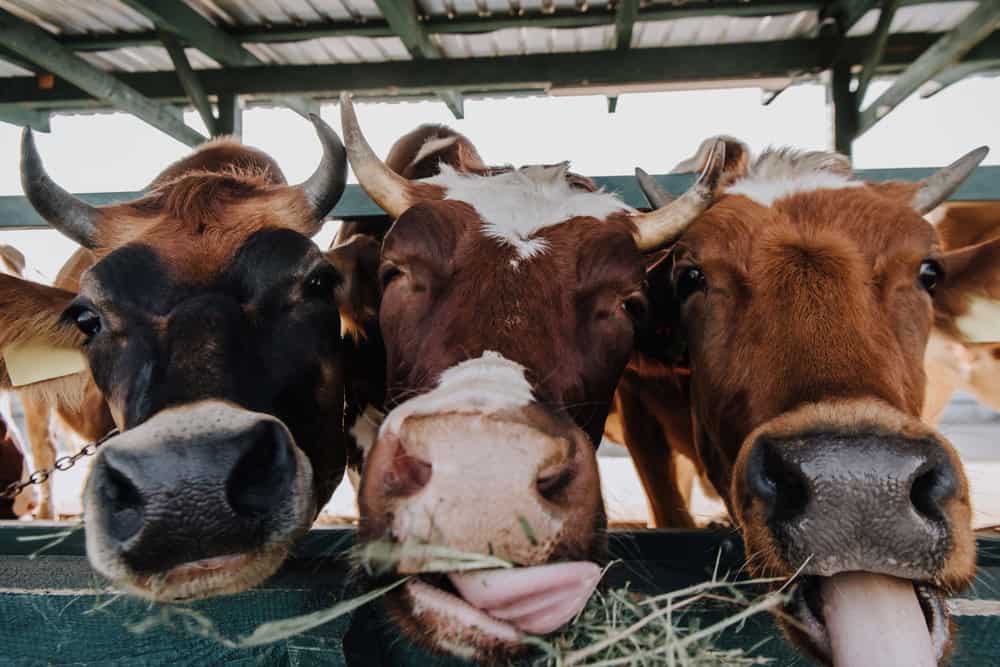
Increased transparency about farming practices has become both a consequence of animal rights advocacy and a driver of further reform. Mandatory labeling requirements that disclose production methods have expanded globally—the EU requires egg cartons to indicate housing systems (cage, barn, free-range, or organic), while similar labels are becoming common in North America and Australia. Third-party certification systems like Animal Welfare Approved, Certified Humane, and RSPCA Assured provide consumers with verified welfare claims. Undercover investigations by animal rights organizations have exposed practices typically hidden from public view, creating pressure for improvement—a 2012 survey found 94% of Americans believe farm animals should be protected from abuse and 71% support undercover investigations.
Some jurisdictions have responded with “ag-gag” laws attempting to criminalize such exposés, though many have been struck down on free speech grounds. Digital technology enables farm-to-table traceability, with some producers using QR codes allowing consumers to view their specific farming practices. This transparency fundamentally changes the social contract around animal agriculture by bringing previously hidden practices into public discourse, making moral questions about treatment of farm animals unavoidable in policy discussions.
One Health: Connecting Animal Welfare to Human Wellbeing
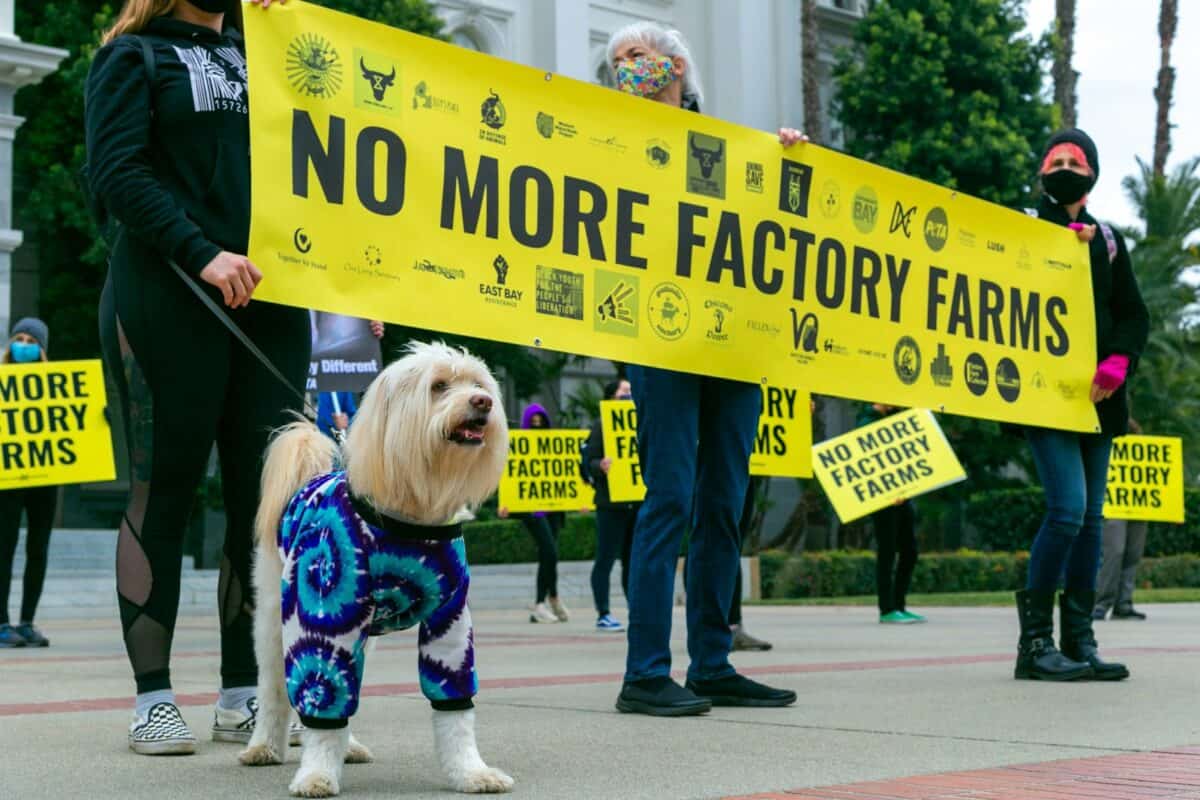
The COVID-19 pandemic has highlighted the interconnectedness of animal welfare and public health, strengthening arguments for factory farming reform. The “One Health” approach recognizes that human health, animal health, and environmental health are inextricably linked. Factory farming’s routine use of antibiotics contributes to antimicrobial resistance that threatens human medicine—approximately 70% of antibiotics in the United States are used in animal agriculture, often for growth promotion rather than treating disease. The WHO has identified antimicrobial resistance as one of the top ten global public health threats.
Zoonotic disease risks increase in intensive confinement conditions where animals experience stress and reduced immune function. While COVID-19 originated in wildlife rather than farm animals, it has increased awareness of how animal management practices affect pandemic risk. Research published in the Proceedings of the National Academy of Sciences found that higher welfare farming systems with reduced stocking densities and outdoor access can reduce disease transmission risks. This integrated perspective means animal welfare is increasingly framed not just as an ethical issue but as a public health imperative, bringing new stakeholders and urgency to reform efforts.
The Future of Farm Animal Welfare Legislation
Looking ahead, several emerging trends suggest the trajectory of farm animal welfare legislation. Species-specific welfare requirements are becoming more comprehensive, with attention extending beyond mammals to poultry and aquatic species. The EU is developing species-specific welfare indicators for on-farm assessment. Import restrictions based on welfare standards are gaining traction—the EU’s “mirror clauses” aim to prevent domestic producers from being undercut by imports produced under lower welfare standards. International trade agreements increasingly include animal welfare provisions, as seen in the EU-Chile Association Agreement.
Outcome-based measures focusing on animal health, behavior, and psychological state are supplementing resource-based requirements specifying space allowances and housing features. Technology-neutral regulation specifying welfare outcomes rather than specific housing systems allows for innovation while maintaining standards. Citizen assemblies and participatory policymaking approaches are being tested to build consensus on contentious welfare issues. The overall trend points toward more comprehensive, evidence-based, and internationally coordinated approaches to farm animal welfare regulation, driven by both ethical considerations and practical benefits for sustainable food systems.
Conclusion: Redefining Our Relationship with Farm Animals
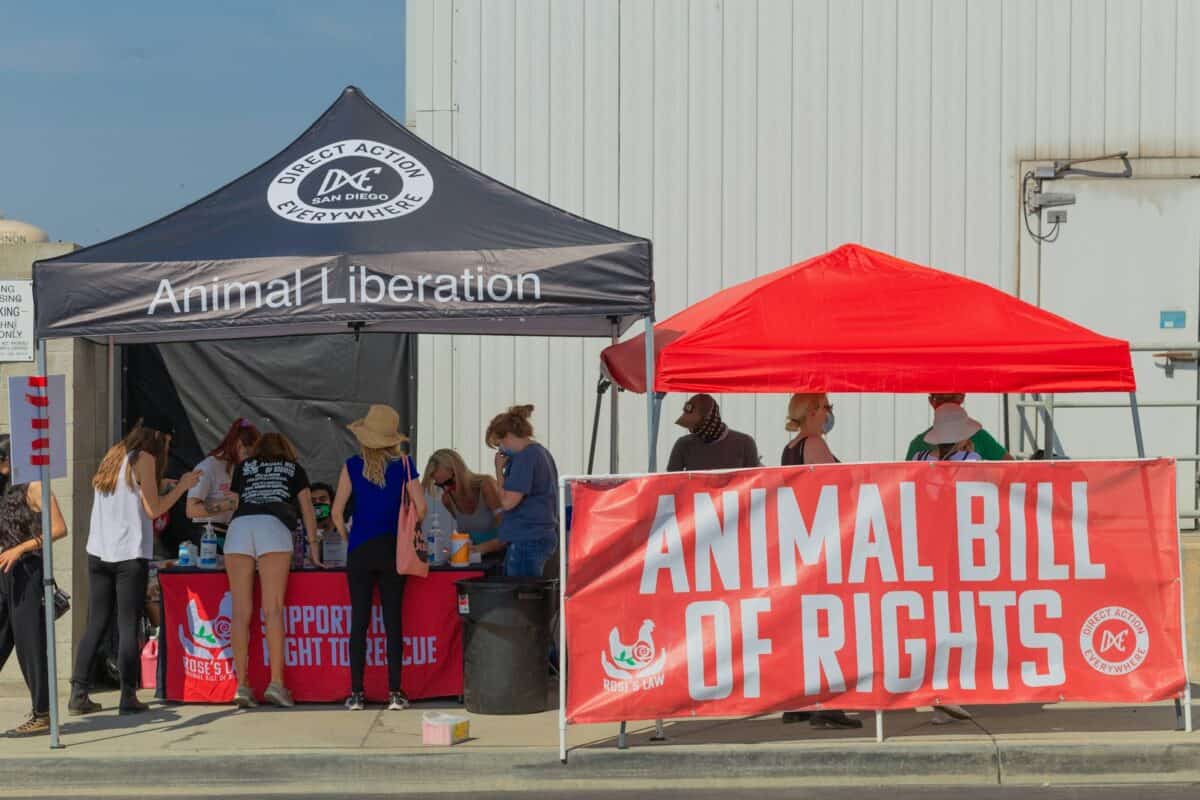
The global reconsideration of factory farming represents more than regulatory tweaking—it signals a fundamental shift in humanity’s relationship with animals raised for food. As animal rights concepts permeate mainstream consciousness, societies are increasingly questioning whether efficiency and low consumer prices justify systematic suffering of sentient beings. This ethical evolution is occurring alongside growing recognition of factory farming’s environmental and public health externalities, creating a powerful convergence of moral and practical imperatives for change.
The resulting transformation will likely not follow a single path but will vary across cultures, economies, and agricultural contexts. What remains consistent is the direction of travel: toward farming systems that acknowledge animal sentience and provide for basic physical and behavioral needs. This transition requires balancing immediate welfare improvements with long-term system change, engaging farmers as partners rather than opponents, and developing policies that support both animals and the humans who care for them. The reimagining of animal agriculture may ultimately prove to be one of the most significant ethical developments of our time.

From exploring the marine wonders in the Azores and witnessing the vast savannas of Kenya, to delving deep into the rich biodiversity of South Africa and traversing iconic landscapes in Australia and the US like Yellowstone, Chris's experiences are vast.
With a penchant for diving alongside sharks, the ocean holds a special place in his heart.
Through his academic insights, he champions wildlife conservation, striving with 'Animals Around The Globe' to cultivate a profound connection between humans and animals, enhancing our mutual appreciation.
Connect with him at Feedback@animalsaroundtheglobe.com.
- From Leopards to Peacocks: The Animals That Influence Fashion - July 21, 2026
- This Animal Can Change Color Faster Than a Chameleon - July 21, 2026
- Top 10 Animals and Wildlife in Hawaii - July 21, 2026