

The concept of the “alpha wolf” has been deeply embedded in our cultural understanding of wolf behavior for decades. This notion originated primarily from research conducted in the 1940s by animal behaviorist Rudolph Schenkel, who studied captive wolves at the Basel Zoo in Switzerland. Schenkel observed aggressive behaviors and competition among these wolves and subsequently published his findings in a 1947 paper titled “Expressions Studies on Wolves.” In this influential work, he described a rigid social hierarchy where wolves fought for dominance, with the strongest male and female becoming the “alpha pair” that led the pack. This research was later popularized and expanded upon by L. David Mech in his 1970 book “The Wolf: The Ecology and Behavior of an Endangered Species,” which became the standard reference on wolf behavior for many years.
Why the Research Was Flawed
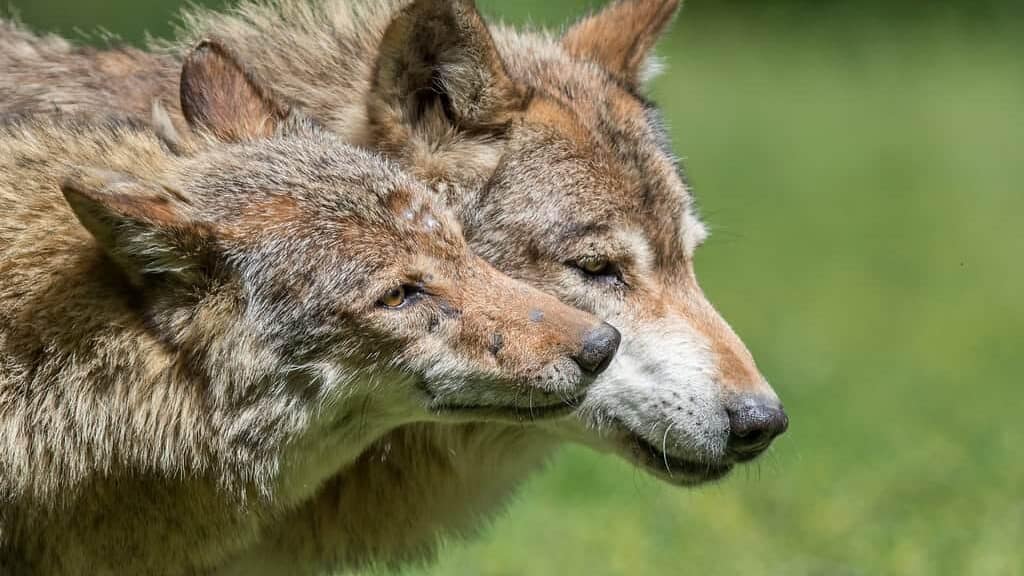
Despite its widespread acceptance, the original research that gave rise to the alpha wolf concept contained significant flaws that would later be recognized. The most fundamental problem was that Schenkel’s observations were based on artificially assembled wolf packs in captivity. These wolves were unrelated adults forced to live together in an unnatural environment with limited space and resources. This artificial arrangement created stressful conditions that prompted abnormal competitive behaviors not typically seen in natural wolf populations. Additionally, the small sample size and confined setting of these studies made it impossible to observe the full range of wolf social dynamics. The wolves’ behavior in captivity was essentially a stress response to their unnatural living conditions rather than a reflection of how wolves naturally organize themselves in the wild.
What Modern Research Reveals About Wolf Packs
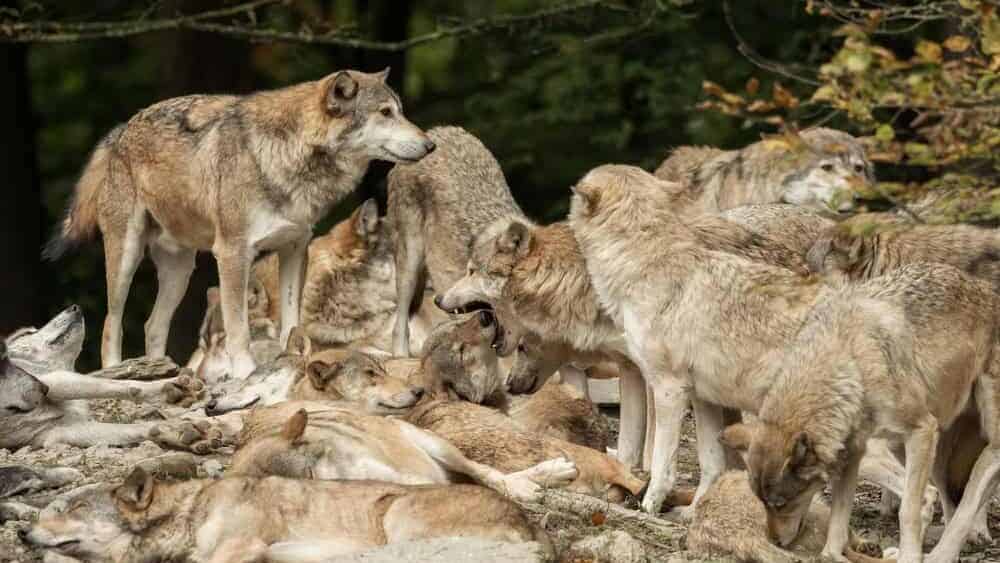
Contemporary research has dramatically revised our understanding of wolf social structures. Extensive field studies conducted since the 1990s reveal that wild wolf packs are fundamentally different from the captive groups originally studied. Natural wolf packs are typically family units consisting of a breeding pair (often referred to as the breeding male and breeding female) and their offspring from various years. Dr. L. David Mech, the same biologist who initially helped popularize the alpha concept, has since become one of its most prominent critics. After conducting long-term studies of wolves in their natural habitat, particularly on Isle Royale and in Minnesota, Mech published corrections to his earlier work, noting that wild wolves operate more like a family than a group of competitors vying for dominance. The so-called “alpha” wolves are simply the breeding parents, and their position comes from being the biological parents of the pack rather than from defeating other wolves in physical contests.
The Family Structure of Natural Wolf Packs
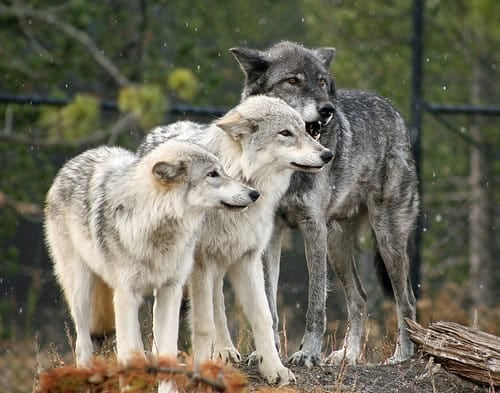
Natural wolf packs function essentially as family units with a clear but relatively peaceful social order. At the center is the breeding pair, who typically mate for life and produce offspring that remain with the pack for 1-3 years before potentially dispersing to form their own families. This breeding pair coordinates hunting, territory defense, and pup-rearing activities. Younger wolves learn vital survival skills from their parents and older siblings through observation and participation in group activities. Roles within the pack are often determined by age, experience, and personality rather than through aggressive dominance displays. Older offspring frequently help care for newer litters, creating a cooperative family dynamic that strengthens pack cohesion. This structure creates a balanced social environment where each wolf contributes according to its abilities and experience level, maximizing the pack’s collective chances of survival in challenging environments.
How Leadership Actually Works in Wolf Packs
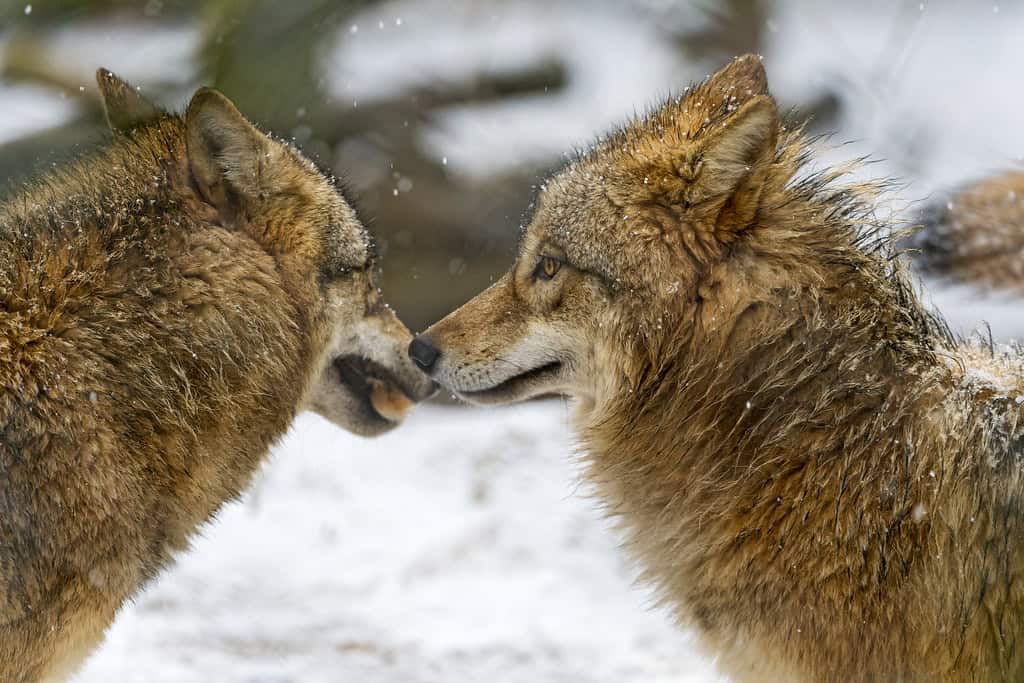
Leadership in wolf packs is far more nuanced than the simplified alpha concept suggests. Rather than maintaining position through aggression and dominance, the breeding pair leads primarily through experience and the natural respect accorded to parents by their offspring. Different wolves may take leading roles in different situations based on their individual strengths and knowledge. For example, a wolf with more experience hunting a particular prey species might lead a hunting expedition, while another might take point during territorial patrols where they have specific expertise. Decision-making often appears to be somewhat democratic, with multiple pack members participating in choices about when to hunt, rest, or travel. Researchers have observed that successful wolf packs demonstrate remarkable flexibility, with leadership adapting to changing circumstances rather than adhering to rigid hierarchical structures. This adaptable leadership approach allows wolf packs to respond effectively to the complex challenges of survival in diverse environments.
The Role of the Breeding Pair

The breeding pair—often incorrectly labeled as “alphas”—serve as the fundamental social and biological core of the wolf pack. These wolves are typically the only members that reproduce, ensuring genetic diversity by preventing inbreeding within the family unit. They coordinate essential activities including hunting strategies, territory defense, den selection, and pup rearing. Their experience and knowledge are vital assets that benefit the entire pack, particularly in teaching hunting techniques and territory awareness to younger members. While they do maintain certain privileges, such as feeding priority when food is scarce (which ensures their continued health as the pack’s reproductive foundation), their leadership style typically emphasizes guidance rather than domination. The pair’s bond usually remains stable for many years or even their entire lives, providing continuity and stability for the pack. This enduring partnership creates the consistent family environment that allows young wolves to develop properly and eventually establish their own packs.
How Young Wolves Learn Their Place

Young wolves develop their social skills and understanding of pack dynamics through a sophisticated learning process rather than through forced submission. Wolf pups begin learning pack protocols through play, which helps establish boundaries and teaches appropriate social behaviors without serious aggression. As they mature, juvenile wolves observe the interactions between older pack members and gradually internalize the family’s social norms. Parents and older siblings use a variety of non-violent teaching methods including body language, vocalizations, and occasional mild correction to guide younger wolves. This natural educational process creates wolves who understand cooperation and their responsibilities within the pack structure. When conflicts do arise, they are typically resolved through ritualized displays rather than serious fighting—posturing, growling, or showing teeth usually suffices to resolve disagreements without physical harm. This emphasis on learning rather than domination helps maintain pack cohesion and promotes the cooperative behaviors essential for the pack’s survival.
What Happens When Offspring Mature

As young wolves reach sexual maturity, typically between 1-3 years of age, they face important life transitions that shape the pack’s future composition. Many young wolves voluntarily disperse from their natal pack, driven by natural instincts to avoid inbreeding and to establish their own territories and families. This dispersal behavior is crucial for genetic diversity and wolf population distribution across available habitat. Those that leave may travel considerable distances—sometimes hundreds of miles—before finding suitable territory and a potential mate. Wolves that remain with their natal pack typically defer breeding, instead taking on roles as helpers or “aunts and uncles” to new litters. These non-breeding pack members contribute significantly to pup survival by assisting with hunting, defense, and babysitting duties. In some cases, when the breeding pair is elderly or one breeding wolf dies, a mature offspring may inherit or assume a breeding position, though this usually occurs without the violent overthrow depicted in outdated dominance models.
Debunking Common Misconceptions About Alpha Wolves

Many persistent myths about wolf behavior stem from the outdated alpha concept and continue to influence public perception despite being scientifically inaccurate. Contrary to popular belief, wolves do not regularly fight for dominance or leadership positions within established packs—such conflicts are rare in natural settings and usually occur only under unusual circumstances. The notion that the alpha maintains control through aggression and intimidation misrepresents the cooperative nature of wolf families. Another common misconception is that alphas always eat first; in reality, breeding wolves sometimes allow pups to feed first, and food sharing is common. The stereotype of the lone wolf challenging and defeating the pack leader to claim alpha status is almost entirely fictional—most wolves that leave packs do so peacefully to find mates and establish their own families. Perhaps most significantly, the idea that wolf packs have rigid, linear hierarchies with clearly defined alpha, beta, and omega positions oversimplifies the complex, flexible social relationships that characterize natural wolf families.
The Impact of the Alpha Myth on Wolf Conservation

The persistent alpha wolf myth has had significant negative consequences for wolf conservation efforts worldwide. By portraying wolves as perpetually aggressive and dominance-oriented, this misconception has reinforced fear and antagonism toward these ecologically important predators. Conservation biologists note that public policy and management decisions have sometimes been influenced by these inaccurate perceptions, leading to excessive culling programs and reduced protection. The alpha myth has also complicated reintroduction efforts by creating unrealistic expectations about how wolf packs will behave and interact with their environment. Additionally, misunderstandings about wolf social structures have sometimes led to inappropriate captive management practices that fail to account for wolves’ natural family-based social needs. Conservation educators now emphasize correcting these misconceptions as an essential component of wolf recovery programs, recognizing that public support for conservation hinges partly on accurate understanding of wolf behavior. By promoting scientifically accurate information about wolf social structures, conservationists hope to foster greater tolerance and more effective protection for these keystone predators.
How the Alpha Concept Has Influenced Dog Training

Perhaps nowhere has the alpha wolf misconception caused more practical harm than in the field of dog training. For decades, the alpha concept spawned “dominance theory” training methods that encouraged owners to establish themselves as the “alpha” through techniques like alpha rolls (forcibly rolling dogs onto their backs), neck jabs, leash corrections, and other intimidation tactics. These approaches were based on the flawed assumption that dogs view human families as wolf packs and that problematic behaviors stem from dogs trying to achieve dominant status. Modern veterinary behaviorists and canine scientists have thoroughly debunked these methods, demonstrating that they often increase fear and aggression rather than resolving behavioral issues. Contemporary evidence shows that dogs recognize humans as being different from dogs and that cooperative, reward-based training methods yield better results while strengthening the human-dog bond. Leading veterinary and training organizations now actively discourage dominance-based approaches, emphasizing that they misapply outdated and incorrect interpretations of wolf behavior to domestic dogs, whose social behavior has been modified by thousands of years of selective breeding for human companionship.
Better Terminology for Wolf Social Structures

Given the misleading nature of the alpha terminology, wolf biologists have adopted more accurate language to describe wolf social dynamics. Instead of “alpha male” and “alpha female,” scientists now prefer terms like “breeding male” and “breeding female” or simply “parents,” which better reflect their biological role in the pack. Rather than describing wolf packs as dominance hierarchies, researchers characterize them as family units or extended families. When discussing leadership behaviors, modern wolf studies use specific functional descriptions like “lead hunter,” “pathfinder,” or “initiator” to acknowledge the situational and distributed nature of leadership within packs. For non-breeding wolves, terms like “yearlings,” “sub-adults,” or “helpers” have replaced the hierarchical “beta” and “omega” designations. This terminological shift represents more than semantic preference—it reflects a fundamental reconceptualization of wolf social organization based on decades of field observation. By using language that accurately describes what wolves actually do rather than imposing a hierarchical framework, scientists promote better understanding of these complex social carnivores.
Conclusion: A More Accurate Understanding of Wolf Society

The journey from the simplistic alpha wolf concept to our current understanding of wolf social dynamics represents a valuable lesson in how science continually refines itself through observation and critical reassessment. Wolves have emerged from these studies not as the perpetually aggressive, dominance-obsessed animals of earlier theories, but as sophisticated social creatures whose family-based packs demonstrate remarkable cooperation and adaptability. This more accurate picture reveals wolves as attentive parents, dedicated family members, and collaborative hunters whose success depends more on cooperation than competition. For wildlife managers, conservation advocates, and the general public, embracing this nuanced understanding is crucial for developing more effective wolf conservation strategies and for appreciating these animals on their own terms rather than through the lens of outdated misconceptions. Perhaps most importantly, this scientific evolution reminds us to approach all wildlife with humility—recognizing that our initial interpretations of animal behavior often say more about human assumptions than about the complex realities of life in the wild.

- The Secret Language of Dolphins Decoded by Researchers - July 20, 2026
- 7 Animals That Can Survive Extreme Environments You Couldn’t - July 20, 2026
- The Longest Snake Ever Found in the U.S. - July 20, 2026