


In the vast digital landscape of search queries, insects crawl to the top of many Americans’ curiosity lists. From beneficial pollinators to household pests, these small creatures generate millions of searches annually as people seek to identify, understand, and sometimes eliminate them from their homes and gardens. This article explores the ten insects that Americans Google most frequently, examining what drives our fascination with these particular species and what we’re typically trying to learn about them.
Why Americans Search for Insects Online

Americans turn to Google for insect information for various reasons. Homeowners search for pest control solutions when they discover unwanted six-legged visitors. Gardeners research beneficial insects that might protect their plants or harmful ones that could damage them. Parents and educators look up facts for curious children or classroom projects. Additionally, people bitten or stung by insects often search symptoms and treatment options. Understanding these search motivations provides context for why certain insects dominate our collective online curiosity.
Mosquitoes – America’s Most Googled Insect

Topping the list as America’s most Googled insect, mosquitoes generate millions of searches annually. These blood-sucking pests are ubiquitous across the United States, with activity peaking during summer months. Most searches focus on repellent methods, disease concerns, and identifying breeding grounds. With mosquitoes capable of transmitting serious diseases like West Nile virus, Zika, and Eastern equine encephalitis, Americans are understandably concerned about protection strategies. Searches spike dramatically during public health alerts and in humid regions where mosquito populations thrive. The persistent buzzing annoyance combined with health risks keeps mosquitoes firmly at the top of insect search rankings year after year.
Bed Bugs – The Nocturnal Nightmare

Bed bugs rank second in America’s insect search queries, with interest surging during travel seasons and in urban areas experiencing infestations. These nocturnal parasites cause intense anxiety, prompting searches about identification, bites, and eradication methods. The psychological impact of bed bug infestations drives desperate searches for effective treatments, with many Americans researching DIY solutions before turning to professional exterminators. Search data reveals particular concern in major metropolitan areas and college towns, where high population density and transient populations create ideal conditions for these pests to spread. The resurgence of bed bugs in recent decades, after near-elimination in the mid-20th century, continues to fuel high search volumes across the country.
Ticks – Disease Vectors Under Scrutiny

Ticks generate tremendous search volume, particularly during spring and summer months and in regions where Lyme disease is prevalent. Americans primarily search for tick identification, safe removal techniques, and symptoms of tick-borne illnesses. The geographic distribution of tick searches correlates strongly with the expansion of blacklegged (deer) tick populations, carriers of Lyme disease and other pathogens. New England, the Upper Midwest, and increasingly the Mid-Atlantic states show the highest search volumes. With climate change expanding tick habitats and seasons, searches have grown steadily over the past decade. The serious health implications of tick bites, which can lead to chronic conditions if improperly treated, drive Americans to seek accurate, timely information online.
Spiders – Fascination and Fear

Though taxonomically arachnids rather than insects, spiders consistently rank high in bug-related searches. Americans predominantly search for identification of specific species, particularly concerning whether encountered spiders are venomous. Black widows and brown recluses generate the most specific spider searches, with regional variations based on native habitats. Search patterns reveal a fascinating dichotomy: while many queries reflect arachnophobia and removal methods, others demonstrate genuine curiosity about spider behaviors and ecological benefits. Seasonal spikes occur in autumn when many species become more visible during mating season. Educational content about spiders’ role in controlling other pest populations has grown increasingly popular, suggesting a shifting perspective among some Americans from fear toward appreciation.
Ants – The Persistent Home Invaders
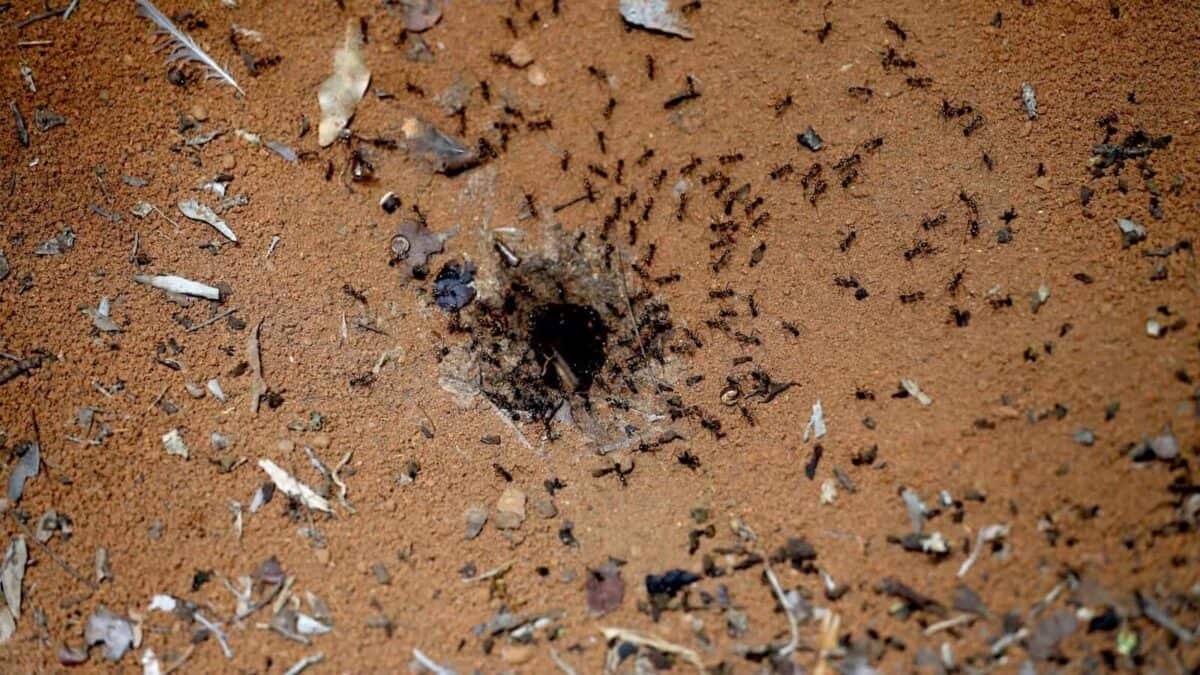
Ants claim the fifth position among America’s most Googled insects, with search interest peaking during spring and early summer when colonies expand and invade homes. Fire ants, carpenter ants, and tiny kitchen-invading species like pavement ants dominate specific queries. Americans primarily search for effective elimination methods, with particular interest in natural, child-safe solutions. The geographic distribution of ant searches follows climate patterns, with southern states experiencing earlier and more prolonged search spikes. Interestingly, educational searches about ant colony structure and behavior also generate significant traffic, particularly from students and teachers. The dual nature of ants—fascinating social insects yet persistent household pests—creates a rich landscape of search intent ranging from elimination tactics to scientific curiosity.
Bees – Pollinators in Peril
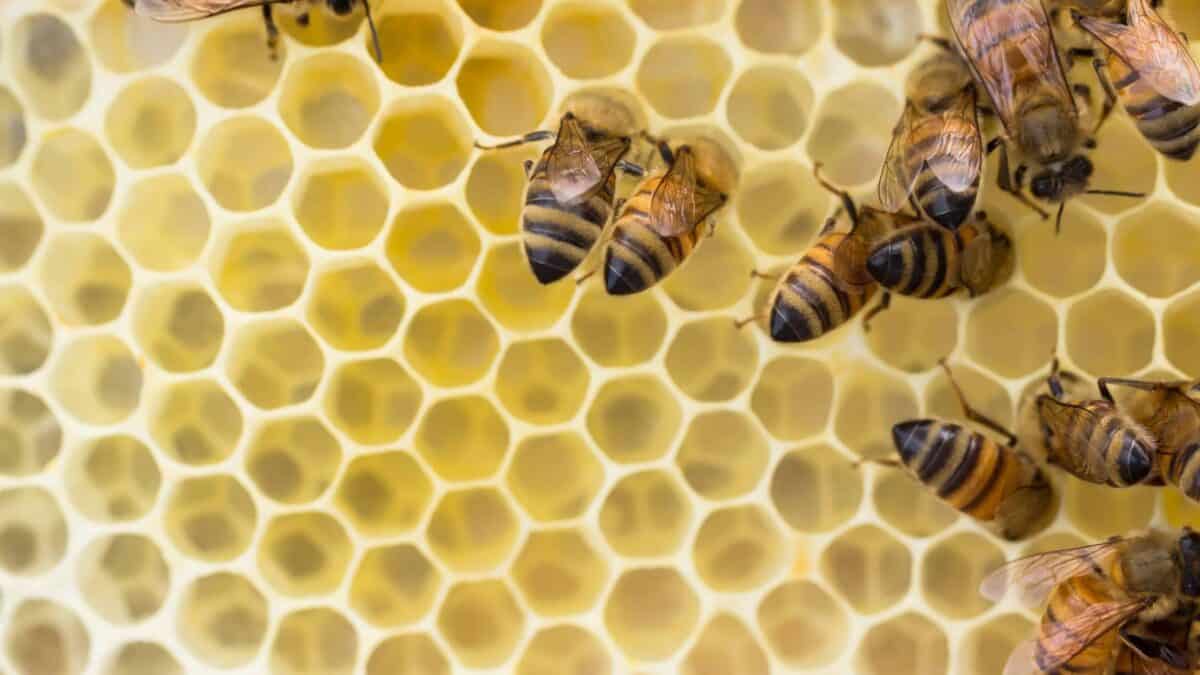
Bee-related searches reflect America’s evolving relationship with these crucial pollinators. While sting treatment and removal still generate significant traffic, conservation-oriented searches have increased dramatically over the past decade as awareness of pollinator decline has grown. Honeybees receive the most attention, followed by bumblebees and carpenter bees. Seasonal search patterns reveal spring peaks when queens emerge and colonies become active. Geographically, agricultural regions show particular interest in bee health and pollination services. A significant portion of searches now focus on bee-friendly gardening, creating habitat, and even backyard beekeeping, demonstrating a shift from viewing bees merely as stinging threats to recognizing their ecological importance. This evolution in search intent represents one of the most positive trends in Americans’ insect-related online activity.
Cockroaches – The Resilient Reviled
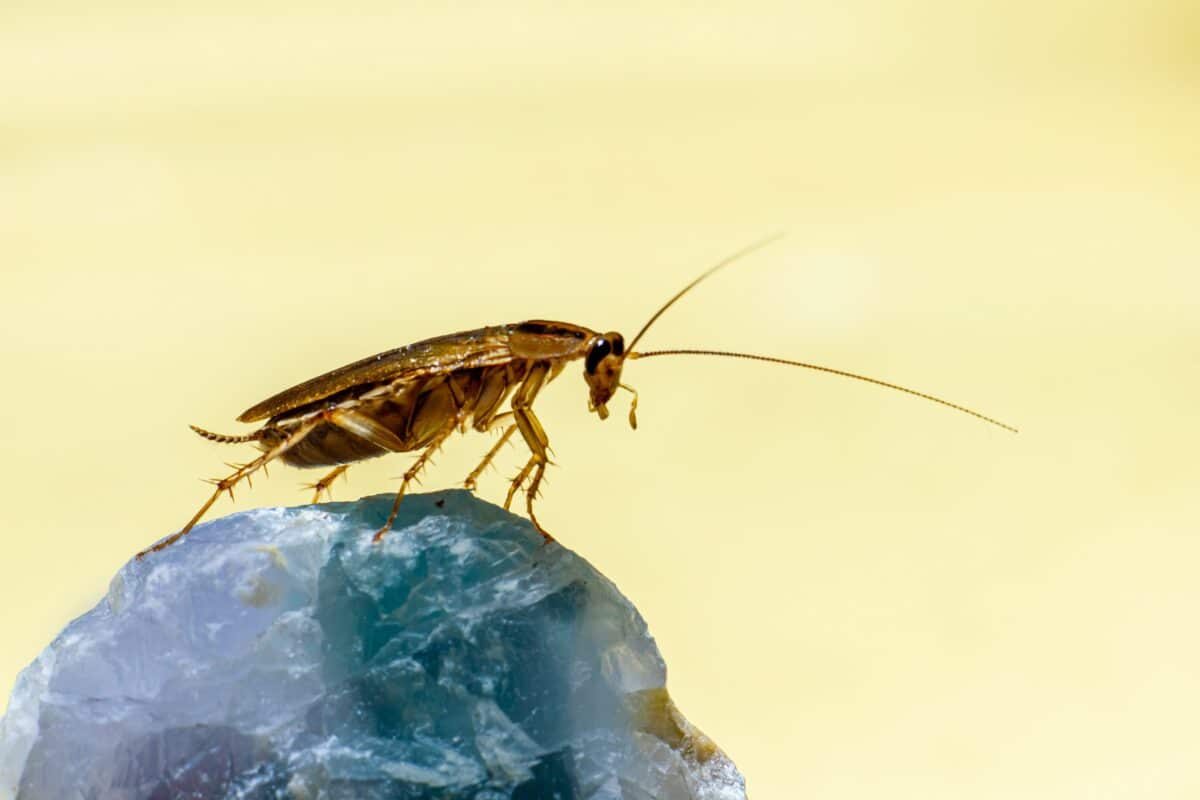
Cockroaches consistently rank among America’s most-searched insects, with queries focused almost exclusively on elimination and prevention. The German cockroach, American cockroach, and Oriental cockroach generate the most species-specific searches. Urban areas predictably show higher search volumes, with seasonal spikes occurring during humid summer months when reproduction rates increase. The stigma associated with cockroach infestations drives many searches toward discreet, DIY solutions before professional intervention. Health concerns, particularly regarding cockroach allergens triggering asthma, have become increasingly prominent in search queries. Despite centuries of cohabitation with humans, cockroaches remain among the most universally reviled insects, with very few searches reflecting any positive interest or curiosity beyond effective extermination methods.
Butterflies – Beauty Takes Flight

As the most positively perceived insects on this list, butterflies generate millions of searches driven by admiration rather than elimination goals. Monarch butterflies dominate species-specific queries, reflecting both their iconic status and concerning population decline. Searches focus on identification, lifecycle information, gardening to attract butterflies, and conservation efforts. Educational searches spike during spring and fall migration periods and when classroom hatching projects are common. Regional search patterns follow butterfly migration routes, with particular interest along the monarchs’ path through the Midwest and Texas. The growth in butterfly garden searches reflects Americans’ increasing desire to support pollinators and experience nature, even in urban environments. Unlike most insects on this list, butterfly searches demonstrate predominantly positive sentiment and genuine appreciation for these beautiful invertebrates.
Stink Bugs – The Smelly Invaders

Brown marmorated stink bugs, an invasive species from Asia, have rapidly climbed America’s insect search rankings since their introduction in the 1990s. Search volume spikes dramatically in fall when these shield-shaped insects seek winter shelter in homes. The Mid-Atlantic region, where stink bugs first established in North America, consistently shows the highest search interest, though queries have expanded nationwide as the species spreads. Americans primarily search for prevention methods, explanations for seasonal invasions, and non-chemical removal techniques (given the infamous defensive odor released when squashed). Agricultural regions show additional interest in crop protection, as stink bugs damage fruit and vegetable production. The rapid rise in stink bug searches demonstrates how quickly an invasive species can capture public attention and concern.
Cicadas – The Periodical Phenomenon
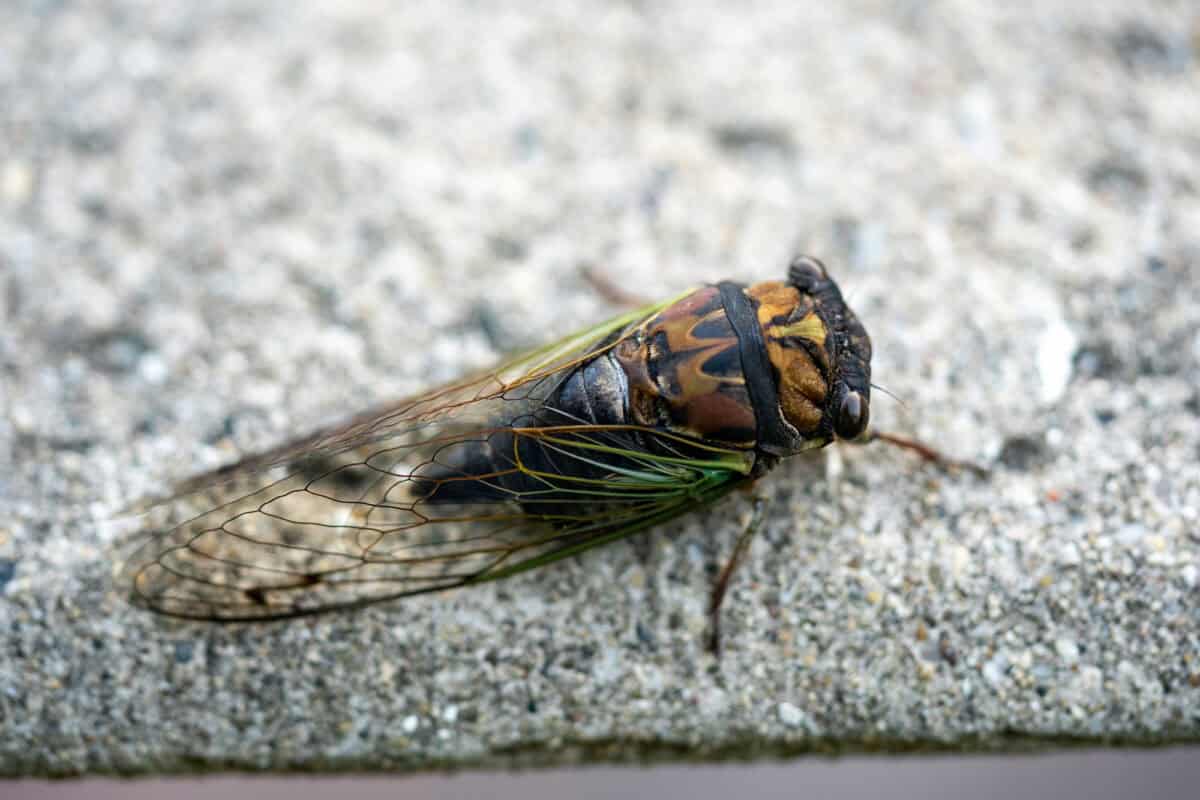
Cicadas round out the top ten most Googled insects, with search patterns that differ dramatically from others on this list. Unlike most insects that generate consistent annual interest, cicada searches show explosive periodic spikes corresponding with the emergence of 13 and 17-year broods. The 2021 emergence of Brood X created the largest cicada search surge in Google’s history, with Americans seeking information about timing, geographic range, and why these insects appear on such unusual schedules. Between emergence events, cicada searches remain relatively low, primarily focusing on annual summer species rather than periodical ones. The scientific fascination with cicadas’ unique lifecycle, combined with the sheer spectacle of billions emerging simultaneously, creates intense but intermittent public interest that distinguishes cicadas from other frequently searched insects.
How Insect Searches Reflect Broader Trends
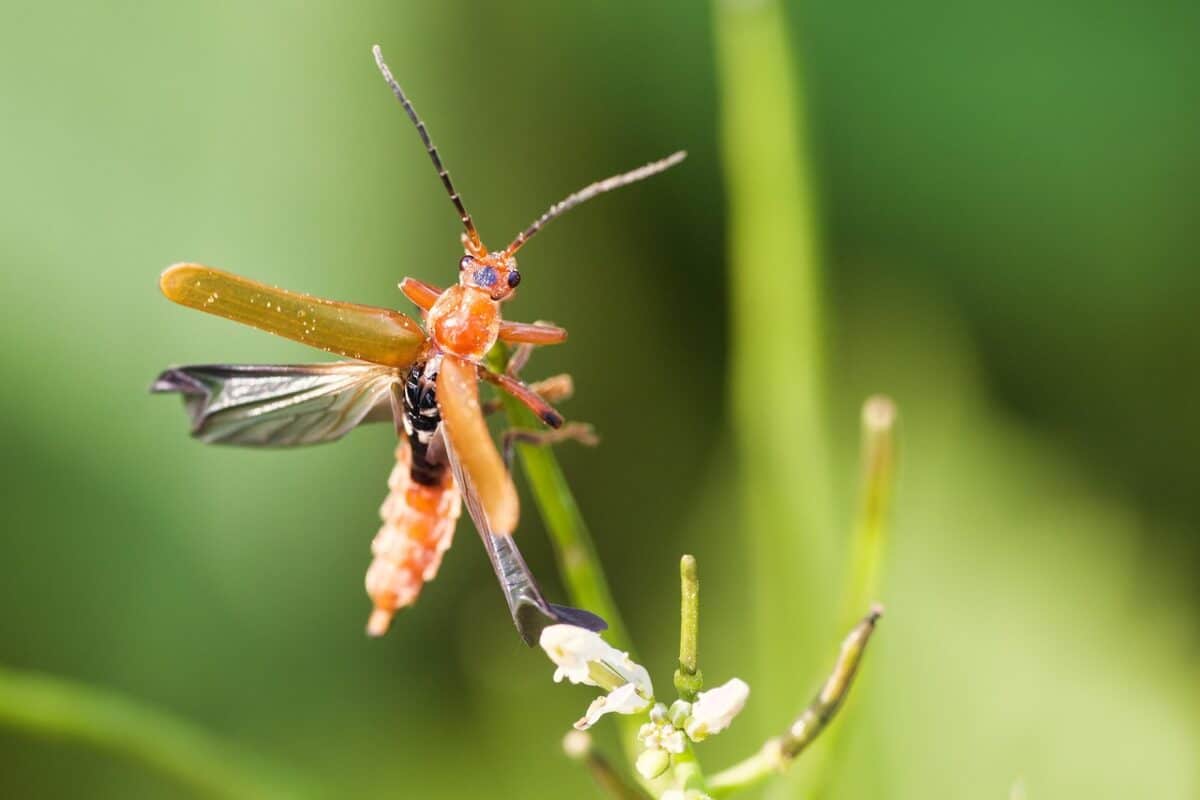
The patterns in America’s insect search behavior reveal broader cultural and environmental trends. Rising interest in conservation-oriented content for bees and butterflies reflects growing ecological awareness. Increasing searches for natural pest control methods demonstrate shifting attitudes toward chemical use in homes. Climate change impacts appear in expanding geographic ranges for searches about ticks, mosquitoes, and invasive species. The seasonal nature of most insect searches highlights our continued connection to natural cycles despite our increasingly digital lives. Perhaps most tellingly, the overall volume of insect-related searches—numbering in the billions annually—reminds us that despite our technological society, we remain deeply concerned with the tiny creatures that share our environment. Whether motivated by fear, fascination, or practical need, Americans’ persistent curiosity about insects demonstrates the enduring relevance of even the smallest forms of wildlife to our daily lives.
Conclusion
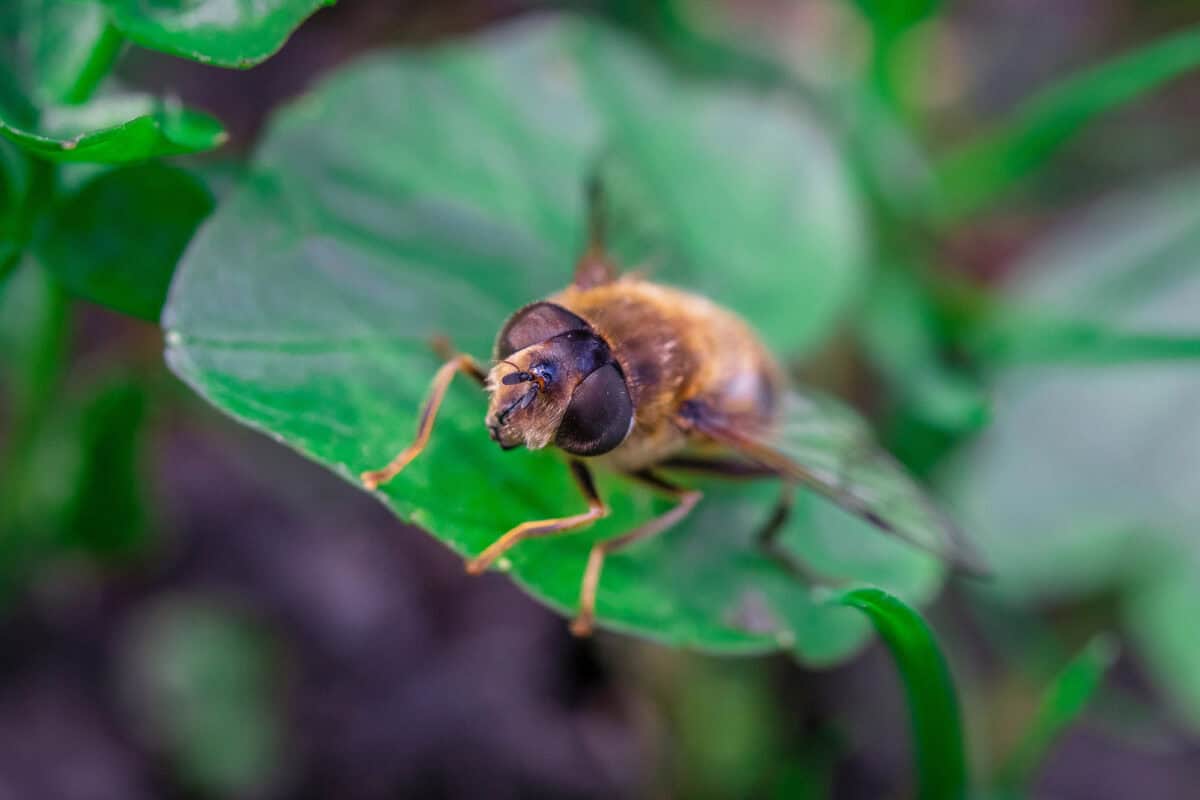
America’s most Googled insects reflect our complex relationship with the invertebrate world, ranging from fear and elimination efforts to conservation concerns and scientific curiosity. The search patterns reveal both practical needs—identifying potential threats and solving pest problems—and deeper connections to the natural world around us. As environmental awareness grows, we’re seeing subtle shifts in how Americans search for and think about insects, with increasing recognition of their ecological importance alongside traditional pest control concerns. Whether we’re seeking to eliminate mosquitoes from our backyards or create habitats for declining pollinators, our collective online searches demonstrate that insects, despite their small size, occupy a significant place in our attention and concern as we navigate our shared environment.

As a little kid, I fell in love with nature, wildlife, and animals. Living in the USA, South Africa, Italy, China and Germany gave me the opportunity to discover the world's Wildlife. My favorite animals are Mountain Gorillas, Siberian Tigers, and Great White Sharks.
I'm a certified PADI Open Water Diver, went to Everest Base Camp and Trekked Gorillas in Uganda. I hold a Master of Science in Economics and Finance.
Please send any feedback to feedback@animalsaroundtheglobe.com
- 11 Creatures That Can Survive a Nuclear Blast - July 21, 2026
- 10 Animals That Embody the Zodiac Sign of Capricorn - July 21, 2026
- 25 Dangerous U.S. Lakes & Rivers Where Swimming Could Be Risky – Don’t Ignore #1 - July 21, 2026