


Koalas, with their distinctive appearance and endearing behaviors, have captivated hearts worldwide and earned the status of beloved wildlife symbols. These unique marsupials native to Australia possess qualities that transcend their biological significance, becoming cultural ambassadors for conservation and environmental awareness. While often mistakenly called “koala bears,” these fascinating creatures are not bears at all but marsupials with their own remarkable evolutionary story. From their specialized diet to their distinctive physical features, koalas embody a perfect blend of adorable appearance and fascinating biological adaptations that have elevated them to iconic status. This article explores fourteen compelling reasons why koalas have become synonymous with cuddliness in our collective imagination and why they continue to enchant wildlife enthusiasts across the globe.
1. Their Plush, Teddy Bear-Like Appearance
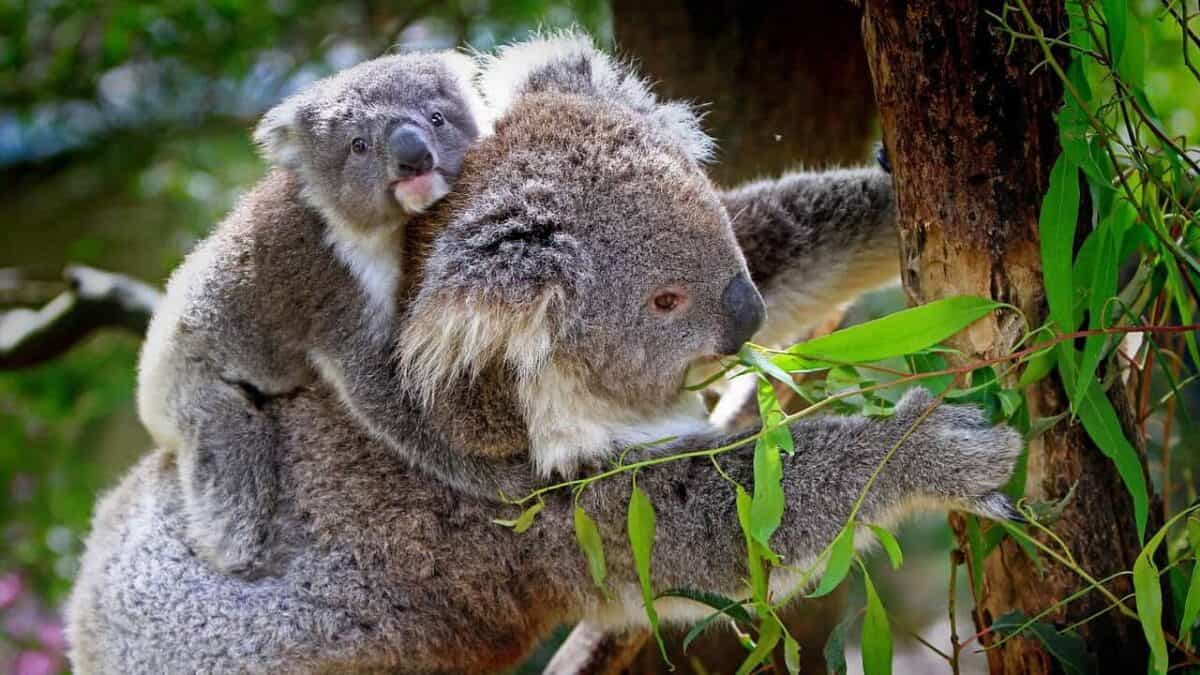
Perhaps the most obvious reason koalas have earned their cuddly reputation is their remarkable resemblance to teddy bears. With round, fluffy ears, button-like noses, and plump bodies covered in thick, woolly fur, koalas possess an undeniably huggable appearance. Their fur is particularly dense, containing up to 100,000 hairs per square centimeter in some areas, creating that soft, plush look that humans find irresistibly endearing. This dense coat serves a practical purpose—it acts as excellent insulation, protecting koalas from both heat and cold in their natural habitat. The grayish-brown coloration of their fur also provides effective camouflage among eucalyptus trees, but to human observers, it simply enhances their teddy bear-like charm.
2. Their Expressive, Forward-Facing Eyes
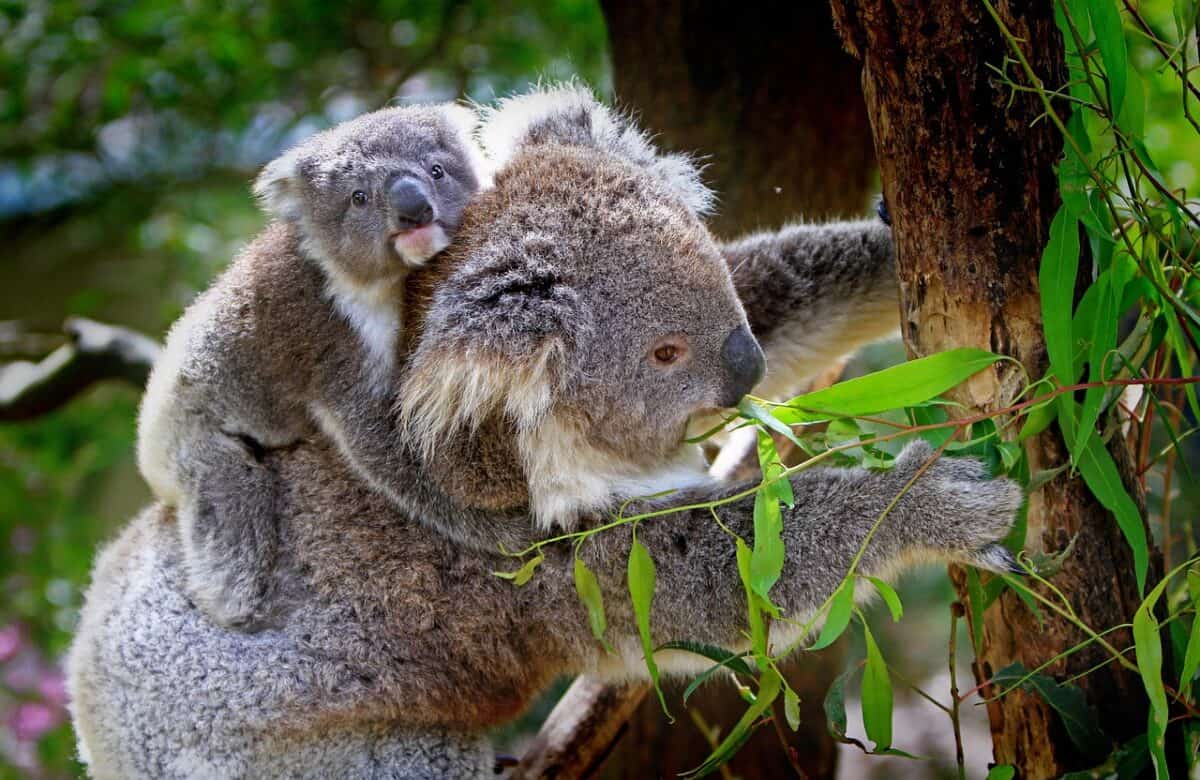
Koalas possess distinctively large, forward-facing eyes that create an impression of alertness and curiosity. This facial feature contributes significantly to their appealing appearance and enables them to make what humans perceive as “eye contact”—a quality that strengthens our emotional connection to them. Their eyes have adapted for their arboreal lifestyle, with relatively good vision that helps them navigate through eucalyptus forests and assess leaf quality. Interestingly, koalas have a unique retinal structure that differs from many other marsupials, with specialized cells that enhance their ability to distinguish the subtle color variations of eucalyptus leaves. While this adaptation serves a crucial survival function, it’s the emotional impact of those soulful eyes gazing out from their round faces that contributes significantly to their status as cuddly icons.
3. Their Sleepy, Relaxed Demeanor

Koalas are renowned for their relaxed lifestyle, spending up to 22 hours a day sleeping or resting. This languid behavior enhances their cuddly image, as they often appear peaceful and content while draped over tree branches. Their slow movements and seemingly perpetual state of relaxation make them appear approachable and gentle. This sleepy demeanor isn’t merely cute—it’s a critical adaptation to their low-energy diet. Eucalyptus leaves provide limited nutrition and contain toxins that require significant energy to process, forcing koalas to conserve energy through extensive rest periods. Their specialized digestive system, particularly their cecum (which can reach 6.5 feet in length), works slowly to extract maximum nutrition and detoxify their food. What humans perceive as adorable laziness is actually an impressive evolutionary strategy for survival on a challenging diet.
4. Their Endearing Eating Habits

The sight of a koala carefully selecting and munching on eucalyptus leaves ranks among nature’s most charming spectacles. Their delicate front paws grasp branches and bring leaves to their mouths with surprising dexterity, creating an almost human-like impression of thoughtful dining. Koalas are remarkably picky eaters, selecting only certain species from the over 600 types of eucalyptus trees in Australia, and even preferring leaves from specific parts of those trees. Their specialized molars grind the tough leaves into a fine paste, and watching a koala’s face as it chews—eyes sometimes half-closed in apparent satisfaction—reinforces their reputation for cuddliness. Each koala consumes approximately 500-800 grams of leaves daily, and the methodical, unhurried way they approach this essential activity perfectly complements their overall peaceful demeanor.
5. Their Distinctive “Teddy Bear” Ears
The round, fuzzy ears that frame a koala’s face contribute significantly to their teddy bear-like appearance and overall appeal. These distinctive appendages are covered with thick fur that features longer tufts around the edges, enhancing their soft, plush appearance. Beyond their aesthetic charm, koala ears serve important biological functions. They possess excellent hearing capabilities that help them detect predators and communicate with other koalas. The round shape and strategic position of their ears allow for effective sound capture from multiple directions—an important adaptation for an animal that spends most of its time in trees. Additionally, the abundant blood vessels in their ears help regulate body temperature by expanding or contracting to release or conserve heat. This blend of biological functionality and adorable appearance makes their ears one of the koala’s most endearing physical features.
6. Their Characteristic Clinging Posture

One of the most endearing aspects of koalas is their characteristic way of clinging to tree trunks and branches. This posture, with limbs wrapped around their arboreal perches, enhances their reputation as nature’s huggable creatures. Their strong limbs and specialized adaptations allow them to maintain this position comfortably for hours. Koalas possess unique hands and feet with two opposable digits that function like thumbs, providing exceptional gripping ability. Their rough paw pads and sharp claws offer additional support for climbing and holding onto smooth eucalyptus bark. On their front paws, the first two digits are positioned opposite the other three, creating a powerful pincer-like grip. This natural hugging posture not only serves their practical needs for security while sleeping and eating in trees but also reinforces their image as cuddly creatures seemingly designed for embraces.
7. Their Adorable Joeys and Maternal Bonding

Few sights in nature are more heartwarming than a koala joey peering from its mother’s pouch or clinging to her back. Koala babies (joeys) are born remarkably underdeveloped—typically weighing less than 1 gram and measuring about 2 centimeters long—and immediately climb into their mother’s downward-facing pouch. There they remain for about six months, developing and nursing until they’re ready to venture outside. Once they emerge, the joeys stay close to their mothers for another six months, riding on their backs and learning essential survival skills. During this period, they transition from milk to eucalyptus leaves through a process called “pap feeding,” where they consume their mother’s specially produced fecal matter to acquire the gut bacteria necessary for digesting toxic eucalyptus. The strong mother-joey bond, combined with the inherent cuteness of baby koalas with their oversized heads and tiny bodies, significantly contributes to the species’ reputation for cuddliness.
8. Their Limited Locomotion on Ground

Koalas’ somewhat awkward, waddling movement when on the ground contrasts sharply with their agility in trees and adds to their appeal. These marsupials spend roughly 98% of their lives in trees and are not well-adapted for terrestrial travel. When they do venture to the ground, usually to move between trees that are too far apart for jumping, their slow, side-to-side gait appears endearingly clumsy. This distinctive movement results from their specialized anatomy—particularly their relatively short legs and the arrangement of their hip joints, which are adapted for climbing rather than walking. A koala can reach speeds of only about 2.5 miles per hour on the ground, making them vulnerable to predators in these moments. Their obvious discomfort and apparent relief when they reach the safety of a new tree reinforces their image as creatures that belong in our arms rather than on the forest floor, though experts strongly advise against handling these wild animals.
9. Their Distinctive Vocalizations
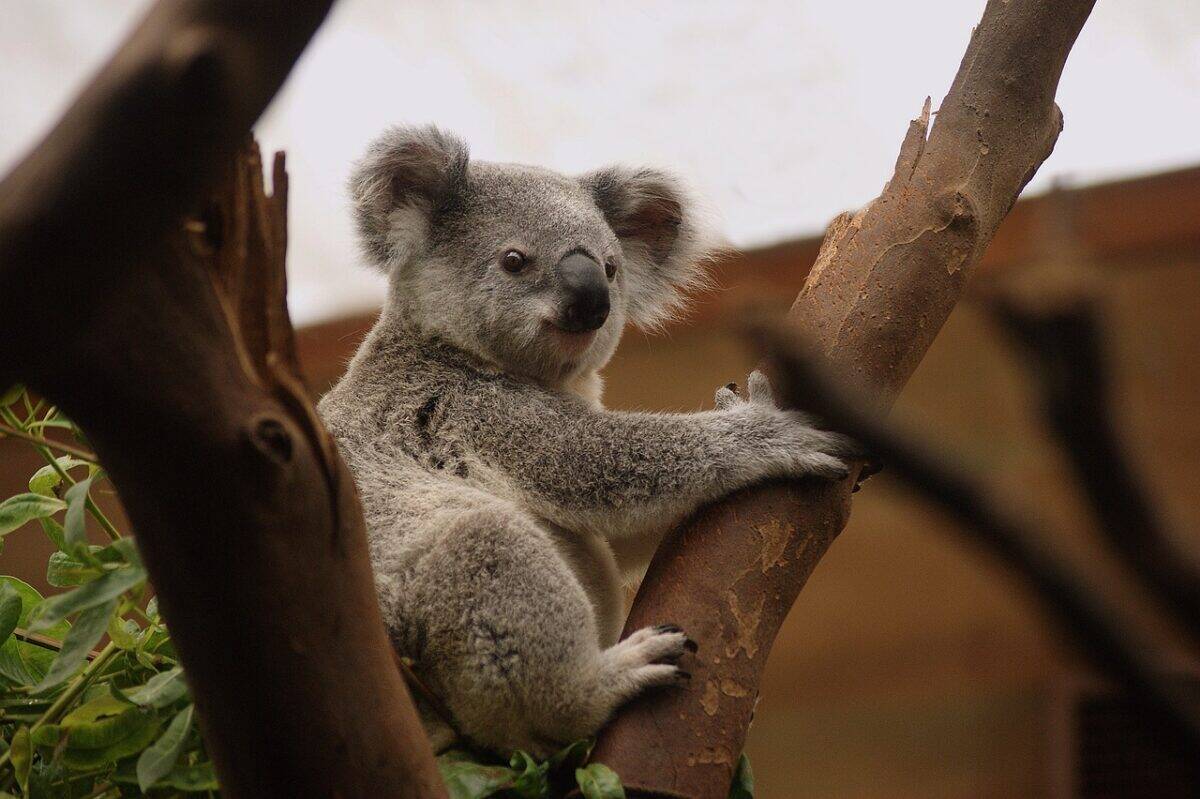
The range of sounds koalas produce contributes to their charismatic appeal, though these vocalizations might surprise those who expect only cute noises from such adorable-looking animals. Male koalas, particularly during breeding season, produce a remarkable bellowing call that seems incongruously loud and deep for their size—sometimes compared to the sound of a motorcycle engine or a pig’s snort combined with a donkey’s bray. These bellows can be heard up to one kilometer away and serve to advertise the male’s presence to females and warn off competing males. Female koalas make their own distinctive sounds, including soft “clicking” and “squawking” vocalizations, often used in mother-joey communication. Distressed koalas might emit a crying sound that can sound unsettlingly like a human baby, triggering protective instincts in people. This complex vocal repertoire adds another dimension to the koala’s character, making them not just visually appealing but aurally intriguing as well.
10. Their Cultural Significance in Australia

The koala holds a special place in Australian cultural identity and has become one of the country’s most recognized symbols internationally. Indigenous Australian peoples have included koalas in their cultural stories for thousands of years, with various traditional names including “koala,” “colo,” “koolah,” and “kaola” depending on the language group. The word “koala” is believed to derive from the Dharug word meaning “no drink,” referencing the animal’s ability to obtain most of its water needs from eucalyptus leaves. In modern times, the koala has become a tourism icon, with visitors to Australia often placing a koala encounter high on their must-do lists. The koala’s image appears on Australian currency, stamps, and countless souvenirs. This cultural prominence has helped raise awareness about conservation issues affecting not just koalas but Australian wildlife in general. The lovable appearance that makes koalas such effective cultural ambassadors continues to serve an important role in conservation advocacy and environmental education.
11. Their Specialized Fingerprints

In an astonishing parallel to human biology, koalas possess fingerprints that are virtually indistinguishable from human fingerprints, even under electron microscopes. This remarkable similarity, discovered in the 1990s, represents an extraordinary case of convergent evolution—where unrelated species independently develop similar traits. These fingerprints help koalas maintain their grip on smooth eucalyptus branches and manipulate their food with precision. The ridges and whorls enhance friction and provide sensory feedback about the surfaces they touch. Koalas’ fingerprints are so similar to humans’ that they have occasionally confused crime scene investigators in Australia when koalas have entered homes and left prints! This fascinating biological feature adds another layer to their appeal—there’s something endearing about creatures that share such a distinctive trait with humans, reinforcing a sense of connection that enhances their status as cuddly icons.
12. Their Status as Conservation Ambassadors
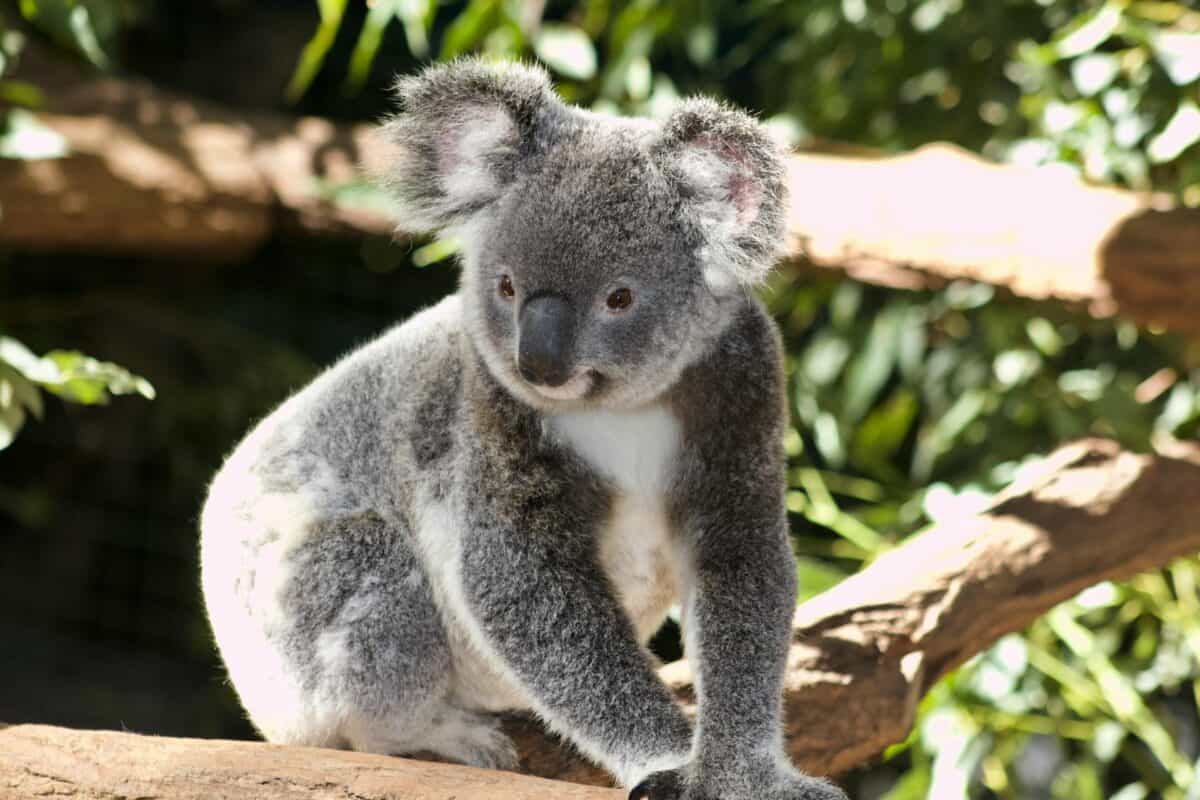
The koala’s universally recognized cute appearance has made it an invaluable ambassador for conservation efforts, not just for its own species but for Australian ecosystems more broadly. Their appealing features help generate public interest and financial support for wildlife protection initiatives that benefit numerous less charismatic species sharing their habitat. Organizations like the Australian Koala Foundation have leveraged the koala’s beloved status to advocate for legislation protecting koala habitats and to raise awareness about threats including habitat destruction, disease, climate change, and vehicle strikes. Following the devastating 2019-2020 Australian bushfires, which severely impacted koala populations, global attention and donations surged in response to images of injured koalas. Wildlife experts estimate that over 60,000 koalas were affected by these fires, with thousands perishing. The emotional connection people feel toward these animals has proved crucial in mobilizing conservation resources, demonstrating the practical value of their cuddly image beyond mere aesthetic appeal.
13. Their Extraordinary Adaptations to a Toxic Diet

The koala’s ability to survive on a diet that would be poisonous to most other mammals adds an element of surprising toughness to their cuddly image. Eucalyptus leaves contain compounds that are toxic to most animals, including phenolic and terpene compounds that require specialized detoxification. Koalas have evolved exceptional liver enzymes that break down these toxins, allowing them to consume up to a pound of eucalyptus leaves daily without harm. Their specialized digestive system includes a remarkably long cecum (a pouch connecting the small and large intestines) that houses beneficial bacteria that ferment the tough leaf fibers and help neutralize toxins. Interestingly, koalas can detect the chemical composition of leaves by smell, helping them select leaves with lower toxin levels and higher nutritional value. This extraordinary dietary adaptation represents an evolutionary marvel wrapped in a deceptively cute package, adding depth to their appeal for those who appreciate both their adorable appearance and their remarkable biological resilience.
14. Their Unique Resting Postures

The various ways koalas position themselves while resting in trees contribute significantly to their cuddly image. They often sit in forks of branches with their limbs draped casually around the trunk or branches, giving them a relaxed, huggable appearance. During warmer weather, they may sprawl across branches with limbs dangling on either side—a posture that not only helps them regulate body temperature by maximizing surface area exposure but also creates irresistibly photogenic moments. In cooler weather, they tend to curl into tight balls, tucking their limbs and head inward to conserve heat. These diverse resting positions showcase their flexibility and comfort in their arboreal environment while also producing countless opportunities for heartwarming photographs that reinforce their status as nature’s teddy bears. The way koalas seemingly mold themselves to tree branches, looking perfectly content and at peace, creates a visual serenity that humans find both appealing and somewhat enviable.
Conclusion: Why Koalas Continue to Capture Our Hearts
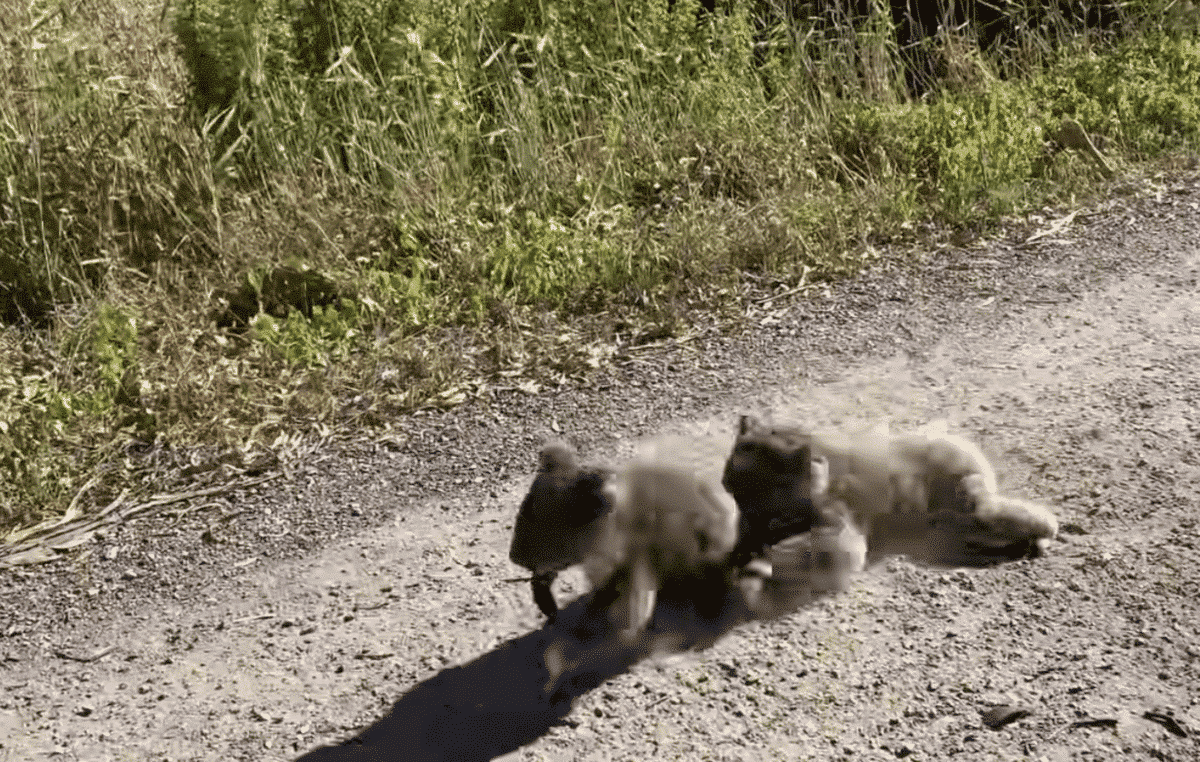
Koalas have rightfully earned their place as one of nature’s most endearing icons through a perfect combination of appearance, behavior, and biological fascination. Their teddy bear-like features, peaceful demeanor, and specialized adaptations create a compelling package that continues to enchant people across generations and cultures. Beyond their undeniable cuteness, koalas represent something increasingly precious in our rapidly changing world—a unique evolutionary story and a reminder of the extraordinary diversity of life on our planet. As these beloved marsupials face growing threats from habitat loss, disease, and climate change, their status as cuddly icons takes on greater significance, helping to mobilize conservation efforts that might determine their future survival. In protecting koalas and their eucalyptus forest homes, we preserve not just a universally adored symbol of Australia but also the complex ecological relationships that sustain countless other species within these vital ecosystems.

As a little kid, I fell in love with nature, wildlife, and animals. Living in the USA, South Africa, Italy, China and Germany gave me the opportunity to discover the world's Wildlife. My favorite animals are Mountain Gorillas, Siberian Tigers, and Great White Sharks.
I'm a certified PADI Open Water Diver, went to Everest Base Camp and Trekked Gorillas in Uganda. I hold a Master of Science in Economics and Finance.
Please send any feedback to feedback@animalsaroundtheglobe.com
- 10 Deadliest Spiders in the World And Where They Live - July 21, 2026
- 15 Sharks That Do Not Deserve Their Bad Reputation - July 21, 2026
- 11 Creatures That Can Survive a Nuclear Blast - July 21, 2026