


The Arctic fox, a remarkable survivor of one of Earth’s most extreme environments, has evolved specialized hunting techniques that allow it to thrive where other predators falter. Among its most fascinating adaptations is its extraordinary ability to detect and capture prey hidden beneath thick layers of snow. Using their acute hearing and specialized ears, these resilient canids can pinpoint the exact location of lemmings, voles, and other small mammals scurrying beneath snow cover up to 2 feet deep. This remarkable hunting technique, known as “snow diving,” showcases nature’s incredible evolutionary ingenuity and the Arctic fox’s perfect adaptation to its harsh habitat. Let’s explore the fascinating science behind this extraordinary sensory ability and how it enables these small predators to survive in one of the world’s most challenging environments.
The Arctic Fox’s Natural Habitat

Arctic foxes (Vulpes lagopus) inhabit some of the most extreme environments on Earth, ranging across the Arctic regions of North America, Europe, and Asia. These animals endure winter temperatures that can plunge to -50°F (-45°C) with windchill factors making conditions even more brutal. Their circumpolar range extends throughout the Arctic tundra, where the landscape is characterized by permafrost soil, minimal vegetation, and extensive snow cover for much of the year. This harsh environment presents unique challenges for survival, particularly regarding food acquisition during the long winter months when the landscape becomes a seemingly barren expanse of snow and ice.
During winter, up to 60% of the Arctic fox’s hunting landscape becomes covered in thick snow, with depths regularly reaching 1-3 feet (30-90 cm). This snow cover acts as an insulating blanket for small mammals such as lemmings, voles, and other rodents that remain active beneath it. Rather than migrating or hibernating, Arctic foxes have evolved specialized hunting techniques to access this hidden food source, demonstrating remarkable adaptation to their environment through sensory specialization rather than physical modifications to dig through hard-packed snow.
Anatomy of the Arctic Fox’s Ears
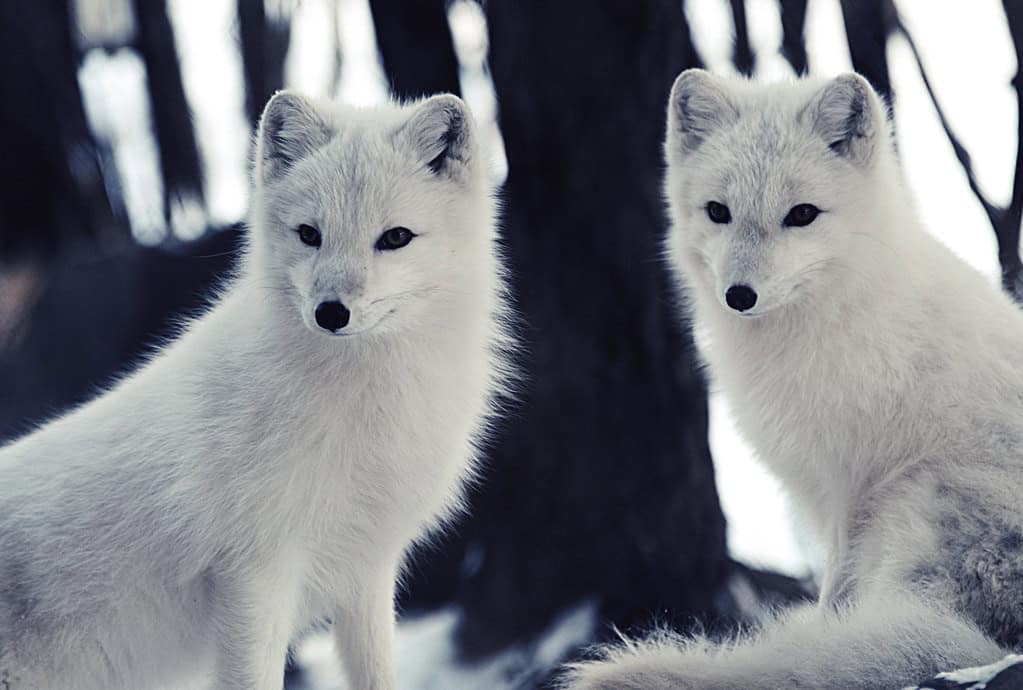
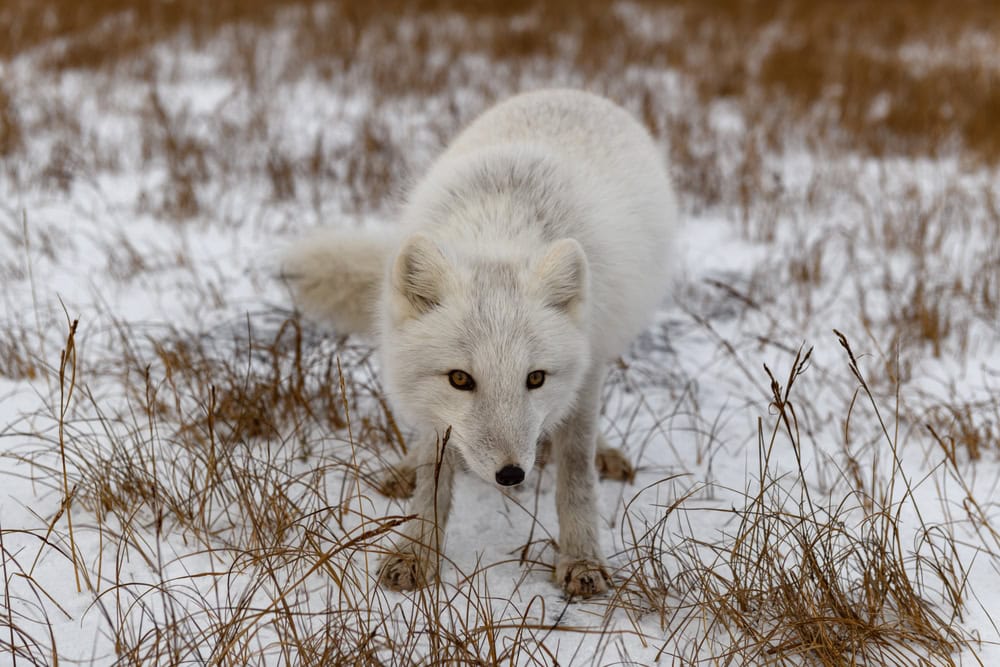
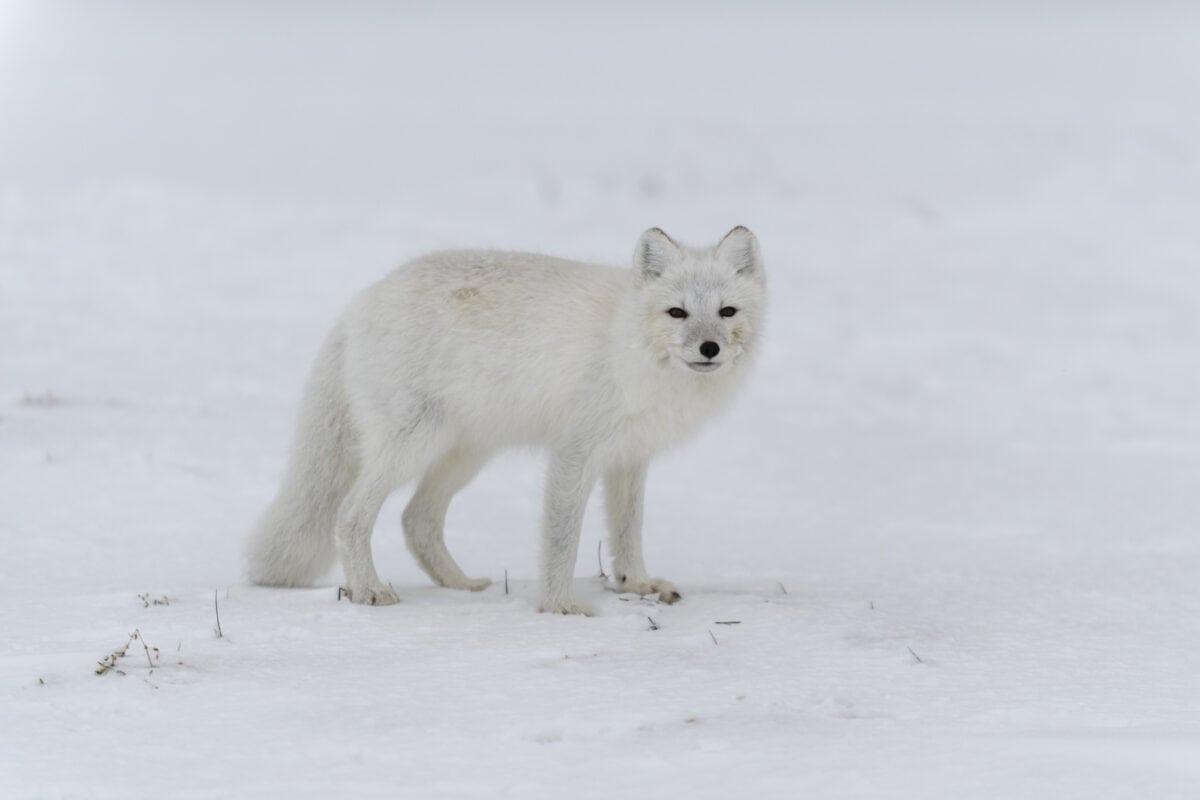
The Arctic fox’s ears represent a masterpiece of evolutionary design, balancing multiple competing needs. Unlike their desert-dwelling relatives like the fennec fox, which has enormous ears to dissipate heat, Arctic foxes have relatively small, rounded ears measuring approximately 2-3 inches (5-7.5 cm) in length. This compact design minimizes heat loss in frigid conditions—a crucial adaptation for thermoregulation. However, despite their modest size, these ears contain a sophisticated auditory apparatus specifically tuned for hunting in snowy environments.
Inside the ear, Arctic foxes possess an expanded auditory bullae (the bony chamber enclosing the middle ear) that enhances sound collection and amplification. Their ear canals are lined with specialized fur that protects against snow while allowing sound waves to pass through unimpeded. The internal structure includes a highly developed cochlea with an increased number of hair cells compared to many other canids, particularly in the frequency ranges associated with rodent movement. Additionally, the muscles controlling ear movement are exceptionally well-developed, allowing for precise, independent rotation of each ear to triangulate sound sources with remarkable accuracy.
The Science of Sound Transmission Through Snow
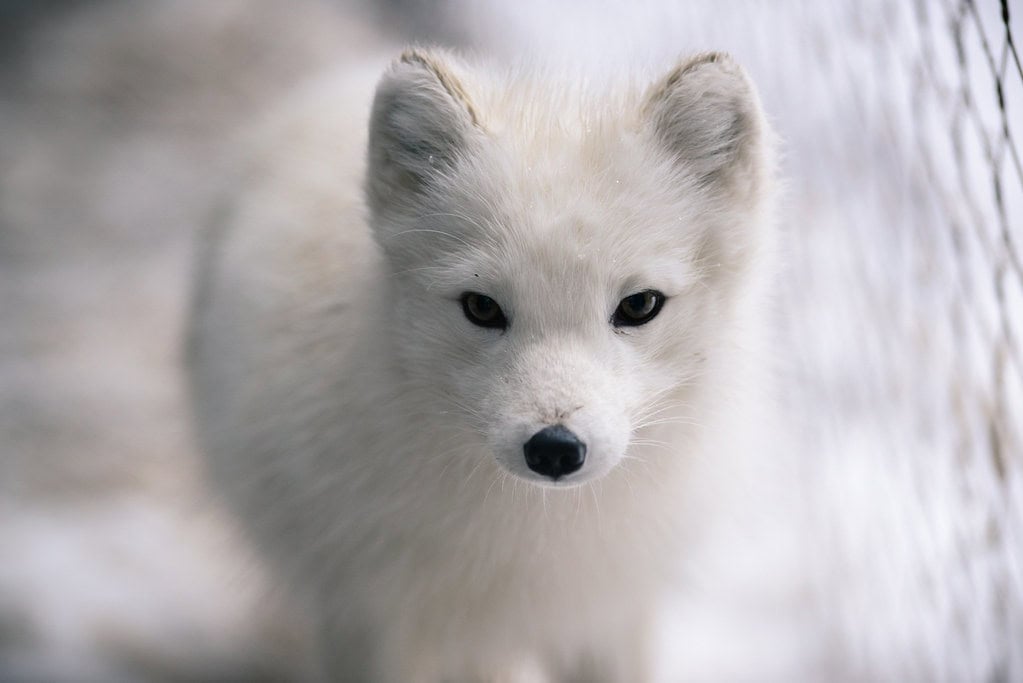
Sound transmission through snow creates a unique acoustic environment that Arctic foxes have evolved to exploit. Snow is not a uniform substance but rather a complex matrix of ice crystals and air pockets that varies in density and structure based on temperature, humidity, and age. Fresh, powdery snow absorbs high-frequency sounds while allowing lower frequencies to pass through more readily. As snow ages and compacts, its sound transmission properties change, generally becoming more conductive to a wider range of frequencies.
Research indicates that the movements of small mammals beneath snow create sounds primarily in the 1-15 kHz range, with particular activity around 8-12 kHz. These frequencies correspond precisely with the Arctic fox’s peak hearing sensitivity. Additionally, the temperature gradient within snowpack—warmer near the ground and colder at the surface—creates acoustic channels that can actually amplify certain sounds. This natural phenomenon, combined with the relative quiet of the Arctic environment (with ambient noise levels often below 20 decibels), provides ideal conditions for the Arctic fox to detect the subtle sounds of prey movement, even through substantial snow cover.
Exceptional Hearing Capabilities

Arctic foxes possess hearing capabilities that far exceed human perception, with a hearing range estimated between 125 Hz and 60 kHz (compared to the human range of 20 Hz to 20 kHz). This expanded range allows them to detect ultrasonic vocalizations and the high-frequency sounds produced by rodents moving through subnivean (under-snow) spaces. Studies suggest Arctic foxes can detect sounds as faint as -15 decibels below the threshold of human hearing, making them among the most acoustically sensitive mammals in the Arctic ecosystem.
Their exceptional auditory processing is further enhanced by specialized neural pathways that prioritize spatial audio information. The fox’s auditory cortex contains a disproportionately large number of neurons dedicated to sound localization, allowing for three-dimensional mapping of sound sources with extraordinary precision. Research using controlled experiments has demonstrated that Arctic foxes can pinpoint sound sources to within 1-2 degrees of accuracy and can detect depth with precision of approximately 2 centimeters. This remarkable capacity enables them to determine not only the horizontal location of prey but also its exact depth beneath the snow surface.
The Hunting Technique: Snow Diving

The Arctic fox’s signature hunting method, known as “snow diving” or “mousing,” is a spectacular demonstration of sensory precision and physical coordination. The process begins with the fox moving slowly across the snow surface, ears constantly rotating to capture any sounds from below. When prey is detected, the fox becomes completely still, focusing intently as it triangulates the exact position of the sound source. Its ears rotate independently, collecting subtle differences in the timing and intensity of sounds reaching each ear—differences measured in microseconds.
Once the prey’s position is determined with precision, the fox leaps high into the air—sometimes reaching heights of 3-4 feet (90-120 cm)—before plunging headfirst through the snow. This dramatic pounce uses the fox’s momentum and narrow muzzle to penetrate the snow layer efficiently. The height of the jump is not random but carefully calibrated to the depth of the prey, with the fox applying greater force for deeper targets. Success rates for this hunting technique vary with conditions but can exceed 80% in optimal circumstances. Research has shown that a successful Arctic fox may capture up to a dozen rodents per day using this method, providing the 200-300 calories daily necessary for winter survival.
Comparison with Other Predators

While several predators employ audio-based hunting strategies, the Arctic fox’s approach is distinct in several ways. Red foxes (Vulpes vulpes) also use a pouncing technique when hunting rodents, but their success rates in deep snow conditions (25-30%) fall significantly below the Arctic fox’s efficiency (70-85% in comparable conditions). This difference stems from the Arctic fox’s superior auditory specialization for snow environments and their lighter body weight, which allows for more precise pouncing with less energy expenditure.
Other Arctic predators approach the challenge differently. Snowy owls rely primarily on visual hunting, using their exceptional eyesight to detect movement at the snow surface rather than sounds beneath it. Arctic wolves and polar bears, with their larger size, typically focus on larger prey rather than the small mammals that constitute the Arctic fox’s winter diet. The least weasel can pursue rodents through their subnivean tunnels but lacks the non-invasive detection capabilities of the Arctic fox. This specialization in detecting and capturing prey beneath snow represents an ecological niche that the Arctic fox exploits with unparalleled efficiency.
Seasonal Adaptations in Hunting Behavior
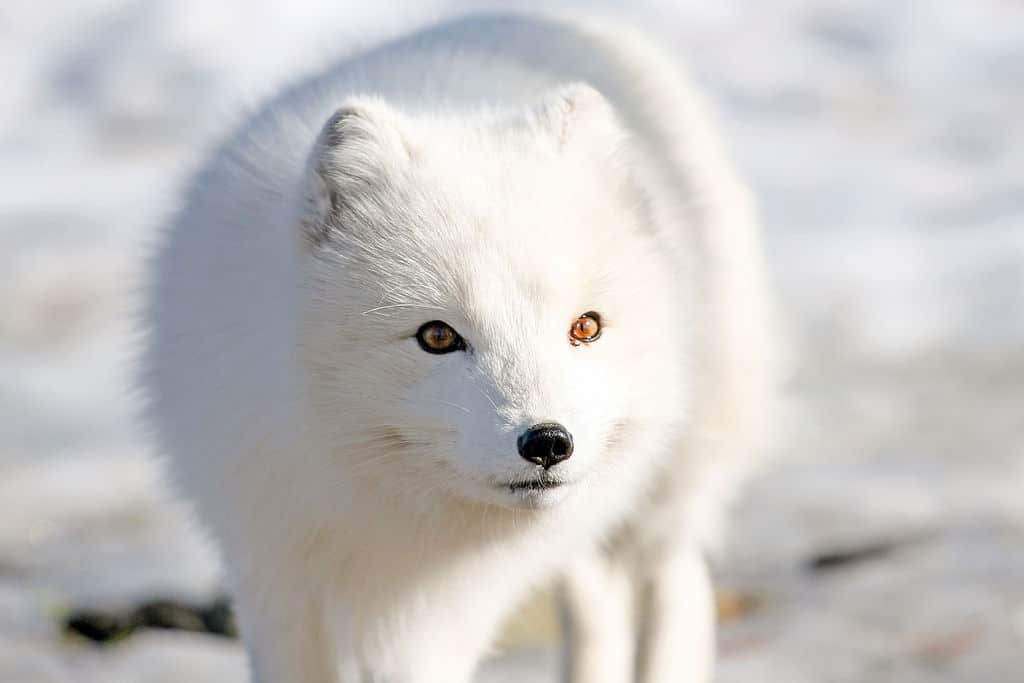
The Arctic fox’s reliance on audio-based hunting varies significantly throughout the year, reflecting the changing conditions of their environment. During winter months, when snow cover is extensive and alternative food sources are scarce, snow diving becomes the primary hunting technique, accounting for up to 90% of successful kills in inland populations. However, as seasons change, so do their hunting strategies. In coastal areas during summer, Arctic foxes may switch to scavenging from polar bear kills or predating on bird colonies, demonstrating remarkable dietary flexibility.
Researchers have observed that Arctic foxes’ auditory capabilities appear to undergo seasonal enhancement. Studies tracking neural activity show increased blood flow to auditory processing centers during winter months, suggesting potential seasonal neuroplasticity. Additionally, foxes develop thicker fur around their ear canals in winter, which—rather than impairing hearing—actually functions to funnel sounds more effectively while maintaining thermal protection. These seasonal adaptations highlight the species’ remarkable specialization for winter hunting and their ability to maximize hunting efficiency when resources are most limited.
The Role of Learning and Experience
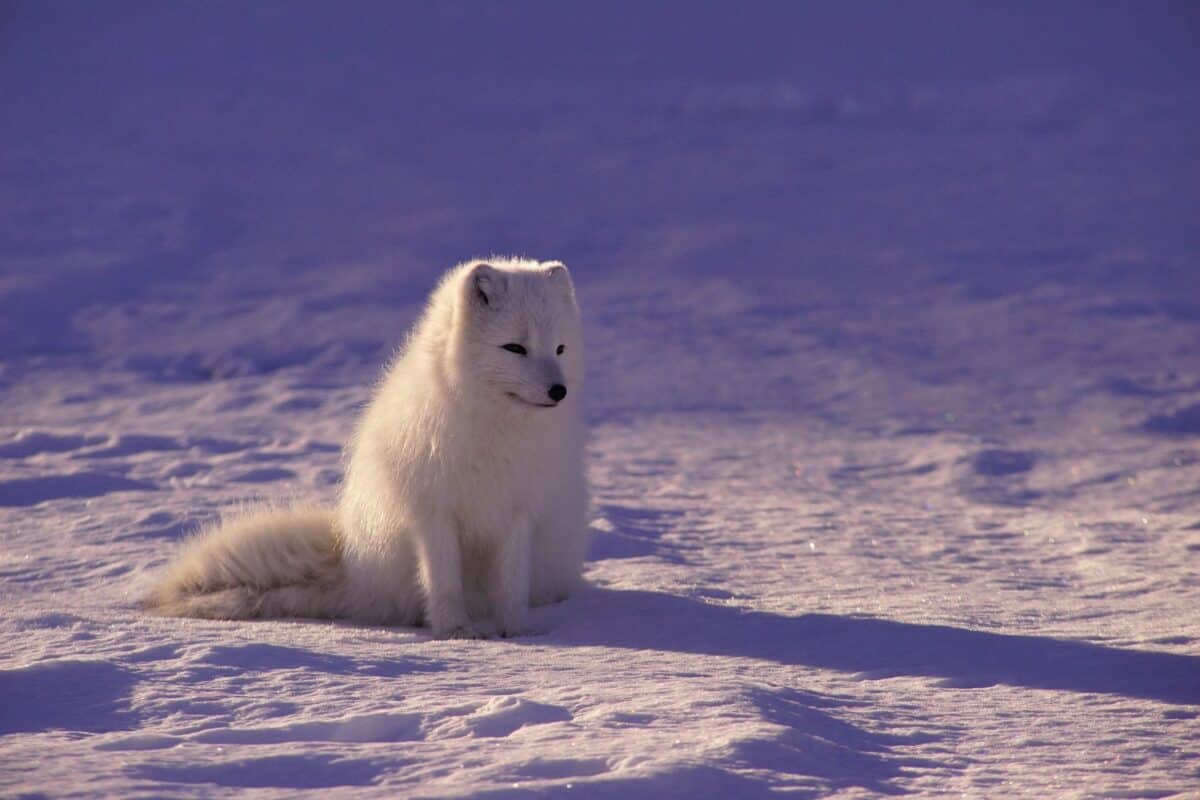
While Arctic foxes possess innate auditory capabilities, research indicates that successful snow diving is also a learned skill that improves with experience. Observational studies of fox families show that juvenile foxes initially have success rates as low as 10-20% when first attempting snow dives, while experienced adults maintain rates of 70-85% under identical conditions. Parent foxes have been documented demonstrating the technique to their young, suggesting an element of social learning in skill acquisition.
Long-term tracking studies reveal that older foxes adjust their hunting techniques based on specific snow conditions, altering the height and angle of their pounce to accommodate variations in snow density and depth. They also demonstrate the ability to learn the behavioral patterns of prey species, preferentially hunting in areas where rodent activity is more predictable. This combination of innate ability and learned expertise allows Arctic foxes to maintain high hunting efficiency throughout their 3-6 year lifespan in the wild, with peak performance typically occurring between ages 2-4.
Climate Change Impacts on Hunting Success

Climate change is significantly altering Arctic ecosystems, with potentially profound implications for the Arctic fox’s specialized hunting technique. Warming temperatures are creating more frequent freeze-thaw cycles that result in ice layers within snowpack. These ice crusts dramatically alter sound transmission properties, reflecting and distorting the acoustic signals that foxes rely upon for prey location. Research in affected regions has documented declines in hunting success rates from historical averages of 75-80% to current rates of 45-60% during periods following these weather events.
Additionally, climate change is affecting the timing and extent of snow cover across the Arctic. Earlier spring melts reduce the duration of conditions suitable for snow diving, while altered precipitation patterns affect snow depth and quality. Population monitoring in southern portions of the Arctic fox range already shows concerning trends, with average litter sizes decreasing in regions experiencing the most significant climate alterations. These changes threaten not only the Arctic fox but the entire trophic web of Arctic ecosystems, as these efficient predators play a crucial role in controlling rodent populations.
Evolutionary Development of This Adaptation
The Arctic fox’s specialized auditory hunting system represents a remarkable example of evolutionary adaptation that developed over thousands of generations. Paleontological and genetic evidence suggests that Arctic foxes diverged from other canid lineages approximately 200,000 years ago during the Pleistocene epoch. This divergence coincided with periods of glaciation that would have favored adaptations for hunting in snow-covered environments.
Comparative anatomical studies between Arctic foxes and their closest relatives reveal a progressive specialization in ear structure, with measurable differences in the size and shape of the auditory bullae, the arrangement of inner ear hair cells, and the neural pathways dedicated to sound processing. Genetic analyses have identified several genes under strong positive selection in Arctic fox populations that are associated with auditory processing and thermal regulation of extremities. These adaptations illustrate the power of natural selection to shape sensory systems in response to environmental challenges, resulting in the remarkable hunting specialization we observe today.
Technological Applications Inspired by Fox Hearing
The Arctic fox’s remarkable ability to detect and localize sounds through snow has inspired several technological innovations. Engineers studying biomimicry have developed advanced audio sensors based on the principles observed in fox hearing. These include directional microphone arrays that mimic the fox’s ear mobility and neural network designs that replicate their sound localization processing. Such technologies have applications in search and rescue operations, particularly for locating avalanche victims buried under snow, where current detection methods have significant limitations.
Military applications include improved sniper detection systems and reconnaissance devices capable of detecting movement through barriers. In medical technology, improved hearing aids draw on principles from fox auditory processing to enhance spatial awareness for users. Conservation biologists are also applying insights from Arctic fox hearing to develop non-invasive wildlife monitoring systems that can detect and identify animals moving under snow or dense vegetation. These diverse applications demonstrate how understanding natural adaptations can inspire technological solutions to human challenges.
Conclusion: Nature’s Perfect Adaptation

The Arctic fox’s remarkable ability to hunt prey beneath snow represents one of nature’s most elegant adaptations to extreme environments. Through specialized ear anatomy, exceptional neural processing, and refined hunting behavior, these resilient predators have transformed what might seem a limitation—a snow-covered landscape—into a competitive advantage. Their ability to detect, locate, and capture prey hidden from sight demonstrates the extraordinary power of evolutionary processes to produce specialized sensory capabilities tailored to specific ecological niches.
As climate change continues to transform Arctic ecosystems, the future of this specialized hunting technique remains uncertain. Will Arctic foxes demonstrate the adaptive capacity to modify their hunting strategies in response to changing snow conditions, or will this remarkable specialization become a liability in a rapidly warming world? The answer holds implications not just for this species but for our understanding of how sensory adaptations may enhance or limit animals’ resilience to environmental change.
Scientists continue to study these remarkable hunters, uncovering new details about their sensory capabilities and hunting behaviors. Through such research, we gain not only a deeper appreciation for the complexity and ingenuity of natural adaptations but also potential insights that can inform technological innovation and conservation strategies. The Arctic fox’s snow-diving hunt stands as a testament to the extraordinary sensory worlds that exist beyond human perception—worlds that have been shaped by millions of years of evolutionary refinement into solutions that remain, in many ways, superior to our technological equivalents.
As we face a future of unprecedented environmental change, the Arctic fox reminds us of the value of specialized adaptations while raising important questions about the limits of specialization in a rapidly changing world. Their story is both a celebration of evolutionary ingenuity and a cautionary tale about the vulnerability that can accompany highly specialized adaptations when environments change faster than evolution can respond.

From exploring the marine wonders in the Azores and witnessing the vast savannas of Kenya, to delving deep into the rich biodiversity of South Africa and traversing iconic landscapes in Australia and the US like Yellowstone, Chris's experiences are vast.
With a penchant for diving alongside sharks, the ocean holds a special place in his heart.
Through his academic insights, he champions wildlife conservation, striving with 'Animals Around The Globe' to cultivate a profound connection between humans and animals, enhancing our mutual appreciation.
Connect with him at Feedback@animalsaroundtheglobe.com.
- Why Spiders Don’t Get Stuck in Their Own Webs - July 20, 2026
- What Scientists Found in a 10,000-Year-Old Beehive - July 20, 2026
- This Spider Builds Fake Decoys of Itself - July 20, 2026