


Deep in the forests and across the tundra, wolves execute some of nature’s most sophisticated coordinated hunts. Unlike human hunters who might use radios or hand signals, wolf packs can take down prey many times their size without uttering a sound. This remarkable ability has fascinated wildlife biologists and behavioral ecologists for decades. The silent communication strategies wolves employ represent millions of years of evolutionary refinement, allowing these apex predators to maintain their status as one of nature’s most effective hunting teams. Their methods combine visual cues, body language, and shared instincts that border on the telepathic, enabling them to operate as a unified entity even when spread across vast distances during a hunt.
The Social Structure Behind Silent Hunting
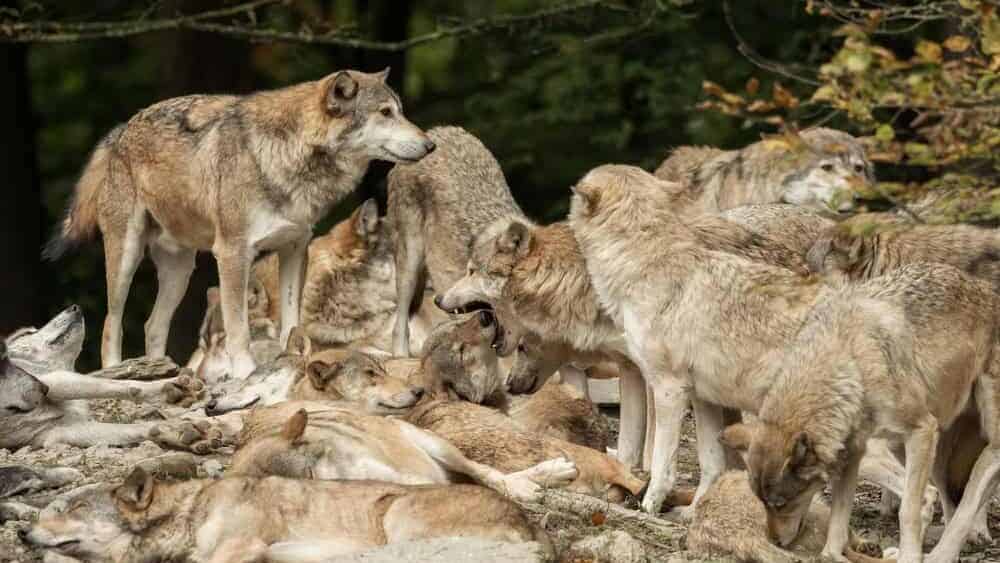
Wolf packs function as highly organized family units, typically consisting of a breeding pair (the alpha male and female) and their offspring from multiple years. This familial connection creates a foundation of trust and understanding that makes silent communication possible. Pack members grow up learning each other’s tendencies, strengths, and hunting styles.
The average pack size ranges from 4-7 wolves, though some can reach up to 15 members in prey-rich environments. This intimate knowledge of each pack member’s behavior allows wolves to anticipate each other’s movements during hunts without verbal communication. Younger wolves learn by observing and participating alongside experienced hunters, absorbing the subtle nuances of body language that will later allow them to coordinate silently.
Body Language as the Primary Communication Tool
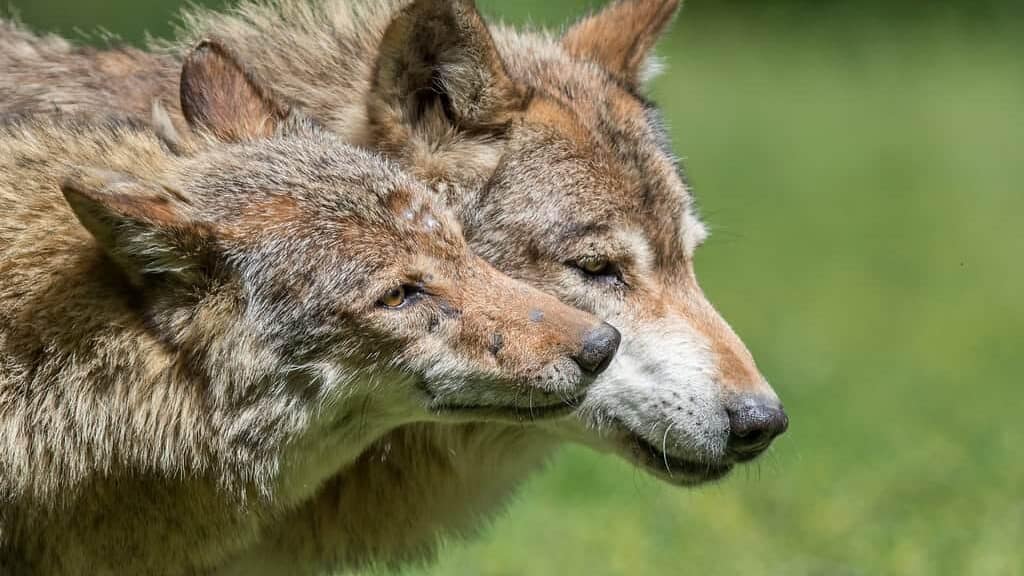
Wolves possess an intricate language of physical gestures that convey specific messages during hunts. Ear positions, tail carriage, body posture, and facial expressions all transmit vital information between pack members. A wolf with ears forward and tail slightly raised might be signaling the detection of prey, while a lowered head and focused stare could indicate readiness to pursue.
These signals are so refined that researchers have identified dozens of distinct body postures used specifically during hunting sequences. Wolves are remarkably attentive to these subtle changes in their packmates’ posture—a slight shift in weight or tension in the shoulders can signal an imminent flanking maneuver or the moment to close in on prey. This visual communication system works effectively even in dense forest or during snowstorms when visibility is limited.
The Role of Eye Contact in Coordinated Attacks

Eye contact serves as a crucial element in wolves’ silent hunting coordination. Pack members frequently make brief visual connections during different hunting phases, which function as confirmations or instructions. A lead wolf might make deliberate eye contact with specific pack members to direct them toward certain positions around the prey. These glances often last just fractions of a second but convey complex information about timing and positioning.
Researchers studying wild wolf packs have documented instances where a single glance from the lead wolf prompted simultaneous movement from multiple pack members positioned hundreds of feet apart. This visual connection also helps reinforce the hierarchical structure during hunts, as subordinate wolves look to more experienced hunters for cues about when to hold position and when to advance.
Scent Marking Before and During Hunts
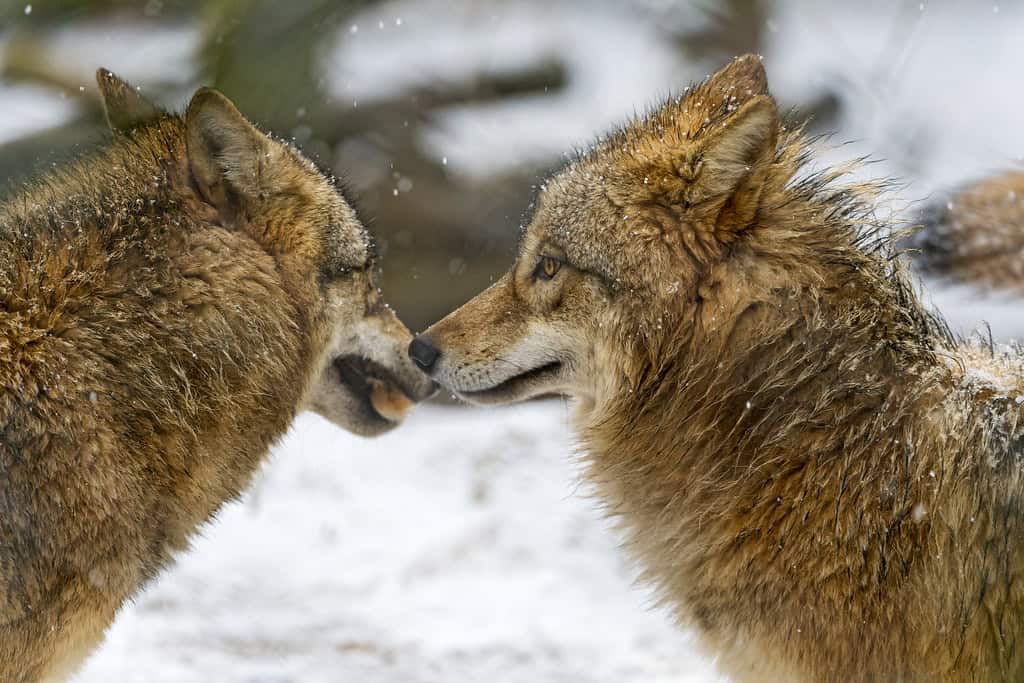
While not a form of real-time communication, wolves’ extensive use of scent marking creates an olfactory map that supports their silent hunting strategy. Before and during hunts, wolves leave urine and glandular secretions at strategic locations that help organize their movements. These scent marks can indicate boundaries, travel routes, or areas where pack members should position themselves.
During extended pursuits that might last for miles, these scent markers help maintain coordination when visual contact is impossible. Research has shown that wolves can detect these scents from up to 1.75 miles away under ideal conditions. This “scent infrastructure” creates a framework within which silent visual communication can operate more effectively, as pack members already understand the general hunting plan and their approximate positions.
The Strategic Use of Silence as a Hunting Advantage

Silence itself is a deliberate hunting strategy for wolves, not merely a byproduct of their communication system. By remaining quiet, wolves gain several tactical advantages over their prey. Many prey species like deer, elk, and moose have excellent hearing but relatively poor vision, making silent approaches particularly effective.
Wolves have evolved specialized foot anatomy with tightly bundled toes and specialized pads that dampen the sound of their footfalls, allowing them to move across even crunchy snow with minimal noise. Studies measuring the acoustics of wolf movement have found they produce sounds averaging just 20-30 decibels when walking—comparable to a whisper. This silent approach allows wolves to get within striking distance—typically 30 yards or less—before prey animals detect their presence.
Facial Expressions as Silent Communication Signals

Wolves possess a remarkably expressive facial structure that transmits detailed information during hunts. Their ability to control their facial muscles allows for at least 12 distinct expressions specifically used during hunting sequences. The position of the lips, exposure of teeth, wrinkling of the muzzle, and dilation of pupils all convey specific messages to other pack members.
A slight lip curl might signal detection of prey scent, while a particular pattern of wrinkles around the eyes could indicate readiness to accelerate or change direction. These micro-expressions happen rapidly and might be imperceptible to human observers, but pack members can read and respond to them instantly. Recent studies using high-speed cameras have revealed that these facial communications often occur in sequences lasting less than half a second, creating a sophisticated silent dialogue during critical hunting moments.
Synchronized Movement Patterns

Perhaps the most visually striking aspect of wolves’ silent hunting is their ability to move in synchronized patterns without audible coordination. Pack members maintain awareness of each other’s positions even when spread across considerable distances and adjust their movements accordingly. This synchronization becomes particularly evident during the approach and encirclement phases of a hunt.
Wolves will simultaneously adjust their speed, direction, and positioning in response to subtle changes in their packmates’ movements, creating what appears to be choreographed maneuvers. Tracking studies using GPS collars have revealed that wolves maintain remarkably consistent spacing during pursuits—typically 5-15 meters between individuals depending on terrain and hunting strategy. This synchronized movement creates the appearance of a single predatory organism rather than individual hunters.
The Importance of Shared Knowledge and Experience

A critical foundation for wolves’ silent coordination is their shared knowledge of hunting strategies and prey behavior. Pack members accumulate collective experience about how particular prey species react under different conditions and in various terrains. This shared knowledge means individual wolves can anticipate not only their packmates’ actions but also their prey’s likely responses.
For example, when hunting elk, wolves understand that the prey will likely flee uphill first before turning downslope, allowing pack members to position themselves accordingly without communication. This accumulated wisdom is passed down through generations within stable packs, with younger wolves learning through observation and participation. Studies of wolf hunting success rates show that packs with more experienced members (7+ years of hunting together) achieve kill success rates up to 30% higher than newly formed packs.
Split-Second Decision Making Without Vocal Cues

During the critical moments of a hunt, wolves must make instantaneous decisions about when to accelerate, which prey individual to target, or when to abort an unsuccessful attempt. These split-second choices happen without any vocal coordination yet remain remarkably synchronized. Wolves achieve this through a combination of anticipatory cognition and visual monitoring. They constantly scan both their prey and their packmates’ positions, making predictions about how the situation will unfold seconds into the future.
This predictive ability allows them to respond to changing circumstances as a cohesive unit. Neurological research suggests wolves possess specialized neural pathways that process visual movement information up to 25% faster than domestic dogs, enabling this rapid coordination. When the lead wolf makes a sudden direction change or acceleration, the entire pack can adjust within fractions of a second.
Role Specialization Within the Pack

Wolf packs develop specialized roles for different members during hunts, which further enhances their ability to coordinate silently. Individual wolves often excel at particular hunting tasks—some might be especially adept at herding prey in certain directions, while others might specialize in the final strike. These specialized roles emerge naturally based on each wolf’s physical attributes and personality traits.
Larger, more powerful pack members often take positions where they can intercept or take down prey, while more agile wolves might serve as runners who help direct prey movement. Studies of wolf hunting behavior have identified at least five distinct specialized roles that emerge consistently across different packs. These established roles create predictability that reduces the need for communication during hunts, as each wolf knows its function and can perform it with minimal guidance.
Environmental Adaptation and Silent Communication

Wolves adjust their silent communication strategies based on the environment and hunting conditions they face. In dense forests where visibility is limited, they rely more heavily on scent marking and close-range visual cues. In open tundra, they leverage their excellent long-distance vision, sometimes maintaining visual contact across distances of up to half a mile.
During nighttime hunts, wolves utilize their exceptional night vision (approximately 5-6 times better than human vision in low light) to maintain visual coordination. They also adapt to seasonal changes—winter hunts in snow require different positioning and signals than summer pursuits. Research comparing wolf hunting behavior across different habitats shows consistent success rates despite dramatically different environments, demonstrating their remarkable adaptability in silent coordination techniques.
Exceptions to Silent Hunting: When Wolves Do Vocalize

While wolves primarily hunt in silence, there are specific circumstances when they do use vocalizations during hunting sequences. These exceptions actually highlight the rule of silent coordination by showing exactly when audio communication becomes necessary. During very large-scale hunts of herd animals like caribou, wolves sometimes use short vocalizations to coordinate across distances too great for visual communication.
Similarly, when hunting in extremely dense fog or blizzard conditions where visibility drops below a few feet, wolves might use low growls or whines to maintain contact. Young wolves still learning hunting techniques occasionally vocalize inappropriately during hunts—a behavior that is quickly discouraged by adult pack members. These exceptions represent less than 5% of documented hunting events, confirming that silence remains the overwhelming preference for wolf hunting coordination.
The Evolutionary Marvel of Wolf Communication

The silent coordination abilities of wolf packs represent one of nature’s most sophisticated communication systems, refined through millions of years of evolution. This remarkable adaptation has allowed wolves to maintain their position as apex predators across the Northern Hemisphere despite significant environmental changes and human persecution. Their ability to convey complex tactical information without sound demonstrates the extraordinary potential of non-verbal communication in cooperative hunting species.
Understanding how wolves achieve this silent coordination provides valuable insights into the evolution of social intelligence and collaborative behavior in mammals. As we continue to study these magnificent predators, we gain not only appreciation for their abilities but also perspective on the diverse ways intelligence can manifest in the natural world. The wolf’s silent hunt stands as testament to nature’s capacity for developing elegant solutions to the fundamental challenge of predator-prey dynamics.

From exploring the marine wonders in the Azores and witnessing the vast savannas of Kenya, to delving deep into the rich biodiversity of South Africa and traversing iconic landscapes in Australia and the US like Yellowstone, Chris's experiences are vast.
With a penchant for diving alongside sharks, the ocean holds a special place in his heart.
Through his academic insights, he champions wildlife conservation, striving with 'Animals Around The Globe' to cultivate a profound connection between humans and animals, enhancing our mutual appreciation.
Connect with him at Feedback@animalsaroundtheglobe.com.
- The Largest Clam Ever Dredged Up From U.S. Waters - July 22, 2026
- How Animated Films Shape What Kids Believe About Animals - July 22, 2026
- The Most Iconic Animals Saved from Extinction in the U.S. - July 22, 2026