


In the lush rainforests of Southeast Asia, a remarkable orange-haired ape swings through the canopy, its intelligent eyes surveying the landscape that has been its ancestral home for millions of years. The orangutan—literally “person of the forest” in Malay—represents one of humanity’s closest living relatives and one of nature’s most endangered great apes. Today, these magnificent creatures balance precariously on the edge of extinction, their fate inextricably tied to the forests they inhabit. The relationship between orangutan survival and forest protection forms one of conservation’s most critical examples of interdependence. As rainforests fall to agriculture, logging, and development, orangutan populations plummet in lockstep, revealing a fundamental truth: we cannot save orangutans without saving their forest homes. This article explores the deep connection between orangutan conservation and forest protection, illuminating why the future of these remarkable beings depends entirely on our ability to preserve the ecosystems they cannot live without.
The Orangutan: A Forest-Dependent Species

Orangutans are uniquely adapted to life in the forest canopy. As the largest arboreal mammals on Earth, they spend roughly 95% of their lives in trees, building nests each night in the canopy and moving through the forest using their powerful arms and grasping hands and feet. Their diet consists primarily of forest fruits, especially figs, along with leaves, bark, insects, and occasionally small vertebrates—all resources they obtain directly from the forest ecosystem.
Unlike other great apes, orangutans maintain a semi-solitary lifestyle that requires vast stretches of intact forest to support viable populations. A single adult male may range over a territory of 10 square kilometers or more. This extreme forest dependency means orangutans simply cannot survive in landscapes without substantial tree cover. Unlike some adaptable species that can thrive in human-modified environments, orangutans require primary or minimally disturbed secondary forests with diverse fruit sources and connectivity between forest patches.
The Current State of Orangutan Populations

The current outlook for wild orangutans remains grim despite decades of conservation efforts. All three orangutan species—Bornean (Pongo pygmaeus), Sumatran (Pongo abelii), and the recently classified Tapanuli orangutan (Pongo tapanuliensis)—are critically endangered according to the IUCN Red List. Population numbers tell a stark story: approximately 104,700 Bornean orangutans remain in the wild, representing a decline of more than 50% over the past 60 years.
The Sumatran orangutan population hovers around 14,000 individuals, while the Tapanuli orangutan, discovered only in 2017, has fewer than 800 individuals remaining in a tiny patch of forest in North Sumatra. These population statistics reflect catastrophic declines, with some studies suggesting orangutans could become extinct in the wild within the next 50 years without dramatic intervention. The primary driver behind these declines is indisputable: habitat loss and fragmentation due to deforestation, which continues at an alarming rate throughout the orangutans’ range.
Deforestation: The Primary Threat

The forests of Borneo and Sumatra are disappearing at an unprecedented rate. Between 1973 and 2010, Borneo lost approximately 39% of its forest cover, with current deforestation rates averaging around 350,000 hectares annually. Sumatra has fared even worse, losing over 70% of its lowland forests—the preferred habitat of orangutans. The primary drivers of this deforestation include industrial-scale oil palm plantations, pulp and paper operations, mining, and infrastructure development.
The palm oil industry bears particular responsibility, with millions of hectares of forest converted to monoculture plantations. Indonesia and Malaysia, home to all wild orangutans, supply approximately 85% of the world’s palm oil, creating enormous economic pressure to convert forests to plantations. When forests are cleared, orangutans lose not only their homes but also their food sources, travel routes, and protection from hunters. Those that survive the immediate destruction often face starvation or conflict with humans as they search for new habitat in an increasingly fragmented landscape.
The Ecological Role of Orangutans as Forest Gardeners

Orangutans play a crucial ecological role as seed dispersers and “forest gardeners.” Their fruit-heavy diet and wide-ranging movements make them exceptional seed dispersal agents for hundreds of rainforest plant species. As they consume fruits and move throughout their large territories, orangutans distribute seeds far from parent trees, enhancing forest regeneration and maintaining plant diversity. Studies have shown that seeds passing through orangutan digestive systems often have increased germination rates.
Additionally, their feeding behaviors—breaking branches while foraging and creating light gaps through nest building—contribute to forest dynamics and regeneration processes. Their selective feeding on certain fruits influences forest composition over time. Without orangutans, these ecological services would be lost, potentially altering forest structure and reducing biodiversity. This creates a reciprocal relationship: forests provide orangutans with habitat, while orangutans help maintain healthy, diverse forest ecosystems.
Forest Fragmentation and Its Impact on Orangutan Genetics
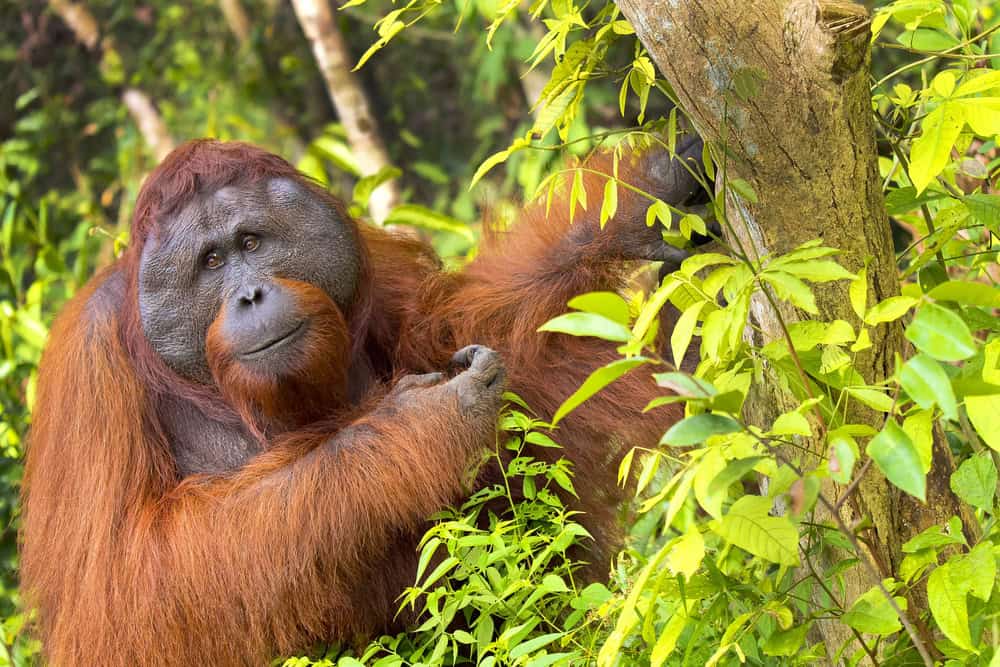
Beyond the obvious loss of habitat, forest fragmentation creates genetic challenges for orangutan populations. When forests are divided by roads, plantations, or settlements, orangutan populations become isolated in small forest patches. This isolation prevents the natural movement and gene flow between subpopulations, leading to inbreeding and reduced genetic diversity over time. Decreased genetic diversity makes populations more vulnerable to disease, less adaptable to environmental changes, and generally less resilient.
The problem is particularly acute for orangutans due to their slow reproductive rate—females typically give birth only once every 6-9 years and remain with their offspring for up to eight years. This slow life history means orangutan populations cannot quickly rebound from losses or adapt rapidly to habitat changes. Conservation genetics research indicates that maintaining large, connected forest areas is essential for preserving genetic diversity in orangutan populations. Without forest connectivity, even protected orangutan populations may face extinction through genetic deterioration over several generations.
Climate Change, Forests, and Orangutan Survival
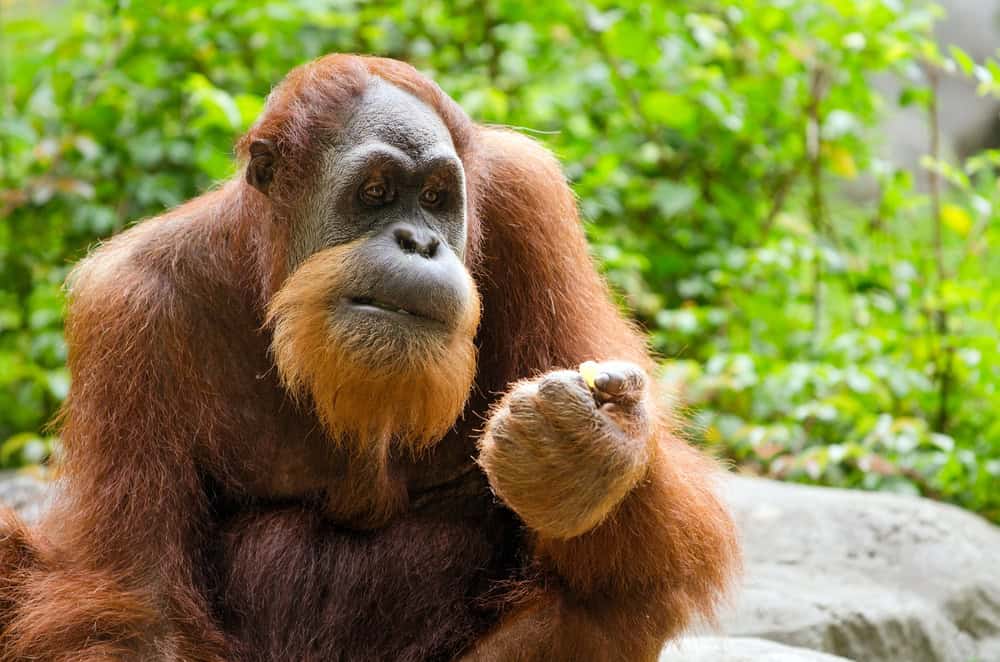
Climate change presents an additional threat to orangutans by altering their forest habitats in complex ways. Rising temperatures and changing rainfall patterns affect fruiting cycles in tropical forests, potentially disrupting food availability for fruit-dependent orangutans. Extended droughts increase forest fire risk—a growing problem in both Borneo and Sumatra that has destroyed millions of hectares of orangutan habitat in recent decades. The catastrophic fires of 2015 alone burned approximately 2.6 million hectares in Indonesia, killing numerous orangutans and destroying critical habitat.
Conversely, intact forests play a vital role in climate regulation, with Indonesia’s peatland forests storing enormous amounts of carbon. When these forests burn or are cleared, they release greenhouse gases, accelerating climate change in a destructive feedback loop. Preserving forests therefore not only protects orangutan habitat directly but also mitigates climate impacts that would further threaten their survival. Conservation strategies must now account for climate resilience, protecting not just any forests, but those most likely to withstand changing climate conditions.
Sustainable Forest Management and Orangutan Conservation
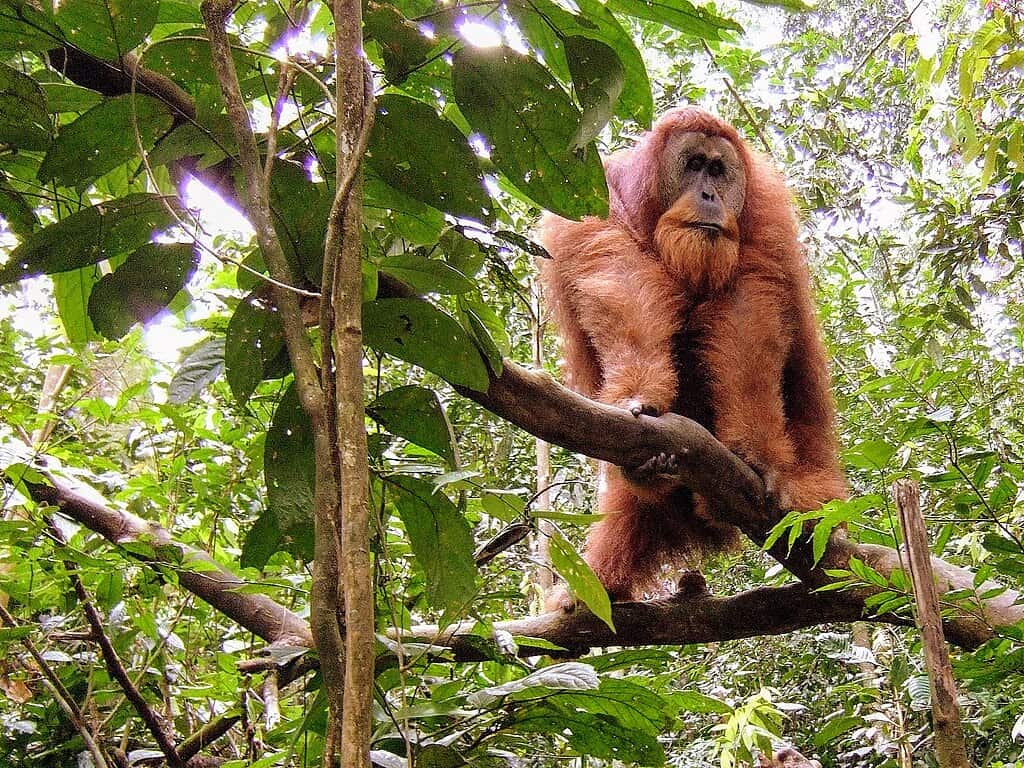
Sustainable forest management offers one approach to balancing human needs with orangutan conservation. Research indicates that selectively logged forests, when properly managed, can still support orangutan populations, albeit at lower densities than primary forests. Studies in Borneo have found that orangutan densities in well-managed logging concessions may reach 60-70% of those in unlogged forests. Reduced-impact logging techniques that minimize damage to the forest structure and retain fruit trees important to orangutans can maintain habitat functionality.
Forest Stewardship Council (FSC) certification and other sustainable forestry standards increasingly incorporate wildlife conservation requirements, including specific provisions for protecting high conservation value forests and endangered species. Several successful partnerships between conservation organizations and timber companies have demonstrated that commercial forestry and orangutan conservation can coexist when proper practices are employed. These approaches recognize that total protection of all forests is unlikely in countries with significant economic pressures, offering a pragmatic middle ground that can maintain larger areas under forest cover than strict protection alone might achieve.
Protected Areas: The Cornerstone of Orangutan Conservation

Protected areas remain essential for orangutan conservation despite challenges in implementation and enforcement. Currently, approximately 25% of Bornean orangutans and 78% of Sumatran orangutans live within designated protected areas, highlighting both the importance of these areas and the significant populations that remain vulnerable outside them. Major protected areas like Gunung Leuser National Park in Sumatra and Tanjung Puting National Park in Borneo represent critical strongholds for orangutan conservation. However, even these designated areas face encroachment, illegal logging, and poaching.
Studies indicate that protected areas with active management, regular patrols, and community engagement are significantly more effective at preventing deforestation and protecting wildlife. Conservation success depends not merely on the legal designation of protected areas but on effective implementation, sufficient funding, and political will to enforce protections. Expanding the protected area network, particularly to include orangutan habitat in lowland forests and peatlands, represents a conservation priority, as does strengthening management of existing protected areas.
Community-Based Conservation and Forest Protection
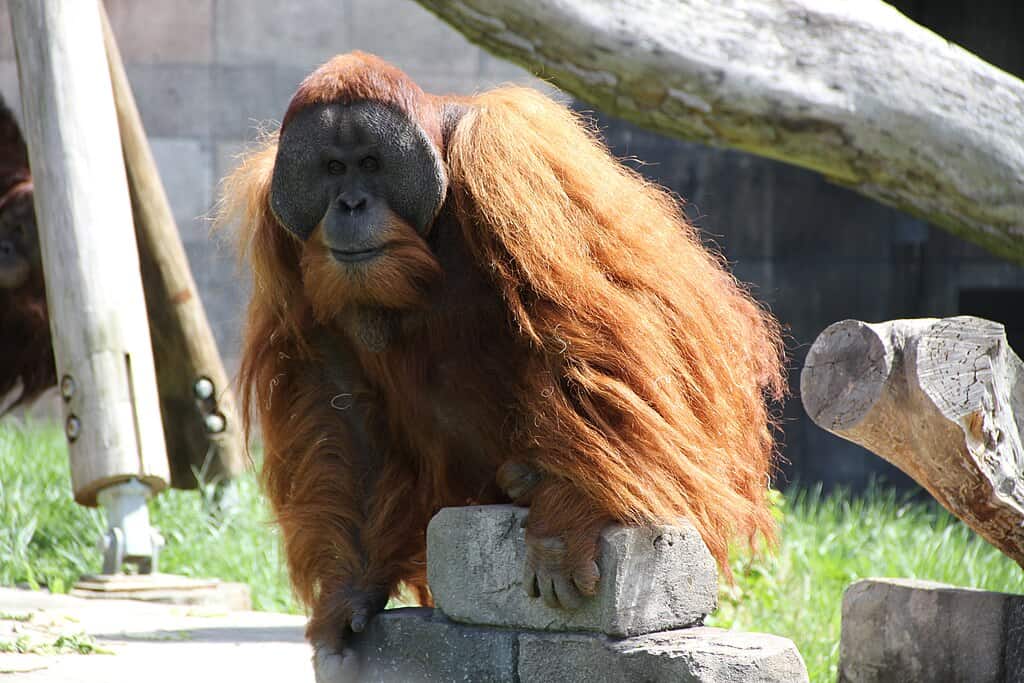
Local communities play a pivotal role in successful forest protection and orangutan conservation. Indigenous and local communities have often lived alongside orangutans for generations and possess valuable traditional knowledge about forest ecosystems. When empowered as conservation partners rather than excluded from forests, these communities can become powerful allies in protection efforts. Successful community-based conservation initiatives include patrol teams comprised of local residents, alternative livelihood programs that reduce dependence on forest exploitation, and community-managed forests.
In Indonesia, the community forestry scheme (Hutan Desa) has shown promise, with some villages successfully protecting forests from conversion while sustainably harvesting non-timber forest products. Payment for ecosystem services programs, including REDD+ (Reducing Emissions from Deforestation and Forest Degradation), offer mechanisms to compensate communities for forest protection. These approaches recognize that forest conservation must benefit local people to be sustainable. When communities see economic value in intact forests and orangutan conservation, they become motivated guardians rather than potential threats.
Rehabilitation and Reintroduction: Forest Dependence

Orangutan rehabilitation centers play an important role in conservation, caring for orangutans orphaned by deforestation and illegal pet trade. These centers aim to return rehabilitated orangutans to the wild, but this process underscores the absolute necessity of protected forests. Reintroduction programs face a perpetual challenge: finding suitable, secure forest areas for released orangutans. Without protected forests, rehabilitation becomes a futile cycle, with no safe destination for recovered animals.
Major rehabilitation centers in Indonesia and Malaysia have successfully released hundreds of orangutans, but these programs require extensive protected forest areas with adequate food resources and minimal human disturbance. The reintroduction process is lengthy and expensive, typically requiring several years of training to help captive orangutans develop forest survival skills. Success rates vary, but studies indicate that between 50-80% of properly rehabilitated orangutans can adapt to wild living when released in suitable habitat. However, rehabilitation and reintroduction cannot compensate for continued habitat loss—they represent a response to conservation failure rather than a solution. As one rehabilitation expert noted, “We’re trying to empty a sinking boat with a teaspoon while the hole gets bigger.”
The Economic Value of Forests Beyond Timber

Protecting forests for orangutans makes economic sense when the full value of intact forest ecosystems is considered. Traditional economic calculations have prioritized timber extraction and land conversion values while ignoring the ecosystem services that intact forests provide. These services include watershed protection, carbon sequestration, erosion prevention, and maintenance of fisheries through protection of river systems. Economic valuations suggest these services can be worth thousands of dollars per hectare annually.
Ecotourism centered on orangutans generates significant revenue in both Borneo and Sumatra, creating jobs and alternative livelihoods for local communities. Sites like Tanjung Puting in Borneo attract thousands of visitors annually, generating millions in tourism revenue. The potential pharmaceutical value of rainforest plants, many not yet studied, represents another economic argument for forest preservation. When these values are properly accounted for, the economic case for forest protection becomes much stronger. Progressive policies in Indonesia and Malaysia are beginning to recognize these values, though implementation remains challenging amid competing economic interests.
International Cooperation and Market Pressures

Orangutan conservation through forest protection has increasingly become an international effort. Consumer pressure in North America, Europe, and Australia has pushed major companies to adopt zero-deforestation commitments for palm oil and paper products sourced from orangutan habitat. The Roundtable on Sustainable Palm Oil (RSPO) certification system, despite imperfections, has created market incentives for more responsible production practices. International funding mechanisms like the Global Environment Facility and bilateral forest protection agreements provide financial support for forest conservation initiatives.
Norway’s $1 billion commitment to Indonesia for reducing deforestation under a REDD+ framework represents one prominent example of international cooperation. Major conservation organizations work across borders to coordinate protection efforts, share technical expertise, and advocate for policy improvements. Public awareness campaigns have successfully linked consumer choices in distant countries to orangutan habitat protection, creating market pressure for sustainable practices. These international dimensions recognize that while orangutans live only in Indonesia and Malaysia, responsibility for their protection extends globally, particularly to countries that import products linked to deforestation.
Conclusion: No Forests, No Orangutans

The message that emerges from decades of orangutan research and conservation work is unequivocal: the future of orangutans depends entirely on our ability to protect and restore their forest homes. Without comprehensive forest protection—encompassing strict preservation areas, sustainably managed forests, and community conservation zones—orangutans face certain extinction in the wild despite all other conservation measures. This dependency highlights the broader truth that species conservation cannot be separated from habitat conservation; we cannot save species while destroying the ecosystems they require.
The orangutan’s plight serves as both warning and opportunity—a red alert about the consequences of continued deforestation and a chance to demonstrate that humans can choose a different path. As we work to protect forests for orangutans, we simultaneously address climate change, preserve biodiversity, and maintain ecosystem services that benefit local communities and the global population alike. The orangutan’s future will be determined by the choices we make today about the forests they call home.

From exploring the marine wonders in the Azores and witnessing the vast savannas of Kenya, to delving deep into the rich biodiversity of South Africa and traversing iconic landscapes in Australia and the US like Yellowstone, Chris's experiences are vast.
With a penchant for diving alongside sharks, the ocean holds a special place in his heart.
Through his academic insights, he champions wildlife conservation, striving with 'Animals Around The Globe' to cultivate a profound connection between humans and animals, enhancing our mutual appreciation.
Connect with him at Feedback@animalsaroundtheglobe.com.
- The Largest Clam Ever Dredged Up From U.S. Waters - July 22, 2026
- How Animated Films Shape What Kids Believe About Animals - July 22, 2026
- The Most Iconic Animals Saved from Extinction in the U.S. - July 22, 2026