


There’s something primeval and stirring about hearing a wolf’s howl echo through a forest. That haunting sound—sometimes solitary, sometimes a chorus—connects us to the wild in a way few other experiences can. While wolves once roamed throughout North America, today their populations are concentrated in specific regions, primarily in the northern and western United States. For wildlife enthusiasts and outdoor adventurers seeking this magical experience, certain U.S. national forests offer the best opportunities to hear wolves communicate with their distinctive howls. This article explores 15 forests where you might be fortunate enough to witness this unforgettable natural phenomenon.
Superior National Forest, Minnesota
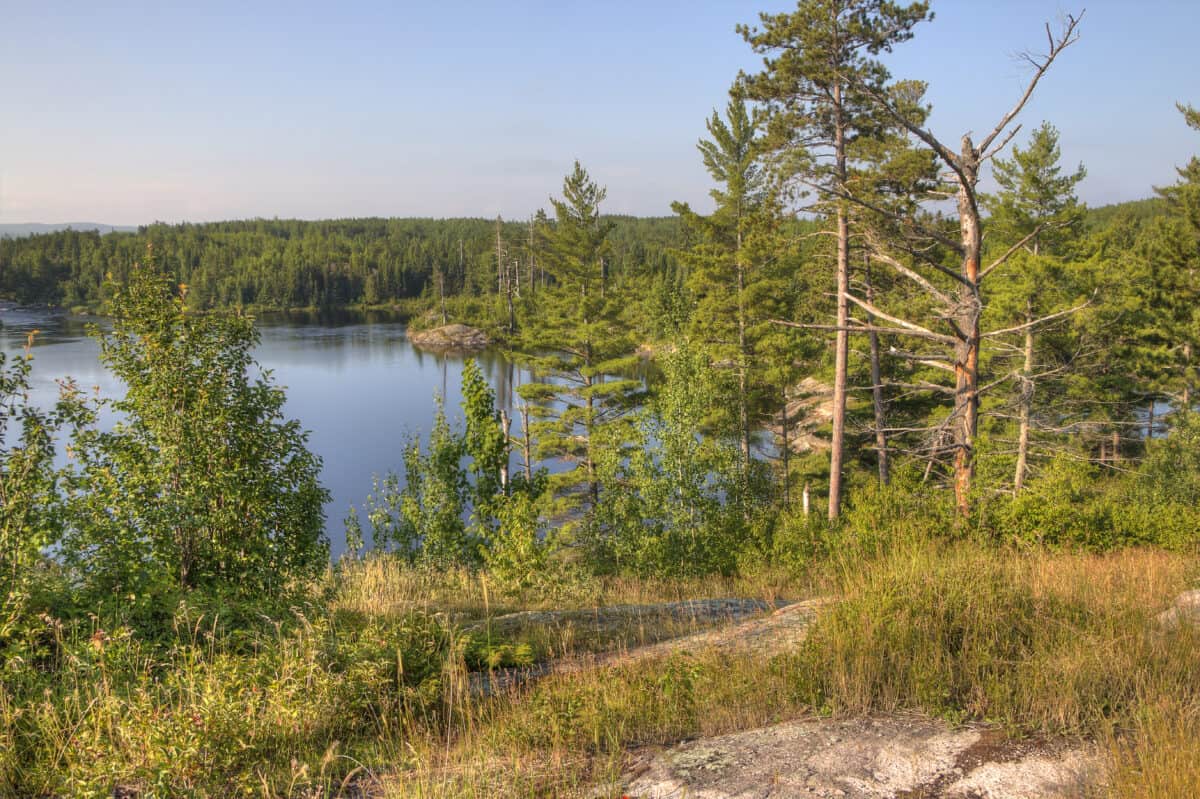
Superior National Forest in northeastern Minnesota is home to the highest concentration of wolves in the contiguous United States. Encompassing over 3 million acres of pristine wilderness, including the famous Boundary Waters Canoe Area, this forest supports approximately 300-400 wolves within its boundaries. The forest’s remote character, with its mix of dense boreal forests, countless lakes, and minimal human development, provides ideal wolf habitat. Evening camping trips near lakes such as Snowbank, Basswood, or Saganaga offer prime opportunities to hear wolves howling across the water, especially during late summer and early fall when pups are learning to howl and packs are more vocal. The Echo Trail area is particularly noted for wolf activity, with howling most common at dawn and dusk.
Chippewa National Forest, Minnesota
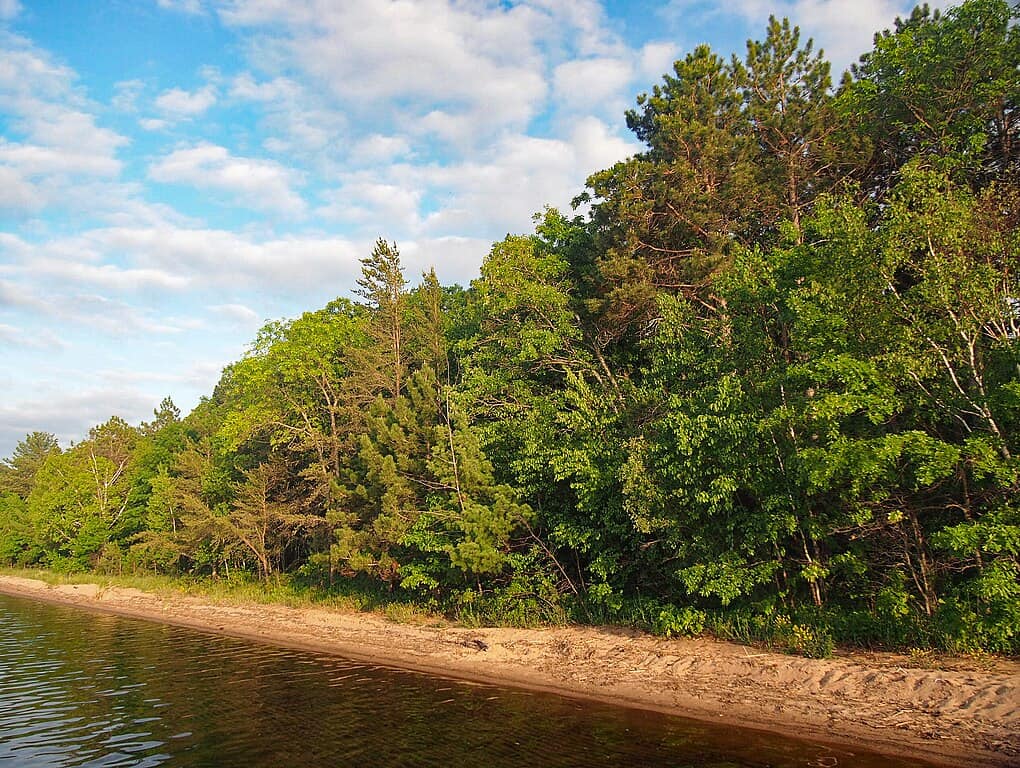
Situated in north-central Minnesota, Chippewa National Forest represents another stronghold for Minnesota’s wolf population, which totals around 2,700 animals statewide. This million-acre forest features diverse habitats including mixed hardwood forests, pine stands, wetlands, and over 1,300 lakes that support abundant prey species like white-tailed deer, beaver, and small mammals. Wolf packs in Chippewa tend to be concentrated in the more remote northern sections near the Lost Lake area and around larger water bodies like Lake Winnibigoshish. Winter is often the best time to hear wolves here, as their howls carry farther through the still, cold air, and tracks in snow make wolf presence easier to detect. The forest’s trail systems, including the North Country National Scenic Trail, can guide visitors to areas frequented by wolves, though sightings remain rare compared to hearing their distinctive calls.
Ottawa National Forest, Michigan
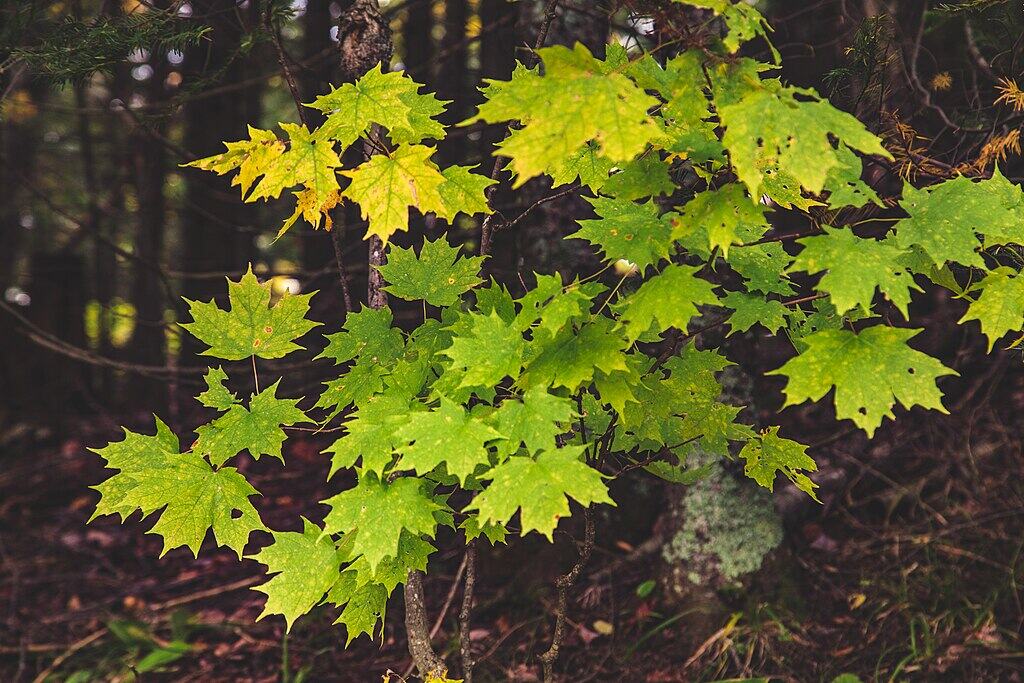
Michigan’s Upper Peninsula hosts a robust wolf population, with Ottawa National Forest serving as crucial habitat. This 990,000-acre forest spans diverse ecosystems including northern hardwoods, conifer stands, and wetlands that support approximately 40-50 wolves across several established packs. The western portion of the forest near the Porcupine Mountains and areas surrounding the Sylvania Wilderness Complex offer particularly good opportunities for wolf encounters. Camping at remote sites along the Ontonagon River or near Lake Gogebic can reward patient visitors with the sound of wolf howls, especially on clear, quiet nights. Researchers monitoring the region’s wolf packs note increased vocal activity during winter months when territorial behaviors intensify. Ottawa’s wolves remain somewhat elusive but have successfully reestablished themselves after being extirpated from Michigan in the mid-20th century, representing an important conservation success story in the Great Lakes region.
Hiawatha National Forest, Michigan
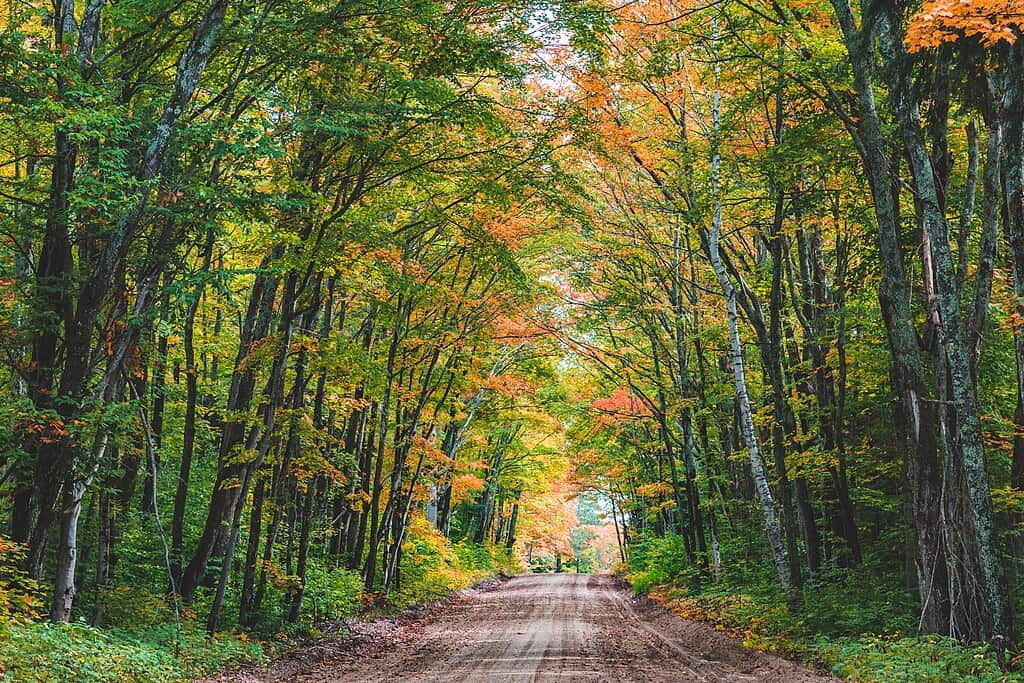
Covering nearly a million acres across two distinct units in Michigan’s Upper Peninsula, Hiawatha National Forest hosts several established wolf packs. The forest’s western unit near Munising and its eastern unit near Sault Ste. Marie both support wolves, with approximately 20-30 individuals using the forest as part of their territory. Hiawatha’s diverse landscape, featuring expansive hardwood forests, pine plantations, coastal dunes, and wetlands bordering three Great Lakes, provides ideal wolf habitat with minimal human disturbance. The remote Kingston Plains area and sections near Grand Marais offer particularly good listening opportunities. Winter tracking programs occasionally led by forest service naturalists provide insights into wolf presence, while backpackers along the Bruno’s Run Trail or North Country Trail sometimes report hearing howls during extended backcountry trips. Conservation efforts have helped Michigan’s wolf population grow from just six animals in the early 1990s to approximately 700 today, with Hiawatha playing a crucial role in this recovery.
Chequamegon-Nicolet National Forest, Wisconsin

Wisconsin’s largest national forest, the 1.5-million-acre Chequamegon-Nicolet, supports approximately 25-30 wolf packs as part of the state’s population of 900+ wolves. This expansive forest, comprising two formerly separate national forests, features northern hardwood and conifer forests interspersed with bogs, lakes, and streams that provide excellent wolf habitat. The more remote northern sections near the Porcupine Lake Wilderness and areas surrounding the Rainbow Lake Wilderness Complex are known hotspots for wolf activity. Winter visitors skiing or snowshoeing along the forest’s extensive trail system occasionally report wolf encounters, while summer campers in isolated areas like the Headwaters Wilderness sometimes hear nocturnal howling. The forest’s size and minimal road access in certain sections create secure denning areas for wolves, contributing to Wisconsin’s successful wolf recovery program. Regular wolf howl surveys conducted by wildlife biologists throughout the forest help monitor population trends and pack dynamics.
Boise National Forest, Idaho

Idaho hosts one of the largest wolf populations in the lower 48 states, with Boise National Forest serving as important habitat for numerous packs. This 2.6-million-acre forest stretches across west-central Idaho’s rugged mountainous terrain, featuring diverse ecosystems from sagebrush steppe to subalpine forests that support an estimated 60-80 wolves. The remote Frank Church-River of No Return Wilderness, which partially overlaps with the forest, offers some of the most pristine wolf habitat in the continental United States. Areas around Bull Trout Lake, Deadwood Reservoir, and the South Fork Payette River drainage are known for wolf activity. Winter visitors occasionally observe wolves or their tracks crossing meadows or frozen lakes, while backpackers in the forest’s wilderness areas sometimes report hearing howls echoing through mountain valleys. Idaho’s wolves remain controversial among some stakeholder groups, but their presence has restored a key ecological component to forests like Boise National Forest.
Nez Perce-Clearwater National Forests, Idaho
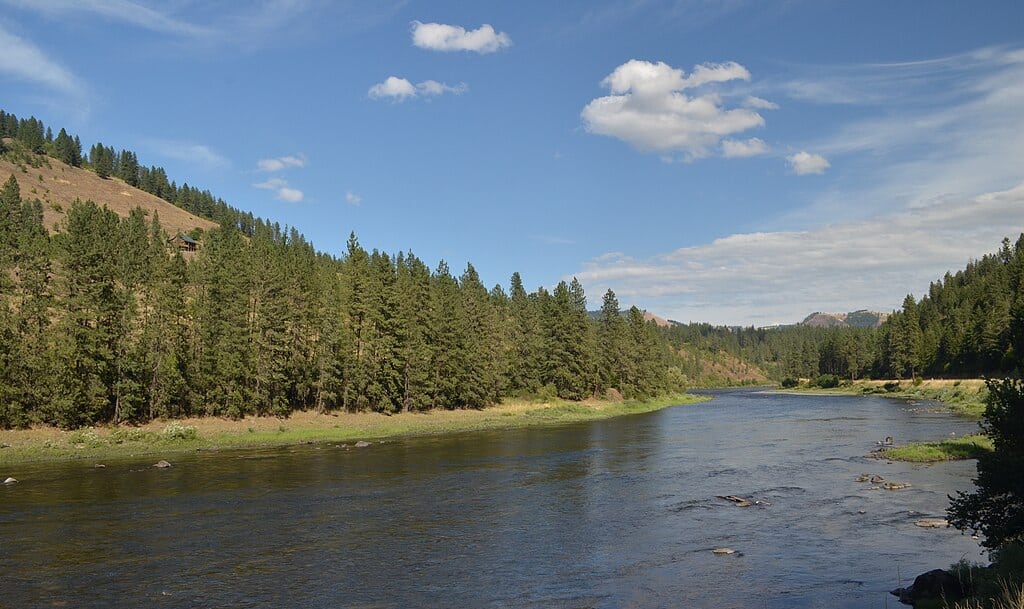
The combined Nez Perce-Clearwater National Forests encompass over 4 million acres of diverse terrain in north-central Idaho, supporting one of the densest wolf populations outside Alaska. This vast wilderness complex, including portions of the Selway-Bitterroot and Gospel Hump Wilderness areas, features rugged mountains, deep canyons, and pristine rivers that provide ideal conditions for wolves, with an estimated 15-20 packs utilizing the area. The remote character of much of this forest, with minimal road access and development, creates secure denning habitat and abundant prey resources including elk, deer, and moose. The Kelly Creek area, Lochsa River corridor, and regions surrounding the Mallard-Larkins Pioneer Area are particularly noted for wolf activity. Backcountry hikers along the Idaho Centennial Trail or Selway River Trail occasionally report nighttime howling, especially during summer and early fall when packs are more vocal. The forest’s extensive roadless areas have allowed wolves to reestablish naturally with minimal human conflicts, making this region crucial for long-term wolf conservation.
Bridger-Teton National Forest, Wyoming
Adjacent to both Grand Teton and Yellowstone National Parks, the 3.4-million-acre Bridger-Teton National Forest serves as important connected habitat for the Greater Yellowstone Ecosystem’s wolf population. This forest hosts approximately 8-10 wolf packs, benefiting from the successful wolf reintroduction program initiated in Yellowstone during the mid-1990s. Bridger-Teton’s diverse landscape ranges from sagebrush flats to alpine peaks, supporting abundant elk, moose, and deer that provide prey for resident wolves. The Gros Ventre Wilderness, Teton Wilderness, and areas surrounding the Greys River are particularly good locations for potential wolf encounters. Winter visitors occasionally spot wolves or their tracks in snowy meadows, while summer backpackers in remote areas like the Upper Hoback River drainage or Buffalo Fork sometimes report hearing howls at dawn or dusk. Wolf researchers monitor several packs that move seasonally between the national parks and forest lands, following elk migrations, with howling activity often increasing during breeding season in February and during early fall when packs reconsolidate after summer dispersal.
Shoshone National Forest, Wyoming
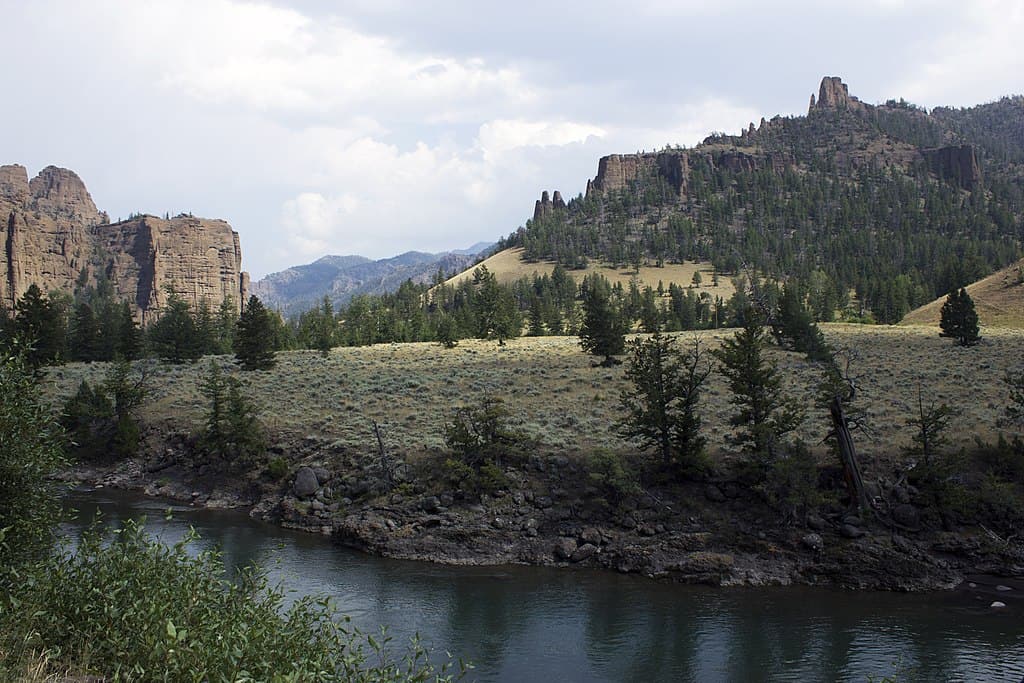
As America’s first nationally designated forest and the eastern gateway to Yellowstone, Shoshone National Forest plays a vital role in supporting Wyoming’s wolf population. This 2.4-million-acre forest features dramatic wilderness landscapes including the Absaroka and Wind River mountain ranges, supporting approximately 5-8 wolf packs that utilize the forest’s remote valleys and high plateaus. The expansive Washakie Wilderness and North Absaroka Wilderness areas provide particularly secure habitat with minimal human disturbance. Areas around the Greybull River, Sunlight Basin, and Dunoir Valley are known for wolf activity, with howling most commonly reported during winter months when packs are more cohesive and vocal. Backpackers traversing the Continental Divide Trail sometimes encounter wolf sign or hear distant howls, especially near treeline environments where sound carries extensively. Shoshone’s wolves benefit from seasonal elk migrations moving between summer and winter ranges, and the forest’s character as a relatively intact ecosystem allows wolves to fulfill their natural ecological role as apex predators, influencing everything from ungulate behavior to riparian habitat quality.
Gallatin National Forest, Montana
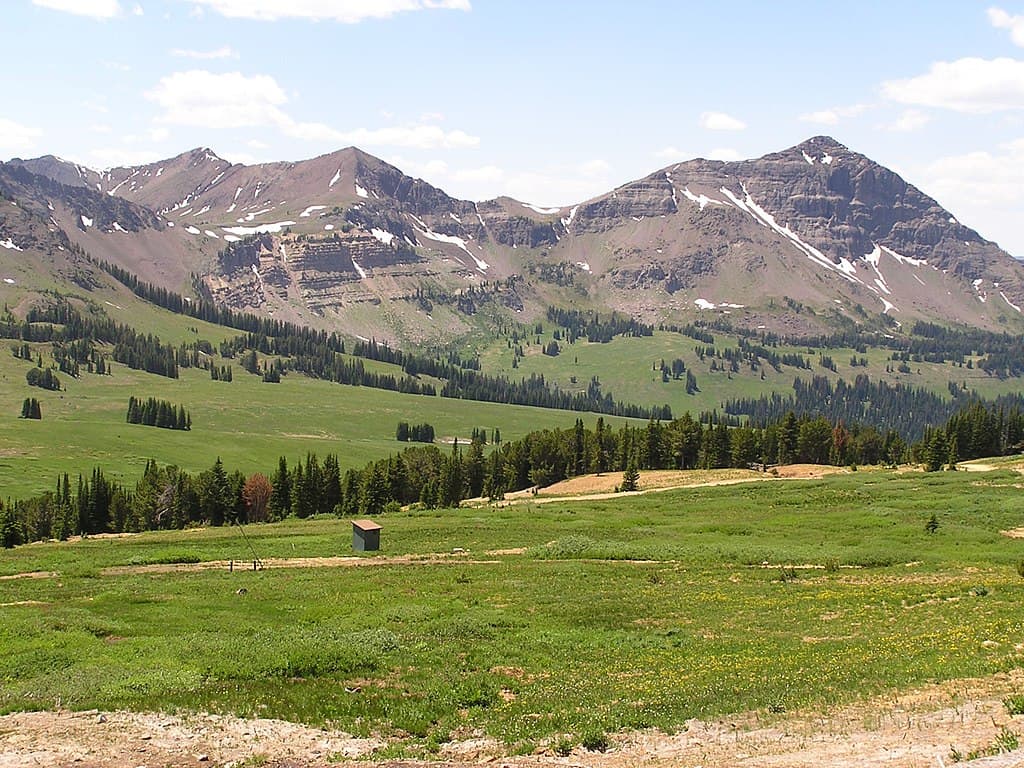
Now part of the consolidated Custer Gallatin National Forest, the Gallatin portion contains prime wolf territory adjacent to Yellowstone National Park’s northern boundary. This 1.8-million-acre section of forest hosts several established wolf packs as part of Montana’s population of approximately 1,100 wolves. The forest’s remote character, featuring the rugged Absaroka-Beartooth Wilderness and Gallatin Range, provides secure denning sites and abundant prey including elk, deer, and bison that seasonally migrate from Yellowstone. Areas surrounding Hebgen Lake, the Taylor Fork drainage, and the Hyalite Canyon backcountry are particularly noted for wolf activity. Winter visitors to the forest sometimes observe wolves hunting in open meadows or crossing frozen lakes, while summer backpackers along trails like the Beaten Path occasionally report hearing distant howls echoing through mountain valleys. Wolf researchers have documented complex pack dynamics as wolves move between national park and national forest lands, following prey migrations and establishing new territories. Conservation organizations sometimes offer guided wolf-watching excursions in the forest’s northern sections bordering Yellowstone.
Lewis and Clark National Forest, Montana
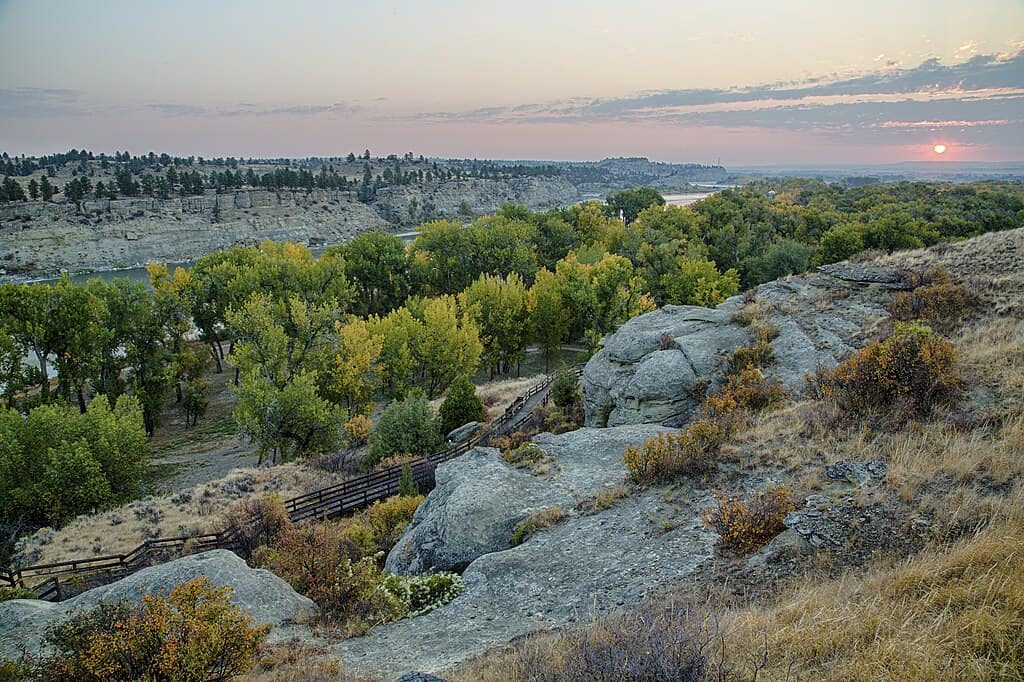
The sprawling Lewis and Clark National Forest encompasses over 1.8 million acres across central Montana, including the isolated Rocky Mountain Front and Little Belt Mountains ranges that provide excellent wolf habitat. Approximately 6-8 wolf packs utilize portions of this diverse forest, which features extensive wilderness areas including the Bob Marshall Wilderness Complex—one of the largest roadless areas in the continental United States. The remote character of much of this forest, particularly in the Great Bear and Scapegoat Wilderness sections, creates ideal conditions for wolves with minimal human disturbance. Areas surrounding the Sun River drainage, Badger-Two Medicine region, and upper Teton River valley are known wolf territories, with howling most frequently reported during winter months when packs communicate across snow-covered landscapes. Backcountry visitors traversing the Continental Divide National Scenic Trail or exploring the Chinese Wall occasionally report wolf encounters, though direct sightings remain relatively rare compared to hearing howls. The forest’s robust populations of elk, mule deer, and white-tailed deer provide sustainable prey sources for resident wolves.
Flathead National Forest, Montana
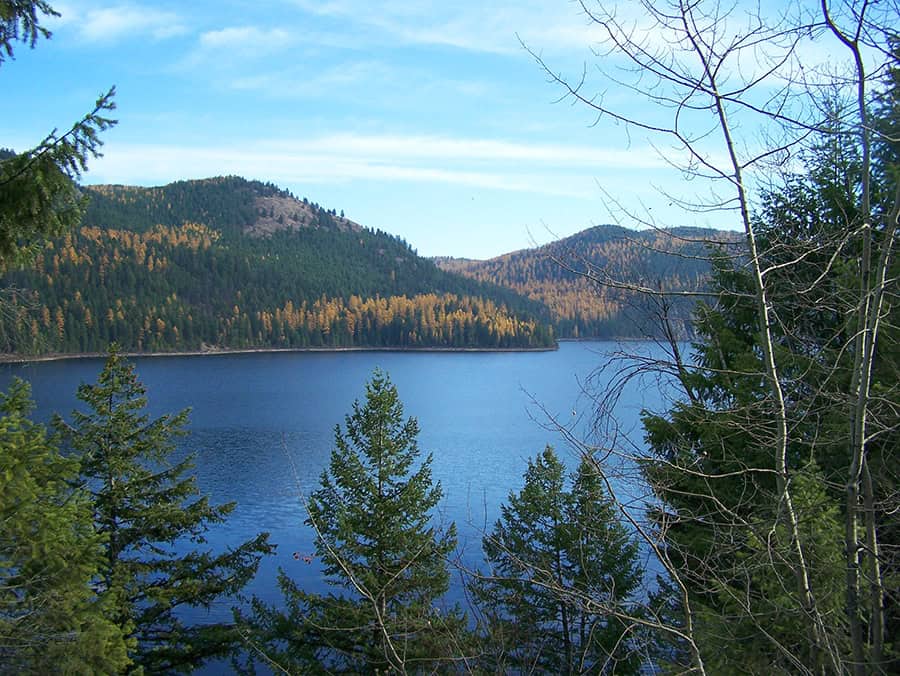
Adjacent to Glacier National Park in northwestern Montana, the 2.4-million-acre Flathead National Forest supports a thriving wolf population as part of the larger Northern Continental Divide Ecosystem. Approximately 8-12 wolf packs utilize this diverse forest, which features expansive wilderness areas including portions of the Bob Marshall, Great Bear, and Mission Mountains Wilderness complexes. The forest’s remote character, with limited road access and extensive pristine habitat, provides ideal conditions for wolves, with abundant prey including elk, deer, and moose. Areas surrounding the South Fork Flathead River, Spotted Bear River drainage, and the Middle Fork Flathead River valley are particularly noted for wolf activity. Winter tracking programs occasionally offered by conservation organizations provide opportunities to learn about wolf ecology while searching for signs of their presence. Summer backpackers in the forest’s wilderness areas sometimes report hearing howls echoing across mountain valleys, especially during clear nights near larger lake basins. Flathead’s wolves represent a naturally recovering population that expanded from Canadian populations beginning in the 1980s, highlighting the importance of connected habitat across international boundaries.
Gila National Forest, New Mexico
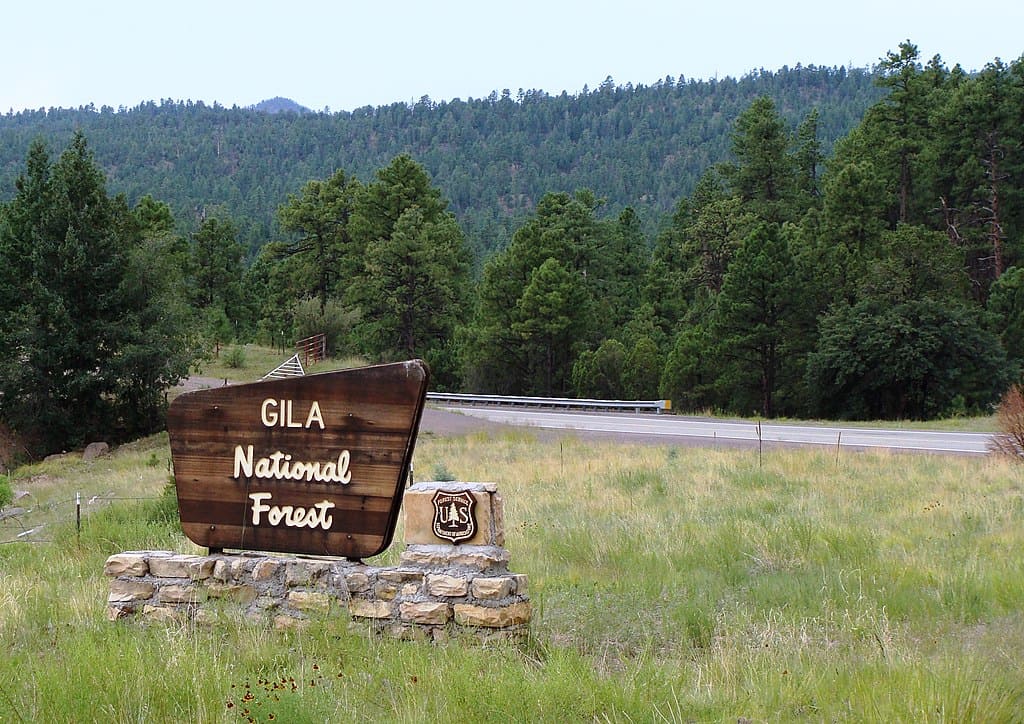
The 3.3-million-acre Gila National Forest in southwestern New Mexico represents a unique opportunity to hear Mexican gray wolves (Canis lupus baileyi), the rarest and most genetically distinct gray wolf subspecies in North America. Following an extensive reintroduction program beginning in 1998, approximately 20 wolf packs now inhabit the Greater Gila Ecosystem, including the forest’s extensive wilderness areas. The Gila Wilderness—America’s first designated wilderness—and the adjacent Aldo Leopold Wilderness provide core habitat for this endangered subspecies, with minimal roads and human development. Areas surrounding the Gila River headwaters, Mogollon Mountains, and Black Range offer the best opportunities for potential wolf encounters. Backpackers along the Continental Divide Trail or Middle Fork Trail occasionally report hearing the distinctive howls of Mexican wolves, which tend to have slightly higher-pitched vocalizations than their northern counterparts. Conservation organizations sometimes conduct wolf education programs in the forest, including opportunities to participate in population monitoring efforts. With fewer than 200 Mexican wolves currently in the wild, hearing a howl in the Gila represents a truly rare wilderness experience.
Mt. Hood National Forest, Oregon

As wolves continue to expand their range in Oregon, Mt. Hood National Forest has become home to occasional dispersing wolves and at least one established pack. This 1.1-million-acre forest east of Portland features diverse habitats ranging from temperate rainforest to subalpine meadows, with the remote eastern sections providing the most suitable wolf habitat. The White River Wildlife Management Unit and areas surrounding the Badger Creek Wilderness have documented wolf activity in recent years. While Oregon’s wolf population remains relatively small at approximately 175 animals, their range continues to expand naturally from northeastern Oregon. Backpackers along the Timberline Trail or in the forest’s eastern wilderness areas occasionally report possible wolf signs or vocalizations, though confirmed sightings remain rare. Wildlife officials monitor wolf expansion through track surveys, remote cameras, and reported observations, with howling surveys conducted periodically to assess population status. Mt. Hood represents an interesting example of wolves naturally recolonizing historic habitat, moving gradually westward from Idaho’s established populations and adapting to landscapes with higher human use than many other wolf-inhabited forests.
Willamette National Forest, Oregon

Oregon’s 1.7-million-acre Willamette National Forest has recently documented the presence of dispersing wolves and potentially one established pack, representing the westward expansion of wolves into Oregon’s Cascade Range. This diverse forest, featuring extensive wilderness areas including the Mount Jefferson, Mount Washington, and Three Sisters Wilderness complexes, provides suitable habitat with abundant deer and elk populations. The more remote eastern sections of the forest, particularly areas surrounding the Waldo Lake Wilderness and Diamond Peak Wilderness, have recorded occasional wolf presence through track evidence and remote camera documentation. While wolf encounters remain exceptionally rare, backpackers along the Pacific Crest Trail or in the forest’s extensive wilderness areas occasionally report possible howls during extended trips. Oregon’s wolf management plan has facilitated natural expansion from northeastern Oregon’s established populations, with wolves gradually reoccupying suitable habitat throughout the state’s eastern and central regions. Willamette represents a frontier in wolf recovery, where animals are just beginning to establish territories in habitat that historically supported wolves before their extirpation in the mid-20th century.
Conclusion: Embracing the Return of a Native Sound
The haunting howl of a wolf echoing through a forest is one of the most powerful reminders of wild America—a sound that speaks to both the resilience of nature and the success of conservation efforts. From the dense boreal woods of Minnesota to the rugged highlands of the Pacific Northwest, these 15 U.S. forests are more than just beautiful landscapes—they are vital sanctuaries for one of the country’s most iconic and misunderstood predators. Each of these forests offers a unique window into the world of wolves, where careful management, reintroduction programs, and protected habitats have allowed these elusive animals to survive—and in some cases, thrive—despite centuries of persecution. Hearing a wolf howl in the wild isn’t just a rare auditory experience; it’s a symbol of ecological balance, predator-prey relationships, and the wild heritage Americans continue to fight for. As we look to the future, the presence of wolves in these forests challenges us to reconcile human interests with the needs of wildlife. Their continued survival depends on informed policies, community engagement, and a shared commitment to coexistence. So whether you’re a wildlife enthusiast, a hiker hoping to catch a distant call at dusk, or simply someone drawn to the mystique of the wolf, these forests invite you to listen closely—and remember that the wild still speaks.

As a little kid, I fell in love with nature, wildlife, and animals. Living in the USA, South Africa, Italy, China and Germany gave me the opportunity to discover the world's Wildlife. My favorite animals are Mountain Gorillas, Siberian Tigers, and Great White Sharks.
I'm a certified PADI Open Water Diver, went to Everest Base Camp and Trekked Gorillas in Uganda. I hold a Master of Science in Economics and Finance.
Please send any feedback to feedback@animalsaroundtheglobe.com
- If The Wolf is Your Spirit Animal, Here’s What It Means - August 2, 2026
- 14 Native U.S. Animals Making a Major Comeback - August 2, 2026
- 14 Prehistoric Beasts That Once Roamed the U.S. - August 2, 2026