
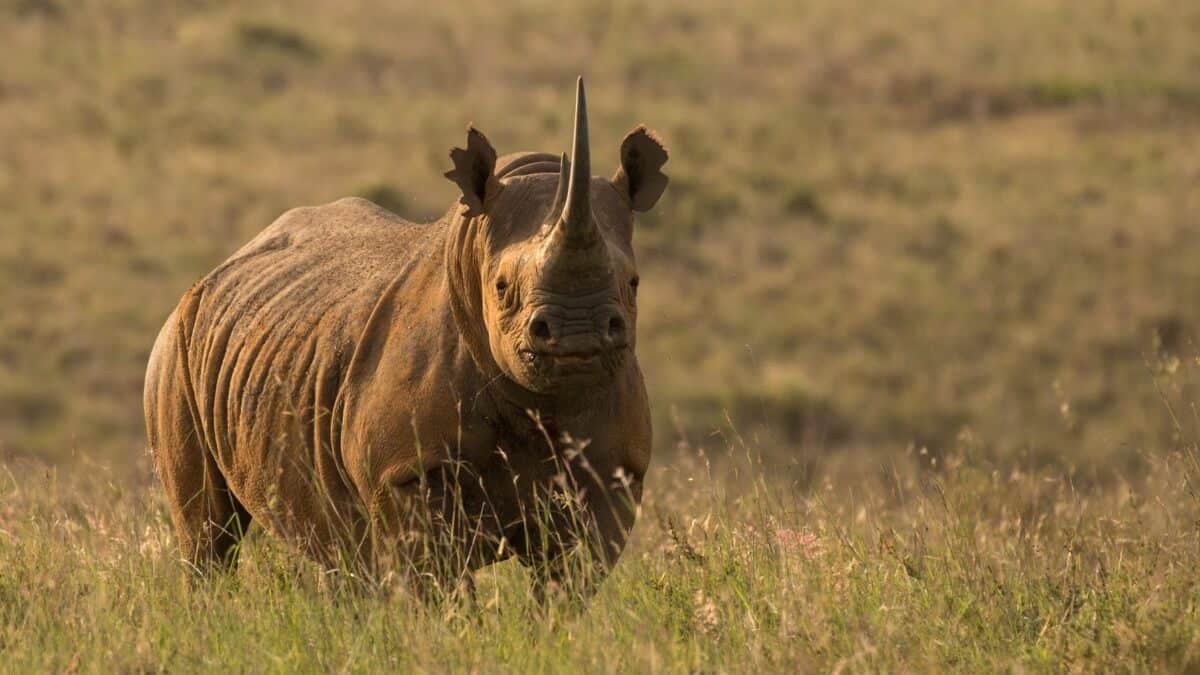
The thundering sound of a 4,000-pound rhinoceros charging at speeds up to 35 miles per hour is one of nature’s most intimidating displays. These magnificent yet often misunderstood creatures have earned a reputation for being aggressive, but their charging behavior is far more complex than mere aggression. Understanding why rhinos charge requires delving into their biology, psychology, and the environmental pressures they face. From poor eyesight to maternal instincts, territorial disputes to fear responses, the reasons behind a rhino’s charge are diverse and fascinating. This article explores the various triggers that prompt these powerful animals to charge and how humans can safely interact with them in both wild and captive settings.
The Biology Behind Rhino Charges

Rhinoceros charging behavior is deeply rooted in their biological makeup. All five rhino species (White, Black, Indian, Javan, and Sumatran) possess massive bodies with relatively small brains compared to their size. Their nervous systems are wired for quick, decisive reactions rather than complex reasoning. This means when faced with potential threats, rhinos often default to their most effective defense mechanism: intimidation through charging. Their thick skin, which can be up to 2 inches thick, and impressive horns (reaching up to 59 inches in white rhinos) make them formidable opponents when they do decide to charge. Their muscular bodies can propel them at surprising speeds, with black rhinos capable of reaching 35 mph in short bursts, making their charges particularly dangerous. This biological foundation creates the platform upon which specific charging triggers are built.
Poor Eyesight and the Startle Response

Perhaps the most common trigger for rhino charges is their notoriously poor vision. Rhinos can only see clearly for about 30 feet (9 meters) in front of them. This significant visual limitation means they often can’t properly identify potential threats at a distance. Instead, they rely heavily on their acute sense of hearing and smell to navigate their environment. When a rhino detects an unfamiliar presence but cannot visually confirm what it is, their natural response is often to charge first and ask questions later. This “startle response” is essentially a defensive mechanism—the rhino charges to neutralize a potential threat before it can become an actual danger. Wildlife researchers have documented numerous cases where rhinos charged vehicles, people, or other animals simply because they were startled by their sudden appearance or couldn’t clearly identify them. This biological limitation explains why rhinos sometimes charge seemingly without provocation.
Maternal Protection Instincts

Few forces in nature are as powerful as a mother’s protective instincts, and female rhinos exemplify this principle with impressive dedication. Mother rhinos with calves are among the most likely to charge, perceiving any approach as a potential threat to their vulnerable offspring. Rhino calves stay with their mothers for 2-4 years depending on the species, creating a long period during which females maintain heightened vigilance. During field studies in Kruger National Park, researchers documented that female white rhinos with calves were 67% more likely to display charging behavior when approached than solitary females. This maternal protection instinct is particularly pronounced in white and black rhinos, where calves follow behind their mothers (unlike some other species where calves lead). This positioning allows the mother to immediately place herself between her calf and any perceived threat, often leading to preventative charges that serve as warnings. The charging behavior in these cases typically involves a short, demonstrative rush that stops before making contact—a serious warning that further approach will not be tolerated.
Territorial Disputes and Dominance

Territorial defense represents another significant trigger for rhino charges, particularly among males. Male rhinos establish and vigorously defend territories that can range from 1-14 square miles depending on the species and habitat quality. Black rhinos are especially territorial, with males marking their boundaries using dung piles called middens and engaging in frequent confrontations with rivals. These territorial disputes often begin with posturing—the rhinos face each other, swing their heads, and vocalize with snorts and grunts. If neither backs down, charging becomes the next escalation step. Male Indian rhinos may engage in particularly violent confrontations, using their single horns and the sharp lower tusks to inflict serious wounds on rivals. Studies in Nepal’s Chitwan National Park revealed that 80% of adult male Indian rhinos bear scars from such territorial battles. Even female rhinos maintain territories, though typically smaller than males, and will charge to defend these areas from intruders, particularly other females who might compete for resources.
The Fear Response in Rhinos

Contrary to their intimidating appearance, rhinos can be surprisingly skittish animals, and fear serves as a powerful trigger for charging behavior. When cornered, startled, or feeling threatened, a rhino’s fight-or-flight response often leans toward “fight” due to their size and natural weaponry. This fear-based charging typically involves a full-speed, committed attack rather than the warning charges seen in territorial disputes. Conservation biologists working with black rhinos have observed that individuals who have survived poaching attempts or other traumatic human encounters develop heightened fear responses and are more likely to charge when they detect human presence. Rhinos have excellent memories, and past negative experiences significantly influence their behavior. Similarly, in habitats where they coexist with natural predators like lions (who occasionally target rhino calves), rhinos may develop a generalized fear response that triggers charging when they detect any large predator. Understanding that many rhino charges stem from fear rather than aggression helps explain their seemingly unpredictable nature—they’re responding to perceived threats based on past experiences and instinctual fear.
Seasonal Influences on Charging Behavior

Rhino charging behavior shows distinct seasonal patterns tied to breeding cycles and environmental conditions. During mating seasons, male rhinos experience significant hormonal changes that increase aggression and the likelihood of charging. For white rhinos, this peak occurs during the rainy season when resources are abundant. Field studies in South Africa have shown that charging incidents involving male white rhinos increase by up to 40% during these periods. Environmental stressors also play a crucial role—during droughts or periods of resource scarcity, rhinos become more protective of vital water sources and feeding grounds. In Zimbabwe’s Mana Pools National Park, researchers documented a 35% increase in rhino charging incidents during the dry season when water resources were limited. These seasonal influences create temporal patterns in charging behavior that wildlife managers and conservationists must consider when planning activities in rhino habitats. Additionally, climate change appears to be disrupting traditional seasonal patterns, potentially leading to less predictable charging behavior as rhinos adapt to shifting environmental conditions.
Differences Between Rhino Species
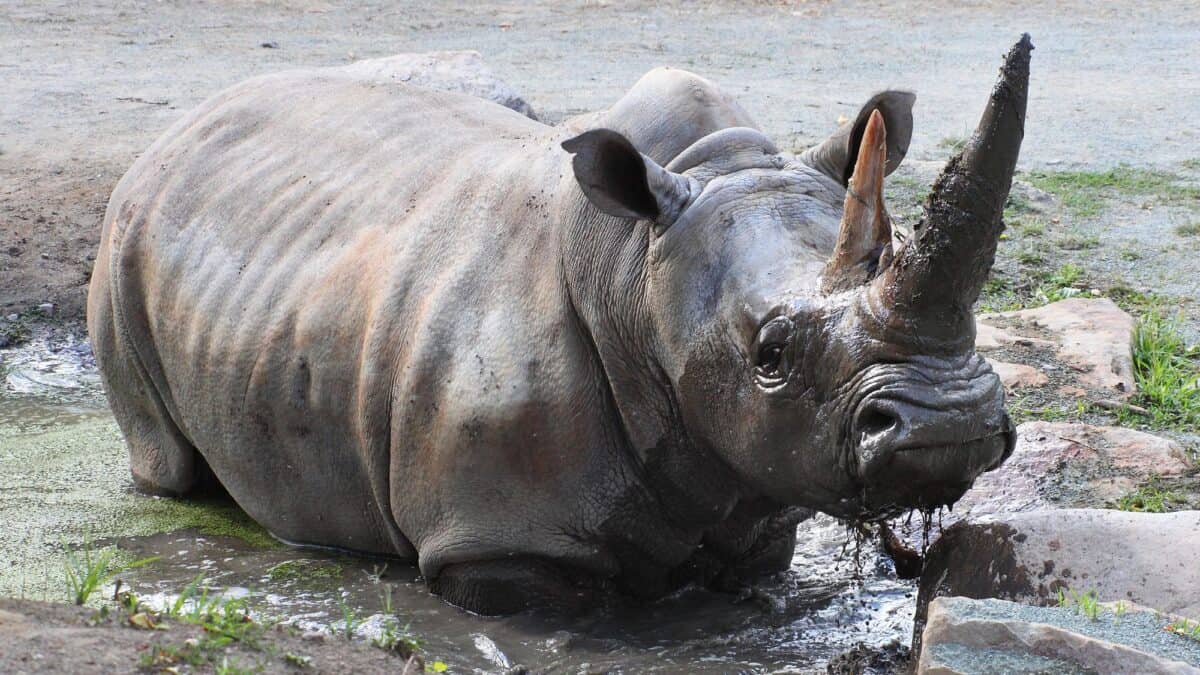
Charging behavior varies significantly among the five rhino species, reflecting their evolutionary adaptations to different environments. Black rhinos have earned a reputation as the most aggressive species, with a greater propensity for unprovoked charges. Their browse-focused diet in denser bush habitats may have selected for more reactive defensive behaviors. By contrast, white rhinos, despite being larger, tend to be more predictable and less prone to unprovoked charging, though males become significantly more aggressive during mating periods. Among Asian species, the Indian rhino displays complex charging behavior, often performing a series of short rushes before committing to a full charge. Sumatran rhinos, the smallest and most endangered species, rarely charge unless directly threatened, while the critically endangered Javan rhino remains so rare that comprehensive studies of its charging behavior are limited. These species-specific differences highlight how charging behavior has evolved to suit different ecological niches and threat landscapes. Conservation efforts must account for these behavioral variations when developing management and protection strategies.
Warning Signs Before a Charge

Rhinos typically display a sequence of warning behaviors before committing to a full charge, though these signals may happen rapidly in some situations. The initial warning often involves the rhino orienting directly toward the perceived threat, raising its head high, and perking up its ears to gather sensory information. This alert posture may be accompanied by foot-stomping or ground-pawing behavior. As tension escalates, the rhino will often emit specific vocalizations—short, sharp snorts for black rhinos or deeper grunts for white rhinos. The most unmistakable pre-charge signal is when a rhino lowers its head, points its horn(s) toward the threat, and adopts a stiff-legged stance. At this point, a mock charge or full charge is imminent. Mock charges involve the rhino rushing forward but stopping short or veering away before making contact—these serve as serious warnings. Understanding these progressive warning signs is crucial for anyone working in or visiting rhino habitats, as recognizing early indicators provides precious seconds to take appropriate action. Wildlife guides in Africa’s national parks are specifically trained to identify these subtle behavioral cues to protect tourists during safari experiences.
The Impact of Human Activities on Charging Behavior

Human activities have profoundly influenced rhino charging behavior over time. The horrific pressure of poaching has selected for more vigilant, reactive rhinos, as more cautious individuals may have better survival rates. In intensively protected reserves like Kenya’s Ol Pejeta Conservancy, rhinos under 24-hour armed guard protection develop complex associations with humans—recognizing familiar rangers but remaining wary of strangers, with charging responses calibrated accordingly. Tourism creates another layer of human influence, with frequently visited rhinos often becoming habituated to vehicles but still maintaining unpredictable responses to humans on foot. Research in South Africa’s Hluhluwe-iMfolozi Park found that rhinos in high-tourism zones charged at vehicles 43% less frequently than those in rarely visited areas, suggesting adaptation to regular, non-threatening human presence. However, this habituation creates risks when habituated rhinos encounter humans in different contexts. Additionally, habitat fragmentation forces rhinos into smaller territories, potentially increasing stress and territorial defense behaviors. Understanding how human activities modify charging behavior is essential for both conservation management and human safety in shared landscapes.
How to Respond to a Charging Rhino

Facing a charging rhino is a terrifying prospect that requires specific response strategies to maximize survival chances. Wildlife experts recommend different approaches depending on the context. In vehicle-based safari situations, remaining in the vehicle is paramount—even a charging rhino typically won’t attack a stationary vehicle. Guides are trained to position vehicles at angles that allow quick departure while avoiding movements that might further trigger the rhino. For those unfortunate enough to face a charging rhino on foot, wildlife rangers recommend standing absolutely still as the first option, as many charges (especially from white rhinos) are bluffs that stop short if the perceived threat doesn’t flee or move. If the rhino continues its charge, the next survival strategy is to hide behind substantial cover like large trees or boulders. Only as a last resort should one attempt to dodge at the last second, moving perpendicular to the rhino’s charge, as rhinos have poor agility and limited ability to quickly change direction. Professional trackers in Africa’s rhino reserves practice these emergency maneuvers regularly, though they emphasize that proper distance management and reading warning signs are far more important survival skills than last-minute evasion techniques.
Conservation Implications of Charging Behavior

Understanding rhino charging behavior has profound implications for conservation efforts. The aggressive reputation of rhinos, particularly black rhinos, has historically complicated conservation initiatives by creating fear among local communities and making translocation and veterinary interventions more dangerous. However, conservationists have developed innovative approaches that work with rather than against these natural behaviors. In translocation efforts, wildlife veterinarians now use careful timing and improved sedation protocols specifically designed around charging risk periods. Community conservation programs include extensive education about rhino behavior, helping people living near rhino habitats understand warning signs and appropriate responses. These programs have reduced human-rhino conflicts by up to 60% in some African regions. Conservation breeding programs also consider charging tendencies in their genetic management—while maintaining genetic diversity remains the primary goal, extremely aggressive individuals may be managed differently to ensure handler safety and program success. As rhino populations become increasingly managed in smaller, fenced reserves, behavioral management becomes as important as physical protection in ensuring these magnificent animals’ long-term survival.
Misconceptions About Rhino Charges

Popular culture and outdated literature have perpetuated several misconceptions about rhino charging behavior that can lead to dangerous situations or unnecessary fear. Perhaps the most common myth is that rhinos charge blindly and unpredictably at any disturbance. While poor eyesight does contribute to their charging behavior, rhinos are far from blindly aggressive—most charges occur for specific reasons and follow the warning signs described earlier. Another widespread misconception is that all rhino charges are identical in intention and execution. In reality, rhinos display a spectrum of charging behaviors, from mild threat displays to committed attacks, with most charges serving as warnings rather than attempts to kill. Some safari guides perpetuate the myth that rhinos are naturally aggressive and “short-tempered,” anthropomorphizing what are actually adaptive defensive behaviors. Finally, the misconception that rhinos cannot distinguish between threats and non-threats ignores their sophisticated olfactory abilities and capacity to recognize familiar individuals. By dispelling these myths, conservation educators hope to replace fear with understanding, fostering more productive human-rhino coexistence in the regions where their habitats overlap.
Conclusion: Understanding the Complexity of Rhino Behavior
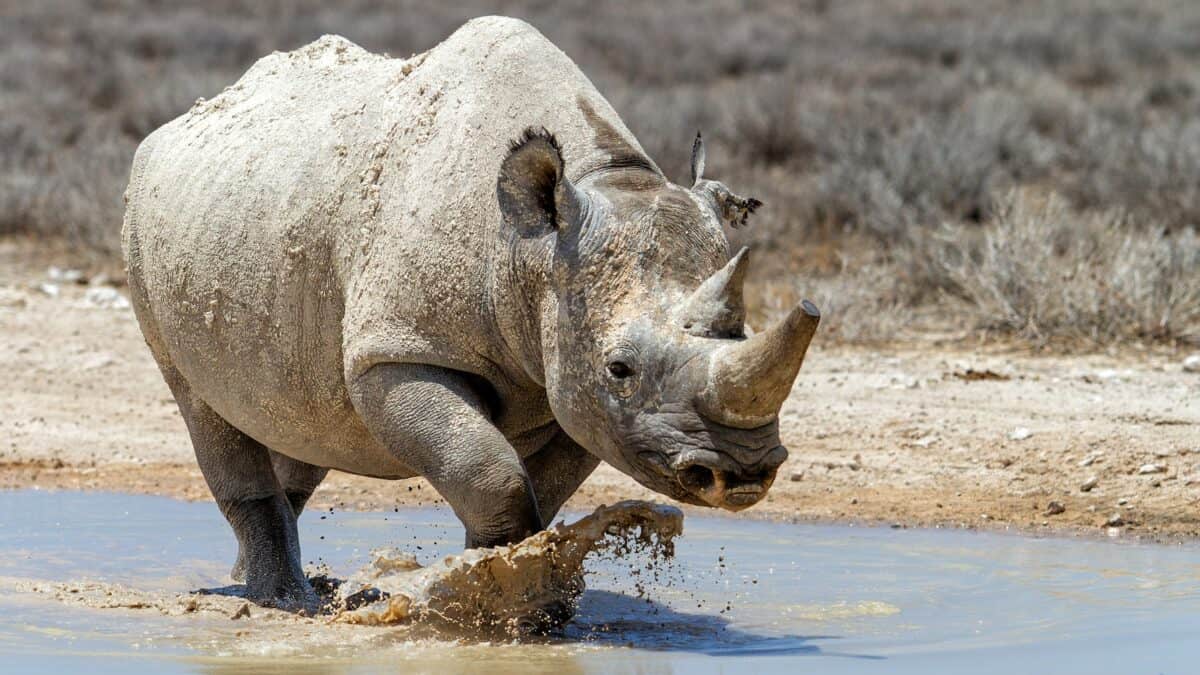
Rhino charging behavior represents a fascinating intersection of biology, psychology, and adaptation that has evolved over millions of years to protect these magnificent animals from threats. Rather than viewing charges as simple aggression, we now understand them as sophisticated communications and defense mechanisms triggered by specific circumstances ranging from poor visibility to maternal protection, territorial defense to fear responses. This nuanced understanding has profound implications for conservation, allowing for safer human-rhino interactions and more effective protection strategies for these endangered species. As we continue to share landscapes with the remaining rhino populations, appreciating the complexity behind their charging behavior helps transform fear into respect—respect for their power, their vulnerability, and their right to defend themselves in a world where human activities have made their existence increasingly precarious. By seeing rhino charges not as mindless aggression but as meaningful behavior with specific causes, we take an important step toward ensuring these iconic animals survive for generations to come.

- Why Sharks Are Critical for Coral Reef Survival - July 25, 2026
- Beginner’s Guide to Birdwatching in Your Backyard - July 25, 2026
- Humpbacks Defend Other Animals from Orcas—A Mystery Explained - July 25, 2026