

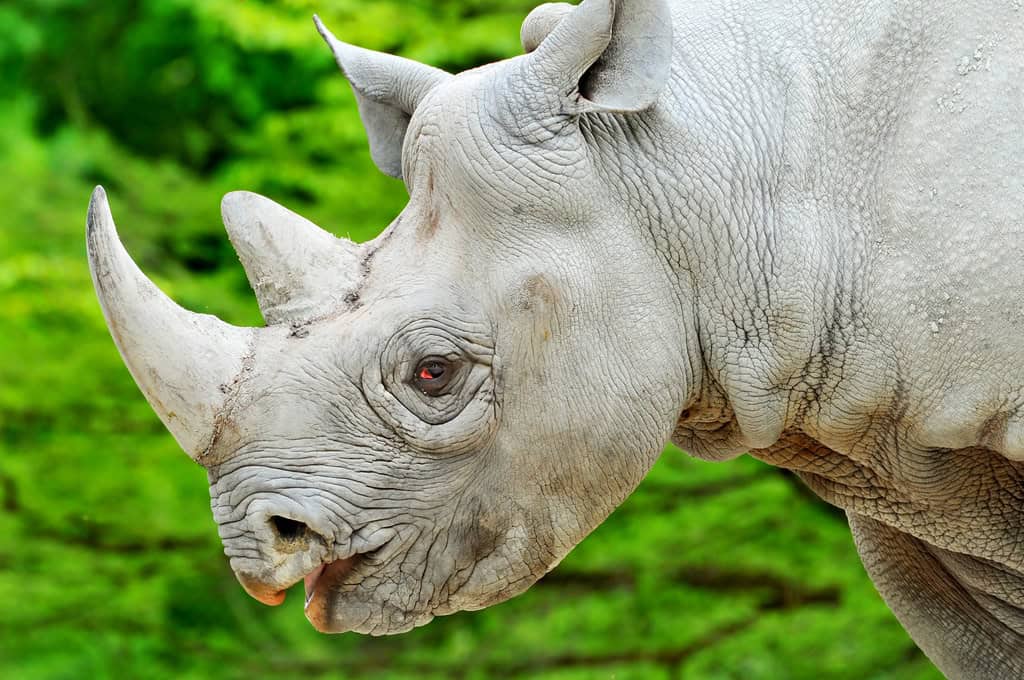
When we think of rhinoceroses, their thick, armor-like skin immediately comes to mind. These prehistoric-looking mammals possess one of nature’s most fascinating protective layers—a covering that has evolved over millions of years to shield them from both predators and harsh environmental conditions. However, rhino skin is far more complex and remarkable than its tough appearance suggests. Beyond its obvious thickness lies a sophisticated biological structure with surprising properties and functions that make it truly extraordinary in the animal kingdom. From its unique cellular composition to its specialized adaptations, rhino skin represents one of evolution’s most impressive defensive innovations. This article delves into the fascinating world of rhino dermatology, revealing why this remarkable covering is even more sophisticated than it appears at first glance.
The Anatomy of Rhino Skin
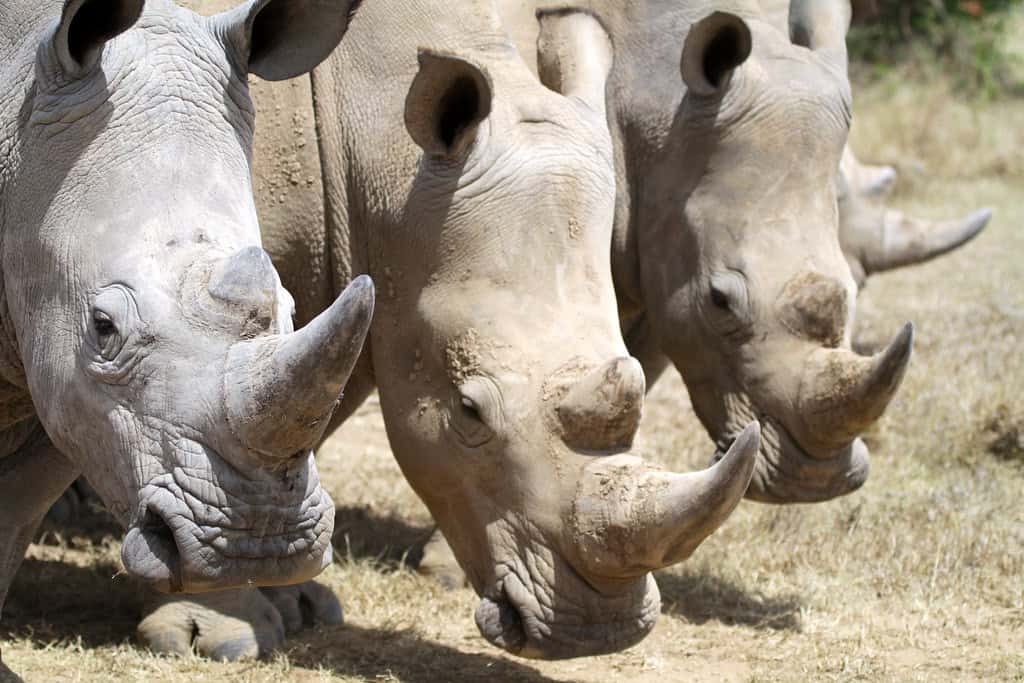
Contrary to popular belief, rhino skin isn’t actually made of armor plates or scales. Instead, it’s composed of multiple layers of collagen fibers tightly packed together, creating a structure similar to woven Kevlar. The epidermis (outer layer) of rhino skin can range from 1.5 to 5 centimeters in thickness, depending on the species and body location. This makes it substantially thicker than human skin, which averages just 2 millimeters.
Beneath the epidermis lies the dermis, which contains a dense network of blood vessels, sweat glands, and nerve endings. This layer provides flexibility and contributes to the skin’s overall strength. The collagen fibers in rhino skin are arranged in a cross-hatched pattern, which gives it exceptional tensile strength while maintaining some degree of flexibility. This unique arrangement allows rhinos to move freely while remaining protected from thorns, branches, and potential predator attacks.
Species Variations in Skin Thickness
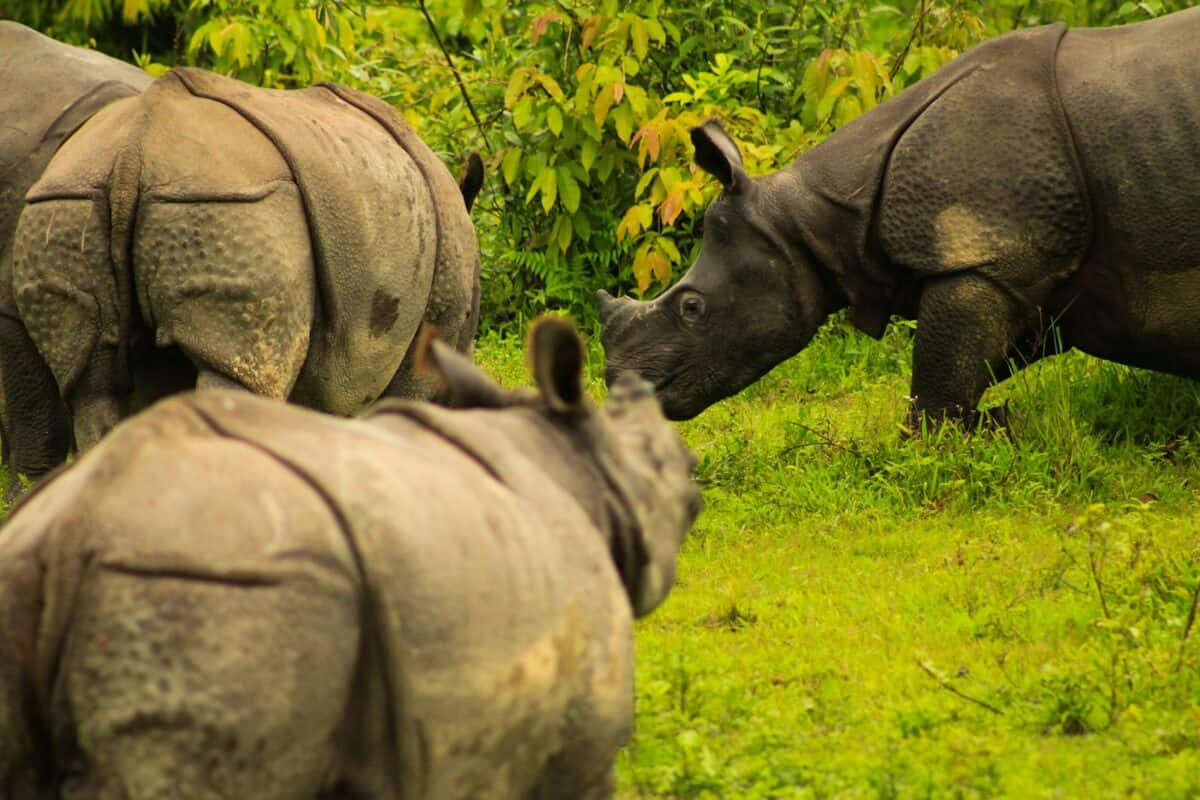
Not all rhino species have identical skin structures. The white rhinoceros (Ceratotherium simum) and Indian rhinoceros (Rhinoceros unicornis) possess the thickest skin among the five extant species, with areas on their bodies reaching up to 5 centimeters in thickness. The Javan rhino (Rhinoceros sondaicus) and Sumatran rhino (Dicerorhinus sumatrensis) have comparatively thinner skin, though still substantially thicker than most other mammals.
Interestingly, skin thickness varies across different body regions. Areas more prone to damage, such as the shoulders and upper legs, typically have thicker skin than protected regions like the underbelly. This differential thickness represents an evolutionary adaptation that balances protection with mobility. The black rhinoceros (Diceros bicornis), known for navigating through thorny acacia bushes, has developed particularly tough skin around its neck and shoulders—areas that frequently come into contact with sharp thorns.
The Surprising Flexibility Factor
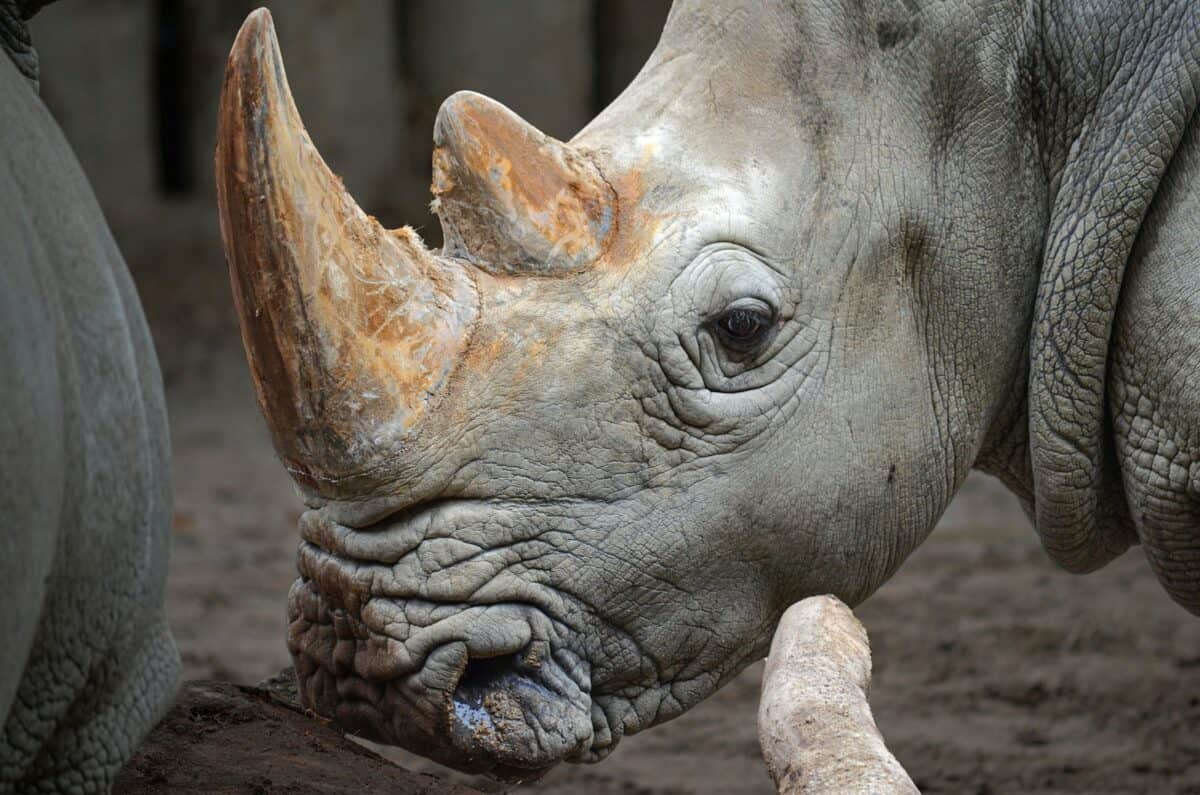
Despite its impressive thickness, rhino skin possesses remarkable flexibility that belies its tough appearance. This counterintuitive combination of strength and pliability comes from the skin’s microscopic structure. The collagen fibers that make up the bulk of rhino skin are arranged in overlapping layers that can slide slightly against each other, allowing for movement without compromising protection.
Additionally, rhino skin contains elastin fibers interspersed among the collagen. These elastin fibers provide stretchability and help the skin return to its original shape after being deformed. This property is crucial for rhinos as they move through dense vegetation, wade through water, or engage in social interactions with other rhinos. The combination of thickness and flexibility represents an evolutionary masterpiece that perfectly suits the rhino’s lifestyle and habitat requirements.
Built-In Temperature Regulation
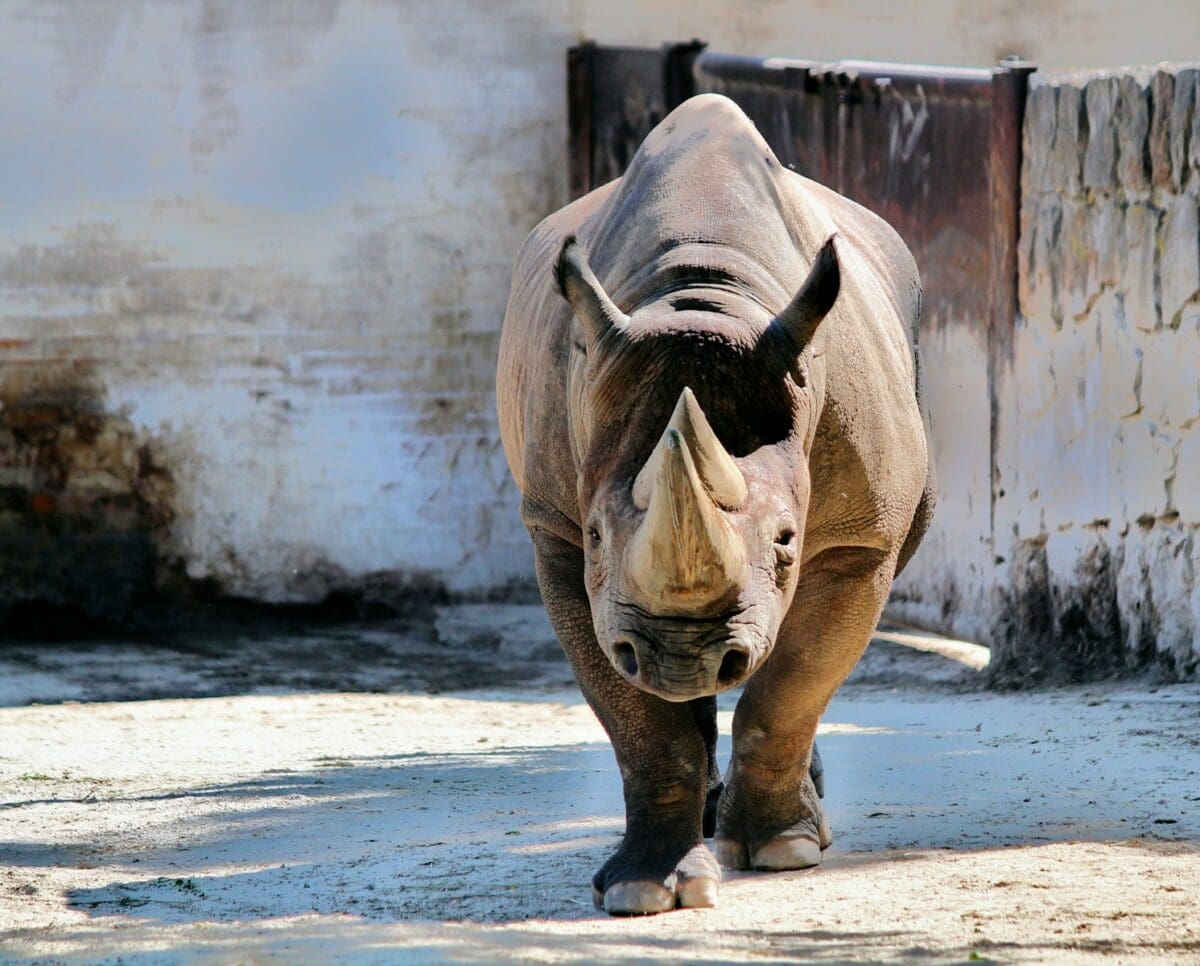
Beyond mere physical protection, rhino skin incorporates sophisticated temperature regulation mechanisms. Despite their thick covering, rhinos need to manage their body temperature effectively, especially in the hot African or Asian climates they inhabit. Their skin contains numerous sweat glands and blood vessels that help dissipate heat when necessary. The outer layer of skin also contains specialized cells that reflect some of the sun’s radiation, preventing excessive heat absorption.
Another fascinating adaptation is the network of blood vessels near the skin’s surface that can expand or contract to regulate heat exchange with the environment. When a rhino needs to cool down, these vessels dilate, bringing more blood to the surface where heat can dissipate. Conversely, they can constrict to conserve heat when needed. This vascular system, combined with behavioral adaptations like mud bathing, allows rhinos to maintain their core body temperature despite their thick skin’s insulating properties.
The Folds and Plates Phenomenon
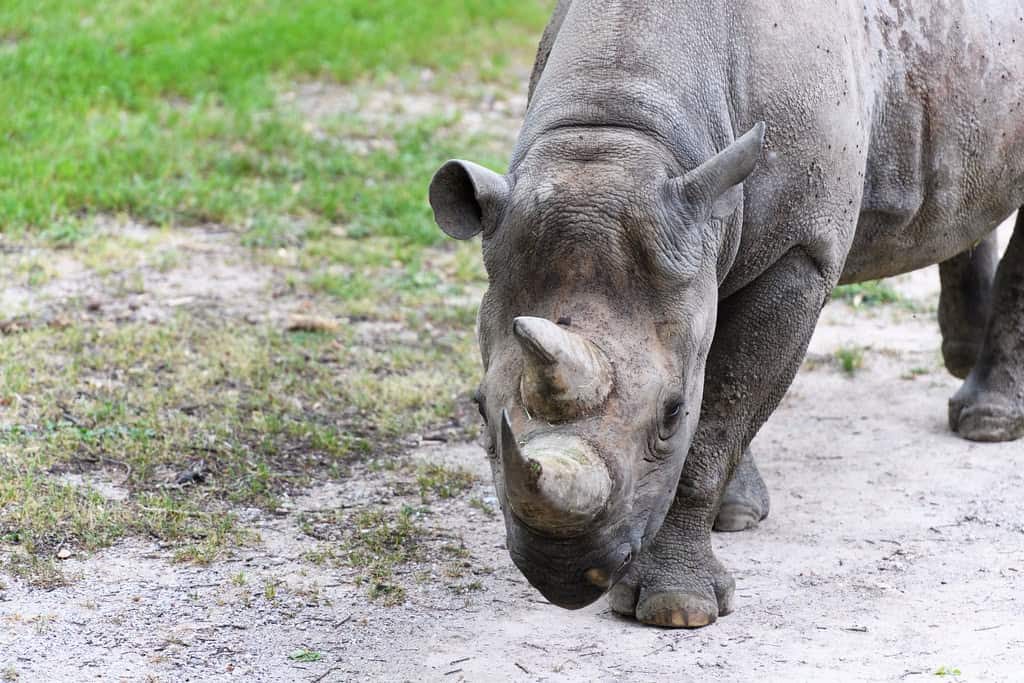
One of the most distinctive features of rhino skin is its elaborate system of folds and plates, particularly evident in species like the Indian and Javan rhinoceros. These natural armor plates might appear purely decorative, but they serve crucial functional purposes. The plates create flexible joints between thicker sections of skin, allowing for greater mobility while maintaining protection. This design bears a striking resemblance to medieval armor, which used articulated plates to protect warriors without restricting movement.
The folds also increase the surface area of the skin, which aids in temperature regulation by providing more space for blood vessels and sweat glands. Additionally, these crevices create microhabitats for beneficial skin microorganisms that help maintain skin health. The depth and pattern of these folds vary between species, with the Indian rhinoceros displaying the most dramatic and distinctive plate-like formations, sometimes referred to as “riveted armor” due to its appearance.
Microscopic Defenses Within Rhino Skin
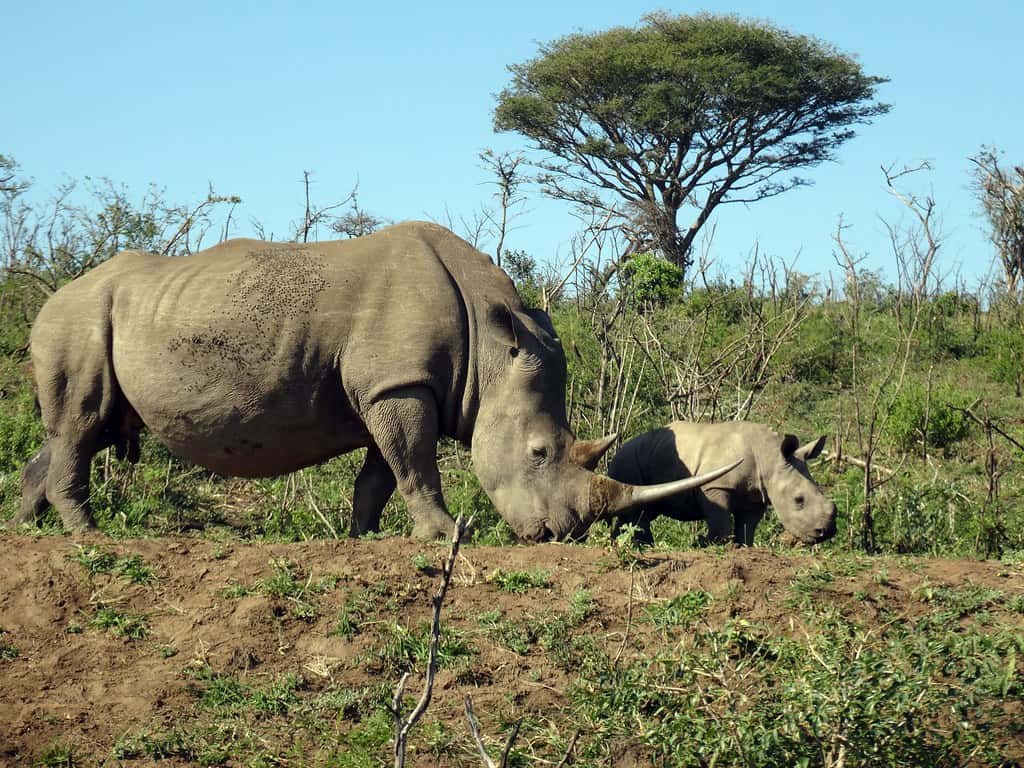
At the microscopic level, rhino skin harbors sophisticated defense mechanisms that remain invisible to the naked eye. The epidermis contains specialized cells that produce antimicrobial peptides—small proteins that can kill bacteria, fungi, and some viruses. These natural antibiotics provide a chemical barrier against infection, particularly important for animals that frequently sustain minor wounds from thorny vegetation or parasites.
The skin also contains a high concentration of melanin, the pigment responsible for skin color in humans and animals. In rhinos, melanin serves as a natural sunscreen, absorbing harmful UV radiation that could otherwise damage skin cells and cause mutations. This protection is crucial for animals that spend significant time exposed to direct sunlight. The combination of physical thickness and these microscopic chemical defenses makes rhino skin a multi-layered protection system far more sophisticated than its outward appearance suggests.
Self-Healing Properties
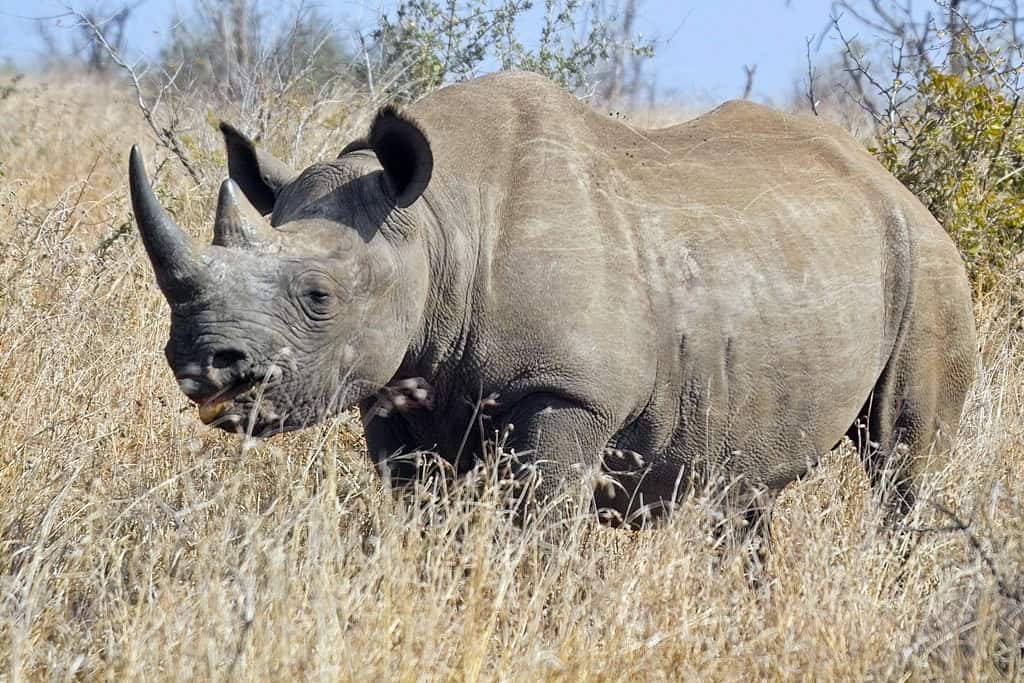
Perhaps one of the most remarkable aspects of rhino skin is its enhanced ability to heal itself. The skin contains a high density of fibroblasts—cells responsible for producing collagen and other structural proteins needed for wound repair. When injured, rhino skin can rapidly mobilize these cells to begin the healing process, often sealing wounds more quickly than many other mammals. This rapid healing response is critical for wild animals that cannot seek medical attention and must recover quickly to avoid infection or predation.
Additionally, rhino skin possesses a higher concentration of growth factors that accelerate tissue regeneration. These chemical messengers coordinate the complex process of wound healing, from initial inflammation to final remodeling of the scar tissue. Scientists studying rhino skin have identified several unique compounds that may have potential applications in human medicine, particularly for treating chronic wounds or accelerating healing after surgery. These self-healing properties represent yet another dimension of complexity beyond the skin’s obvious thickness.
The Mud Bath Mystery Solved

Rhinos are famous for their love of mud baths, often seen wallowing in muddy pools in the wild. While this behavior appears recreational, it serves several critical functions related to skin health. The mud forms a protective layer that shields the skin from parasites, biting insects, and harmful UV radiation. As the mud dries, it tightens around the skin, helping to remove external parasites like ticks and mites that might otherwise penetrate even thick skin around more vulnerable areas.
Furthermore, mud baths help regulate body temperature, as the evaporation of water from the mud creates a cooling effect. This is particularly important given the thickness of rhino skin, which can make overheating a risk in hot climates. The minerals in natural mud may also have antiseptic properties that help prevent skin infections. This mud-bathing behavior demonstrates how rhinos have evolved behavioral adaptations to complement their skin’s physical properties, creating a comprehensive protection system that goes far beyond mere thickness.
Evolutionary History of Thick Skin

The remarkable thickness of rhino skin didn’t develop overnight but represents millions of years of evolutionary adaptation. Fossil evidence suggests that the ancestors of modern rhinos began developing thicker skin approximately 20-30 million years ago as they adapted to more open habitats with harsher environmental conditions and different predation pressures. As forests gave way to grasslands and savannas during climate shifts, these early rhinoceroses needed additional protection from both environmental elements and new predators.
Genetic studies have identified several genes unique to rhinos that regulate collagen production and skin development. These genes have undergone positive selection over evolutionary time, indicating their importance for survival. Interestingly, some of these same genetic pathways are present but less active in other mammals, including humans. The evolutionary story of rhino skin demonstrates how natural selection can take existing biological structures and dramatically enhance them to meet specific environmental challenges, resulting in the extraordinary protective covering we see today.
Threats to Rhino Skin in the Modern World

Despite its impressive defensive capabilities, rhino skin faces threats in the modern world that evolution could not have prepared it for. Poaching represents the most immediate danger, with rhinos being killed for their horns, which are erroneously believed to have medicinal properties. During poaching events, large sections of skin are often removed along with the horn, driving these magnificent animals closer to extinction. All five rhino species are currently threatened, with three classified as critically endangered by the International Union for Conservation of Nature (IUCN).
Environmental challenges also pose risks to rhino skin health. Habitat loss reduces access to mud wallows necessary for skin maintenance, while climate change may introduce new parasites or skin diseases to which rhinos have no natural immunity. Conservation efforts increasingly include specific measures to protect skin health, such as providing artificial wallows in protected areas and developing protocols to treat skin conditions in captive and wild populations. Even with its remarkable thickness and adaptations, rhino skin ultimately depends on human conservation efforts for its survival in the modern world.
What Science Is Learning from Rhino Skin

Researchers across multiple fields are studying rhino skin to unlock its secrets for potential applications in human technology and medicine. Biomimetic engineers are analyzing the structure and arrangement of collagen fibers in hopes of developing new protective materials that combine strength with flexibility. These efforts could lead to innovations in body armor, vehicle protection, or building materials that mimic the rhino’s natural defense system.
In the medical field, scientists are investigating the antimicrobial compounds found in rhino skin for potential development of new antibiotics to combat resistant bacteria. The enhanced wound-healing properties of rhino skin are also being studied for applications in treating chronic wounds or improving surgical recovery. Rhino skin provides a remarkable example of how studying natural adaptations can inspire human innovation. As our understanding of its complex structure and functions grows, so too does our appreciation for this extraordinary biological marvel that goes far beyond simple thickness.
Conclusion: More Than Meets the Eye

Rhino skin represents one of nature’s most impressive defensive adaptations, a biological marvel that combines thickness with surprising sophistication. Far from being merely thick, it incorporates multiple layers of protection—physical, chemical, and behavioral—that work together to shield these magnificent animals from environmental challenges and potential threats. Its unique combination of strength and flexibility, enhanced healing capabilities, temperature regulation mechanisms, and microscopic defenses make it truly extraordinary in the animal kingdom.
As we’ve explored, the remarkable properties of rhino skin extend well beyond what is visible to the naked eye, encompassing complex structures and functions that scientists are still working to fully understand. From its evolutionary history to its potential applications in human technology and medicine, rhino skin continues to fascinate researchers across multiple disciplines. In many ways, this remarkable covering epitomizes the sophistication of natural adaptation—a reminder that in nature, things are often more complex and ingenious than they first appear.
Conservation of rhinos not only preserves these magnificent animals but also protects a biological treasure trove that may hold solutions to human challenges in medicine and materials science. As we work to ensure the survival of rhinoceros species around the world, we simultaneously preserve the opportunity to learn from one of evolution’s most impressive innovations. Truly, rhino skin is the perfect example of nature’s genius—thicker, more complex, and far more remarkable than it looks.

From exploring the marine wonders in the Azores and witnessing the vast savannas of Kenya, to delving deep into the rich biodiversity of South Africa and traversing iconic landscapes in Australia and the US like Yellowstone, Chris's experiences are vast.
With a penchant for diving alongside sharks, the ocean holds a special place in his heart.
Through his academic insights, he champions wildlife conservation, striving with 'Animals Around The Globe' to cultivate a profound connection between humans and animals, enhancing our mutual appreciation.
Connect with him at Feedback@animalsaroundtheglobe.com.
- Why Spiders Don’t Get Stuck in Their Own Webs - July 20, 2026
- What Scientists Found in a 10,000-Year-Old Beehive - July 20, 2026
- This Spider Builds Fake Decoys of Itself - July 20, 2026