


When we think of The Jungle Book, Rudyard Kipling’s classic tale or Disney’s beloved adaptations, one of the most striking characters is Bagheera, the sleek black panther who serves as Mowgli’s protector and mentor. His midnight coat and wise demeanor have made him an iconic representation of big cats in literature and film. But what kind of big cat is Bagheera actually supposed to be? This question leads us into a fascinating exploration of big cat taxonomy, melanistic color variations, and the intersection of zoology with literary characterization. Whether you’re a wildlife enthusiast, a fan of The Jungle Book, or simply curious about the real-world inspiration behind fictional animals, understanding Bagheera’s true species reveals intriguing facts about big cats and their representation in popular culture.
The Origin of Bagheera in Literature

Rudyard Kipling introduced Bagheera in his 1894 collection “The Jungle Book,” setting the stories in the Seoni forests of Central India. In the original text, Kipling explicitly describes Bagheera as a black panther, noting his sleek coat was “black all over, with the panther pattern showing up in certain lights like the pattern of watered silk.” This literary description provides our first clue to Bagheera’s species identity, though it requires further unpacking as “black panther” is not a specific species designation in zoological terms.
Kipling’s characterization of Bagheera as wise, dignified, and powerful reflected his understanding of the mystique surrounding these rare black cats in the Indian wilderness. The author spent much of his childhood in India and likely drew from local folklore and limited scientific knowledge available at the time. Bagheera’s name itself may derive from the Hindi word “bagh,” meaning tiger, though ironically, as we’ll discover, Bagheera is definitively not a tiger species.
Debunking the “Black Panther” Classification

“Black panther” is a term that often creates confusion in discussions about big cats. Contrary to popular belief, a black panther is not a distinct species of big cat. Rather, it is a color variant that occurs in several species within the Panthera genus. This color variation is caused by melanism, a genetic condition that produces an excess of dark pigmentation. Think of it as the opposite of albinism—instead of a lack of pigment, there’s an overabundance of it.
The term “panther” itself has varied usage around the world. In North America, “panther” often refers to the cougar (Puma concolor), also known as the mountain lion or puma. In Latin America, “panther” sometimes describes jaguars. In Asia and Africa, the term typically applies to leopards. This regional variation in terminology adds another layer of complexity when trying to determine exactly what species Bagheera represents.
Narrowing Down Bagheera’s Species

Given that The Jungle Book is set in India, we can immediately narrow down the possibilities for Bagheera’s species. Of the big cats that inhabit the Indian subcontinent, only two commonly exhibit melanism: the leopard (Panthera pardus) and the jaguar (Panthera onca). However, jaguars are native to the Americas, not India. This geographical reality effectively eliminates the jaguar as a possibility for Bagheera’s species, despite the fact that black jaguars are more common than black leopards in the wild.
Tigers (Panthera tigris), while native to India, almost never exhibit melanism in the wild. There has never been a verified case of a completely black tiger in the wild, though some tigers may have darker-than-usual stripes. Lions (Panthera leo), which historically ranged into parts of India (specifically the Asiatic lion subspecies), similarly do not exhibit melanism in nature. Thus, process of elimination strongly suggests that Bagheera is a melanistic Indian leopard.
The Indian Leopard: Bagheera’s True Identity

The Indian leopard (Panthera pardus fusca) is a leopard subspecies native to the Indian subcontinent. These adaptable predators can thrive in various habitats from dense forests to semi-arid regions, which aligns with the diverse settings depicted in The Jungle Book. Adult male Indian leopards typically weigh between 110 and 170 pounds, with a body length of 4-5 feet excluding the tail. They are powerful, agile hunters capable of dragging prey items twice their weight up into trees—a behavior that matches Kipling’s description of Bagheera’s physical prowess.
Melanistic Indian leopards, commonly called black panthers in the region, comprise approximately 10% of the leopard population in some parts of India, particularly in the dense forests of the Western Ghats and parts of the eastern Himalayas. Their dark coloration provides excellent camouflage in the shadowy undergrowth of forests, especially beneficial for hunting in low light conditions. This aligns with Kipling’s characterization of Bagheera as a stealthy, shadowy figure who often appears suddenly from the darkness.
The Science Behind Melanism in Leopards

Melanism in leopards occurs due to a recessive gene mutation that affects the production of melanin. This mutation specifically affects the agouti signaling protein gene (ASIP), which regulates the distribution of black and yellow pigments in the leopard’s fur. In melanistic leopards, this mutation leads to an overproduction of dark pigment throughout the coat. Interestingly, the characteristic rosette pattern of the leopard doesn’t disappear entirely—it remains visible under certain lighting conditions, appearing as “ghost markings” or what Kipling poetically described as “the pattern of watered silk.”
This genetic condition offers certain advantages in specific environments. In dense, shadowy forests, black leopards may have an edge in remaining concealed during hunting or when avoiding larger predators like tigers. Some research suggests that melanism may also be linked to immune system benefits and possibly even resistance to certain pathogens. The higher frequency of melanistic leopards in humid forest habitats of South and Southeast Asia suggests there may be ecological factors influencing the prevalence of this trait in these regions.
Bagheera in Disney’s Adaptations

Walt Disney’s 1967 animated adaptation of The Jungle Book solidified Bagheera’s image in popular culture as a wise, somewhat stern mentor figure to Mowgli. Voiced by Sebastian Cabot, this version of Bagheera retained his identity as a black panther but took on a more anthropomorphized personality. The character design clearly shows a black leopard with the typical proportions and features of the Panthera pardus species, including the long tail and relatively smaller head compared to other big cats like tigers or lions.
In the 2016 live-action/CGI remake directed by Jon Favreau, Bagheera (voiced by Ben Kingsley) was rendered with extraordinary attention to zoological accuracy. The CGI model was specifically based on an Indian leopard, with the proportions, movements, and even the “ghost pattern” of rosettes visible in certain lighting—a detail that perfectly aligns with the actual appearance of melanistic leopards. This modern adaptation thus reinforces the scientific consensus that Bagheera is indeed a black leopard native to the Indian subcontinent.
Comparing Bagheera to Other Big Cats in Fiction
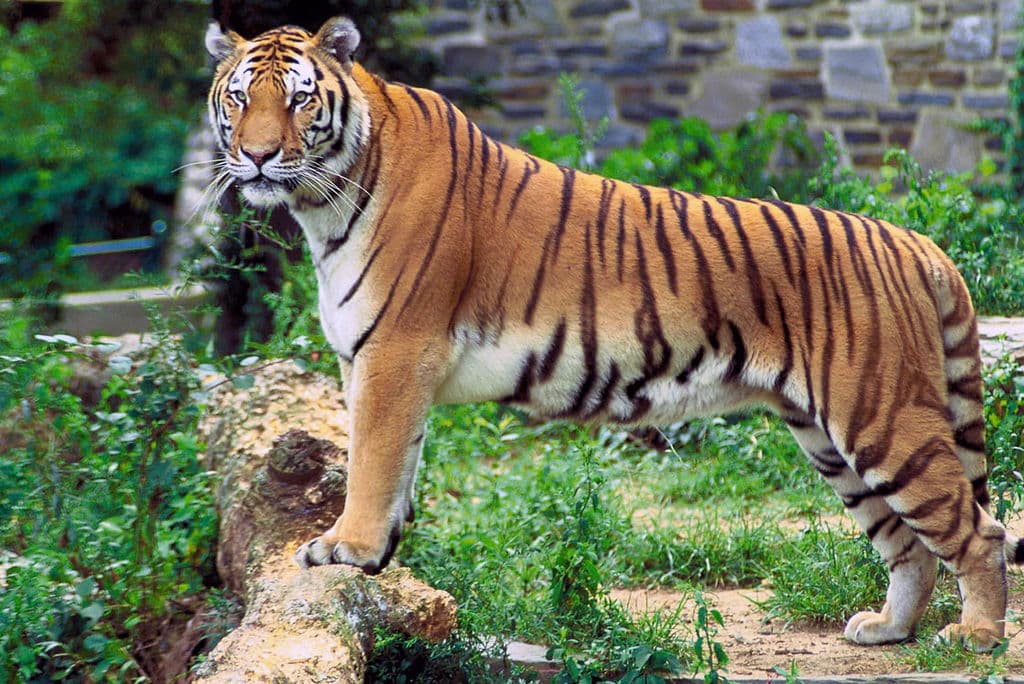
Bagheera stands apart from many other feline characters in fiction due to his nuanced characterization and zoological accuracy. Unlike the anthropomorphized house cats common in children’s literature or the generic “jungle cats” that populate many stories, Bagheera represents a specific natural phenomenon—the black leopard—within his appropriate geographical context. This sets him apart from characters like the Cheshire Cat from Alice in Wonderland (a fantastical creation) or even Shere Khan from the same Jungle Book stories, who, while presented as a Bengal tiger, displays behaviors less rooted in actual tiger ecology.
In more contemporary works, characters like Panthro from “ThunderCats” or Black Panther from Marvel Comics draw visual inspiration from melanistic big cats but move further away from zoological reality. Bagheera remains relatively unique in the pantheon of animal characters for maintaining a balance between realistic biological traits and literary personality, a balance that has contributed to his enduring appeal across generations of readers and viewers.
The Conservation Status of Indian Leopards
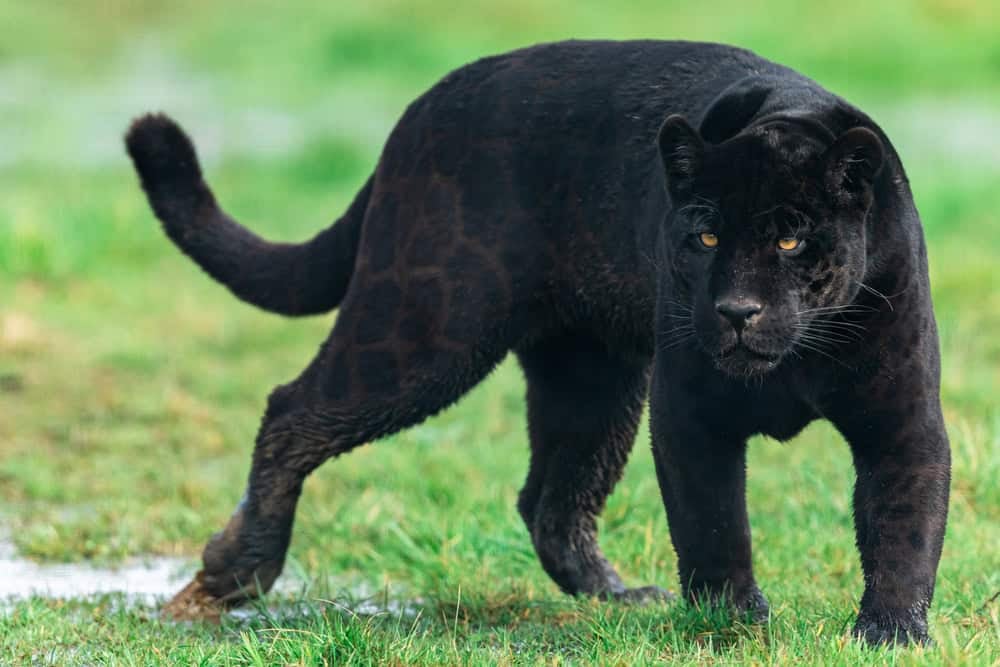
The Indian leopard (Panthera pardus fusca) faces significant conservation challenges in the modern era. Currently listed as Vulnerable on the IUCN Red List, the Indian leopard population has declined by more than 30% over the last three generations. Major threats include habitat loss due to deforestation and human encroachment, poaching for the illegal wildlife trade (particularly for skins and body parts used in traditional medicine), and human-wildlife conflict as leopards increasingly come into contact with expanding human settlements.
Melanistic leopards face the same threats as their spotted counterparts but may be at even greater risk in some regions due to superstitions and folklore that attach special significance to black panthers. Conservation efforts for Indian leopards include protected area management, anti-poaching patrols, wildlife corridors to connect fragmented habitats, and community education programs to reduce human-leopard conflict. Organizations like the Wildlife Conservation Society of India and the World Wildlife Fund have specific programs focused on leopard conservation throughout the subcontinent.
Leopards in Indian Culture and Mythology
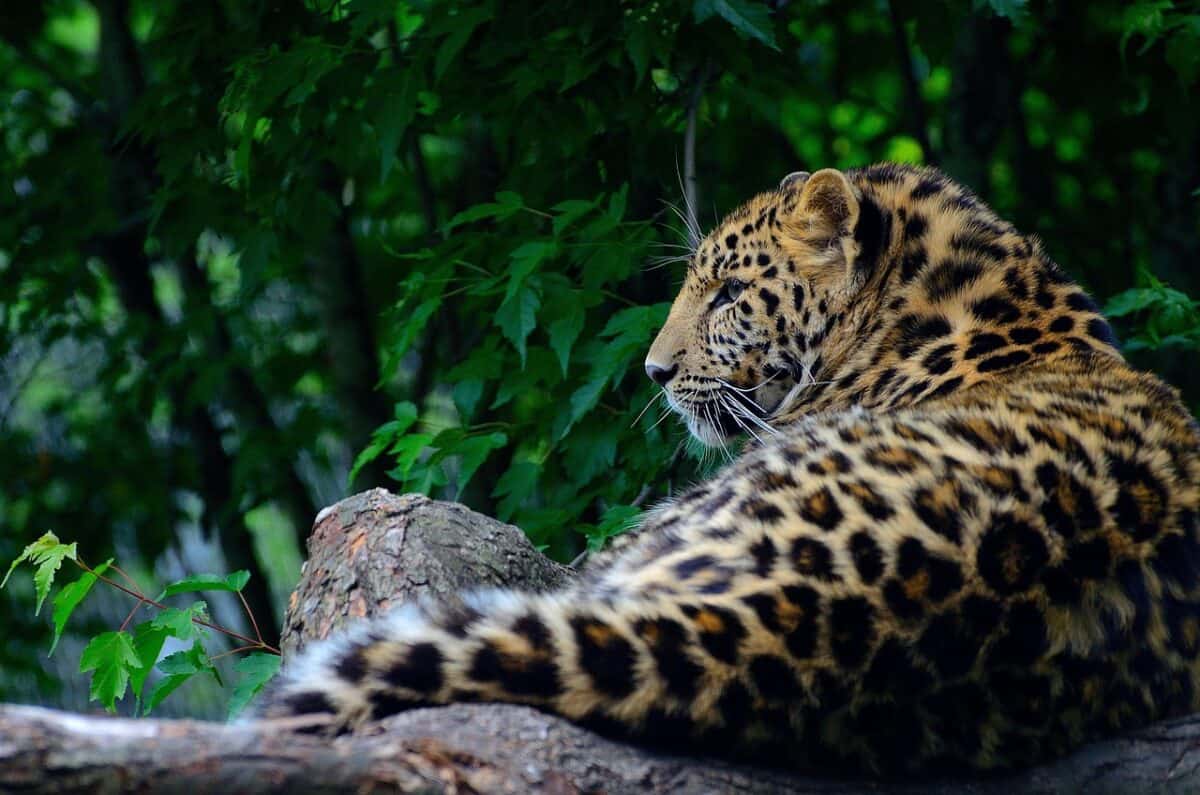
Leopards have held a significant place in Indian culture and mythology for thousands of years. In Hindu mythology, the goddess Durga is often depicted riding a lion or tiger, but in some regional variations, she is associated with leopards as well. The leopard’s adaptability and stealth have made it a symbol of cunning and power in various Indian folktales. In some tribal communities, particularly in central India where The Jungle Book is set, black leopards were considered to have supernatural qualities and were sometimes associated with forest spirits or deities.
This cultural significance likely influenced Kipling’s characterization of Bagheera as wise and somewhat mystical. The black leopard’s relative rarity and shadowy appearance contributed to its mystique in local folklore, making it an ideal character to serve as a knowledgeable guide to the jungle’s ways. Even today, sightings of black leopards in India often generate excitement and are sometimes reported in almost mythical terms in local news, showing how these animals continue to capture the human imagination.
Bagheera’s Behavior Compared to Real Leopards

Many aspects of Bagheera’s behavior in Kipling’s stories and subsequent adaptations align surprisingly well with the natural behavior of leopards. Leopards are largely solitary animals, coming together only briefly for mating—a trait reflected in Bagheera’s independent nature. Their exceptional climbing ability and tendency to rest in trees mirrors Bagheera’s frequently described position “stretched out on a branch.” Leopards are also primarily nocturnal hunters, which matches Bagheera’s comfort moving through the jungle at night.
Where Kipling took creative license was in Bagheera’s social interactions. Real leopards do not form the kinds of social bonds depicted in the stories, particularly the cross-species relationships that are central to the narrative. However, Kipling did capture the leopard’s territorial nature and their position in the ecological hierarchy—below tigers (like Shere Khan) in the predator pecking order but still commanding respect from other jungle inhabitants. Bagheera’s cautious yet confident approach to navigating the jungle social structure reflects a surprisingly accurate understanding of how leopards must balance boldness with prudence in their natural environment.
Black Leopards Around the World

While our focus has been on Indian black leopards like Bagheera, melanistic leopards occur in other parts of the species’ range as well. In the dense rainforests of Malaysia and Java, black leopards are actually more common than spotted ones, comprising up to 80% of the leopard population in some areas. This higher frequency in humid, dense forests supports the theory that melanism provides adaptive advantages in certain environments. In Africa, black leopards are much rarer, comprising less than 5% of leopard populations, and are primarily found in mountainous regions like the Ethiopian Highlands and Mount Kenya.
Recent studies using camera traps and genetic analysis have expanded our understanding of black leopard distribution and frequency. In 2019, researchers confirmed the presence of black leopards in Kenya through high-quality camera trap photography, documenting animals that had previously been known primarily through folklore and occasional unverified sightings. Genetic studies have revealed that melanism evolved independently in African and Asian leopard populations, representing a fascinating case of convergent evolution where the same trait developed separately in response to similar selective pressures.
Conclusion: The Legacy of Bagheera
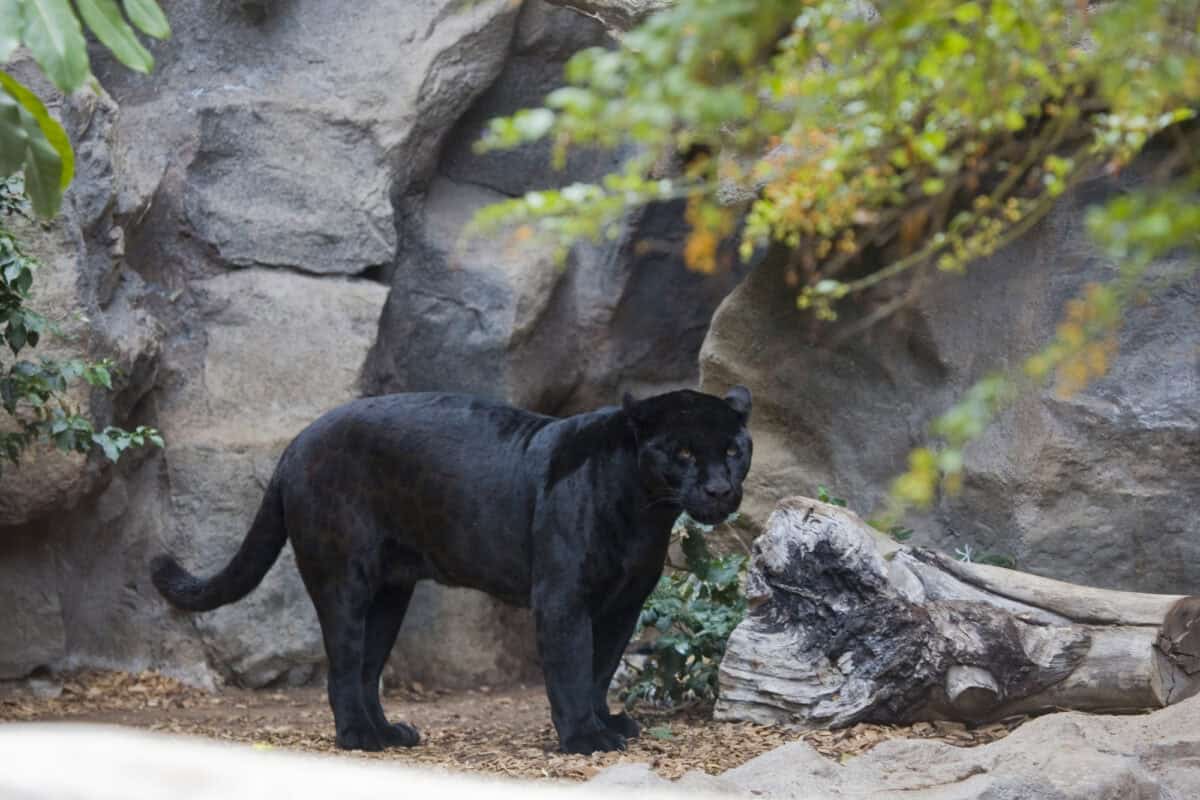
Bagheera, the wise black panther of Kipling’s Jungle Book, is unequivocally a melanistic Indian leopard (Panthera pardus fusca). This identification is supported by geographical context, biological possibility, and the detailed descriptions provided in both the original literature and subsequent adaptations. Beyond simply settling a zoological curiosity, understanding Bagheera’s true species identity enhances our appreciation of both Kipling’s work and the remarkable big cats that inspired his character.
Through Bagheera, generations of readers and viewers have formed an emotional connection to leopards, potentially contributing to conservation awareness for these vulnerable predators. The character stands as a testament to the power of literature to immortalize and celebrate the natural world, even as the real animals that inspired him face increasing threats in the wild. As habitat loss and human-wildlife conflict continue to challenge leopard populations across their range, Bagheera’s legacy reminds us of what stands to be lost.
The enduring popularity of Bagheera also demonstrates how accurate natural history can enhance rather than diminish fictional storytelling. By grounding his jungle characters in biological reality, Kipling created a world that feels authentic despite its talking animals. Modern wildlife documentaries may provide more factual information about leopards, but few have created a character that has done more to bring these magnificent cats into the hearts and minds of people worldwide than the sleek black panther who helped raise a human child in the jungles of India.
As we continue to enjoy The Jungle Book in its many forms, we can appreciate Bagheera not just as a compelling character but as an ambassador for his species—the elusive, adaptable, and increasingly vulnerable Indian leopard. Perhaps that is the most meaningful legacy of all for this fictional cat with very real roots in the natural world.

From exploring the marine wonders in the Azores and witnessing the vast savannas of Kenya, to delving deep into the rich biodiversity of South Africa and traversing iconic landscapes in Australia and the US like Yellowstone, Chris's experiences are vast.
With a penchant for diving alongside sharks, the ocean holds a special place in his heart.
Through his academic insights, he champions wildlife conservation, striving with 'Animals Around The Globe' to cultivate a profound connection between humans and animals, enhancing our mutual appreciation.
Connect with him at Feedback@animalsaroundtheglobe.com.
- How Climate Change Is Rewriting the Map of U.S. Rivers - August 4, 2026
- How Elephants Mourn Their Dead — And What That Tells Us - August 4, 2026
- These Wolves Were Cloned to Save the Species - August 4, 2026