

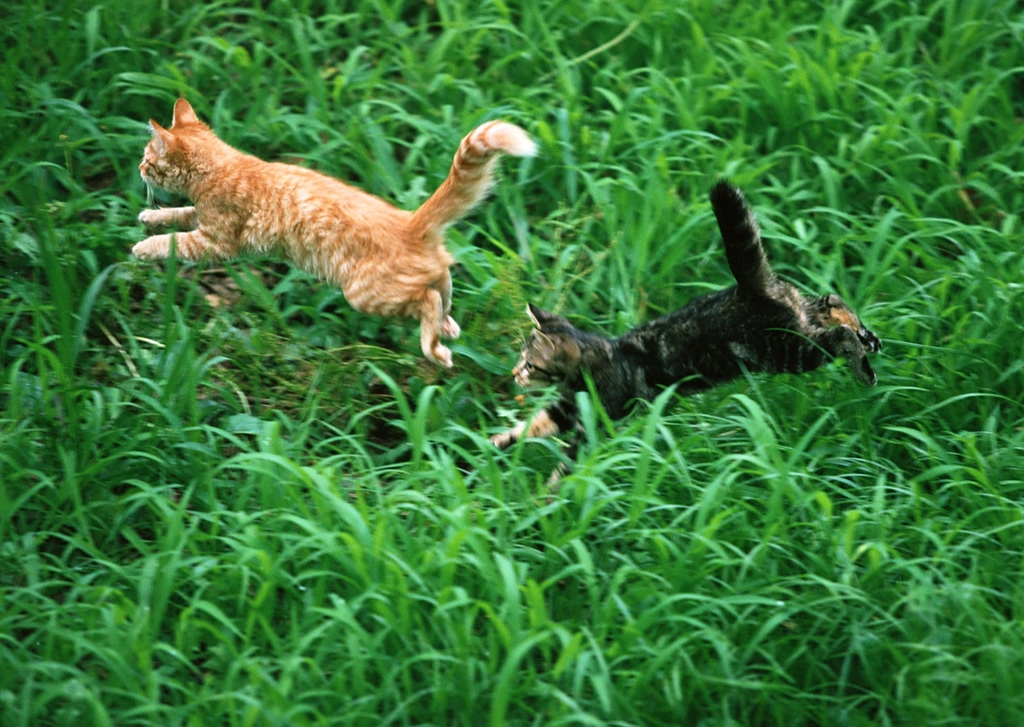
Cats are enigmatic creatures that have captivated humans for thousands of years. Their mysterious behaviors and quirky habits often leave cat owners puzzled, wondering what’s going on in those feline minds. From midnight zoomies to kneading your lap like dough, these seemingly odd behaviors actually communicate important information about your cat’s physical and emotional state. Understanding these behaviors can strengthen your bond with your cat and help you better meet their needs. In this comprehensive guide, we’ll decode 18 strange cat behaviors that might have left you scratching your head, revealing the fascinating instincts and evolutionary purposes behind them.
The Midnight Zoomies Phenomenon

If you’ve ever been awakened in the middle of the night by your cat racing through the house at top speed, bouncing off furniture and walls in what seems like a sudden bout of madness, you’ve experienced the “zoomies.” This behavior, technically called Frenetic Random Activity Periods (FRAPs), is completely normal and serves an important purpose. Cats are crepuscular by nature, meaning they’re most active at dawn and dusk. Their wild ancestors would hunt during these times, and your domesticated feline friend still carries these instinctual patterns.
The zoomies often occur when cats have pent-up energy, especially if they’ve been sleeping all day while you’re at work. These high-energy bursts help them release accumulated energy and fulfill their natural hunting instincts. To reduce late-night zoomies that interrupt your sleep, try engaging your cat in interactive play sessions before bedtime. This mimics hunting behavior and helps them expend energy in a more convenient timeframe for you. Remember, zoomies are a sign of a healthy, energetic cat—though they may seem chaotic to us!
Kneading or “Making Biscuits”

That rhythmic pushing of paws against your lap, a soft blanket, or even your stomach is one of the most endearing yet mysterious cat behaviors. Often called “making biscuits” because it resembles a baker kneading dough, this behavior begins in kittenhood. When nursing, kittens knead their mother’s mammary glands to stimulate milk flow. This early association with comfort, nourishment, and maternal security creates a lifelong habit that continues into adulthood.
When your adult cat kneads you, it’s a significant compliment—they’re expressing contentment and treating you as a maternal figure. The behavior releases endorphins that create feelings of pleasure and relaxation for your cat. Some cats even drool while kneading, further evidence of the connection to nursing memories. If your cat’s kneading becomes painful due to extended claws, don’t punish them—instead, keep their nails trimmed or place a thick blanket between you and those enthusiastic paws. This precious behavior is one of the purest expressions of trust and affection your cat can offer.
The Mystery of the Slow Blink

Have you ever noticed your cat staring at you from across the room, then slowly closing and opening their eyes? This gesture, often called a “cat kiss” or “slow blink,” is one of the most meaningful forms of cat communication. In the feline world, direct staring can be threatening, while closing eyes shows vulnerability and trust. When your cat gives you a slow blink, they’re essentially saying, “I feel safe and comfortable with you.”
Research has confirmed the significance of this behavior. Studies show that cats are more likely to slow-blink at their owners than at strangers, and they’re more likely to approach a human who slow-blinks at them first. You can strengthen your bond with your cat by initiating this eye communication. Make eye contact with your cat from a comfortable distance, then slowly close and open your eyes. Many cats will respond in kind, creating a special moment of connection between species. This subtle communication is a beautiful example of how cats have adapted to living with humans by developing non-verbal ways to express affection.
Bringing You “Gifts”

Finding a dead mouse, bird, or toy at your feet might be unsettling, but for your cat, it’s an act of generosity and care. This hunting behavior stems from a cat’s natural instinct as a predator, but the “gifting” aspect has deeper roots. In feral cat colonies, mother cats bring prey to their kittens to teach them hunting skills and provide nourishment. When your domestic cat brings you “presents,” they’re treating you as part of their family group—either as a kitten they need to feed or as another cat they’re trying to teach how to hunt.
Female cats are more likely to bring gifts than males, supporting the maternal teaching theory. While these offerings might not align with human gift preferences, they represent your cat’s natural way of contributing to the household. To reduce hunting of wildlife, keep cats indoors or use deterrents like collar bells. You can also redirect this instinct by providing interactive toys that simulate hunting experiences. Rather than scolding your cat for this behavior, recognize it as a sign of inclusion and affection, albeit one that aligns with their predatory nature rather than human sensibilities.
The Peculiar Head-Butting Ritual

When your cat approaches and gently bumps their head against your hand, leg, or face, they’re engaging in a behavior called “bunting.” This affectionate gesture serves multiple purposes in the feline world. Cats have scent glands located on their heads, particularly around their cheeks, chin, and forehead. When they bunt against you, they’re depositing their scent, effectively marking you as part of their territory and claiming you as their own. Far from being possessive, this is actually a significant sign of trust and affiliation.
Bunting also serves as a form of social bonding among cats living in groups. When cats bunt against each other, they create a “colony scent” that identifies members of their social group. By extending this behavior to humans, your cat is incorporating you into their social circle. The next time your cat head-butts you, consider it an honor—you’re being accepted as a trusted family member in your cat’s world. Responding with gentle pets reinforces this positive interaction and strengthens your bond. This behavior is most common in confident cats who feel secure in their environment.
Chattering at Birds and Squirrels

You may have witnessed your cat sitting at the window, intensely focused on birds or squirrels outside, making an unusual chattering or chittering sound while their jaw rapidly vibrates. This distinctive vocalization, often accompanied by tail twitching and wide eyes, has fascinated cat behaviorists for years. One theory suggests that this chattering represents frustration at being unable to reach prey. However, more recent research points to a more complex explanation: the “kill bite” hypothesis. The chattering motion mimics the rapid jaw movements a cat would use to deliver a fatal neck bite to prey.
Interestingly, some researchers have observed wild cats, like jaguars, making similar sounds to mimic prey animals and lure them closer. Your domestic cat’s chattering might be a vestigial expression of this hunting strategy. While house cats rarely need to hunt for survival, these instinctual behaviors remain intact. This behavior offers a fascinating glimpse into your cat’s predatory nature, even if they never venture outdoors. Providing opportunities for safe “hunting” through interactive toys can help satisfy these natural instincts while keeping wildlife safe from your feline hunter.
The Curious Case of Box Obsession

The internet is filled with images of cats squeezing into boxes seemingly too small for their bodies, but this isn’t just a cute photo opportunity—it’s a deeply instinctual behavior. Cats are both predators and prey in the wild, making secure, enclosed spaces extremely valuable for their survival. Boxes provide a perfect combination of safety features: they offer protection from potential predators, a vantage point for observing surroundings, and insulation that helps conserve body heat. A 2014 study from the University of Utrecht found that shelter cats provided with boxes showed significantly lower stress levels than those without boxes.
The confined space of a box also creates gentle pressure around your cat’s body, which can have a calming effect similar to swaddling a baby or using a pressure vest. This physical sensation releases endorphins that help reduce anxiety. Even the outline of a box taped on the floor can attract cats, demonstrating how deeply ingrained this preference is. So the next time you receive a package, consider leaving the empty box out for a few days as an enrichment tool for your cat. This simple act provides both physical and psychological benefits, allowing your cat to express natural behaviors in your home environment.
Hiding and Seeking Elevated Perches

If your cat disappears for hours, only to be discovered in a closet, under the bed, or on top of a bookshelf, they’re exhibiting natural behavior related to their evolutionary history. Cats are natural climbers and hiders—traits that served them well as both predators and prey in the wild. Elevated positions give cats a strategic advantage, allowing them to observe their territory while remaining relatively safe from threats. This is why cat trees and shelves are such valuable additions to a cat-friendly home. They satisfy this instinctual need for vertical space and give cats a sense of security.
Hiding behavior, on the other hand, often serves as a stress-management technique. While some hiding is normal, sudden increases in hiding behavior can indicate illness or anxiety. Cats instinctively conceal weakness, as showing vulnerability could make them targets in the wild. This is why cats often hide when they’re not feeling well. Make sure your cat always has access to safe hiding spots, but be attentive to changes in hiding patterns that might signal health concerns. Creating a home with both vertical spaces and cozy hiding spots will help your cat feel secure and allow them to express these natural behaviors in a healthy way.
The Curious Rolling and Exposing of Bellies

When your cat flops over and rolls on their back, exposing their belly in what appears to be an invitation for a tummy rub, they’re actually communicating something quite different than a dog would with the same posture. For cats, exposing the belly is a sign of extreme trust, as this position makes them vulnerable. The belly is one of a cat’s most protected areas, containing vital organs and lacking the defensive capabilities of their clawed paws and teeth. When a cat shows you their belly, they’re demonstrating that they feel safe enough in your presence to expose this vulnerable area.
However, this display is not necessarily an invitation for touching. Many cats react defensively when their exposed bellies are touched, creating confusion for owners who misinterpret the signal. This is because wild cats roll to assume a defensive position where all four paws with claws are available to fend off an attack. Additionally, cats may roll in certain areas to deposit their scent from glands on their backs or to pick up interesting scents from the environment. If your cat enjoys belly rubs, consider yourself lucky—you’ve earned an exceptional level of trust. For cats who don’t, respect their boundaries and focus on petting the head, cheeks, and back instead.
Knocking Things Off Surfaces
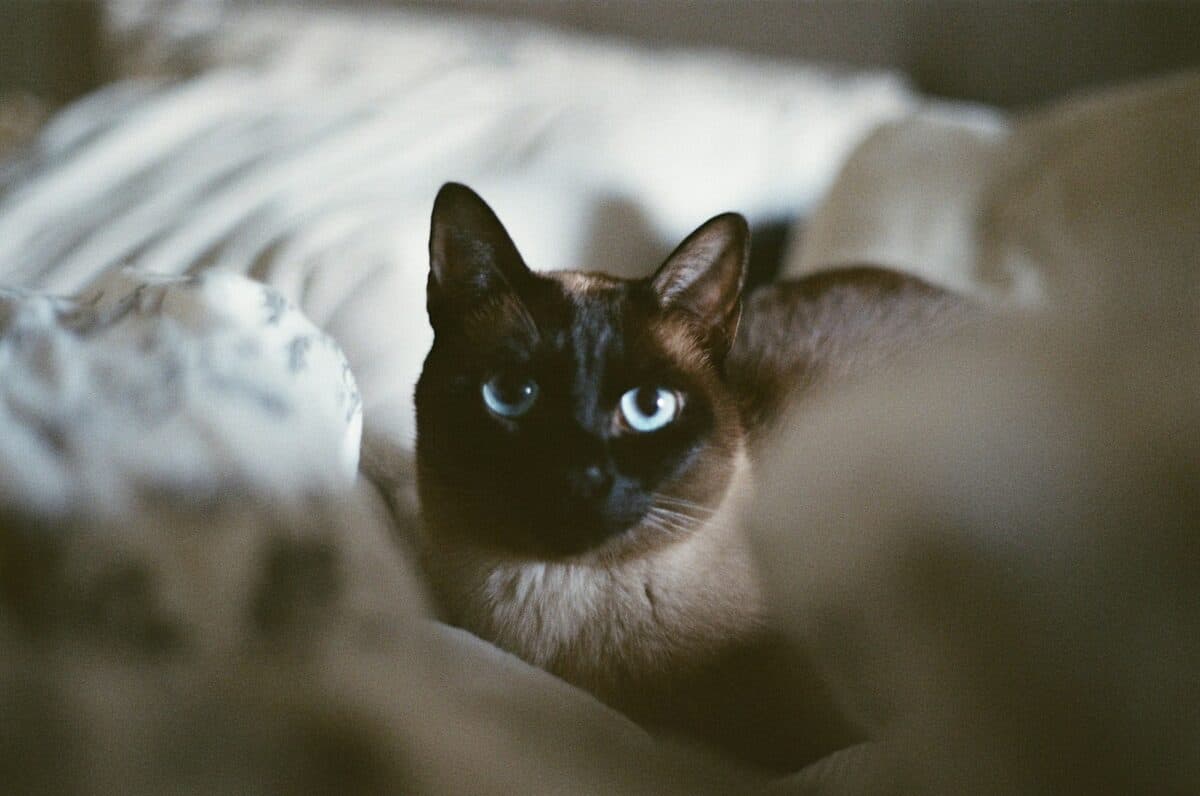
The video trope of cats deliberately pushing items off tables and shelves while maintaining eye contact with their owners captures a behavior that can be both amusing and frustrating. This seemingly mischievous activity actually stems from natural feline instincts and intelligence. Cats explore their environment primarily through touch, using their sensitive paws to investigate objects. In the wild, determining whether something is alive (potential prey) or inanimate would be crucial information. By batting at objects, cats learn about their properties—does it move? Make noise? React?
There’s also a learning and attention component to this behavior. Cats quickly discover that knocking items over creates an interesting response—both from the object itself and often from their human companions. The movement, sound, and your reaction all provide stimulation in what might otherwise be a boring environment. If this behavior becomes problematic, the solution isn’t punishment but enrichment. Provide your cat with appropriate toys that respond to batting and pawing, create designated play sessions to satisfy their need for interaction, and secure valuable or dangerous items. Remember that your reaction may inadvertently reinforce the behavior, so responding calmly or redirecting their attention is more effective than scolding.
Strange Litter Box Behaviors
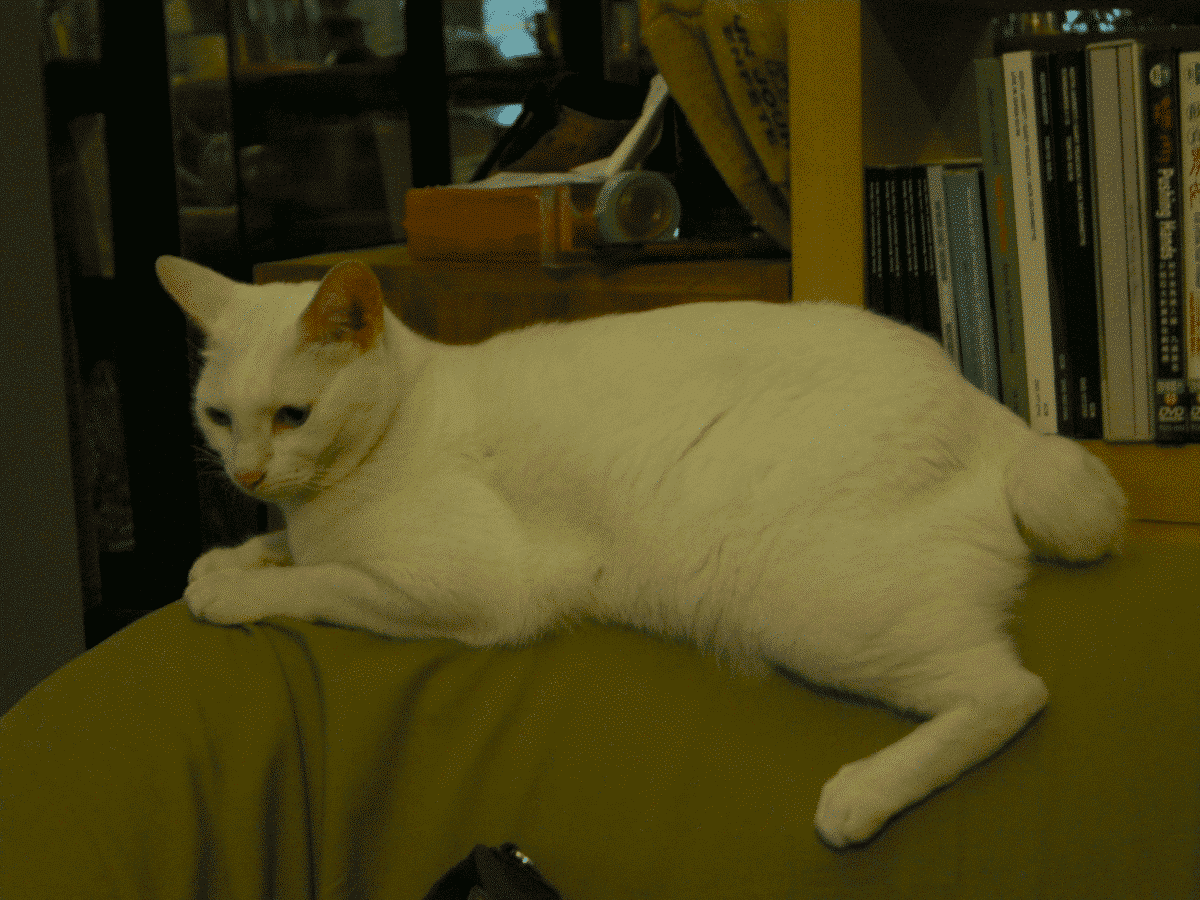
Many cat owners have witnessed their pet’s curious post-bathroom sprint, sometimes called the “poop zoomies.” While amusing, this behavior likely has evolutionary roots. In the wild, the smell of waste could attract predators, so a quick departure from the elimination site would be advantageous for survival. Even domestic cats retain this instinct to distance themselves from their waste. Another common but puzzling behavior is scratching around the litter box—sometimes vigorously scratching the walls or floor outside the box rather than covering waste as expected.
This scratching serves multiple purposes beyond waste concealment. It helps clean residue from paws, marks territory through scent glands in the paws, and in multi-cat households, can communicate dominance. Some cats may not cover their waste at all, which can be a territorial statement—dominant cats in feral colonies often leave waste uncovered as a visual and olfactory marker of their presence. Changes in litter box behavior, however, can indicate health problems. If your normally fastidious cat suddenly stops covering waste, eliminates outside the box, or shows discomfort during elimination, a veterinary check is warranted to rule out urinary tract infections, constipation, or other health issues.
Unusual Sleeping Positions

Cats spend approximately 12-16 hours a day sleeping, and the positions they choose can seem strange to human observers. From the classic “loaf” position (paws tucked under body) to the seemingly uncomfortable contortions where they twist their spine in impossible ways, each sleeping position serves a purpose. The tight ball many cats adopt conserves body heat and protects vital organs, an important survival strategy for wild felines. Conversely, a cat sprawled out on their back or side with limbs extended is displaying ultimate relaxation and security—they feel safe enough to sleep in a vulnerable position.
Some cats sleep with their face pressed against walls or furniture, which may help block light or create a sense of security. The “cat loaf” position allows for quick mobility if needed while conserving energy and body heat. Sleeping on elevated surfaces or in hidden nooks satisfies their instinct to remain safe while resting. Pay attention to changes in sleeping habits, as they can indicate health concerns. A cat who suddenly sleeps more, less, or in unusual locations might be experiencing pain or illness. While many sleeping positions look uncomfortable to us, cats have incredibly flexible spines with more vertebrae than humans, allowing them to comfortably assume positions that would cause us discomfort.
The “Elevator Butt” Response

When you pet your cat, particularly at the base of the tail, you may have noticed them raising their hindquarters in response—a behavior affectionately termed “elevator butt.” This automatic reaction has both neurological and social components. The area at the base of the tail contains a high concentration of nerve endings that, when stimulated, create pleasurable sensations for your cat. This sensitive region can trigger an automatic physical response similar to a reflex, causing the characteristic posture elevation.
Beyond the physical response, “elevator butt” also has social significance. In cat-to-cat interactions, this posture is most commonly seen during greeting rituals, particularly when a cat is inviting another trusted cat to engage in mutual scent exchange and recognition. When your cat presents their hindquarters to you in this way, they’re essentially treating you as they would a trusted feline companion, inviting social bonding. It’s also worth noting that this posture is more common in female cats in heat, where it serves a reproductive function by signaling receptivity to males. In spayed and neutered pets, however, it’s simply a sign of pleasure and social connection. If your cat displays this behavior, take it as a compliment—they’re showing both physical enjoyment and social trust.
Conclusion:

Cats are famously mysterious creatures, and their quirky behaviors often leave even experienced pet owners scratching their heads. But as we’ve seen, many of these strange actions—whether it’s kneading your lap, zooming around the house at night, or chattering at birds—have logical explanations rooted in feline biology, instincts, and communication. Understanding the meaning behind these behaviors can help us better interpret what our cats are trying to tell us and strengthen the bond we share with them.
Rather than dismissing these actions as mere oddities, recognizing their significance reveals just how complex and expressive cats truly are. By learning to decode their subtle signals and instinctual habits, we not only become more attuned to their needs but also deepen our appreciation for their unique personalities. In the end, those strange little habits are part of what makes living with cats so endlessly fascinating—and rewarding.

As a little kid, I fell in love with nature, wildlife, and animals. Living in the USA, South Africa, Italy, China and Germany gave me the opportunity to discover the world's Wildlife. My favorite animals are Mountain Gorillas, Siberian Tigers, and Great White Sharks.
I'm a certified PADI Open Water Diver, went to Everest Base Camp and Trekked Gorillas in Uganda. I hold a Master of Science in Economics and Finance.
Please send any feedback to feedback@animalsaroundtheglobe.com
- 13 Animals That Use the Earths Magnetic Field - August 7, 2026
- 10 Coldest Days in American History - August 7, 2026
- Top 10 Animals and Wildlife in Connecticut - August 7, 2026