

In the rugged landscapes of the Pacific Northwest, an ancient and intricate dance of life unfolds each year—a remarkable demonstration of ecological interconnectedness that has shaped the region for millennia. The cycle involves three iconic species: salmon, bears, and eagles, each playing crucial roles in a natural symphony that sustains forests, rivers, and countless other species. This ecological relationship represents one of nature’s most compelling examples of interdependence, where the fate of forests is tied to fish that swim from ocean to mountain stream, carried in part by the actions of powerful predators. As salmon journey from the Pacific Ocean to their natal streams, they trigger a cascade of events that nourishes everything from microscopic organisms to towering trees, creating a web of life that defines the very essence of the Northwest ecosystem.
The Remarkable Journey of Pacific Salmon

Five species of Pacific salmon—Chinook, Coho, Sockeye, Pink, and Chum—dominate the Northwest waterways, each with its unique timing and behaviors. These extraordinary fish begin their lives in freshwater streams and rivers, where they hatch from eggs carefully deposited in gravel nests called redds. After emerging as fry, young salmon spend varying amounts of time in freshwater before undergoing smoltification—a physiological transformation that prepares them for saltwater life. This remarkable adaptation allows their bodies to transition from processing freshwater to saltwater, a feat few vertebrates can accomplish.
What makes salmon truly exceptional is their epic migration. After maturing in the nutrient-rich North Pacific for 1-7 years (depending on the species), they navigate back to their exact birth streams using a combination of celestial orientation, Earth’s magnetic field, and their extraordinary sense of smell that can detect their home stream’s unique chemical signature from among thousands of waterways. Some travel more than 900 miles upstream, climbing elevations of over 7,000 feet, leaping waterfalls, and battling currents—all while undergoing dramatic physical transformations as their bodies redirect energy from digestion to reproduction. This journey represents one of nature’s most demanding physical challenges, made all the more poignant by its inevitable conclusion: spawning followed by death.
The Grizzly’s Feast: Bears and the Salmon Run

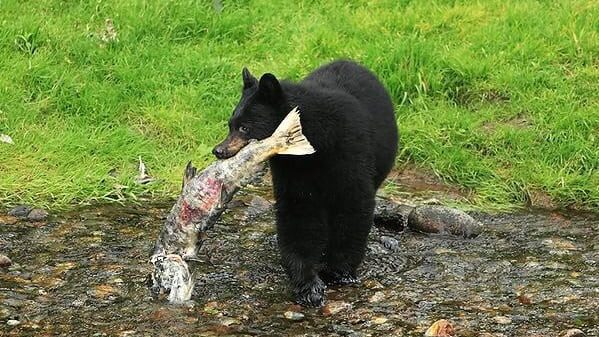
For coastal brown bears and grizzlies of the Northwest, the annual salmon run represents a critical nutritional windfall. These massive omnivores, capable of weighing over 1,500 pounds, depend on the fat-rich salmon to build the reserves necessary for winter hibernation. A single bear can consume up to 90 pounds of salmon daily during peak runs, targeting the most calorie-dense portions—often the brain, eggs, and skin—which contain omega-3 fatty acids and other essential nutrients. Research has shown that bears with access to abundant salmon runs grow larger, reproduce more successfully, and maintain healthier populations than those without.
The fishing techniques bears employ demonstrate remarkable intelligence and adaptation. Some wade into streams and stand motionless before snatching leaping fish with lightning-fast reflexes. Others pursue salmon in shallow water, while the most skilled practitioners dive completely underwater to catch fish. Bears in places like Alaska’s Brooks Falls have developed specialized techniques for specific fishing locations, with dominant bears claiming prime fishing spots. Perhaps most fascinating is the cultural transmission of these fishing methods—cubs learn by observing their mothers, developing skills that will be passed down through generations, creating distinct “fishing cultures” among different bear populations.
Eagles: The Aerial Predators of the Salmon Cycle

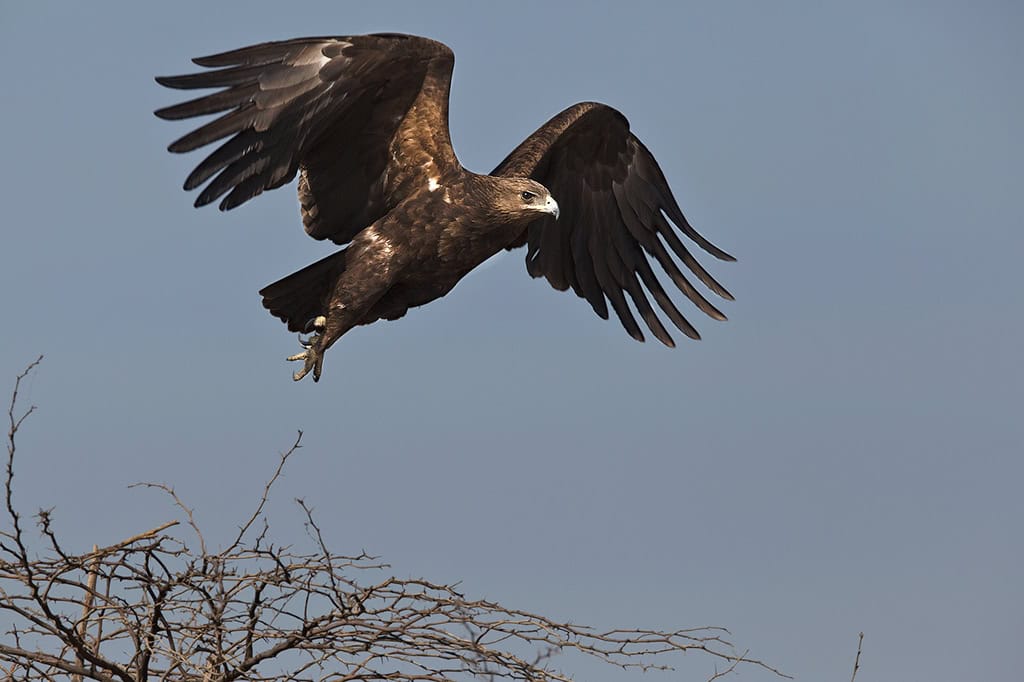
Bald eagles represent the third major player in this ecological triangle. These majestic raptors, with their seven-foot wingspans and piercing yellow eyes, gather in astonishing numbers during salmon runs. In places like the Skagit River in Washington State, over 1,000 eagles may congregate along a single stretch of river. Their exceptional eyesight—roughly four times sharper than human vision—allows them to spot salmon from considerable heights, while powerful talons enable them to lift fish weighing up to half their body weight from the water’s surface.
Eagles employ multiple strategies to obtain salmon. Some hunt actively, plucking live fish from the water in dramatic swoops. Others practice kleptoparasitism—stealing fish from other eagles or osprey in mid-air pursuits. However, many eagles focus on scavenging, consuming salmon carcasses left by bears or those that die naturally after spawning. This opportunistic behavior creates a remarkable efficiency in the ecosystem, with eagles cleaning up carcasses that might otherwise accumulate in waterways. During salmon season, eagles may double their body weight, storing energy for leaner periods and providing nutrition crucial for successful breeding seasons ahead.
The Nutrient Transfer: From Ocean to Forest
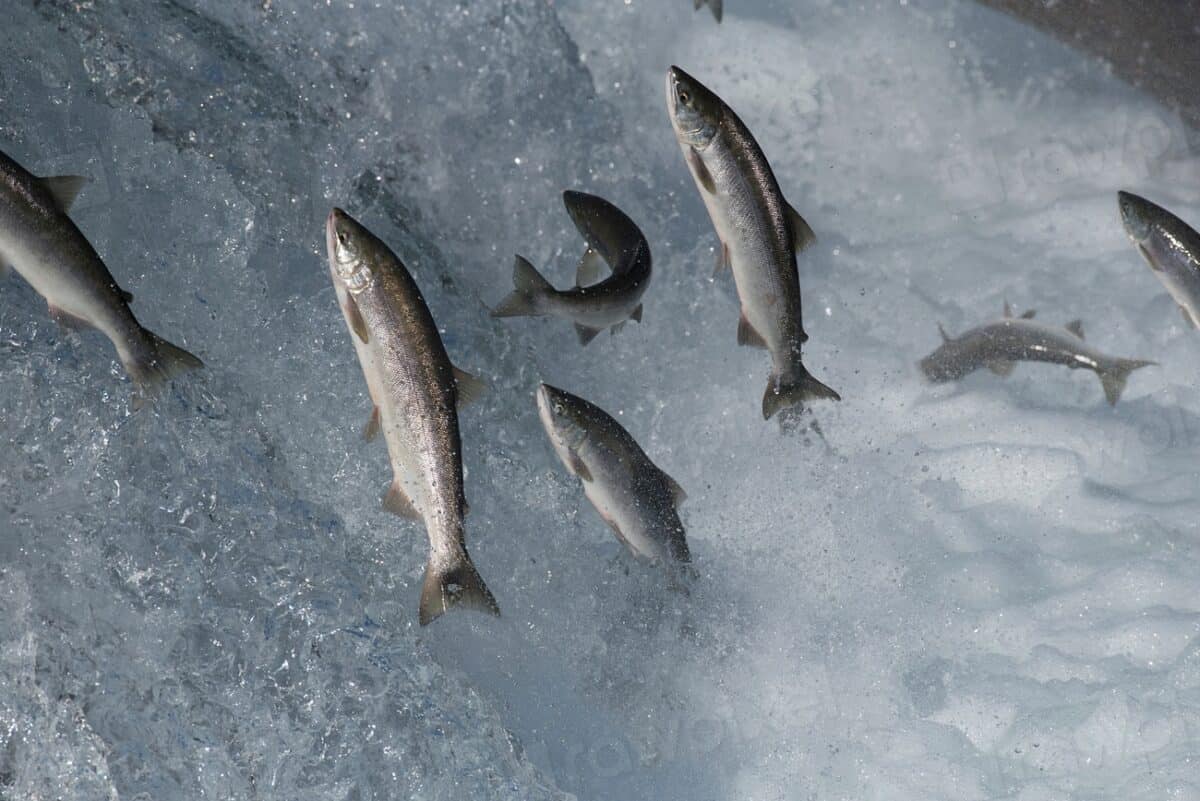
Perhaps the most remarkable aspect of this ecological relationship is how salmon physically transport nutrients from the ocean to inland ecosystems. During their years at sea, salmon accumulate marine-derived nutrients, including nitrogen, phosphorus, and carbon, in their tissues. When they return to spawn and die in headwater streams, these nutrients are released into environments that would otherwise be nutrient-poor. Scientific studies tracking isotopes of nitrogen (specifically the marine-derived N15 isotope) have found salmon nutrients in stream sediments, aquatic insects, riverside vegetation, and even in trees growing hundreds of feet from water sources.
Bears and eagles serve as critical vectors in this nutrient distribution. When bears catch salmon, they often carry them away from streams to consume in the forest understory, depositing partially eaten carcasses and excrement throughout the ecosystem. Research has documented that trees growing near salmon streams show growth rates up to three times higher than those in similar environments without salmon, with the marine-derived nitrogen signature detectable in tree rings corresponding to years of strong salmon runs. One study estimated that bears in a single watershed moved more than 360,000 pounds of salmon into the forest over a season, effectively fertilizing the ecosystem in a process sometimes called “salmon-derived nutrition.”
Ripple Effects: The Ecological Cascade

The salmon-bear-eagle relationship creates ecological ripples extending far beyond the three primary species. When salmon die after spawning, their carcasses feed over 130 different species, from tiny aquatic invertebrates to scavenging mammals like mink, wolverines, and martens. These decomposing fish release nutrients that feed biofilms—microscopic communities of algae, fungi, and bacteria that form the base of the freshwater food web. This enriched environment supports higher populations of aquatic insects, which in turn become food for juvenile salmon and other fish species, creating a feedback loop that benefits future salmon generations.
The enhanced forest growth resulting from salmon nutrients supports diverse plant communities, which provide habitat for countless species from songbirds to small mammals. Bears and eagles fertilize the soil through their droppings, spreading salmon nutrients even further from waterways. Research in coastal British Columbia found that the width of tree growth rings correlated directly with the size of pink salmon runs, demonstrating how the entire forest ecosystem essentially “breathes” with the rhythm of salmon migration. This complex web of interactions exemplifies what ecologists call a “keystone process”—a relationship so fundamental that it shapes the very nature of the ecosystem.
Seasonal Synchrony: Nature’s Perfect Timing

The timing of this ecological dance has evolved with remarkable precision over thousands of years. Each salmon species returns at slightly different times, creating a conveyor belt of nutrition that extends the availability of this resource. Sockeye and Chinook often begin the season in summer, followed by Coho in fall, with Chum and Pink salmon timing varying by location and year. This staggered arrival ensures predators have access to food resources over an extended period while preventing any single salmon species from bearing the full predatory pressure.
Bears time their activities around these runs, with their peak feeding period coinciding precisely with peak salmon availability. Female bears with cubs time their reproduction so that young bears are developed enough to participate in salmon fishing during their second summer, when they learn crucial survival skills. Eagles adjust their movements to follow salmon runs, with some populations migrating hundreds of miles to take advantage of different runs throughout the season. Even the germination of certain streamside plants appears synchronized with the timing of nutrient pulses from salmon decomposition, demonstrating how deeply this cycle has shaped the evolutionary rhythms of the Northwest ecosystem.
Human Intervention: Disrupting the Cycle
The delicate balance of this ecological relationship faces unprecedented challenges from human activities. Dam construction has blocked access to approximately 40% of historical salmon spawning habitat in the Pacific Northwest, while logging, mining, and development have degraded many remaining streams. Climate change alters water temperatures and flow patterns, creating hostile conditions for cold-water-dependent salmon. Commercial fishing pressure, while better regulated today than in the past, has contributed to population declines, with some salmon runs now at less than 10% of their historical abundance.
These salmon declines cascade through the ecosystem. Studies in areas with diminished salmon runs show smaller bear populations with lower reproductive rates and reduced body size. Eagle concentrations have shifted, with birds traveling further to find adequate food sources. Perhaps most concerning, the reduced nutrient transfer to forests may be creating long-term changes in forest composition and growth patterns. The interruption of this ancient cycle demonstrates how human activities that target one species can have far-reaching consequences throughout interconnected ecosystems.
Cultural Significance: The Human Connection

For Indigenous peoples of the Northwest, the salmon-bear-eagle relationship holds profound cultural and spiritual significance. Tribes like the Lummi, Yakama, Nez Perce, and many others structured their traditional lifestyles around salmon migrations, with fishing methods and preservation techniques refined over countless generations. Many tribes practiced—and continue to practice—ceremonies honoring the salmon’s sacrifice, including rituals returning bones to the water to ensure future runs. Bears and eagles feature prominently in tribal stories, art, and ceremonies, often portrayed as teachers, healers, or spiritual guides.
This cultural relationship extends beyond symbolic importance—it represents thousands of years of ecological knowledge. Traditional Indigenous management practices, including selective fishing methods, habitat stewardship, and harvest timing, helped maintain healthy salmon populations for millennia before European contact. Today, many tribes lead salmon restoration efforts, combining traditional knowledge with modern science to heal damaged watersheds. This cultural dimension adds another layer to the ecological story, reminding us that humans have been part of this relationship—sometimes sustainably, sometimes not—throughout its recent history.
Conservation Success Stories: Healing the Cycle
Despite significant challenges, efforts to restore the salmon-bear-eagle cycle have achieved meaningful successes. Dam removal projects have reopened critical habitat, with the Elwha River restoration in Washington State serving as a powerful example. After the removal of two dams that had blocked salmon migration for over 100 years, salmon quickly recolonized the watershed, with populations increasing from fewer than 3,000 to over 7,600 in just five years. Bears and eagles returned to the upper watershed, and researchers documented rapid changes in riverside vegetation and nutrient profiles in the ecosystem.
Habitat restoration efforts, including rebuilding stream complexity, replanting riverside forests, and improving water quality, have helped salmon recover in many watersheds. Fishing regulations have been refined to protect vulnerable populations while allowing harvest of healthier stocks. Perhaps most encouraging are collaborative approaches that bring together tribes, government agencies, conservation organizations, and local communities to address watershed-scale challenges. Projects like the Salmon Superhighway in Oregon aim to reconnect entire river systems, recognizing that the ecological cycle requires continuous habitat connectivity to function properly.
Observing the Spectacle: Ecotourism Opportunities
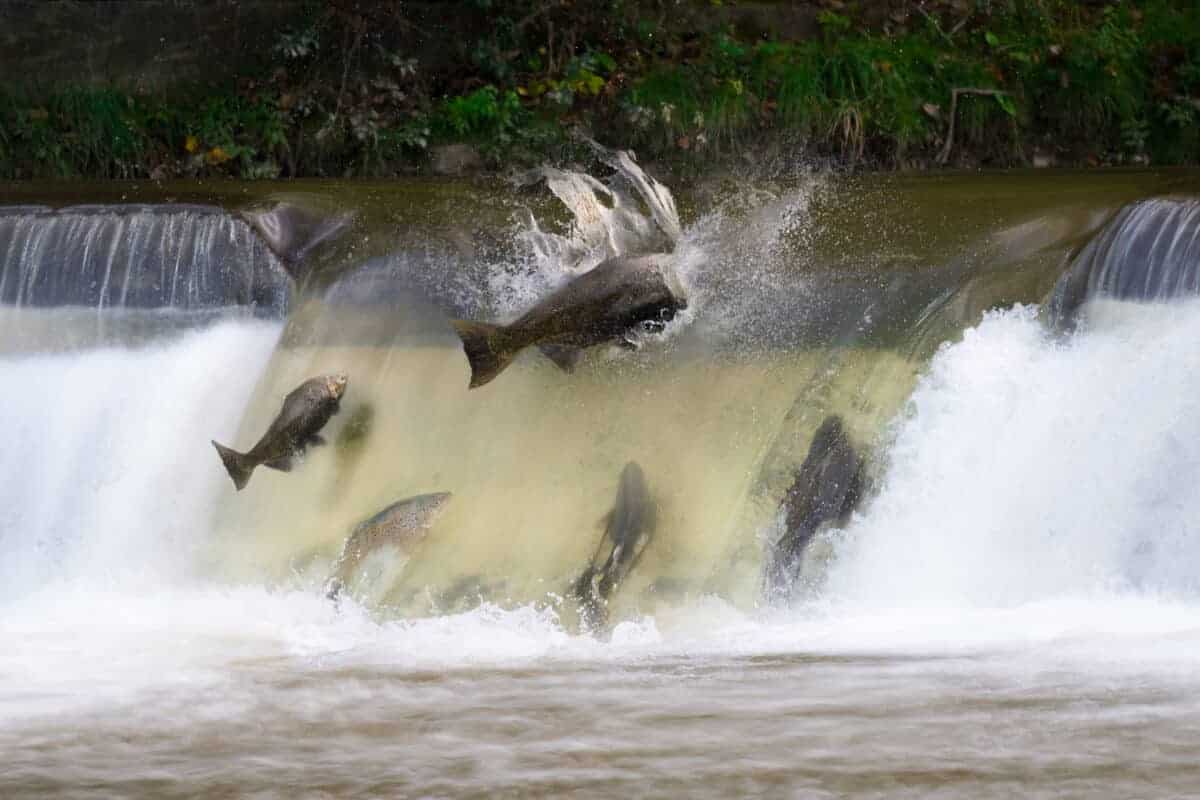
The salmon-bear-eagle cycle offers some of North America’s most spectacular wildlife viewing opportunities. Sites like Brooks Falls in Alaska’s Katmai National Park allow visitors to witness dozens of brown bears fishing simultaneously, while platforms along British Columbia’s Fraser River provide close views of grizzlies catching salmon. Eagle-watching has become an economic driver for communities like Haines, Alaska, and Skagit Valley, Washington, where thousands of visitors gather annually to witness eagle concentrations. For salmon, viewing locations like Seattle’s Ballard Locks or Adams River in British Columbia showcase the determination of these fish as they complete their life journey.
Beyond entertainment value, these ecotourism opportunities create economic incentives for conservation. Communities that once relied primarily on resource extraction now generate significant revenue from wildlife tourism, creating a financial case for habitat protection. Studies show that a single viewable bear in British Columbia’s Great Bear Rainforest generates far more economic value through tourism than it would if hunted for trophy. This economic dimension helps transform the narrative around these species from resources to be harvested to assets worth protecting, strengthening public support for conservation measures.
The Future: Climate Change and Adaptation

As climate change alters the Northwest ecosystem, the salmon-bear-eagle relationship faces unprecedented challenges. Warming waters stress cold-water-dependent salmon, while changing precipitation patterns—more rain, less snow—alter the timing and volume of streamflows critical for successful spawning. Ocean acidification affects marine food webs that support salmon during their oceanic phase, while increasingly intense forest fires threaten streamside habitat. These stressors compound existing challenges from habitat degradation and historical overharvest.
However, these species have demonstrated remarkable resilience. Salmon possess genetic diversity that may allow adaptation to changing conditions, with some populations already showing shifts in migration timing in response to temperature changes. Bears display behavioral plasticity, adjusting their fishing techniques and timing to match changing salmon availability. Conservation strategies increasingly focus on protecting this adaptive capacity—maintaining diverse habitats, preserving genetic variation within species, and creating connected landscapes that allow populations to shift as conditions change. While the future holds significant uncertainty, understanding the deep interdependence of these species provides a roadmap for conservation approaches that protect not just individual species but the relationships between them.
A Circle Unbroken: The Enduring Legacy of an Ecological Relationship

The salmon-bear-eagle relationship represents far more than an interesting ecological curiosity—it embodies the fundamental interconnectedness that defines healthy ecosystems. From the microscopic nutrients that pass from fish to forest to the cultural practices that have honored this cycle for thousands of years, this relationship demonstrates how natural systems function not as collections of individual species but as integrated networks of relationships. The continuing dance of salmon swimming upstream, bears fishing along riverbanks, and eagles soaring overhead offers a living laboratory for understanding ecological principles that apply worldwide.
As we face unprecedented environmental challenges, the lessons of this relationship become increasingly valuable. It teaches us that effective conservation must consider entire ecosystems rather than isolated species, that natural cycles operate across vast landscapes requiring coordinated protection, and that the timing of ecological processes matters as much as their existence. Perhaps most importantly, it reminds us that our own human story is inextricably woven into these natural patterns. In protecting the ancient cycle of salmon, bears, and eagles, we ultimately protect the ecological foundations that sustain all life in the Northwest, including our own.

- Why the Snow Leopard Remains One of the World’s Most Elusive Predators - August 8, 2026
- This Spider Has the Fastest Attack in the World - August 8, 2026
- Could the African Lion Be Gone in 50 Years? - August 8, 2026