

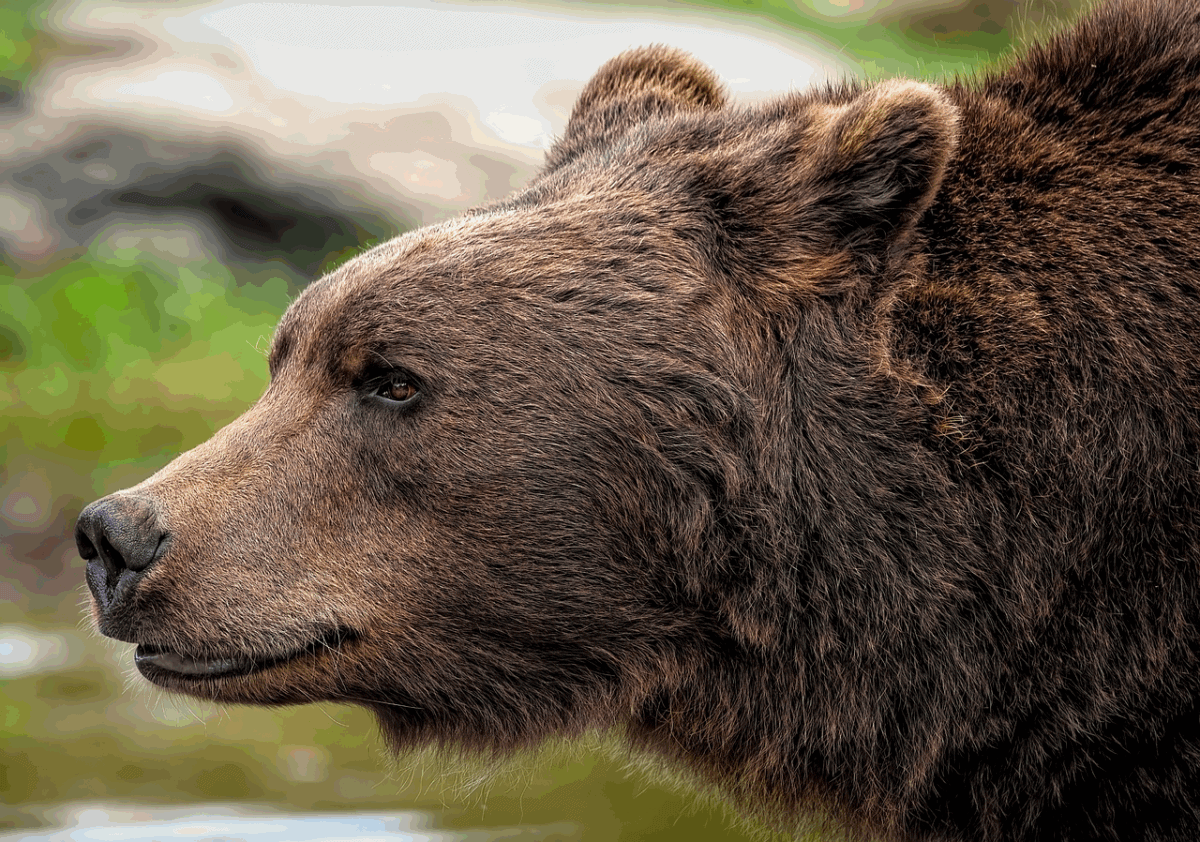
Encountering a bear in the wild can be a breathtaking moment—a powerful reminder that we share our planet with magnificent creatures that have roamed these lands long before humans built their first settlements. While it might seem harmless or even kind to offer food to these impressive animals, especially if they appear hungry or docile, this simple act can trigger a devastating chain of events that often ends tragically—for the bear. Wildlife experts and conservation organizations unanimously agree on one critical rule when it comes to bear encounters: never feed a bear, not even once. This article explores the far-reaching consequences of feeding bears and explains why this seemingly innocent gesture is one of the most dangerous things you can do—both for your safety and for the bear’s survival.
The Natural Diet of Bears

Bears are opportunistic omnivores with complex dietary needs that vary by species and season. In their natural habitat, black bears, brown bears (including grizzlies), and polar bears have evolved specific foraging behaviors that help them survive. Black and brown bears typically consume a varied diet of berries, nuts, insects, fish, and occasionally larger mammals. They spend up to 16 hours daily searching for food in the wild, developing crucial foraging skills and maintaining a healthy relationship with their environment.
This natural foraging behavior is essential not just for nutrition but for the development of survival skills that bears pass on to their cubs. A bear’s sense of smell is approximately seven times stronger than a bloodhound’s, allowing them to detect food sources from miles away. This remarkable adaptation helps them find natural food sources throughout their territory and adjust their diet seasonally. When humans interfere with this natural process by providing easy food, we disrupt thousands of years of evolutionary adaptations that have perfected the bear’s role in its ecosystem.
The “A Fed Bear is a Dead Bear” Reality
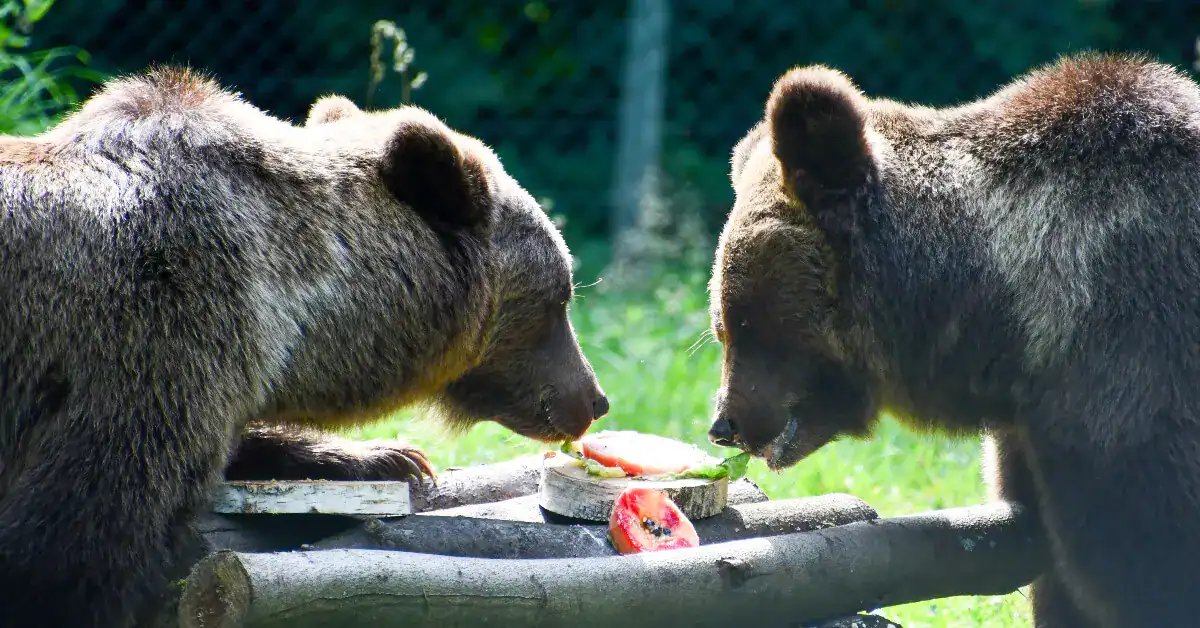
Wildlife management professionals have coined the phrase “a fed bear is a dead bear” for a tragic but accurate reason. Once a bear associates humans with food, it begins a behavioral change that wildlife managers call “food conditioning.” This conditioning leads bears to actively seek out human environments for easy meals, losing their natural wariness of people and developed areas. Statistics from wildlife agencies across North America show that bears habituated to human food sources are up to 4 times more likely to be killed—either by wildlife officials for safety reasons or in human-bear conflicts.
According to the National Park Service, in areas where bears regularly obtain human food, their life expectancy decreases by up to 50%. In Yosemite National Park, before strict food storage regulations were implemented, an average of 12-15 food-conditioned bears were euthanized annually. The mathematics of bear conservation is brutally simple: when we feed bears, we are essentially signing their death warrant. This harsh reality forms the foundation of strict no-feeding policies in national parks and bear country worldwide.
How Bears Become Conditioned to Human Food
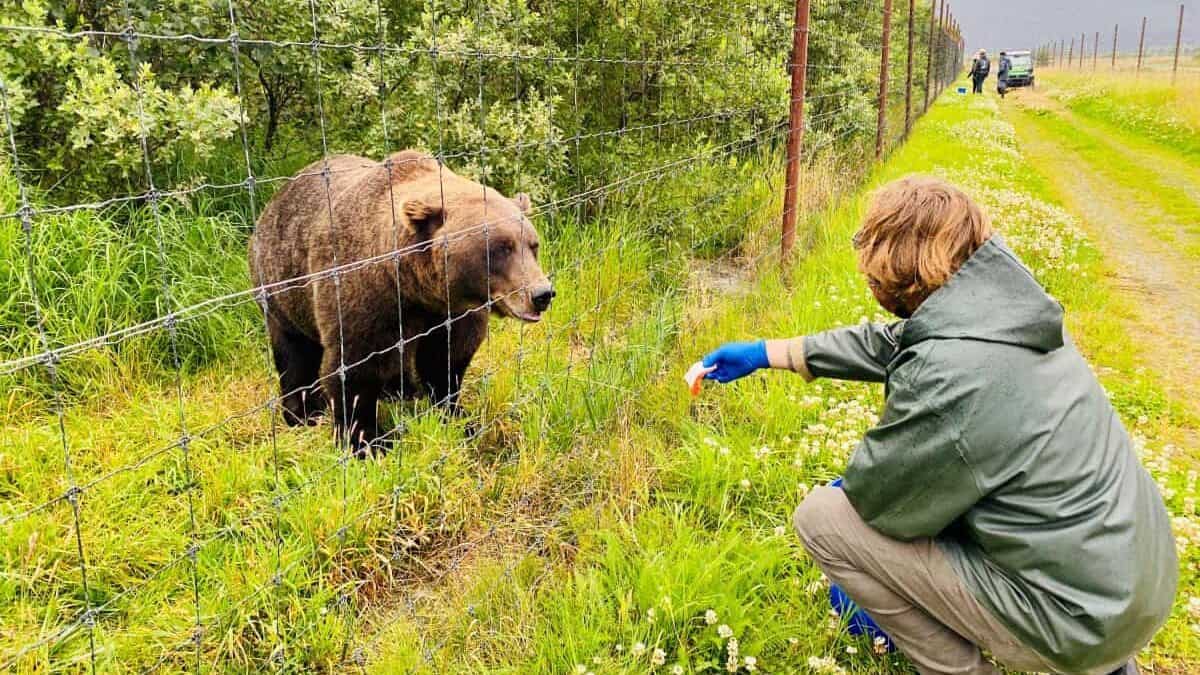
Bears possess remarkable memory and intelligence, learning quickly that humans can be an easy source of high-calorie foods. The conditioning process often begins with a single feeding event that rewards the bear with minimal effort. A study from the Journal of Wildlife Management found that bears can become conditioned after as few as two food rewards from human sources. Once this association forms, bears can remember food locations and return to them seasonally for years.
This conditioning process accelerates because human foods are typically much higher in calories than natural foods. A handful of trail mix or a sandwich can provide more calories than hours of foraging for berries. Bears, being highly efficient creatures, naturally gravitate toward food sources that provide the most nutrition for the least energy expenditure. Their exceptional memory helps them create mental maps of where they’ve found food before. Research shows bears have returned to specific campsites or trash cans years after finding food there, demonstrating the long-lasting impact of even a single feeding incident.
The Dangerous Progression of Bear Behavior
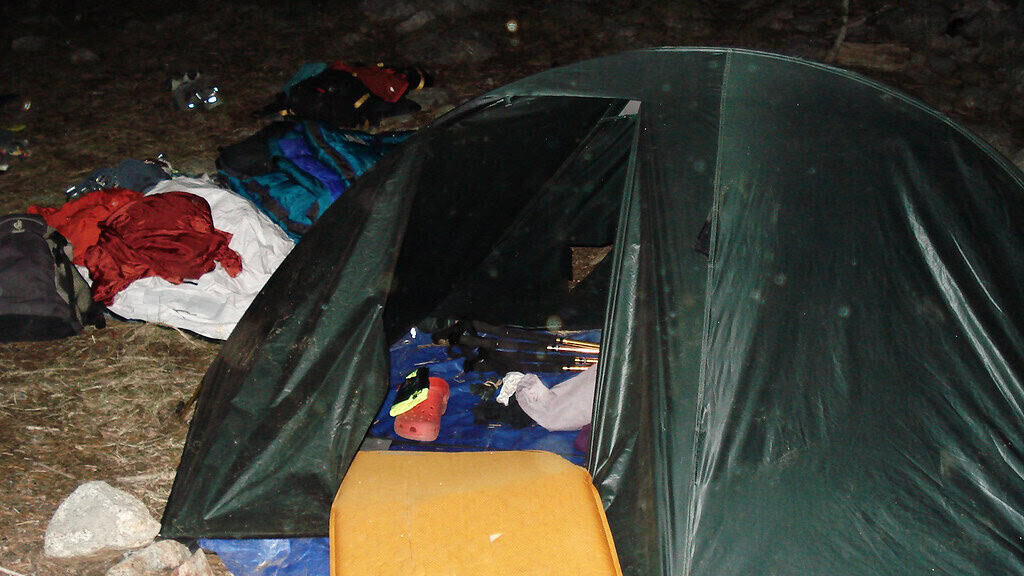
When bears become habituated to human food, their behavior changes in predictable and increasingly dangerous ways. Wildlife biologists recognize a clear progression: it begins with a bear that is naturally wary of humans but overcomes this fear for easy food. Next, the bear becomes bolder, approaching campgrounds or residential areas with increasing comfort. As fear diminishes, the bear may begin damaging property to access food—breaking into cars, ripping open tents, or destroying food storage containers. Finally, in the most dangerous stage, bears may associate humans themselves with food, potentially leading to aggressive encounters.
Data from the North American Bear Center shows that food-conditioned bears are responsible for the vast majority of serious bear attacks. These are not typically predatory attacks but rather the result of a bear defending what it now perceives as its food source. In Yellowstone National Park, before modern food storage regulations, bear-inflicted human injuries averaged 45 per year. After strict food management policies were implemented, injuries dropped to fewer than 1 per year. This dramatic reduction demonstrates that most dangerous bear encounters stem directly from food conditioning that begins with humans feeding bears.
Impact on Bear Family Units
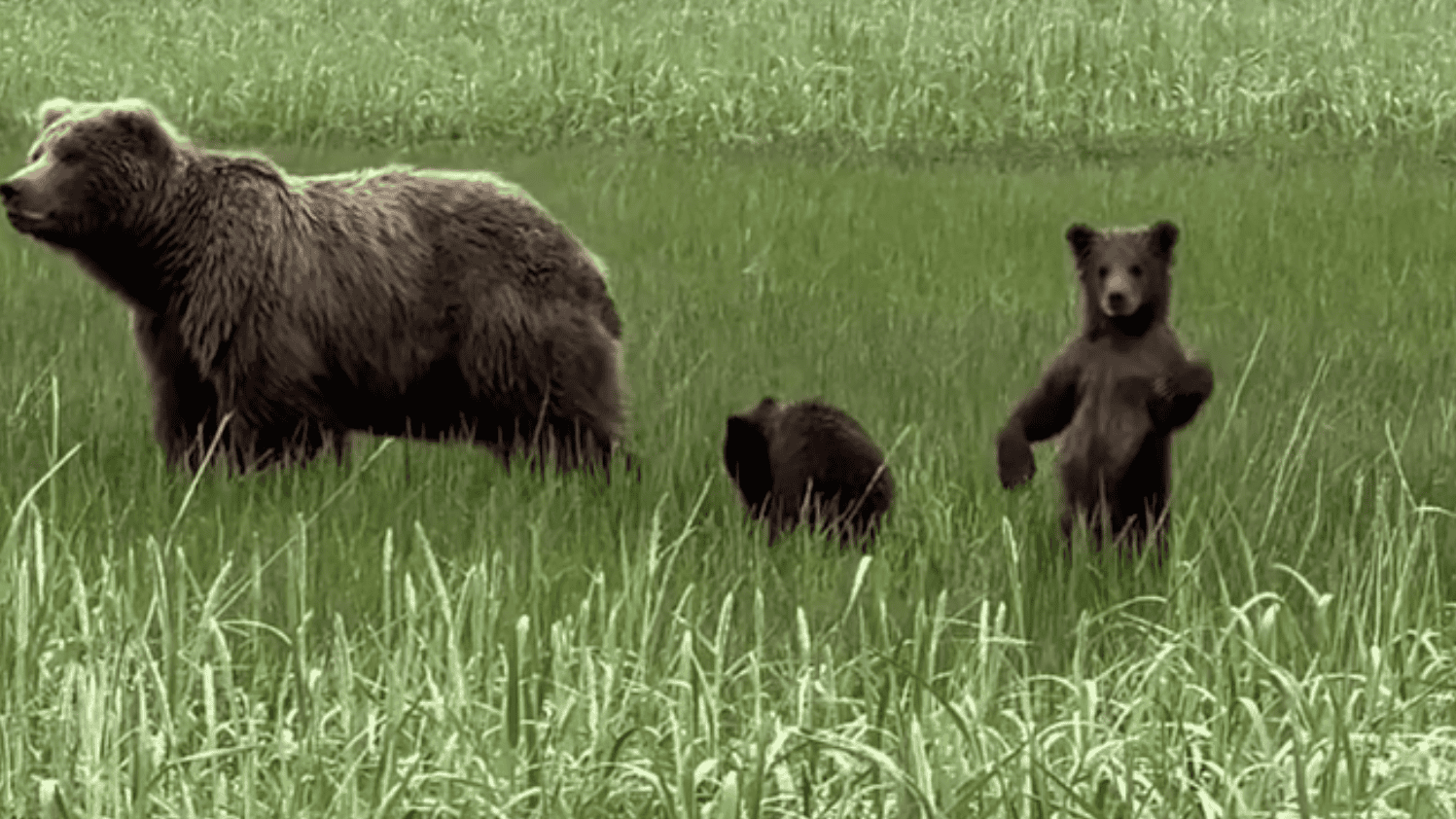
When adult bears learn to associate humans with food, they pass this dangerous behavior to their cubs, creating generational problems for bear management. Mother bears teach their young essential survival skills during the 1-2 years cubs remain with them. If a mother bear has learned to raid garbage cans or approach campsites for food, she will demonstrate these behaviors to her cubs, who will likely continue these patterns when independent. This creates a multiplying effect where one fed bear can lead to an entire lineage of food-conditioned bears.
Research from bear rehabilitation facilities shows that orphaned cubs whose mothers were killed due to human-food conflicts are significantly more difficult to release successfully back into the wild. These cubs often lack proper foraging skills and have already formed associations with human food sources. Conservation efforts must then focus on breaking these learned behaviors—a difficult and resource-intensive process with limited success rates. By feeding a single bear, we potentially impact multiple generations of bears, amplifying the ecological damage.
The Legal Consequences of Feeding Bears
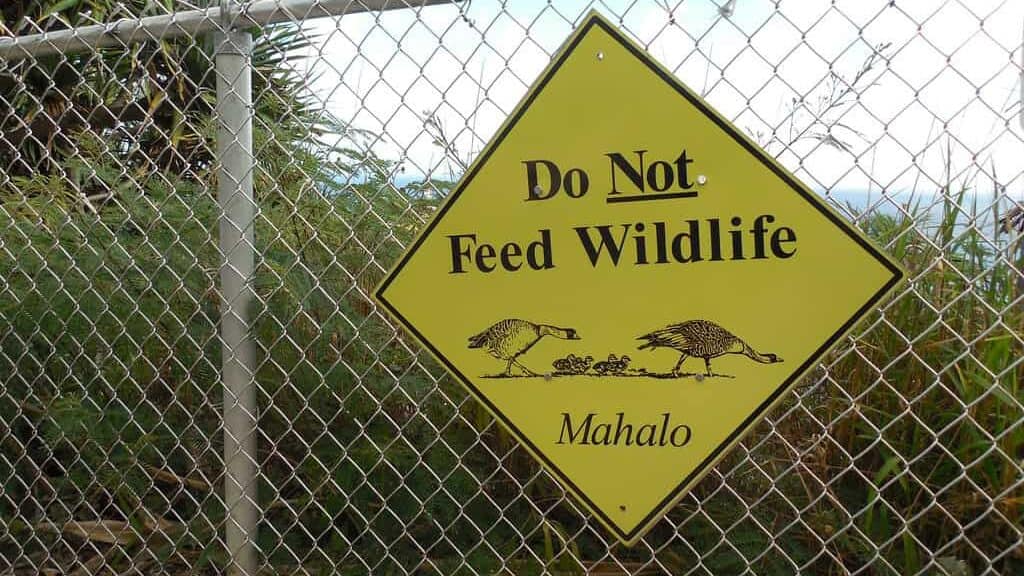
Feeding bears isn’t just dangerous—it’s illegal in most places where bears live. In the United States, all national parks prohibit feeding wildlife, with fines ranging from $100 to $5,000 and potential jail time in severe cases. Most states with bear populations have enacted specific laws against feeding bears, with penalties that have increased in recent years as wildlife officials recognize the seriousness of the problem. In British Columbia, Canada, feeding dangerous wildlife can result in fines up to $100,000 and imprisonment for up to one year.
These strict penalties reflect the understanding that feeding bears creates a public safety issue and ultimately harms conservation efforts. In 2018, a man in Oregon was fined $1,000 and required to pay an additional $1,000 to a wildlife conservation fund after posting social media videos of himself hand-feeding bears. Wildlife officials take these violations seriously because they understand the deadly consequences for both bears and potentially humans. Beyond the legal penalties, individuals who feed bears may also face civil liability if their actions lead to property damage or injuries caused by habituated bears.
Human Safety Risks
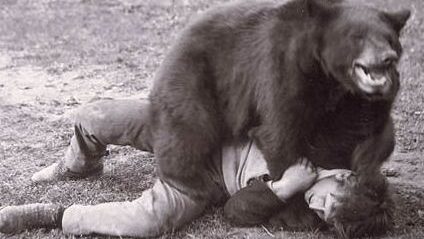
While the consequences for bears are severe, humans who feed bears also place themselves and others in significant danger. Bears are immensely powerful animals capable of causing serious injury or death. A black bear can weigh up to 600 pounds and run at speeds of 35 mph, while a grizzly bear can weigh over 1,000 pounds with paw swipes powerful enough to kill an adult moose. When these animals lose their natural fear of humans, dangerous encounters become increasingly likely.
According to data compiled by the CDC and state wildlife agencies, approximately 90% of serious bear attacks in North America involve food-conditioned bears or bears defending food sources. What begins as a “cute” encounter with a bear accepting food can escalate quickly into a dangerous situation. In 2021, wildlife officials documented over 200 instances where bears damaged property or threatened human safety after being fed by people—ranging from broken car windows to home invasions. By feeding bears, individuals put not just themselves at risk but their entire community, as bears will return to areas where they’ve found food before.
Bear-Proofing: The Responsible Alternative
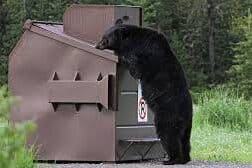
Instead of feeding bears, the responsible approach is to bear-proof our environments and practice proper food management in bear country. This includes using certified bear-resistant food containers when camping, storing all food, trash, and scented items properly, and keeping clean campsites. For homeowners in bear country, this means using bear-resistant garbage cans, removing bird feeders during bear season, picking ripe fruit promptly, and cleaning outdoor grills thoroughly after each use.
Studies have shown that communities that implement comprehensive bear-proofing programs see up to an 80% reduction in human-bear conflicts. In Whistler, British Columbia, after implementing strict waste management regulations and community education, bear-related complaints decreased by 70% in just three years. These statistics demonstrate that with proper precautions, humans and bears can coexist without dangerous interactions. The key is preventing bears from getting that first food reward that starts the conditioning process—reinforcing that prevention is far more effective than trying to change behaviors after conditioning has occurred.
Ethical Wildlife Viewing

For those who wish to observe bears in their natural habitat, there are ethical alternatives to feeding. Wildlife biologists recommend maintaining a minimum distance of 100 yards from bears in the wild. Using binoculars or telephoto camera lenses allows for close observation without disturbance. Many national parks and wildlife refuges offer guided bear-watching tours led by trained naturalists who know how to safely observe bears without affecting their behavior.
Ethical wildlife viewing focuses on appreciating bears in their natural state—foraging, raising cubs, and fulfilling their ecological role. Organizations like the Bear Viewing Association have developed codes of conduct for ethical bear viewing that protect both bears and humans. These guidelines emphasize patience, distance, and respect for the animals’ natural behaviors. The reward for ethical viewing is witnessing authentic bear behavior rather than the artificial and potentially dangerous interactions that occur when bears are fed. Many wildlife photographers and enthusiasts report that their most meaningful bear encounters occurred when observing bears engaged in natural behaviors, undisturbed by human interference.
The Ecological Importance of Bears
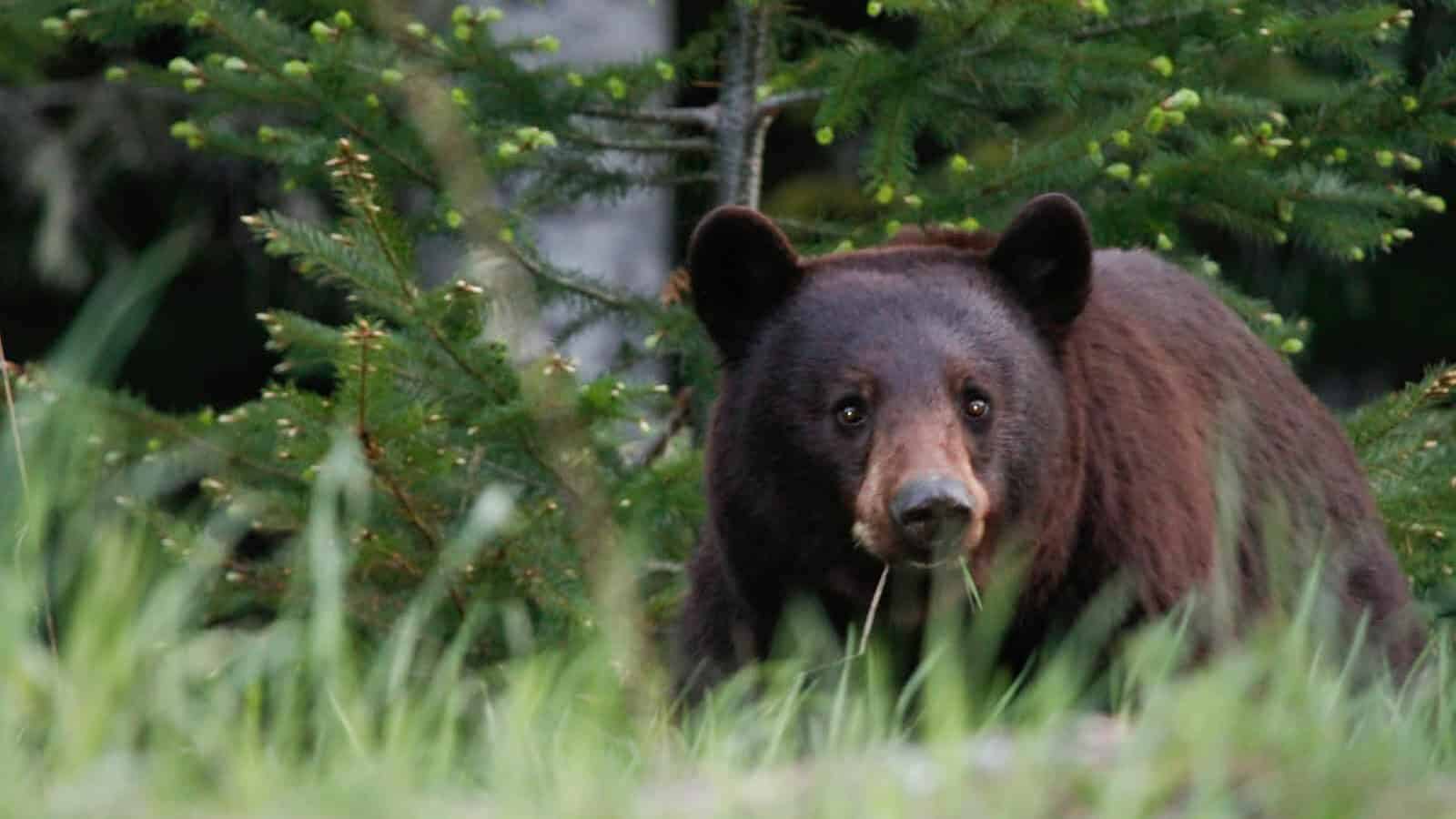
Bears serve crucial ecological functions in their native habitats that are disrupted when they become food-conditioned. As omnivores, bears help disperse seeds throughout forests by consuming berries and fruits and depositing the seeds in their scat across large territories. Their foraging activities aerate soil and help maintain healthy understory plant communities. Coastal bears that feed on salmon bring marine nutrients inland, fertilizing forests with the remains of fish they carry from streams.
When bears are removed from ecosystems due to conflicts stemming from food conditioning, these ecological services are lost. Research in Yellowstone National Park demonstrated that areas with healthy bear populations showed 40% higher plant diversity compared to similar habitats where bears were absent. By maintaining natural bear behavior through a no-feeding policy, we preserve not just individual bears but their vital role in ecosystem health. Conservation biologists consider bears “umbrella species”—by protecting them and their natural behaviors, we simultaneously protect countless other species that share their habitat.
Community-Based Solutions
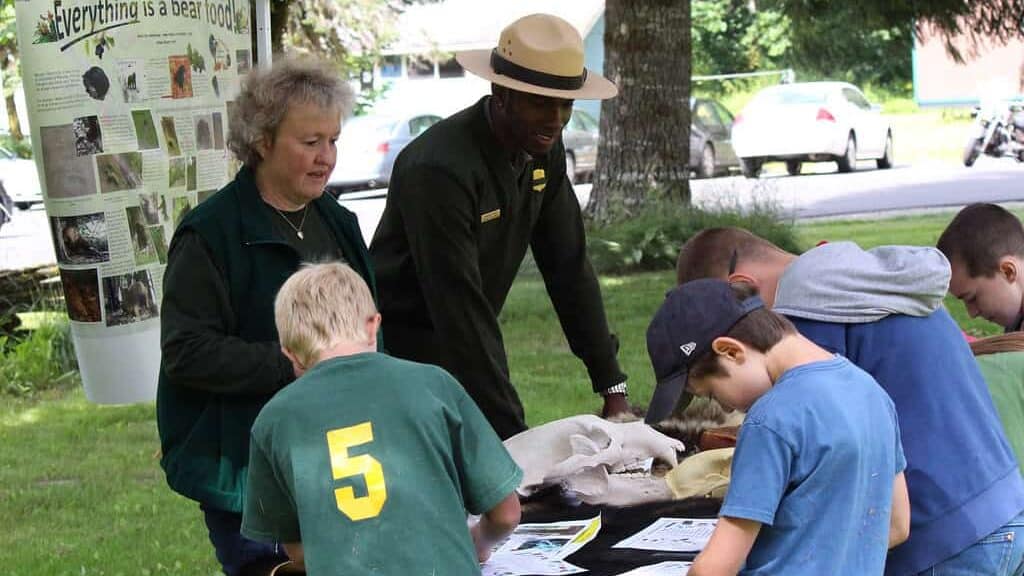
Addressing the problem of bear feeding requires community-wide efforts and education. Successful models exist in communities like Canmore, Alberta, and Lake Tahoe, California, where comprehensive bear awareness programs have significantly reduced human-bear conflicts. These programs typically include elements like neighborhood watch systems that alert residents when bears are active, community-wide adoption of bear-resistant garbage containers, and educational programs in schools and for new residents.
The data supports the effectiveness of these approaches. Communities with active bear awareness programs report up to 90% fewer problematic bear encounters compared to similar communities without such programs. In Yosemite National Park, after implementing an intensive visitor education program about proper food storage, bear incidents decreased by 65% in just five years. These successes demonstrate that preventing bear feeding through education and infrastructure is far more effective and humane than dealing with the consequences of food-conditioned bears. Many of these programs operate through partnerships between government agencies, non-profit organizations, and local businesses, showing that bear conservation truly requires community-wide commitment.
True respect and appreciation for bears means admiring them from a distance and ensuring they remain wild animals with natural behaviors. The momentary thrill of a close encounter or photo opportunity with a fed bear simply isn’t worth the likely death sentence it imposes on that animal. Wildlife experts, conservation organizations, and park officials all emphasize that the most compassionate action for someone who loves bears is to never feed them—not even once. This seemingly simple rule saves bear lives, protects human communities, and preserves the ecological roles these magnificent animals have played for millennia.
The next time you encounter a bear in the wild or see one venturing near human habitation, remember that your actions will directly influence that animal’s future. By choosing not to feed bears and by practicing proper food management in bear country, you become part of the solution rather than contributing to a problem that annually results in the deaths of hundreds of bears across North America. Our relationship with wildlife must be built on respect for their wild nature and natural behaviors—not on creating dangerous dependencies that ultimately harm the very animals we admire. In the end, keeping bears wild is the greatest gift we can give these remarkable creatures who share our landscapes.

- How Animals Survive the World’s Harshest Mountain Conditions - August 5, 2026
- 10 Predators That Can Climb Trees - August 4, 2026
- Why Male Peacocks Have Iridescent Tail Feathers - August 4, 2026