
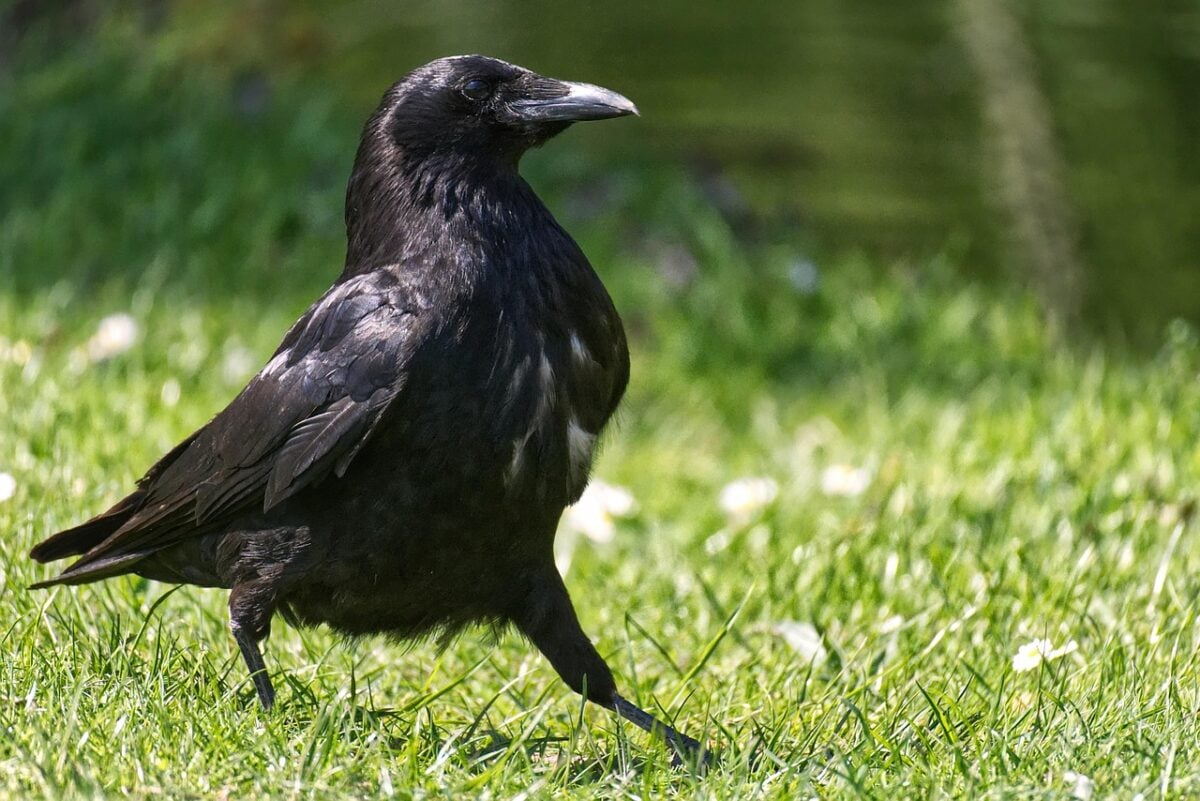
There’s something unsettling and magnetic about a raven staring back at you. It feels less like you’re looking at a bird and more like you’ve just been quietly evaluated. In Irish folklore, that eerie, knowing gaze was no accident: ravens were often seen as guardians of hidden truths and half-remembered lore, hovering at the edge of the human world like keepers of a library no one living could quite enter.
Modern science paints ravens as problem-solvers and planners, while old Irish stories wrap them in prophecy, battle, and the mysteries of the Otherworld. Put those together, and you get a creature that feels almost too clever to be “just” an animal. Let’s walk through the myths, the archaeology, and the psychology behind why ravens, of all birds, ended up carrying the weight of forgotten wisdom on their black wings.
The Raven at the Edge of the Ancient Irish World
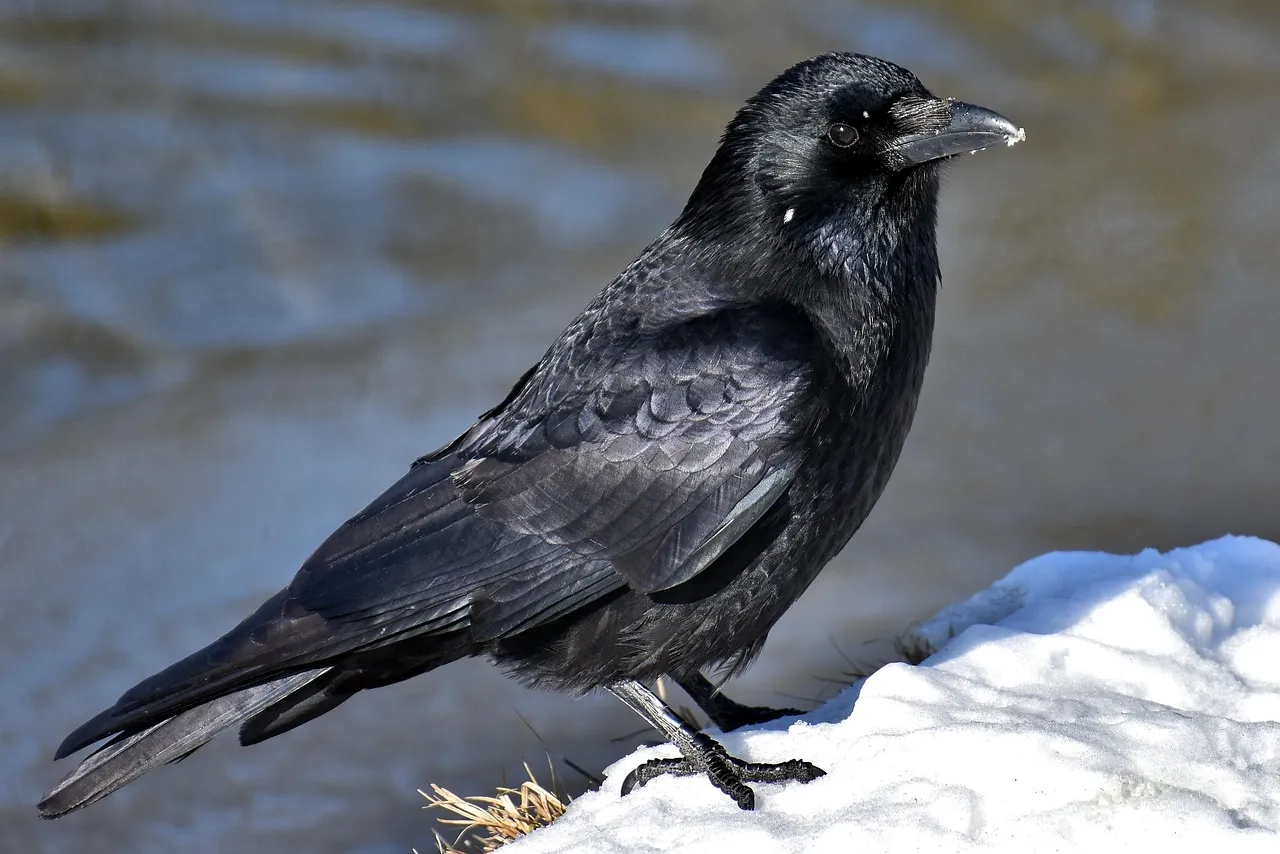
Imagine standing on a windswept Irish hilltop centuries ago, with battle smoke in the distance and black birds circling overhead. To the early Irish, that sight was not just nature doing its thing; it was a sign that something beyond human understanding was paying attention. Ravens hovered at the edge of fields, forests, and battlefields, exactly the liminal spaces where people felt closest to the supernatural.
Irish culture has long treated borderlands – between land and sea, day and night, life and death – as potent, dangerous places. Ravens living and feeding in those thresholds became natural symbols of transition and mystery. They weren’t domesticated, yet they kept showing up where human drama unfolded, as if they were silent witnesses cataloguing what people wanted to forget or feared to remember.
Morrígan, War, and the Raven’s Watchful Eye
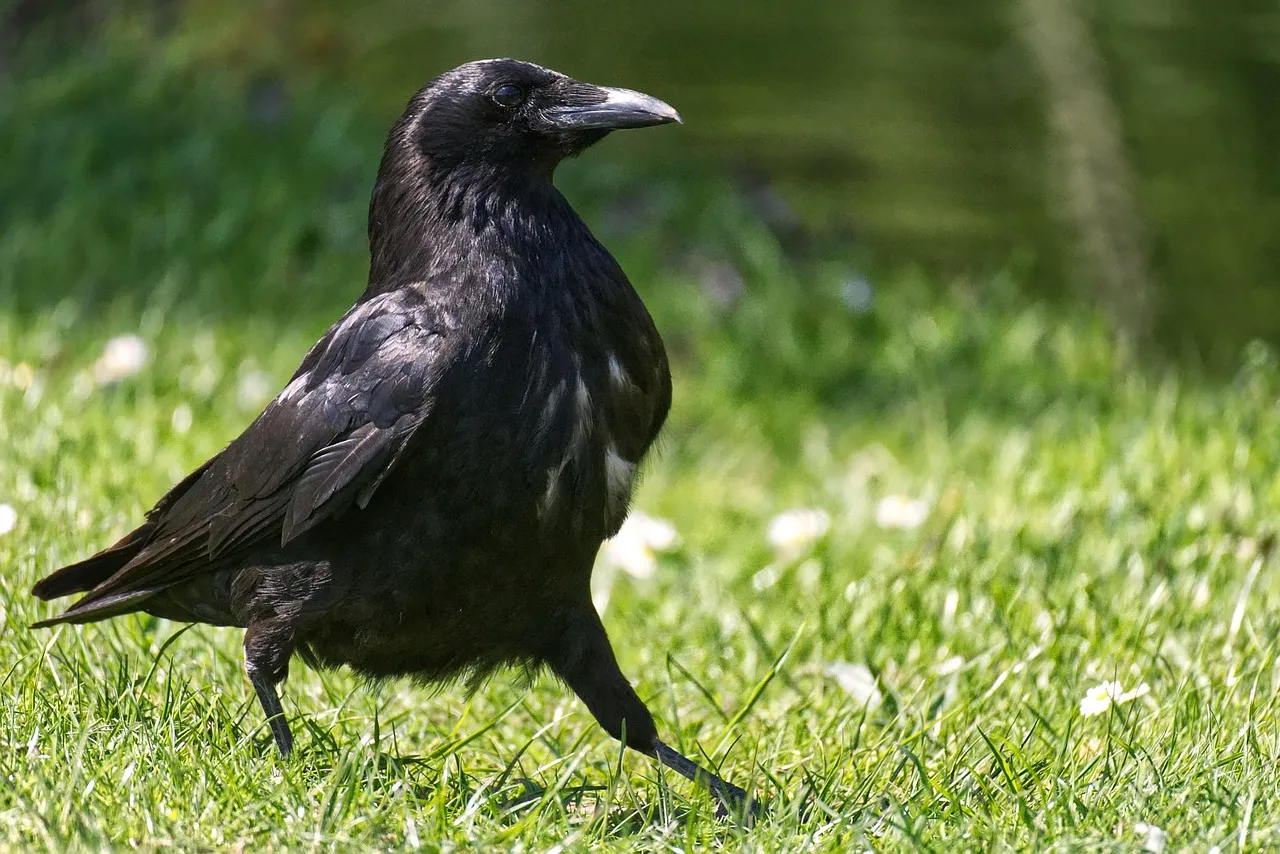
In Irish myth, the raven is deeply linked with the Morrígan, a powerful goddess associated with war, fate, and sometimes sovereignty. She is often described as appearing in the form of a crow or raven on the battlefield, watching, waiting, and in some stories influencing the outcome. That image alone tells you how people saw these birds: not as background scenery, but as agents in the story.
When ravens gathered above fallen warriors, it was more than grim scavenging in the eyes of the old storytellers. It was the Morrígan’s presence – a reminder that death was not just an end, but a passage into something more. Over time, a bird that feasted on the remains of battles came to symbolize not only destruction, but a kind of cosmic record-keeping, as if the raven carried away the memory of what had happened when everyone else simply wanted to move on.
Why Ravens Felt Like Keepers of Hidden Knowledge
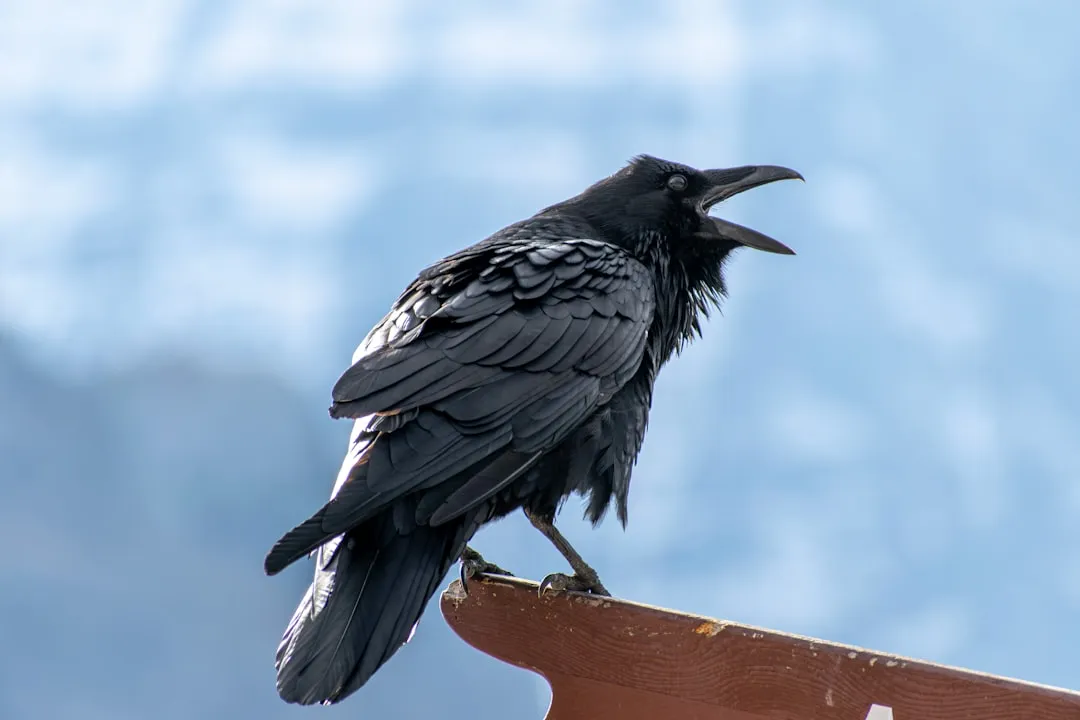
From a purely practical standpoint, ravens see and hear almost everything around humans without being invited into the conversation. They watch camps, farms, and battle sites; they learn who leaves food out, where bodies fall, where secrets are buried – literally and metaphorically. To people with no binoculars, security cameras, or social media, that kind of omnipresence looks a lot like knowing too much.
It’s not a stretch to imagine an early storyteller noticing how ravens always seemed to show up where something important had just happened. Over generations, this turned into the idea that ravens carried memories humans wanted to suppress: shameful defeats, tragic losses, broken oaths. Calling them guardians of forgotten wisdom is a poetic way of saying the land never truly forgets, and the ravens are the ones holding the receipts.
Science Catches Up: Raven Intelligence and Memory
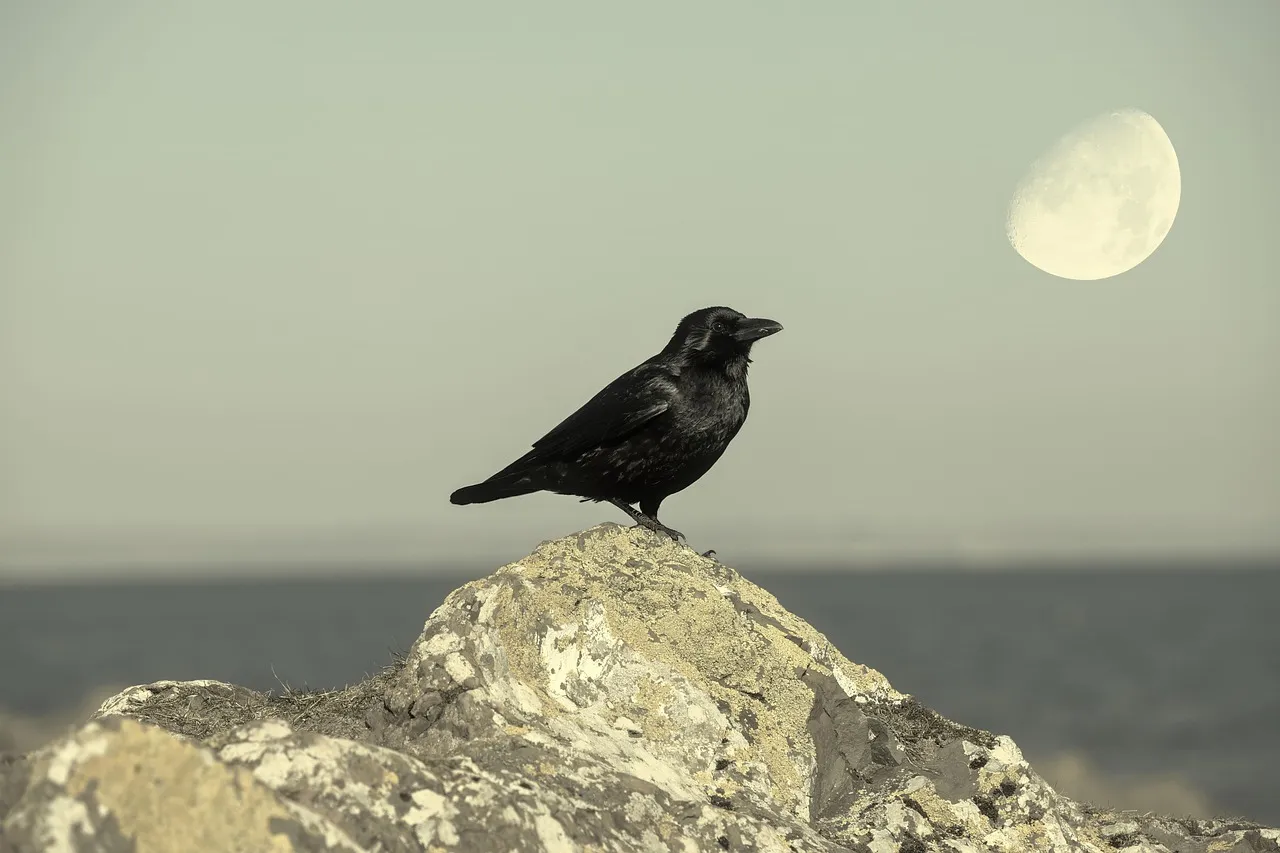
Here’s where it gets almost spooky: modern research shows ravens really are astonishingly smart. They can remember human faces, hold grudges, solve multi-step puzzles, and even plan for future needs in ways that challenge our assumptions about “animal” minds. When you learn that, old stories about ravens knowing more than they should suddenly feel a lot less like superstition and a lot more like sharp observation dressed in mythic language.
Ravens also communicate complex information to one another, using calls and body language to share news about dangers, food, and opportunities. If you are living in a small Irish settlement centuries ago, and you notice these birds reacting differently to different people and events, it’s easy to project human-like knowledge onto them. Rather than dismissing the folklore as naïve, it may be more honest to admit that people were intuitively picking up on a kind of intelligence science is only now describing in technical terms.
Forgotten Wisdom: Memory, Trauma, and the Dark Bird
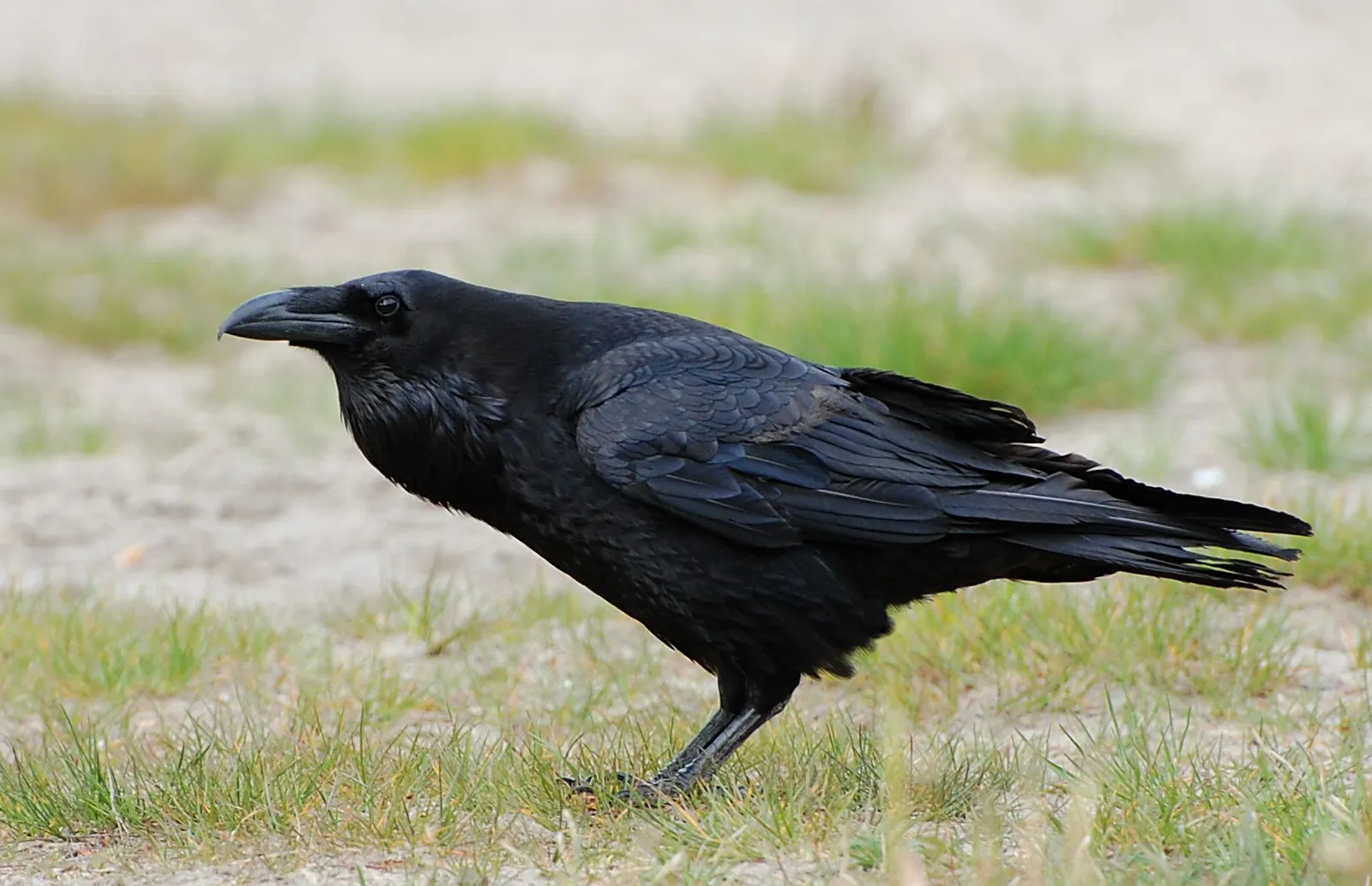
The phrase “forgotten wisdom” sounds mystical, but it overlaps with something very human: the things we push away because they hurt too much. War, famine, betrayal – these are experiences people want to bury, yet they shape a culture for generations. In Irish tradition, the raven hovering over those painful moments became a symbol of uncomfortable truths that refuse to disappear just because no one names them aloud.
In that sense, ravens are like the person at a family gathering who quietly remembers the argument everyone else pretends never happened. The bird’s presence hints that what is “forgotten” is really just stored somewhere out of sight, waiting for the right moment to resurface. When we call ravens guardians of such wisdom, we are really admitting that the past does not politely stay in the past; it perches, watches, and sometimes croaks at us when we least want to hear it.
Ravens in Modern Irish Imagination and Pop Culture
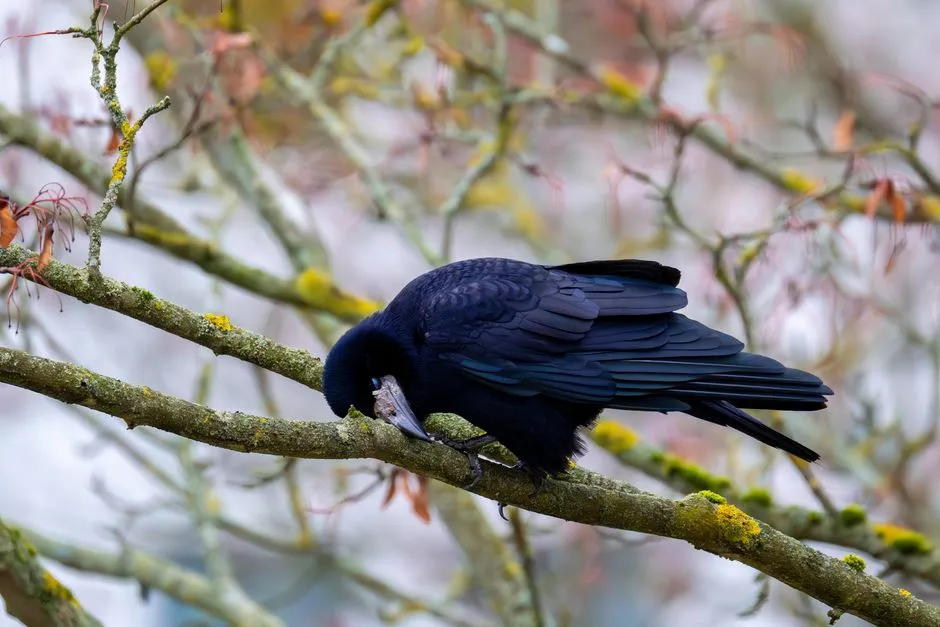
Even today, ravens and crows keep showing up in books, films, and art connected to Ireland and Celtic myth. They appear on covers of fantasy novels, in darkly atmospheric TV scenes, and in graphic designs that mix old knotwork patterns with hyper-modern style. The bird has become a kind of shorthand for depth, darkness, and insight – like a logo for everything ancient that still feels relevant.
At the same time, younger artists and writers are pushing back against the idea that ravens are only about doom and gloom. They’re reclaiming the bird as a symbol of resilience, adaptability, and raw intelligence in a rapidly changing world. That reinterpretation still honors the old lore about hidden knowledge, but it flips the tone from dread to curiosity: instead of asking what terrible thing the raven knows, the question becomes what we might learn by paying better attention.
Personal Reflections: What Ravens Really Guard for Us
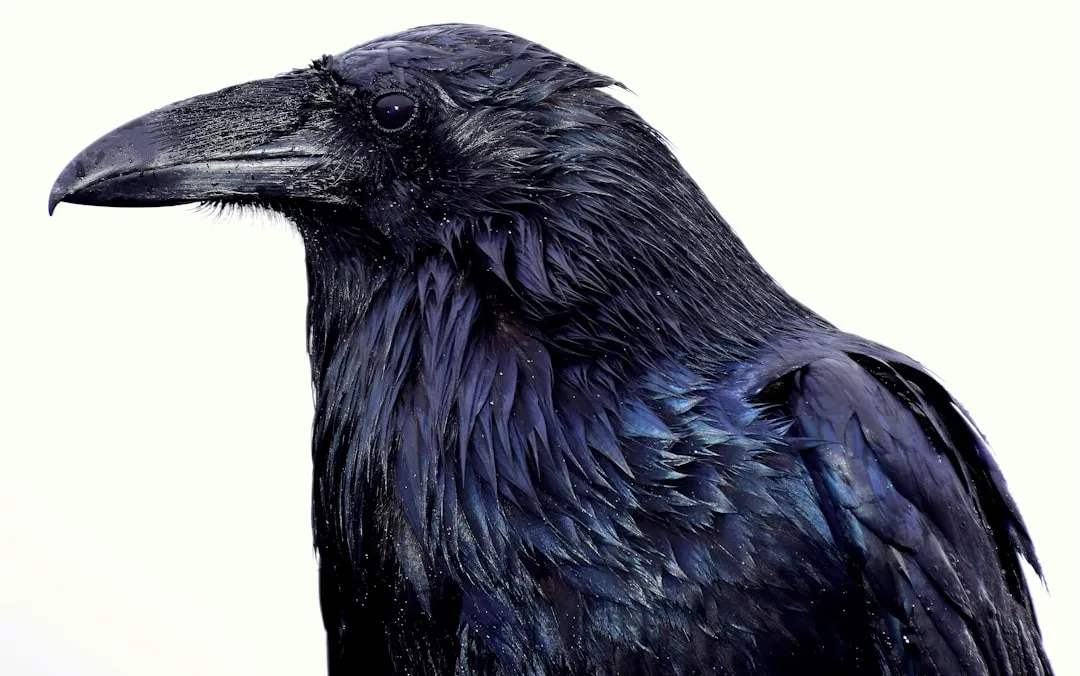
I still remember the first time a raven landed near me on a coastal path, looking straight at me like it was trying to decide whether I was worth its time. It felt oddly like being measured by something that did not care about my job title, my phone, or any of the markers I usually think define me. In that moment, the old stories about ravens watching battles and carrying secrets did not feel distant at all; they felt like a shared human reaction to being seen by a creature we do not fully understand.
To me, Irish folklore about ravens as guardians of forgotten wisdom is less about magical birds hoarding spell-books in the clouds, and more about our uneasy relationship with memory. Ravens remind us that the world is always recording, even when we pretend it is not. The real question is whether we have the courage to listen when that black-feathered archivist lands nearby and, in its own rough language, starts telling us what we have tried so hard not to remember.
Conclusion: The Raven’s Gaze and the Stories We Try to Bury
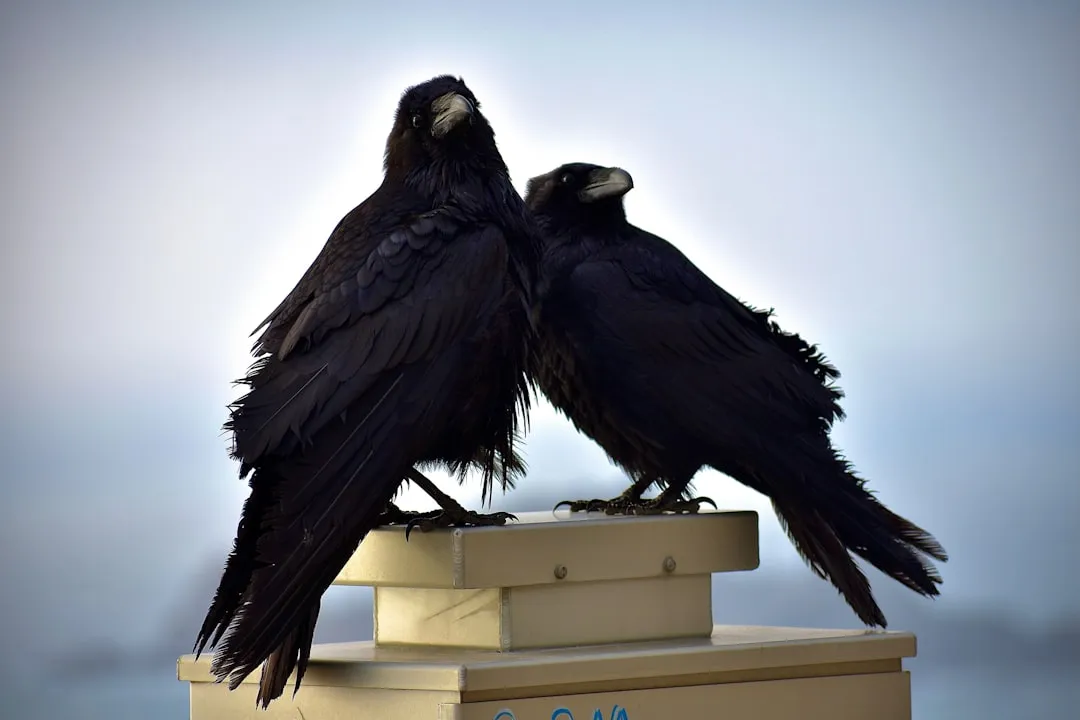
If you strip the supernatural glow away, the raven in Irish folklore still stands for something profoundly uncomfortable and necessary: the insistence that truth survives denial. I think that is why the image of a lone black bird on a stone wall still hits us so hard – it embodies the idea that someone, or something, is keeping track when we would rather smooth the past over. The old tales do not just flatter the raven; they quietly accuse us of being the ones who forget on purpose.
In that light, calling ravens guardians of forgotten wisdom feels less like mythology and more like a challenge. Maybe the bird is not hoarding secret knowledge at all; maybe it is holding up a mirror and waiting to see whether we will finally look. The next time a raven watches you from a rooftop or a fence post, you might wonder, just for a second: is it the bird that knows too much, or is it me who has chosen to know too little?
