

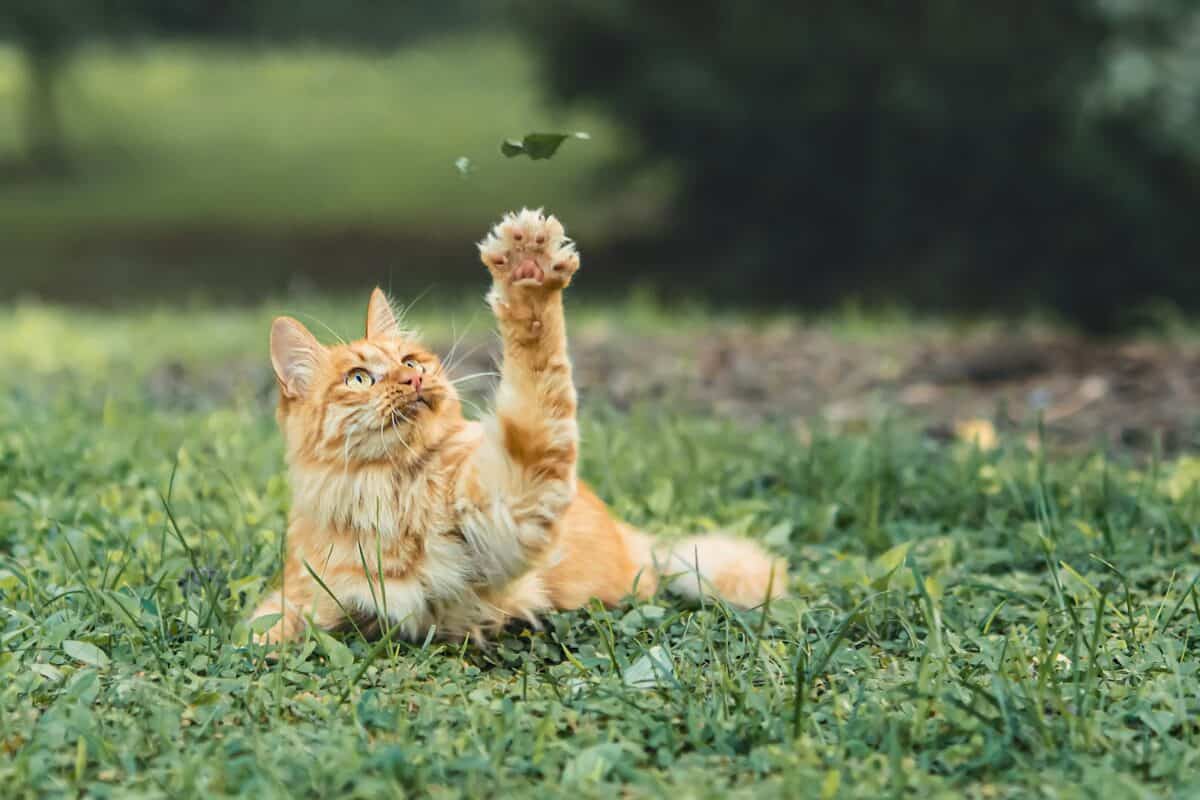
Cats are enigmatic creatures with peculiar tastes that often leave their human companions puzzled and amused. While we may think we understand our feline friends, they frequently surprise us with their unusual preferences and sudden aversions. Research from the Journal of Feline Medicine and Surgery suggests that cats develop many of these preferences during their critical socialization period between 2-7 weeks of age, though some seem to be hardwired into their DNA from thousands of years of evolution.
From cardboard boxes to running water, cats have a list of things they inexplicably adore—and a few they absolutely detest. Understanding these preferences isn’t just entertaining; it provides valuable insight into your cat’s psychological well-being and can help strengthen your bond. Let’s explore ten bizarre things that make cats purr with delight and three that might send them running in the opposite direction with their fur standing on end.
10. Cardboard Boxes of All Shapes and Sizes

It’s a universal truth acknowledged by cat owners worldwide: no matter how expensive the cat bed you purchase, your feline friend will likely prefer the box it came in. According to a 2017 study by Utrecht University in the Netherlands, boxes provide cats with a sense of security and stress relief. These enclosed spaces trigger a cat’s natural instinct to hide and observe their surroundings from a protected vantage point, allowing them to monitor potential threats or prey without being seen.
The cardboard material itself also offers insulation, maintaining a comfortable temperature between 86-97°F (30-36°C), which is the thermoneutral zone where cats don’t need to expend energy to warm up or cool down. Additionally, cardboard’s texture is perfect for scratching, biting, and marking with scent glands, allowing cats to claim the box as their territory. Even big cats in sanctuaries show the same affinity, proving this weird preference transcends domestication.
9. The Sound of Crinkling Paper or Plastic

That distinctive crinkling sound that makes humans barely notice can send cats into a frenzy of excitement. Feline behavioral experts believe this fascination stems from the sound’s similarity to rustling leaves or scurrying prey in nature. The high-frequency sounds emitted by crinkling materials fall within the optimal hearing range for cats, which extends up to 64,000 Hz (compared to humans’ measly 20,000 Hz), making these noises particularly stimulating to their sensitive ears.
The unpredictability of the sound also triggers a cat’s hunting instincts. When paper or plastic crinkles, it creates an irregular pattern of noise that mimics the movements of small animals, activating the predatory sequence in a cat’s brain. This explains why many cats will pounce on shopping bags or gift wrapping paper with such enthusiasm. Some cat toy manufacturers have capitalized on this preference by creating toys with crinkly materials inside, though many cats seem to prefer the authentic experience of batting around actual plastic wrappers (always under supervision to prevent ingestion).
8. Running Water Over Still Water

Many cat owners notice their pets’ peculiar preference for drinking from faucets, shower drips, or even toilet bowls rather than their water dishes. This behavior has evolutionary roots dating back to their desert-dwelling ancestors. In the wild, running water is typically fresher and less likely to contain harmful bacteria or parasites than stagnant pools. Cats have retained this instinctual preference despite domestication, and some refuse to drink adequate amounts from still water bowls.
The movement of running water also makes it easier for cats to see, as their vision is attuned to detect motion. Additionally, running water typically contains more oxygen and is slightly cooler, which many cats find more palatable. This preference is so strong that veterinarians often recommend pet fountains for cats who don’t drink enough water, as chronic dehydration can contribute to serious health issues like urinary tract infections and kidney disease. Studies show that cats with access to running water sources consume approximately 30% more water than those with only still water available.
7. The Scent of Catnip and Other Herbs
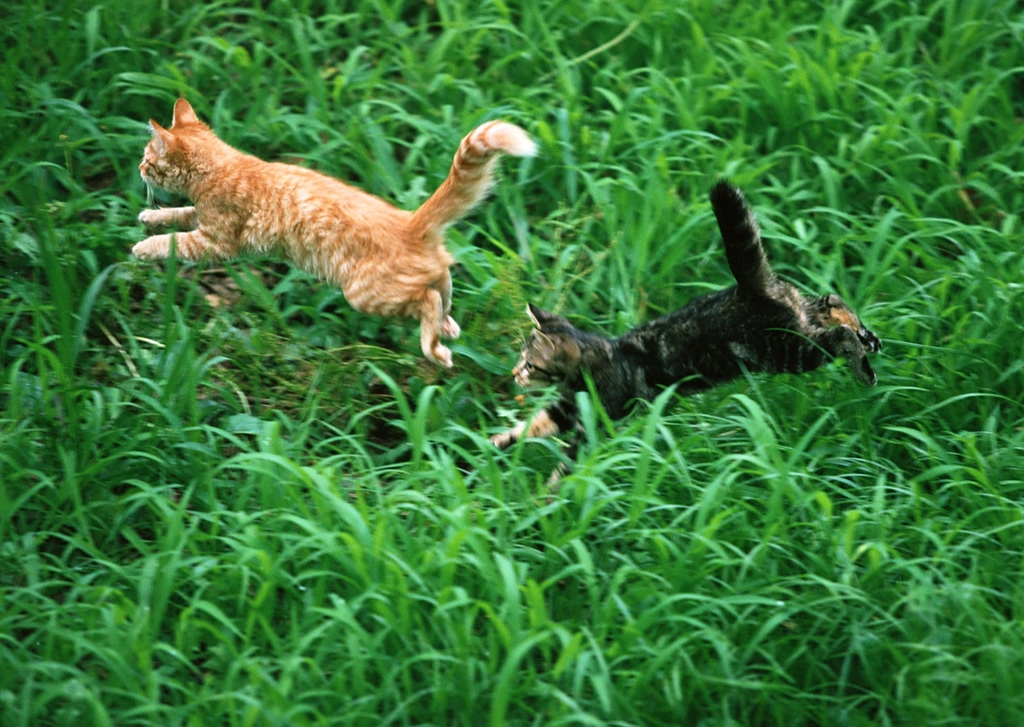
Perhaps the most well-known cat obsession is catnip (Nepeta cataria), a member of the mint family that contains the compound nepetalactone. When cats smell this compound, it binds to receptors in their nasal tissue and stimulates sensory neurons that lead to the brain, particularly areas involved in emotion and behavior. The result can be anything from rolling around in ecstasy to playful zoomies across the house. Interestingly, the response is hereditary, with approximately 70-80% of cats showing sensitivity to catnip.
Beyond catnip, cats may also respond to other herbs like valerian root, silver vine, and Tatarian honeysuckle, each containing compounds that trigger similar reactions. A 2017 study published in BMC Veterinary Research found that silver vine actually elicited responses in a higher percentage of cats than catnip, suggesting it might be an excellent alternative for catnip-immune felines. These herbal responses typically last 5-15 minutes, after which cats experience a refractory period of about an hour where they won’t respond again to the stimulus. Far from being harmful, these plant-induced “highs” can provide environmental enrichment and stress relief for indoor cats.
6. High Places and Vertical Spaces
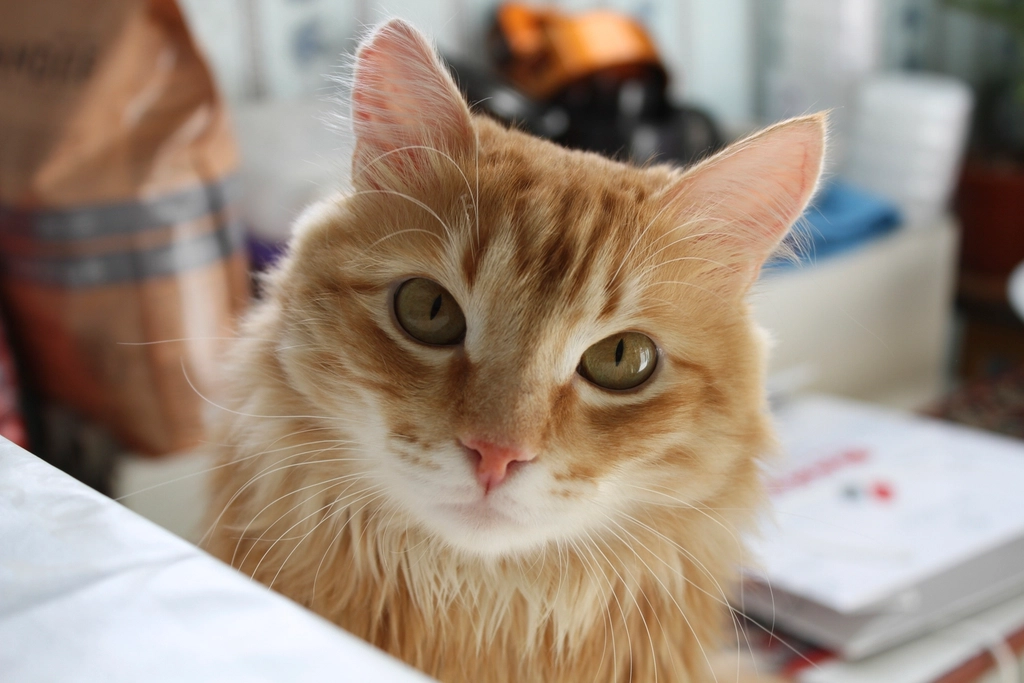
A cat’s love for climbing and perching in elevated positions isn’t just a quirk—it’s deeply rooted in their evolutionary history as both predator and prey. In the wild, height provides safety from larger predators and offers an advantageous position for spotting potential meals. Modern house cats retain this instinct, seeking out bookshelves, refrigerator tops, and tall furniture to survey their domain. Research published in the Journal of Feline Medicine and Surgery confirms that access to vertical space significantly reduces stress in multi-cat households by allowing cats to establish territory in three dimensions rather than just floor space.
This preference is so important to feline wellbeing that certified animal behaviorists often prescribe the addition of cat trees, shelves, or window perches as a first step in addressing behavioral problems. Cats typically prefer perches that provide both visibility and a sense of security, often choosing spots with one side against a wall. The average house cat will spend 40-60% of their waking hours in elevated positions if given the opportunity, demonstrating just how essential this weird preference is to their psychological comfort. Providing multiple high resting spots at different heights can significantly improve quality of life, especially in smaller living spaces.
5. Sitting on Paper, Books, or Keyboards
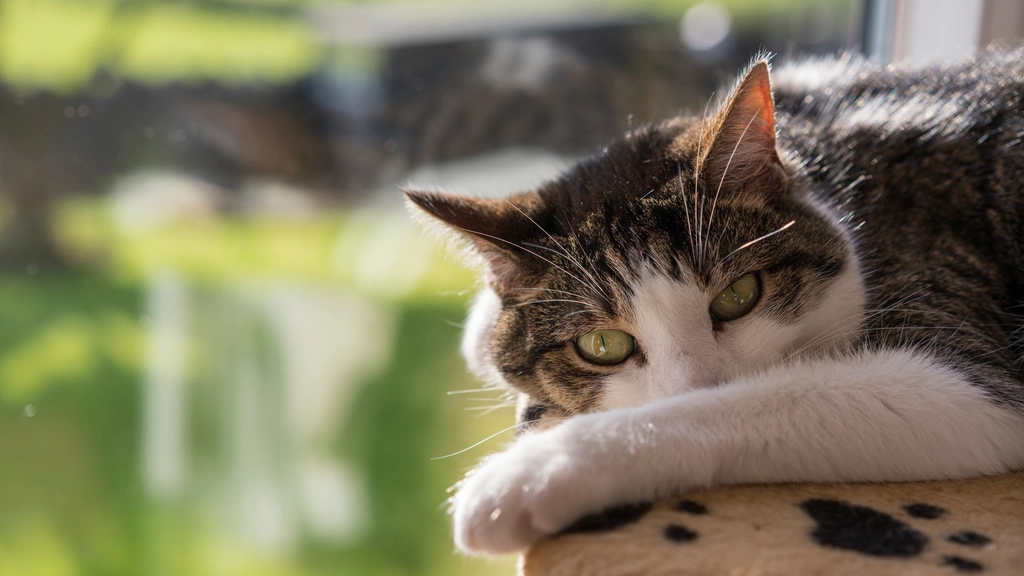
If you’ve ever laid out important documents or opened your laptop only to find your cat promptly sitting on them, you’ve witnessed one of the most peculiar and frustrating feline behaviors. This phenomenon has several possible explanations according to animal behaviorists. First, paper and books often retain body heat when we handle them, making them slightly warmer than surrounding surfaces—and cats are naturally drawn to warmth. Additionally, these items usually smell like their owners, providing comfort and a way to mingle scents (a form of social bonding in the cat world).
Perhaps most significantly, when you focus attention on an object like a book or computer, your cat may simply be inserting themselves between you and the item receiving your attention. A study from the University of Vienna suggested that domestic cats see their human companions as both parent figures and fellow cats, and this behavior may be their way of seeking attention or participating in what they perceive as a social activity. While annoying to us, this habit demonstrates the social nature of cats and their desire to be included in our activities—a far cry from their undeserved reputation as completely independent creatures.
4. Obsession with Small, Confined Spaces

The internet abounds with images of cats squeezing themselves into seemingly impossible spaces—sinks, vases, shoes, and even small bowls. This peculiar preference, often summarized by the phrase “if I fits, I sits,” has legitimate psychological underpinnings. Small spaces provide a sense of security by limiting the directions from which a potential threat could approach. This behavior dates back to wild feline ancestors who would seek out small caves or hollow tree trunks as safe resting places.
The confined nature of these spaces also provides gentle, consistent pressure around the cat’s body, which can have a calming effect similar to swaddling in human infants or pressure therapy used for anxiety. Temple Grandin, renowned animal behaviorist, has suggested that this gentle, distributed pressure releases endorphins that create a sense of comfort and security. Additionally, small spaces help cats regulate their body temperature more efficiently, as less body surface is exposed to the air. This explains why even in multi-cat households where resources aren’t limited, you might find two cats fighting over the same tiny box when identical ones are available nearby—some spots simply feel safer or more comfortable based on their location and surroundings.
3. Rhythmic Kneading with Their Paws

That peculiar pushing motion cats make with their front paws—often called “making biscuits” due to its resemblance to kneading dough—is one of the most endearing and unusual feline behaviors. This action begins in kittenhood when nursing kittens knead their mother’s mammary glands to stimulate milk flow. Adult cats continue this behavior during moments of contentment, often while purring and with a glazed, blissful expression. Neuroscientists believe this behavioral carryover occurs because the action became associated with comfort, security, and nourishment during a critical developmental period.
Interestingly, the intensity and frequency of kneading vary significantly between individual cats. Some barely display the behavior at all, while others might enthusiastically knead for several minutes multiple times daily. Beyond its origins in nursing, kneading also serves several practical purposes. Wild cats knead grass or foliage to create a comfortable resting spot, and the action helps stretch muscles after periods of rest. The scent glands located in cats’ paw pads also release pheromones during kneading, effectively marking territory. When your cat kneads your lap (perhaps painfully with unsheathed claws), they’re essentially claiming you as their own—a somewhat uncomfortable compliment from your feline companion.
2. The Post-Litter Box Sprint
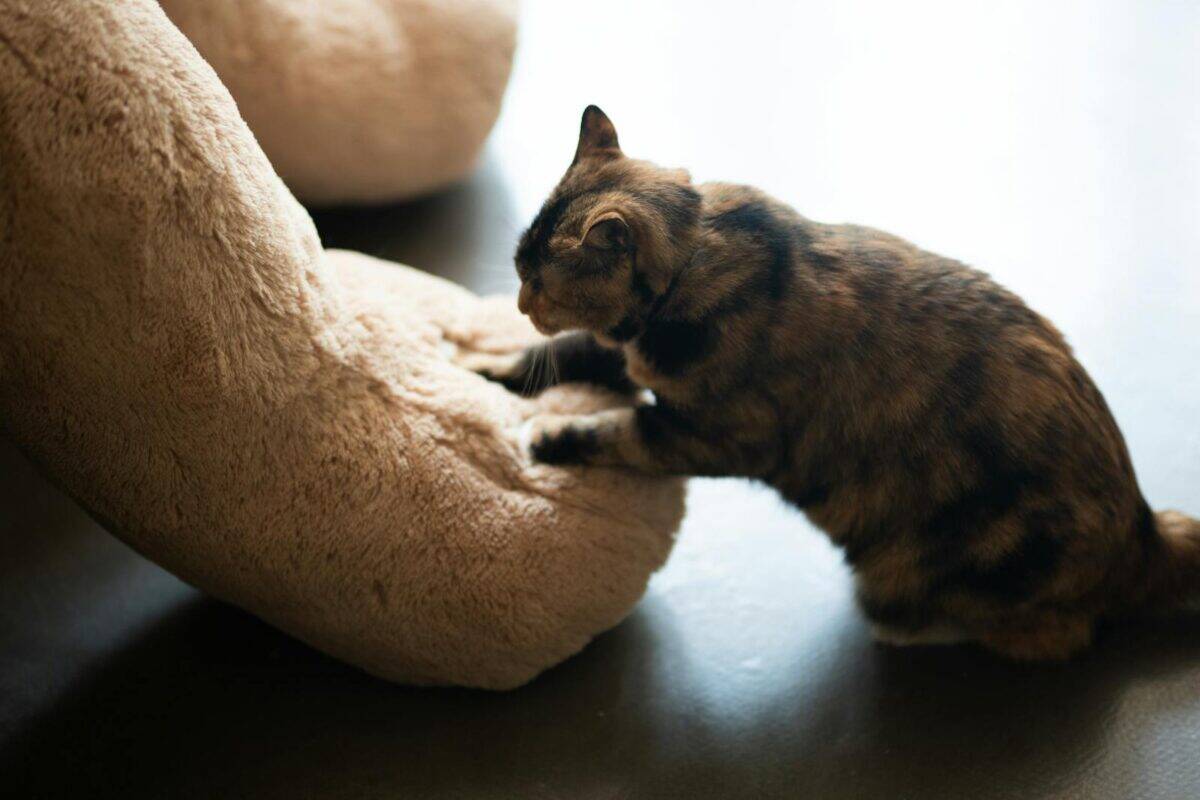
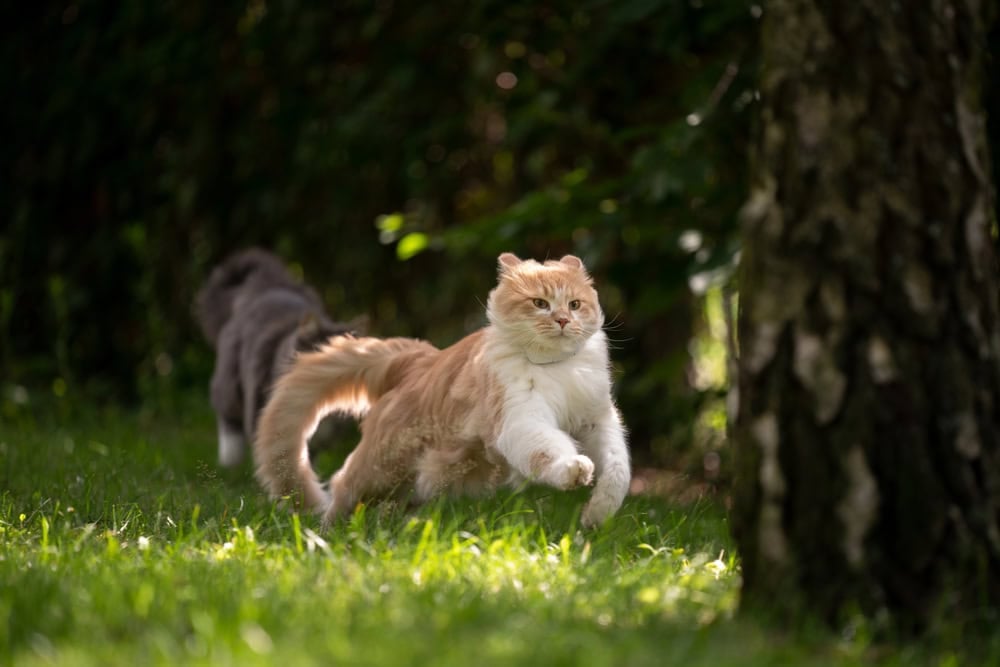
Almost every cat owner has witnessed the bizarre phenomenon of the “post-litter box zoomies”—that moment when your dignified feline friend exits their bathroom and suddenly tears through the house at top speed as though being chased by unseen forces. While it might seem like random madness, this behavior likely has evolutionary origins. In the wild, the scent of feces or urine could attract predators, so a quick retreat from the elimination site would be advantageous for survival. Even though domestic cats face no such dangers, the instinct remains.
Veterinary behaviorists suggest additional explanations for this peculiar habit. The physical relief after elimination might trigger a surge of energy or euphoria in some cats. Others may experience a slight discomfort during the process that prompts them to run, such as static electricity in their fur from litter particles or even minor irritation if they have sensitive gastrointestinal tracts. Some cats may also be responding to the smell itself, instinctually wanting to distance themselves from their waste. Whatever the cause, this behavior is generally normal and not cause for concern unless accompanied by signs of pain or distress during elimination, which would warrant a veterinary consultation.
1. Fascination with Earwax and Smelly Shoes

Perhaps one of the most disgusting yet common feline preferences is their bizarre attraction to human earwax and smelly footwear. While revolting to us, this attraction makes perfect sense from a cat’s perspective. Cats have an extraordinary sense of smell with approximately 200 million odor receptors in their nasal cavity (compared to our mere 5 million). They also possess a specialized organ called the vomeronasal organ or Jacobson’s organ, which allows them to “taste-smell” certain chemicals and pheromones, giving them detailed information about their environment and other creatures.
Earwax contains fats, proteins, and dead skin cells that carry unique scent markers specific to an individual, while shoes harbor bacteria that produce distinct odors along with sweat and skin cells from their owner. When cats show interest in these items, they’re essentially gathering intimate information about their human companions. Some researchers suggest this behavior may also be related to the fatty acids present in earwax, which might mimic certain compounds found in prey animals. Additionally, by rubbing against or licking these strong-smelling items, cats may be attempting to mask their own scent—a leftover hunting strategy from their predatory ancestors that helped them approach prey without detection.
3. Cats Despise Citrus Scents
While cats have many strange loves, they also have definite aversions—and citrus tops the list of feline-repelling scents. The compounds found in lemons, oranges, limes, and grapefruits trigger an immediate negative response in most cats. This aversion is so reliable that many commercial cat repellents include citrus oils as active ingredients. The dislike appears to be partly instinctual, as citrus fruits contain compounds like limonene and linalool that are mildly toxic to cats in large amounts, though the primary reaction is to the scent rather than learned experience.
This natural aversion can be useful for cat owners trying to deter unwanted behaviors. A light spritz of diluted lemon juice on furniture can discourage scratching, while orange peels placed in houseplants may prevent digging. However, it’s important to use this knowledge ethically—creating “citrus barriers” around areas where cats need access (like their litter boxes) can cause stress and lead to elimination problems. It’s also worth noting that while most cats dislike citrus, individual preferences vary, and a small minority of cats may be indifferent or even curious about these scents. As with all repellents, citrus should never be applied directly to a cat’s fur or skin, as it can cause irritation and discomfort.
2. Unexpected or Rough Handling

Despite their reputation for agility and quick reflexes, most cats deeply dislike being startled or handled in unpredictable ways. Unlike many dogs, who may tolerate being picked up from any angle or cuddled aggressively, cats prefer to maintain control over physical interactions. Approaching a cat from above (their visual blind spot) or picking them up without warning often triggers their defense mechanisms. This preference for predictability stems from their dual role in nature as both predator and prey—sudden movements or restraint signal danger to their primitive brains.
Feline behavior specialists recommend always approaching cats at their level, allowing them to see and smell you first, and providing choice in interactions. The “consent test” is particularly effective: pet a cat briefly, then pause to see if they nudge you for more or walk away. Research from the University of Lincoln (UK) demonstrates that cats who can control interactions show significantly lower stress hormones and more affectionate behaviors toward their owners. Children should be taught to respect these boundaries, as forcing interaction not only stresses the cat but can damage the human-animal bond and potentially result in defensive scratching or biting. The good news is that with patient, respectful handling, many cats become increasingly comfortable with being held and cuddled over time.
1. Loud, Unexpected Noises
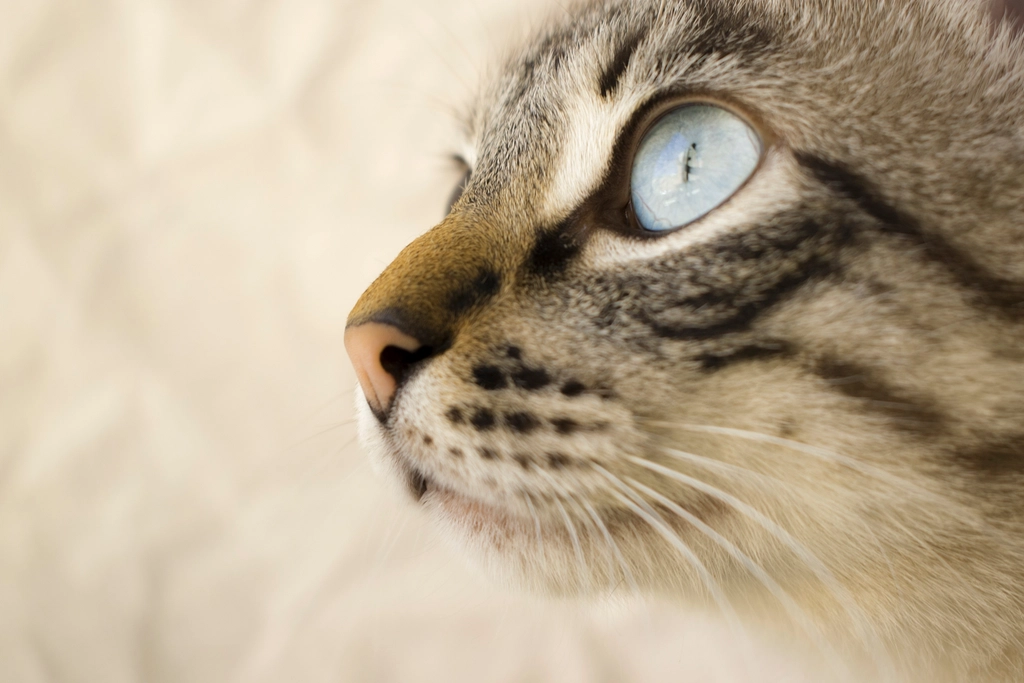
A cat’s exceptional hearing makes them particularly sensitive to loud sounds that humans might barely notice. Their ears can detect frequencies up to three times higher than the human range and pinpoint the location of sounds with remarkable precision. This sensitivity explains why many cats bolt at the sound of vacuum cleaners, blenders, fireworks, or even the crinkle of aluminum foil. These reactions aren’t simply annoyance but often genuine fear responses—a cat’s ears can actually be physically painful when exposed to certain loud or high-pitched sounds.
What makes this aversion particularly challenging is that cats typically respond to auditory stress by hiding rather than seeking comfort from their owners (unlike dogs, who often turn to humans when frightened). This can make sound sensitivities difficult to address. Behavioral experts recommend creating sound “safe zones” in the home—quiet spaces where cats can retreat during noisy events. Gradual desensitization can help with regular househol.
Conclusion:
Cats are full of delightful contradictions—one moment they’re enchanted by a crinkly plastic bag or an empty box, and the next they’re recoiling in disgust from a harmless cucumber or a spritz of citrus. These strange preferences may seem random to us, but they often trace back to a cat’s instincts, sensory sensitivities, and individual personality. Whether it’s an odd fascination with hair ties or an obsession with sunbeams, these quirks make each cat uniquely lovable.
Recognizing what your cat adores—and what it avoids—can help you better meet its physical and emotional needs. By embracing their weird likes and respecting their firm dislikes, you’ll not only reduce stress for your feline friend but also strengthen your relationship. After all, loving a cat means accepting the mystery and magic that comes with it.

As a little kid, I fell in love with nature, wildlife, and animals. Living in the USA, South Africa, Italy, China and Germany gave me the opportunity to discover the world's Wildlife. My favorite animals are Mountain Gorillas, Siberian Tigers, and Great White Sharks.
I'm a certified PADI Open Water Diver, went to Everest Base Camp and Trekked Gorillas in Uganda. I hold a Master of Science in Economics and Finance.
Please send any feedback to feedback@animalsaroundtheglobe.com
- 12 Most Mysterious Animals Scientists Are Still Studying - August 15, 2026
- 13 Giant Snake Species Still Found in the Wild - August 15, 2026
- 13 Pets That Are Surprisingly Good at Navigating Emergencies - August 15, 2026