

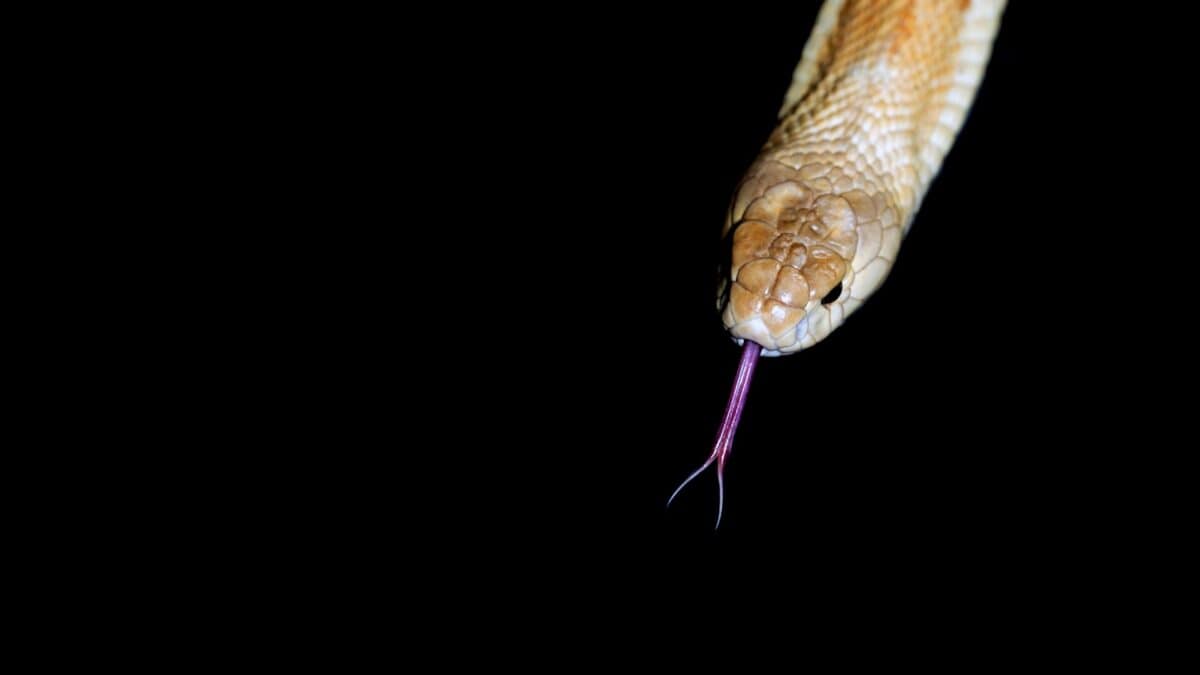
Snakes are remarkable reptiles with sensory adaptations that have evolved over millions of years to help them survive in diverse environments. While humans rely primarily on sight and sound to navigate the world, snakes have developed specialized sensory systems that work quite differently. Perhaps the most intriguing of these adaptations is their forked tongue, which serves as a sophisticated chemical detection system that essentially allows snakes to “smell” the air in a way that’s completely foreign to human experience.
This specialized chemosensory system helps snakes locate prey, avoid predators, find mates, and navigate their surroundings with remarkable precision. Unlike humans, who primarily detect airborne chemicals through receptors in the nasal cavity, snakes have evolved a dual system that combines tongue-flicking with a specialized organ to create a sensory experience that blends smell and taste into something altogether unique. This article explores the fascinating mechanics of how snakes use their iconic forked tongues to sample and interpret the chemical world around them.
The Anatomy of a Snake’s Forked Tongue
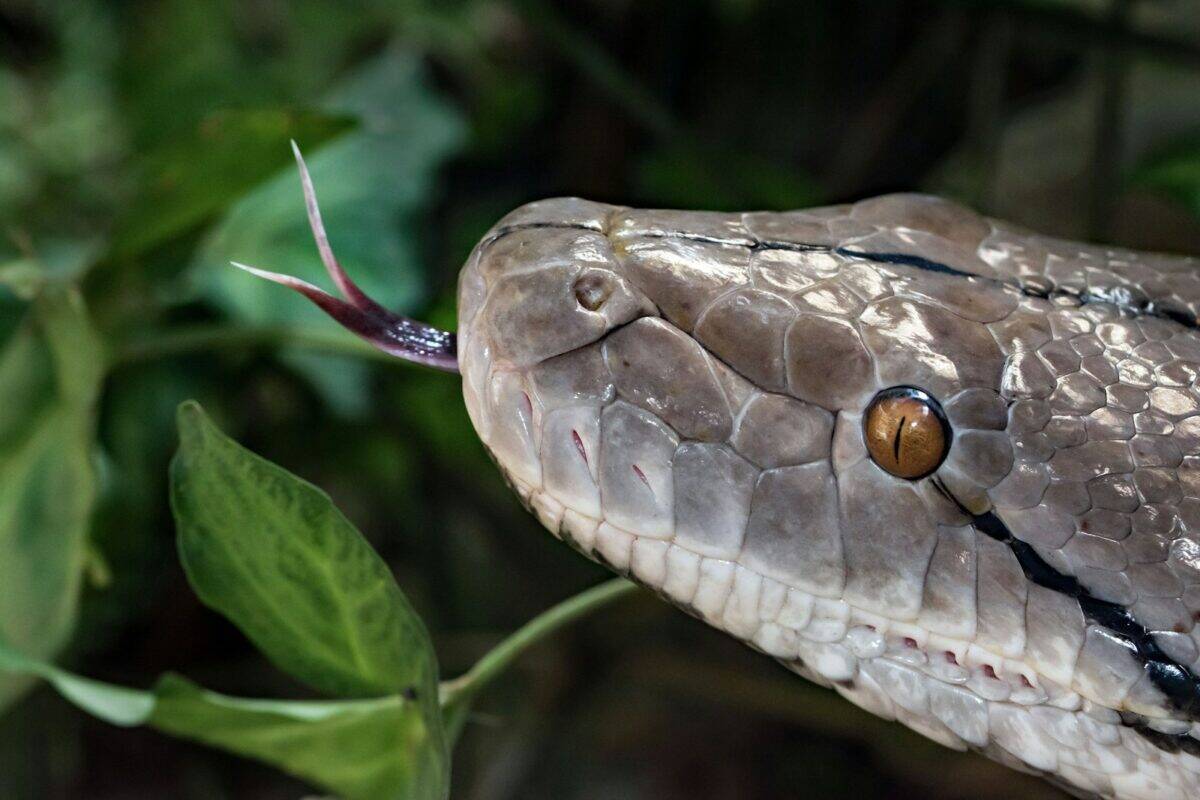
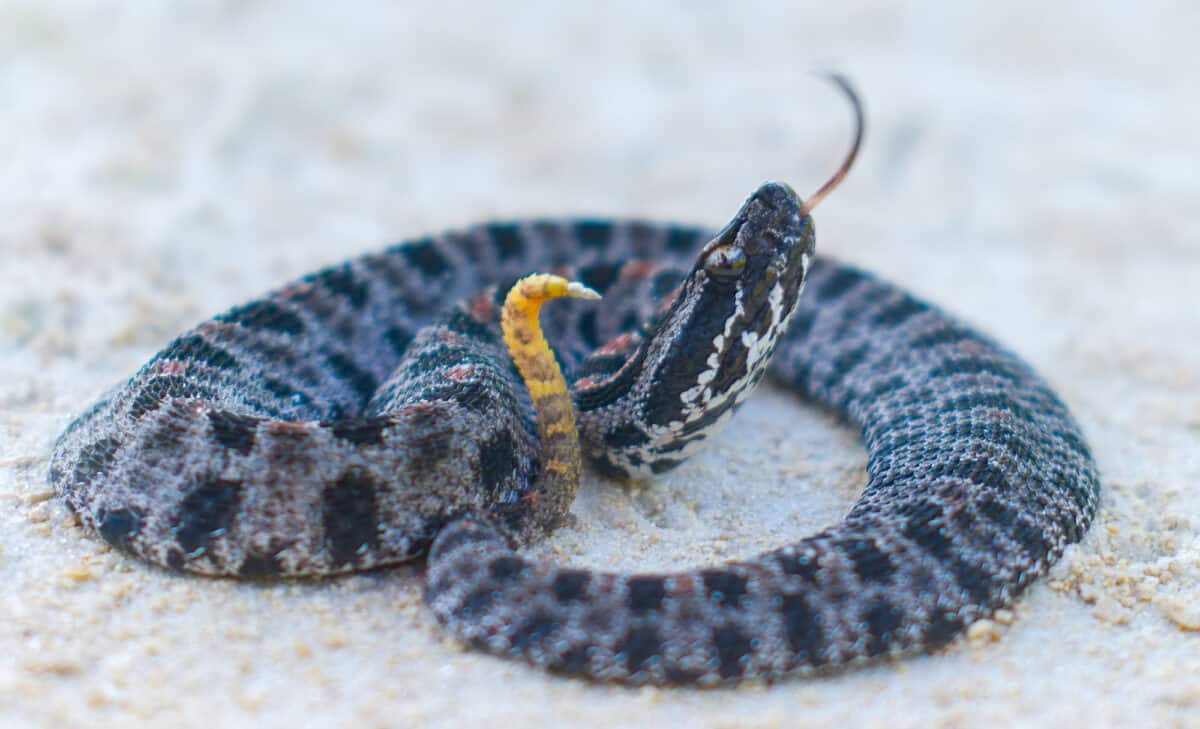
A snake’s tongue is immediately recognizable by its distinctive forked shape, which varies in depth depending on the species. This bifurcated design isn’t merely decorative but serves a crucial functional purpose. The tongue itself is a muscular organ that can extend far beyond the mouth when the snake flicks it outward. It’s covered with a moist, mucous membrane that helps collect chemical particles from the environment. The fork in the tongue creates two separate tips, called tines, which can move independently to some degree.
These tines are extremely sensitive and can detect minute chemical differences between the left and right sides of the snake’s environment. The tongue itself doesn’t contain taste buds like a human tongue. Instead, it serves as a collection tool, gathering chemical samples from the air, ground, or water, which are then delivered to a specialized organ for analysis. The tongue’s dark coloration, typically black or dark blue in many species, helps protect it from UV damage when extended outside the mouth, as the tongue lacks the scales that protect the rest of the snake’s body.
The Jacobson’s Organ: Nature’s Chemical Analyzer
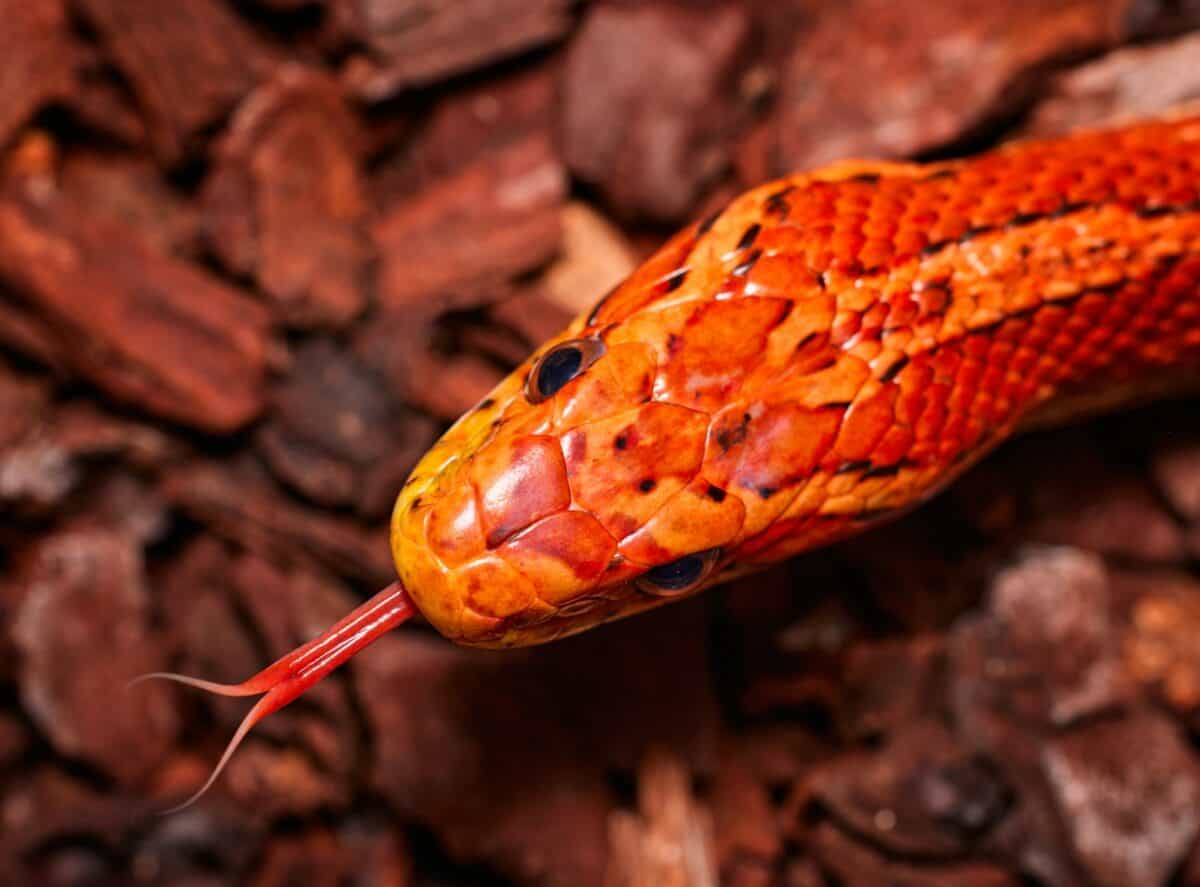
The key to a snake’s chemical sensing ability lies in a specialized structure called the Jacobson’s organ, also known as the vomeronasal organ. Located in the roof of a snake’s mouth, this organ consists of two small openings connected to fluid-filled sacs lined with sensory cells. When a snake flicks its tongue in the air, it collects chemical particles on the moist surface of the tongue. Once retracted, the tongue doesn’t go back into the mouth as one might expect, but instead is inserted into the Jacobson’s organ through small openings in the palate.
The chemical particles collected on the tongue dissolve in the fluid within the Jacobson’s organ, where they come into contact with thousands of highly sensitive receptor cells. These cells can detect incredibly low concentrations of chemicals, making this system remarkably sensitive. The sensory information is then transmitted via specialized nerves directly to the snake’s brain, where it’s processed and interpreted. This gives snakes what scientists refer to as a “chemical image” of their surroundings, providing detailed information about what creatures or objects have recently been in the area.
Tongue Flicking: The Sampling Technique
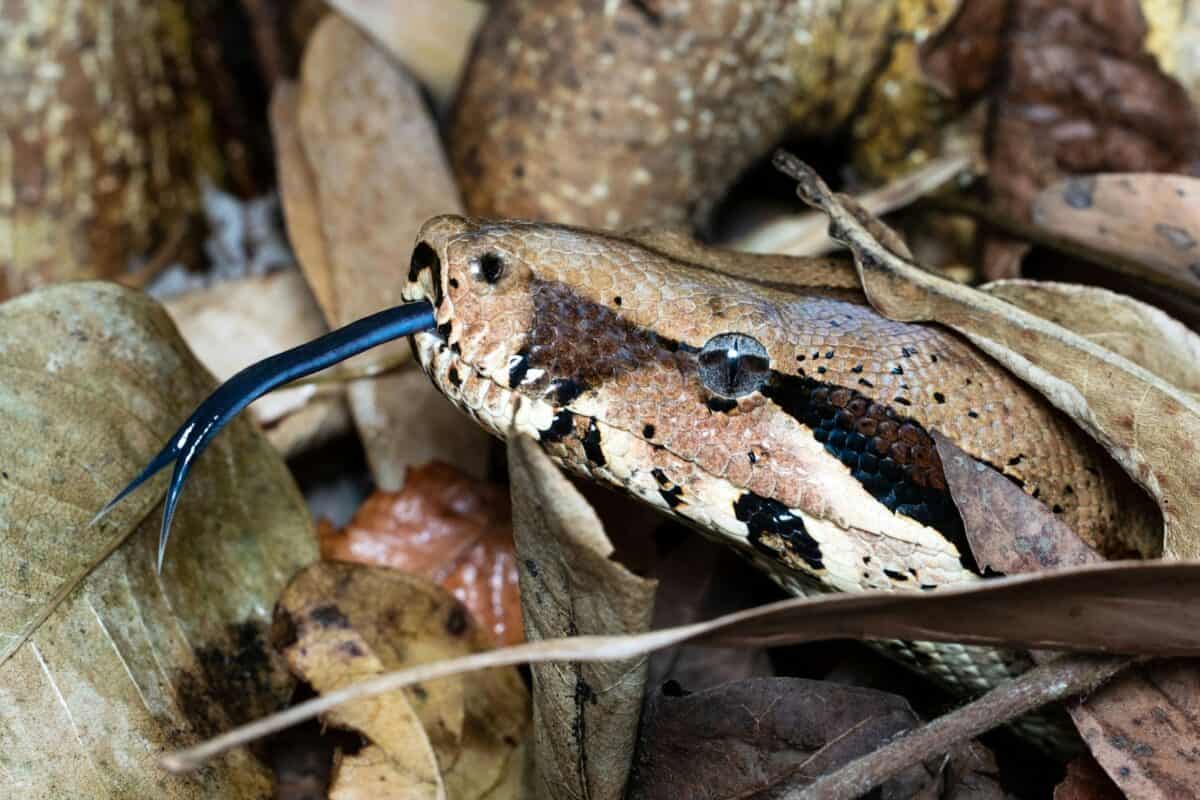
The characteristic tongue-flicking behavior observed in snakes is their method of collecting chemical samples from their environment. When a snake flicks its tongue, it’s essentially taking a chemical “snapshot” of its surroundings. The frequency of tongue flicks often increases when a snake encounters something new or interesting in its environment, indicating a heightened state of chemical investigation. During a typical tongue flick, the tongue extends rapidly from the mouth, waves through the air or touches the ground, and then retracts back into the mouth.
Different situations trigger different patterns of tongue flicking. When hunting, a snake may use rapid, frequent flicks to track prey. When exploring new territory, slower, more deliberate flicks help create a chemical map of the surroundings. Some species can flick their tongues up to 12 times per second when highly stimulated. This behavior is so fundamental to snake biology that even newly hatched snakes begin flicking their tongues within hours of birth, demonstrating that this behavior is innate rather than learned.
Stereoscopic Smelling: Directional Chemical Detection

Perhaps the most ingenious aspect of a snake’s chemosensory system is its ability to detect the direction from which chemicals are coming—a capability scientists call “stereoscopic smelling.” The forked design of the tongue is crucial for this function. As a snake flicks its tongue, the two tines spread apart, sampling chemicals from slightly different locations in space. When the tongue retracts, each tine delivers its chemical sample to the corresponding chamber of the Jacobson’s organ (left tine to left chamber, right tine to right chamber).
The snake’s brain then compares the intensity of chemical signals from the left and right sides. If a prey animal is off to the right, for example, the right tine will collect a higher concentration of that animal’s scent molecules than the left tine. This difference in concentration gives the snake directional information, allowing it to turn toward the source of the scent. This system functions somewhat similarly to how our two ears help us locate the direction of sounds, except it works with chemicals rather than sound waves. This directional smelling ability is crucial for snakes, allowing them to track prey efficiently even in complete darkness.
Chemical Information: What Snakes Can Detect

The chemical sensing abilities of snakes are remarkably sophisticated, allowing them to gather detailed information about their environment. A snake can detect the presence of prey animals, predators, potential mates, and even territorial markings from other snakes. They can distinguish between different species and, in many cases, between different individuals of the same species. Some snakes can even determine the sex and reproductive status of other snakes based purely on chemical cues, which is essential during breeding season.
Research has demonstrated that snakes can detect incredibly dilute chemical signals. For example, some species can follow the trail of prey that passed by hours or even days earlier. They can also detect chemical signals left behind by prey animals in the soil or on vegetation. In aquatic species, this system works underwater as well, allowing sea snakes to detect chemical trails in water. This chemical detection system is so refined that some venomous snakes use it to track prey that has been bitten and fled, following the scent trail of their own venom mixed with the prey’s body chemicals.
Integrating Multiple Senses: Beyond Just “Smelling”
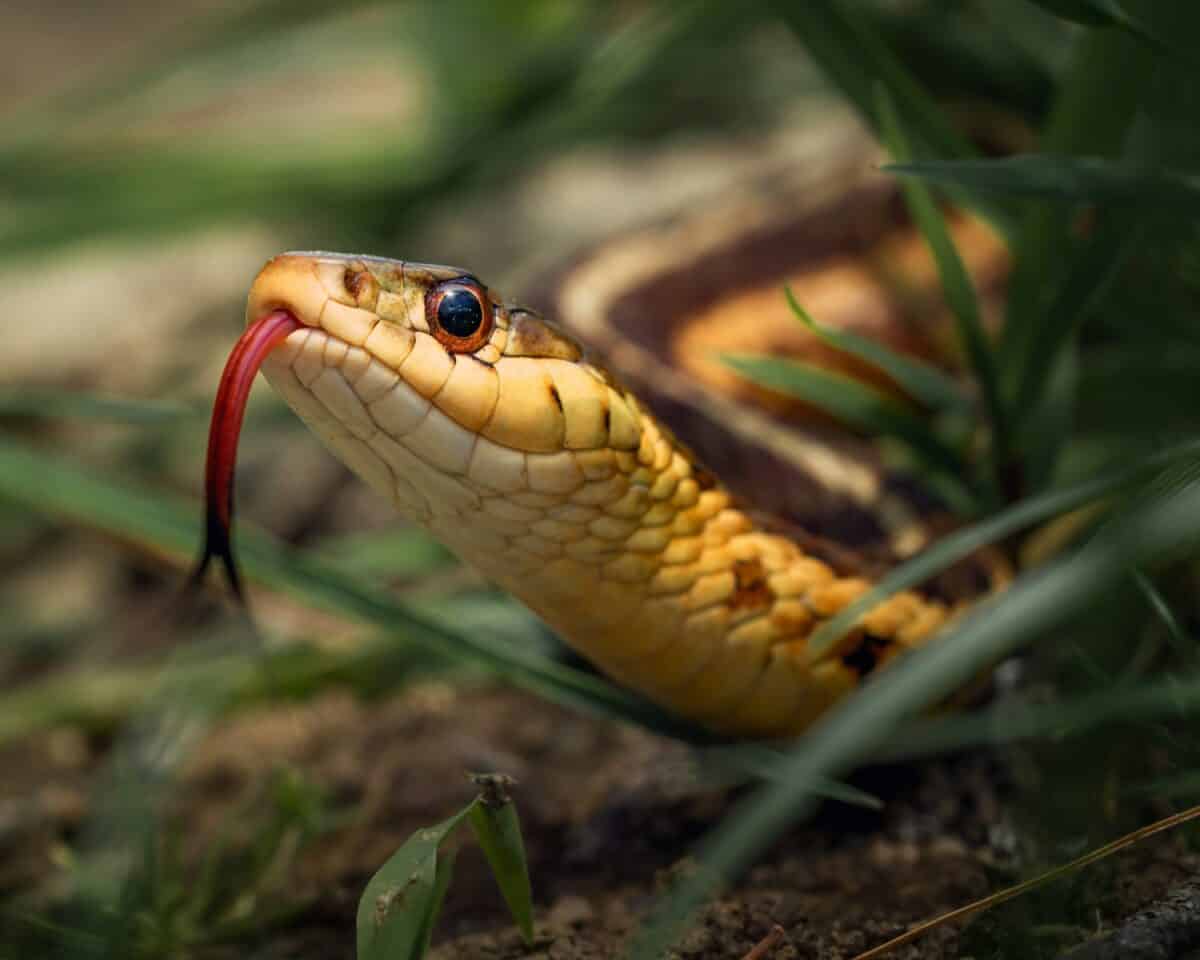
While the vomeronasal system is crucial for snakes, it doesn’t operate in isolation. Snakes integrate information from multiple sensory systems to build a comprehensive picture of their environment. Many species have good vision, particularly those that are active during the day. Some, like pit vipers, possess infrared-sensing pit organs that can detect the heat signatures of warm-blooded prey. Others are sensitive to ground vibrations, which help them detect approaching animals.
This multi-sensory approach allows snakes to thrive in diverse environments and hunting conditions. For example, a rattlesnake hunting at night might initially detect a mouse using its heat-sensing pit organs, track it using its vomeronasal system, and then precisely time its strike using vibration sensors in its jaw. During daylight, visual cues might play a more prominent role. This sensory integration allows snakes to be effective predators in a wide range of conditions, from bright daylight to complete darkness, demonstrating the remarkable adaptability of these reptiles.
Evolutionary Advantages of the Forked Tongue

The forked tongue and vomeronasal system represent a remarkable evolutionary adaptation that has contributed significantly to the success of snakes as a group. This specialized chemosensory system likely evolved from more primitive versions found in early reptiles. The earliest snake ancestors probably had single-pointed tongues and simpler chemical detection systems, but over millions of years of evolution, the split tongue and sophisticated vomeronasal organ developed as these animals adapted to new ecological niches.
This sensory system has provided snakes with several key evolutionary advantages. It allows them to be effective hunters without relying on loud sounds that might alert prey, making them excellent ambush predators. It enables them to track prey through complex environments like underground burrows or dense vegetation where visibility is limited. For nocturnal species, it provides a way to navigate and hunt in complete darkness. The ability to detect chemicals has also allowed snakes to develop complex social behaviors, including mate selection and territorial marking, despite their reputation as solitary animals. These advantages have helped snakes colonize almost every terrestrial environment on Earth except the polar regions.
Differences Across Snake Species
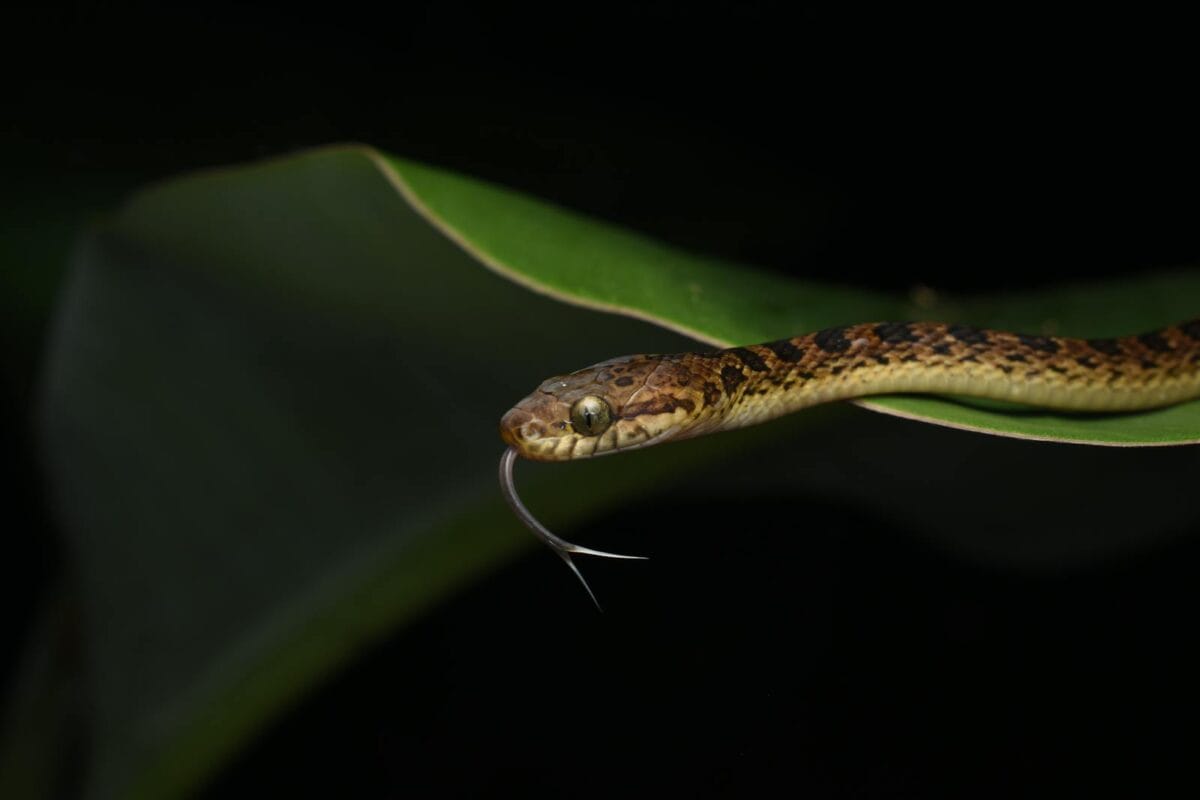
While all snakes use their forked tongues for chemosensation, there are interesting variations across different species that reflect their ecological niches and hunting strategies. Species that primarily hunt by ambush, such as vipers, often have broader, shorter tongues that are flicked less frequently but are highly sensitive to the presence of nearby prey. In contrast, active foragers like rat snakes and racers have longer, more slender tongues that they flick more frequently as they move through their environment searching for prey.
Aquatic snakes have evolved modifications to this system that allow them to sample chemicals underwater. Sea snakes, for instance, can flick their tongues while swimming, collecting chemical signals dissolved in water. Some specialized burrowing snakes have shorter tongue tines that are better suited for chemical sampling in confined underground spaces. These variations demonstrate how this basic sensory system has been fine-tuned through evolution to match each species’ particular lifestyle and hunting strategy, showcasing the remarkable adaptability of the snake’s chemosensory system.
Common Misconceptions About Snake Tongues
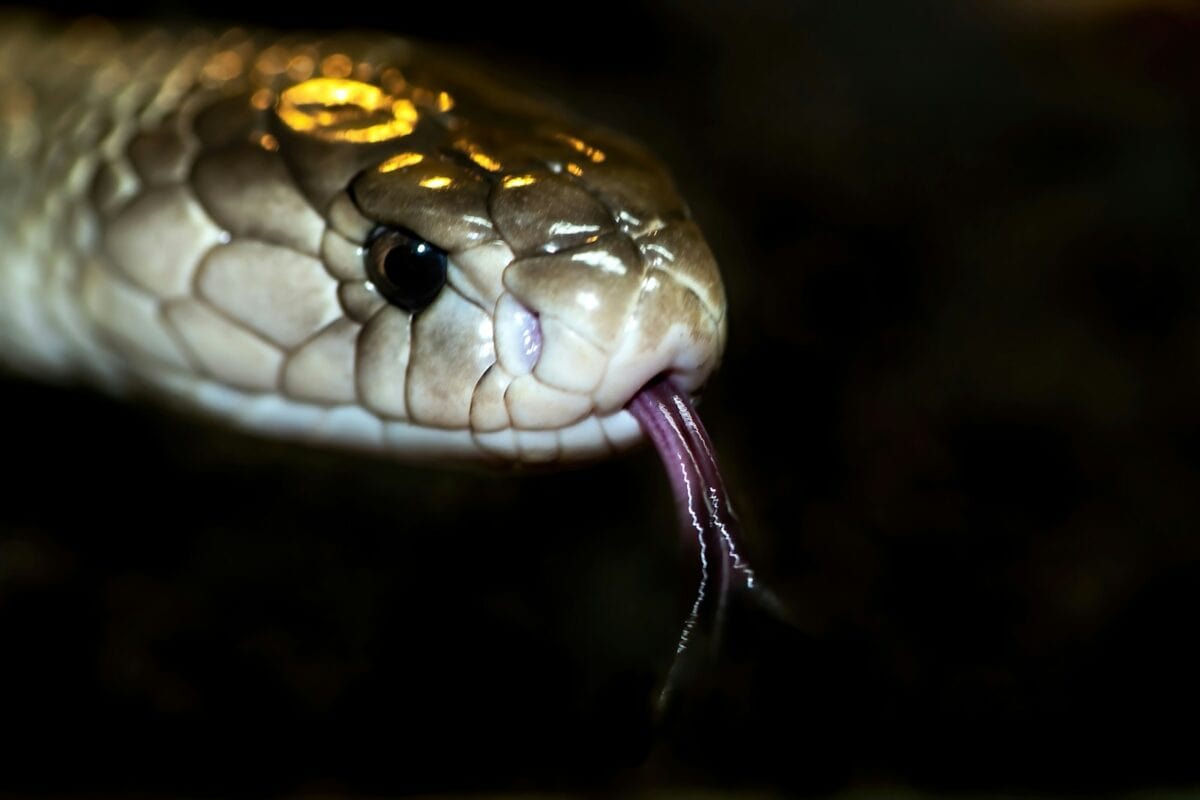
Despite their iconic status in snake biology, forked tongues are surrounded by numerous misconceptions in popular culture. Perhaps the most common is that the tongue is used to “sting” or inject venom—a completely false notion, as the tongue plays no role in venom delivery. Another misconception is that snakes “taste” with their tongues in the same way humans do. While the tongue does collect chemicals, the actual sensing occurs in the Jacobson’s organ, not on the tongue itself. The tongue merely serves as a collection tool.
Some people mistakenly believe that the frequency of tongue flicking indicates a snake’s level of aggression or likelihood to strike. In reality, increased tongue flicking typically indicates curiosity or information gathering, not aggression. A snake preparing to strike often reduces tongue flicking to focus on the target. Finally, the forked shape of the tongue is sometimes associated with evil or deception in cultural symbolism, which has unfortunately contributed to negative perceptions of these remarkable animals. Understanding the true function of the snake’s tongue can help dispel these myths and foster a greater appreciation for these sophisticated reptiles.
Research and Scientific Discoveries
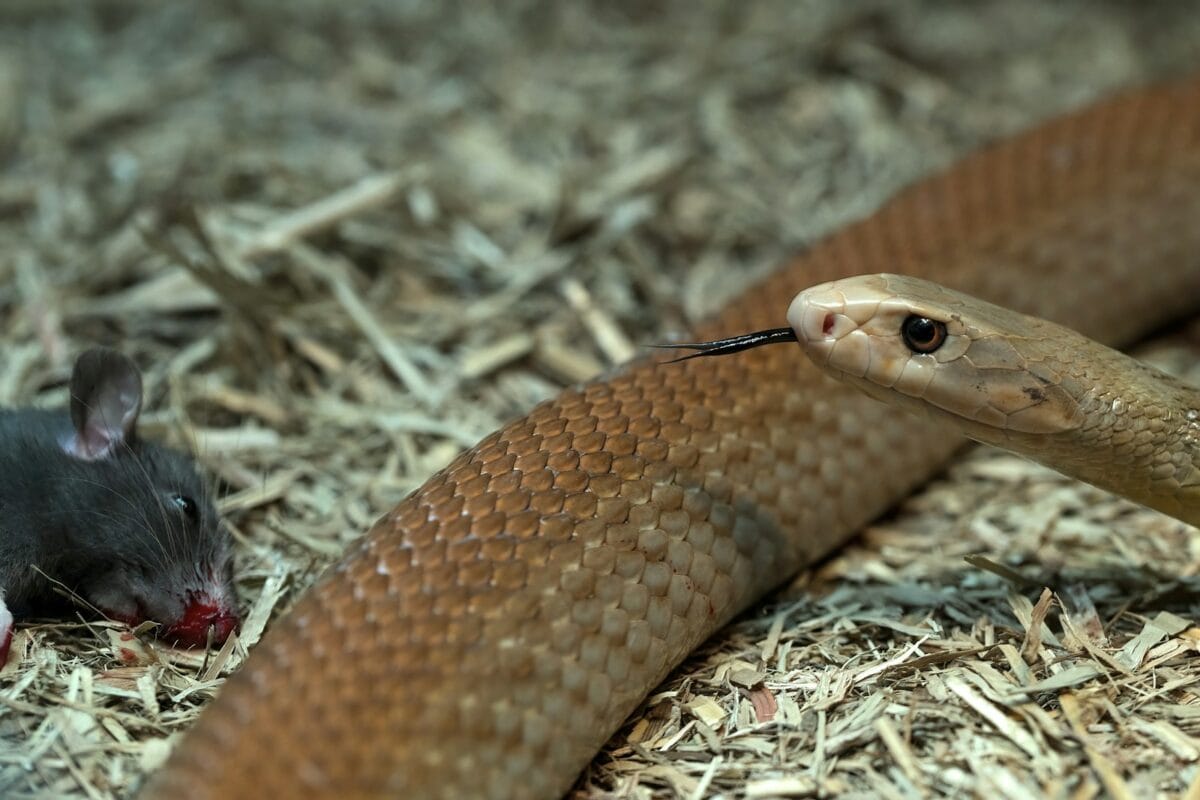
Scientific understanding of snake chemosensation has advanced significantly in recent decades, revealing the remarkable sophistication of this system. Using techniques like high-speed videography, researchers have documented the precise mechanics of tongue flicking and how the tongue delivers samples to the Jacobson’s organ. Advanced brain imaging has allowed scientists to map how chemical information is processed in the snake’s brain, showing that a significant portion of a snake’s brain is dedicated to processing this chemical information.
Groundbreaking experiments have demonstrated just how sensitive this system can be. In laboratory settings, some snakes can detect chemical concentrations as low as a few parts per trillion—equivalent to finding a single drop of substance in an Olympic-sized swimming pool. Recent studies have also explored how environmental factors like temperature and humidity affect chemosensation in snakes, revealing that these variables can significantly impact a snake’s ability to detect and track chemical signals. Ongoing research continues to uncover new details about this fascinating sensory system, improving our understanding of snake biology and potentially inspiring biomimetic technologies.
Conclusion: The Remarkable Chemical World of Snakes
The forked tongue and vomeronasal system of snakes represent one of nature’s most elegant solutions to the challenge of detecting and interpreting chemical information from the environment. This sophisticated system allows snakes to experience their world in ways that are fundamentally different from our own human perceptions, creating a rich chemical landscape invisible to our senses. Through the combined action of tongue flicking and the Jacobson’s organ, snakes effectively “smell” in stereo, gathering directional information that guides their movements and behaviors.
This remarkable adaptation highlights the diversity of sensory experiences across the animal kingdom and reminds us that each species perceives the world through its own unique sensory lens. For snakes, the world is less a visual panorama and more a complex tapestry of chemical signatures that reveal the presence and movements of other creatures. As we continue to study and understand these fascinating reptiles, we gain not only scientific knowledge but also a deeper appreciation for the diverse ways that life has evolved to sense and interact with the environment. The next time you observe a snake flicking its forked tongue, remember that you’re witnessing not a simple behavior but a sophisticated act of chemical exploration that connects the snake to its environment in ways we humans can barely imagine.

From exploring the marine wonders in the Azores and witnessing the vast savannas of Kenya, to delving deep into the rich biodiversity of South Africa and traversing iconic landscapes in Australia and the US like Yellowstone, Chris's experiences are vast.
With a penchant for diving alongside sharks, the ocean holds a special place in his heart.
Through his academic insights, he champions wildlife conservation, striving with 'Animals Around The Globe' to cultivate a profound connection between humans and animals, enhancing our mutual appreciation.
Connect with him at Feedback@animalsaroundtheglobe.com.
- 12 Animals You Won’t Believe Are Hiding in Plain Sight - August 4, 2026
- How Climate Change Is Rewriting the Map of U.S. Rivers - August 4, 2026
- How Elephants Mourn Their Dead — And What That Tells Us - August 4, 2026