

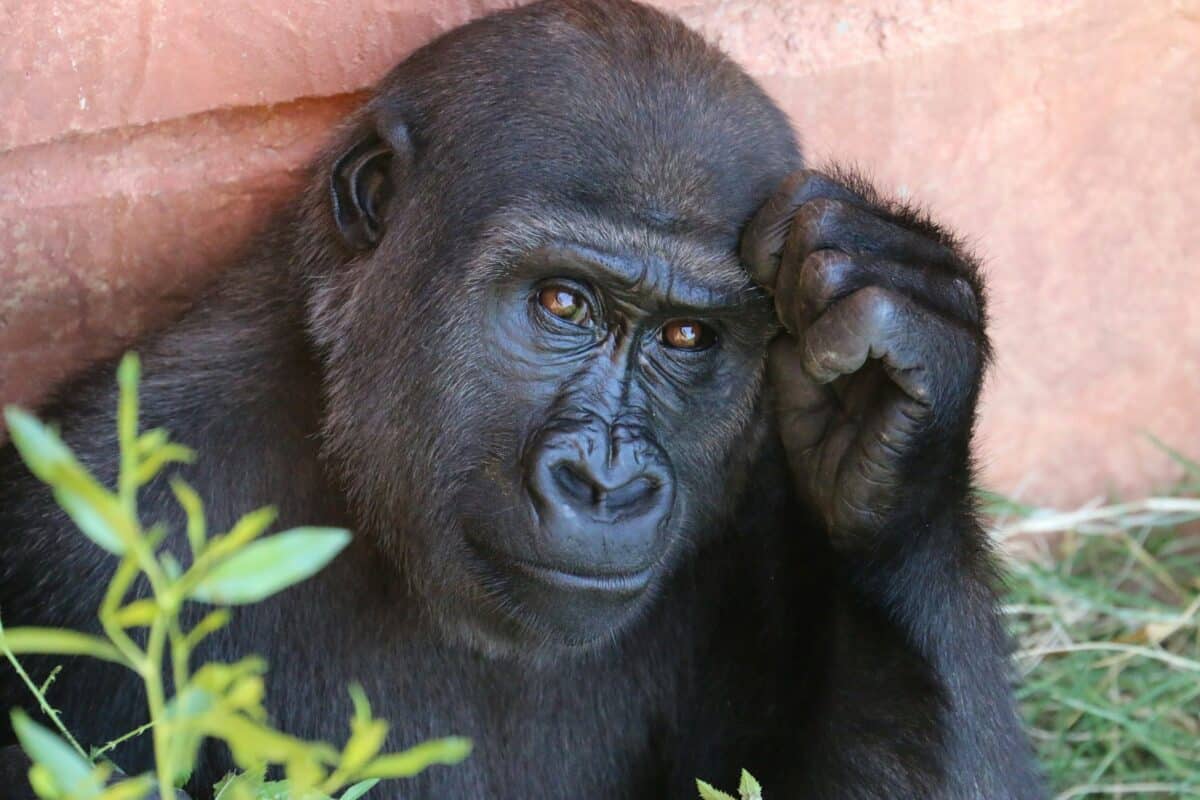
When the lights dim and action sequences begin to roll, moviegoers often find themselves captivated by the antics of chimpanzees performing incredible stunts, solving complex problems, or simply providing comic relief. From the vintage Tarzan films to modern blockbusters, these highly intelligent primates have been fixtures in Hollywood for decades. But behind the camera, a complex and often troubling reality exists. The use of chimpanzees in entertainment comes with significant ethical concerns, training methods that raise eyebrows, and consequences that extend far beyond the screen. This comprehensive exploration reveals the untold story of chimpanzees in action films—separating Hollywood fiction from scientific fact and examining the true impact of this practice on both individual animals and conservation efforts worldwide.
The Historical Use of Chimpanzees in Cinema
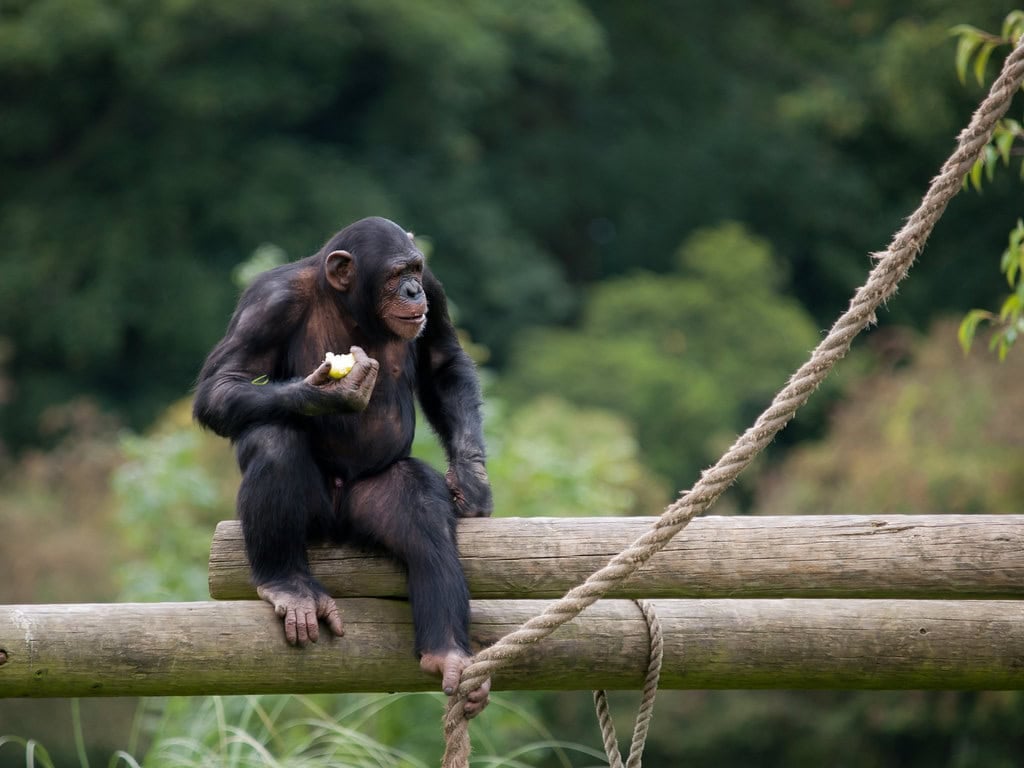
Chimpanzees first appeared on the silver screen in the early 20th century, with notable appearances in Tarzan films of the 1930s and 1940s. During this era, there was little public awareness about animal welfare or the complex cognitive and emotional needs of great apes. Chimps were viewed primarily as entertaining curiosities, often dressed in human clothing and trained to mimic human behaviors for comedic effect. Films like “Bedtime for Bonzo” (1951) starring Ronald Reagan and the “Cheeta” character from the Tarzan franchise established chimpanzees as bankable stars.
As the decades progressed, chimpanzees continued to feature prominently in entertainment, appearing in television shows like “Lancelot Link: Secret Chimp” in the 1970s and films such as “Every Which Way But Loose” (1978) and its sequel. The 1980s and 1990s saw chimps in productions ranging from Michael Jackson’s music videos to major advertising campaigns. Throughout this history, the entertainment industry largely ignored the growing scientific understanding of chimpanzee cognition, social needs, and the questionable training methods used to create these performances.
The Reality of “Smiling” Chimps

One of the most pervasive misconceptions perpetuated by action films involves the “smiling” chimpanzee. When audiences see a chimp with lips pulled back, displaying a toothy grin, they interpret this as a sign of happiness or enjoyment—a dangerous misreading of chimpanzee body language. In reality, this facial expression is known as a “fear grimace” and indicates stress, anxiety, or submission. It’s the chimpanzee equivalent of nervous laughter, often displayed when the animal feels threatened or uncomfortable.
This fundamental misunderstanding has serious consequences. It creates false expectations about chimpanzee behavior and reinforces the erroneous belief that these animals enjoy performing. Primatologists and animal behaviorists have long attempted to educate the public on this issue, but the persistence of the “happy chimp” trope in media continues to undermine these efforts. Understanding that a “smiling” chimp is likely a stressed chimp is crucial for recognizing the ethical problems inherent in using these animals for entertainment.
Training Methods: The Disturbing Truth

The seemingly effortless performances of chimpanzees in action films belie the harsh training methods often employed behind the scenes. While film producers rarely discuss these practices publicly, investigations by animal welfare organizations have documented concerning patterns. Young chimpanzees are typically separated from their mothers at an early age—a traumatic event that disrupts their natural development and creates psychological issues. Training frequently begins when chimps are infants, as they’re more malleable and less physically dangerous than adult chimps.
Traditional training methods have historically included physical punishment, food restriction, and intimidation tactics. Trainers may use electric shock devices, hitting, or withholding food to achieve compliance. Even operations claiming to use “positive reinforcement” often supplement these techniques with more questionable methods when cameras aren’t rolling. As chimpanzees mature and become stronger and less controllable, they’re frequently retired from acting around age 8, leading to issues of what happens to these animals after their brief “careers” end—a problem that has resulted in abandonment, inappropriate private ownership, or life in substandard facilities.
The Science of Chimpanzee Cognition

Modern scientific research has revolutionized our understanding of chimpanzee intelligence, emotional complexity, and social needs. Chimpanzees share approximately 98.6% of their DNA with humans and demonstrate remarkable cognitive abilities including tool use, problem-solving, self-awareness, and complex social cognition. Studies by pioneering researchers like Jane Goodall, Frans de Waal, and others have revealed that chimpanzees experience a range of emotions comparable to humans, form deep social bonds, and even develop distinct cultural practices within their communities.
This advanced cognition is precisely what makes chimpanzees appear so relatable on screen, but it also underscores why using them for entertainment is ethically problematic. Their intelligence means they understand punishment and restriction, experience boredom and frustration when denied natural behaviors, and suffer psychological damage from unnatural living conditions. The very cognitive traits that make chimpanzees appealing performers also make them uniquely vulnerable to suffering in entertainment settings. As our scientific understanding has evolved, the disconnect between what we know about chimpanzee needs and how they’re treated in the film industry has become increasingly apparent.
CGI Revolution: The Ethical Alternative

The development of sophisticated computer-generated imagery (CGI) and motion capture technology has revolutionized the way filmmakers can portray chimpanzees and other animals without using live specimens. Films like “Rise of the Planet of the Apes” (2011) and its sequels demonstrated that realistic, emotionally complex ape characters could be created entirely through digital means, combined with brilliant motion-capture performances by human actors. This technological breakthrough eliminated the need for real chimpanzees while actually enhancing the storytelling possibilities.
The advantages of CGI extend beyond ethical considerations. Unlike real chimpanzees, digital creations can perform any action imagined by screenwriters without limitations, danger, or stress. They can age appropriately throughout a franchise, maintain consistent appearances, and perform stunts impossible for living animals. Leading visual effects companies like Weta Digital have continuously refined these techniques, creating increasingly realistic digital primates that audiences readily accept. This technological solution represents a win-win scenario: filmmakers gain creative freedom while eliminating animal welfare concerns.
Hollywood’s Gradual Shift Away from Live Chimps

In response to growing ethical concerns and technological alternatives, the entertainment industry has begun a meaningful shift away from using live chimpanzees. Major agencies like the American Humane Association have strengthened their position against using great apes in entertainment, and several major studios have adopted policies against using live primates. In 2015, the advertising industry took a significant step when the Association of Advertising Producers announced a commitment to end the use of great apes in commercial productions.
This shift has been accelerated by public awareness campaigns led by organizations like PETA and the Humane Society, along with advocacy from scientific experts and celebrities. Influential directors like Peter Jackson, Rupert Wyatt, and Matt Reeves have publicly championed CGI alternatives, demonstrating that ethical considerations need not limit creative expression. While some smaller productions and international films still use live chimpanzees, the industry trend clearly points toward a future where this practice becomes increasingly rare and ultimately obsolete.
Public Misconceptions and Conservation Impact

The portrayal of chimpanzees in action films and comedies has created persistent public misconceptions with serious conservation consequences. Research published in journals like PLoS ONE has shown that seeing chimpanzees in entertainment contexts significantly reduces public perception of their endangered status. When surveyed after viewing entertainment media featuring chimpanzees, audiences are more likely to believe chimpanzees make good pets and are not at risk of extinction—both dangerously false conclusions.
These misconceptions directly impact conservation efforts for wild chimpanzees, whose populations have declined dramatically over recent decades. All four subspecies of chimpanzees are listed as endangered or critically endangered, facing threats from habitat loss, poaching, and disease. The pet trade, fueled partly by media portrayals of chimps as cute, manageable companions, continues to remove infants from wild populations—typically killing multiple adult chimps in the process of capturing each infant. The disconnect between the laughing chimp on screen and the conservation crisis facing wild populations represents one of the most damaging aspects of their use in entertainment.
The Life Cycle of a “Hollywood Chimp”

For chimpanzees used in the entertainment industry, the typical career trajectory follows a troubling pattern. Infants are separated from their mothers around 6-24 months of age—far earlier than the 7-10 years they would normally stay with their mothers in the wild. These infants are then intensively trained during their most formative years. The window for use in entertainment is remarkably short—typically only until age 7-8—because as chimps mature, they become stronger and less controllable, regardless of training methods. This creates a continuous demand for new infant chimps.
The most disturbing aspect of this cycle concerns what happens after a chimpanzee’s brief entertainment career ends. With a natural lifespan of 40-60 years, these animals face decades of life after retirement. Some end up in accredited sanctuaries like Save the Chimps or the Center for Great Apes, which provide appropriate social groups and specialized care. However, many others historically ended up in roadside zoos, private ownership, or breeding facilities with substandard conditions. The entire system creates a problematic pipeline where animals are produced for a few years of work, followed by decades of costly specialized care requirements.
Legislation and Industry Guidelines

The legal framework governing the use of chimpanzees in entertainment varies significantly by country and continues to evolve. In the United States, the Animal Welfare Act provides basic standards for housing and care, but critics argue these minimums fall far short of meeting chimpanzees’ complex needs. Some states like California have enacted stronger restrictions on great ape use in entertainment, while others maintain minimal oversight. The Endangered Species Act provides additional protections for chimpanzees since they were fully listed as endangered in 2015, making some previously common practices more difficult.
Industry self-regulation comes primarily through guidelines from organizations like the American Humane Association, which provides the familiar “No Animals Were Harmed” certification. However, these monitoring systems have faced criticism for limited scope, focusing primarily on treatment during actual filming rather than training methods or long-term care. More stringent are the standards set by the Global Federation of Animal Sanctuaries and the Association of Zoos and Aquariums, which establish comprehensive welfare requirements that exceed what’s typically possible in entertainment settings. The patchwork nature of these regulations allows significant variation in how chimpanzees are treated across different productions.
Notable Films and Their Approaches

The evolution of chimpanzee portrayals in action films reveals changing attitudes and technologies. Earlier films like “Project X” (1987) and “Dunston Checks In” (1996) used live chimpanzees extensively, with little public concern about welfare issues. The “Buddy” (1997) production became notorious when its star chimpanzee attacked a crew member, highlighting the inherent risks. By contrast, more recent major productions have largely abandoned live chimps for ethical and practical reasons. The groundbreaking “Planet of the Apes” reboot series beginning in 2011 showcased the capabilities of motion capture technology, with actor Andy Serkis delivering an emotionally nuanced performance as Caesar without any real apes on set.
The documentary film “Unlocking the Cage” (2016) took a different approach, examining legal efforts to secure personhood rights for chimpanzees and other great apes. Meanwhile, “Chimpanzee” (2012) from Disneynature demonstrated how compelling footage of wild chimpanzees in their natural habitat could create engaging storytelling without exploitation. These diverse approaches demonstrate the range of options available to filmmakers interested in portraying these fascinating primates without contributing to welfare concerns. The critical and commercial success of productions using ethical alternatives has helped accelerate the industry’s move away from live animal performers.
Sanctuaries: Where Hollywood Chimps Retire

For former entertainment chimpanzees, accredited sanctuaries provide the specialized care these complex animals require. Leading facilities like the Center for Great Apes in Florida, Save the Chimps in Florida, and Chimp Haven in Louisiana have created environments where retired performers can live in appropriate social groups with proper nutrition, veterinary care, and environmental enrichment. These sanctuaries often bear witness to the psychological and physical scars left by entertainment careers, including abnormal behaviors, dental problems from having teeth removed for safety, and difficulties integrating with other chimpanzees due to being raised in isolation from their own species.
The financial burden of providing lifetime care for retired entertainment chimps is substantial, with annual costs per chimpanzee ranging from $15,000 to $25,000. These expenses continue for decades after the animals have generated any revenue, creating a significant ethical question about who bears responsibility for this long-term care. Sanctuaries primarily operate on donations and grants, essentially subsidizing the entertainment industry’s use of these animals. Organizations like the North American Primate Sanctuary Alliance work to establish standards of care and advocate for policies that would require entertainment companies to contribute to the lifetime care of the animals they use—a responsibility that currently falls primarily on non-profit organizations.
Conclusion: The Future of Primates in Film

The trajectory for chimpanzees in action films points clearly toward a future where live animals are no longer used. This shift is being driven by a powerful combination of factors: advancing technology that provides superior alternatives, increasing public awareness of ethical issues, scientific understanding of chimpanzee cognition and welfare needs, and evolving industry standards. Major studios including Disney, Warner Bros., and 20th Century Studios have moved decisively toward CGI alternatives, establishing new norms that smaller productions increasingly follow.
This transition represents a significant victory for animal welfare but brings new challenges for facilities caring for former entertainment chimpanzees. As fewer young chimps enter the system, attention must focus on providing lifetime care for those already in existence—animals that may live for several more decades. The story of chimpanzees in action films ultimately reflects broader societal evolution in how we view our ethical responsibilities toward highly intelligent, emotionally complex non-human animals. The move away from using live chimpanzees in entertainment represents not a limitation but an advancement—one that acknowledges our growing understanding of these remarkable animals and our ethical obligations toward them.

From exploring the marine wonders in the Azores and witnessing the vast savannas of Kenya, to delving deep into the rich biodiversity of South Africa and traversing iconic landscapes in Australia and the US like Yellowstone, Chris's experiences are vast.
With a penchant for diving alongside sharks, the ocean holds a special place in his heart.
Through his academic insights, he champions wildlife conservation, striving with 'Animals Around The Globe' to cultivate a profound connection between humans and animals, enhancing our mutual appreciation.
Connect with him at Feedback@animalsaroundtheglobe.com.
- Why Spiders Don’t Get Stuck in Their Own Webs - July 20, 2026
- What Scientists Found in a 10,000-Year-Old Beehive - July 20, 2026
- This Spider Builds Fake Decoys of Itself - July 20, 2026