

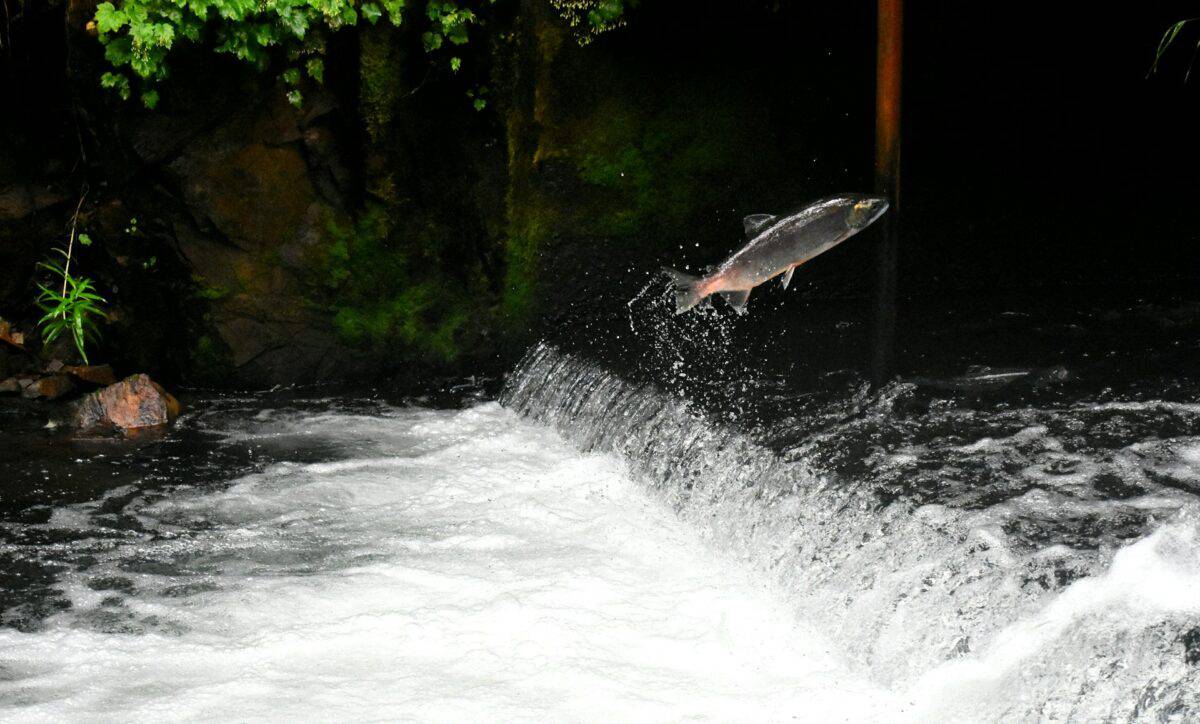
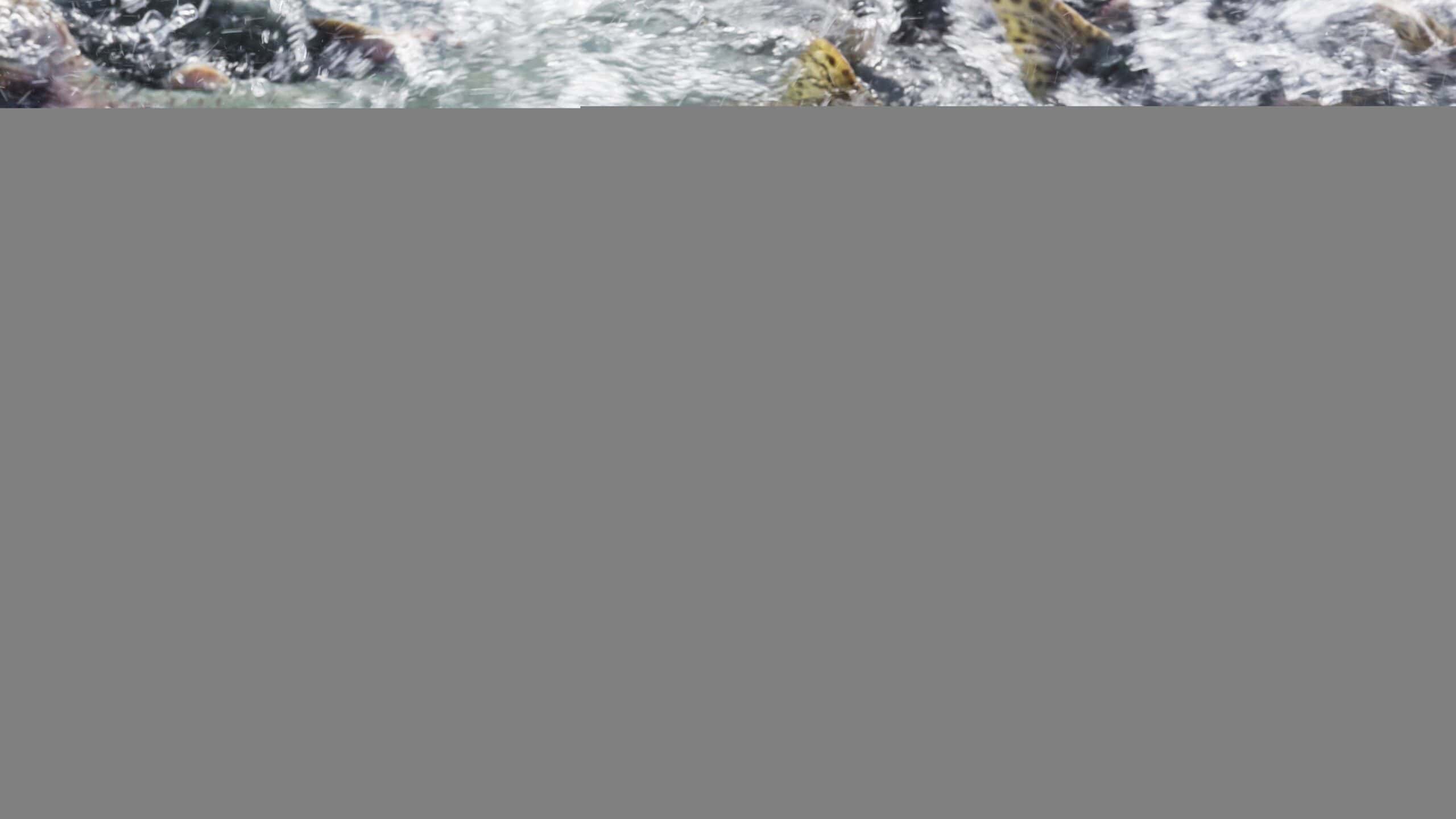
Salmon are remarkable creatures that embark on one of nature’s most challenging journeys—swimming upstream against powerful currents to reach their spawning grounds. This extraordinary migration, known as the salmon run, represents one of the most impressive feats in the animal kingdom. These determined fish navigate hundreds, sometimes thousands of miles from the open ocean back to the very streams where they were born. The journey demands incredible physical endurance, precise navigation skills, and the ability to overcome numerous obstacles. But why do salmon undertake this arduous journey, risking everything to return to their birthplace? And how do these seemingly ordinary fish accomplish such an extraordinary task? This article explores the fascinating biological imperatives driving this behavior and the remarkable adaptations that make it possible, revealing the complex and inspiring story behind one of nature’s most captivating migrations.
The Remarkable Life Cycle of Salmon
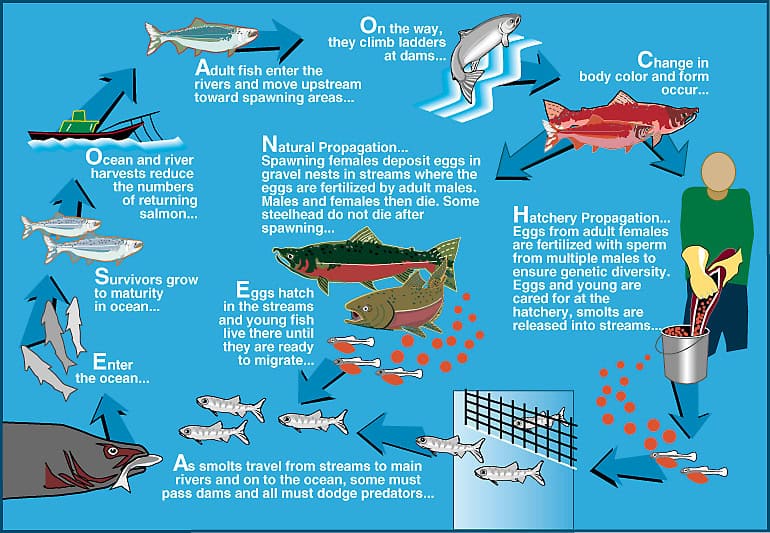
To understand why salmon swim upstream, we must first appreciate their unique life cycle. Most salmon species are anadromous, meaning they are born in freshwater, migrate to the ocean to mature, and then return to freshwater to reproduce. This cycle begins when adult salmon lay their eggs in the gravel beds of streams and rivers, often in remote headwaters far inland. After hatching, young salmon (called alevin) remain in the gravel, feeding on their yolk sacs until they develop into fry. These fry eventually grow into parr, developing distinctive markings that help camouflage them in their freshwater environment.
As they mature further into smolts, physiological changes prepare their bodies for life in saltwater—a process called smoltification. These adaptations include changes to their gills and kidneys that allow them to regulate salt balance in marine environments. After spending several years in the ocean, where they grow substantially in size and sexual maturity, salmon undergo another remarkable transformation. Their bodies change color, males develop hooked jaws (called kypes), and they begin the journey back to their birthplace. This extraordinary cycle represents one of nature’s most perfect examples of adaptation and instinct, a pattern that has evolved over millions of years.
The Biological Imperative: Why Upstream?
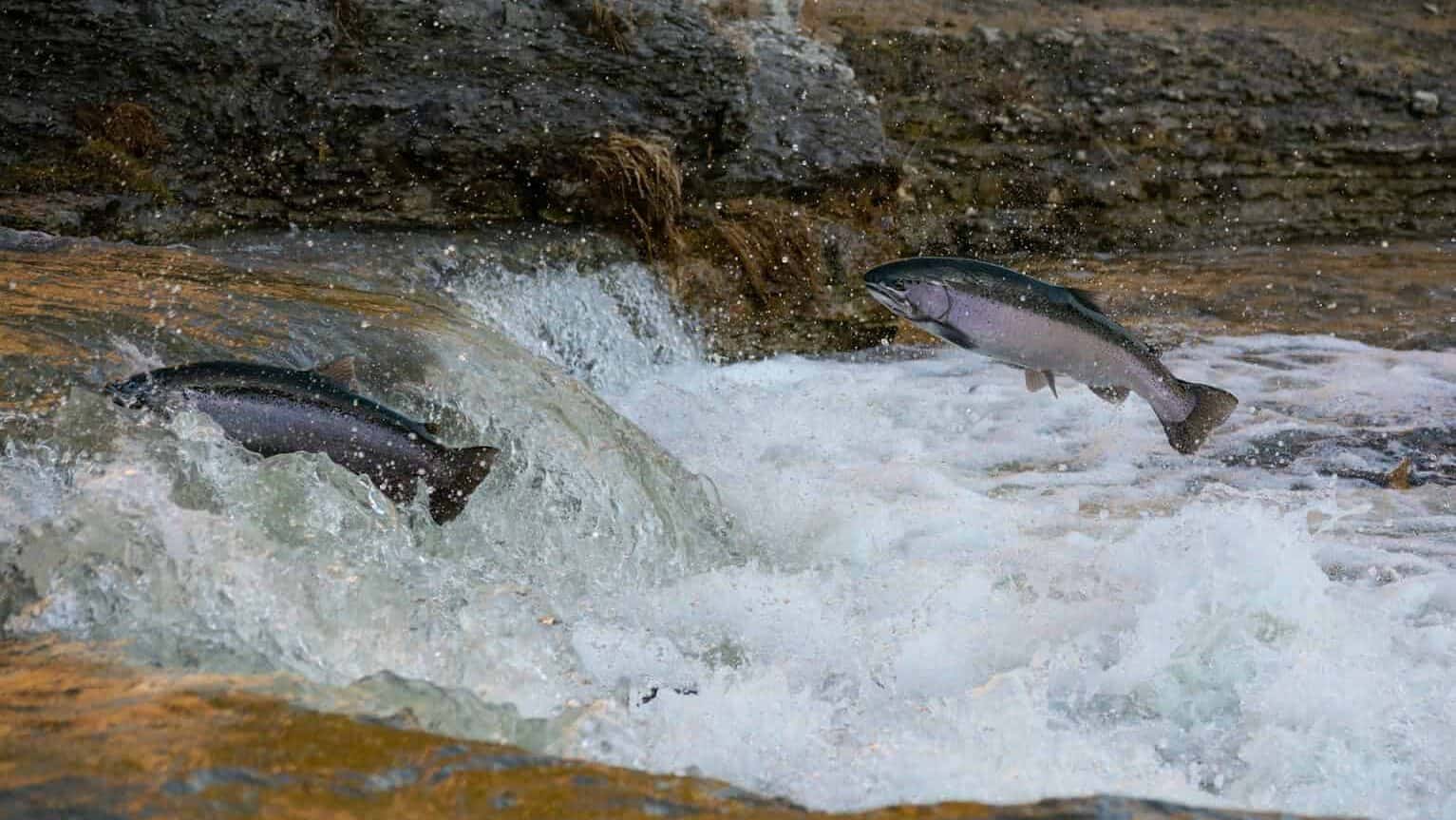
The primary reason salmon swim upstream is reproduction. This behavior, known as natal homing, ensures that salmon return to spawn in the same locations where they were born. But why is this return journey so crucial? The answer lies in evolutionary success. Over millions of years, salmon populations have adapted to specific stream conditions. By returning to locations that supported their own development, salmon increase the likelihood that their offspring will also thrive. These natal streams offer ideal conditions: clean, oxygen-rich water, appropriate temperature ranges, suitable gravel size for nest building, and relative safety from certain predators.
This homing behavior also maintains genetic isolation between populations, allowing for local adaptations to specific stream conditions. Research has shown that salmon populations can develop genetic traits suited to the particular challenges of their home streams—whether it’s the ability to navigate longer distances, climb steeper gradients, or withstand different water temperatures. The incredible precision of this homing instinct is demonstrated by studies showing that in undisturbed river systems, more than 90 percent of salmon return to the exact tributary where they were born. This remarkable fidelity to birthplace has been essential to the evolutionary success of salmon for millions of years.
The Remarkable Navigation System
How salmon navigate back to their birthplace with such precision remains one of nature’s most fascinating mysteries, though science has uncovered many of the mechanisms involved. Salmon possess a multi-sensory navigation system that begins with an imprinting process. As juvenile salmon prepare to leave their natal streams, they memorize the unique chemical signature of their birthplace—a process called olfactory imprinting. This chemical memory becomes a critical guide when they return as adults. Studies have shown that each stream has a distinct odor profile created by its particular combination of minerals, soils, vegetation, and resident organisms.
Beyond their extraordinary sense of smell, salmon also navigate using other sensory tools. They can detect the Earth’s magnetic field, effectively giving them an internal compass that helps guide their ocean migrations. Research indicates they may use the position of the sun and polarized light patterns for direction. Some scientists believe they can even sense subtle differences in water temperature, current patterns, and perhaps even use landmarks in familiar waters. This multi-layered navigation system demonstrates remarkable biological sophistication, allowing salmon to find their way back to spawning grounds with astonishing accuracy after years in the vast ocean.
Physical Adaptations for the Journey
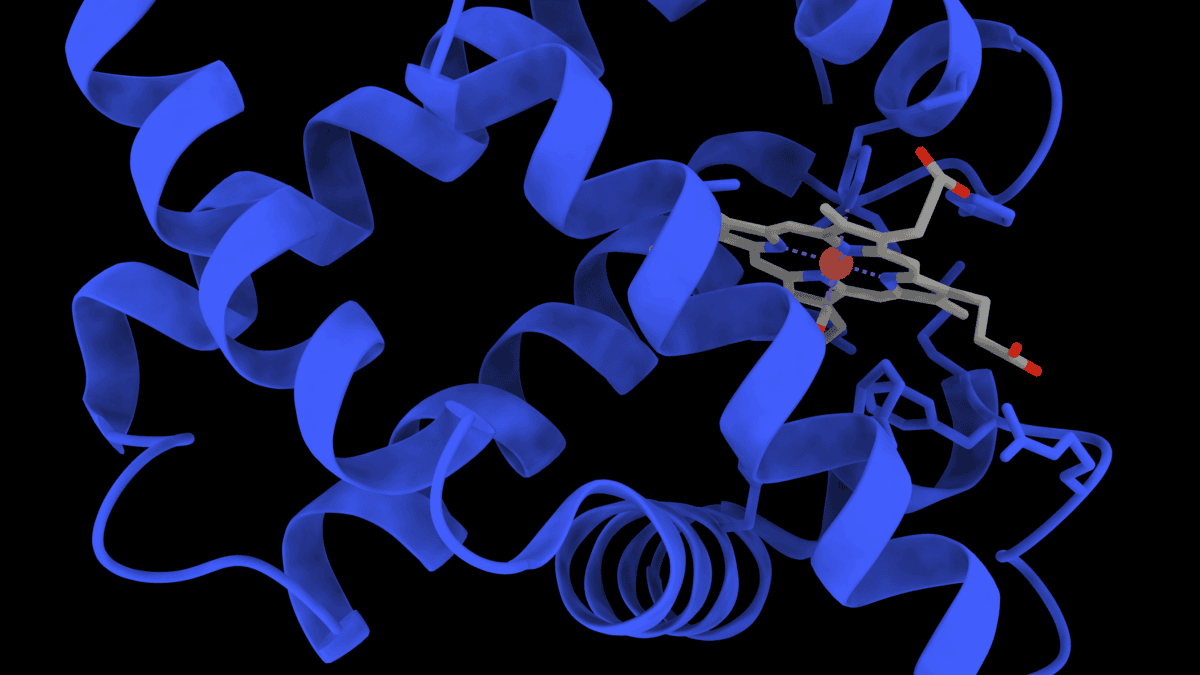
Myoglobin. Image via Wikimedia Commons
Salmon possess specialized physical adaptations that enable them to make their challenging upstream journey. Their streamlined, muscular bodies are perfectly designed for powerful swimming, with strong tails that provide the thrust needed to overcome swift currents. Their cardiovascular system is remarkably efficient, featuring a heart that can pump large volumes of blood to deliver oxygen to hard-working muscles. This system is supported by high concentrations of myoglobin (an oxygen-binding protein) in their muscles, which helps maintain energy production during sustained exertion.
As salmon transition from salt to freshwater, their kidneys undergo a remarkable transformation. In the ocean, their kidneys conserve water while excreting excess salt. Upon entering freshwater, this process reverses—their kidneys begin excreting excess water while conserving salt. Their gills contain specialized cells called chloride cells that play a crucial role in this osmoregulation process. Additionally, salmon develop thicker skin during their upstream migration, which provides protection as they navigate rocky streambeds and encounter obstacles. Their bodies also change color—often becoming more vibrant—and males develop hooked jaws and humped backs that may play roles in spawning behaviors and sexual selection.
The Energy Equation: Fueling the Journey
The upstream migration represents one of the most energy-intensive activities in nature, and salmon fuel this journey in a remarkable way. Prior to beginning their migration, salmon accumulate substantial fat reserves during their time in the ocean, where food is abundant. These energy stores are critical because most salmon species stop feeding entirely once they enter freshwater. Their digestive systems begin to atrophy, and all available energy is redirected toward migration and reproductive development. This means the entire upstream journey and the spawning process that follows must be powered by pre-stored energy.
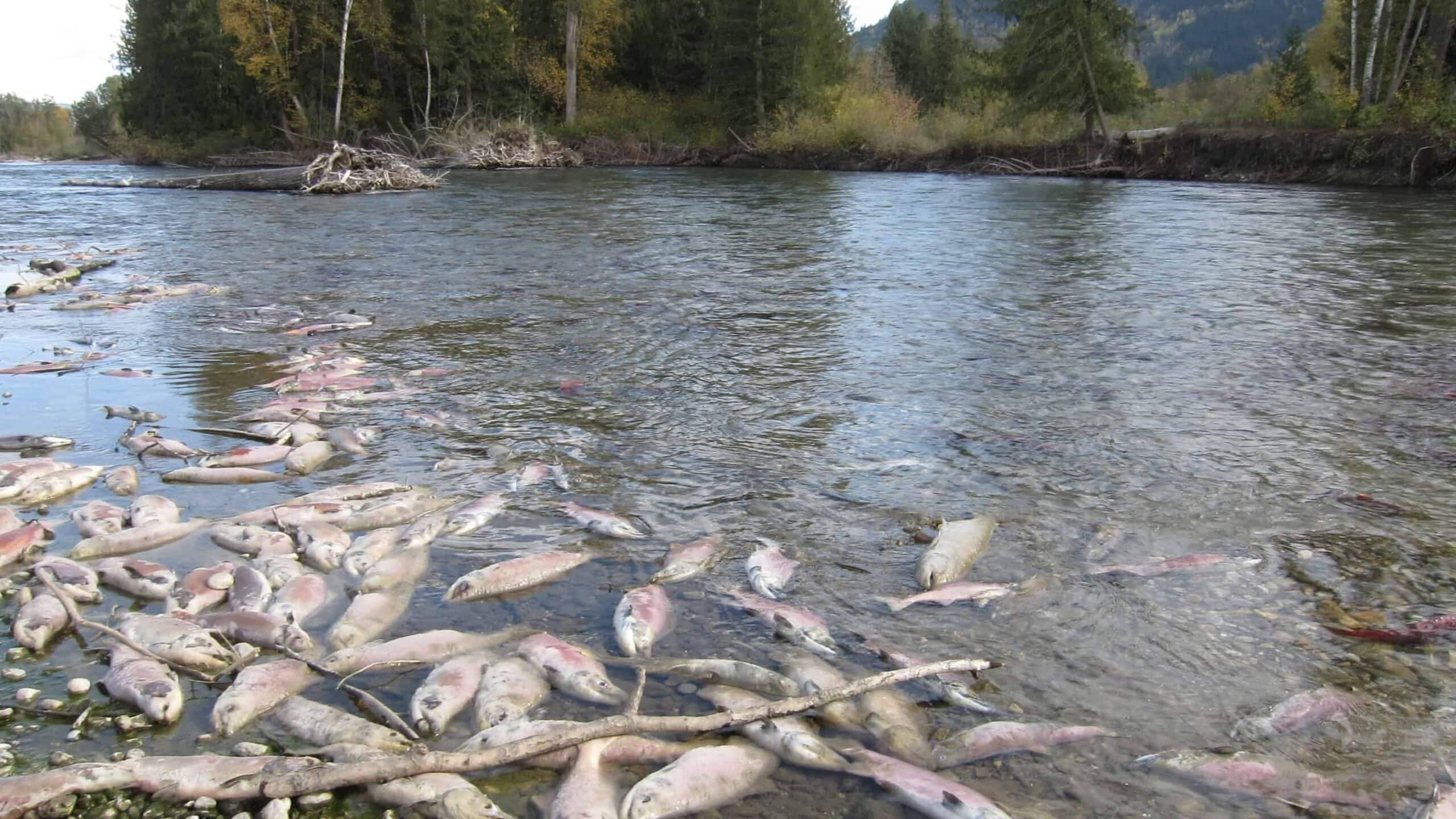
This energy management represents an extraordinary biological calculation. Scientists estimate that salmon may use up to 95% of their body’s energy reserves during migration and spawning. The precise amount of energy required varies by species and the difficulty of their route. For example, sockeye salmon in the Fraser River system of British Columbia may expend up to 80% of their energy just reaching their spawning grounds, leaving little for the actual spawning process. This energy expenditure is so complete that most Pacific salmon species die after spawning—their bodies literally consumed from within by the effort of reproduction. This ultimate sacrifice highlights the biological imperative driving the salmon’s upstream journey.
Overcoming Physical Obstacles
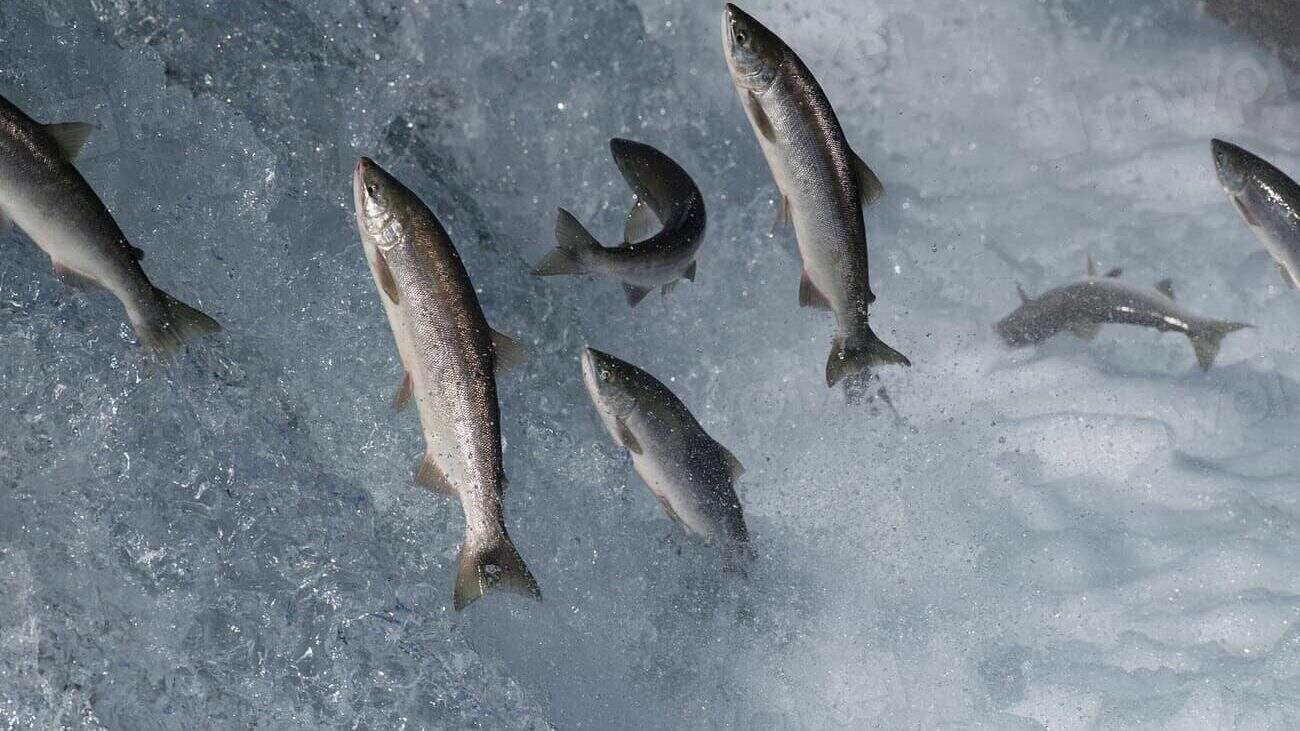
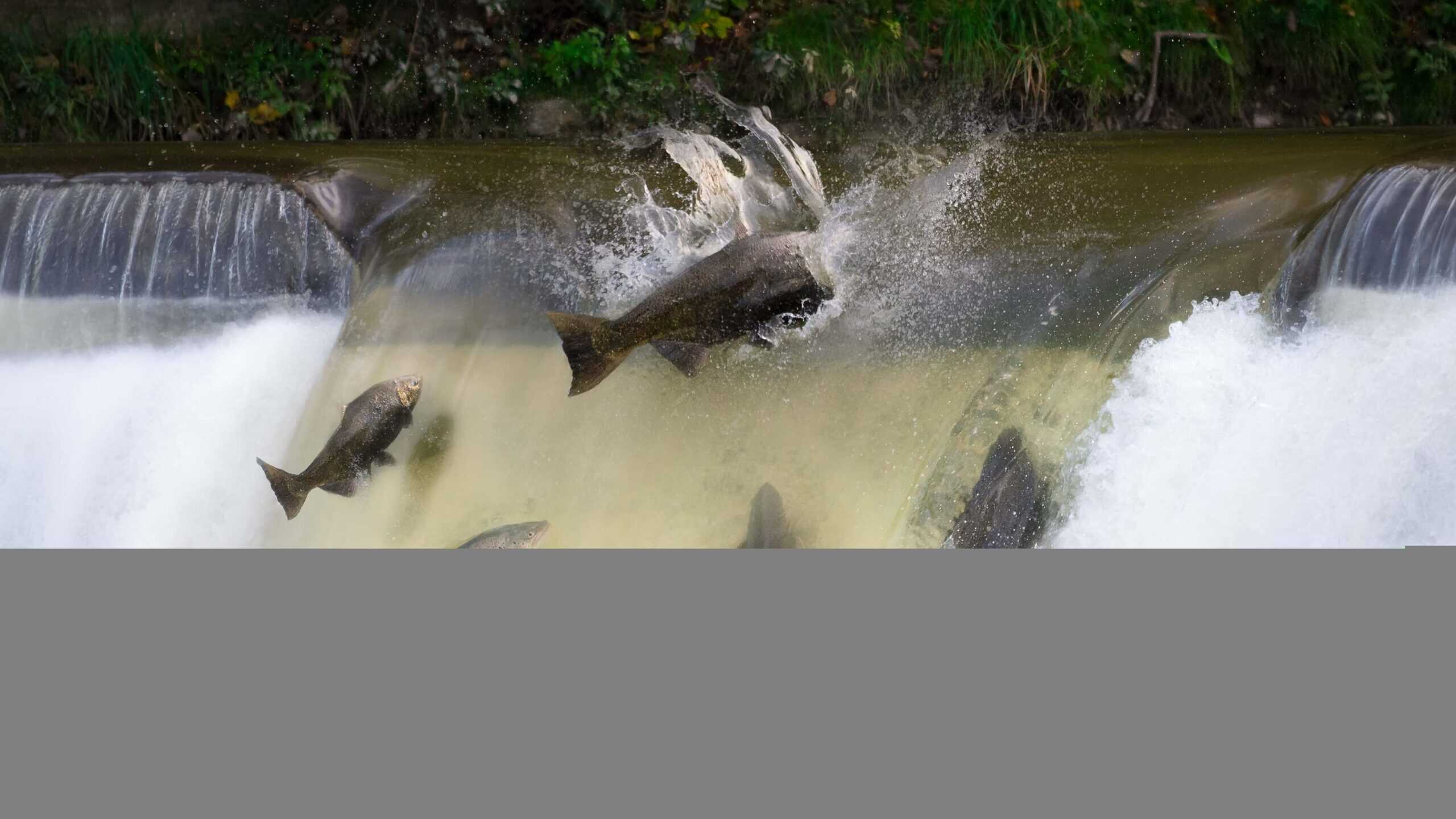
The upstream journey is fraught with natural challenges that salmon must overcome. Rapids, waterfalls, and shallow stretches of water present formidable barriers. Salmon have evolved remarkable jumping abilities to surmount these obstacles. By bending their bodies into an S-shape and then straightening with explosive force, salmon can launch themselves up to 12 feet vertically out of the water. This jumping ability allows them to clear many natural falls and rapids. For steeper obstacles, some salmon species can actually climb up near-vertical surfaces by pressing their bodies against rocks and propelling themselves with powerful tail thrusts.
Different salmon species have evolved specialized abilities to navigate particular types of obstacles. Chinook salmon, the largest species, typically choose deeper river channels where their size is less of a hindrance. Sockeye salmon often travel through lake systems, while coho salmon can navigate smaller tributaries with lower water volumes. Pink and chum salmon generally spawn closer to the ocean, avoiding many upstream obstacles entirely. These varied strategies reflect evolutionary adaptations to different river systems and demonstrate how salmon have specialized to exploit diverse freshwater habitats for reproduction, each species finding its particular niche in the complex network of streams and rivers.
The Timing Puzzle: When to Begin
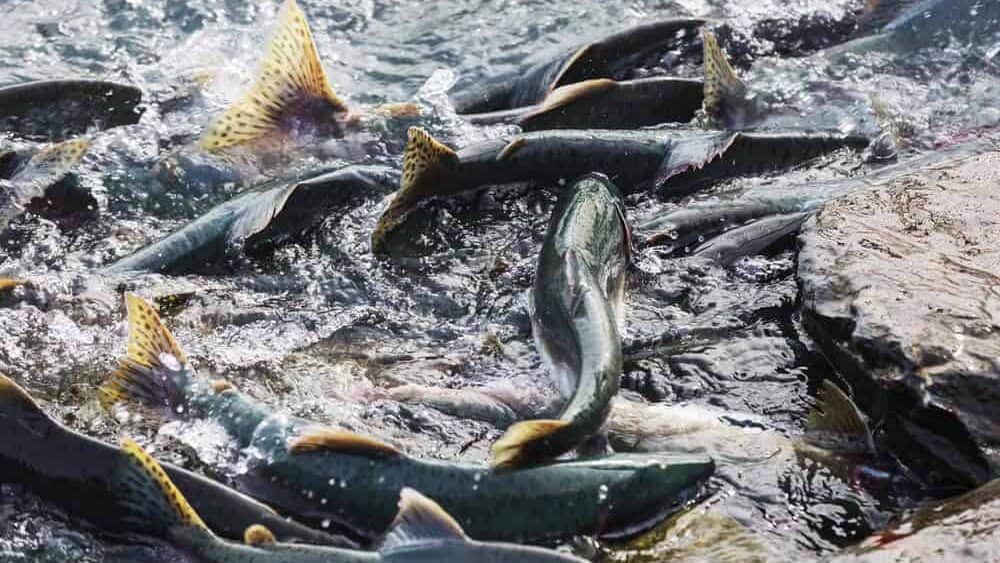
The timing of salmon migration is a complex biological calculation influenced by multiple environmental factors. Most salmon species time their return to coincide with optimal spawning conditions in their natal streams. This typically means arriving when water temperatures are suitable for egg development, water flows are adequate but not excessive, and seasonal food availability will support offspring once they hatch. Different salmon populations have evolved precise timing that matches the specific conditions of their home streams. For example, spring-run Chinook enter rivers early when snowmelt creates high flows, allowing them to reach distant headwaters, while fall-run populations enter rivers later when flows are lower.
Environmental cues trigger the beginning of migration. Changes in day length (photoperiod) signal the approaching season, while water temperature and flow rates provide more immediate information about river conditions. Hormonal changes, particularly increases in reproductive hormones like testosterone and estradiol, coordinate the physiological transformations needed for freshwater transition and spawning. Climate change is now disrupting these finely tuned timing systems. Warming waters can cause salmon to begin migrations at suboptimal times or face dangerous temperature conditions during their journey. Research shows that some populations are adapting by shifting their migration timing, while others are struggling to adjust quickly enough to rapidly changing conditions.
Species-Specific Migration Strategies
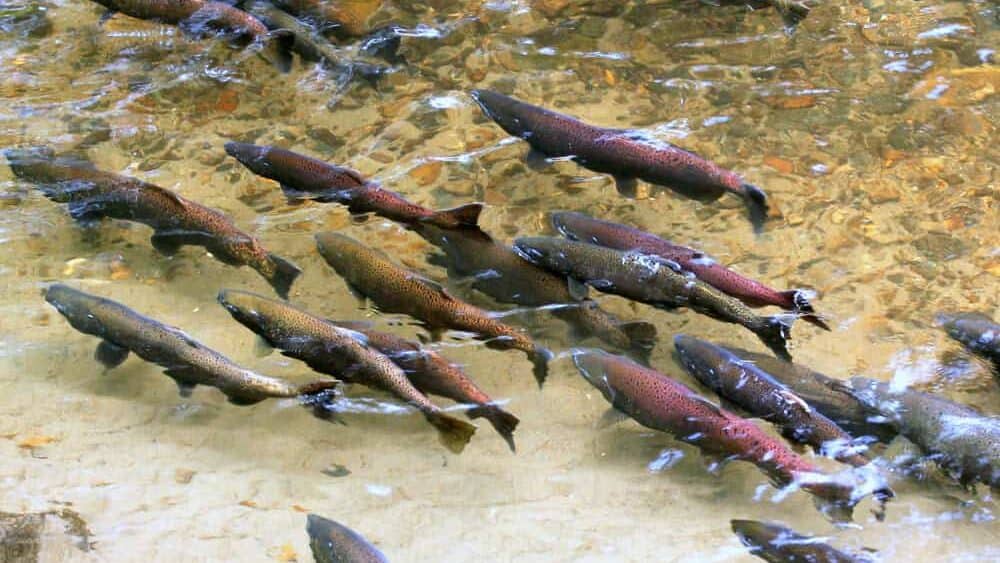
The five major Pacific salmon species—Chinook, sockeye, coho, pink, and chum—each employ distinctive migration strategies. Chinook (king) salmon, the largest species, can travel the farthest upstream, with some populations migrating more than 2,000 miles inland. They typically prefer the main channels of large river systems and can navigate through deeper, faster-flowing water than other species. Sockeye salmon often follow routes through connected lake systems, and many populations spawn in tributary streams that flow into lakes rather than in the main river itself. Their distinctive bright red spawning coloration makes their upstream journey particularly visible.
Coho salmon excel at navigating smaller tributary streams and can access spawning habitat that remains inaccessible to larger species. They demonstrate remarkable persistence in overcoming obstacles and can utilize smaller water channels. Pink salmon, the smallest and most numerous Pacific salmon species, typically spawn closer to the ocean, often traveling just a few miles upstream. They have a strict two-year life cycle, creating distinct odd-year and even-year populations that never interbreed. Chum salmon, known for their distinctive vertical striping during spawning, typically spawn in the lower reaches of coastal streams but can also travel considerable distances in larger river systems. These varied strategies represent evolutionary adaptations to different ecological niches, reducing competition between species while maximizing reproductive success.
Human Impacts on Salmon Migration
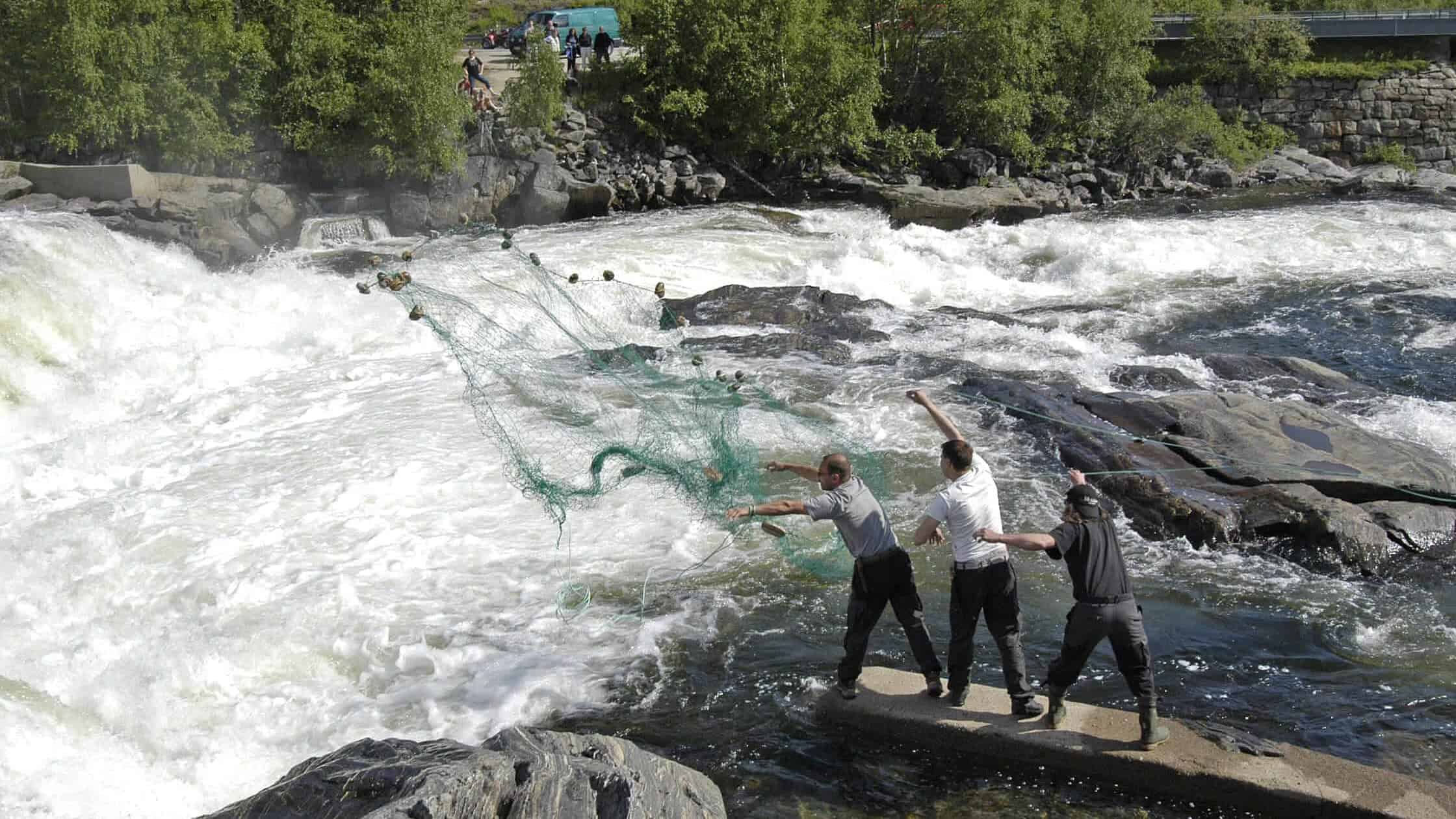
Human activities have created significant challenges for migrating salmon. Dams represent one of the most substantial barriers, blocking or impeding access to historical spawning grounds. While fish ladders and other passage structures have been implemented at many dams, these solutions are not always effective for all species or all individuals. Water withdrawal for agriculture, industry, and municipal use reduces river flows, making migration more difficult and sometimes impossible during drought conditions. These reduced flows also increase water temperatures, creating thermal barriers that can be lethal to cold-water adapted salmon.
Pollution from urban runoff, industrial discharges, and agricultural practices introduces contaminants that can disorient salmon, interfere with their sensitive olfactory navigation, or directly harm their health. Forest practices that remove streamside vegetation increase water temperatures and reduce the input of woody debris that creates crucial resting habitat during migration. Climate change compounds these challenges by altering precipitation patterns, warming waters, and changing the timing of seasonal flows. These combined pressures have contributed to significant declines in many salmon populations, with some now listed as threatened or endangered. Conservation efforts including habitat restoration, dam removal or modification, and improved water management are working to address these human-caused barriers to salmon migration.
The Final Act: Spawning and Death
Upon reaching their spawning grounds, female salmon use their tails to dig depressions in the gravel called redds. This nest-building process is physically demanding and requires careful selection of locations with appropriate water flow, oxygen levels, and gravel composition. Males compete intensely for access to females, often engaging in aggressive displays and physical combat with other males. Their specialized hooked jaws and enlarged teeth, developed during the migration, serve as weapons during these competitions. Once a male has secured access to a female, she releases her eggs into the redd while the male simultaneously releases milt (sperm) to fertilize them. A single female may lay between 2,000 and 5,000 eggs depending on the species and her size.
For Pacific salmon species (Chinook, sockeye, coho, pink, and chum), spawning represents their final act of life. Having exhausted nearly all their energy reserves during migration and spawning, their bodies begin to deteriorate rapidly. Their immune systems collapse, fungal infections spread across their skin, and their internal organs shut down. Within days or weeks of spawning, they die. This mass mortality event isn’t merely an ending but a crucial ecological process—their decomposing bodies release nutrients that enrich the stream ecosystem, feeding everything from aquatic insects to bears. Studies have shown that trees near salmon streams grow faster due to the marine-derived nutrients that salmon transport from the ocean. Atlantic salmon, unlike their Pacific cousins, can survive spawning and return to the ocean, though many still die from the ordeal.
Salmon Migration as an Ecological Linchpin
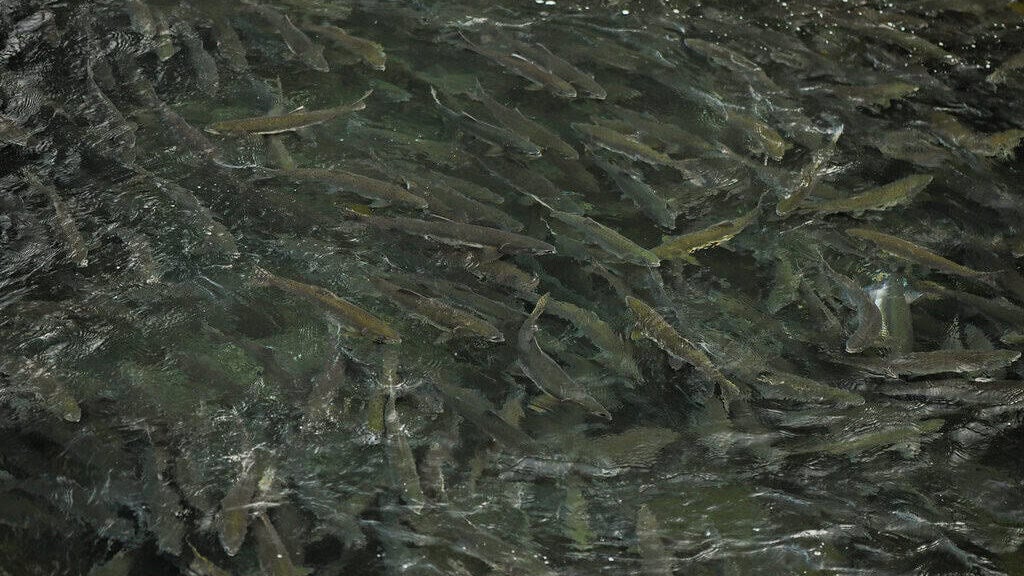
The upstream journey of salmon represents far more than just a reproductive strategy—it’s a critical ecological process that connects marine, freshwater, and terrestrial ecosystems. Salmon transport enormous quantities of marine-derived nutrients from the ocean to inland watersheds. A single spawning event can move thousands of pounds of nitrogen, phosphorus, and carbon into streamside ecosystems. These nutrients feed not only the next generation of salmon but also support a complex food web. Aquatic insects consume bits of salmon tissue, then become food for other fish and birds. Bears, eagles, and other predators that feed on salmon distribute nutrients even further into forests through their scat.
Research has demonstrated that trees growing near salmon streams contain isotopes of nitrogen that originated in the ocean, confirming this nutrient transfer. These trees grow faster and provide better habitat, creating a feedback loop that benefits future salmon by stabilizing stream banks, providing shade that keeps water temperatures cool, and eventually falling into streams to create the complex habitat structures that juvenile salmon need. The decline of salmon runs has ripple effects throughout these ecosystems, leading to nutrient-poor streams and less productive forests. The upstream migration of salmon thus represents a biological process with implications far beyond the individual fish—it’s a mechanism that helps sustain entire watershed ecosystems.
The Future of Salmon Migrations
The future of salmon migrations faces considerable uncertainty in our changing world. Climate change represents perhaps the greatest long-term threat, as warming waters, altered precipitation patterns, and changing ocean conditions disrupt the environmental cues and conditions that salmon rely upon. Many populations are already showing signs of stress, with some migrating earlier or later than historical patterns. Genetic diversity within salmon populations provides some capacity for adaptation, but the pace of environmental change may exceed the speed at which salmon can evolve new traits or behaviors. Conservation efforts must therefore focus on preserving the genetic diversity that exists within and between salmon populations.
There are encouraging signs of progress in salmon conservation. Dam removal projects, like the Elwha River restoration in Washington state, have reopened historical habitat and led to rapid recolonization by multiple salmon species. Improved forest practice regulations protect streamside habitat in many regions. Watershed restoration projects are addressing legacy impacts from mining, logging, and development. Hatchery practices are evolving to better support wild populations rather than replace them. The cultural importance of salmon to indigenous communities, recreational interests, commercial fishing economies, and growing public appreciation for ecosystem services all provide motivation for conservation action. The future of salmon migrations will depend on our collective ability to address climate change impacts, continue habitat restoration efforts, and manage watersheds as whole systems that support the remarkable journey of salmon from ocean to stream and back again.
The upstream migration of salmon stands as one of nature’s most remarkable journeys—a testament to the power of evolutionary adaptation and the drive to reproduce against seemingly impossible odds. From their extraordinary navigation abilities to their specialized physiology, salmon embody the perfect integration of form and function, precisely adapted to the specific challenges of their migratory lifestyle. These magnificent fish connect ecosystems across vast distances, moving nutrients from the rich marine environment to nutrient-limited freshwater and terrestrial systems. Their journey supports biodiversity far beyond their own species, making them true keystone species in the regions where they occur.

- Why Salmon Swim Upstream—and How They Do It - July 15, 2026
- The Spider That Uses a Slingshot Web - July 15, 2026
- 15 Creatures Making a Comeback in American Wetlands - July 15, 2026
Leave a comment
You must be logged in to post a comment.