
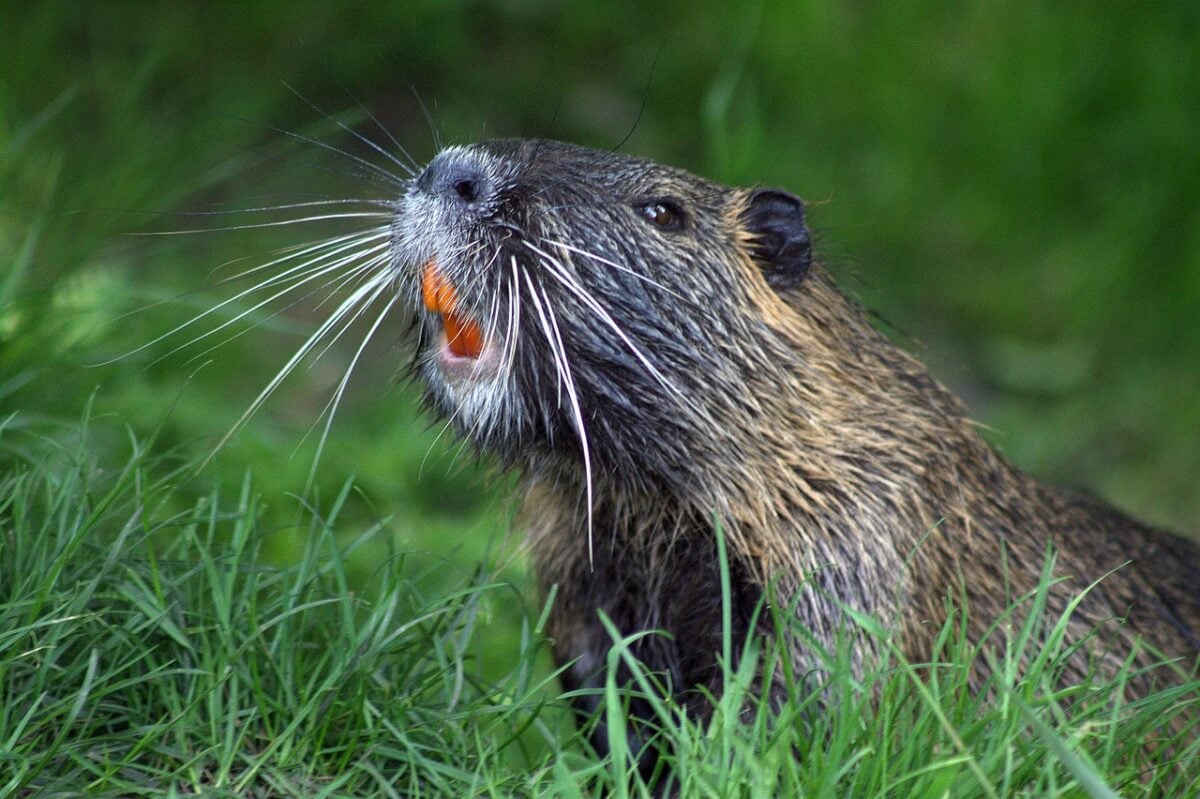
Beavers, often dubbed nature’s engineers, possess an innate drive to build and modify their surroundings. Through their dam-building activities, they inadvertently transform entire ecosystems, creating habitats that support a diverse array of species. Remarkably, these industrious creatures carry out their environmental engineering without any conscious awareness of the profound ecological impacts they instigate.
The Unintentional Architects of Wetlands
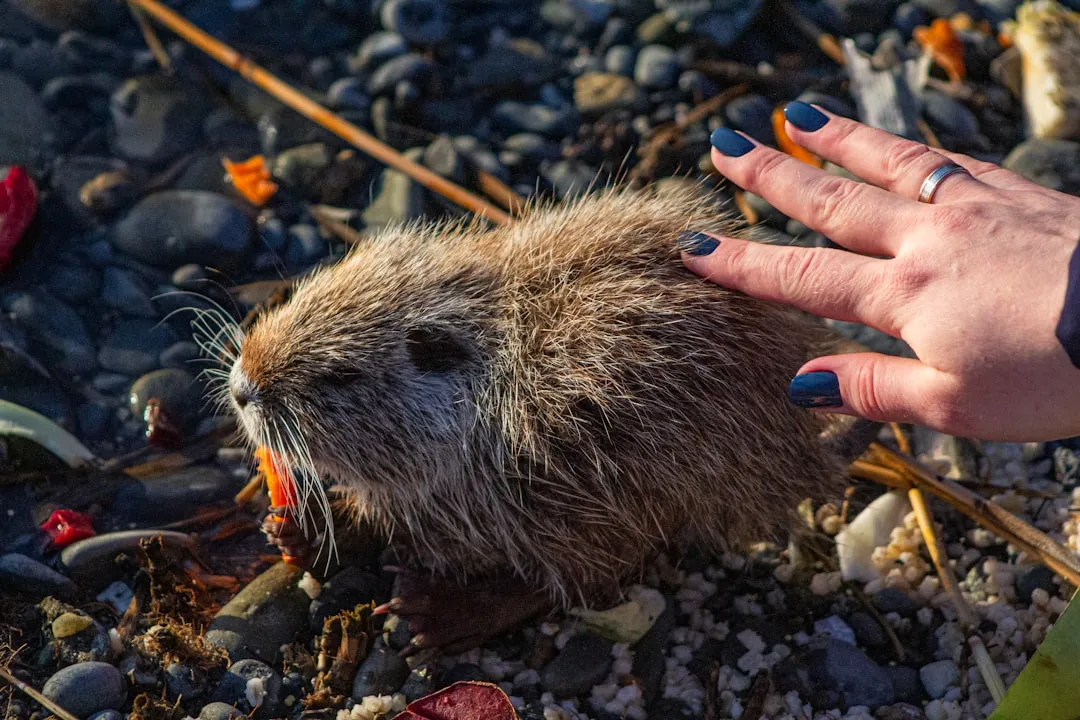
Beavers construct dams to create ponds, which serve as protective habitats against predators and provide access to food during winter months. These ponds, however, do more than just safeguard beavers; they give rise to wetlands that become biodiversity hotspots. The slow-moving waters foster the growth of aquatic plants, attracting insects, amphibians, and birds, thereby enriching the entire ecosystem.
The creation of these wetlands also plays a crucial role in water purification. Sediments and pollutants settle in the still waters, leading to improved water quality downstream. This natural filtration system benefits both wildlife and human communities relying on these water sources.
Hydrological Engineers Without a Blueprint
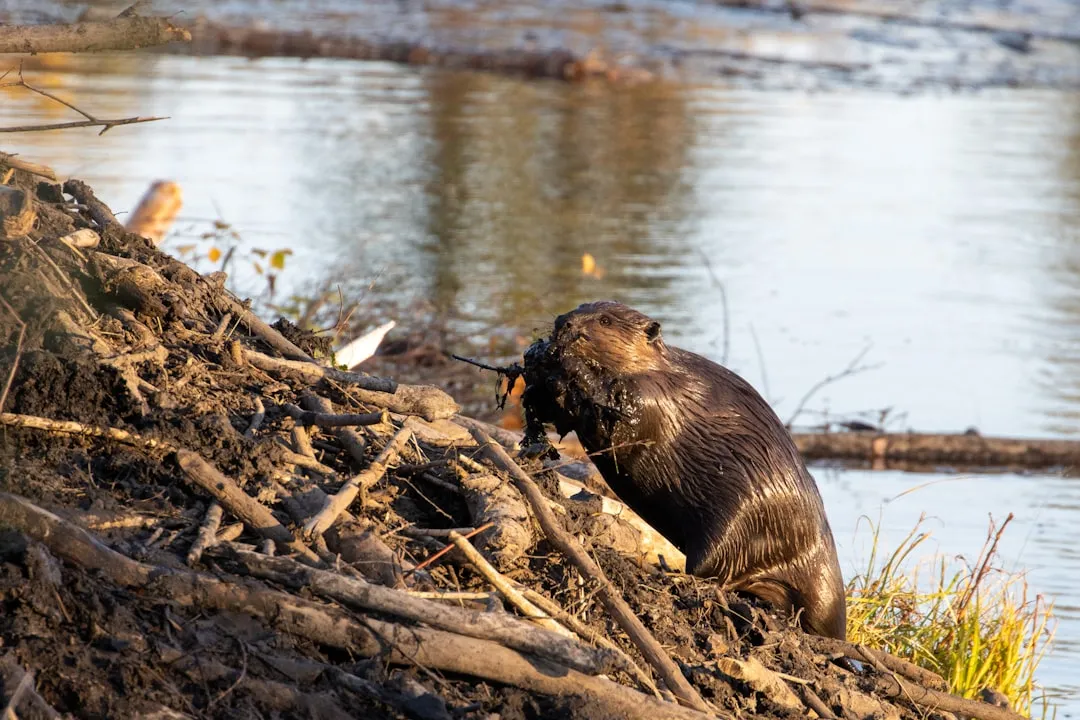
By building dams, beavers inadvertently alter the hydrology of their environments. Their structures slow down water flow, reducing erosion and promoting groundwater recharge. This process helps maintain water tables and can mitigate the effects of droughts by retaining water in the landscape.
Additionally, the presence of beaver dams can moderate flood events. The ponds act as buffers, absorbing excess rainfall and releasing it slowly, thus reducing the severity of downstream flooding. This unintentional flood management showcases the beaver’s role in creating resilient ecosystems.
Influencing Flora and Fauna Dynamics
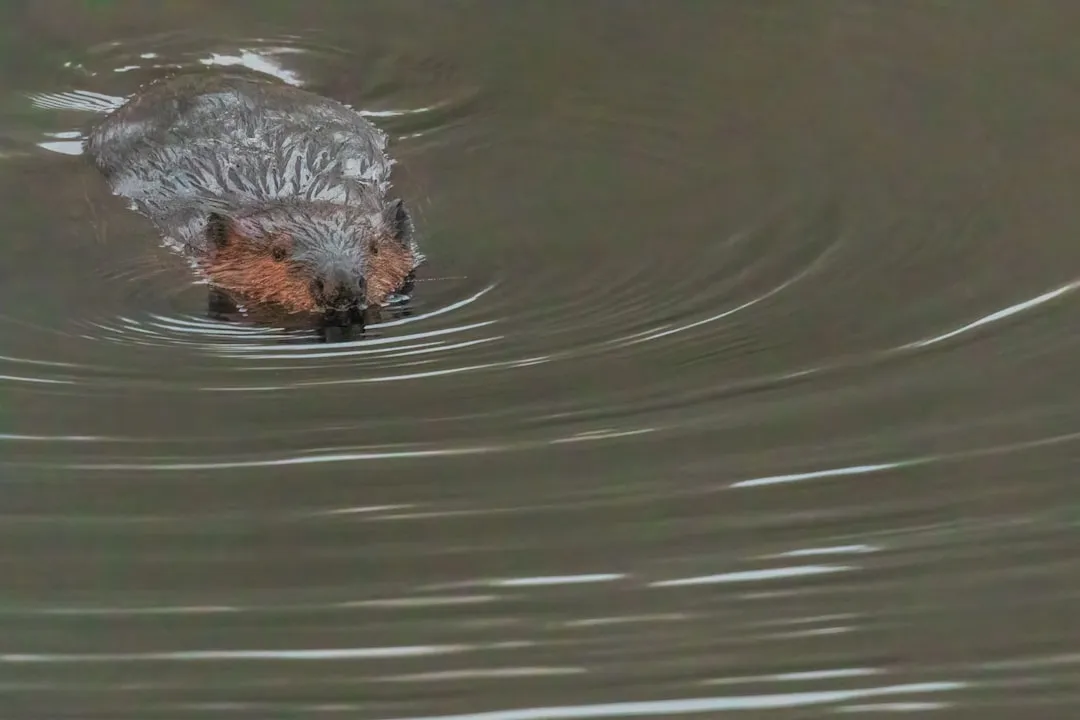
The habitats created by beaver activity support a diverse range of plant and animal life. The flooded areas kill certain tree species, leading to the formation of standing deadwood, which provides nesting sites for birds. The open water and new plant growth attract herbivores like moose and deer, while predators follow in search of prey.
Fish populations also benefit from the altered habitats. The ponds offer refuge and breeding grounds for various fish species, contributing to increased biodiversity. This cascading effect highlights the beaver’s role as a keystone species in their ecosystems.
Climate Change Mitigation Through Unconscious Efforts
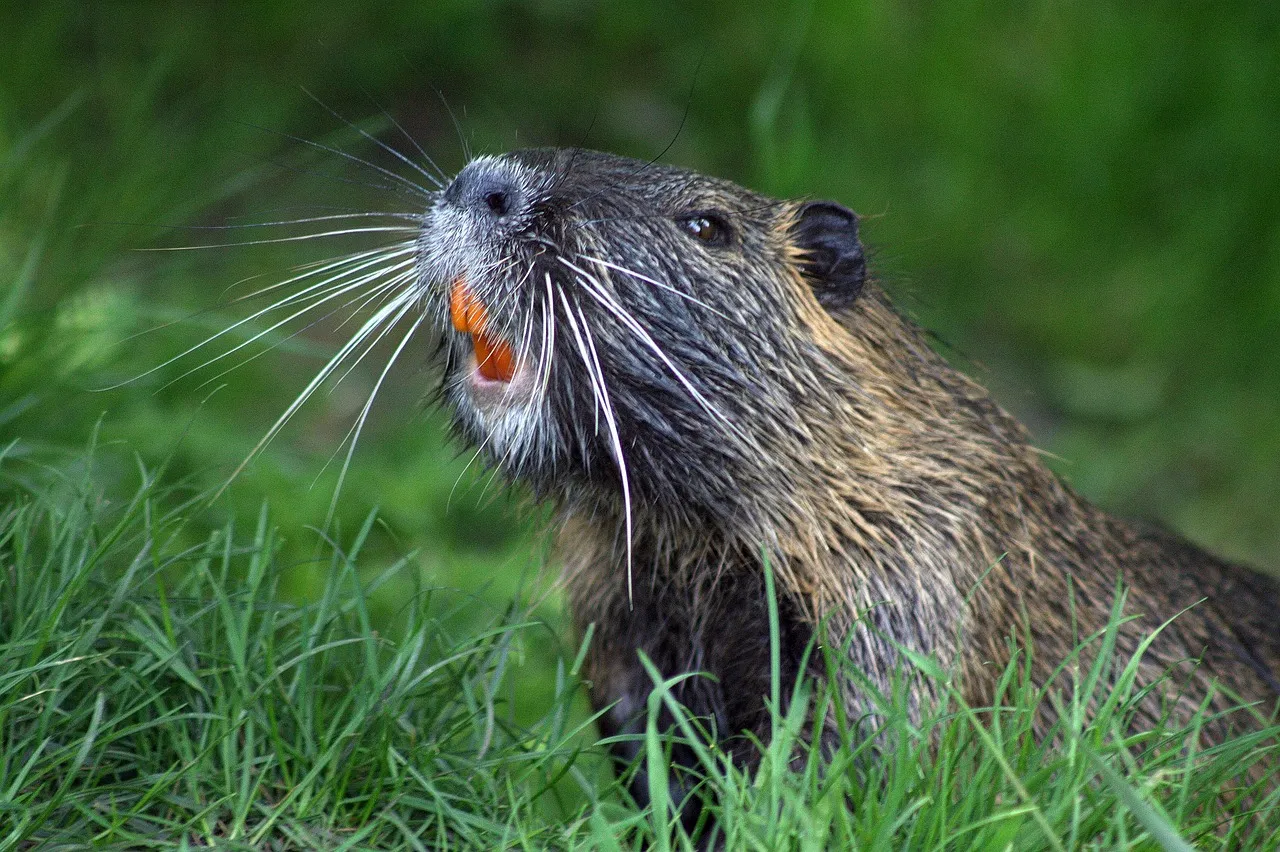
Beaver-created wetlands have been found to sequester significant amounts of carbon, aiding in climate change mitigation. The accumulation of organic material in these wetlands stores carbon that would otherwise be released into the atmosphere. This process underscores the beaver’s inadvertent contribution to global carbon cycles.
Furthermore, the water retained in beaver ponds can help landscapes resist wildfires. The moist environments created by their dams can act as firebreaks, slowing the spread of fires and providing refuges for wildlife during such events.
Challenges and Human Interactions
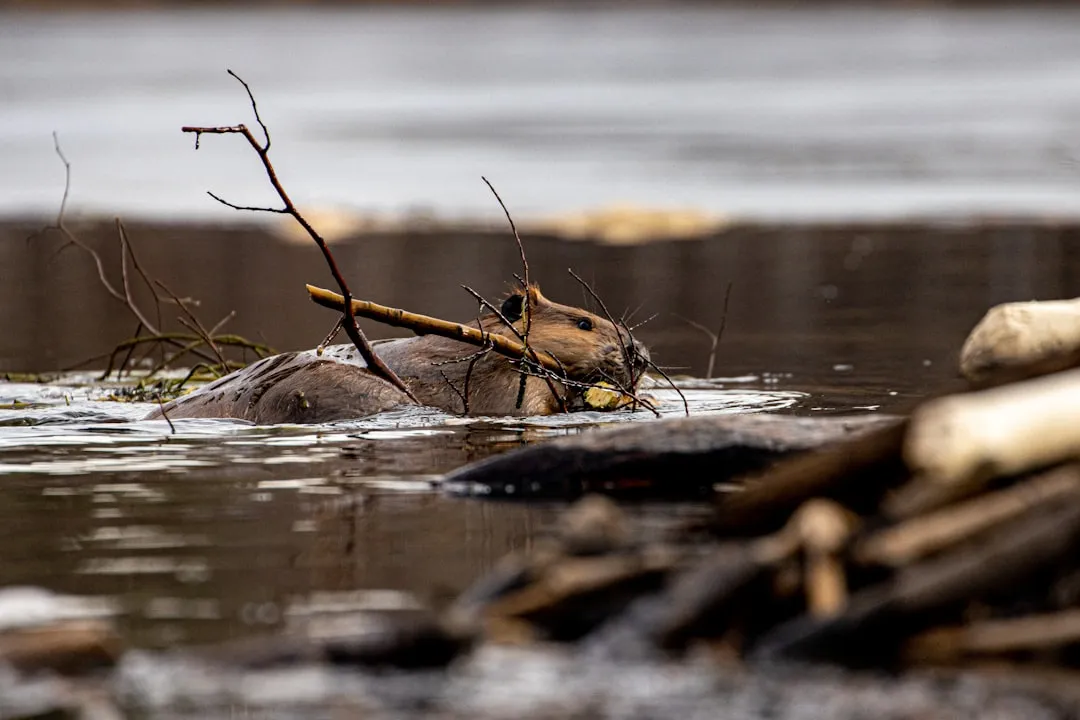
While beavers provide numerous ecological benefits, their activities can sometimes conflict with human interests. Flooded roads, agricultural lands, and timber resources can lead to tensions between beaver populations and human communities. Addressing these challenges requires innovative management strategies that balance ecological benefits with human needs.
Techniques such as installing flow devices in beaver dams can help manage water levels and prevent unwanted flooding. By finding ways to coexist with beavers, humans can harness their natural engineering skills for environmental restoration and resilience.
Beavers in Urban Landscapes
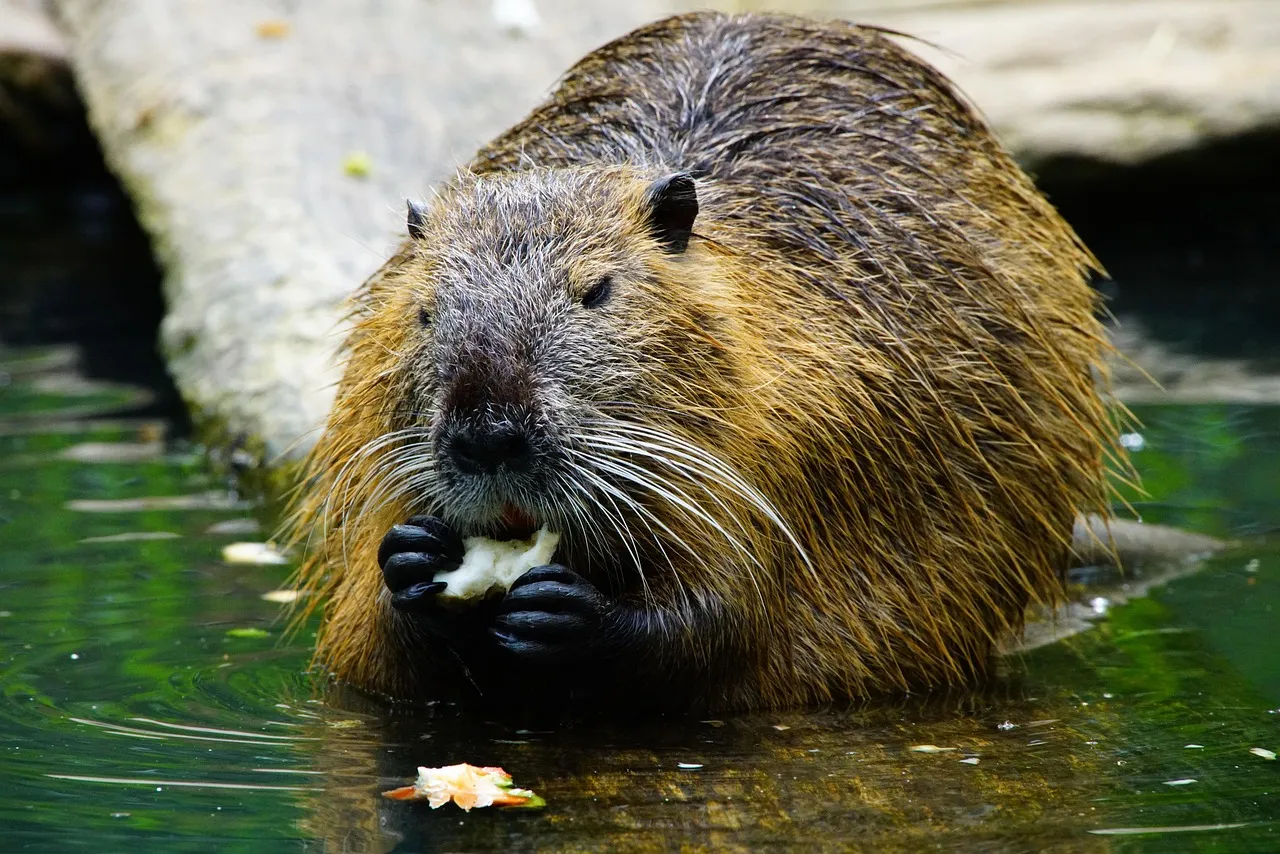
In urban areas, beaver activity can lead to unexpected ecological restoration. Their dam-building can transform degraded streams into thriving wetlands, improving water quality and providing green spaces for urban wildlife. These transformations demonstrate the beaver’s ability to adapt and thrive even in human-dominated landscapes.
However, urban beaver populations require careful management to prevent infrastructure damage. Community engagement and education are essential in fostering positive relationships between urban residents and their beaver neighbors.
Conservation and Reintroduction Efforts
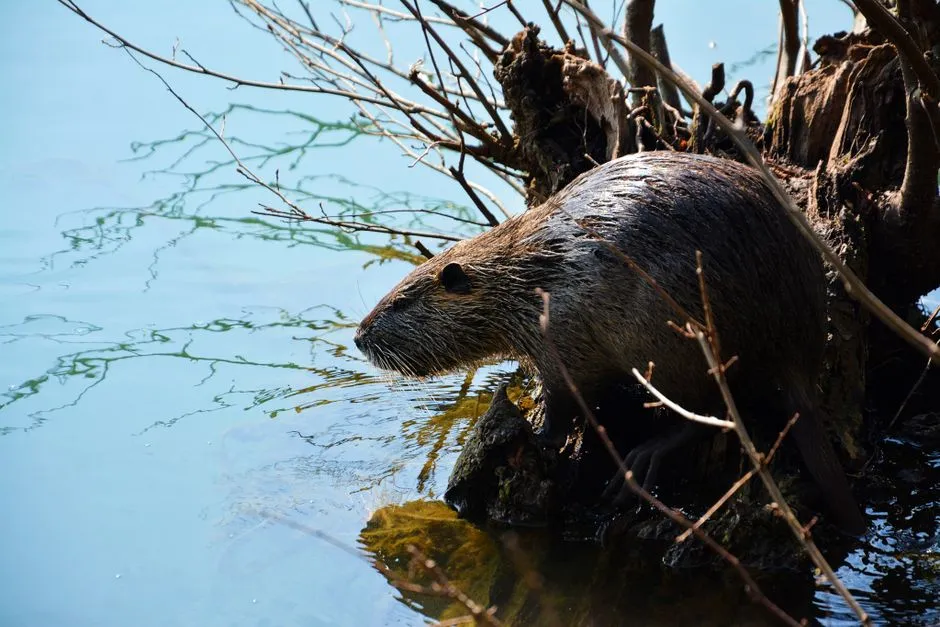
Recognizing the ecological benefits of beavers, conservationists have initiated reintroduction programs in areas where beaver populations have declined. These efforts aim to restore natural water management systems and enhance biodiversity. Successful reintroductions have led to the revival of wetlands and the return of associated wildlife species.
Monitoring and adaptive management are crucial in these programs to ensure that beaver populations integrate well into their new environments. By supporting beaver conservation, we invest in the health and resilience of our ecosystems.
In conclusion, beavers, through their instinctual behaviors, reshape entire ecosystems, fostering biodiversity, improving water quality, and even mitigating climate change. Their lack of awareness regarding these impacts does not diminish the significance of their contributions. As we strive to restore and protect natural environments, perhaps it’s time we look to these unassuming rodents as partners in ecological stewardship.
