

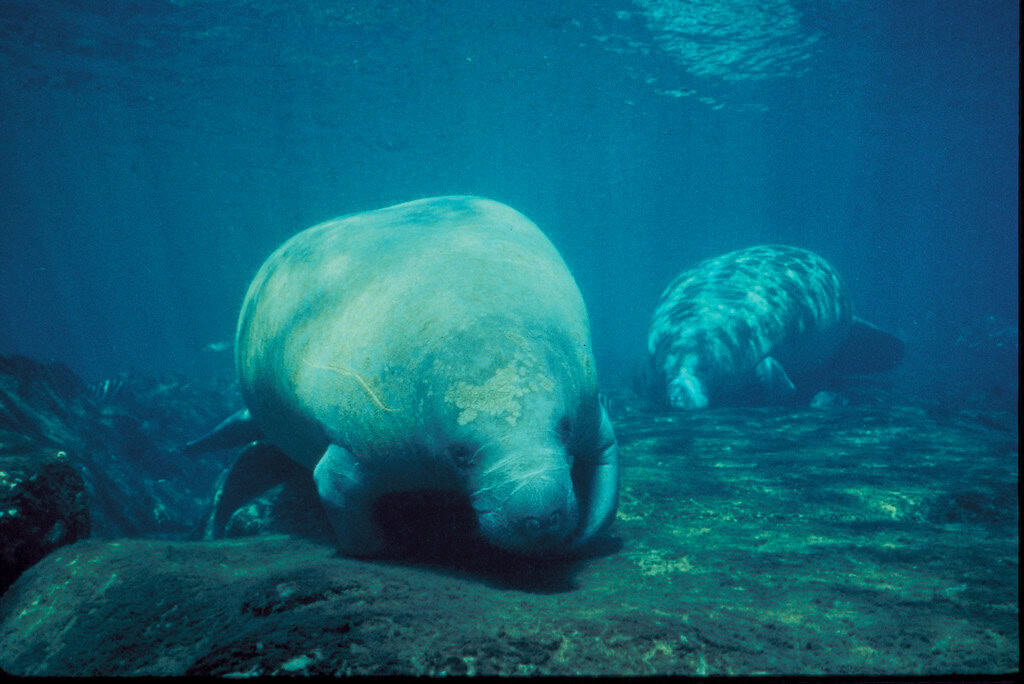
Florida’s gentle sea cows face an unprecedented crisis as climate change transforms their habitat. Manatees, those beloved marine mammals that have captivated Floridians and tourists alike for generations, are struggling to survive in increasingly warm waters that have disrupted their food sources and altered their ecosystem. Recent years have seen record die-offs, with hundreds of manatees starving as seagrass meadows disappear and water temperatures rise beyond optimal levels. This ecological emergency demands immediate action, scientific innovation, and public awareness to protect these vulnerable creatures. From community-based conservation efforts to cutting-edge research initiatives, the fight to save Florida’s manatees represents not just a battle for one species, but a crucial indicator of the health of Florida’s aquatic ecosystems in the face of a warming climate.
The Plight of Florida’s Manatees
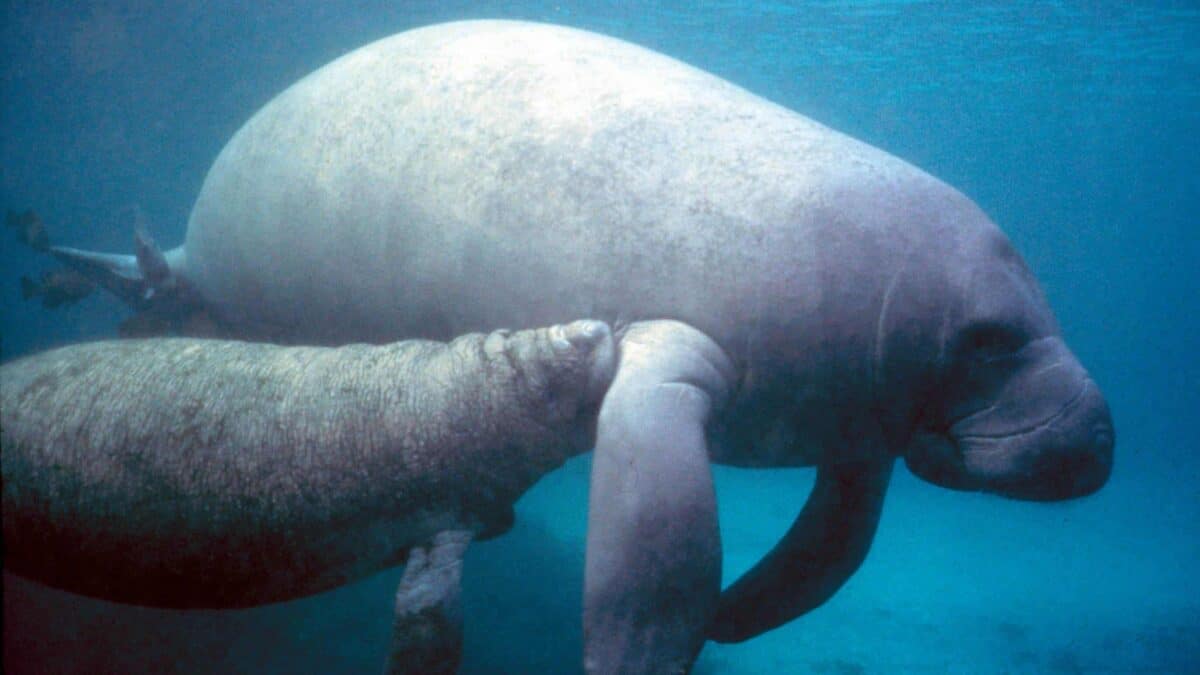
Florida’s manatee population has faced numerous challenges throughout history, from boat strikes to habitat loss, but climate change presents perhaps their most existential threat yet. In 2021, Florida witnessed an unprecedented manatee mortality event, with over 1,100 manatees dying—approximately 13% of the state’s estimated population. The majority of these deaths occurred in the Indian River Lagoon, a once-thriving estuary that has experienced catastrophic seagrass die-offs linked to warming waters and increased algal blooms.
The Florida manatee (Trichechus manatus latirostris), a subspecies of the West Indian manatee, was downlisted from endangered to threatened status in 2017 after population recovery efforts showed promise. However, this recent mortality crisis has cast doubt on that decision, with many conservation groups pushing for a return to endangered status to provide additional protections. As warm-water refuges become less reliable and food sources continue to disappear, manatees face a perfect storm of challenges directly tied to Florida’s changing climate.
How Climate Change Affects Manatee Habitat

Rising water temperatures fundamentally alter the ecological balance that manatees depend upon. Manatees are thermally sensitive mammals that require warm-water refuges during winter months to survive, as they cannot tolerate water temperatures below 68°F (20°C) for extended periods. Historically, they’ve relied on natural springs and more recently, warm water outflows from power plants. As climate change brings more extreme temperature fluctuations, these thermal refuges become increasingly unstable.
The warming trend also contributes to more frequent and intense harmful algal blooms, including red tide events and blue-green algae outbreaks. These blooms block sunlight from reaching seagrass beds, causing photosynthesis to cease and leading to massive die-offs of these vital plants. Additionally, rising sea levels associated with climate change threaten to inundate and alter coastal habitats, potentially reducing the availability of shallow, protected areas where manatees feed and rest. The compounding effects of these climate-driven changes have pushed manatee populations to a critical tipping point.
The Seagrass Crisis

Seagrass meadows serve as the primary food source for manatees, with an adult consuming 100-200 pounds of vegetation daily. The Indian River Lagoon, once home to more than 80,000 acres of seagrass, has lost an estimated 58% of its coverage since 2009. This devastating decline is directly linked to poor water quality exacerbated by warming waters, which promote algal blooms that block sunlight from reaching the lagoon floor. Without sufficient light, seagrasses cannot photosynthesize and eventually die off, creating a cascading ecological disaster.
The nutritional crisis facing manatees has become so severe that wildlife officials implemented an unprecedented emergency feeding program in 2021, providing lettuce to starving manatees at key locations. While this stopgap measure helped prevent some deaths, it does not address the root causes of seagrass decline. Scientists emphasize that restoring seagrass ecosystems requires comprehensive water quality improvements, including reduced nutrient pollution from agricultural runoff and better wastewater management—challenges made more difficult by warming waters that accelerate algal growth and nutrient cycling.
Manatee Thermal Stress in a Warming World
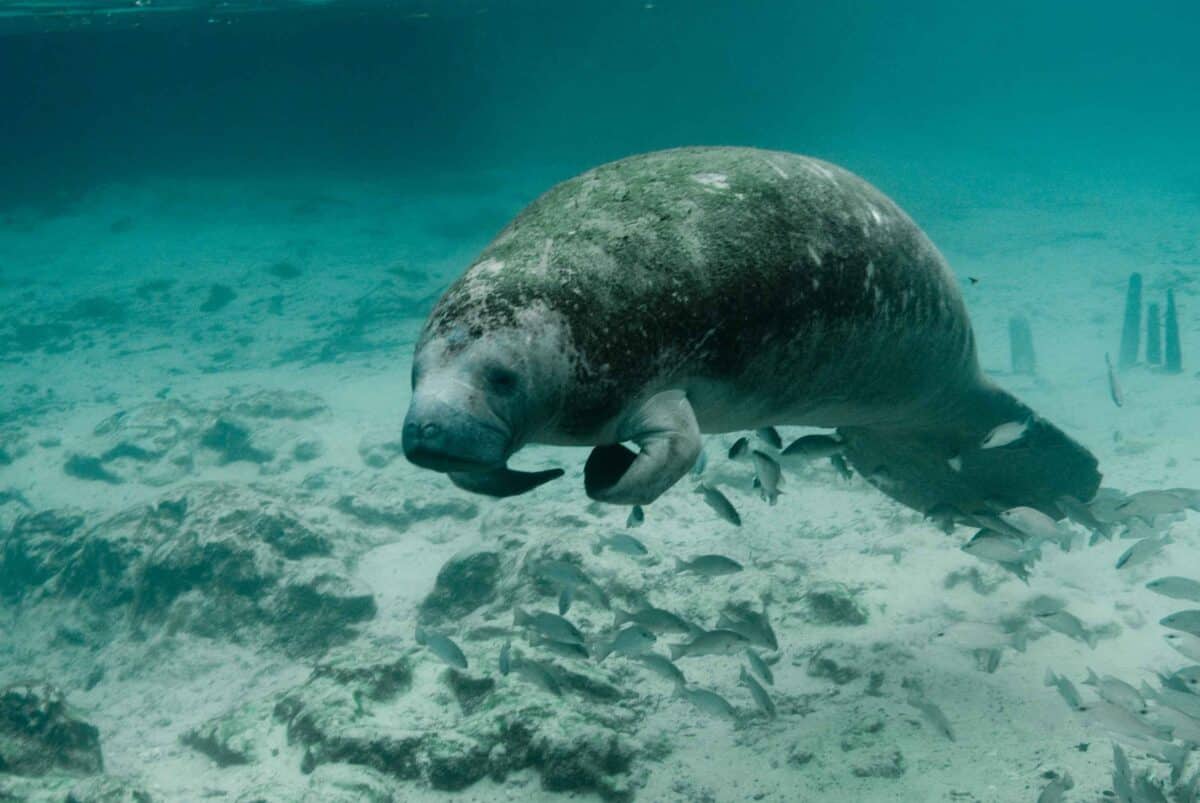
Despite their preference for warm waters, manatees face physiological challenges when water temperatures rise too high. Optimal water temperature for manatees ranges between 68-72°F (20-22°C). As climate change pushes summer water temperatures higher in Florida’s waterways, manatees may experience heat stress, which can suppress their immune systems and make them more susceptible to disease. This thermal balance becomes increasingly difficult to maintain as climate patterns shift.
The problem is compounded by manatees’ reliance on artificial warm water refuges created by power plant outflows. Approximately 60% of the Florida manatee population winters at these industrial sites rather than natural springs. As older power plants are decommissioned or modernized with more efficient cooling systems that produce less warm water, manatees face a potential “thermal cliff” scenario where they lose access to these artificial refuges without having established migration patterns to natural springs. Conservation efforts must address both the immediate challenge of warming waters and the long-term need to transition manatees back to natural thermal refuges.
Red Tide Intensification

Red tide events, caused by blooms of the toxic alga Karenia brevis, have become more frequent and intense along Florida’s coasts as water temperatures rise. These harmful algal blooms produce brevetoxins that can kill manatees when ingested directly or through contaminated seagrass. During a particularly severe red tide event in 2013, 276 manatees died from brevetoxicosis, representing the largest red tide-related die-off recorded until that time. Research suggests that warming ocean temperatures create more favorable conditions for these harmful algae to proliferate.
Climate models predict that red tide events may become more common and last longer as Florida’s coastal waters continue to warm. The toxins produced during these blooms not only kill manatees directly but also contaminate their environment for extended periods. Sublethal exposure can weaken manatees, making them more vulnerable to other threats like cold stress or boat strikes. Addressing the intensification of red tide events requires both immediate response protocols to protect manatees during active blooms and longer-term strategies to mitigate the factors that promote algal growth, including nutrient pollution and climate warming.
Innovative Monitoring Technologies
Scientists are deploying cutting-edge technologies to better understand how manatees respond to warming waters. Satellite tracking tags equipped with temperature sensors allow researchers to monitor manatee movements in relation to water temperature changes, providing critical data on how these animals adapt to thermal fluctuations. Drone surveillance offers a non-invasive method to observe manatee behavior and document habitat conditions across large areas, helping identify at-risk populations before crisis points are reached.
Environmental DNA (eDNA) sampling techniques now enable researchers to detect manatee presence in waterways by analyzing water samples for genetic material, creating more comprehensive population maps. Meanwhile, thermal imaging cameras mounted on boats or fixed monitoring stations can identify manatees in murky waters and assess their body temperatures, providing early warning signs of thermal stress. These technological innovations, combined with citizen science reporting apps that allow boaters and waterfront residents to contribute real-time manatee sightings, create a more robust monitoring network essential for conservation in a rapidly changing climate.
Restoration of Natural Springs

Florida’s natural springs, which maintain a constant temperature of approximately 72°F (22°C) year-round, offer ideal thermal refuges for manatees during cold winter months. However, many of these springs have suffered from reduced flow rates due to groundwater overpumping and development pressures. Conservation efforts are increasingly focused on restoring and protecting these critical natural warm-water habitats as climate change makes artificial refuges less reliable. Projects to remove dams and barriers that block manatee access to springs have successfully reopened historic manatee wintering sites.
The Blue Spring restoration project in Volusia County exemplifies successful spring habitat conservation. Through protection measures and flow restoration efforts, the winter manatee population at Blue Spring has grown from just 11 animals in 1970 to over 600 in recent years. Similar projects at Homosassa Springs, Crystal River, and Warm Mineral Springs aim to secure a network of natural thermal refuges throughout the state. These restoration efforts require collaboration between water management districts, conservation organizations, and private landowners to ensure sufficient groundwater levels maintain spring flows even as climate change alters precipitation patterns and increases water demand.
Seagrass Rehabilitation Programs
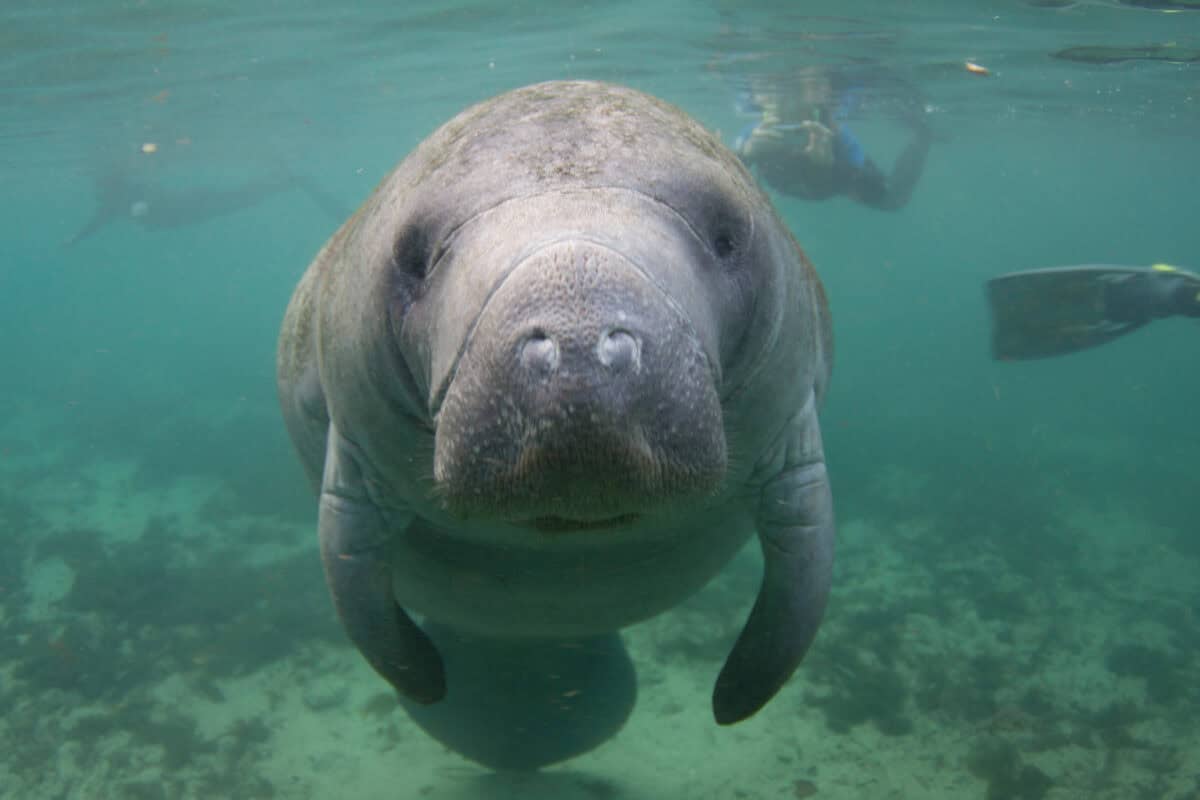
Innovative seagrass restoration techniques offer hope for rebuilding manatee food sources in degraded areas. Large-scale projects in the Indian River Lagoon and other affected waterways use a multi-faceted approach that combines water quality improvements with direct replanting efforts. Scientists have developed methods to grow seagrass in laboratory settings and transplant it to restoration sites, using biodegradable anchoring systems to help new plants establish in areas where natural seagrass has disappeared. Some projects employ protective cages to prevent herbivory from fish and other marine life until the seagrass beds become established.
Complementary efforts focus on reducing nutrient pollution that fuels algal blooms. Enhanced stormwater treatment systems, septic-to-sewer conversion programs, and improved agricultural practices all contribute to creating conditions where seagrass can recover naturally. Monitoring programs track restoration progress using underwater cameras, satellite imagery, and diver surveys to document seagrass coverage and health. These rehabilitation efforts require sustained funding and commitment, as seagrass recovery typically occurs slowly, with meaningful ecosystem restoration taking years or even decades to achieve in heavily impacted areas.
Community-Based Conservation Initiatives

Local communities throughout Florida have mobilized to protect manatees from the effects of warming waters. Volunteer networks coordinate manatee watch programs that monitor vulnerable populations and report distressed animals to wildlife authorities. These citizen scientists also collect valuable data on manatee behavior and habitat use patterns that inform conservation strategies. Community-based water quality monitoring programs help identify pollution hotspots that contribute to habitat degradation, allowing for targeted remediation efforts.
Education initiatives play a crucial role in building public support for manatee conservation. Programs like the Manatee Observation and Education Center in Fort Pierce and Save the Manatee Club’s adoption program help foster personal connections between people and these charismatic animals. Waterfront property owners participate in shoreline restoration projects that replace hardened seawalls with living shorelines that filter runoff and provide habitat. These grassroots efforts complement larger governmental programs and demonstrate the power of community action in addressing complex environmental challenges like climate change impacts on manatee populations.
Policy and Regulatory Approaches

Effective manatee conservation in warming waters requires strong policy frameworks that address both immediate threats and underlying climate factors. Speed zones and seasonal boating restrictions protect manatees from vessel strikes while they congregate in thermal refuges. The designation of manatee sanctuaries, where human entry is prohibited during critical periods, provides safe havens where these animals can rest and feed without disturbance. Some conservation advocates argue for the reinstatement of the manatee’s endangered species status to increase federal protections and funding for recovery efforts.
Broader climate policies also impact manatee conservation. Efforts to reduce greenhouse gas emissions help mitigate the long-term warming trend that threatens manatee habitat. Water quality regulations that limit nutrient pollution from agricultural operations, urban development, and wastewater systems directly affect the health of seagrass ecosystems. The implementation of Florida’s Basin Management Action Plans for impaired watersheds like the Indian River Lagoon represents an attempt to address these interconnected environmental challenges through coordinated regulatory action. However, conservation organizations emphasize that stronger enforcement of existing regulations and more ambitious climate targets are needed to secure the manatee’s future.
Research on Manatee Adaptability
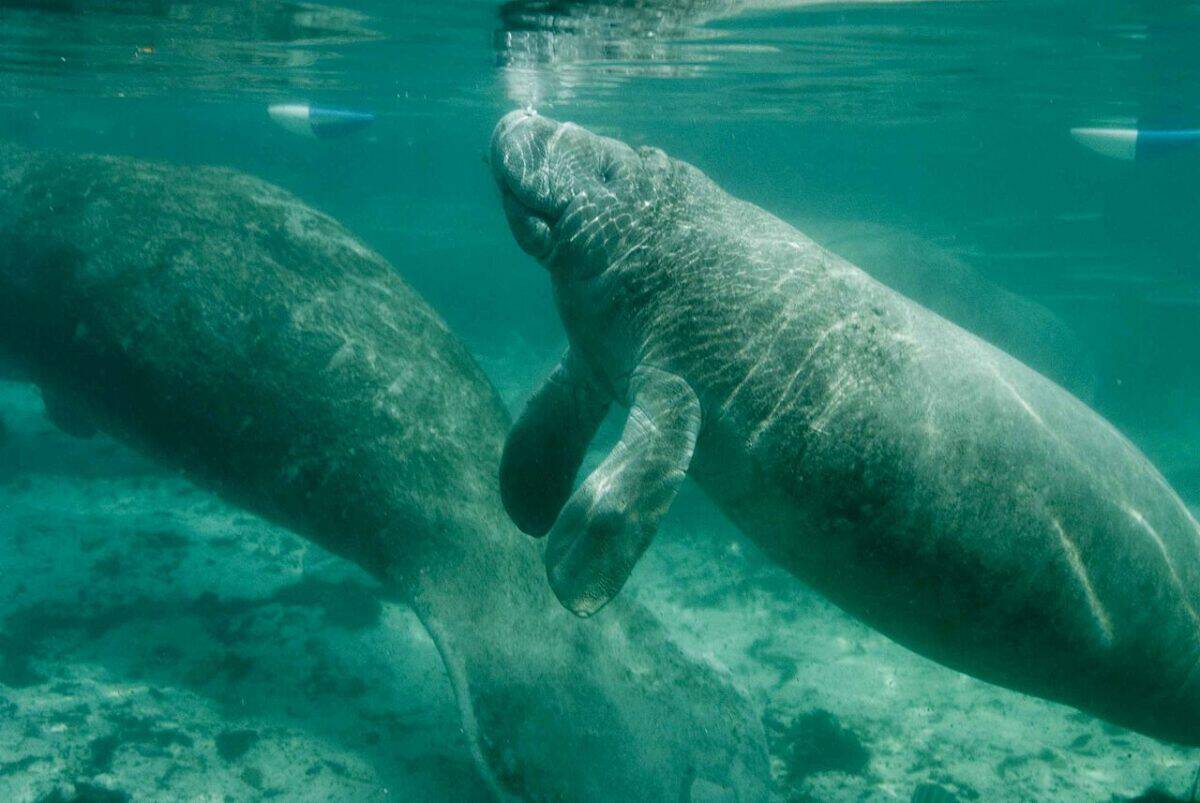
Scientists are studying how manatees might adapt to warming waters and changing habitats. Research suggests that manatees display some behavioral plasticity in response to environmental changes, including alterations in migration patterns and feeding strategies. Some manatees have been documented consuming alternative food sources when seagrass becomes scarce, though these substitutes may not provide adequate nutrition. Genetic studies aim to identify whether certain manatee populations possess adaptive traits that might confer greater resilience to thermal stress or dietary changes.
However, researchers caution that the pace of current environmental change may exceed manatees’ adaptive capacity. As relatively long-lived mammals with slow reproductive rates, manatees cannot evolve quickly in response to rapid habitat transformations. The species’ generation time of approximately 20 years means that genetic adaptation occurs over decades or centuries rather than years. This mismatch between the rate of climate change and manatees’ evolutionary potential underscores the importance of proactive conservation measures that protect habitat quality and address immediate threats while longer-term adaptations potentially develop.
The Path Forward for Manatee Conservation
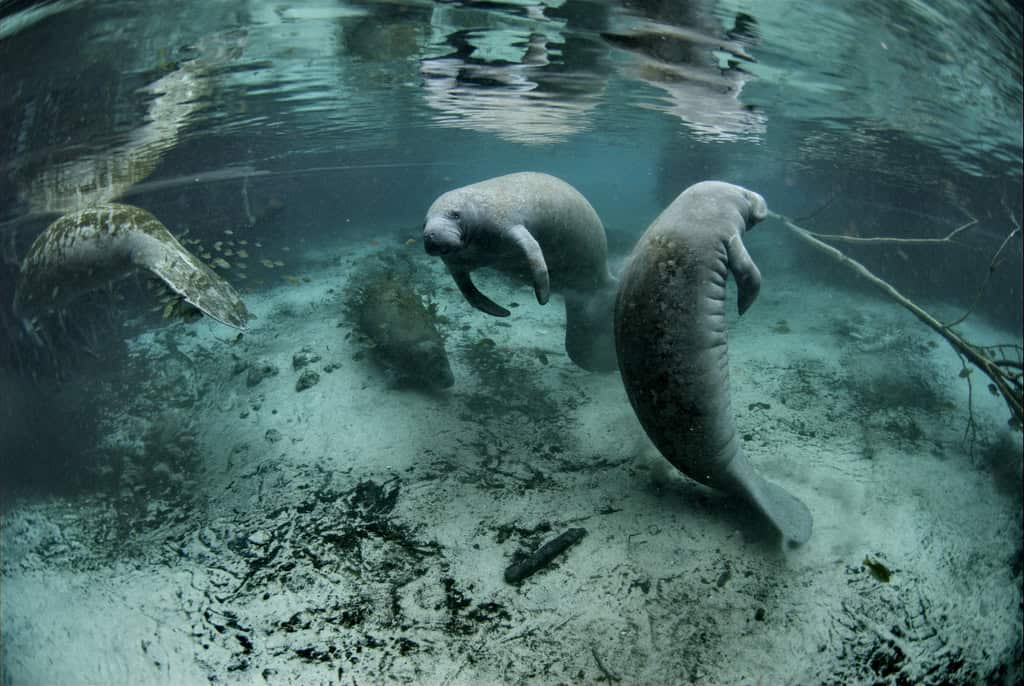
Saving Florida’s manatees in warming waters requires an integrated approach that combines immediate intervention with long-term ecosystem restoration and climate action. The emergency feeding programs implemented during recent mortality events must transition to sustainable habitat recovery efforts that address root causes of seagrass decline. Conservation scientists emphasize the need for greater investment in spring restoration and protection to secure natural thermal refuges as power plant outflows become less reliable. The development of manatee rehabilitation facilities with increased capacity to treat malnourished and heat-stressed animals represents another critical component of the conservation infrastructure.
Looking ahead, manatee conservation must be incorporated into Florida’s broader climate adaptation planning. Coastal resilience projects should consider manatee habitat needs when designing living shorelines and flood protection measures. Water management decisions must balance human needs with environmental flows that sustain springs and reduce pollution. Public engagement remains essential, as political will for conservation action often depends on continued citizen advocacy and support. While the challenges facing Florida’s manatees are daunting, the combined efforts of scientists, policymakers, and concerned citizens offer hope that these iconic animals can survive and recover in a warming world.
Conclusion
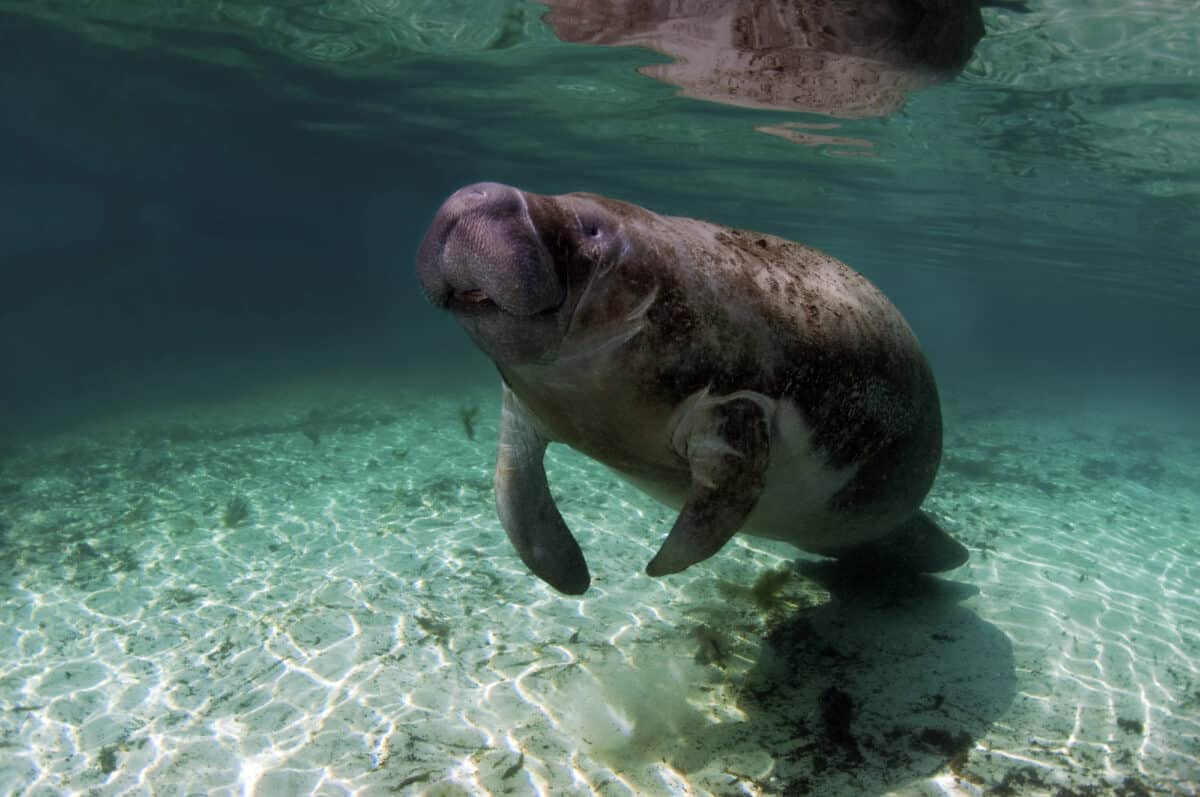
The fight to save Florida’s manatees from the perils of warming waters exemplifies the complex interplay between climate change, ecosystem health, and species conservation. These gentle marine mammals stand at the crossroads of multiple environmental crises—from seagrass collapse to harmful algal blooms—all exacerbated by rising water temperatures and changing climate patterns. Their plight serves as a canary in the coal mine for Florida’s aquatic ecosystems, signaling broader environmental degradation that threatens both wildlife and human communities dependent on healthy waterways. The unprecedented mortality events of recent years have galvanized public attention and scientific focus on manatee conservation like never before.
Despite the severe challenges, there are reasons for cautious optimism. Innovative monitoring technologies, community-based conservation initiatives, and ecosystem restoration efforts demonstrate pathways toward recovery. The successful rehabilitation of natural springs like Blue Spring shows that dedicated conservation action can create resilient manatee habitat even amid climate change. Ultimately, saving Florida’s manatees requires addressing both immediate threats and underlying climate factors—a dual approach that will benefit not just these beloved animals but the entire ecosystem they inhabit. As we work to preserve these unique marine mammals, we simultaneously protect the natural heritage that makes Florida’s waterways so special and irreplaceable.

From exploring the marine wonders in the Azores and witnessing the vast savannas of Kenya, to delving deep into the rich biodiversity of South Africa and traversing iconic landscapes in Australia and the US like Yellowstone, Chris's experiences are vast.
With a penchant for diving alongside sharks, the ocean holds a special place in his heart.
Through his academic insights, he champions wildlife conservation, striving with 'Animals Around The Globe' to cultivate a profound connection between humans and animals, enhancing our mutual appreciation.
Connect with him at Feedback@animalsaroundtheglobe.com.
- A Bear Journey Through The USA: 18 Best Bear Photos from 18 US States - July 19, 2026
- Elephant Matriarchs Know Every Waterhole for Miles - July 19, 2026
- Top 10 Dinosaur Relatives Still Roaming Earth Today - July 19, 2026
Leave a comment
You must be logged in to post a comment.