


The elephant’s trunk stands as one of nature’s most remarkable evolutionary achievements. This extraordinary appendage contains approximately 150,000 individual muscle fascicles—muscle units that work together in complex coordination. To put this in perspective, the entire human body contains only around 650 muscles. This incredible muscular density grants elephants unparalleled dexterity and strength in a single appendage, allowing them to perform tasks ranging from delicate manipulation of tiny objects to lifting weights of up to 700 pounds. The trunk serves as the elephant’s primary means of interacting with its environment, functioning as a nose, hand, voice box, snorkel, and vital social tool. This article explores the fascinating complexity of the elephant’s trunk, examining how these 150,000 muscles work in concert to create one of the animal kingdom’s most versatile organs.
The Evolutionary Marvel of the Elephant Trunk

The elephant trunk represents one of evolution’s most sophisticated adaptations, developing over millions of years from what was once a standard mammalian nose. Paleontological evidence suggests the trunk began elongating around 40 million years ago, gradually extending as ancestral elephants adapted to new feeding strategies. This lengthening coincided with the development of more complex musculature, allowing for greater mobility and functionality.
Modern elephant trunks evolved to compensate for the animal’s inability to lower its head to the ground due to its massive size and neck structure. The trunk bridges this gap, providing a way for elephants to access food and water without kneeling. This evolutionary pressure resulted in the incredibly complex muscular structure we see today—one with no skeletal support, operating entirely through hydrostatic muscles that change shape when they contract, similar to how our tongues function but with vastly greater complexity and precision.
Understanding Trunk Anatomy: More Than Just a Long Nose

An elephant’s trunk is technically an extension of the upper lip and nose, forming what scientists call a proboscis. The trunk contains no bones or cartilage, instead relying entirely on its muscular structure for support and movement. The approximately 150,000 muscle fascicles are arranged in complex, interwoven patterns that allow for movement in virtually any direction. These muscles are organized into two main types: longitudinal muscles that run the length of the trunk and can contract to shorten it, and radial muscles that run from the center to the outside and can narrow or widen the trunk’s diameter.
The trunk also houses the nasal passages, which run all the way to the tip. African elephants have two finger-like projections at the end of their trunks, while Asian elephants have just one. These digital extensions function somewhat like human fingers, allowing elephants to grasp small objects with remarkable precision. The entire trunk is covered with highly sensitive skin containing thousands of nerve endings, making it as sensitive to touch as human fingertips, despite its tough exterior appearance.
The Muscular Composition: A Closer Look at 150,000 Muscle Units

The 150,000 muscle fascicles in an elephant’s trunk are organized into distinct functional groups. Unlike skeletal muscles that pull against bones, these muscles work through hydrostatic mechanisms—changing shape when they contract while maintaining constant volume. This allows the trunk to extend, contract, twist, curl, and perform precise movements without any skeletal support structure. The muscular density of the elephant trunk far exceeds any other mammalian appendage, with recent research suggesting that the actual number of individual muscle units may be even higher than previously estimated.
These muscles are arranged in multiple layers and orientations, including longitudinal muscles for extension and contraction, circular muscles for constriction and dilation, and oblique muscles for twisting and specialized movements. This multi-directional arrangement allows elephants to perform complex three-dimensional movements with their trunks. The muscle fibers are also notably smaller than those in other parts of the elephant’s body, allowing for finer control and more precise movements when needed.
Remarkable Strength: Lifting, Pushing, and Pulling Power

The incredible muscular density of an elephant’s trunk translates to remarkable strength. An adult elephant can lift approximately 700 pounds (around 320 kilograms) with its trunk alone. This strength allows them to uproot trees, move heavy branches, and even assist in repositioning other elephants when necessary. The trunk’s power comes not just from its muscular composition but also from the hydraulic-like pressure that builds when multiple muscle groups contract simultaneously.
Despite this raw power, what’s perhaps most impressive is the trunk’s versatility in applying force. An elephant can use its trunk to push with tremendous force when clearing paths through dense vegetation or defending against threats. Conversely, it can apply a gentle touch when interacting with calves or manipulating delicate objects like small fruits or flowers. This variable force application demonstrates the remarkable neural control elephants have over their trunk musculature, allowing them to modulate strength output with extraordinary precision.
Precision and Dexterity: The Fine Motor Control of Trunks
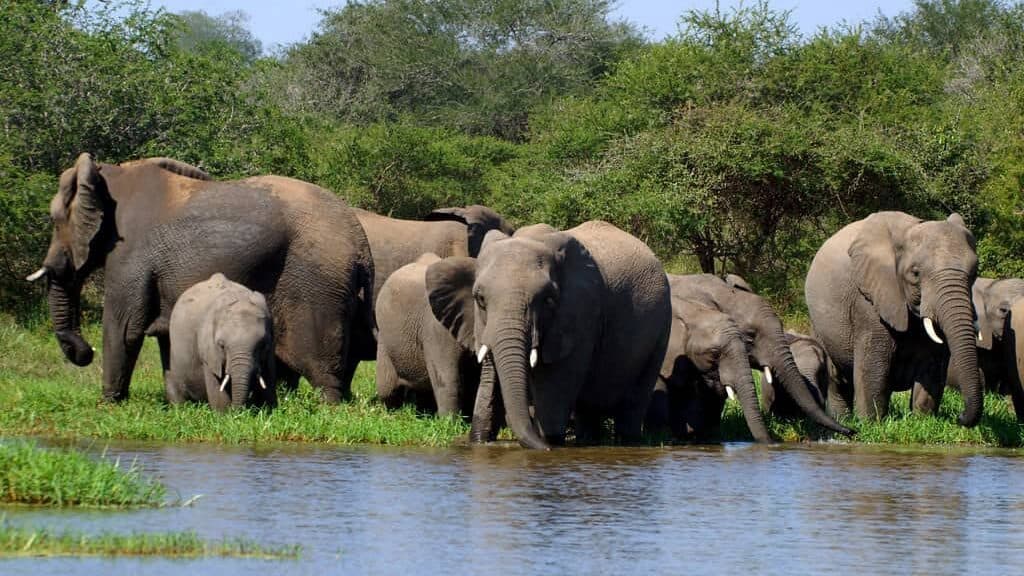
While the trunk’s strength is impressive, its dexterity is perhaps even more remarkable. Elephants can pick up items as small as a single grain of rice or a thin blade of grass with the tip of their trunk. This precision comes from the complex neural networks controlling those 150,000 muscle units, allowing for incredible fine-tuning of movements. The finger-like projections at the trunk’s tip can manipulate objects with dexterity comparable to human hands in some respects, despite their very different structure.
The neural control governing trunk movements is incredibly sophisticated, with a large portion of the elephant’s motor cortex dedicated to trunk coordination. This neural investment reflects the evolutionary importance of trunk dexterity to elephant survival. Research has shown that elephants can use their trunks to untie complex knots, open latches, and even draw simple patterns—all tasks requiring precise spatial awareness and fine motor control. This combination of strength and precision makes the elephant trunk one of nature’s most versatile biological tools.
Respiration and Sensory Functions: The Trunk as a Multi-Tool

Beyond manipulation, the elephant’s trunk serves crucial respiratory and sensory functions. The nasal passages running through the trunk are the elephant’s primary breathing apparatus, and the trunk can also function as a snorkel when elephants swim, allowing them to breathe while their bodies remain submerged. The trunk’s extraordinary muscular control allows elephants to modulate their breathing for various purposes, including producing a wide range of vocalizations from gentle rumbles to loud trumpeting calls.
As a sensory organ, the trunk rivals the most sensitive mammalian appendages. It contains tens of thousands of sensory receptors that detect touch, temperature, smell, and even vibrations. The olfactory capabilities of the elephant trunk are particularly remarkable—elephants have the largest number of olfactory receptor genes of any mammal, allowing them to detect water sources from miles away and even distinguish between different human tribes based on smell alone. This sensory acuity, combined with the trunk’s mobility, gives elephants a detailed three-dimensional understanding of their environment that few other animals possess.
Feeding and Drinking: Essential Trunk Functions
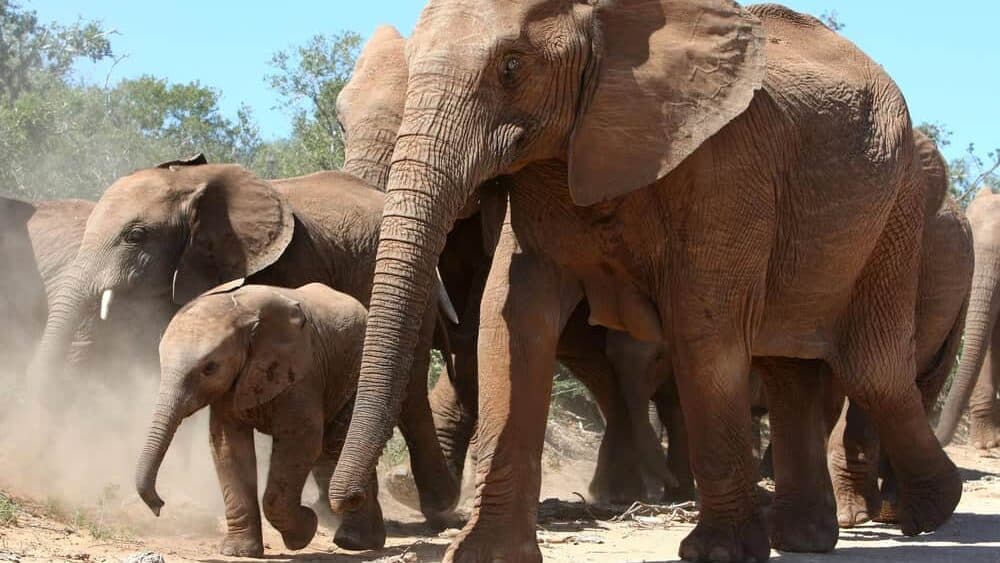
The primary evolutionary pressure that shaped the elephant’s trunk was the need to feed and drink efficiently despite their height and neck structure. Elephants use their trunks to gather food in multiple ways, employing different muscular techniques depending on the food type. For grasses, they may use a sweeping motion, curling the trunk around a clump before pulling it free. For leaves from trees, they might pluck individual branches or shake entire trees to bring food within reach. The trunk can process approximately 600 pounds (270 kilograms) of food daily, operating almost continuously during waking hours.
When drinking, elephants use their trunks as natural siphons, drawing up to 2 gallons (8 liters) of water at a time. This requires precise muscular control to create suction, hold the water, and then expel it accurately into their mouths. Young elephants take up to a year to master this complex drinking technique, demonstrating the sophisticated neural pathways required to coordinate the trunk’s 150,000 muscles effectively. During periods of water scarcity, elephants can even use their trunks to dig wells in dry riverbeds, detecting underground water sources through subtle scent and moisture cues.
Social Interactions: Trunk Communication and Bonding
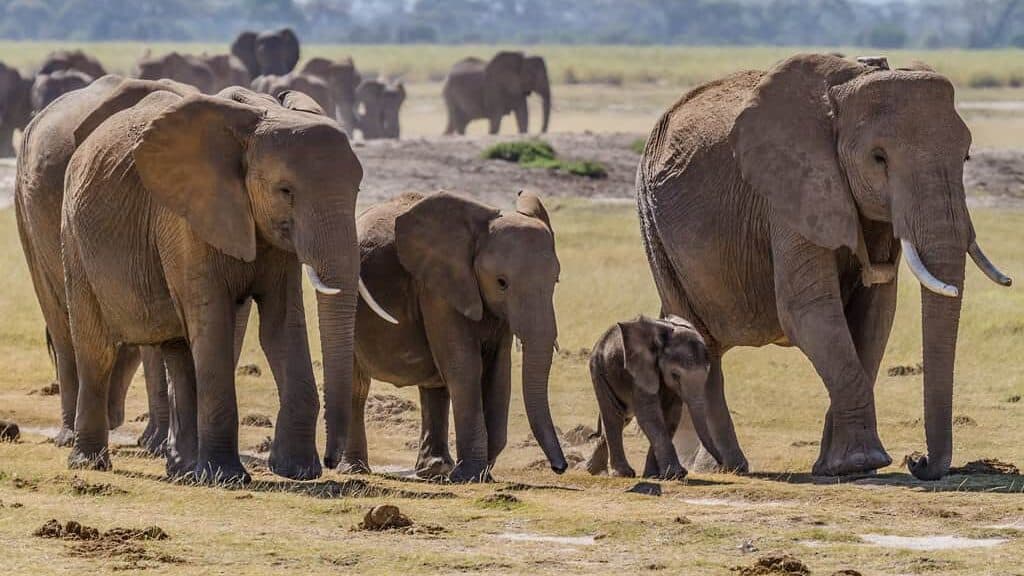
The elephant trunk plays a crucial role in social bonding and communication within elephant societies. Elephants frequently intertwine their trunks as a greeting or sign of affection, particularly among family members. Mothers use their trunks to guide, comfort, and sometimes discipline their calves, with gentle trunk touches serving as reassurance in threatening situations. The complex musculature allows for a wide range of subtle movements that convey different emotional states and intentions to other elephants.
In addition to physical contact, trunks facilitate scent-based communication that forms the foundation of elephant social structures. Elephants regularly use their trunks to investigate the temporal gland secretions, urine, and feces of other elephants, gathering critical information about reproductive status, identity, and emotional state. The trunk’s ability to manipulate air flows also allows elephants to direct scents toward their vomeronasal organ (Jacobson’s organ) for deeper chemical analysis, utilizing specific muscle contractions to optimize this chemosensory process.
Trunk Development in Calves: Learning to Master 150,000 Muscles

Elephant calves are born with functional but uncoordinated trunks. The process of gaining full control over their trunk’s 150,000 muscles takes years of practice and learning. Newborn calves often step on their own trunks or swing them awkwardly as they gradually develop neural connections and muscle control. Initially, calves will drink directly with their mouths rather than using their trunks, only beginning to experiment with trunk-drinking around three months of age and not mastering the technique until much later.
This developmental process involves significant trial and error, with calves observing and mimicking adult elephants. Young elephants practice manipulating increasingly small objects, gradually refining their dexterity through play and feeding activities. By watching this developmental progression, researchers have gained insights into the complex hierarchical control systems that govern trunk movements. The extended learning period highlights the extraordinary neural complexity underlying full trunk control, representing one of the most demanding physical skills in the animal kingdom.
Research and Technological Inspirations: Biomimicry of Elephant Trunks
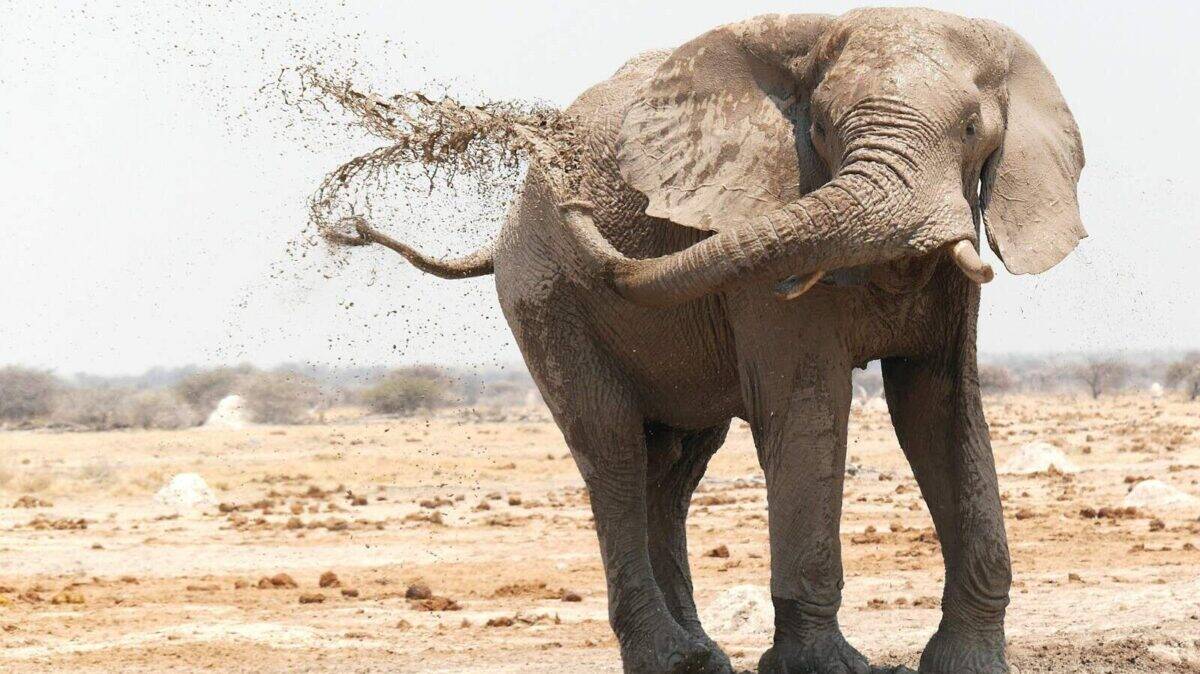
The remarkable structure and functionality of elephant trunks have inspired significant technological innovations in the field of soft robotics. Engineers have studied the trunk’s combination of flexibility and strength to develop robotic manipulators that can handle objects of varying sizes and fragility—something traditional rigid robots struggle with. Research into the muscular arrangement of elephant trunks has led to the development of new actuation systems for robots that require both precision and power in unpredictable environments.
Medical technology has also benefited from trunk-inspired designs, particularly in the development of flexible endoscopes and surgical instruments that can navigate complex internal anatomy. The trunk’s ability to change shape while maintaining strength has informed the design of search-and-rescue equipment that can move through confined or unstable spaces safely. As research into the precise mechanisms of trunk movement continues, we can expect further biomimetic applications that leverage the 150,000 years of evolutionary refinement represented by the elephant’s remarkable proboscis.
Conservation Implications: Protecting Trunk-Wielding Pachyderms

Understanding the remarkable capabilities of the elephant trunk adds urgency to conservation efforts for these endangered species. Both African and Asian elephants face serious threats from habitat loss, poaching, and human-elephant conflict. The complex behaviors facilitated by their trunks—including sophisticated feeding strategies, social bonding, and environmental manipulation—highlight the cognitive and emotional sophistication that would be lost if elephant species were to disappear.
Conservation strategies increasingly incorporate knowledge about trunk-mediated behaviors when designing protected areas and migration corridors. For instance, understanding how elephants use their trunks to access water and food resources helps in identifying critical habitat features that must be preserved. Similarly, rehabilitation programs for orphaned elephants must account for the social learning aspects of trunk skill development, ensuring young elephants have appropriate role models to learn from. By appreciating the evolutionary marvel that is the elephant trunk, we gain a deeper respect for these animals and stronger motivation to ensure their survival.
Conclusion: Nature’s Most Versatile Appendage
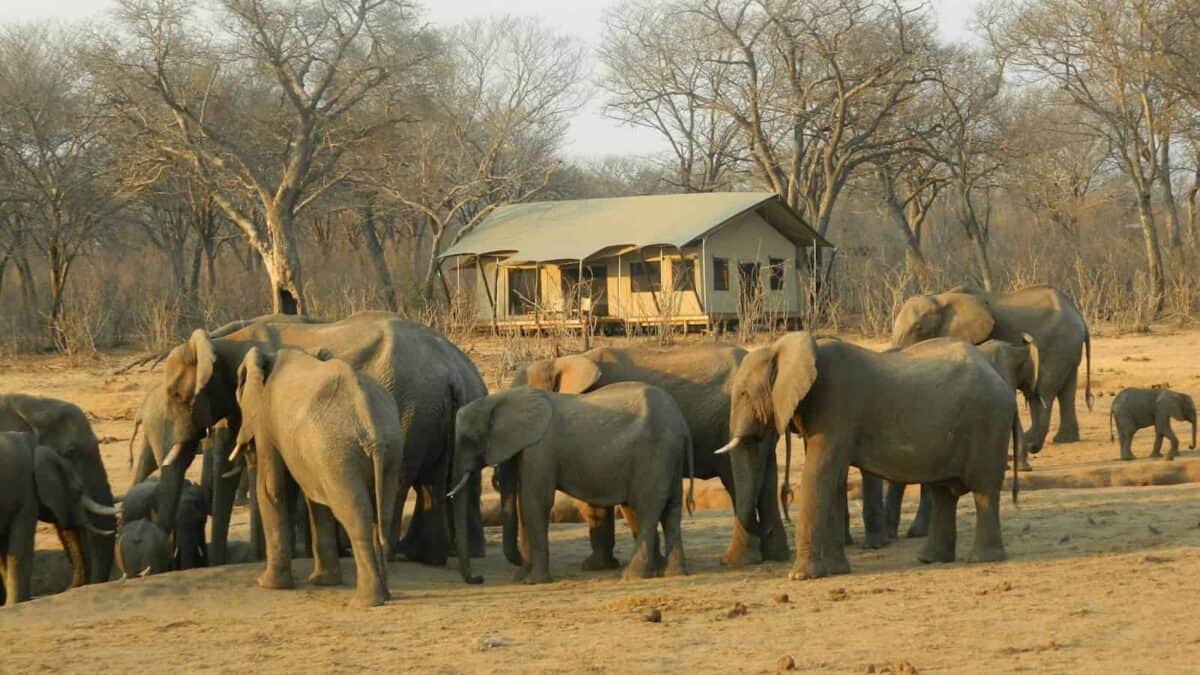
The elephant’s trunk, with its astounding 150,000 muscle units, represents one of nature’s most remarkable evolutionary achievements—a perfect example of how specialized adaptations can lead to extraordinary capabilities. This versatile organ enables elephants to thrive as the largest land mammals, compensating for physical limitations while providing advantages in feeding, communication, and environmental manipulation. The trunk’s combination of raw power and delicate precision demonstrates the remarkable potential of muscle-based hydrostatic systems, achieving functionality that even our most advanced technologies struggle to replicate.
As we continue to study the elephant trunk, we gain not only insights into evolutionary biology and biomechanics but also inspiration for technological innovations that could benefit humanity. Perhaps most importantly, understanding the incredible complexity of the elephant trunk deepens our appreciation for these magnificent animals and strengthens our resolve to protect them for future generations. In the elephant’s trunk, we see a masterpiece of natural engineering—150,000 muscles working in perfect harmony to create one of the animal kingdom’s most versatile and remarkable tools.

From exploring the marine wonders in the Azores and witnessing the vast savannas of Kenya, to delving deep into the rich biodiversity of South Africa and traversing iconic landscapes in Australia and the US like Yellowstone, Chris's experiences are vast.
With a penchant for diving alongside sharks, the ocean holds a special place in his heart.
Through his academic insights, he champions wildlife conservation, striving with 'Animals Around The Globe' to cultivate a profound connection between humans and animals, enhancing our mutual appreciation.
Connect with him at Feedback@animalsaroundtheglobe.com.
- The Science Behind Bear Hibernation (and Why It’s Not True Sleep) - June 15, 2026
- Why Pandas Were Once Nearly Extinct—and How China Saved Them - June 15, 2026
- Top 10 Animals and Wildlife in the Australian Outback - June 15, 2026