


In the remarkable world of animal adaptations, few abilities capture the imagination quite like regeneration. Among the champions of this biological superpower stands the axolotl (Ambystoma mexicanum), a salamander native to Mexico that can regrow entire limbs, portions of vital organs, and even parts of its brain and heart. This extraordinary capability isn’t just fascinating—it’s providing scientists with invaluable insights that could someday revolutionize human medicine. Let’s dive into the fascinating process of what happens when these unique amphibians lose a limb and the amazing regenerative journey that follows.
The Extraordinary Axolotl: Nature’s Regeneration Marvel

Axolotls, with their perpetually smiling faces and feathery external gills, have become increasingly popular as exotic pets. However, their true claim to fame lies in their unparalleled regenerative abilities. Unlike most vertebrates, including humans, who form scar tissue when injured, axolotls can replace complex body parts with perfect or near-perfect copies of the original. This isn’t limited to just limbs—they can regenerate their spinal cord, heart, eyes, and even portions of their brain without any loss of function or memory.
What makes axolotls particularly special is that they retain these regenerative abilities throughout their entire lives. While some amphibians can regenerate limbs during early developmental stages, axolotls maintain this power into adulthood due to their neotenic state—a condition where they retain juvenile characteristics throughout life. This perpetual state of development, combined with unique cellular properties, makes them the perfect subjects for studying regenerative medicine.
The Immediate Response to Injury
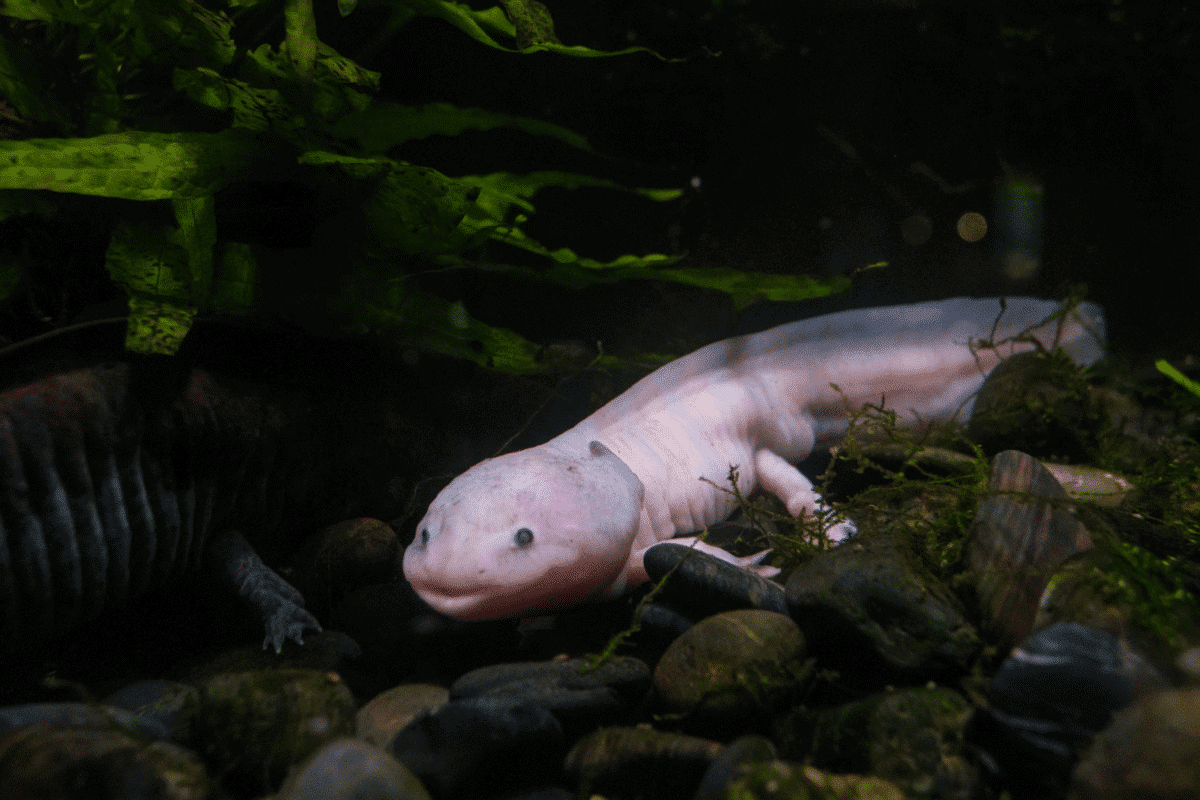
When an axolotl loses a limb, the response begins immediately. Unlike mammals, which experience significant bleeding, axolotls have evolved remarkable hemostatic mechanisms that quickly stop blood loss. Within minutes of injury, blood vessels near the wound constrict, and platelets form clots to prevent excessive bleeding. This rapid response is crucial, as it allows the regenerative process to begin almost immediately without the animal suffering from shock or excessive blood loss.
Shortly after injury, cells near the wound site begin to migrate and form what’s known as a wound epithelium—a thin layer of cells that covers the wound within 10 hours. This epithelium serves as a protective barrier against infection and creates the perfect environment for the next crucial step in regeneration. Importantly, this initial response differs significantly from human wound healing, where inflammation dominates and ultimately leads to scarring rather than regeneration.
Formation of the Blastema: The Regeneration Command Center
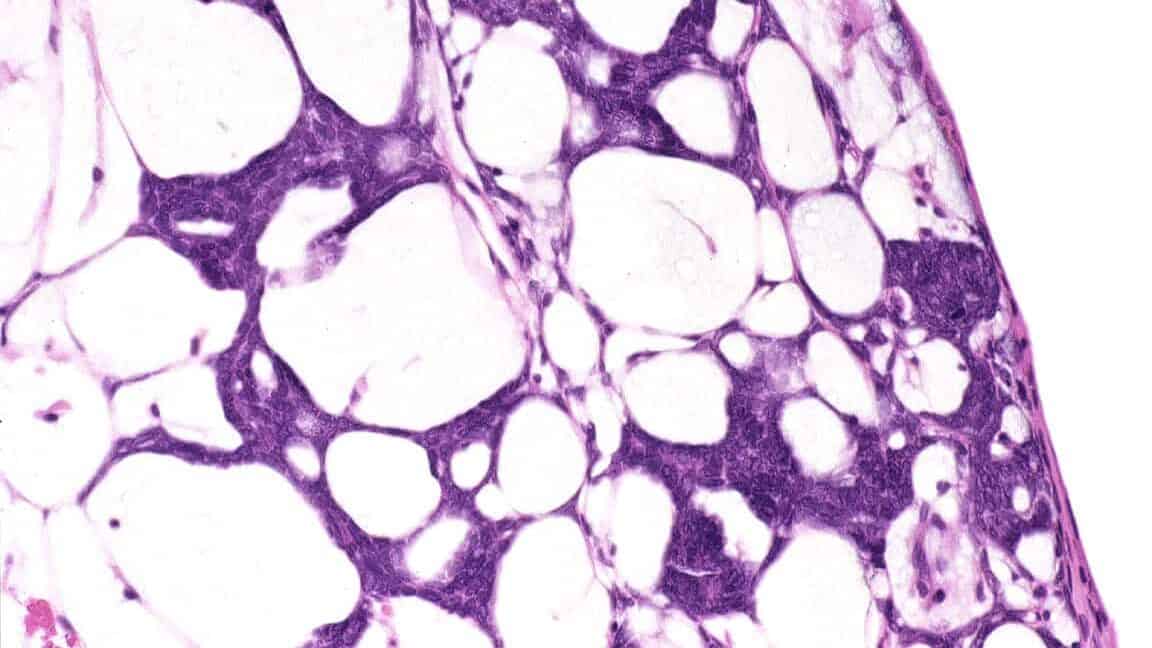
Within 24 hours after injury, the most critical structure in limb regeneration begins to form—the blastema. This collection of dedifferentiated cells (mature cells that revert to a stem cell-like state) accumulates beneath the wound epithelium and serves as the foundation from which the new limb will grow. The blastema is essentially a mass of cells that have “forgotten” their previous specialized functions and gained the ability to redevelop into any cell type needed for the new limb, including skin, muscle, bone, and nerves.
Research has shown that these cells don’t completely revert to pluripotent stem cells (which can become any cell type) but rather maintain some memory of their original identity. For instance, muscle cells primarily become muscle cells again, but with enough plasticity to adapt to the needs of the regenerating limb. This partial dedifferentiation is a key aspect that scientists hope to someday replicate in human cells to promote regeneration without risking uncontrolled growth or cancer formation.
The Role of Nerve Signals in Regeneration

One fascinating aspect of axolotl limb regeneration is the essential role played by nerve signals. Studies have demonstrated that if the nerves leading to an amputated limb are severed or damaged, regeneration fails to occur properly. Nerves release substances called neurotrophic factors that stimulate and guide the regeneration process. These factors help maintain the blastema and instruct cells on how to proliferate and differentiate into the appropriate structures.
Scientists have identified several specific proteins involved in this nerve-dependent process, including nAG (newt Anterior Gradient protein) and FGFs (Fibroblast Growth Factors). When researchers artificially introduced these factors into denervated limbs (limbs without nerve connections), they could partially rescue the regeneration process, highlighting their importance. This intimate connection between the nervous system and regeneration provides valuable clues for potential therapeutic applications in treating human nerve injuries.
The Regeneration Timeline: From Stump to Complete Limb
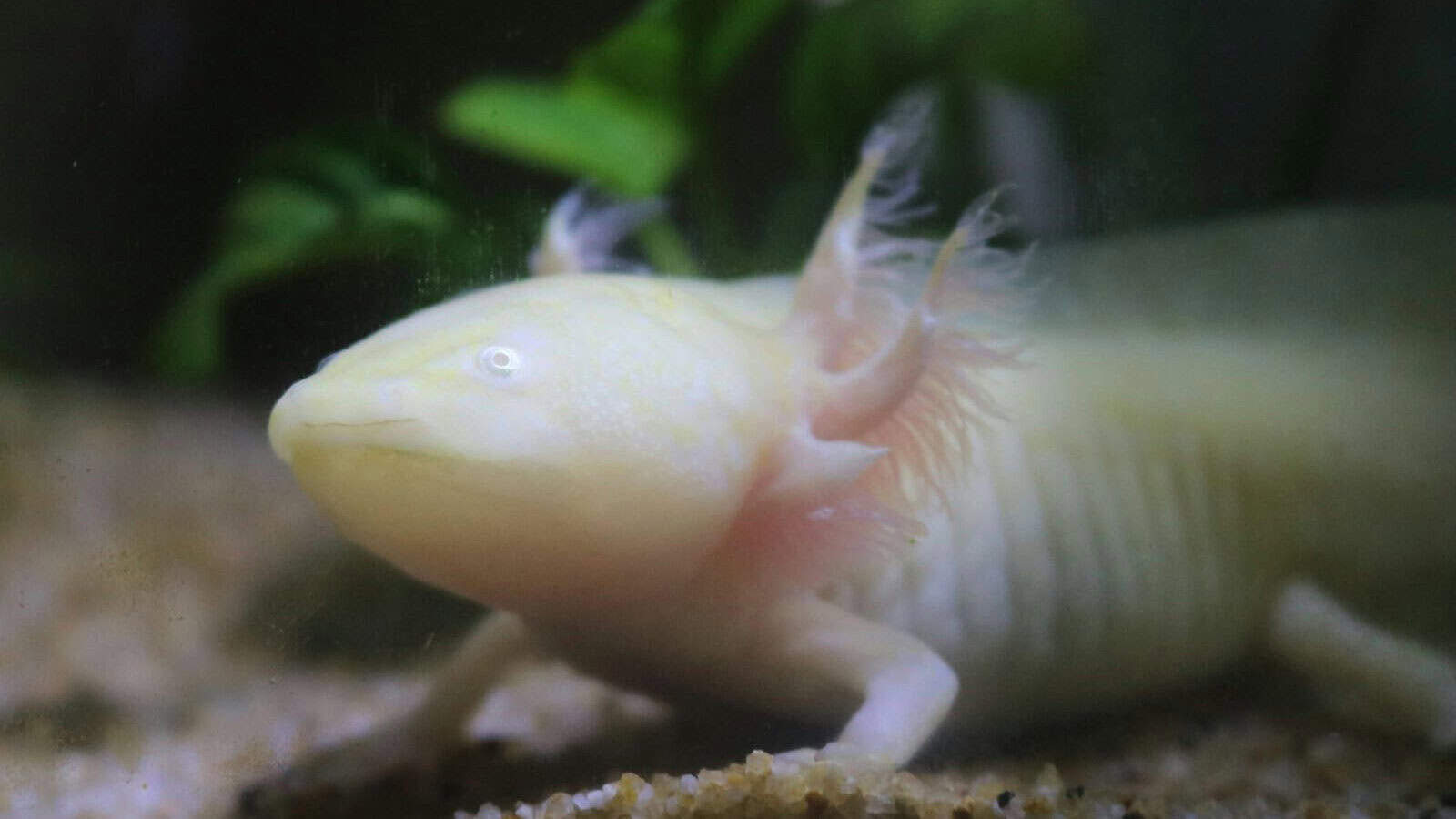
The complete regeneration of an axolotl limb follows a remarkably organized timeline. After the blastema forms in the first few days, it begins to elongate and form what’s called a cone-shaped regeneration bud by day 7-10. By approximately two weeks post-amputation, this bud develops into a palette-like structure where digits will eventually form. Around day 21, the first signs of differentiation become visible, with skeletal elements beginning to take shape. By day 30, the basic structure of the new limb is established, though it remains smaller than the original.
Complete regeneration, where the new limb reaches full size and functionality, typically takes 30-60 days depending on the axolotl’s age, health, and environmental conditions. Younger axolotls regenerate faster than older ones, and optimal conditions such as clean water and proper nutrition significantly improve regeneration speed and quality. Temperature also plays a crucial role, with warmer water (within appropriate ranges) accelerating the process. Remarkably, the regenerated limb is virtually indistinguishable from the original once complete.
The Genetic Orchestra: Genes Controlling Regeneration
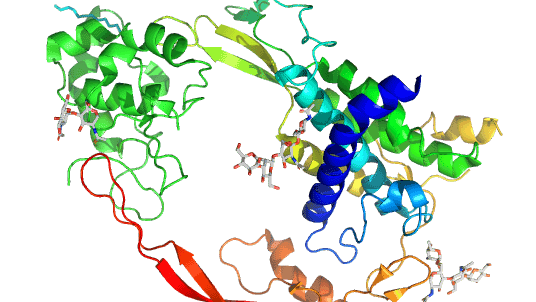
The molecular basis of axolotl regeneration involves a complex symphony of gene expression. Immediately following injury, genes associated with inflammation and wound healing activate. Then, within hours, development-related genes that were active during embryonic limb formation reactivate. This includes Hox genes, which determine the pattern and position of limb structures, and Wnt genes, which guide cell proliferation and differentiation. This genetic recapitulation of embryonic development is often referred to as “developmental reprogramming.”
Recent advances in genomic technology have allowed scientists to sequence the axolotl genome, which is remarkably large—about ten times the size of the human genome. This comprehensive genetic map has revealed unique genes and regulatory elements specifically associated with regeneration. Some of these genes, like the appropriately named “Salamander Limb Regeneration” (SLR) family, have no direct human counterparts and may hold the key to understanding why mammals lost robust regenerative abilities during evolution.
Perfect Memory: How Axolotls Remember Limb Structure
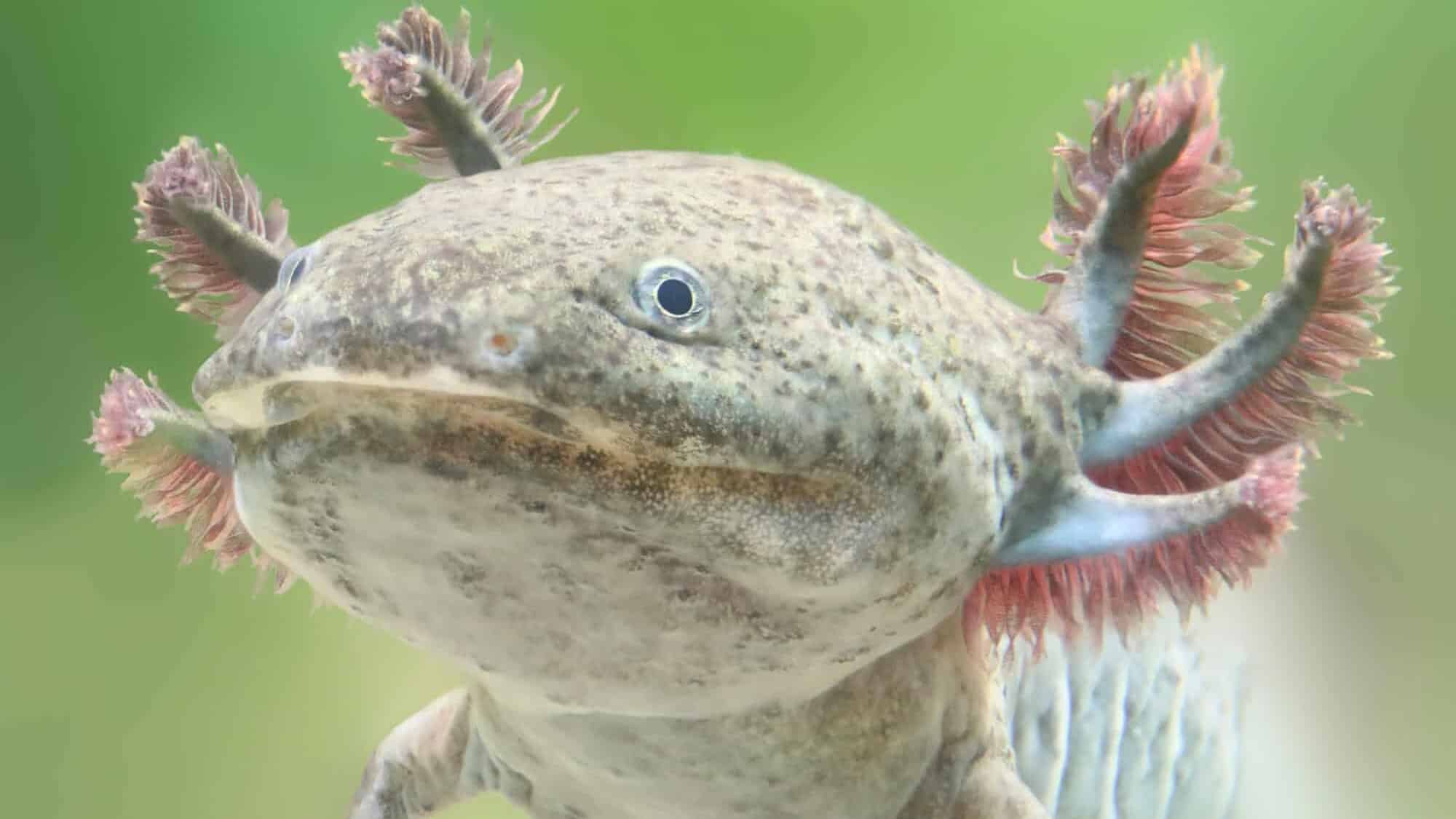
One of the most fascinating aspects of axolotl regeneration is how perfectly the new limb matches the original. This suggests that the animal maintains a kind of “positional memory” that guides the regeneration process. Cells somehow “know” where they are relative to the body axis and what structures they should form. This positional information ensures that the regenerated limb has the correct size, shape, and orientation. Scientists believe this memory is encoded in cell surface proteins and the extracellular matrix—the network of proteins and other molecules that surrounds cells.
This positional memory is so precise that if you amputate an axolotl’s limb at the wrist, only the hand regenerates; if you amputate at the shoulder, the entire limb regrows. Even more remarkably, if a limb is amputated multiple times at the same location, it will regenerate correctly each time with no loss of accuracy. However, this system isn’t foolproof—experimental manipulations where tissues are transplanted to different positions can result in duplicated or abnormal structures, providing further insight into how this positional information works.
Environmental Factors Affecting Regeneration

While axolotls possess remarkable regenerative abilities, environmental factors significantly influence the success and speed of this process. Water quality is paramount—high levels of ammonia, nitrites, or other toxins can severely impair regeneration and even lead to infections at the wound site. Temperature also plays a crucial role; regeneration proceeds most efficiently between 16-18°C (60-64°F). Temperatures that are too high or too low can slow or even halt the process entirely.
Nutrition also proves vital during regeneration, as growing a new limb requires considerable energy and resources. Axolotls with poor nutrition show delayed regeneration and may produce limbs with structural abnormalities. Additionally, stress factors like overcrowding, excessive handling, or unsuitable habitat conditions can negatively impact regeneration through elevated stress hormones like cortisol. Axolotl owners and researchers must maintain optimal environmental conditions to support successful regeneration, especially after injury.
When Regeneration Goes Wrong: Abnormalities and Limitations

Despite their extraordinary abilities, axolotl regeneration isn’t infallible. Several factors can lead to abnormal regeneration outcomes. If the wound site becomes infected, the resulting inflammation can disrupt the delicate balance of signaling molecules needed for proper regeneration. This may result in stunted limbs, missing digits, or other structural abnormalities. Similarly, exposure to certain toxins or chemicals can interfere with the regeneration process, causing developmental defects in the new limb.
Age also impacts regeneration quality. While axolotls maintain their regenerative abilities throughout life, older individuals regenerate more slowly and sometimes less perfectly than younger ones. Additionally, there appear to be limits to how many times a single limb can regenerate. After multiple amputations at the same site, some axolotls show diminished regenerative capacity, with later regenerations being smaller or structurally simpler than the original. These limitations and failures provide valuable insights into the complex biological mechanisms underpinning successful regeneration.
From Axolotls to Humans: Medical Applications and Future Possibilities
The remarkable regenerative abilities of axolotls have inspired significant medical research aimed at enhancing human healing capabilities. Scientists are working to identify the key molecular pathways that allow axolotls to regenerate complex structures without scarring and potentially adapt these mechanisms for human applications. Early research has already yielded promising results in understanding how to manipulate the immune response to favor regeneration over scarring and how to promote tissue regrowth rather than repair.
Potential applications include improved treatments for severe burns, limb injuries, and organ damage. Research is also exploring applications for neurodegenerative diseases, as understanding how axolotls regenerate nerve tissue could lead to breakthroughs in treating conditions like Parkinson’s or Alzheimer’s. While we’re still far from growing new human limbs, axolotl research has already contributed to advances in wound healing, tissue engineering, and regenerative medicine. As genomic and cellular research techniques continue to advance, the gap between axolotl capabilities and human medical treatments narrows, offering hope for revolutionary therapeutic approaches in the future.
Caring for an Axolotl with a Regenerating Limb

For axolotl owners, witnessing the regeneration process firsthand can be fascinating, but it also comes with responsibilities. If your pet loses a limb due to accident or aggression from tank mates, creating optimal conditions for healing becomes crucial. First, ensure exceptional water quality by performing more frequent water changes and monitoring ammonia and nitrite levels closely. Consider using a quarantine tank with shallow water to reduce stress and make movement easier during the early stages of regeneration. Adding a small amount of aquarium salt (following specific guidelines for axolotls) can help prevent infection.
Nutrition becomes especially important during regeneration. Offer a varied, high-quality diet including bloodworms, daphnia, and small earthworms to provide the necessary proteins and nutrients for tissue regeneration. Avoid handling the axolotl unless absolutely necessary, as stress can impair the healing process. Watch closely for any signs of infection, such as redness, swelling, or unusual discharge from the wound site. With proper care, your axolotl should regenerate its limb completely, though the process may take several weeks to months depending on the extent of the injury and the individual animal’s age and health status.
The axolotl’s ability to regrow limbs represents one of nature’s most extraordinary adaptations, offering a window into the remarkable potential for regeneration that exists within the animal kingdom. What makes this process even more fascinating is that it occurs with such precision and reliability—the regenerated limb is a functional, nearly perfect copy of the original, complete with all the necessary tissues, nerves, and blood vessels. This regenerative capacity stands as a testament to the incredible resilience and adaptability of life, showing us what might be possible in the realm of healing and recovery.
As we continue to study these remarkable creatures, we gain not only scientific knowledge but also a deeper appreciation for the sophisticated biological mechanisms that have evolved over millions of years. Whether you’re a scientist seeking medical breakthroughs, a pet owner marveling at your axolotl’s healing abilities, or simply someone fascinated by nature’s wonders, the story of axolotl regeneration reminds us of the extraordinary solutions that evolution has produced. In these smiling salamanders with their feathery gills and remarkable powers of renewal, we find both inspiration for future medical innovations and a humbling reminder of nature’s ingenuity.

- The Last True Wild Places in America That Humans Have Barely Touched - June 17, 2026
- 10 Most Dangerous Beaches for Swimmers Around the World - June 17, 2026
- Crows Leave Gifts for the People They Trust - June 17, 2026