

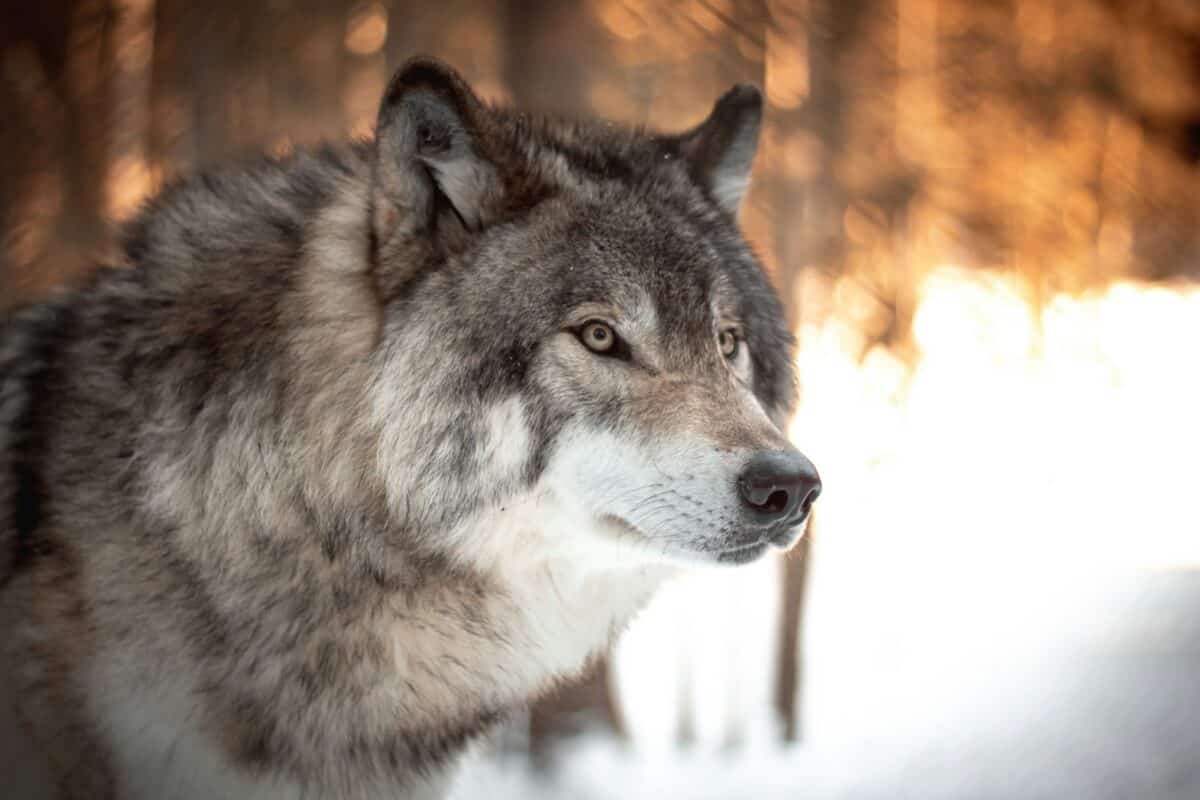
When wolves appear on screen in popular shows like Game of Thrones or transform into supernatural beings in Twilight, millions of viewers are captivated by their raw power and mysterious nature. But here’s the thing that might surprise you – most of what we see is more fantasy than fact. These fictional portrayals have shaped our understanding of wolves in ways that wildlife biologists are still trying to correct today.
Real wolves are fascinating creatures with complex social behaviors that put even the most dramatic TV storylines to shame. While Hollywood loves to portray them as either vicious killers or mystical shape-shifters, the truth about wolf behavior is far more nuanced and, frankly, more interesting than anything a screenwriter could imagine. The disconnect between fiction and reality has real consequences for wolf conservation efforts and public perception of these magnificent predators.
The Alpha Wolf Myth That Game of Thrones Got Wrong

Game of Thrones popularized the idea of the “alpha wolf” leading through dominance and aggression, but this concept is one of the biggest misconceptions in wolf biology. The term “alpha” was actually coined by researcher David Mech in the 1970s, but he later spent decades trying to correct this oversimplification. Real wolf packs aren’t ruled by the strongest, most aggressive individual who fought their way to the top.
In nature, wolf packs are essentially family units led by the breeding pair – the parents. These “alphas” are simply mom and dad wolves raising their offspring, not dictators who seized power through violence. The pack follows them because they’re experienced adults, not because they defeated other wolves in combat. This family structure is based on cooperation and care, not the brutal dominance hierarchies we see in Westeros.
The confusion arose because early wolf studies were conducted on captive wolves from different packs forced together in artificial environments. When unrelated wolves are thrown together, they do establish dominance hierarchies through conflict. But wild wolves live in family groups where the oldest, most experienced pair naturally leads their children and occasionally adopted wolves.
Twilight’s Shapeshifting Wolves vs Real Wolf Transformation

The werewolves in Twilight can transform at will, growing to the size of small horses with supernatural strength and speed. While real wolves can’t magically shapeshift, they do undergo remarkable transformations that are almost as impressive. Young wolves experience dramatic physical changes as they mature, growing from tiny pups to powerful predators capable of taking down prey ten times their size.
Real wolves also transform behaviorally throughout their lives in ways that might seem supernatural to casual observers. A timid juvenile can become a confident hunter, while a solitary disperser might transform into a nurturing parent. These behavioral shifts are driven by hormones, experience, and social dynamics rather than moon phases or emotional triggers.
The most fascinating real transformation happens during hunting season when wolves seem to become entirely different animals. Their body language changes, their focus intensifies, and they coordinate with pack members in ways that demonstrate intelligence and adaptability that no fictional werewolf could match.
Pack Hunting Strategies in Fiction vs Reality

Both Game of Thrones and Twilight show wolves hunting in coordinated packs, which is one area where fiction actually aligns with reality. Real wolves are indeed cooperative hunters who use sophisticated strategies to take down large prey. However, the dramatic chase scenes and perfectly executed ambushes we see on screen are quite different from actual wolf hunting behavior.
Real wolf hunts are often unsuccessful, with studies showing success rates of only 10-20% for large prey like elk or moose. Wolves spend far more time testing potential prey, looking for weakness or vulnerability, than engaging in dramatic pursuits. They’re opportunistic hunters who prefer to target old, sick, or injured animals rather than the healthy specimens typically shown in movies.
The coordination we see in real wolf packs is more subtle but equally impressive. Wolves communicate through body language, vocalizations, and scent marking to coordinate their movements. Some wolves will circle around prey while others drive them toward waiting pack members, but this happens through instinct and experience rather than the military-like precision depicted in fantasy shows.
Wolf Communication: Howling Myths and Realities
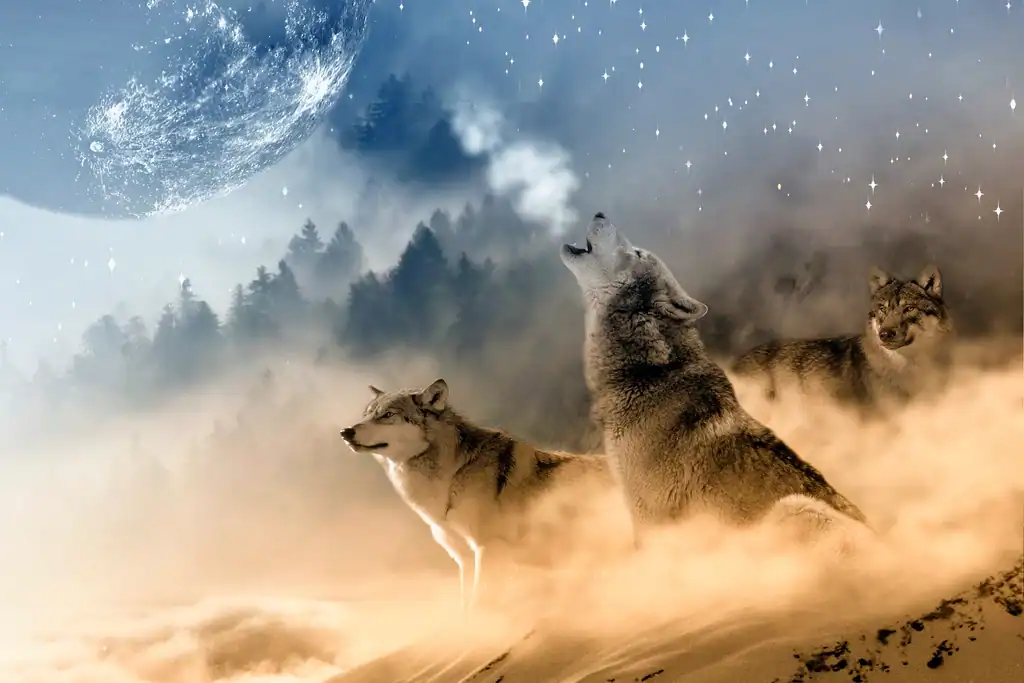
The haunting wolf howls in both franchises are used for dramatic effect, often signaling danger or supernatural events. Real wolves do howl, but their vocalizations serve much more practical purposes than the mystical communications portrayed in fiction. Wolves howl to reunite with pack members, announce their territory, or coordinate during hunts.
Each wolf has a unique howl that pack members can recognize from miles away, like a vocal fingerprint. This individual recognition system is far more sophisticated than the generic howling we hear in movies. Wolves also use a variety of other vocalizations including barks, whines, and growls that convey different meanings depending on context and body language.
The timing of wolf howls is another area where fiction gets it wrong. While movies love to show wolves howling at the moon, real wolves are more likely to howl during dawn and dusk when they’re most active. Moon phases have no influence on wolf howling behavior, despite what countless horror movies would have us believe.
Territory and Scent Marking Behaviors
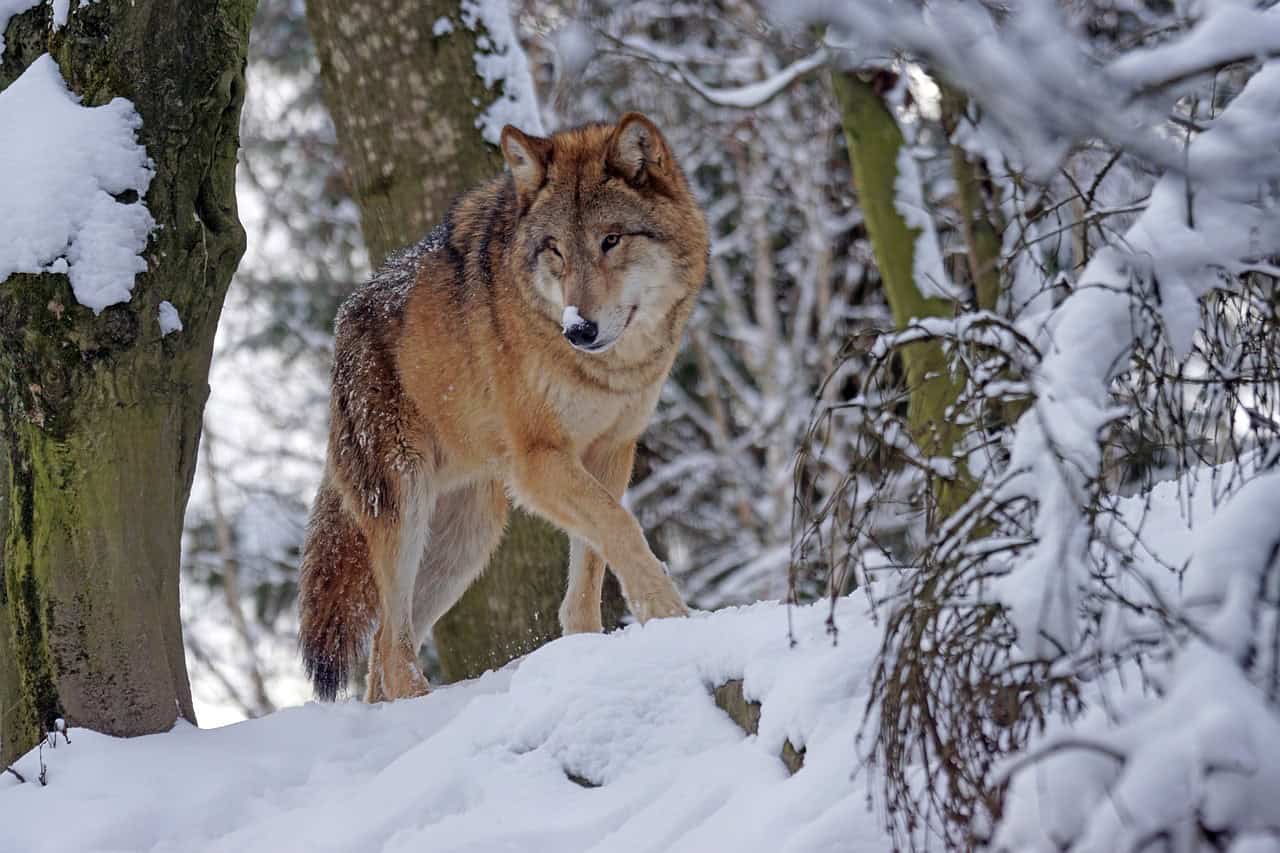
Game of Thrones briefly touches on wolf territory through the dire wolves’ protective instincts, but real wolf territorial behavior is far more complex than simple aggression. Wolves maintain territories that can span hundreds of square miles, using scent marking as their primary method of communication with other packs. These invisible boundaries are maintained through a sophisticated system of urine marking, scat placement, and scratching.
The scent marking behavior of real wolves is like a complex social media system where each mark conveys information about the wolf’s identity, health, reproductive status, and recent activities. Wolves can determine if a mark was left by a pack member, stranger, or potential mate simply by sniffing. This chemical communication system is so effective that physical confrontations between packs are relatively rare.
Territory size varies dramatically based on prey density and pack size, with larger territories in areas where food is scarce. Wolves will defend their territories against intruders, but they prefer to avoid conflict through scent marking and vocal warnings rather than the direct confrontations typically shown in entertainment media.
Wolves and Human Interaction in Popular Culture

Both Twilight and Game of Thrones portray wolves as having special bonds with humans, whether through shapeshifting or the mystical connection between Stark children and their dire wolves. Real wolves are generally wary of humans and avoid contact whenever possible. Historical accounts of wolf attacks on humans are extremely rare, and most documented cases involved rabid animals or wolves defending their young.
The fear of wolves portrayed in many fictional works stems from historical persecution rather than actual wolf behavior. Wolves were systematically hunted to near extinction in many regions because they competed with humans for prey and occasionally killed livestock. This persecution created a cultural narrative of wolves as dangerous predators that persists in popular media today.
Modern wolf reintroduction programs have shown that wolves can coexist with human communities when proper precautions are taken. Wolves actually provide ecological benefits by controlling deer populations and strengthening prey species through natural selection. The mystical bond between humans and wolves in fiction reflects our deep fascination with these creatures, but real relationships are built on mutual respect and understanding rather than supernatural connections.
The Size and Physical Capabilities of Fictional Wolves

The dire wolves in Game of Thrones and the massive werewolves in Twilight are portrayed as much larger than real wolves, often the size of small horses. Real wolves are impressive predators, but they’re not the giants depicted in fiction. The largest wolves typically weigh between 70-120 pounds, with exceptional individuals reaching up to 175 pounds in Alaska and northern Canada.
The physical capabilities of real wolves are remarkable even without supernatural enhancement. They can run at speeds up to 40 mph for short distances and maintain a traveling pace of 5-6 mph for hours. Their bite force of approximately 1,500 pounds per square inch is stronger than that of large dogs and most other predators, allowing them to crush bones and tear through tough hide.
Real wolves are also incredible athletes with endurance that puts most fictional portrayals to shame. They can travel 50-100 miles in a single day while hunting, and their efficient gait allows them to cover vast distances without exhaustion. Their physical adaptations, including large paws that act like snowshoes and dense fur that provides insulation in temperatures as low as -40°F, are more impressive than any fictional enhancement.
Wolf Reproduction and Family Structure
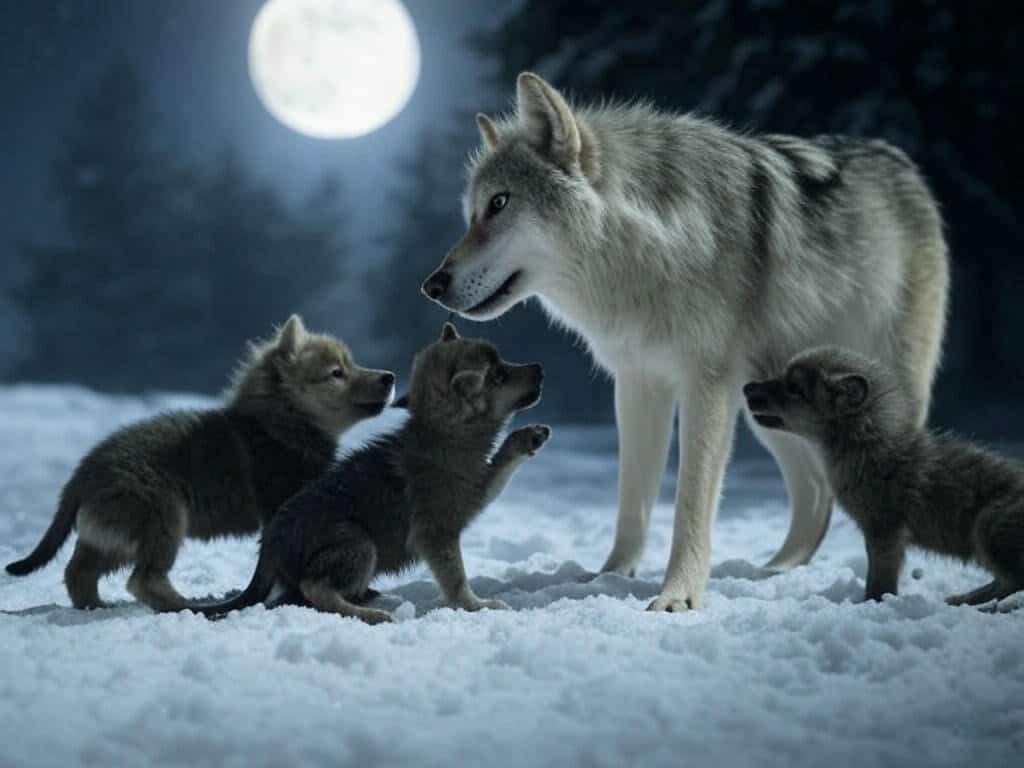
The werewolf transformation in Twilight is triggered by emotional stress and the need to protect the tribe, but real wolf reproduction follows natural biological cycles. Wolves typically mate once per year during late winter, with only the alpha pair breeding in most packs. This reproductive restraint helps ensure that resources are available to support the pups and maintain pack stability.
Wolf pregnancy lasts about 63 days, and litters typically contain 4-6 pups. The entire pack participates in raising the young, with older siblings often helping to care for new pups. This cooperative breeding system is more sophisticated than the individual transformations shown in fiction, involving complex social dynamics and shared responsibilities.
The den site selection and pup rearing process demonstrates intelligence and planning that rivals any fictional portrayal. Wolves choose den sites near water sources with good visibility and escape routes. They modify existing structures like caves or dig elaborate burrows that can extend 10 feet underground with multiple chambers for different purposes.
Seasonal Behavior Changes in Wolves
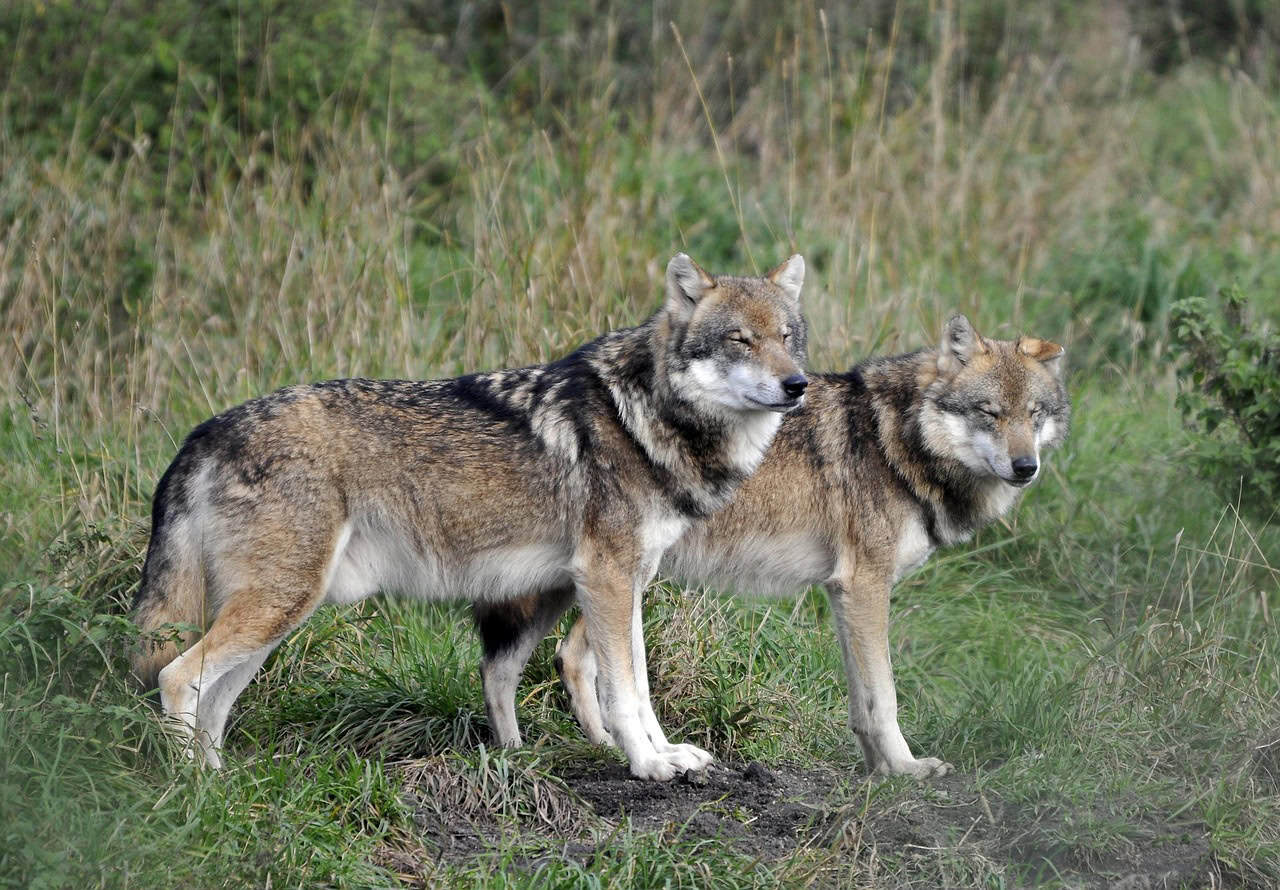
While Twilight werewolves transform based on emotional triggers, real wolves undergo significant behavioral changes throughout the year that are equally dramatic. During winter, wolves become more social and cooperative as they work together to survive harsh conditions and hunt large prey. Their metabolism slows, and they develop thicker winter coats that can make them appear 50% larger than their summer size.
Spring brings territorial behaviors and increased aggression as wolves establish breeding territories and compete for mates. This is when dispersal occurs, with young wolves leaving their birth packs to establish new territories. The courage and determination shown by these dispersing wolves often exceeds anything depicted in fictional accounts.
Summer and fall are characterized by intense pup-rearing activities and preparation for winter. Wolves become more cautious and protective during this period, with pack members taking turns to guard the den while others hunt. These seasonal transformations are driven by hormones, daylight cycles, and food availability rather than supernatural forces.
Wolf Intelligence and Problem-Solving Abilities

The tactical intelligence displayed by wolves in both franchises has some basis in reality, though real wolf intelligence is expressed differently than in fiction. Wolves are capable of complex problem-solving and can adapt their hunting strategies based on prey behavior and environmental conditions. They’ve been observed using tools, such as ice chunks to break through frozen water, and demonstrating planning abilities that suggest abstract thinking.
Individual wolves within a pack often specialize in different roles based on their abilities and personality traits. Some wolves excel at tracking, others at ambush tactics, and some serve as scouts or communicators. This specialization is more sophisticated than the simple alpha-beta hierarchies shown in popular media, involving complex social dynamics and individual recognition of skills.
Wolves also demonstrate remarkable adaptability when faced with new challenges. They can learn to avoid human-made traps, modify their hunting patterns to exploit new prey species, and even change their social structure in response to environmental pressures. This behavioral flexibility is more impressive than any fictional superpower because it’s based on real intelligence and learning ability.
Wolves as Ecosystem Engineers

Neither Twilight nor Game of Thrones explores the ecological impact of wolves, but real wolves are considered keystone species that significantly influence their ecosystems. The reintroduction of wolves to Yellowstone National Park in 1995 demonstrated how these predators can trigger trophic cascades that reshape entire landscapes. Wolves control deer populations, which allows vegetation to recover, which in turn affects water flow, soil stability, and countless other species.
The presence of wolves changes the behavior of their prey species in ways that benefit the entire ecosystem. Deer and elk become more vigilant and avoid open areas, reducing overgrazing and allowing forests to regenerate. This “ecology of fear” is a powerful force that shapes animal behavior and habitat use across the landscape.
Wolves also provide food for scavengers through their kills, supporting populations of ravens, eagles, bears, and other carnivores. Their role as ecosystem engineers is so significant that their absence can lead to landscape-level changes that persist for decades. This ecological importance makes real wolves far more valuable than any fictional portrayal suggests.
The Evolution and History of Wolves

The ancient connections between wolves and humans suggested in both franchises have some historical basis, though the reality is more complex than fiction suggests. Wolves and humans have coexisted for millennia, with evidence suggesting that early humans and wolves may have competed for similar prey and occasionally cooperated. The domestication of dogs from wolves represents one of the most significant partnerships in human history.
Archaeological evidence shows that wolves were present throughout much of the northern hemisphere during the last ice age, adapting to diverse environments from tundra to forests to grasslands. Their evolutionary success is due to their behavioral flexibility and cooperative social structure, traits that are often underemphasized in fictional portrayals that focus more on individual strength and aggression.
The genetic diversity of modern wolves reflects their complex evolutionary history, with different populations adapting to local conditions over thousands of years. This genetic variation is responsible for the physical differences we see between Arctic wolves, Mexican wolves, and other subspecies, each adapted to their specific environments in ways that surpass any fictional enhancement.
Wolf Conservation Challenges and Success Stories
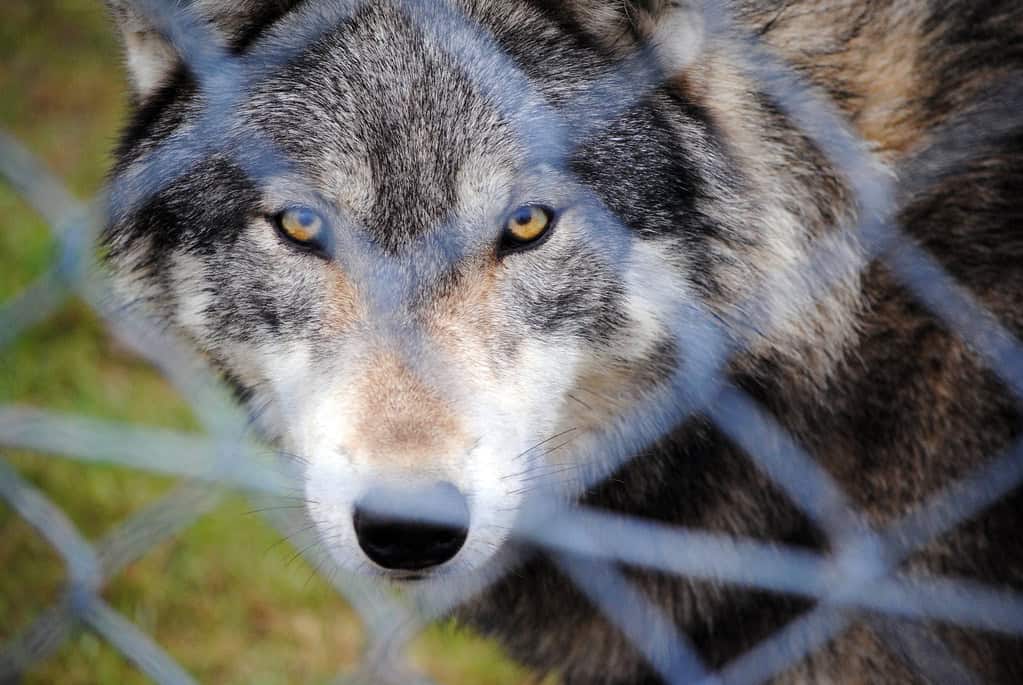
The persecution of wolves depicted in Game of Thrones reflects real historical patterns of wolf extermination across much of their range. By the mid-20th century, wolves had been eliminated from most of the lower 48 United States and much of Europe through systematic hunting, trapping, and poisoning campaigns. This persecution was driven by fear, misunderstanding, and economic competition rather than actual threat to human safety.
Modern conservation efforts have achieved remarkable success in some regions, with wolf populations recovering in the Great Lakes region, Northern Rocky Mountains, and parts of Europe. These recovery programs demonstrate that wolves can coexist with human communities when proper management strategies are implemented. The success stories provide hope for the future of wolf conservation worldwide.
However, wolves still face significant challenges including habitat loss, human-wildlife conflict, and climate change. The political and social aspects of wolf conservation are often more complex than the biological challenges, requiring ongoing education and community engagement to ensure long-term success. The real drama of wolf conservation efforts often exceeds anything shown in fictional portrayals.
Regional Variations in Wolf Behavior

The standardized wolf behavior shown in most fiction doesn’t reflect the remarkable diversity of wolf populations across different regions. Arctic wolves live in small packs and hunt smaller prey like Arctic hares and musk oxen, while Mexican wolves in desert environments have adapted to hunt in more arid conditions with different prey species. These regional variations in behavior are as dramatic as any fictional transformation.
Coastal wolves in Alaska and British Columbia have developed unique behaviors including fishing for salmon and hunting marine mammals. Some populations have even been observed diving for fish or scavenging on beaches, behaviors that would seem impossible based on typical fictional portrayals. These specialized behaviors demonstrate the incredible adaptability of wolves to different environments.
The social structure of wolf packs also varies by region, with some populations forming larger packs in areas with abundant large prey, while others maintain smaller family groups in areas where prey is scarce or scattered. Understanding these regional variations is crucial for effective conservation management and provides insights into the behavioral flexibility that has allowed wolves to survive in diverse environments.
Wolves and Weather Patterns

Unlike the supernatural transformations triggered by full moons in Twilight, real wolves are highly sensitive to weather patterns and seasonal changes. Wolves can predict weather changes hours or even days in advance, likely through their ability to sense barometric pressure changes and other atmospheric conditions. This weather sensitivity affects their hunting behavior, denning choices, and travel patterns in ways that are more reliable than any fictional ability.
During severe weather events, wolves demonstrate remarkable survival strategies that exceed anything shown in popular media. They can survive blizzards by creating shelters in snow drifts, reduce their metabolic rate to conserve energy, and coordinate pack movements to share body heat. These natural adaptations are more impressive than any supernatural power because they’re based on millions of years of evolution.
The timing of wolf activities is closely tied to weather patterns, with hunting success often correlating with temperature, wind direction, and precipitation. Wolves learn to exploit weather conditions to their advantage, using wind patterns to mask their scent while approaching prey and timing their hunts to coincide with weather that gives them tactical advantages.
The Role of Individual Personality in Wolf Packs

While fiction often portrays wolves as having uniform pack behavior, real wolves display distinct individual personalities that influence pack dynamics. Some wolves are naturally more aggressive, while others are more cautious or playful. These personality differences aren’t based on fictional archetypes but on real behavioral variations that can be measured and studied scientifically.
Researchers have identified personality traits in wolves that include boldness, sociability, and exploration tendencies. These traits remain consistent throughout a wolf’s life and influence their role within the pack, their success in different situations, and their likelihood of dispersing to form new packs. Understanding individual personality helps explain why some wolves become successful breeders while others serve different roles in pack society.
The interaction between different personalities within a pack creates complex social dynamics that are more sophisticated than the simple dominance hierarchies shown in most fiction. Wolves with complementary personalities often form strong partnerships, with bold wolves taking leadership roles in dangerous situations while more cautious wolves serve as sentinels and early warning systems for the pack.
Wolves in Extreme Environments

The mystical abilities of fictional wolves pale in comparison to the real survival capabilities of wolves in extreme environments. Arctic wolves endure temperatures below -50°F and months of continuous darkness, while desert wolves in Mexico survive in temperatures exceeding 100°F with limited water sources. These extreme adaptations are more remarkable than any fictional superpower because they represent real evolutionary solutions to environmental challenges.
High-altitude wolves in regions like the Himalayas have developed physiological adaptations to low oxygen conditions, including increased lung capacity and enhanced oxygen-carrying capacity in their blood. These adaptations allow them to hunt effectively at elevations where most other large predators cannot survive, demonstrating the incredible adaptability of wolves to diverse environments.
The behavioral adaptations of wolves in extreme environments include modified hunting strategies, altered social structures, and specialized denning behaviors. These adaptations are passed down through generations and refined through experience, creating regional expertise that allows wolves to thrive in conditions that would challenge any fictional werewolf.
The Future of Wolf Research and Understanding

Modern technology is revealing aspects of wolf behavior that were previously unknown and that surpass many fictional portrayals in their complexity and sophistication. GPS collars, genetic analysis, and remote cameras are providing insights into wolf movements, social relationships, and individual behaviors that were impossible to study in the past. These technological advances are revolutionizing our understanding of wolf ecology and behavior.
Current research is exploring the cognitive abilities of wolves, including their capacity for planning, problem-solving, and cultural transmission of knowledge between generations. Preliminary studies suggest that wolves may have cognitive abilities that rival those of primates in some areas, particularly in social intelligence and cooperative behavior. These discoveries are reshaping our understanding of wolf intelligence and social complexity.
The future of wolf research will likely reveal even more remarkable abilities and behaviors that exceed anything currently depicted in fiction. As our understanding grows, it becomes clear that real wolves are far more fascinating and complex than any fictional portrayal could capture. The challenge for future conservation efforts will be translating this scientific knowledge into public understanding and support for wolf conservation.
Conclusion
The wolves of Twilight and Game of Thrones have captivated audiences worldwide, but the real story of wolf behavior is far more compelling than any fictional narrative. While supernatural transformations and mystical bonds make for entertaining television, the actual intelligence, adaptability, and social complexity of wolves demonstrate that nature’s creations are more remarkable than anything imagination can produce.
Understanding the difference between fictional portrayals and real wolf behavior is crucial for conservation efforts and public perception of these magnificent predators. The myths perpetuated by popular media often lead to fear and misunderstanding that can harm conservation efforts. By appreciating the true nature of wolves – their family-based social structure, their role as ecosystem engineers, and their remarkable adaptability – we can foster a more accurate and respectful relationship with these iconic predators.
The next time you watch wolves on screen, remember that the real animals are engaged in complex social behaviors, sophisticated communication, and survival strategies that have been refined over millions of years of evolution. Their actual abilities may not include supernatural transformations, but their intelligence, cooperation, and ecological importance make them truly extraordinary creatures. Rather than relying on fantasy, let’s celebrate wolves for what they truly are—intelligent, social, and vital to the health of their ecosystems. In reality, they’re more awe-inspiring than any myth.

- Why Adopting a Shelter Pet Saves More Than One Life - July 20, 2026
- Spider Web Types Explained—Not All Webs Are the Same - July 20, 2026
- 12 Eagle Habits That Impress (And 3 That Surprise) Scientists - July 17, 2026