


In the world of reptiles, snakes are masters of thermal regulation despite lacking limbs or the ability to generate their own body heat. As ectothermic creatures, snakes rely entirely on external heat sources to maintain their body temperature—a critical factor affecting everything from their metabolism and digestion to immune function and reproductive success. This delicate balancing act between staying warm enough to function optimally and avoiding dangerous overheating has led to the evolution of fascinating behavioral and physiological adaptations. However, even these remarkable adaptations have vulnerabilities that can leave snakes exposed to predators or environmental dangers. This article explores ten ingenious ways snakes regulate their body temperature and three situations where their thermoregulation methods leave them vulnerable.
The Science Behind Snake Thermoregulation

Unlike mammals and birds, snakes are ectothermic (or “cold-blooded”), meaning they cannot generate internal heat through metabolic processes. Instead, they must absorb heat from their environment to reach their preferred body temperature, typically between 75-90°F (24-32°C) depending on the species. This preferred temperature range, known as the optimal temperature zone (OTZ), is where physiological functions like digestion, immune response, and reproductive processes work most efficiently.
Snakes employ a strategy called behavioral thermoregulation, actively seeking out microhabitats with appropriate temperatures. Their nervous systems include specialized thermoreceptors that can detect even slight temperature variations, allowing them to make precise movements between warm and cool areas. This temperature-seeking behavior is not random but a sophisticated response system that has evolved over millions of years, enabling snakes to thrive in diverse environments from deserts to rainforests, and even in temperate regions with seasonal temperature fluctuations.
10. Strategic Basking

One of the most visible thermoregulatory behaviors in snakes is basking—deliberately positioning themselves in sunlight to absorb heat. Snakes typically bask during morning hours when predation risk is lower and sun intensity isn’t at its peak. They choose specific locations that offer both warmth and quick escape routes to safety. Different snake species have evolved various basking postures to maximize heat absorption, including flattening their bodies to increase surface area exposed to the sun.
During basking, snakes may adjust their body position as temperatures change, sometimes elevating portions of their bodies off hot surfaces to prevent overheating. Species like rattlesnakes may bask with their bodies in tight coils, which helps conserve heat by reducing the surface area exposed to cooling air currents. This strategic basking allows snakes to raise their body temperature quickly, enabling essential physiological processes like digestion and immune function to operate efficiently.
9. Shuttling Behavior

Snakes engage in shuttling behavior—moving between sunny and shaded areas to fine-tune their body temperature. This back-and-forth movement allows them to maintain their temperature within the optimal range by alternating between warming and cooling periods. Shuttling is a dynamic process that may occur dozens of times throughout a day, especially in environments with variable temperatures or patchy sunlight. This behavior requires minimal energy expenditure while providing precise temperature control.
The frequency and distance of shuttling movements vary based on environmental conditions, species, and individual needs. For instance, a snake that has recently consumed a large meal may increase its shuttling behavior to maintain a higher body temperature that facilitates digestion. Some species, like garter snakes, are particularly adept at rapid shuttling, allowing them to thrive in temperate climates where temperature conditions can change quickly throughout the day. This sophisticated thermoregulatory behavior showcases the remarkable adaptability of snakes despite their ectothermic limitations.
8. Burrow Utilization

Many snake species utilize burrows as thermal refuges, taking advantage of the relatively stable temperatures found underground. Soil provides excellent insulation, keeping burrows cooler than surface temperatures during hot days and warmer than ambient air during cold nights. Some snake species, like king cobras and vipers, dig their own burrows, while others opportunistically use abandoned rodent tunnels or natural crevices. These underground retreats become especially important during extreme temperature conditions.
Burrows also offer gradients of temperature and humidity, allowing snakes to position themselves precisely at their preferred thermal point. For instance, a snake can move deeper into a burrow to cool down or closer to the entrance to warm up. During brumation (reptilian hibernation), many temperate snake species retreat to communal hibernacula—special burrows or rock crevices below the frost line where temperatures remain above freezing. These underground sanctuaries are critical for survival during harsh winter conditions when surface temperatures would otherwise be lethal.
7. Changing Body Posture

Snakes can significantly alter their body posture to control heat exchange with the environment. When trying to warm up, many species will flatten their bodies to increase surface area exposure to the sun or warm substrate, maximizing heat absorption. This flattening behavior can increase a snake’s heat absorption rate by up to 30% compared to its normal cylindrical shape. Conversely, when overheating threatens, snakes may elevate their bodies off hot surfaces, reducing contact and minimizing conductive heat transfer.
Some species exhibit specialized postures for specific thermal conditions. For example, many vipers and pythons form tight coils when cold, reducing surface area and conserving body heat. In contrast, when temperatures climb too high, species like the sidewinder rattlesnake will raise most of their body off the hot desert sand, maintaining only minimal contact points to prevent overheating. These postural adjustments represent elegant behavioral adaptations that allow snakes to modify their heat exchange rates without having to relocate, conserving valuable energy while maintaining optimal body temperature.
6. Seasonal Activity Patterns

Snakes adjust their activity patterns seasonally to accommodate changing environmental temperatures. In temperate regions, many species become primarily diurnal (active during daylight) in spring and fall when daytime temperatures are moderate. During hot summer months, they often shift to crepuscular (active at dawn and dusk) or nocturnal behavior to avoid dangerous daytime heat. This seasonal shifting of activity windows allows snakes to remain active year-round in many habitats while avoiding temperature extremes.
In regions with cold winters, snakes undergo brumation—a state of dormancy where metabolic rates slow dramatically. During this period, they seek out protected hibernacula below the frost line where temperatures remain stable. Some species, like garter snakes, gather in communal dens by the hundreds or even thousands, creating a thermal mass that helps buffer against temperature fluctuations. These seasonal behavioral adaptations showcase how snakes have evolved to synchronize their life cycles with environmental temperature patterns, enabling them to survive in climates that might otherwise seem inhospitable to ectothermic animals.
5. Microhabitat Selection
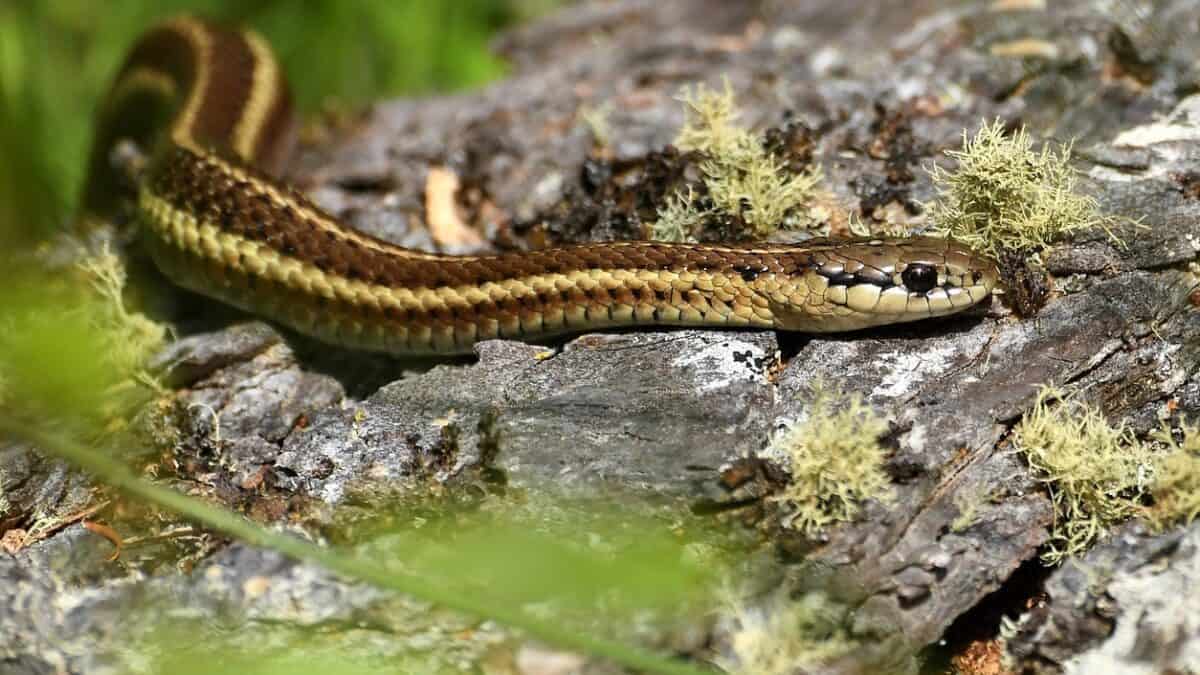
Snakes are experts at exploiting microhabitats—small-scale environmental zones with distinct thermal properties. They can detect temperature differences as small as 1°C (1.8°F) and will selectively position themselves in these thermal mosaic environments. For example, a snake might choose to rest on a sun-warmed rock in the morning, move to leaf litter in the heat of the day, and then return to the still-warm rock in the evening as ambient temperatures drop. This selective use of microhabitats allows snakes to maintain relatively stable body temperatures even in environments with widely fluctuating temperatures.
Different snake species have evolved preferences for specific microhabitats that match their thermal needs. Arboreal species like tree boas utilize the varied thermal layers found at different heights within forest canopies, moving vertically to find optimal temperatures. Desert-dwelling species may exploit the temperature difference between sunny and shaded sides of rocks or vegetation. Even aquatic snakes like water moccasins selectively use the water-land interface, moving between water and shoreline to regulate their temperature. This sophisticated microhabitat selection represents one of the most refined aspects of snake thermoregulation, allowing these reptiles to thrive in diverse environments worldwide.
4. Adaptations in Skin Color and Structure

The skin of snakes plays a crucial role in thermoregulation through specialized adaptations in color, pattern, and structure. Darker-colored snakes generally absorb heat more efficiently than lighter-colored ones, which is why many species from cooler climates tend to have darker pigmentation. Some species, like the eastern diamondback rattlesnake, have evolved complex patterns that both provide camouflage and optimize heat absorption. The scales themselves also contribute to thermal regulation, with some species having more ridged scales that increase surface area for heat exchange.
Remarkable structural adaptations exist in certain species, such as the desert-dwelling sidewinder rattlesnake, whose scales have microscopic textures that enhance heat reflection when temperatures become dangerously high. Similarly, some aquatic snakes have evolved scales that minimize heat loss in cool water. The periodic shedding of skin (ecdysis) also plays a thermoregulatory role, as a clear, new skin layer improves solar heat absorption compared to an old, dull outer layer. These adaptations in skin properties demonstrate how evolution has fine-tuned snakes’ external covering to optimize thermoregulation in their specific environments.
3. Altered Metabolic Rates

Snakes can dramatically adjust their metabolic rates in response to temperature changes, an adaptation that helps them survive thermal challenges. When temperatures drop below their optimal range, snakes reduce their metabolic rate, conserving energy during periods when they cannot maintain activity levels. This metabolic depression can be profound—some species can lower their energy requirements by up to 70% during cool periods. Conversely, in warmer conditions, metabolic rates increase, supporting higher activity levels and faster digestion.
This metabolic flexibility extends to long-term seasonal adjustments as well. During brumation, snakes enter a state of extremely low metabolism that allows them to survive for months with little or no food. Their heart rate may drop from 40-50 beats per minute to just 5-10 beats per minute, and oxygen consumption can decrease by up to 90%. Some species, like the ball python, can go without eating for 6-8 months during cooler periods while maintaining essential bodily functions. This remarkable metabolic plasticity represents one of the most important physiological adaptations allowing snakes to cope with temperature fluctuations that would be challenging or fatal to many other animals.
2. Thermal Inertia Management

Snakes utilize their body mass to manage thermal inertia—the property that causes larger bodies to heat up and cool down more slowly than smaller ones. Larger snakes like pythons and boas have greater thermal inertia, which helps them maintain more stable body temperatures despite environmental fluctuations. This property is particularly beneficial in environments with significant day-night temperature swings, as larger snakes can retain daytime heat well into the night. The cylindrical shape of snakes also contributes to efficient thermal inertia, as it minimizes surface area relative to volume.
Some species actively manipulate their thermal inertia through behavioral adaptations. For instance, many pythons will bask intensively in morning hours, storing heat that helps maintain their temperature throughout the day. Female pythons incubating eggs take this further by generating muscle contractions to produce heat, one of the few examples of endothermy (internal heat production) in reptiles. Even smaller snake species manage thermal inertia by seeking out environments with high thermal stability, such as rock crevices or dense vegetation that buffer against rapid temperature changes. This sophisticated management of thermal inertia allows snakes to extend their activity periods in variable environments.
1. Respiratory Adaptations
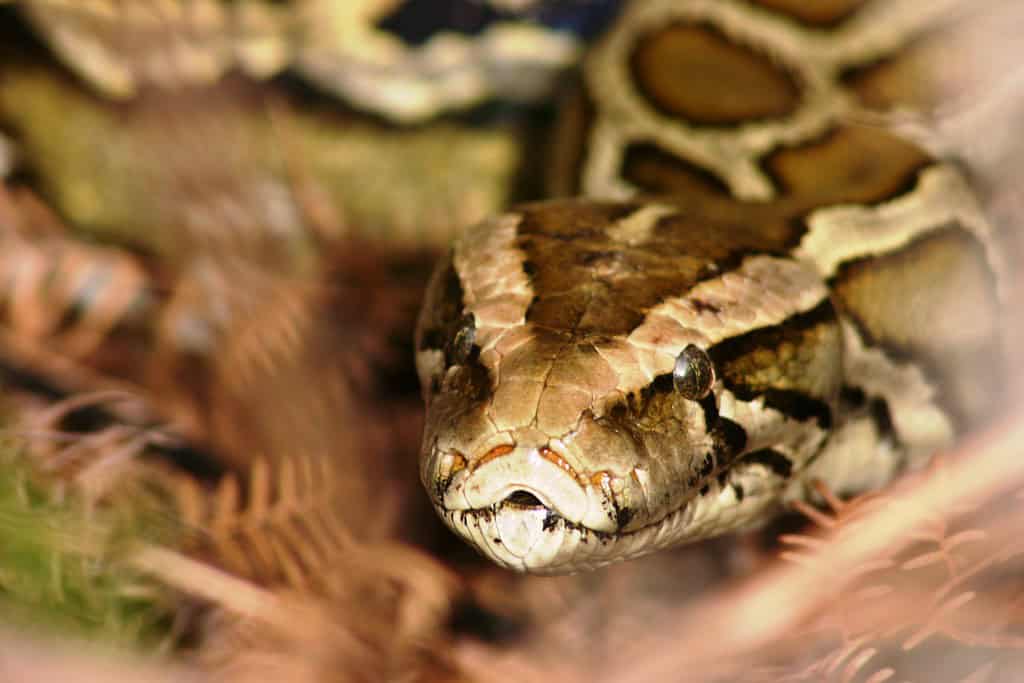
Snakes have evolved specialized respiratory adaptations that contribute to temperature regulation. When overheating threatens, many species increase their respiratory rate, employing a behavior called gaping—opening their mouths wide to expose the moist surfaces of their oral cavity. As air passes over these surfaces during breathing, evaporative cooling occurs, helping to lower body temperature. This behavior is particularly common in larger species like pythons and boas that risk overheating due to their substantial body mass and is often observed after intensive basking periods.
Conversely, when trying to conserve heat, snakes can reduce their respiratory rate and keep their mouths closed, minimizing evaporative heat loss. Some species have developed specialized structures in their respiratory tract that improve moisture conservation during breathing in arid environments, which has the secondary benefit of reducing evaporative cooling when it’s not needed. The unidirectional airflow pattern in snake lungs also contributes to their respiratory efficiency, allowing for effective gas exchange with minimal energy expenditure—an important consideration for ectothermic animals whose energy budget is directly tied to environmental temperature conditions.
3. Vulnerability During Shedding

During ecdysis (shedding), snakes face significant thermoregulatory challenges that leave them vulnerable. In preparation for shedding, snakes secrete a lymphatic fluid between their old and new skin layers, causing their eyes to cloud over (known as being “in blue”) and dramatically reducing their vision. This visual impairment forces snakes to remain in sheltered locations where they have fewer options for thermoregulation. The process also requires specific humidity levels to proceed properly, often constraining snakes to microhabitats that may not offer optimal temperatures.
Additionally, the fluid layer between skin surfaces temporarily reduces a snake’s ability to conduct heat efficiently, impairing their thermal regulation. Research has shown that snakes often maintain higher body temperatures during shedding to compensate for this reduced heat absorption capacity and to accelerate the shedding process. This requirement for higher temperatures, combined with reduced mobility and compromised vision, makes snakes particularly vulnerable to predation and temperature extremes during the shedding period, which can last anywhere from a few days to over a week depending on the species and environmental conditions.
2. Post-Feeding Thermal Requirements

After consuming a meal, snakes enter a high-energy digestive state that requires elevated body temperatures to function efficiently. This post-prandial thermophily (seeking higher temperatures after feeding) leaves snakes in a precarious position—they must maintain higher body temperatures for extended periods while being physically encumbered by their meal. A snake that has consumed a large prey item may increase its preferred temperature by 2-4°C (3.6-7.2°F) and must maintain this elevated temperature for days or even weeks until digestion is complete. This necessitates longer basking periods and more frequent shuttling behavior, significantly increasing their visibility to predators.
The situation is further complicated by the snake’s reduced mobility after consuming a large meal, which can account for 20-100% of their body weight. This combination of restricted movement and need for prolonged heat exposure creates a dangerous trade-off between digestive efficiency and predator avoidance. Studies have documented higher predation rates on snakes during this vulnerable digestive period. Some species partially mitigate this risk by consuming smaller prey items more frequently or by seeking secure basking sites, but the fundamental vulnerability remains—proper digestion requires thermal conditions that increase exposure to dangers.
1. Extreme Weather Vulnerability

Despite their remarkable adaptations, snakes remain highly vulnerable to extreme weather events that can overwhelm their thermoregulatory capabilities. Sudden cold snaps can be particularly deadly, as rapid temperature drops may occur faster than snakes can locate suitable refuges. This vulnerability is especially pronounced during transitional seasons when snakes may be active above ground. Historical mass mortality events have been documented during unseasonable cold fronts, with researchers finding hundreds of dead snakes that were caught too far from adequate shelter when temperatures plummeted unexpectedly.
At the other extreme, prolonged heat waves can be equally devastating. When environmental temperatures exceed the critical thermal maximum for a species (typically around 38-42°C or 100-108°F for most snakes), even their most sophisticated cooling behaviors may prove insufficient. During extended heat events, the limited cooling options available to snakes—seeking shade, retreating underground, or reducing activity—may not provide adequate relief if all microhabitats become superheated. Climate change is exacerbating these vulnerabilities, with increasing frequency and intensity of extreme weather events pushing many snake populations beyond their thermal tolerance limits, resulting in range contractions and local extinctions for some species unable to adapt quickly enough to these rapidly changing conditions.
Conclusion:

Snakes, being ectothermic, rely heavily on their environment to manage body temperature, and they’ve developed a wide array of behaviors to do just that. From basking in the sun and retreating to cool burrows to shifting activity patterns based on the time of day, snakes instinctively know how to balance warmth and cooling to survive. These habits not only help them conserve energy but also support crucial functions like digestion, mobility, and reproduction.
However, certain conditions or missteps can leave snakes vulnerable to overheating or cold stress. Human-altered habitats, sudden weather changes, or lack of proper shelter can interfere with their ability to thermoregulate. By understanding these natural behaviors and the risks they face, we can better appreciate the delicate balance snakes maintain with their environment—and why protecting their habitats is key to their survival.

As a little kid, I fell in love with nature, wildlife, and animals. Living in the USA, South Africa, Italy, China and Germany gave me the opportunity to discover the world's Wildlife. My favorite animals are Mountain Gorillas, Siberian Tigers, and Great White Sharks.
I'm a certified PADI Open Water Diver, went to Everest Base Camp and Trekked Gorillas in Uganda. I hold a Master of Science in Economics and Finance.
Please send any feedback to feedback@animalsaroundtheglobe.com
- 14 Facts About Animal Memory That Will Shock You - June 17, 2026
- 12 Historic Horses That Changed the World - June 17, 2026
- 15 Dogs That Love Water More Than Land - June 17, 2026