


Worried about unexpected vet bills?
Pet insurance can cover thousands in unexpected vet costs. Get a free quote from Lemonade in under 2 minutes.
Get My Free Quote →Sponsored · Opens Lemonade.com
Spiders often get a bad rap in our culture. Their eight legs, multiple eyes, and predatory nature have earned them a fearsome reputation that makes many people shudder at the mere sight of them. However, appearances can be deceiving in the arachnid world. Many spiders that look absolutely terrifying are actually harmless creatures that pose no threat to humans. In fact, these misunderstood arthropods play crucial roles in our ecosystems by controlling insect populations. This article explores 15 spiders that may send shivers down your spine with their appearance but are completely harmless companions in our homes and gardens.
The Gentle Giants: Huntsman Spiders
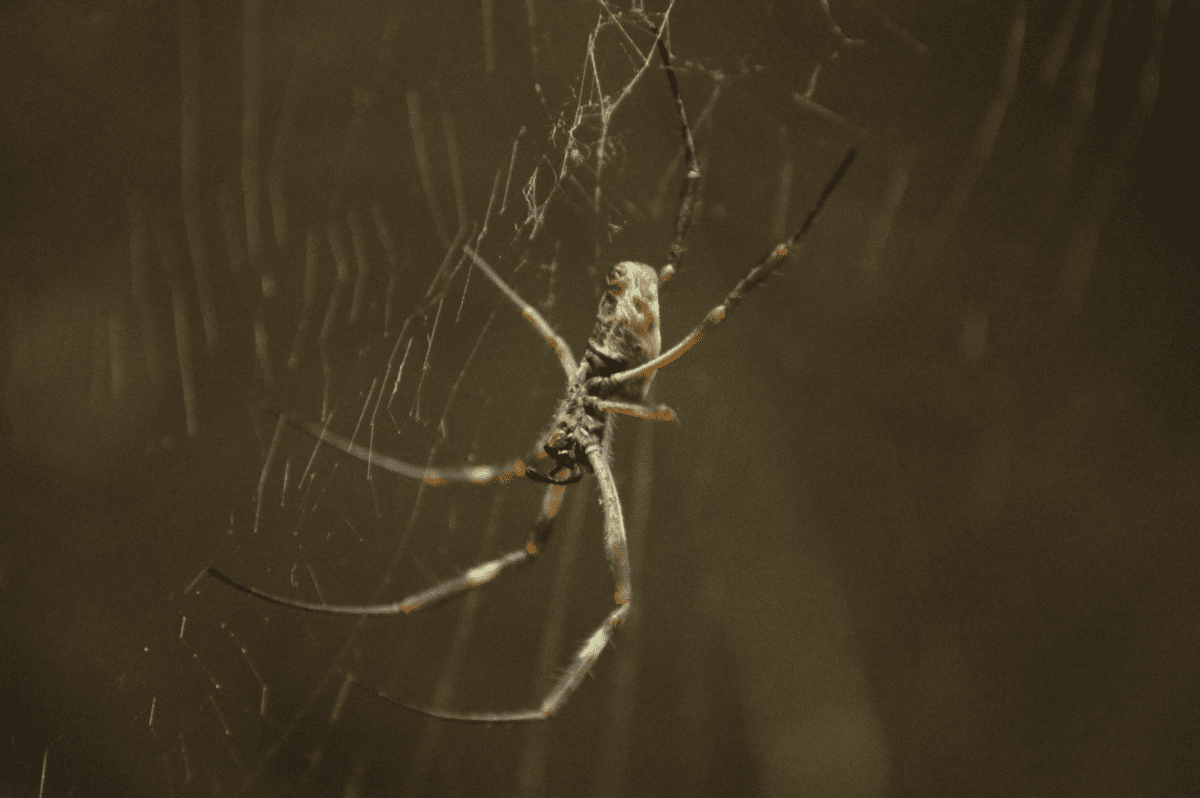
Few spiders trigger more screams than the huntsman spider with its enormous leg span that can reach up to 12 inches. These flat-bodied spiders move with startling speed and often appear in houses, particularly in Australia and other warm regions. Their size and crab-like appearance make them look like something straight out of a horror movie, but appearances are misleading.
Despite their intimidating presence, huntsman spiders are remarkably gentle and shy. They possess venom designed for immobilizing insects, not harming humans. While they can bite if severely provoked, their venom causes only minor local pain and swelling in most cases. These spiders actually benefit humans by controlling cockroach and insect populations in homes. Many Australians consider them welcome houseguests that keep pest populations in check without requiring pesticides.
Wolf Spiders The Misunderstood Predators

Wolf spiders earn their name from their hunting style—they chase down prey rather than building webs. With eight eyes arranged in three rows, hairy bodies, and sizes ranging from 1/4 inch to over an inch, these ground-dwellers can appear quite menacing. Their speed and tendency to dart across floors often trigger panic, especially when encountered indoors. The females even carry their young on their backs, which can make a single spider look like a moving mass of arachnids.
However, wolf spiders are beneficial predators that rarely bite humans unless handled roughly. Their venom is mild and typically causes only minor localized pain and swelling, similar to a bee sting. These hardworking arachnids help control agricultural pests and household insects, making them valuable allies in natural pest management. Many species are now threatened by habitat loss and pesticide use, despite their ecological importance.
Jumping Spiders Tiny Terrors with Personality
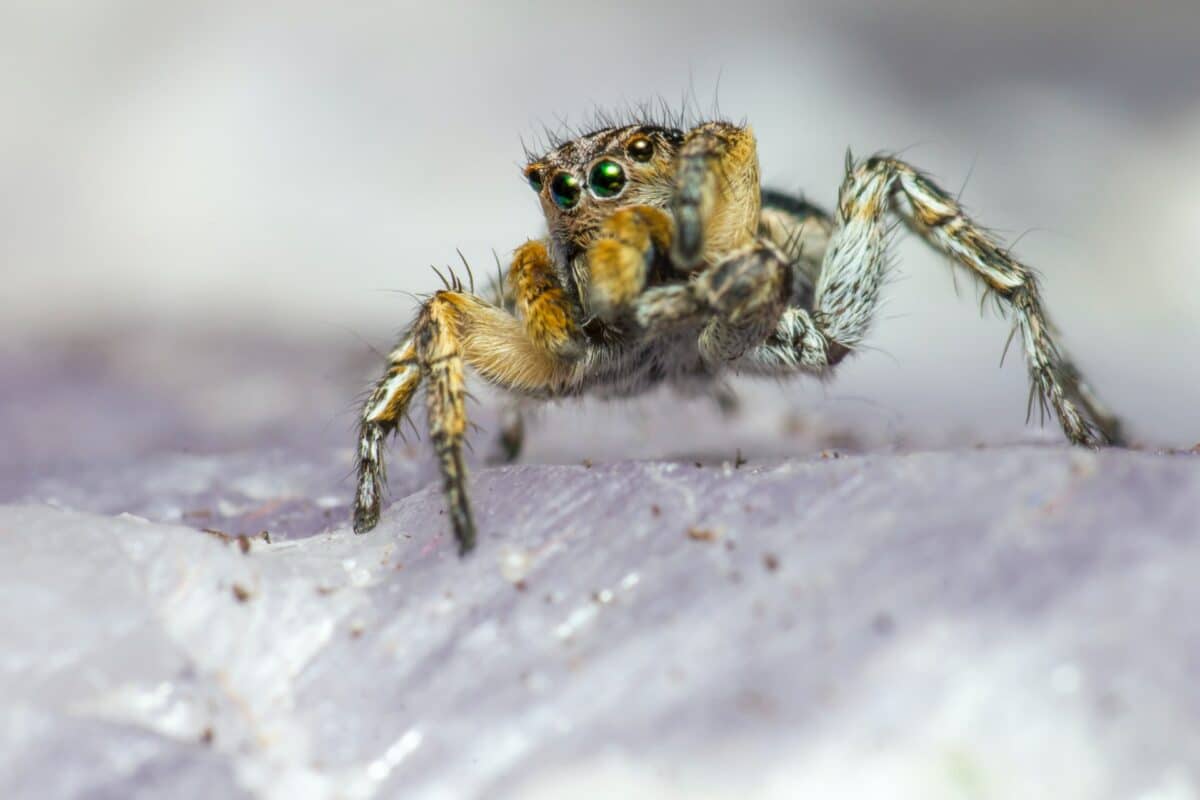
Jumping spiders might startle you with their sudden movements and seemingly intelligent behavior. These small spiders (typically under 1/2 inch) possess remarkable vision with their large front-facing eyes and can leap distances up to 50 times their body length. Their ability to jump quickly and seemingly stare at humans can be unnerving for those with arachnophobia, especially when they appear to track your movements.
Yet jumping spiders are among the most harmless and even charming arachnids. Scientists consider them among the most intelligent spiders, capable of complex hunting strategies and even “planning” their routes. Their venom is designed for tiny prey and poses virtually no threat to humans. Many spider enthusiasts keep jumping spiders as pets due to their curious nature and entertaining behaviors. Their fuzzy appearance and expressive “faces” have even earned them a following on social media as the “puppies of the spider world.”
Orb Weavers The Architects of the Spider World
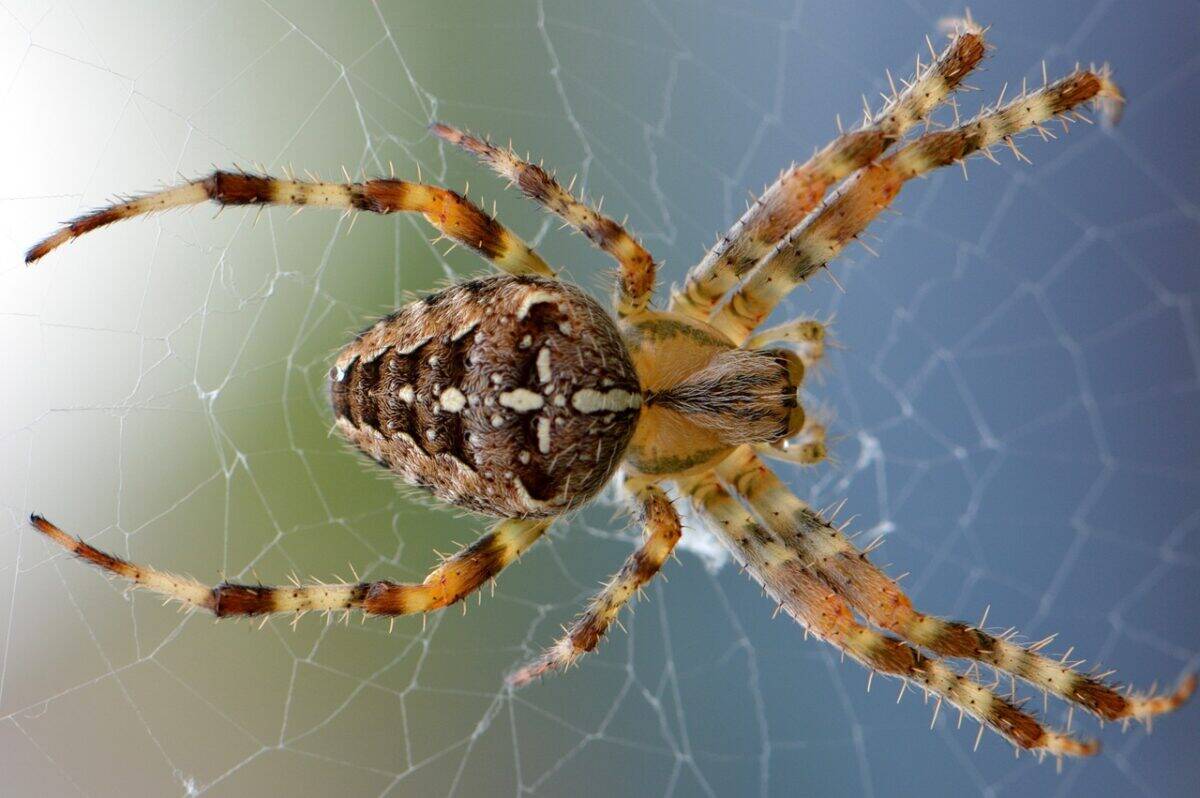
Orb weavers comprise a diverse family of spiders known for their impressive circular webs that can span several feet. Species like the garden orb weaver, golden orb weaver, and barn spider can grow quite large, with some tropical species reaching leg spans of several inches. Their often colorful, patterned abdomens can be bulbous and intimidating, especially when these spiders are suspended at face level on their webs between trees or buildings.
Despite their sometimes alarming appearance, orb weavers are incredibly docile spiders that rarely bite humans. Their venom is designed for small insects and has minimal effect on people, causing at most mild, short-lived discomfort. These spiders serve as important pest controllers, with a single orb weaver capable of catching hundreds of insects in its web over its lifetime. Many gardeners actively encourage orb weavers to take up residence in their gardens as a natural form of pest management. Their spectacular webs also serve as natural works of art that showcase the engineering capabilities of these small architects.
The Misidentified Menace Cellar Spiders
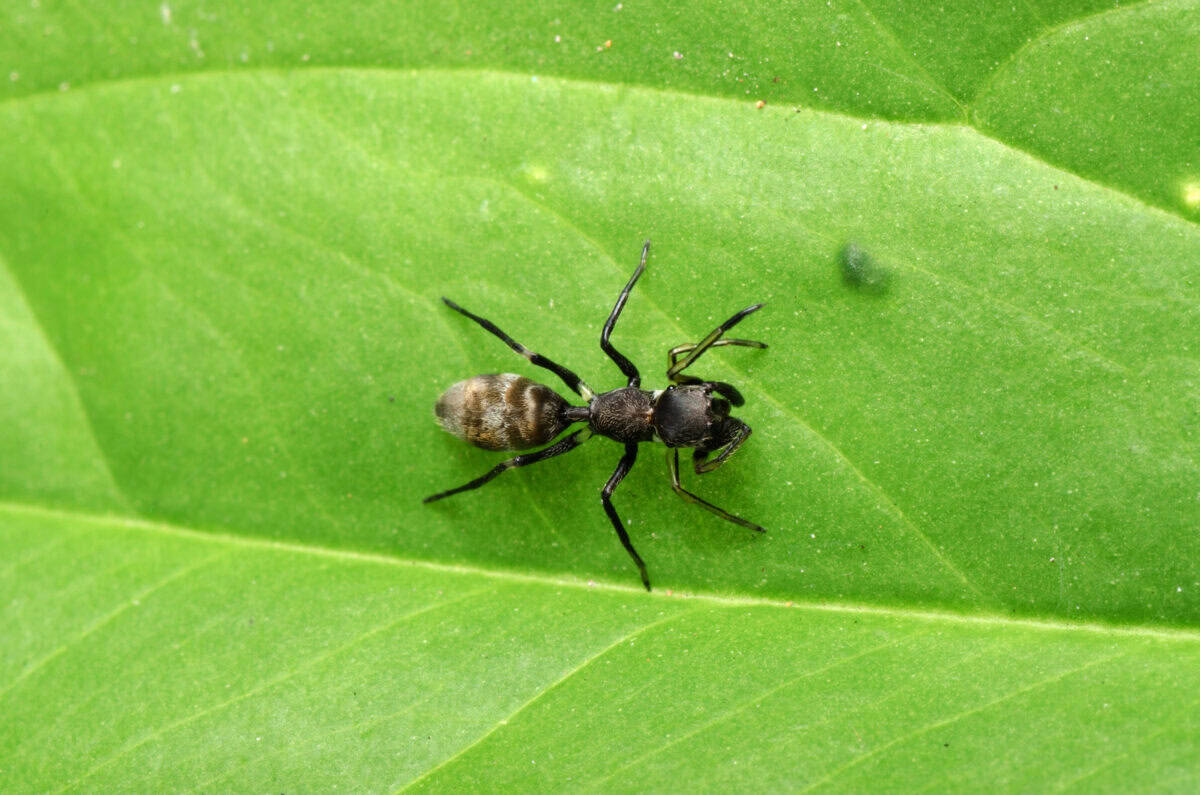
Cellar spiders, commonly known as “daddy longlegs” (though this name is shared with harvestmen, which aren’t true spiders), feature extraordinarily long, thin legs attached to small bodies. They’re often found in dark corners of basements, garages, and crawl spaces, creating messy cobwebs. An urban legend claims they possess the world’s most potent venom but can’t bite humans due to their small fangs—a completely false notion that has unfortunately enhanced their fearsome reputation.
In reality, cellar spiders are among the most harmless arachnids you can encounter. Their venom is mild and designed for tiny prey, not humans. These beneficial creatures actually hunt and kill other spiders, including potentially dangerous ones like black widows. Their messy webs serve as efficient traps for mosquitoes, flies, and other household pests. Rather than being feared, cellar spiders should be appreciated as free pest control assistants that pose absolutely no threat to humans or pets.
Tarantulas Gentle Giants with a Fearsome Reputation

Perhaps no spider has a worse reputation than the tarantula. These large, hairy spiders have been featured in countless horror movies and Halloween decorations. Some species can have leg spans exceeding 10 inches, and their bulky bodies covered in thick hair give them an undeniably intimidating appearance. Adding to their fearsome reputation, some species can flick irritating hairs when threatened or display threatening postures by rearing up on their hind legs.
Despite their monstrous portrayal in popular culture, most tarantulas are surprisingly docile creatures that prefer to retreat rather than confront threats. While they can bite if severely provoked, the venom of most species is comparable to a bee sting in intensity. Many species have been kept as pets for decades due to their gentle nature and longevity, with females of some species living up to 30 years in captivity. Tarantulas move slowly and deliberately most of the time, making them easy to avoid. Their reluctance to bite, combined with their relatively mild venom, makes them far less dangerous than their reputation suggests.
Dark Fishing Spider The Water’s Edge Giant

The dark fishing spider (Dolomedes tenebrosus) can cause quite a stir when encountered. With a leg span reaching up to 3 inches, these spiders are among the largest in North America. Their mottled brown and black coloration gives them a somewhat sinister appearance, and they’re often found near water bodies or in damp basements. Their ability to run across water surfaces and even dive underneath adds to their seemingly supernatural abilities that can frighten observers.
However, fishing spiders are shy, non-aggressive creatures that primarily hunt aquatic insects and occasionally small fish or tadpoles. Despite their imposing size, they rarely bite humans unless directly handled or trapped against skin. Their venom causes only mild, localized pain and swelling that typically resolves within 24 hours. These fascinating spiders serve important ecological roles in controlling insect populations around ponds, streams, and wetlands. Their remarkable adaptations for semi-aquatic life make them marvels of evolution rather than creatures to be feared.
Crab Spiders Masters of Camouflage
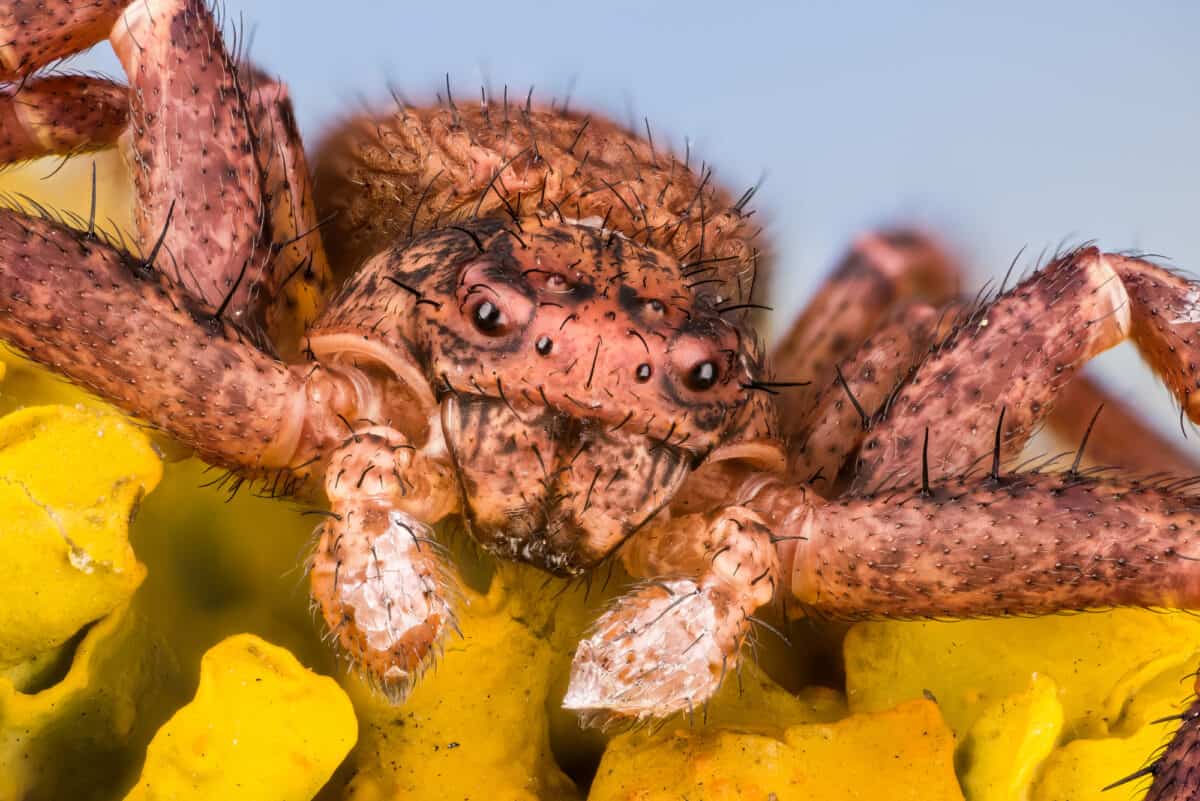
Crab spiders get their name from their crab-like appearance and sideways walking style. With front legs extended like pincers and often vibrant colors that can change to match their surroundings, these ambush predators can look quite menacing up close. Some species, like the giant crab spider (Olios giganteus), can reach impressive sizes with leg spans exceeding 2 inches. Their ability to hide in plain sight and suddenly appear on flowers or foliage often leads to startling encounters.
Despite their somewhat threatening posture, crab spiders are harmless to humans. Their venom is designed to paralyze small insects, not to defend against large mammals like humans. These patient hunters play important roles in garden ecosystems by controlling pest populations. Their remarkable ability to change colors over several days to match their surroundings—shifting between white, yellow, pink, or green depending on the flower they inhabit—makes them fascinating subjects for nature observation rather than causes for concern.
The St. Andrew’s Cross Spider Nature’s Warning Sign

The St. Andrew’s Cross spider (Argiope keyserlingi) creates one of the most distinctive web patterns in the spider world—a zigzag silk structure called a stabilimentum that forms an X-shape in the web. With striking yellow and black markings on their abdomens and legs that can span over 2 inches, these large orb weavers certainly command attention. Their habit of sitting in the center of their webs with legs arranged in an X-pattern enhances their intimidating appearance, especially when their webs are built at face height across garden paths.
Despite their bold warning coloration and impressive size, St. Andrew’s Cross spiders are completely harmless to humans. Their venom is designed for small insects and has minimal effect on people. These non-aggressive spiders will rapidly retreat if their web is disturbed. The distinctive zigzag pattern in their web may actually serve to prevent birds from flying through and destroying their webs, or possibly to attract certain insects. Gardeners often welcome these efficient pest controllers that help manage flies, mosquitoes, and agricultural pests without causing any harm to people or pets.
Spiny Orb Weavers The Living Halloween Decorations
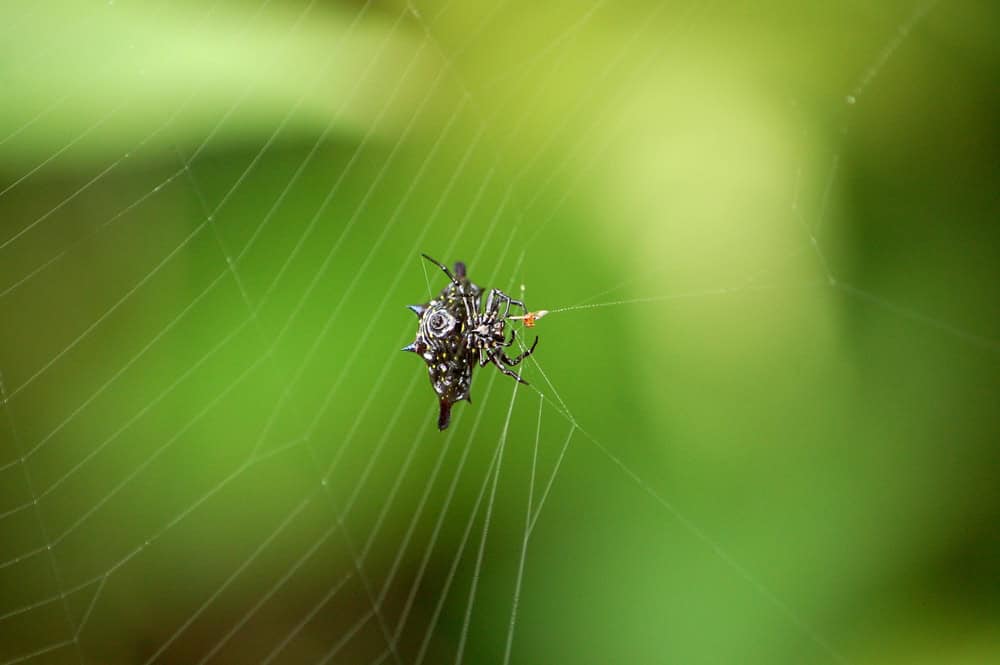
Spiny orb weavers (Gasteracantha species) look like something from an alien world with their hard, shell-like abdomens adorned with sharp spines and often bright warning colors like red, yellow, white, or orange against black. These distinctive spiders appear almost artificial, resembling living Halloween decorations or tiny crabs more than typical spiders. Their unusual shape can be alarming when first encountered, particularly because their spines give them an aggressive, dangerous appearance.
Despite looking like miniature medieval weapons, spiny orb weavers are completely harmless to humans. Their spines are defensive adaptations against predators rather than offensive weapons. These small spiders (typically under 1/2 inch in body length) cannot pierce human skin with their spines, and their venom is designed for tiny insect prey. They’re non-aggressive web-builders that stay in their orb webs rather than wandering. Many gardeners consider them beneficial and even decorative additions to gardens, as their distinctive appearance makes them interesting specimens to observe while they help control flying insect populations.
The Bold Jumper Small but Startling

The bold jumping spider (Phidippus audax) is aptly named for its fearless behavior. With a distinctive black body adorned with white or orange spots and iridescent green or blue chelicerae (jaws), these small but stocky spiders can appear quite intimidating when they suddenly leap or stare directly at observers with their large frontal eyes. Their ability to jump distances many times their body length and their direct approach to investigating humans can make even calm individuals flinch.
Despite their “bold” nature and sometimes startling movements, these small predators (typically under 1/2 inch) are completely harmless to humans. Their venom is designed for small prey and causes only minor, short-lived discomfort in the rare event of a bite. Bold jumpers are actually beneficial predators that hunt various household and garden pests including flies, crickets, and even other spiders. Their intelligence, curiosity, and seemingly expressive “faces” have made them popular subjects for spider enthusiasts and photographers. Many people who begin learning about these charming arachnids find their fear of spiders diminishing as they observe the bold jumper’s almost pet-like behaviors.
The Woodlouse Hunter The Cave-Dwelling Oddity
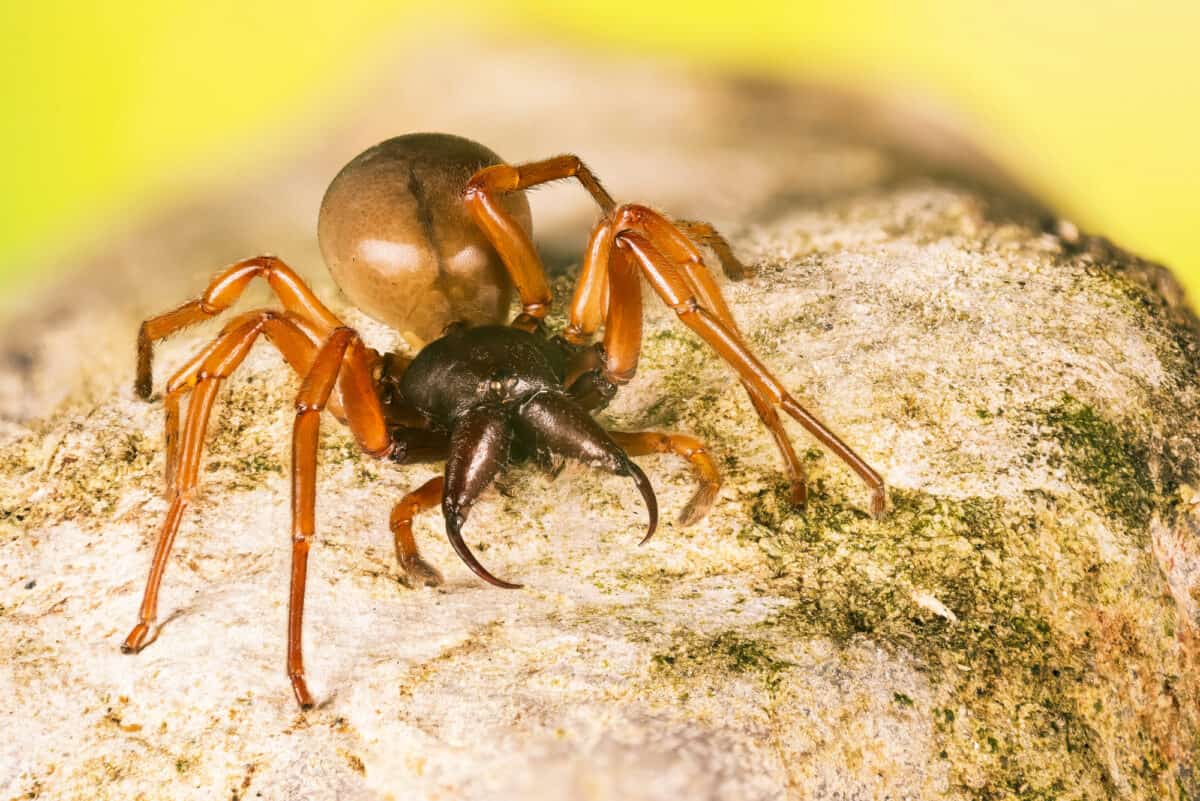
The woodlouse hunter spider (Dysdera crocata) possesses an alarming appearance with its reddish-orange cephalothorax, cream-colored abdomen, and disproportionately large, forward-projecting fangs that appear designed for serious damage. These spiders are commonly found in dark, damp places like basements, under rocks, or in rotting logs. Their specialized mouthparts and reddish coloration give them an aggressive, venomous appearance that often results in misidentification as dangerous spiders.
Despite their threatening appearance, woodlouse hunters are specialized predators of pill bugs and sowbugs (woodlice) and pose virtually no threat to humans. While their large fangs can technically penetrate human skin if the spider is mishandled, their venom causes only mild, localized pain similar to a bee sting with no lasting effects. These beneficial spiders help control populations of common household and garden isopods that can damage young plants and stored foods. Their unique appearance actually represents a specialized adaptation for preying on hard-shelled woodlice rather than an indication of danger to humans.
The False Widow Unfairly Maligned Cousin
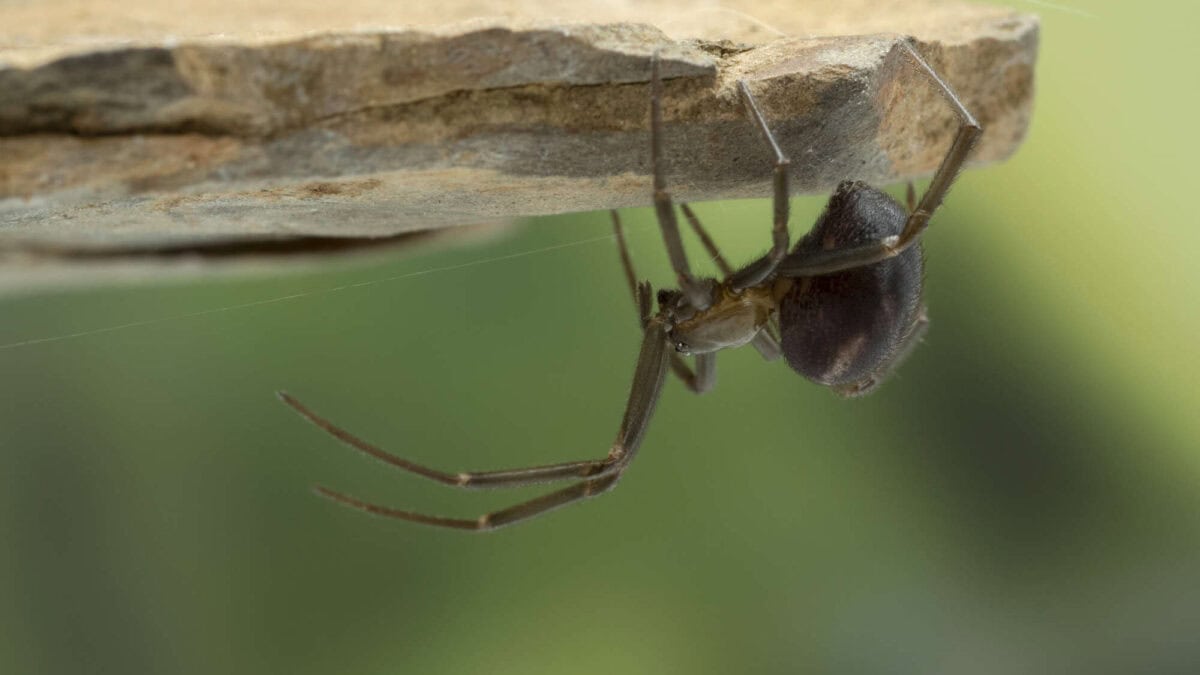
The false widow spider (Steatoda species) bears an unfortunate resemblance to the genuinely dangerous black widow, with a similar bulbous abdomen and dark coloration. The common false widow (Steatoda grossa) in particular is often mistaken for its more dangerous relative, leading to widespread fear and often unnecessary pest control treatments. Media reports frequently exaggerate the danger of these spiders, calling them “deadly” or “flesh-eating” despite scientific evidence to the contrary.
In reality, false widows are much less dangerous than their reputation suggests. While they can bite defensively if pressed against skin, their venom typically causes only mild pain, localized swelling, and occasionally minor systemic symptoms like headache or nausea that resolve within 24 hours. No deaths have been attributed to false widow bites, and serious reactions are extremely rare. These spiders prefer to retreat rather than bite and only do so when threatened. False widows actually benefit humans by controlling pest insects in and around homes, including flies, mosquitoes, and moths. Their undeserved fearsome reputation has led to needless killing of these beneficial arachnids.
Rabid Wolf Spider Ferocious Name, Gentle Nature

The rabid wolf spider (Rabidosa rabida) has perhaps one of the most unfortunate names in the arachnid world, suggesting aggression and disease despite possessing neither quality. These relatively large spiders, reaching about an inch in body length, are common in gardens and grasslands across North America. Their striped pattern, rapid movements, and tendency to carry their numerous offspring on their backs can make them appear particularly threatening to those unfamiliar with them.
Despite their intimidating name and appearance, rabid wolf spiders are beneficial predators that help control agricultural and garden pests. They don’t carry rabies (no spider can transmit this virus) or any disease harmful to humans. While they can bite defensively if handled roughly, their venom typically causes only minor, short-lived pain and swelling. These spiders are actually attentive mothers, carrying their egg sacs attached to their spinnerets until the spiderlings hatch, then carrying the babies on their backs for several days. This maternal behavior, rather than being frightening, represents one of the more fascinating aspects of spider behavior that demonstrates their complex life cycles.
Conclusion:

While their appearance may send shivers down your spine, many of the world’s most intimidating-looking spiders are completely harmless to humans. From the spiny-backed orb-weaver to the giant house spider, these creatures rely on their eerie looks as defense—not aggression. Despite their size, speed, or unusual markings, most of these spiders play important roles in controlling pest populations and maintaining ecological balance.
Understanding the difference between fear and fact is key to coexisting peacefully with these misunderstood arachnids. Instead of reacting with panic, we can learn to appreciate their unique beauty and ecological value. By recognizing which spiders pose no real threat, we reduce unnecessary harm to these beneficial creatures and gain a deeper respect for the incredible diversity of life—even the eight-legged kind.
Worried about unexpected vet bills?
Pet insurance can cover thousands in unexpected vet costs. Get a free quote from Lemonade in under 2 minutes.
Get My Free Quote →Sponsored · Opens Lemonade.com

As a little kid, I fell in love with nature, wildlife, and animals. Living in the USA, South Africa, Italy, China and Germany gave me the opportunity to discover the world's Wildlife. My favorite animals are Mountain Gorillas, Siberian Tigers, and Great White Sharks.
I'm a certified PADI Open Water Diver, went to Everest Base Camp and Trekked Gorillas in Uganda. I hold a Master of Science in Economics and Finance.
Please send any feedback to feedback@animalsaroundtheglobe.com
- The Impact of Hurricanes on Coastal Ecosystems and Wildlife - June 11, 2026
- 10 Incredible Ways Animals Defend Themselves From Predators - June 11, 2026
- 10 Hedgehog Breeds and How to Tell Them Apart - June 11, 2026