
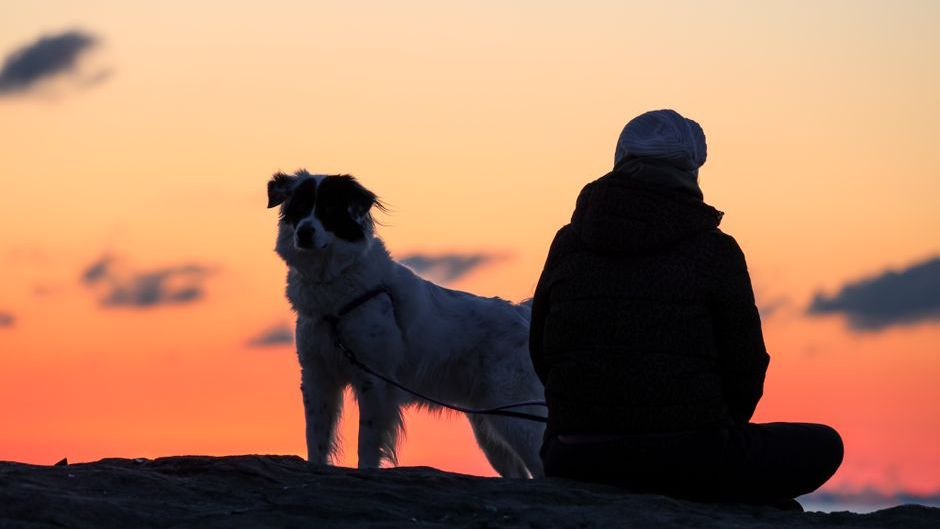
You walk through the door after a long day, and your dog barely lifts its head. No leaping, no spinning, no frantic tail. Just a slow blink and a quiet exhale from the corner of the room. And somewhere in the back of your mind, a small, sad thought surfaces: Does my dog even know who I am anymore? The answer is yes – almost certainly yes – and the proof has been there the whole time. You just haven’t known what to look for.
Canine memory for the people they love runs so much deeper than a wagging tail at the front door. Dogs carry you with them in ways most owners never notice – in the way they position their bodies, in the sounds they make when you leave a room, in which spot on the couch they refuse to sit until you do. What follows are 16 of those quiet, easily-missed signals, and some of them will completely change the way you read your dog’s behavior on the days it seems like they’ve checked out entirely.
#1 – Years-Later Recognition Without Reintroduction
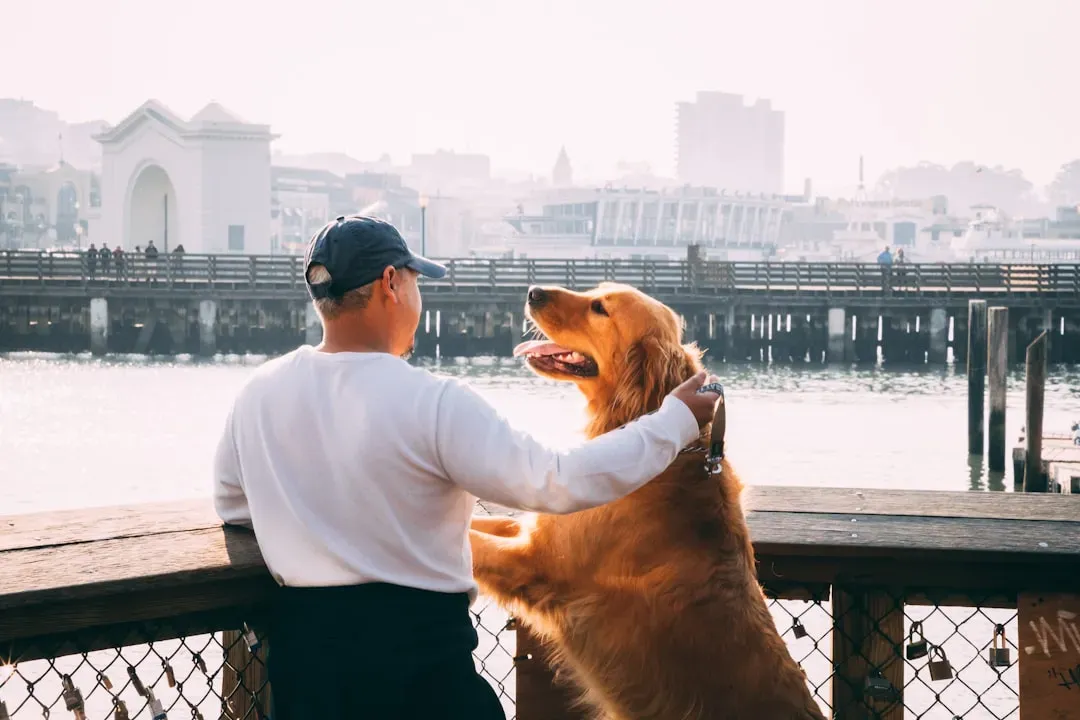
This is the one that silences every skeptic. Dogs who are reunited with owners after years of separation – sometimes two, three, even five years apart – don’t need a warm-up period. They don’t sniff cautiously like they would a stranger. They react with an immediacy that’s almost electric: a full-body recognition that bypasses any need for reintroduction, as if no time passed at all. It’s not a trick. It’s memory working exactly the way it was designed to.
Canine cognition research confirms that dogs store individual human recognition through a combination of scent, voice, and routine cues that can remain intact for years without reinforcement. This isn’t the same as a dog remembering where it buried a bone. This is emotional, identity-level memory – the kind that doesn’t erode just because daily life gets busy or a few weeks go by without deep connection. If your dog seems distant on an ordinary Tuesday, this is the fact worth holding onto.
Fast Facts
- Dogs possess over 200 million scent receptors in their noses – compared to about 6 million in humans.
- A dog’s olfactory bulb is proportionally 40 times larger than ours, wired directly to the brain’s memory and emotion centers.
- 33% of a dog’s brain is devoted to processing odors, versus just 5% in humans.
- Documented reunions show dogs recognizing owners after separations of 3, 5, and even 10+ years.
- Dogs use scent, voice, and facial cues simultaneously to form a multi-sensory imprint of the people they love.
#2 – Specific Greeting Rituals After Settling
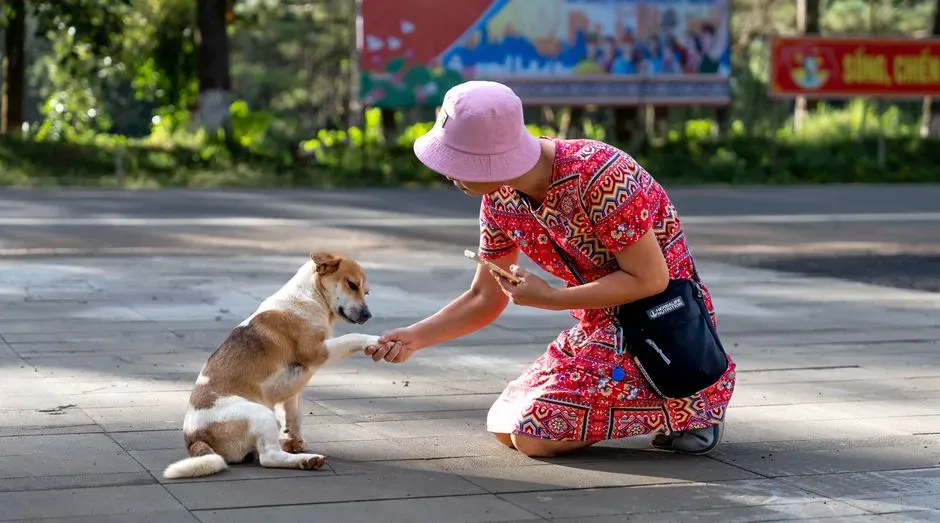
The greeting you notice first isn’t always the most meaningful one. The real one often comes ten or twenty minutes later, once the noise of the day has settled – a particular nuzzle against the side of your knee, a specific paw placement on your foot, a way of pressing their forehead into your hand that they don’t do with anyone else in the house. These are personalized rituals, and they don’t happen by accident. They’ve been rehearsed through hundreds of shared moments until they became a private language between you and your dog.
Behavioral observations show that these delayed rituals actually strengthen over time through repetition, becoming more reliable rather than less. The fact that your dog waits until the room is quieter to initiate them isn’t disinterest – it’s the opposite. It’s your dog choosing the moment that feels right to say I see you, I know you, you’re mine. Many owners never receive this signal consciously because they’ve already written the homecoming off as a disappointment. Don’t make that mistake.
#3 – Quiet Preference for Your Scented Clothing
Leave a hoodie on the couch or a worn t-shirt on the floor, and watch what your dog does with it. Not immediately – wait until they think nobody’s watching. More often than not, they’ll choose that fabric over any other resting option in the room. It’s not random. It’s not just about softness or warmth. It’s about you specifically, encoded in every fiber of that fabric in a language your dog reads better than any visual cue you could offer.
Olfactory memory studies consistently show that dogs prioritize owner scents when making resting choices, even when more physically comfortable options are available nearby. Your scent is, for your dog, essentially your presence made tangible. On the days when they seem distant, they may already be closer to you than you realize – nose pressed into your laundry, completely at peace, carrying you with them in the only way available to them right then.
Worth Knowing
- MRI studies show a dog’s caudate nucleus – the brain’s reward center – lights up strongest when they smell their owner’s scent, even without any visual or auditory cues.
- Familiar scents have been shown to reduce cortisol levels and heart rate in dogs separated from their owners.
- Dogs can detect your unique scent on an object days after contact – your worn clothing is essentially a presence they can return to anytime.
- Even if you change clothes, wear perfume, or age over time, your dog can still identify you by your underlying chemical signature.
#4 – Long-Term Toy or Command Associations
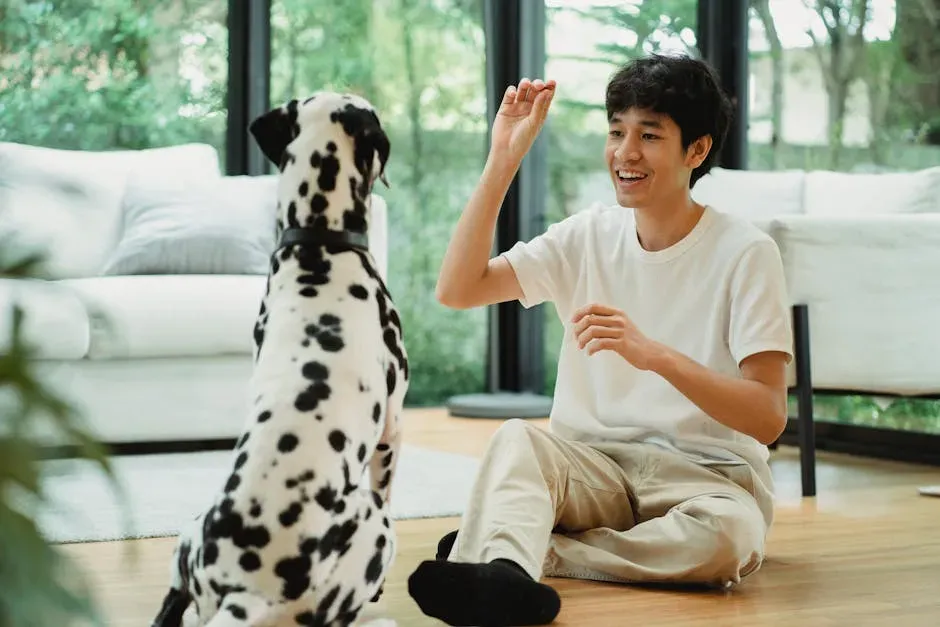
Here’s a strange one. Your dog ignores three commands you’ve been practicing this week, but then out of nowhere responds to an old cue you haven’t used in two years – the one you taught them in your first apartment, or back before you moved cities. They’ll retrieve the exact toy from that era, or freeze into a sit the way you used to ask for it, as if the signal was just sitting in storage waiting for the right frequency to unlock it. That’s not a fluke. That’s deep memory.
Cognition testing has shown that dogs retain trained behaviors and object associations far longer than most owners assume, and that temporary non-responsiveness on a busy or overstimulated day doesn’t erase those stored links. Think of it less like a hard drive that occasionally corrupts and more like a library that’s always intact – some books just need the right prompt to come off the shelf. Your history with your dog is all still in there.
#5 – Spatial Memory of Your Usual Seat
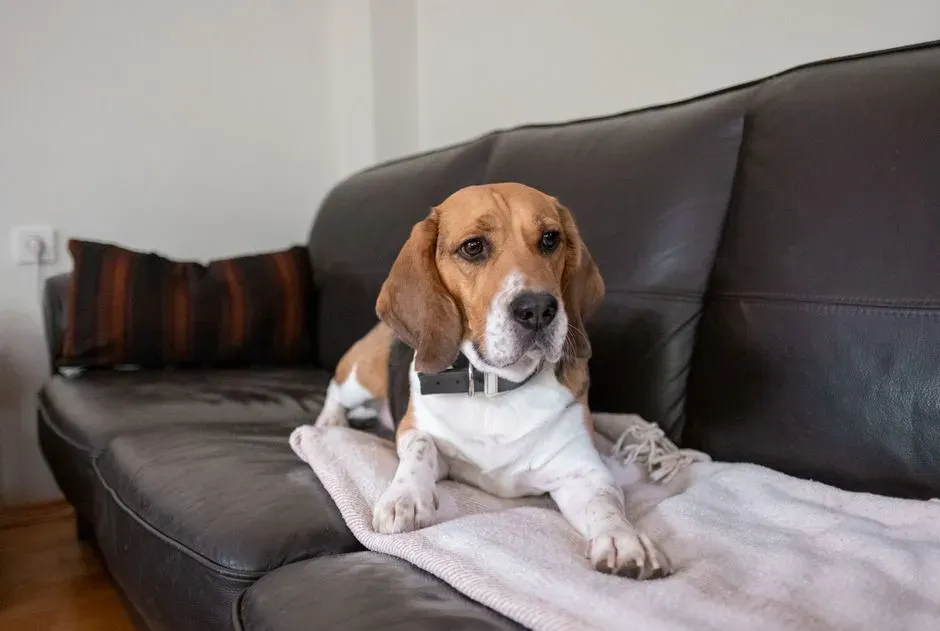
You haven’t sat down yet. You’re still in the kitchen, still wearing your coat. But your dog has already positioned itself in a way that leaves your usual corner of the couch conspicuously clear. They might glance at it. They might circle near it without settling. This isn’t coincidence, and it isn’t just habit on autopilot – it’s your dog holding a space for you based on a mental map of your presence that’s been building since the day they first learned where you like to sit.
Canine spatial cognition research shows strong and persistent owner-linked location memory that operates across different moods and energy levels – meaning it surfaces even on the days when your dog seems completely checked out. No training required. No treat reward driving it. It’s purely the weight of your presence encoded into the geography of your home. Your spot is your spot, and your dog knows it even when you’re not in it.
#6 – Recognition of Family Through Your Scent
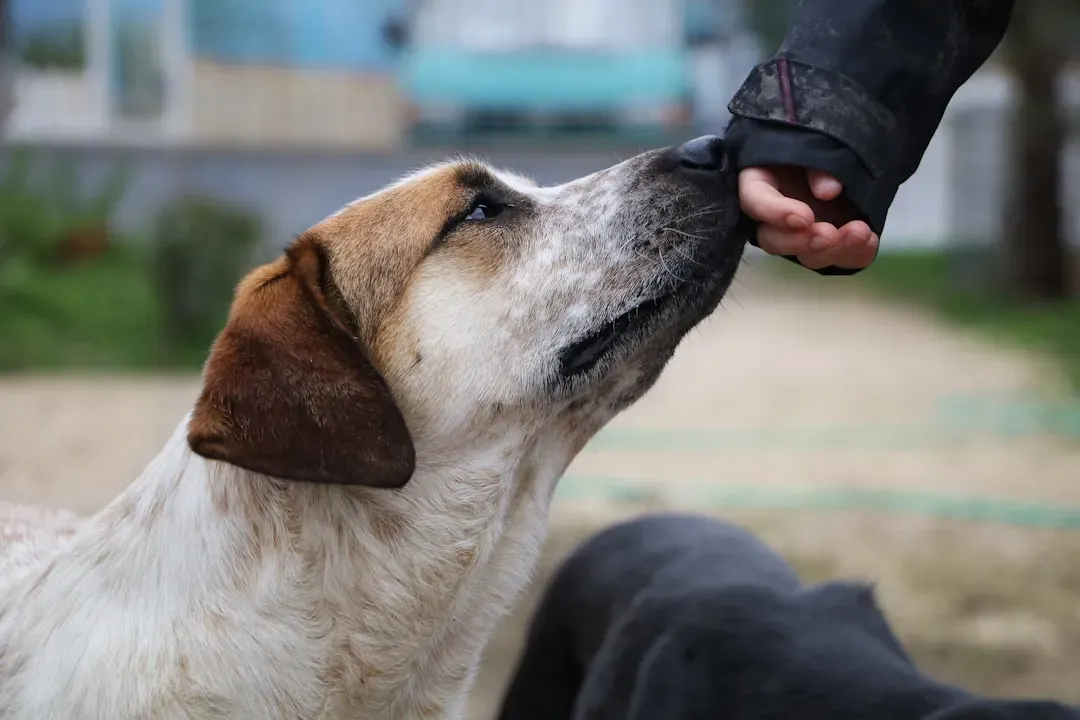
This one is subtle enough that most people never catch it happening. Your dog has just done a quick sniff of you after you walked in – barely perceptible, almost businesslike. Then, a few minutes later, they investigate your partner or your kid with noticeably more attention than usual. They’re not suspicious or anxious. They’re cross-referencing. They’re using your scent as the anchor point to re-orient the rest of the household around you.
Research on dogs in multi-person households confirms they use a primary owner’s scent as a kind of relational compass, contextualizing everyone else in the home relative to that central figure. The chain reaction – sniff you, then check the others – reveals a layered memory structure that ties the whole family together through you. It’s a level of social mapping most people would never attribute to a creature who also eats things they find on the sidewalk. And yet, there it is.
#7 – Association With Shared Care Moments
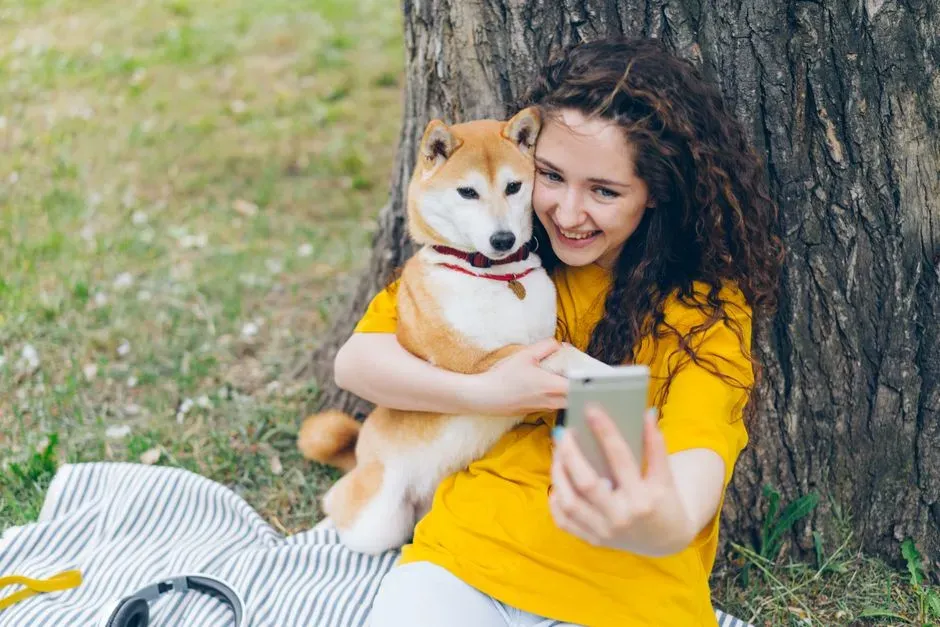
On quiet afternoons, when your dog seems to be doing absolutely nothing, notice where they drift. If there’s a specific corner of the bathroom where you used to towel them dry after baths, or a spot in the hallway near where you give their medication, or a mat in the kitchen where they’d wait during your cooking routine – those locations carry memory. Your dog isn’t wandering. They’re retracing the geography of your care.
Memory retention in dogs extends to both positive and neutral care events, stored long-term without needing constant reinforcement. The fact that your dog gravitates toward these spots independently – without any prompt from you – is evidence that the nurturing you’ve provided has left a lasting physical impression on how they move through your shared space. Even the ordinary moments of care, the ones that felt forgettable to you, got filed away on their end.
#8 – Emotional Mirroring of Your Mood
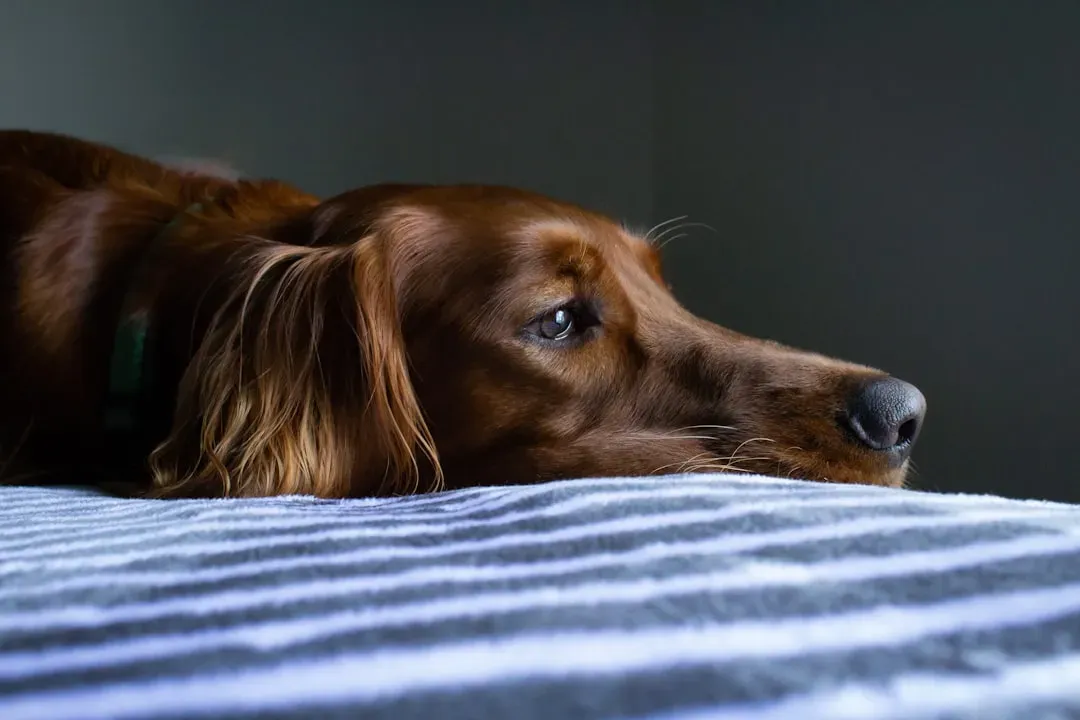
You’ve had a rough day. You’re not saying anything, not crying, not doing anything outwardly dramatic – you’ve just settled onto the couch with the quiet, deflated posture of someone who’s been wrung out. And within a few minutes, without being called over, your dog comes and presses against you. Not excitedly. Slowly. Matching your energy with an almost eerie precision, as if they turned down their own volume to meet yours. People chalk this up to instinct. It’s actually memory.
Dogs read and store human emotional states across repeated exposures, building an emotional profile of their owners over months and years of close observation. What looks like a coincidental cuddle is your dog pulling from a long history of knowing what your body language means and what response fits. They’ve seen this version of you before, and they know what you need. That’s not generic empathy. That’s you, specifically, remembered and responded to.
The dog has seldom been successful in pulling man up to its level of sagacity, but man has frequently dragged the dog down to his.
James Thurber
#9 – Unique Vocal Responses to Your Absence
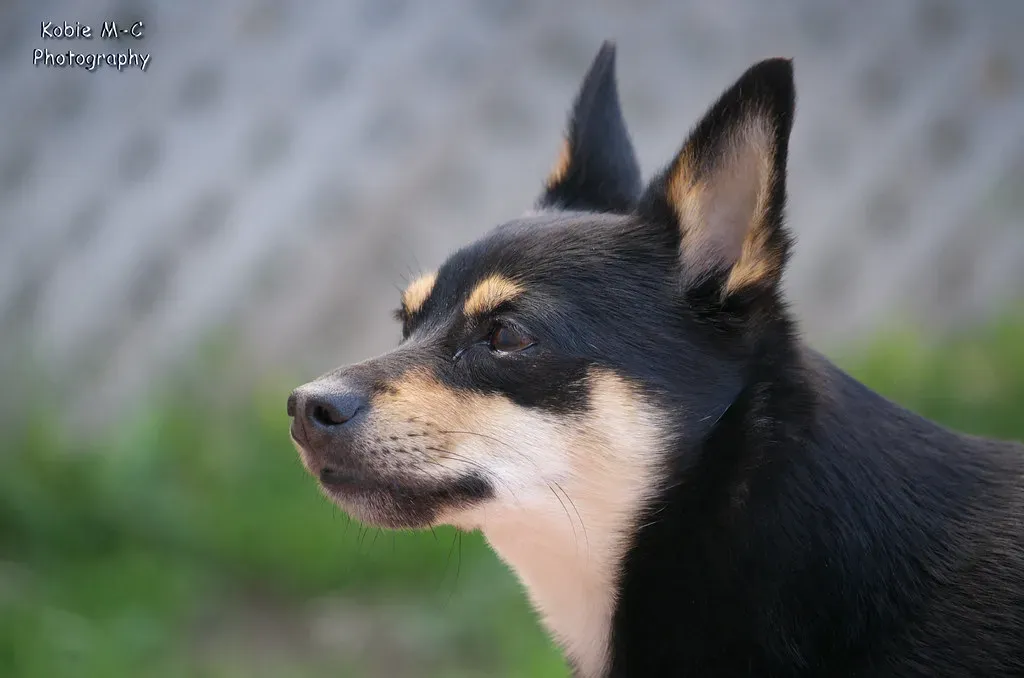
You’ve stepped into another room. You haven’t left the house, haven’t been gone for more than a minute. But from the other side of the wall comes a sound – not a bark, not a whimper of panic, but something softer and more specific. A single sigh. A quiet, low vocalization that isn’t quite a whine. It’s not separation anxiety. It’s acknowledgment. Your dog noticed the shift in your location and responded to it with a sound reserved specifically for that awareness.
Canine vocalization studies have linked these softer, context-specific sounds to individual human memory rather than general distress responses. The timing matters – these calls often emerge later in the day, after the initial energy of your arrival has settled, precisely when the recognition has moved from the surface down into something quieter and more durable. It’s your dog marking your absence the way you might notice a particular silence in a room when someone you love has just left it.
At a Glance: How Dogs Remember You
- Scent: Your unique chemical signature is stored like a fingerprint – retrievable years after separation.
- Voice: Dogs process your voice in dedicated brain regions and distinguish it from strangers, even through background noise.
- Face: A 2020 study in Animal Cognition confirmed dogs can recognize their owners from photographs alone.
- Emotion: Dogs build a long-term emotional profile of you through repeated, close observation over months and years.
- Routine: Experts describe strong episodic-like memory formation around owner schedules and daily habits.
#10 – Protective Stance Near Your Items
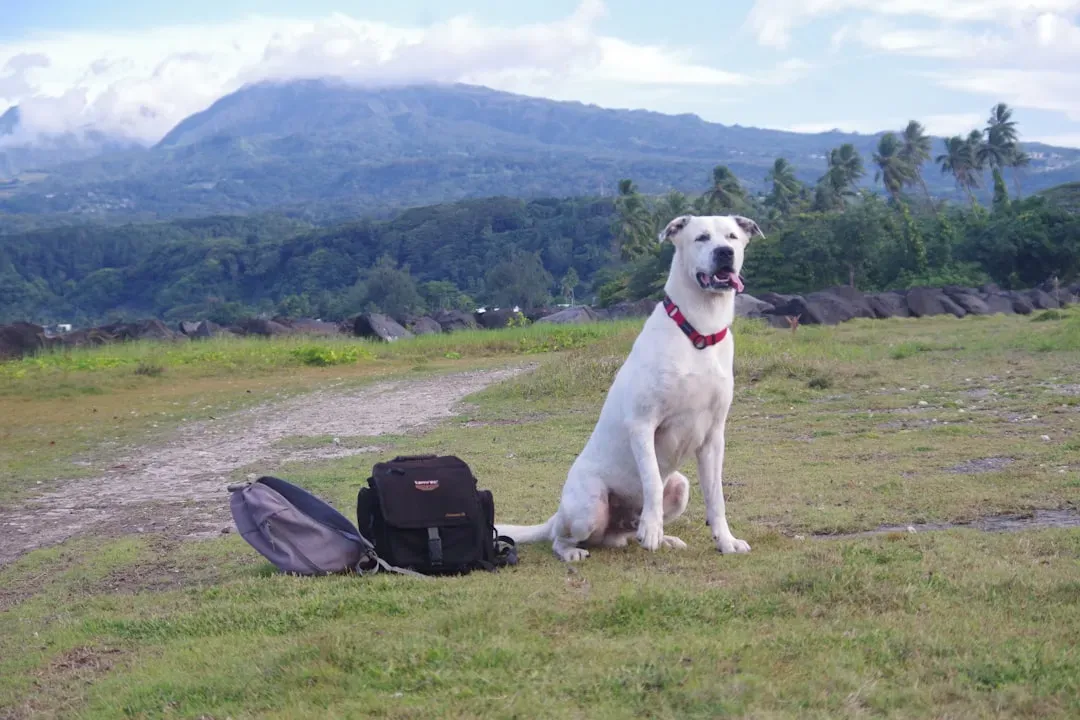
A visitor comes in. Your dog has barely acknowledged you all afternoon – no fuss, no following, seemingly indifferent. But the moment that visitor moves toward your desk, your bag, your side of the bed, something shifts. Your dog repositions. Not aggressively, not dramatically, but deliberately – placing themselves between your belongings and the person who doesn’t belong to them. No command was given. No treat was offered. The protection activated on its own.
Behavioral observation confirms that dogs form lasting guardianship associations with owner-scented objects, and that this protective memory link operates independently of direct instruction or immediate interaction. Your dog may not be performing love in the way you recognize it on a given afternoon, but they are quietly, stubbornly defending the evidence of you. That’s a form of loyalty that doesn’t need eye contact or a wagging tail to communicate itself clearly.
#11 – Delayed but Targeted Following
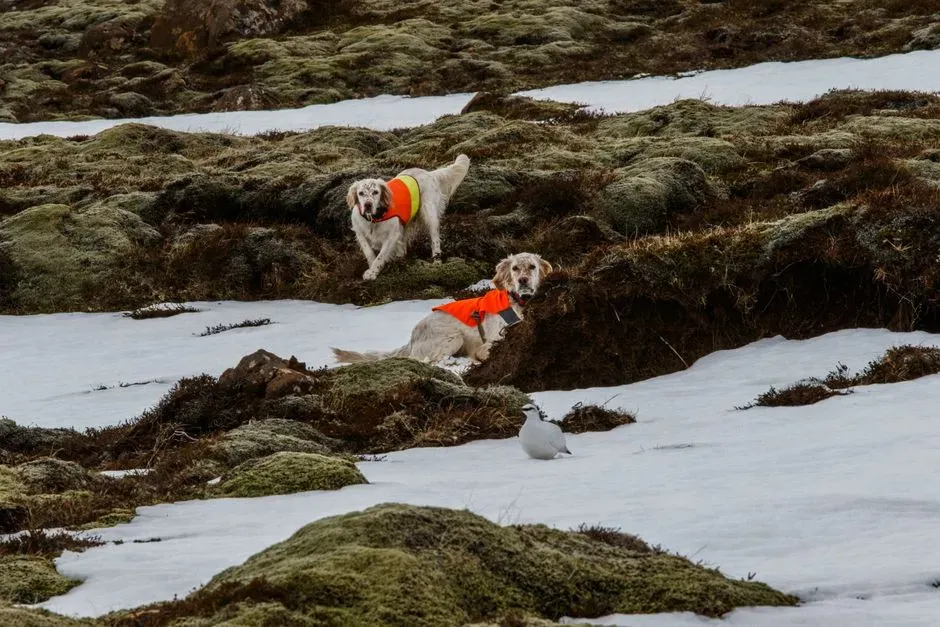
You get up and move to the kitchen. Your dog doesn’t follow. You move to the bedroom – still nothing. But then, ten minutes later, you’re in the home office and you hear the soft padding of paws in the hallway, and there they are in the doorway, settling themselves exactly where you are. They didn’t shadow you. They tracked you. There’s a difference, and it matters: shadowing is reflex, but targeted following requires a mental map of your movement patterns and a decision about where you’d eventually land.
Long-term memory research shows dogs retain strong spatial associations with owners for years, and they activate these maps when energy or mood allows rather than on demand. A dog that follows you to your third location of the afternoon isn’t forgetful – they’re pacing themselves, using stored knowledge of your habits to find you on their own terms. The delay is not indifference. It’s confidence in a map they’ve been building since day one.
#12 – Voice-Specific Ear or Head Tilts
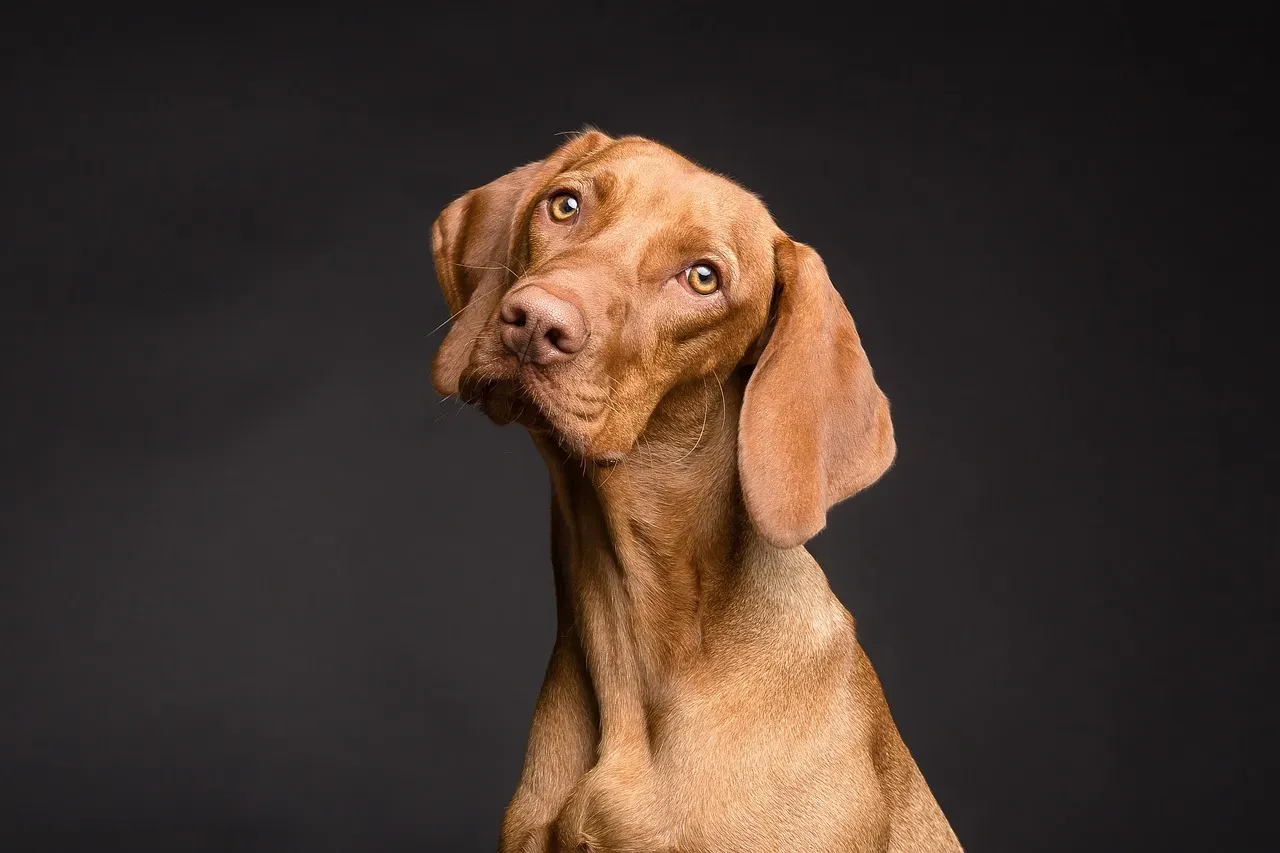
The television is on. Someone else is talking. There’s general noise filling the room. Your dog looks half-asleep. Then you say something – not their name, just a casual remark – and one ear rotates. Or their head tilts at a precise angle, like a satellite dish locking onto a specific frequency. They don’t get up. They don’t fully wake. But that micro-movement happened, and it happened because your voice has its own signature in their memory that cuts through everything else in the room.
Dogs process human voices in dedicated brain regions tied to individual recognition, and the head tilt response signals active processing rather than background noise filtering. The fact that they don’t always follow through with movement doesn’t mean the recognition wasn’t real – it means the recognition was complete without needing to be performed. Your dog heard you, knew you, and filed it away. The tilt was the receipt.
Quick Compare: Tail Wags That Actually Mean Something
| Wag Type | What It Signals |
|---|---|
| Wide, whole-body wag | General excitement – strangers, walks, treats |
| Slow, controlled wag biased to the right | Positive recognition – a beloved, familiar person |
| Wag biased to the left | Uncertainty or mild stress – unfamiliar situations |
| Low, slow, restrained wag | Deep, settled comfort – beyond the need to perform |
Research by neuroscientist Giorgio Vallortigara at the University of Trento confirmed dogs wag to the right when approaching someone they want to be near – like their owner – and to the left when confronted with something they’d rather avoid.
#13 – Selective Toy or Object Retrieval
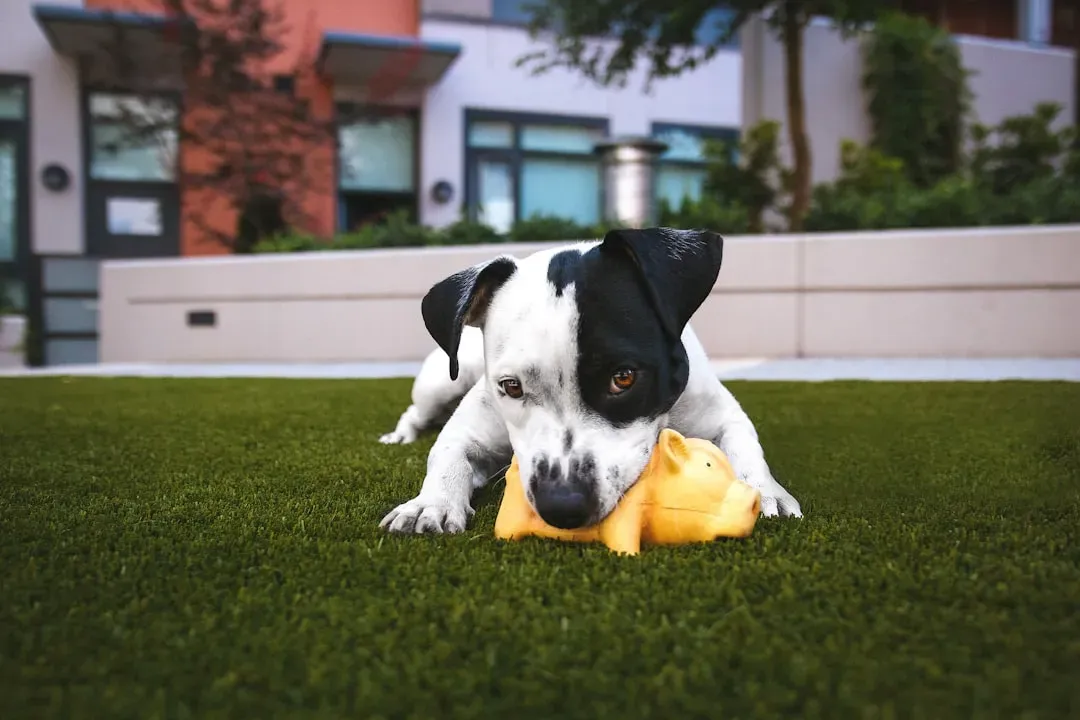
Out of a basket full of toys, your dog drags out the specific one you used to throw for them in the backyard every Saturday morning. They don’t bring it to someone else in the room. They bring it to you, or they simply carry it to where you’re sitting and hold it, not quite asking for play, just… presenting it. Like a small offering. Like a reminder. The choice wasn’t random – that toy lives in a specific memory slot labeled with your name, and they reached for it because you triggered the association just by being present.
Research into canine memory shows dogs categorize objects by owner association, storing these links for months or longer and retrieving them when direct interaction feels appropriate or when they’re processing your presence. The behavior becomes even more telling on the days when your dog seems emotionally distant – the selective retrieval is one of the clearest signs that underneath the quietness, the full catalog of your shared history remains completely intact.
#14 – Distinctive Tail Movement Patterns
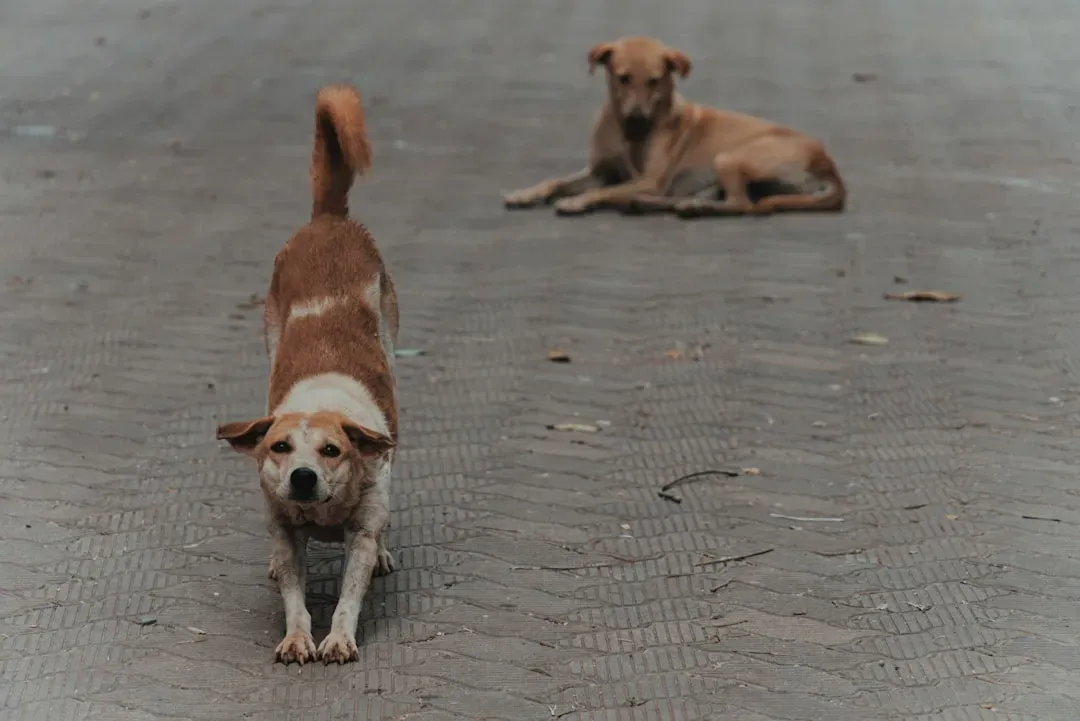
Not all tail wags are the same, and your dog’s body knows the difference even when their brain seems elsewhere. The wide, sweeping, whole-body wag is for excitement – for strangers who give treats, for walks, for anything generically thrilling. But there’s another wag, slower and more controlled, often slightly to the right, that appears specifically when familiar and beloved people enter the space. You might miss it because it lacks the spectacle of a full greeting. That’s exactly why it matters more.
Canine body language research has confirmed that tail movements carry individualized signals shaped by past interactions, and that the restrained, measured wag for known individuals reflects a deeper, more settled form of recognition than the performative excitement reserved for novelty. If your dog gives you the quiet wag on a low-energy day instead of the full display, they haven’t forgotten you. They’ve simply moved past the need to announce you and into the comfort of simply knowing you.
#15 – Routine-Based Positioning
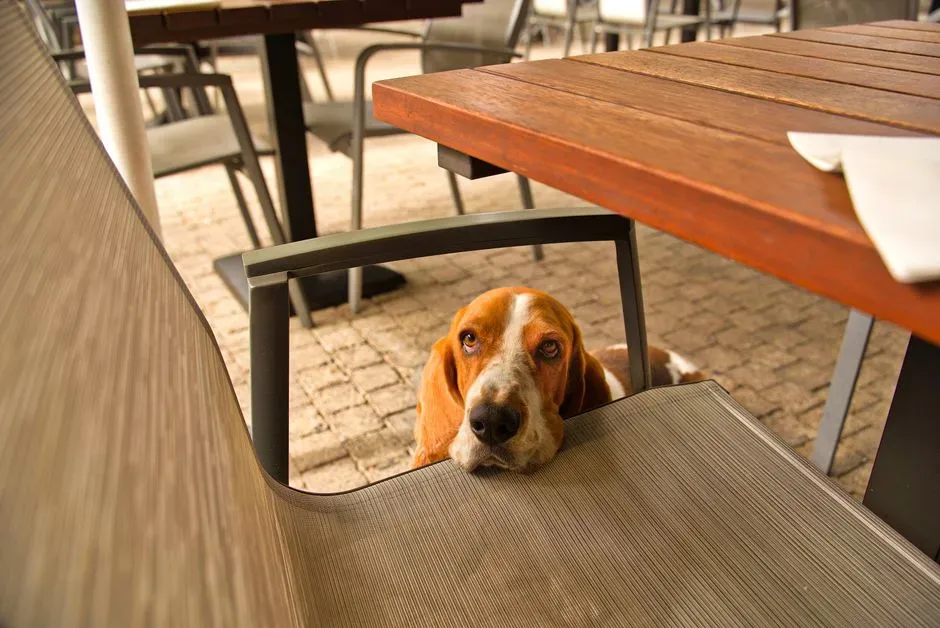
It’s 6 p.m. You haven’t called them, haven’t made a sound. But your dog has migrated to the spot near your chair – the one where you sit to read, or watch the news, or eat dinner – and they’re waiting there before you’ve even decided to go. They’ve internalized your schedule at a level that borders on uncanny. It’s not just habit. It’s a daily act of memory, the dog’s version of setting a place at the table for someone they know is coming.
Experts in canine cognition describe strong episodic memory formation around owner routines, meaning dogs don’t just remember you as a person – they remember the temporal and spatial rhythm of life with you specifically. On the days when they seem to ignore your arrival, this positioning is the tell. They knew you were coming. They prepared for you, in their quiet way, before you even walked through the door. The enthusiasm you didn’t see at the entrance was already spent in the anticipation.
#16 – Subtle Scent Checks on Your Belongings
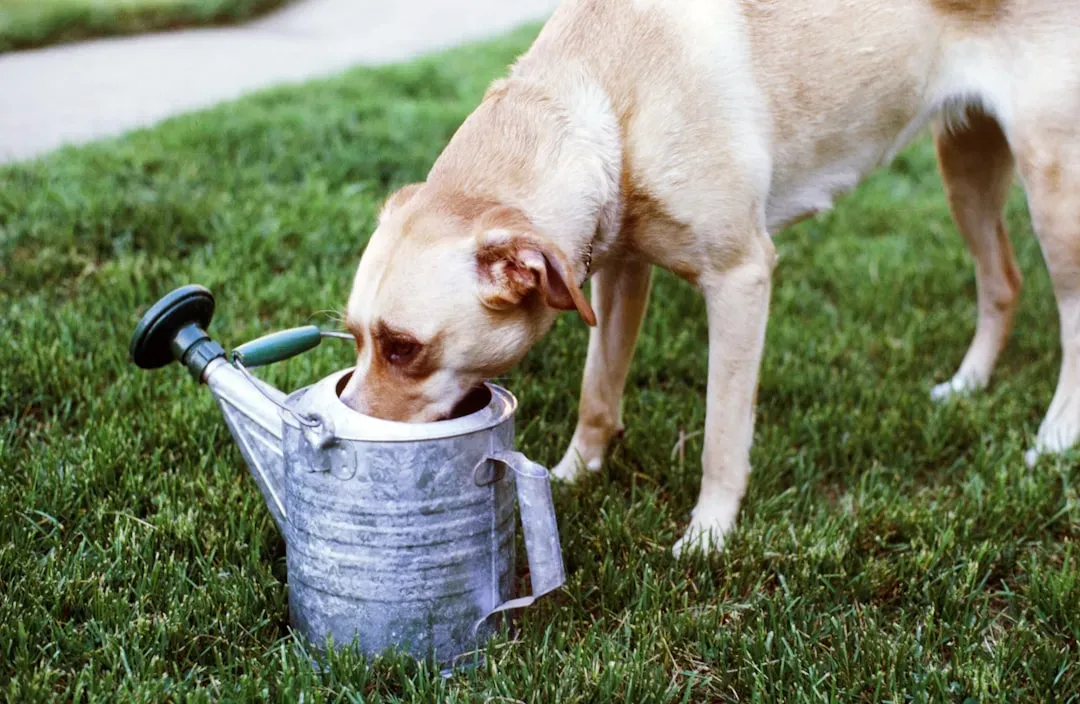
You drop your bag by the door and your dog barely glances up. But twenty minutes later, when the room has settled, they wander over and press their nose into the side of that bag with a focused, methodical intensity. Then the jacket on the hook. Then the shoes. They’re not foraging. They’re reading – collecting a complete picture of where you’ve been, who you’ve been near, what emotional state you were in, all encoded in the scent information you brought home without knowing it.
A dog’s olfactory memory is precise enough to distinguish your unique scent profile from anyone else’s, and research shows they can detect your scent on an object days after contact, processing these cues in brain areas directly linked to emotional bonding rather than simple identification. This is why the sniff check happens even on the days when your dog seems most indifferent to your presence. They’re not ignoring you. They’re already reading you – in a language so sophisticated it makes a glance seem primitive by comparison.
Why It Stands Out: The Science Behind the Sniff
- Dogs sniff in rapid bursts of 3 to 7 inhalations, allowing scent molecules to build in intensity rather than clear with each breath.
- They possess a secondary olfactory organ – Jacobson’s organ – that humans don’t have, dedicated entirely to chemical and social signals.
- In a controlled study, dogs ran straight to their owner over a stranger when neither person spoke, moved, or made eye contact – relying on scent alone.
- Dogs process overlapping scents the way humans separate instruments in music – your bag carries a full story, not just a single note.
The Truth About What Your Dog Carries
Here’s what I genuinely believe after everything we know about canine memory and bonding: the idea that dogs forget their people is one of the most costly misunderstandings in the entire relationship between humans and dogs. It leads owners to push for affection that isn’t needed, to feel hurt by quietness that isn’t rejection, and to miss the real conversation happening just below the surface of every ordinary afternoon.
Your dog is not performing love for you on a schedule. They are holding you – in scent memory, in spatial habit, in ritual, in the specific pitch of their ear when your voice cuts through a noisy room. The days that look like forgetting are often the days the bond is so established it doesn’t need to announce itself anymore. That’s not distance. That’s trust. And honestly, when you think about it, that’s the deepest form of recognition any creature can offer another: the kind that doesn’t need to prove itself every single time.

- 13 Tender Signs a Horse Is Grieving a Rider It Lost - July 28, 2026
- 11 Small Ways a Rescue Horse Shows It Has Finally Let a Human In - July 28, 2026
- 14 Quiet Ways a Horse Keeps Watch Over the Person It Has Claimed - July 28, 2026