

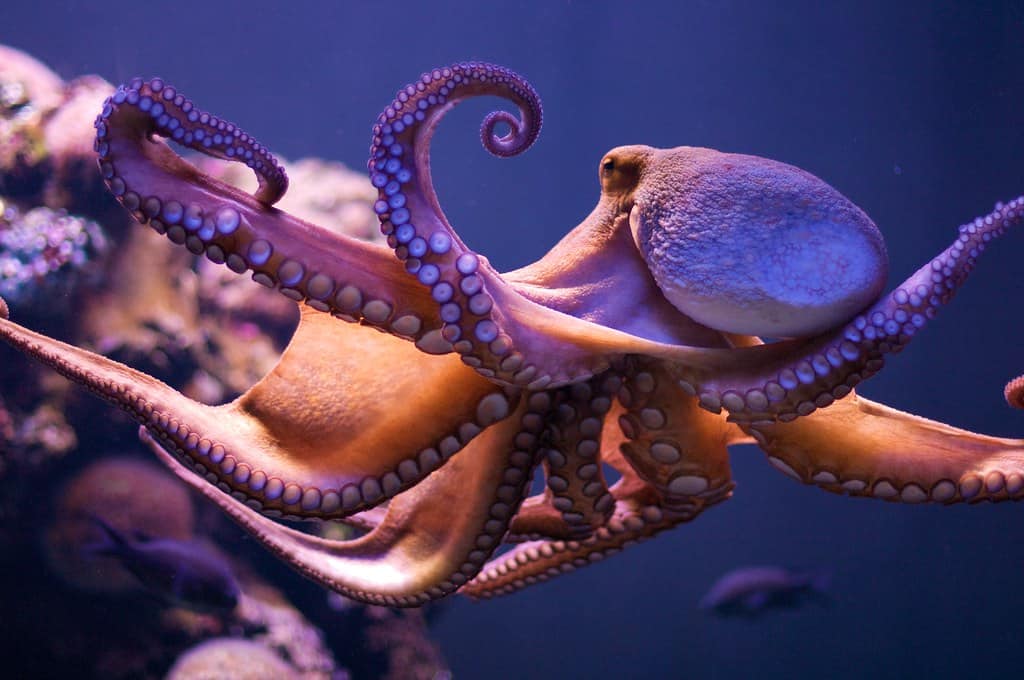
Deep beneath the ocean’s surface lurks one of nature’s most remarkable intellects—the octopus. With their shape-shifting abilities, problem-solving skills, and seemingly calculated escape attempts, octopuses have earned a reputation as the Houdinis of the marine world. These eight-armed invertebrates possess cognitive abilities that rival some vertebrates, despite having evolved along an entirely different evolutionary path. Their intelligence challenges our understanding of what it means to be smart and forces us to reconsider our human-centric view of consciousness. This article explores the fascinating world of octopus intelligence, examining how these remarkable creatures outsmart predators, researchers, and even the most secure aquarium enclosures.
The Evolutionary Marvel of Octopus Intelligence
Octopuses represent an extraordinary case of convergent evolution in intelligence. While mammals developed intelligence through a centralized brain over 500 million years of evolution, octopuses evolved their complex cognitive abilities independently along a completely different evolutionary branch. Our last common ancestor with octopuses was a primitive worm-like creature that lived approximately 750 million years ago, making their intelligence even more remarkable.
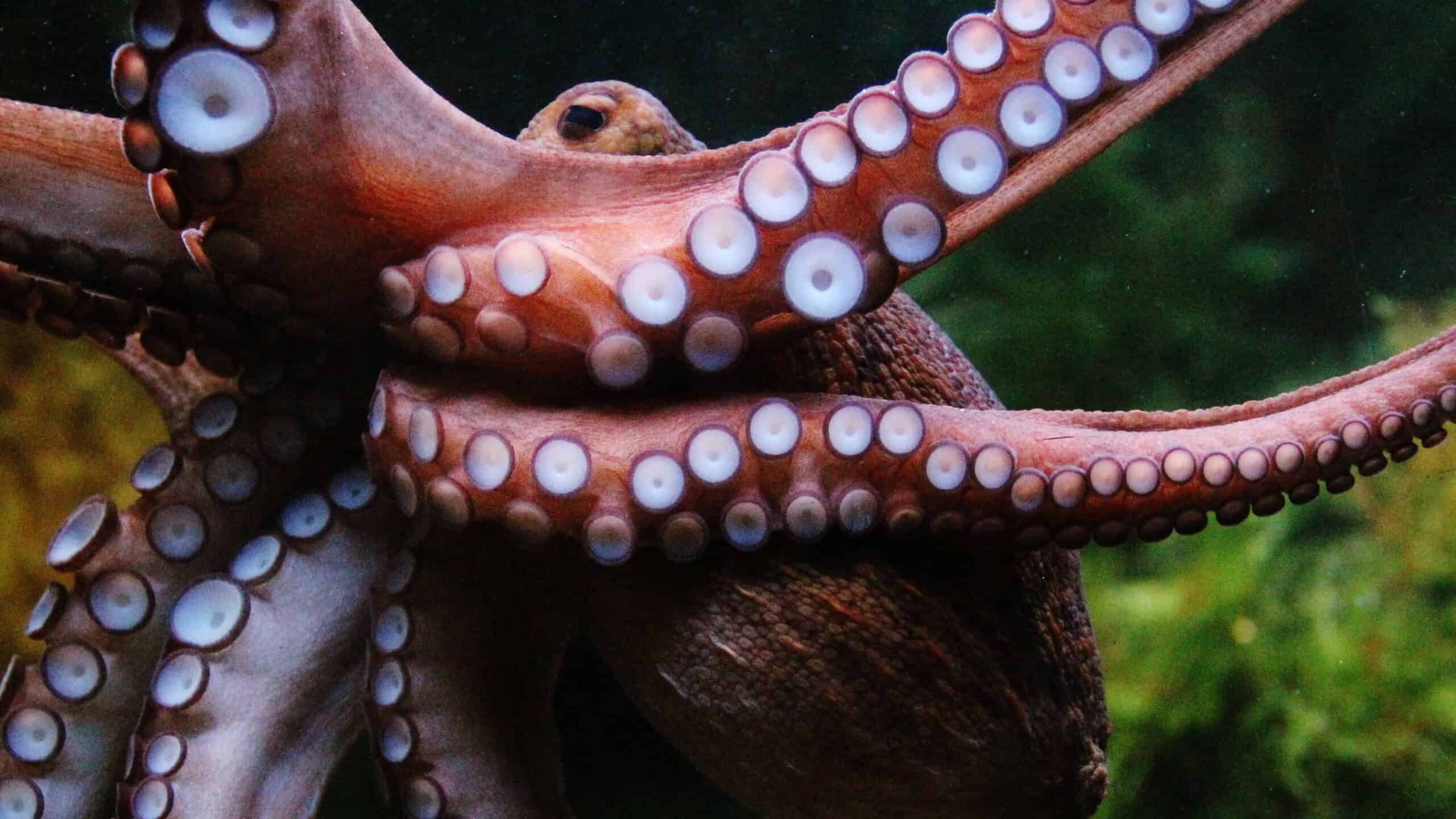
What makes octopus intelligence particularly fascinating is its distributed nature. Unlike humans, who have centralized processing in our brains, octopuses have two-thirds of their neurons located in their arms. Each arm possesses a remarkable degree of autonomy, capable of solving problems even when disconnected from the central brain. This distributed intelligence allows octopuses to multitask in ways humans cannot—each arm can be assigned different tasks simultaneously, from exploring a crevice to manipulating objects, while the central brain coordinates more complex decision-making.
Masters of Disguise and Camouflage
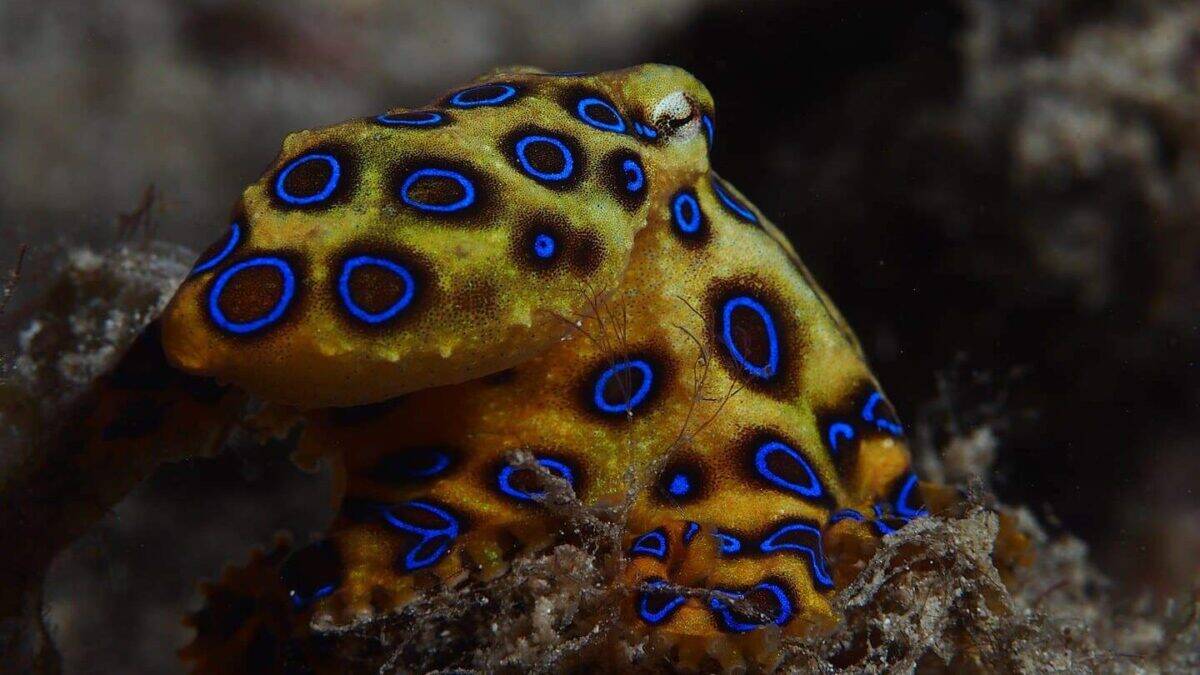
Perhaps the most visually stunning demonstration of octopus intelligence is their unparalleled mastery of camouflage. Octopuses can change not just their color, but also their texture and shape to blend perfectly with their surroundings—all in less than a second. This remarkable ability comes from specialized cells called chromatophores, leucophores, and iridophores that can expand and contract to display a vast palette of colors and patterns.
What’s truly astonishing is that octopuses are colorblind, yet they can perfectly match the colors of their environment. Scientists believe they may be able to detect color with their skin itself, essentially “seeing” without using their eyes. This sophisticated camouflage isn’t just instinctive; octopuses make conscious decisions about which disguise to employ based on their assessment of threats and surroundings. Some species, like the mimic octopus, take this further by impersonating other marine creatures such as lionfish, sea snakes, or flatfish to deter predators—showing a level of creative problem-solving that goes far beyond simple reactionary behavior.
Problem-Solving Prodigies
The problem-solving abilities of octopuses have consistently astonished researchers. In laboratory settings, octopuses have demonstrated the ability to solve complex puzzles, navigate mazes, and open childproof pill bottles—tasks that challenge even human children. One famous experiment involved placing food inside a jar with a screw-top lid. Octopuses not only figured out how to unscrew the lid but remembered the solution when presented with the same challenge later, demonstrating both learning and memory.
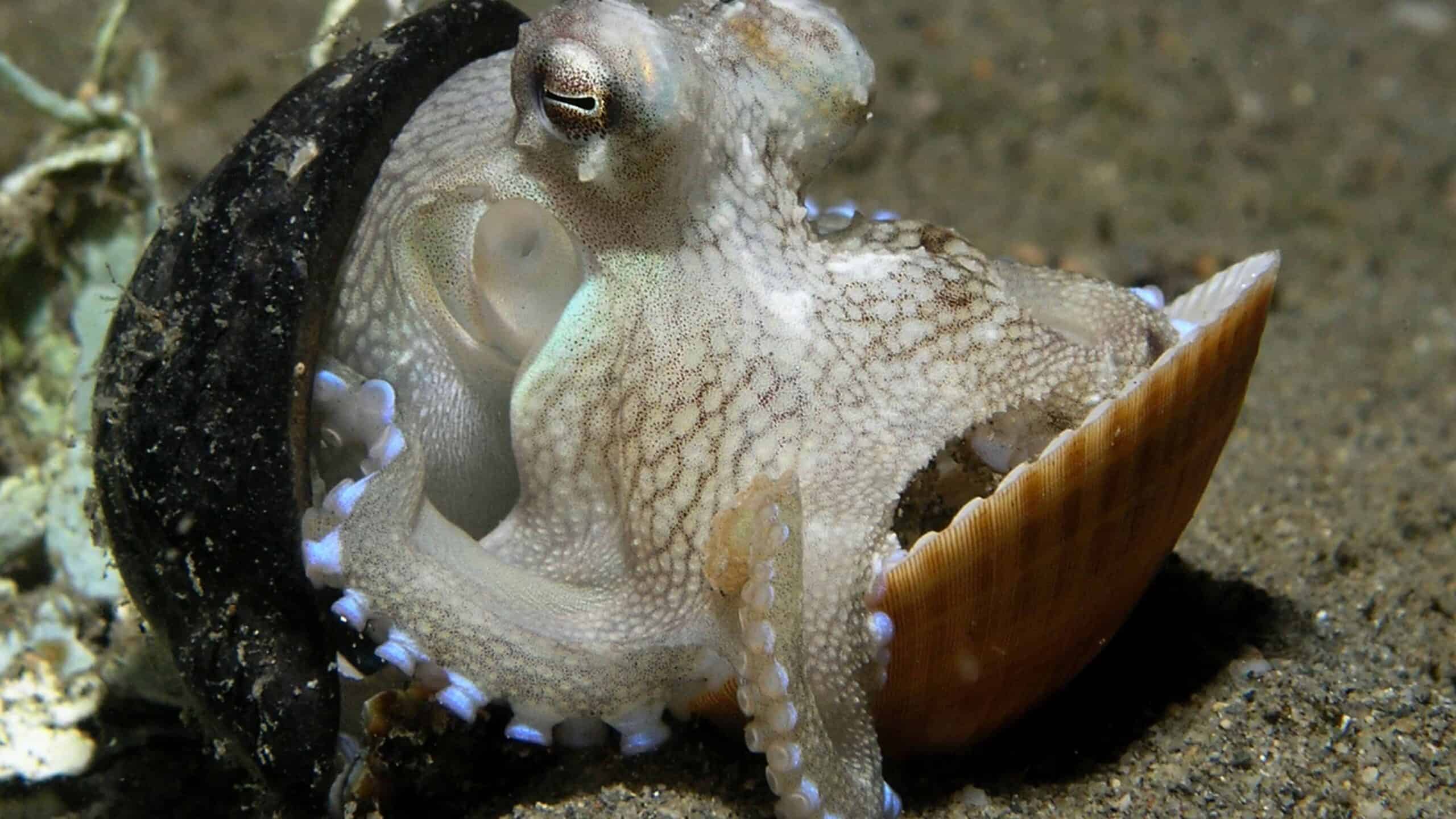
Another remarkable demonstration of their problem-solving prowess comes from their use of tools. Octopuses have been observed collecting coconut shells to create portable shelters, becoming one of the few invertebrates known to use tools. In aquariums, they’ve been documented using jets of water to push buttons out of reach and even short-circuiting annoying lights by deliberately squirting water at electrical outlets. These behaviors suggest not just intelligence, but a capacity for planning and possibly even a rudimentary understanding of cause and effect.
The Great Escape Artists
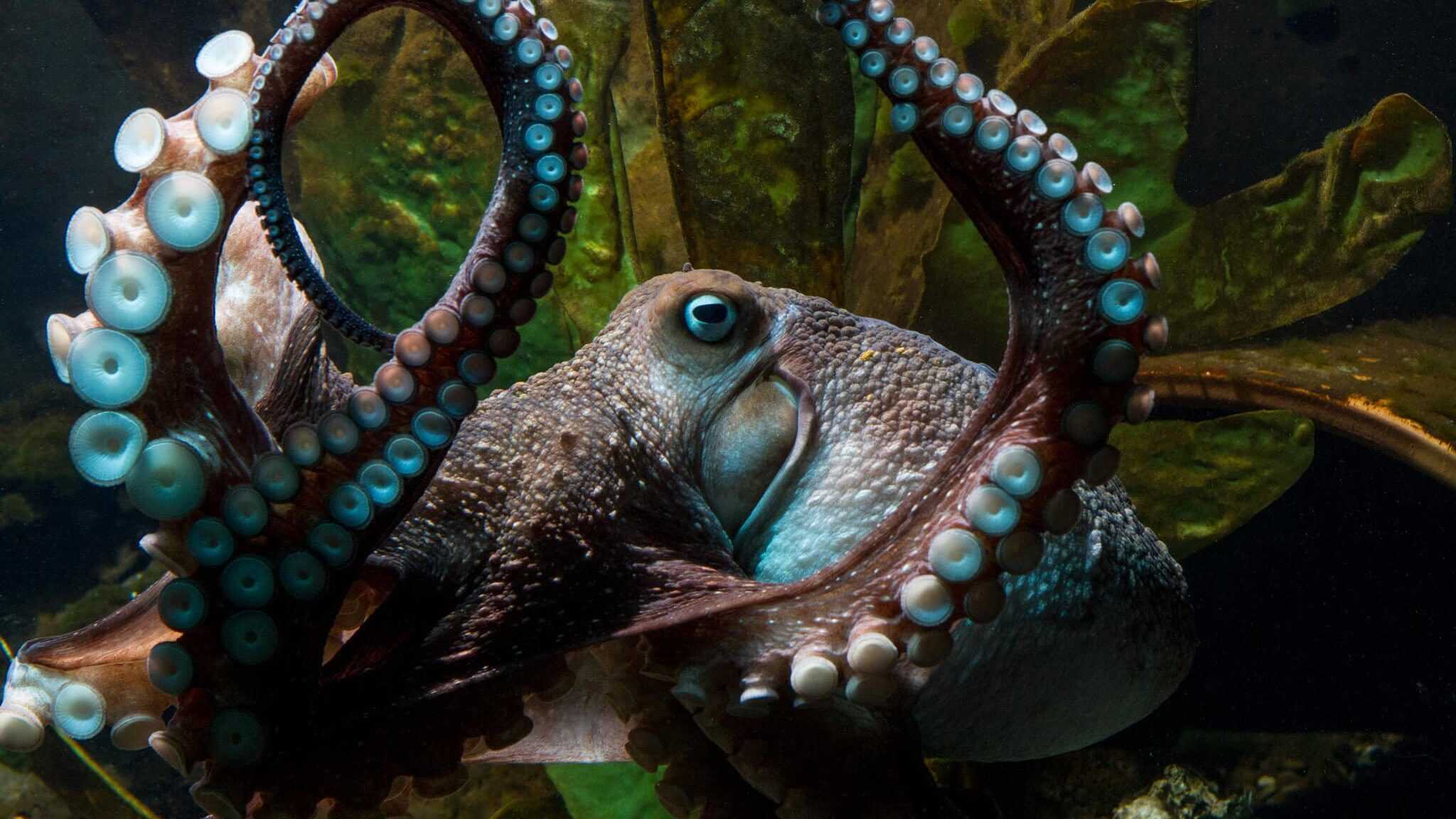
Octopuses are infamous for their escape artistry, a reputation well-earned through countless documented breakouts from seemingly secure aquarium tanks. Their flexible bodies can squeeze through openings as small as a quarter, limited only by the size of their beak—the only hard part of their body. This extraordinary flexibility, combined with problem-solving intelligence, makes them nature’s premier escape artists.
One notorious example comes from the New Zealand National Aquarium, where an octopus named Inky escaped his tank, crawled across the floor, and disappeared down a 164-foot drainpipe leading to the ocean. Staff followed his trail of water puddles the next morning, but Inky was long gone. Another octopus at the Santa Monica Pier Aquarium dismantled a valve in its tank, flooding the facility with 200 gallons of seawater overnight. These aren’t random occurrences but calculated actions that demonstrate both intelligence and determination, showcasing their ability to observe their surroundings, identify weaknesses, and execute complex escape plans.
The Surprising Social Lives of Octopuses
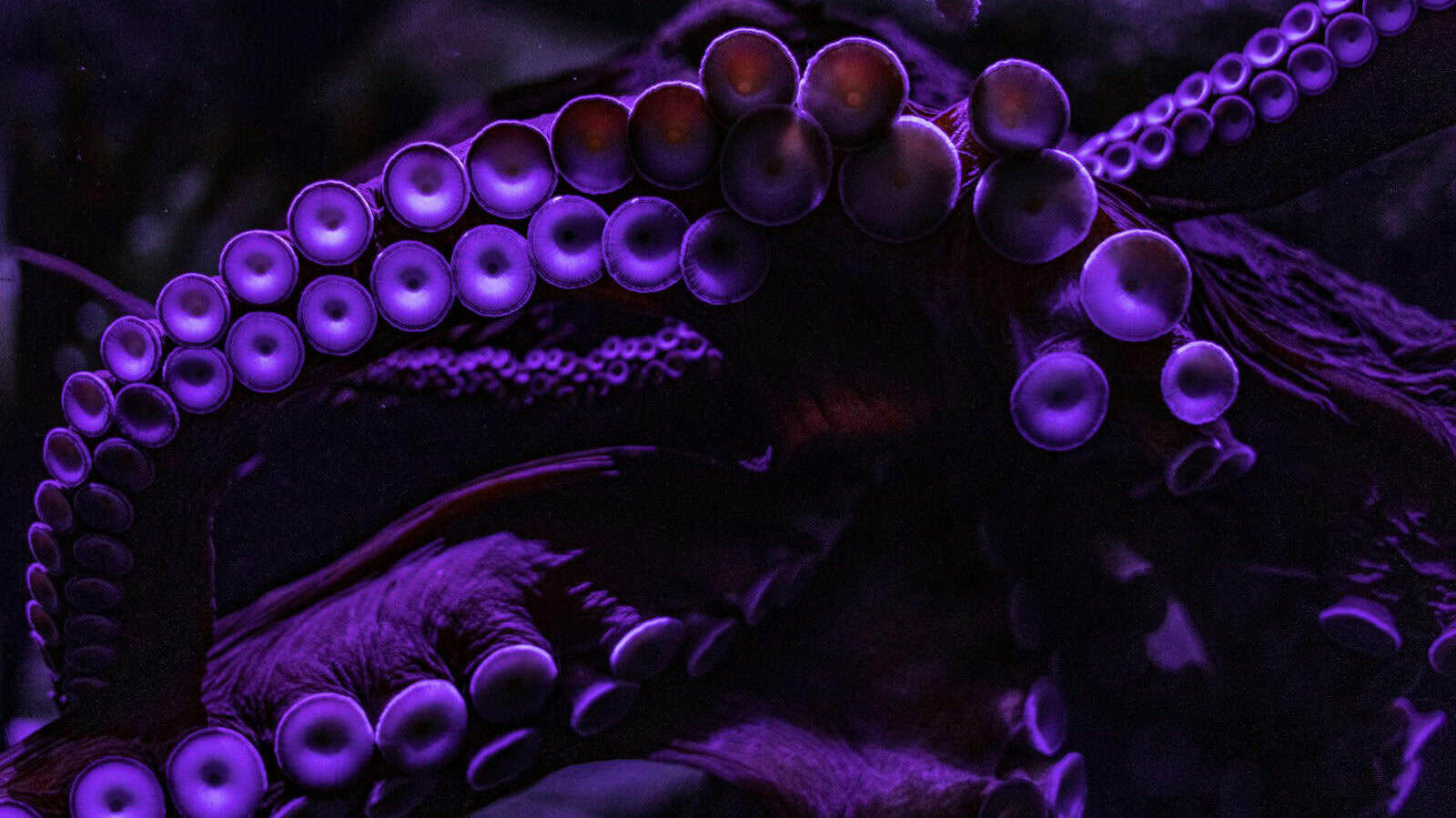
Traditionally viewed as solitary creatures, recent research has revealed that octopuses have more complex social behaviors than previously thought. While they don’t form communities like dolphins or primates, they do engage in sophisticated social interactions. In certain species, researchers have observed complex mating rituals, territorial disputes, and even what appears to be communication through changing skin patterns and postures.
The most surprising discovery came from observations of a site dubbed “Octopolis” off the coast of Australia, where multiple octopuses live in close proximity, interact regularly, and even appear to communicate through color changes and postures. They’ve been observed engaging in displays of dominance, evictions of unwanted octopuses from dens, and even what appears to be cooperative hunting in some instances. These findings challenge the long-held belief that advanced social behavior requires the kind of complex brain structure found only in mammals and birds.
Recognizing Human Faces and Forming Preferences
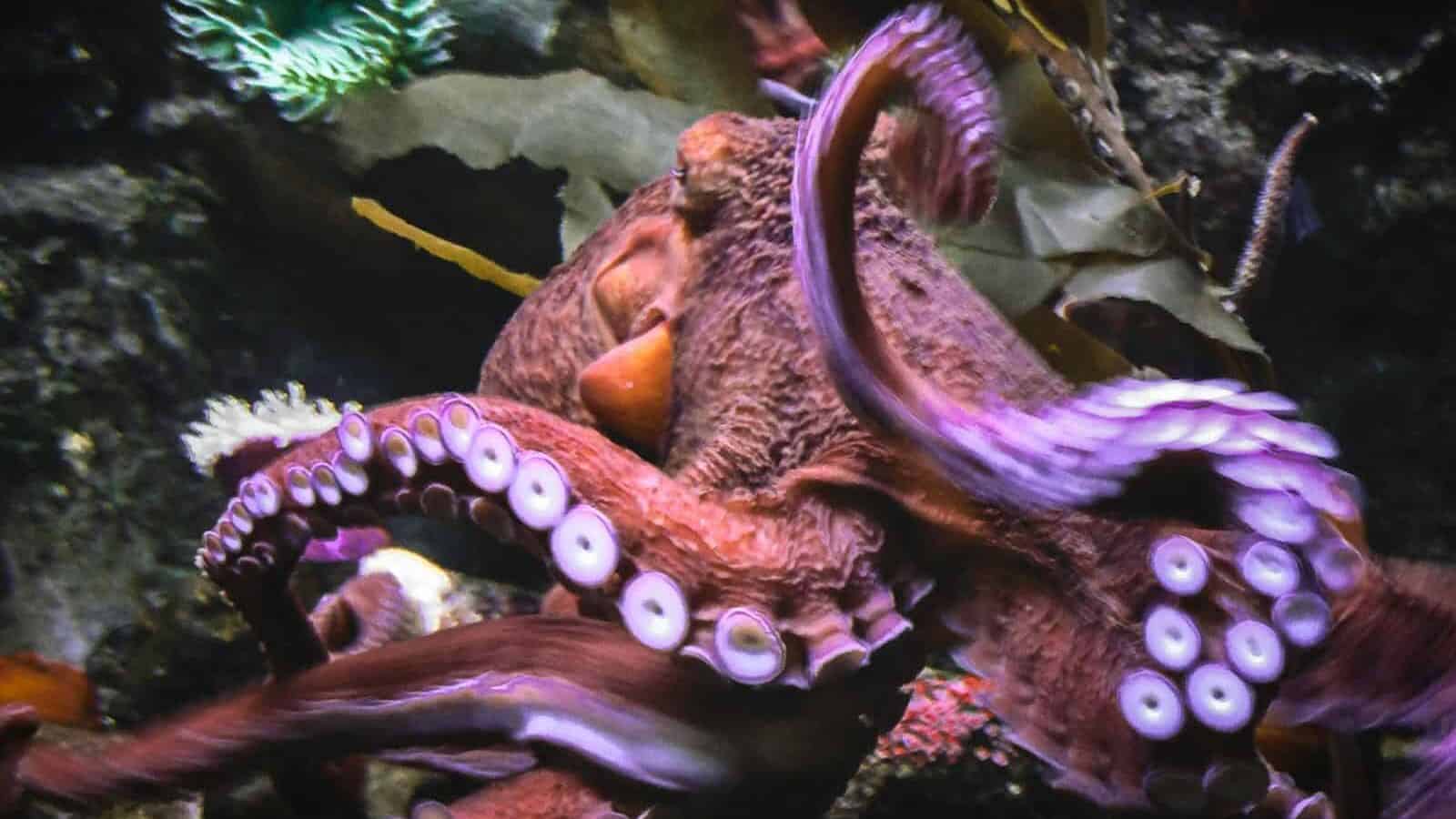
In perhaps one of the most intriguing demonstrations of octopus intelligence, these animals have shown the ability to recognize individual human faces—a capability previously thought to require the complex neural architecture of vertebrate brains. In experiments at the New England Aquarium, octopuses would react differently to various caretakers, spraying water at those they disliked while extending arms in greeting toward preferred humans.
Research published in the Journal of Ethology confirmed this ability when scientists presented octopuses with different human faces while wearing identical clothing to eliminate other identifying factors. The octopuses consistently responded differently to different people, showing preferences and even what might be interpreted as grudges against individuals who had previously disturbed them. This facial recognition ability is particularly remarkable given that octopuses process visual information very differently from humans and evolved along an entirely separate path, suggesting that advanced intelligence may have multiple evolutionary solutions.
Dreaming and Consciousness
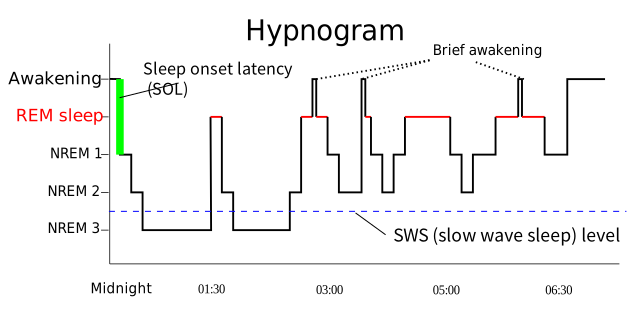
Recent observations of sleeping octopuses have revealed fascinating behaviors that suggest these animals may dream. Researchers have documented rapid color changes, muscle twitches, and eye movements during what appears to be an REM-like sleep state. During these episodes, octopuses display complex color patterns rippling across their skin—patterns similar to those used while hunting or exploring—suggesting they might be experiencing something akin to dreams.
This discovery raises profound questions about consciousness in these animals. If octopuses dream, it implies a form of subjective experience or consciousness—a quality many scientists have traditionally associated exclusively with higher vertebrates. The possibility that octopuses possess consciousness that evolved independently from our own challenges our understanding of what consciousness is and how it arises. This has led some philosophers and scientists to suggest that consciousness may be more widespread in the animal kingdom than previously assumed, and that it may take forms quite different from human consciousness.
Learning Through Observation
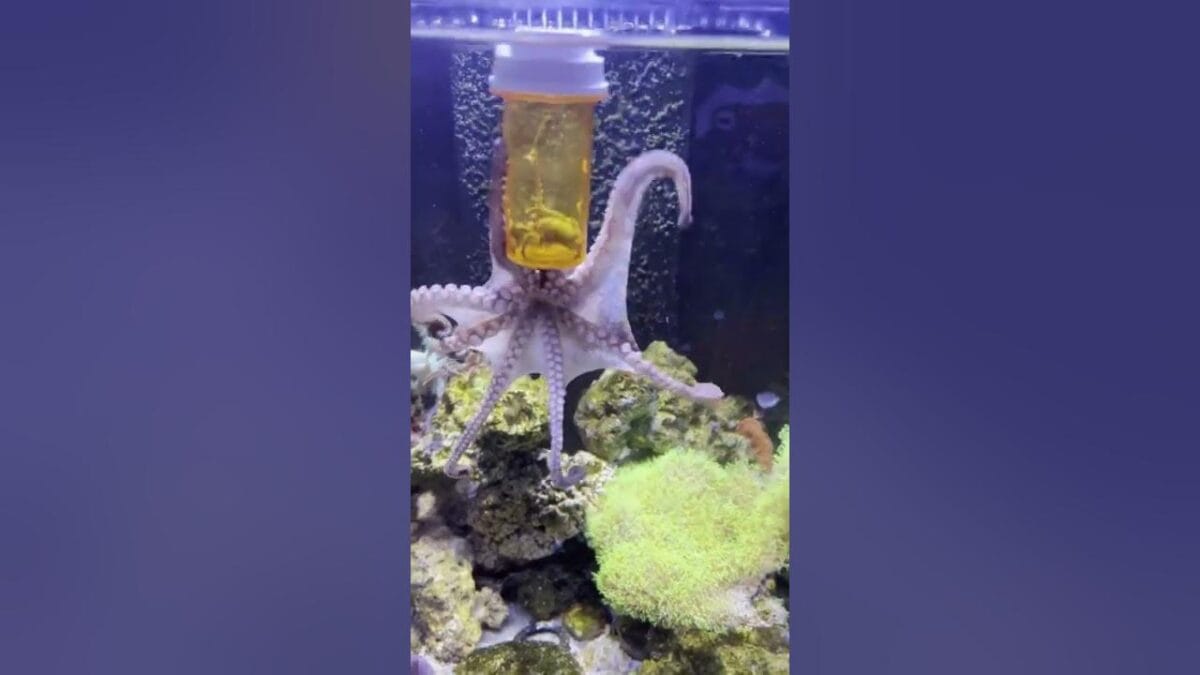
Unlike most invertebrates, octopuses display remarkable observational learning abilities. In laboratory settings, octopuses that watched other octopuses solve a puzzle were able to solve the same puzzle more quickly when given the opportunity, demonstrating social learning—a cognitive ability once thought to be limited to more advanced vertebrates. This capacity for observational learning extends to watching humans as well, with octopuses learning to perform tasks after seeing human demonstrations.
In one striking experiment at the New England Aquarium, an octopus was observed repeatedly opening a childproof pill bottle after watching a researcher demonstrate the technique just once. Even more impressively, octopuses have been documented learning from failures as well as successes, showing a metacognitive awareness of problem-solving processes. This level of observational learning requires complex mental representations and the ability to translate observed actions into one’s own body plan—a significant cognitive feat for a creature with eight flexible limbs so different from human appendages.
The Unique Brain Structure Behind Octopus Intelligence
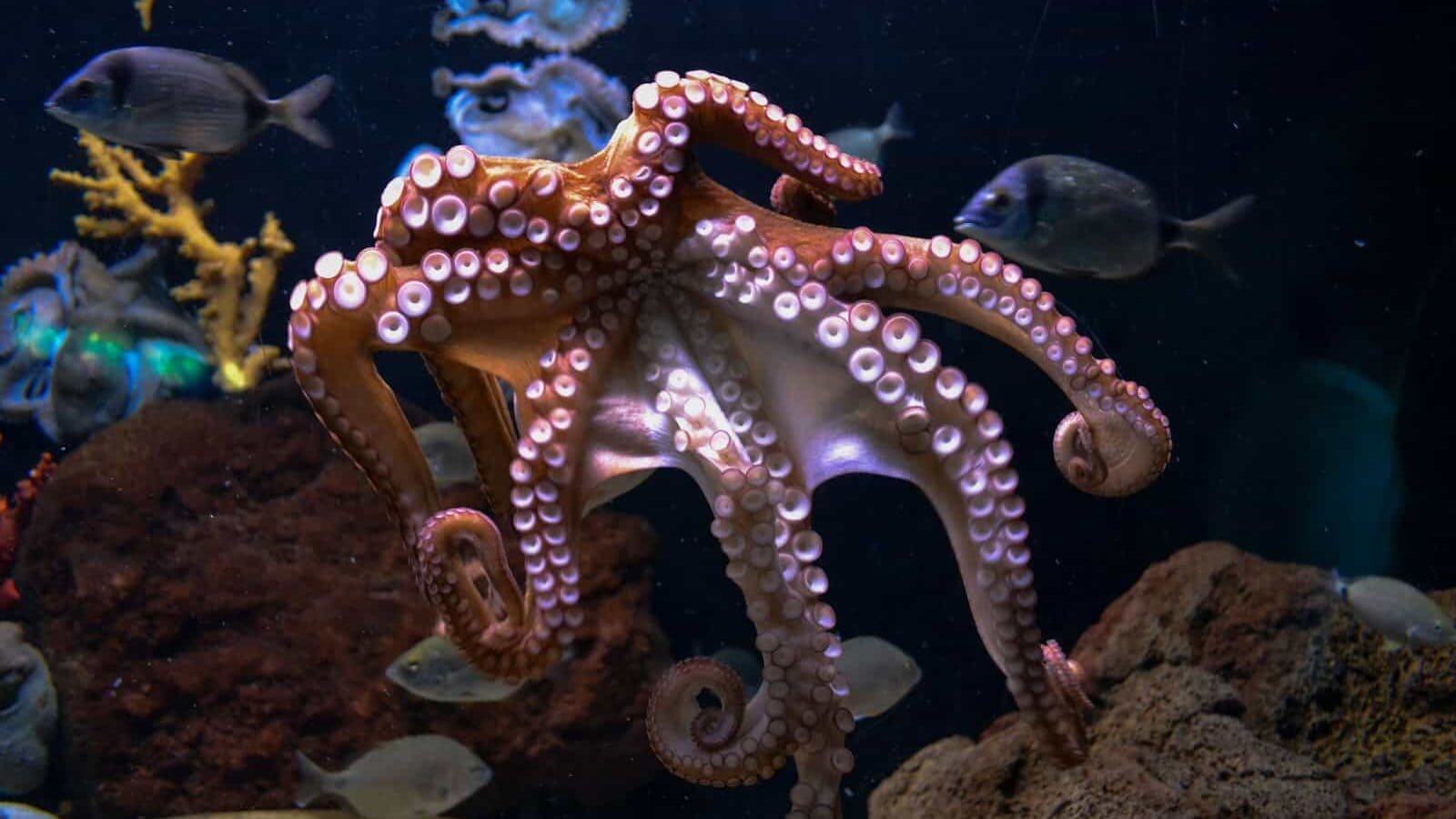
The octopus brain presents a fascinating case study in how intelligence can evolve along entirely different pathways than the mammalian model. With approximately 500 million neurons—comparable to a dog—the octopus has developed a radically different brain architecture than vertebrates. Their central brain surrounds the esophagus and consists of multiple lobes dedicated to specific functions, while two-thirds of their neurons are distributed throughout their eight arms, creating a unique form of distributed intelligence.
Each arm contains approximately 40 million neurons and possesses a remarkable degree of autonomy. Arms can continue to react to stimuli and even solve simple problems when severed from the body. This distributed nervous system allows the octopus to process vast amounts of sensory information simultaneously without overwhelming the central brain. Research using MRI scans has revealed that different parts of the octopus brain activate when solving different types of problems, suggesting specialized neural circuits for various cognitive tasks—a convergent solution to complex information processing that evolved entirely independently from our own.
The Tragedy of Octopus Intelligence: A Brief Lifespan
Perhaps the most poignant aspect of octopus intelligence is its brevity. Most octopus species live only 1-2 years, with the giant Pacific octopus reaching a maximum of 5 years in exceptional cases. This short lifespan represents an evolutionary trade-off—octopuses put tremendous energy into rapid growth, reproduction, and neural development rather than longevity. After mating, females stop eating to guard their eggs until they hatch, eventually dying of starvation, while males die shortly after mating.
This brief existence raises profound questions about the nature and purpose of their intelligence. Octopuses have little opportunity for cultural transmission of knowledge between generations, as parents die before offspring hatch. Their intelligence appears to be largely innate or developed through individual experience rather than learned from conspecifics. Some researchers suggest this represents a different evolutionary strategy—developing rapid problem-solving abilities to survive in the moment rather than accumulating knowledge across generations as humans do. This makes their cognitive achievements all the more remarkable, as each octopus essentially starts from scratch, developing sophisticated problem-solving abilities within months of hatching.
Ethical Implications: Rethinking How We Treat Cephalopods
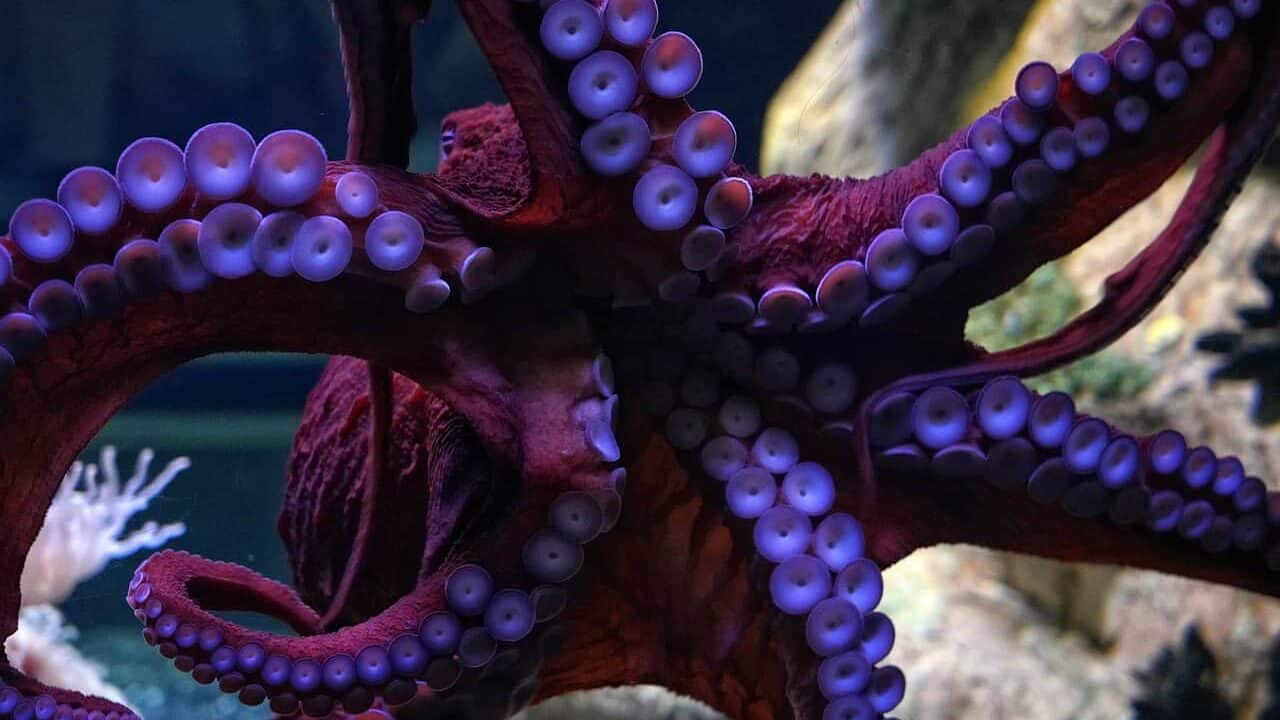
The growing recognition of octopus intelligence has profound ethical implications for how humans interact with these creatures. In 2010, the European Union added cephalopods to the list of animals requiring humane treatment in research settings—the only invertebrates to receive such protection. This decision acknowledged that octopuses can experience pain, stress, and possibly even suffering in ways comparable to vertebrates, despite their radically different nervous systems.
This recognition has sparked debates about octopus farming, which has been proposed as a solution to declining wild populations amid increasing demand for octopus as food. Critics argue that farming such intelligent, solitary creatures in captivity raises serious ethical concerns about their welfare. Similarly, the keeping of octopuses in aquariums and as pets has come under scrutiny, with some arguing that their intelligence and need for stimulation make captivity inherently problematic. These debates reflect a broader rethinking of human-animal relationships based on cognitive abilities rather than evolutionary relatedness or superficial similarities to humans.
Octopuses offer us a profound lesson in the diversity of intelligence in the natural world. Their remarkable cognitive abilities evolved entirely independently from our own, demonstrating that advanced problem-solving, learning, and possibly even consciousness can arise through multiple evolutionary pathways. This challenges our vertebrate-centric view of intelligence and suggests that we may be overlooking sophisticated minds in unexpected places throughout the animal kingdom.
The distributed intelligence of octopuses—with independent processing in their arms working in concert with their central brain—provides a fascinating alternative model to our own centralized consciousness. This model may offer insights for fields ranging from artificial intelligence to neuroscience, suggesting new approaches to developing distributed intelligent systems.
Perhaps most importantly, octopuses remind us of the limitations of our human perspective when evaluating other minds. Their intelligence is simultaneously familiar in its problem-solving capacity and utterly alien in its implementation and experience. As we continue to study these remarkable creatures, we may need to expand our very definition of intelligence to encompass forms of thought and awareness that evolved along entirely different evolutionary trajectories.
In the end, the octopus—this soft-bodied, short-lived invertebrate with its distributed brain and shape-shifting abilities—challenges us to reconsider what it means to be intelligent and conscious in a universe that may contain many more forms of awareness than we have yet imagined.

- How Crickets Chirp Using Their Wings - July 20, 2026
- The Largest Sea Turtle Ever Rescued Off North Carolina - July 20, 2026
- The Ocean’s Escape Artist: Why Octopuses Outsmart Us All - July 20, 2026
Leave a comment
You must be logged in to post a comment.