

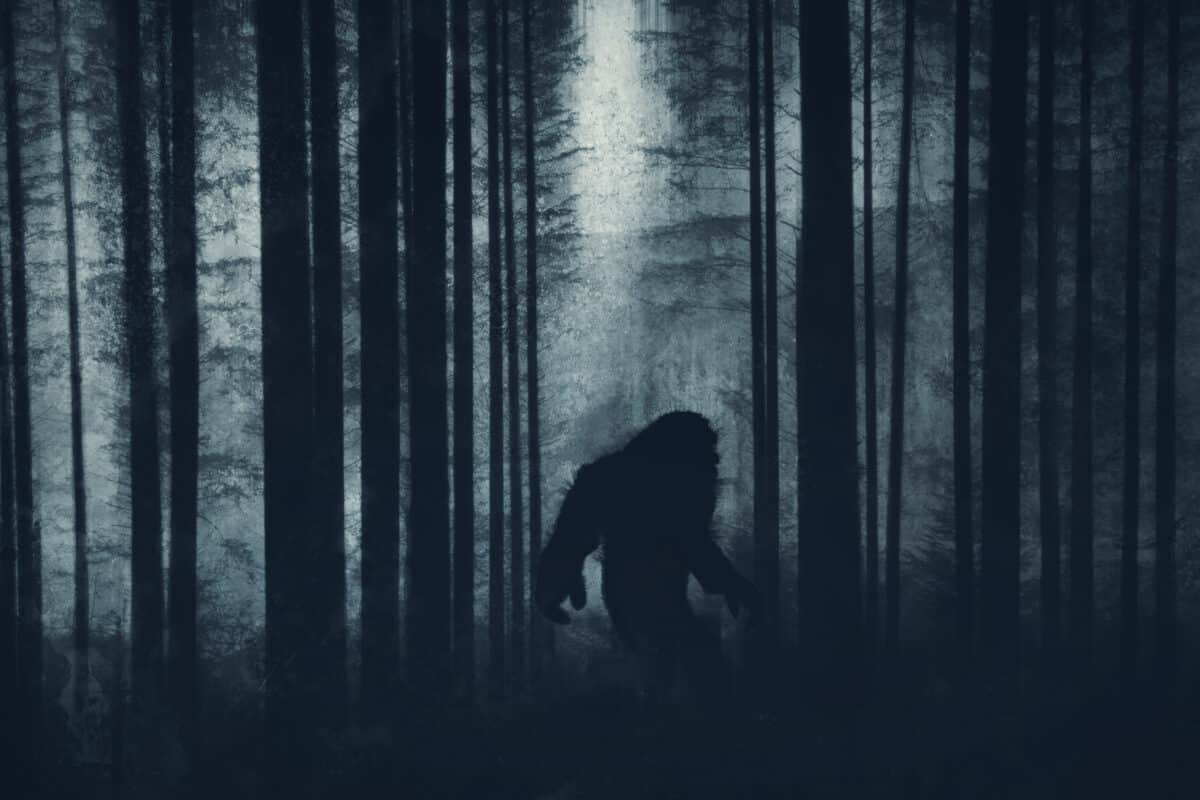
Deep in the mist-shrouded mountains of eastern Kentucky, where ancient forests cloak the rugged terrain in shadows and mystery, tales of an elusive creature have persisted for generations. Known locally as the “Hillbilly Beast” or the “Kentucky Wildman,” this enigmatic figure represents the Appalachian region’s own distinctive chapter in the broader Bigfoot phenomenon. For centuries, residents of Kentucky’s mountain communities have reported encounters with a large, hair-covered hominid that moves silently through the wilderness, leaving behind only fleeting glimpses, unusual footprints, and countless questions. These stories form a rich tapestry of folklore that continues to captivate both local residents and cryptozoology enthusiasts from around the world.
Origins of the Kentucky Hillbilly Beast Legend

The roots of Kentucky’s Bigfoot tradition stretch back to pre-colonial times, with Native American tribes like the Cherokee and Shawnee passing down stories of the “wild men of the woods.” These indigenous accounts described powerful forest beings who lived apart from humans but occasionally interacted with them. The Cherokee spoke of the “Nun’yunu’wi” or “Stone People,” while Shawnee legends mentioned the “Mishepishu,” beings that shared characteristics with modern Bigfoot descriptions.
As European settlers established communities throughout Appalachia in the 18th and 19th centuries, they brought their own folkloric traditions that merged with indigenous stories. The resulting cultural blend produced uniquely Appalachian cryptids, including the Hillbilly Beast. Early settlers’ journals occasionally mentioned encounters with “wild men” or “hairy giants” in the Kentucky wilderness, establishing a documented tradition of sightings that continues to the present day. These historical accounts often described the creature as being more aggressive than modern reports suggest, reflecting the harsh frontier conditions and the settlers’ fears of the unknown wilderness.
Physical Description and Reported Characteristics

Witnesses typically describe the Kentucky Hillbilly Beast as standing between 7 and 9 feet tall, with a robust, muscular build and broad shoulders that create an imposing silhouette. Unlike the reddish-brown Sasquatch of the Pacific Northwest, Kentucky’s variant is most often reported as having dark black or dark brown hair covering its body, with slightly longer hair on the head and shoulders. The creature’s face is described as having a pronounced brow ridge, deep-set eyes, and a flattened nose, giving it a primitive, yet distinctly humanoid appearance that witnesses find unsettling.
Movement patterns represent another distinctive aspect of the Kentucky Bigfoot. Witnesses consistently report that despite its large size, the creature moves with surprising agility and silence through dense forest terrain. It reportedly possesses a distinctive gait—a fluid, long-strided walk that differs from human locomotion. Some accounts mention an unusual flexibility that allows it to navigate the steep Appalachian slopes with ease. The beast is said to leave behind large footprints measuring 15-20 inches in length, often with five toes rather than the traditional Bigfoot’s reported three-toed prints, though this detail varies across accounts.
Notable Historical Sightings

One of the earliest documented encounters occurred in 1790 near the settlement of Boonesborough, when a hunting party reported being stalked by a “giant, hair-covered man” for several days. In 1883, the Louisville Courier-Journal published an account of a “wild man” terrorizing farmers in Floyd County, describing a creature that walked upright but moved with “the speed and agility of a deer.” This incident created such widespread concern that a posse of local men organized a hunt for the creature, though they returned empty-handed.
The 1960s and 1970s saw a significant uptick in reported sightings, coinciding with broader national interest in Bigfoot following the famous Patterson-Gimlin film from California. In 1962, six coal miners in Letcher County reported encountering a large, hair-covered creature while walking to their vehicles after a late shift. In 1973, the “Spottsville Monster” case gained regional attention when the Nunnelly family reported multiple encounters with a large, ape-like creature on their property in Henderson County, including incidents where it allegedly killed livestock and peered into their windows at night. The family’s consistent testimony and the multiple witnesses involved made this case particularly compelling to researchers.
Modern Encounters in Kentucky’s Wilderness

While historical accounts provide the foundation for the legend, reports of encounters with the Kentucky Hillbilly Beast continue into the 21st century. The Daniel Boone National Forest, with its 708,000 acres of rugged terrain, remains a hotspot for sightings. In 2007, a group of hikers on the Sheltowee Trace National Recreation Trail reported finding a crude shelter made of broken trees that was far too large for human construction, alongside unusual footprints and a powerful, musky odor described as “wet dog mixed with skunk and decay”—a smell consistently associated with Bigfoot encounters nationwide.
The Red River Gorge geological area has become particularly notable for modern encounters. In 2015, campers reported hearing unusual vocalizations described as “wood knocks and howls unlike any known animal” followed by the discovery of large, human-like footprints near their campsite. The Mammoth Cave region has also produced numerous reports, including a 2018 incident where park visitors claimed to have briefly filmed a large, dark figure moving through dense vegetation, though skeptics argued the blurry footage merely showed a black bear. The Kentucky Bigfoot Research Organization continues to collect and investigate dozens of reports annually, suggesting the phenomenon remains active in the commonwealth’s most remote areas.
Distinctive Behaviors of the Kentucky Variant

The Kentucky Hillbilly Beast exhibits behavioral patterns that distinguish it from Bigfoot reports in other regions. Unlike the shy, reclusive Sasquatch of the Pacific Northwest, Kentucky witnesses more frequently report curious behavior, with the creature sometimes observed watching human activities from the forest edge. Some accounts describe incidents of “stone throwing,” where rocks land near human campsites without visible human culprits. Researchers speculate this might represent territorial behavior or attempts at communication.
Another distinctive characteristic involves unusual vocalizations. Witnesses describe hearing everything from deep, guttural growls to high-pitched screams that carry through the mountains at night. Some researchers have collected audio recordings of these unidentified sounds, though conclusive attribution remains elusive. The Kentucky variant is also more frequently associated with strong territorial responses to human encroachment, particularly around cave systems and remote waterways. Reports occasionally mention the creature slapping trees or creating “wood knocks” by striking trees with sticks or rocks—behaviors that some researchers interpret as communication or warning signals within Bigfoot communities.
Cultural Impact on Appalachian Communities

The Hillbilly Beast has woven itself deeply into the cultural fabric of eastern Kentucky. Local businesses capitalize on the legend, with gift shops selling Bigfoot-themed merchandise and restaurants offering menu items like “Sasquatch Burgers” or “Bigfoot Brews.” Annual festivals celebrating the creature have become tourist attractions in several mountain communities, bringing economic benefits to regions that have struggled following the decline of the coal industry. The town of Pine Mountain hosts a yearly “Bigfoot Hunt” that combines camping, hiking, and storytelling sessions where locals share their personal encounters.
Beyond commerce, the creature holds a more profound cultural significance for many Appalachian residents. It represents one of the last mysteries of their mountains—a symbol of wild spaces increasingly threatened by development and resource extraction. For communities with deep generational ties to the land, Bigfoot stories serve as vessels for environmental values, cautionary tales about venturing unprepared into the wilderness, and connections to ancestral knowledge. Many families treat their encounter stories as treasured oral history, passing them down through generations alongside traditional music, crafts, and other cultural practices that define Appalachian identity.
Scientific Perspectives and Skepticism
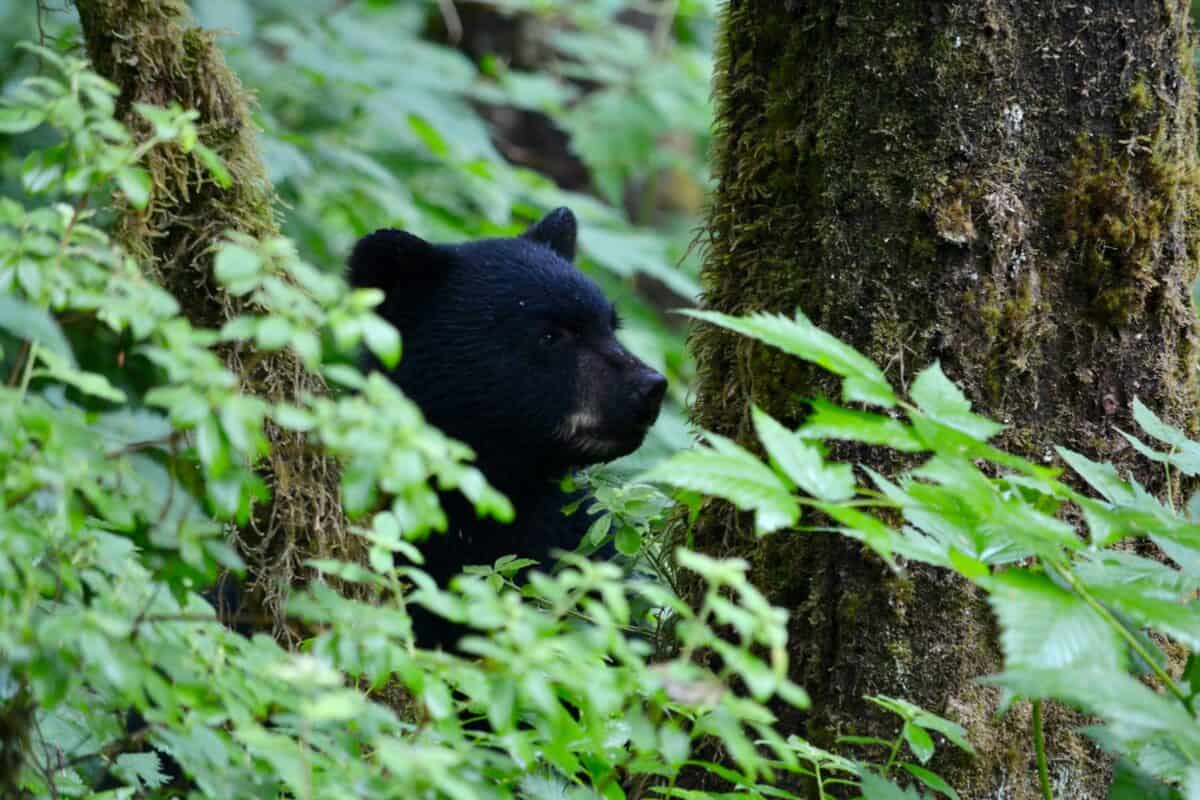
The scientific community remains overwhelmingly skeptical about the existence of the Kentucky Hillbilly Beast, citing the lack of verifiable physical evidence despite decades of reported sightings. Biologists point out that maintaining a breeding population of large primates would require significant numbers of individuals, raising questions about how such creatures could remain largely undetected. Wildlife officials regularly attribute sightings to misidentified black bears, particularly when the animals stand on their hind legs or are glimpsed in low light conditions. Kentucky’s healthy black bear population has expanded in recent decades, potentially explaining the increase in reported sightings in previously bear-free areas.
Anthropologists and folklorists offer alternative explanations, suggesting the persistence of Bigfoot legends reflects cultural needs rather than biological realities. They note how the creature often embodies cultural tensions—between wilderness and civilization, between traditional knowledge and modern skepticism, between local autonomy and outside authority. Psychologists point to the well-documented phenomena of pareidolia (the tendency to perceive familiar patterns in ambiguous stimuli) and confirmation bias as factors that might lead sincere witnesses to misinterpret natural phenomena. Nevertheless, some researchers with scientific backgrounds continue investigating reports, arguing that Indigenous knowledge and consistent witness testimony across cultures deserve serious consideration despite mainstream skepticism.
Notable Investigation Efforts

The Kentucky Bigfoot Research Organization (KBRO), founded in 1998, represents the most organized effort to document and investigate the Hillbilly Beast phenomenon. The group maintains a database of sightings throughout the commonwealth, conducts field investigations of recent reports, and uses trail cameras in high-activity locations. Their methodology includes interviewing witnesses, collecting physical evidence like footprint casts and hair samples, and conducting overnight expeditions using thermal imaging equipment. While critics question their objectivity, the organization has established protocols that attempt to eliminate hoaxes and misidentifications from their records.
Academic interest has remained limited, though a few notable exceptions exist. In 2010, Dr. Robert Cornett, an anthropologist from Eastern Kentucky University, conducted a three-year study of Bigfoot folklore in Appalachia, interviewing over 200 witnesses and documenting consistent patterns in their accounts. While not endorsing the creature’s physical existence, his research highlighted the sophisticated ecological knowledge embedded in these narratives. In 2015, the University of Kentucky’s folklore department launched a digital archive of recorded Bigfoot encounters, preserving these stories as important cultural artifacts regardless of their literal truth. These academic approaches value the cultural significance of the legend while maintaining scientific skepticism about its biological reality.
Popular Locations and Geographical Patterns

Reported encounters with the Kentucky Hillbilly Beast follow distinct geographical patterns across the commonwealth. The densely forested eastern counties that form part of the greater Appalachian range—including Letcher, Pike, Harlan, and Bell counties—report the highest concentration of sightings. These areas feature the remote, rugged terrain that would theoretically provide the necessary habitat for an undiscovered primate species. Sightings cluster particularly around the Cumberland Plateau region, where deep ravines, extensive cave systems, and minimal human development create vast areas rarely visited by humans.
Water sources represent another significant pattern in sighting reports. The creatures are frequently reported near the headwaters of major river systems including the Kentucky, Cumberland, and Big Sandy Rivers. Mammoth Cave National Park and surrounding karst regions account for numerous sightings, with witnesses speculating that the extensive underground network might provide shelter or travel corridors for the creatures. The Red River Gorge Geological Area, with its unique sandstone formations and deep, isolated hollows, has become such a frequent location for reports that local guides now incorporate Bigfoot lore into their tours of the region. Researchers note that these high-activity areas typically combine three elements: dense forest cover, reliable water sources, and minimal human presence—precisely the environment that would support large, reclusive omnivores.
Connections to Broader Bigfoot Phenomena

While the Kentucky Hillbilly Beast has distinctive regional characteristics, researchers note significant overlaps with Bigfoot phenomena reported throughout North America. The basic description of a large, bipedal, hair-covered hominid remains consistent across geographic boundaries, suggesting either a common biological entity or a shared cultural archetype. The Kentucky variant shares behavioral characteristics with Sasquatch reports from the Pacific Northwest, including tree structures, wood knocking, and distinctive vocalizations that follow similar patterns despite the geographical separation.
However, regional differences provide interesting points of comparison. The Kentucky creature is typically described as more aggressive and territorial than its western counterparts, perhaps reflecting the different environmental pressures of the Appalachian ecosystem or cultural differences in how the legend developed. The creature’s integration into local folklore also differs—while Pacific Northwest Bigfoot often connects to environmental conservation narratives, the Kentucky Hillbilly Beast more frequently appears in stories about boundaries between human settlements and wild spaces. Some researchers suggest these regional variations might indicate adaptation of a single species to different habitats, while skeptics point to these differences as evidence of the legend’s cultural rather than biological origins.
The Future of the Legend in Modern Kentucky

As Kentucky continues to change demographically and economically, the Hillbilly Beast legend adapts accordingly. Increasingly sophisticated technology has transformed how encounters are documented and shared. Trail cameras, thermal imaging devices, and drone technology create new opportunities for evidence collection, while social media platforms enable witnesses to share experiences instantly with global audiences. The Kentucky Bigfoot Research Organization reported a significant uptick in sighting reports during the COVID-19 pandemic, which they attribute to increased outdoor recreation in remote areas as people sought socially distanced activities.
Tourism related to the legend continues to grow, with guided “Bigfoot expeditions” now offered in multiple counties and an annual “Creature Weekend” in Pine Mountain drawing visitors from across the country. Some conservation groups have strategically embraced the legend, noting that habitat protection for a potential undiscovered primate simultaneously preserves ecosystems for documented endangered species. Whether viewed as flesh-and-blood creature, cultural metaphor, or tourism opportunity, the Kentucky Hillbilly Beast shows no signs of fading from the commonwealth’s collective imagination. As long as the misty hollows and remote ridgelines of Appalachia retain their mystery, the legend will likely continue evolving to reflect changing relationships between Kentuckians and their mountain wilderness.
Conclusion: The Enduring Mystery of Kentucky’s Forests

The Kentucky Hillbilly Beast represents more than just another variation on the Bigfoot legend—it embodies the distinctive character of Appalachian Kentucky itself: rugged, resilient, and deeply connected to the land. Whether interpreted as literal creature or cultural metaphor, the persistence of this legend speaks to humanity’s enduring fascination with the possibility that something unknown still roams our increasingly mapped and monitored world. For generations of Kentuckians, these stories have provided a framework for understanding their relationship with the wilderness that surrounds their communities, blending respect, fear, and wonder into narratives that continue to evolve.
As modern Kentucky balances economic development with cultural and environmental preservation, the Hillbilly Beast stands at this intersection—simultaneously a potential tourism draw, a vessel for traditional ecological knowledge, and a reminder of what might be lost if development proceeds unchecked. Whatever its ultimate reality, the legend continues to serve valuable functions: inspiring conservation efforts, preserving oral traditions, stimulating scientific curiosity, and maintaining the sense that even in our technological age, mystery and wonder still have a place in the deep forests of Appalachia. As long as the mist rises over Kentucky’s mountains each morning, creating shadows where anything might hide, the legend of the Hillbilly Beast will likely continue to captivate imaginations and inspire expeditions into the commonwealth’s most remote wilderness.

From exploring the marine wonders in the Azores and witnessing the vast savannas of Kenya, to delving deep into the rich biodiversity of South Africa and traversing iconic landscapes in Australia and the US like Yellowstone, Chris's experiences are vast.
With a penchant for diving alongside sharks, the ocean holds a special place in his heart.
Through his academic insights, he champions wildlife conservation, striving with 'Animals Around The Globe' to cultivate a profound connection between humans and animals, enhancing our mutual appreciation.
Connect with him at Feedback@animalsaroundtheglobe.com.
- Why Cheetahs Are Fast — But Still Vulnerable - August 9, 2026
- 10 Things Bluey Gets Surprisingly Right About Family Dynamics (and Animals!) - August 9, 2026
- Canada’s Tough Call: Keeping 30 Beluga Whales from a Fate in Chinese Waters - August 9, 2026