

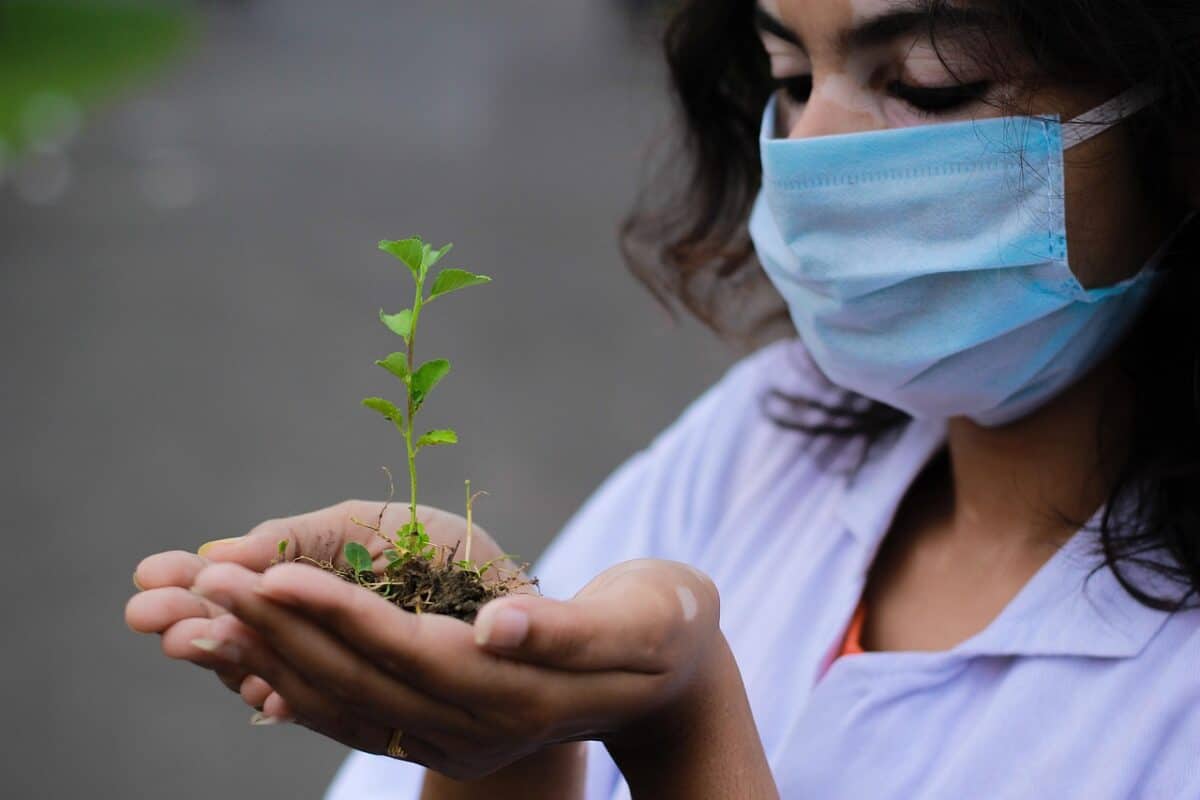
In a world where human progress increasingly encroaches upon natural habitats, the question of balancing growth with conservation becomes ever more pressing. Our planet faces unprecedented challenges as expanding human populations and economic development compete with the need to preserve biodiversity and natural resources. This tension between human advancement and environmental protection represents one of the defining dilemmas of our time. Can we truly achieve sustainable development that meets the needs of present generations without compromising the ability of future generations to meet their own needs? Is it possible to share this planet in a way that honors both human aspirations and the intrinsic value of nature? This article explores the complex interplay between growth and conservation, examining the challenges, opportunities, and potential pathways toward a more balanced and sustainable future for all life on Earth.
The Growth Imperative: Understanding Human Development Needs
Human societies have always strived for growth and development. From the earliest agricultural settlements to modern industrial economies, expanding our capabilities and improving living standards has been a fundamental driver of human history. Today, economic growth remains essential for reducing poverty, creating jobs, and providing basic necessities for billions of people worldwide. According to the World Bank, economic growth has helped lift more than a billion people out of extreme poverty since 1990, demonstrating its crucial role in human welfare.
However, the nature of this growth matters tremendously. Traditional models of development have often relied on resource-intensive approaches that extract natural capital without adequate consideration for long-term sustainability. Developing nations rightfully assert their need for growth to address poverty and inequality, while wealthier countries continue pursuing higher living standards. This creates a complex ethical dimension to the growth debate, as limiting development opportunities for some while others have already benefited from resource-intensive growth raises serious questions of global justice and equity.
The Conservation Imperative: Understanding Ecological Needs
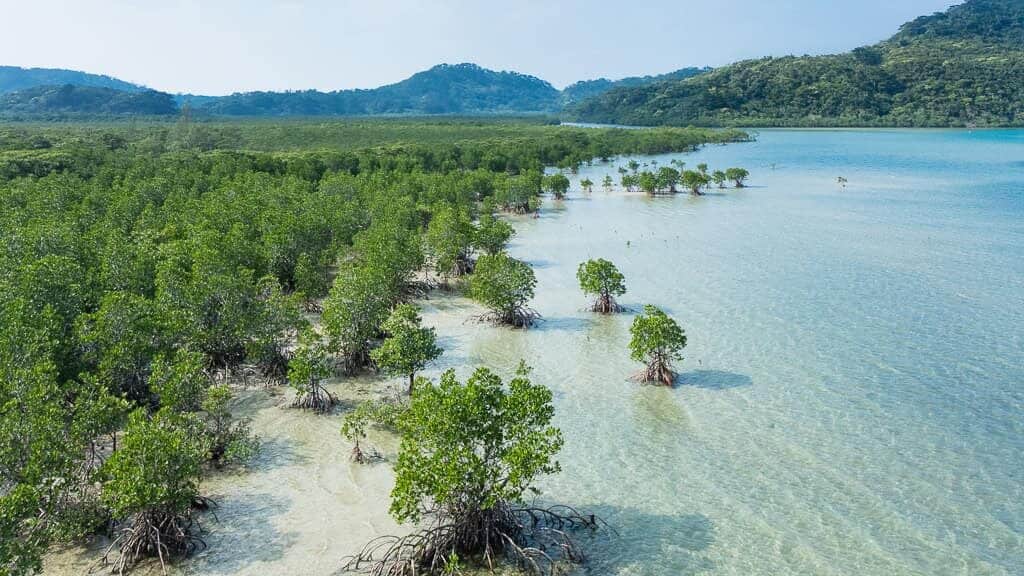
While human development proceeds at an unprecedented pace, the natural world faces mounting pressures. The planet is experiencing what scientists call the sixth mass extinction event, with species disappearing at rates 100 to 1,000 times faster than the natural background rate. The 2019 UN Biodiversity Report warned that around one million animal and plant species face extinction, many within decades. These losses threaten not just biodiversity for its own sake but the very ecological systems that support human life and well-being.
Conservation efforts seek to protect these vital ecological processes and the incredible diversity of life forms that have evolved over billions of years. Healthy ecosystems provide essential services including clean water, crop pollination, climate regulation, flood protection, and soil fertility. The economic value of these ecosystem services has been estimated at $125-145 trillion annually, far exceeding the global GDP. Conservation is thus not merely an aesthetic or moral concern but a practical necessity for continued human prosperity and survival on this planet.
The False Dichotomy: Why Growth vs. Conservation Is a Misleading Framing
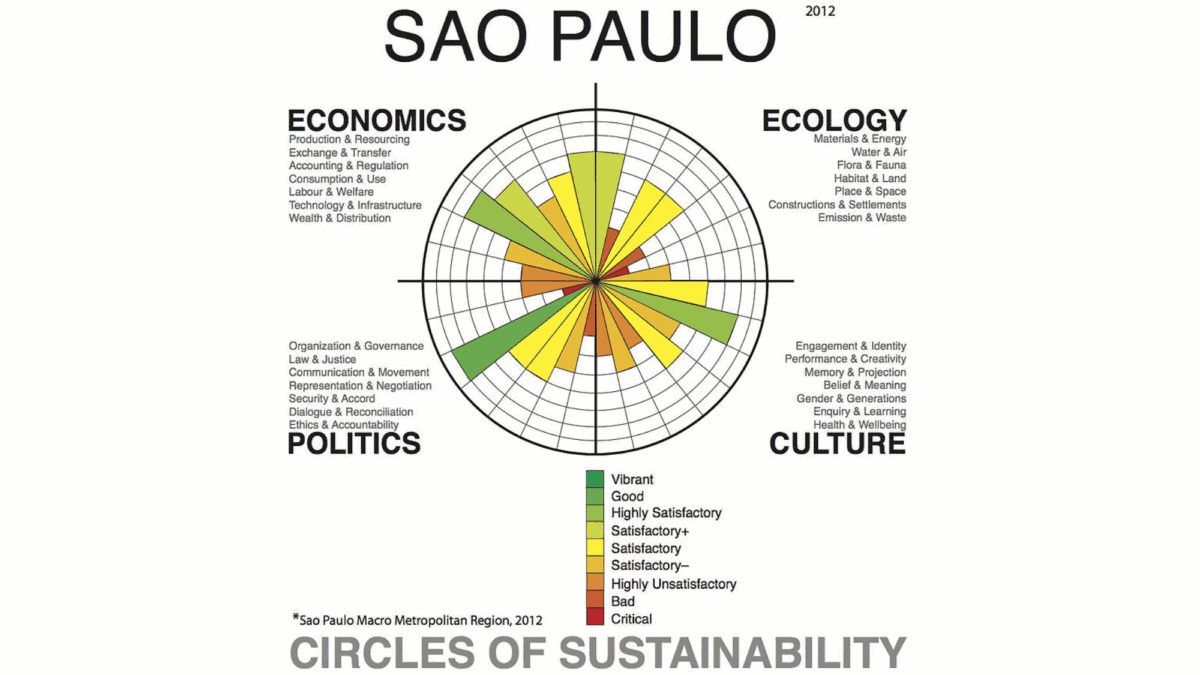
The traditional framing of growth versus conservation as inherently opposed forces represents a false dichotomy that obscures more nuanced understandings. This perspective assumes a zero-sum game where economic development must come at the expense of nature, and conservation must necessarily impede human progress. History has shown that this binary thinking leads to polarized debates and suboptimal outcomes for both humans and ecosystems.
A more accurate framing recognizes that long-term prosperity depends on healthy natural systems, while effective conservation requires addressing human needs and aspirations. The concept of “natural capital” helps bridge this divide by acknowledging that nature represents a form of wealth that generates returns for human societies. When we deplete this capital beyond its ability to regenerate, we undermine the foundation of sustainable growth. Reframing the discussion around how to optimize both human and ecological well-being opens pathways to solutions that serve multiple objectives simultaneously.
Sustainable Development: The Conceptual Framework for Coexistence
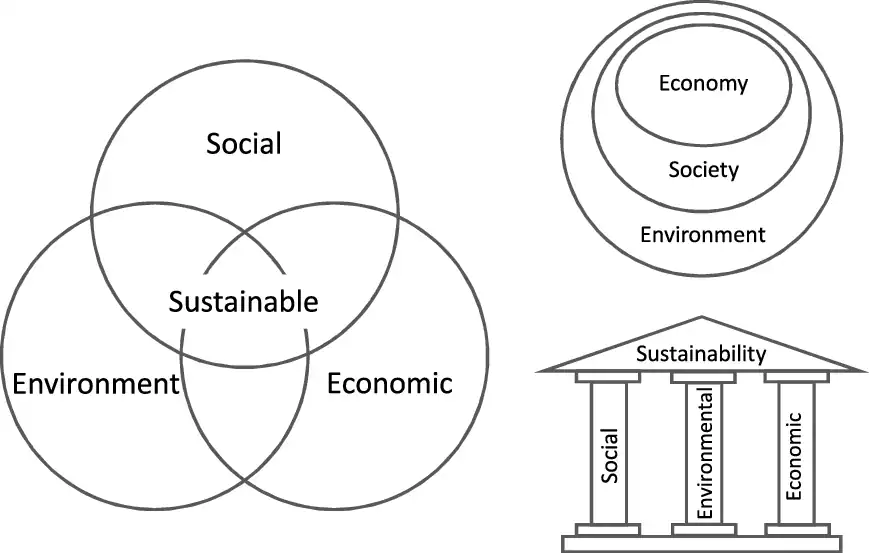
The sustainable development paradigm emerged as an attempt to reconcile human development needs with ecological imperatives. Formally defined in the 1987 Brundtland Report as “development that meets the needs of the present without compromising the ability of future generations to meet their own needs,” this concept has evolved into a comprehensive framework for addressing interconnected social, economic, and environmental challenges. In 2015, the United Nations adopted the 17 Sustainable Development Goals (SDGs), which set specific targets for poverty reduction, education, health, environmental protection, and other priorities to be achieved by 2030.
At its core, sustainable development recognizes that environmental health, social equity, and economic prosperity are interdependent and mutually reinforcing. Rather than treating these as competing priorities, the framework seeks integrated approaches that generate multiple benefits. For example, investing in renewable energy creates jobs and economic opportunities while reducing greenhouse gas emissions and air pollution. Similarly, sustainable agriculture practices can increase food security while preserving soil health and biodiversity. This holistic approach represents our best conceptual tool for envisioning how humans and nature can thrive together.
The Scale Challenge: Population Growth and Ecological Footprints
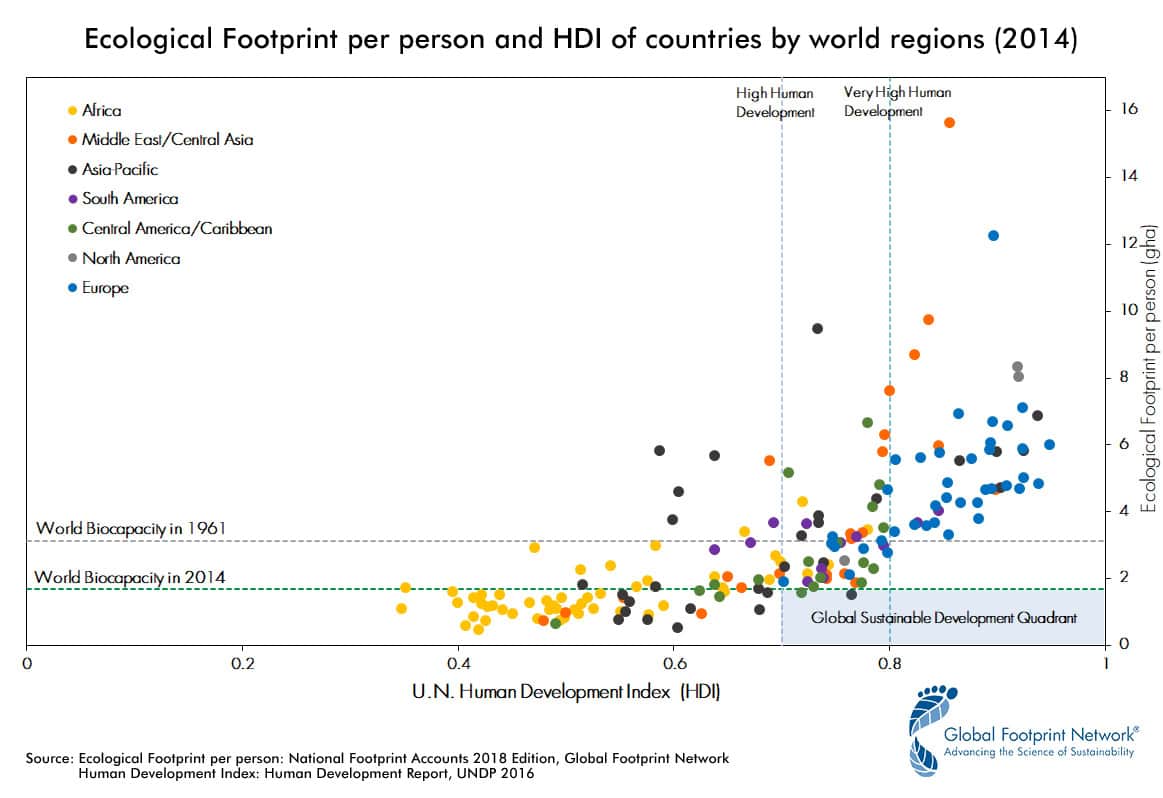
One of the most fundamental challenges in balancing growth and conservation is the sheer scale of human activity on the planet. The global population has more than tripled since 1950, reaching nearly 8 billion people today, and is projected to approach 10 billion by 2050. Each person requires resources for food, shelter, energy, and other needs, creating an aggregate demand that places enormous pressure on natural systems. The concept of “ecological footprint” helps quantify this impact, measuring how much biologically productive land and water area an individual or population requires to produce the resources it consumes and absorb its waste.
Currently, humanity’s collective ecological footprint exceeds the Earth’s biocapacity by approximately 75%, meaning we are using resources 1.75 times faster than ecosystems can regenerate them. This overshoot varies dramatically between countries, with the average American using resources at a rate that would require five Earths if all humans lived similarly. Addressing this scale challenge requires both technological improvements that reduce per capita resource use and stabilization of population growth through education, women’s empowerment, and access to family planning – approaches that respect human rights while recognizing planetary boundaries.
Economic Models for Shared Prosperity: Beyond GDP Growth
Traditional economic models that focus primarily on GDP growth have proven inadequate for addressing the complex challenges of sustainable development. GDP measures only market transactions and fails to account for environmental degradation, resource depletion, inequality, or quality of life factors. This narrow metric incentivizes forms of economic activity that may undermine long-term well-being by consuming natural capital and distributing benefits inequitably. New economic frameworks are emerging that take a more comprehensive view of prosperity and progress.
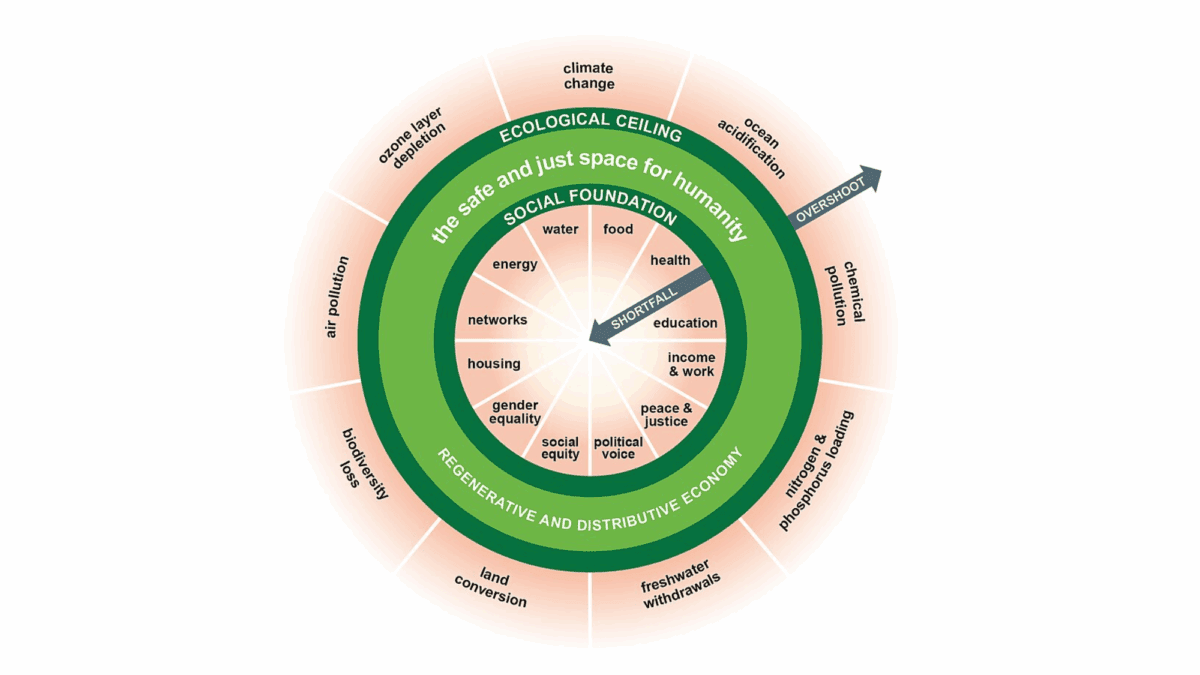
Concepts like the circular economy, regenerative economics, and doughnut economics offer alternative visions that better align economic activities with ecological realities. The circular economy aims to eliminate waste and continually reuse resources, mimicking natural cycles. Regenerative economics focuses on creating conditions for systems to renew, evolve, and thrive. Kate Raworth’s doughnut model establishes a “safe and just space” for humanity between meeting essential needs for all people and staying within planetary boundaries. These frameworks challenge the assumption that infinite growth is possible or desirable on a finite planet, instead focusing on qualitative development that enhances human well-being while respecting ecological limits.
The Technology Factor: Innovation as a Bridge or a Barrier

Technology plays a complex and sometimes contradictory role in the growth-conservation nexus. Technological innovation has dramatically increased resource efficiency and reduced environmental impacts in many sectors. For instance, LED lighting uses up to 90% less energy than incandescent bulbs, while precision agriculture techniques can reduce water and fertilizer use by 20-40%. Renewable energy technologies have become increasingly competitive with fossil fuels, offering pathways to decarbonize economies while providing reliable power. These advances support the concept of “decoupling” – separating economic growth from environmental degradation.
However, technology alone cannot solve sustainability challenges and sometimes creates new problems. The “rebound effect” occurs when efficiency gains lead to increased consumption that offsets environmental benefits. For example, more fuel-efficient vehicles may encourage people to drive more, reducing the net benefit. Digital technologies have their own substantial ecological footprint, with data centers consuming approximately 1% of global electricity. Most importantly, technological optimism sometimes becomes a form of denial, allowing societies to delay difficult choices about consumption patterns and economic models by assuming future innovations will magically resolve all constraints. The most promising approach treats technology as an important tool within broader systems change, rather than a silver bullet solution.
Land Use Strategies: Finding Room for Wildlife and People
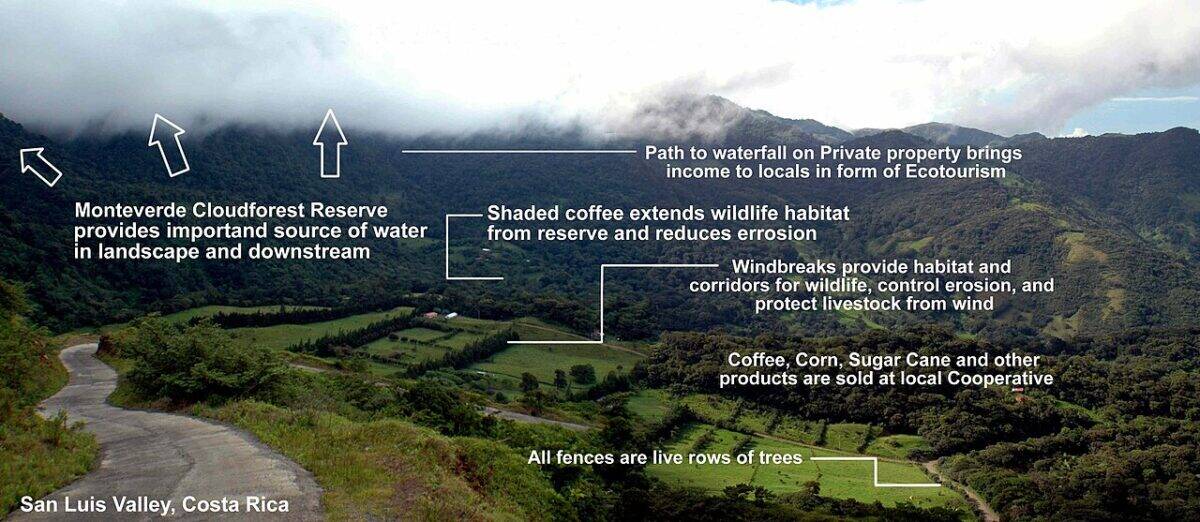
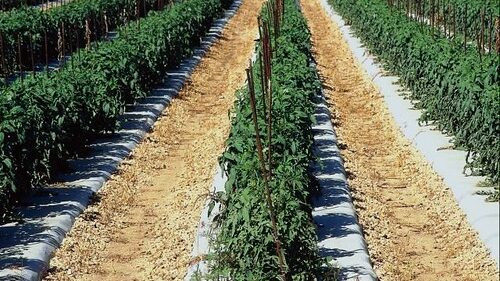
Conservation- or eco-agriculture involves multiple elements to protect wildlife.CC BY-SA 3.0, https://en.wikipedia.org/w/index.php?curid=9407904. Image via Wikipedia
How we use land represents one of the most direct intersections between human needs and conservation imperatives. Agriculture alone occupies approximately 50% of Earth’s habitable land surface, while urban areas – though covering just 1-3% of land surface – house over half the human population and generate about 80% of global GDP. The expansion of these human-dominated landscapes has come primarily at the expense of forests, grasslands, and other natural ecosystems that harbor biodiversity and provide essential ecosystem services.
Two complementary approaches have emerged for managing this tension. The “land sparing” strategy focuses on intensifying production on already developed lands to minimize the need for additional conversion, while strictly protecting other areas for nature. The “land sharing” approach integrates conservation and production within multifunctional landscapes, such as agroforestry systems that combine trees with crops or livestock. Both strategies have important roles depending on context. Urban planning innovations like compact cities, green infrastructure, and biophilic design similarly seek to accommodate human needs while maintaining ecological functions. The most successful land use approaches combine scientific understanding with participatory governance that respects the rights and knowledge of local communities, particularly indigenous peoples who often serve as the most effective guardians of biodiversity.
The Commons Dilemma: Managing Shared Resources

Many of the world’s most vital natural resources exist as “commons” – systems that don’t fall neatly under private or state ownership but are shared by communities or humanity as a whole. These include the atmosphere, oceans, biodiversity, and many freshwater systems. The “tragedy of the commons” describes the tendency for shared resources to become degraded when individual users have incentives to maximize their own benefits without bearing the full costs of resource depletion. This dynamic plays out in overfishing, deforestation, groundwater depletion, and greenhouse gas emissions.
Economist Elinor Ostrom’s groundbreaking research, which earned her the Nobel Prize, demonstrated that communities can successfully manage commons through collective governance arrangements with clear boundaries, monitoring, graduated sanctions, and conflict resolution mechanisms. At larger scales, international agreements like the Paris Climate Accord, the Convention on Biological Diversity, and the Law of the Sea Treaty attempt to establish cooperative frameworks for managing global commons. These governance systems face immense challenges of enforcement, free-riding, and power imbalances, yet they represent essential mechanisms for aligning individual and collective interests in shared resources. Effective commons management represents one of the most critical institutional innovations needed for balancing growth and conservation.
The Justice Dimension: Environmental Equity Across Societies
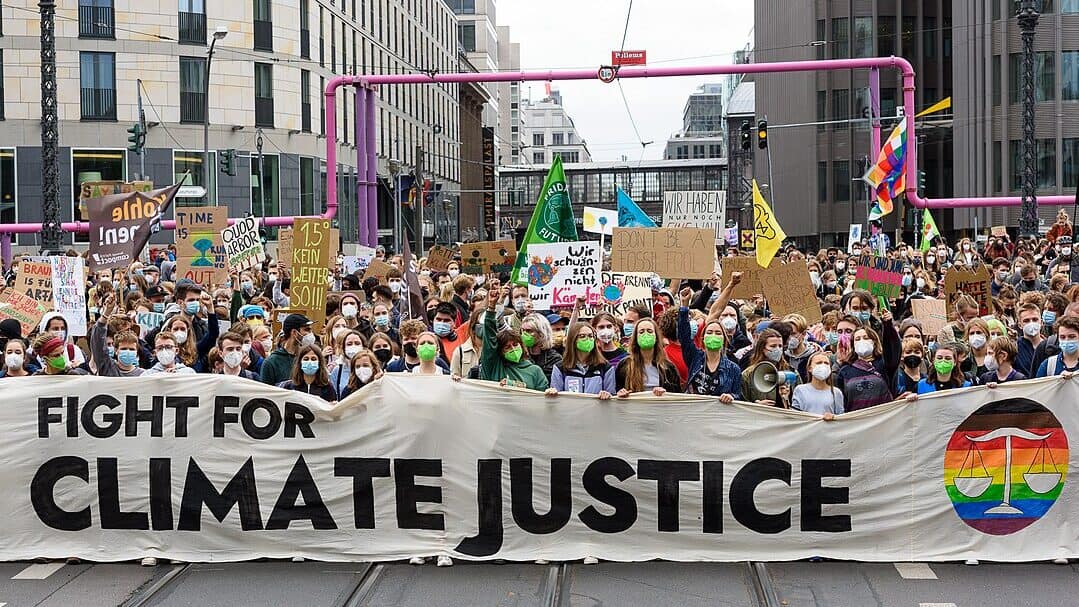
Any discussion of sharing the planet must address profound inequities in both the benefits derived from resource use and the burdens of environmental degradation. Historically, wealthy nations and communities have consumed disproportionate shares of global resources while often externalizing environmental costs to disadvantaged groups. Indigenous peoples, who manage or hold tenure rights to lands containing 80% of the world’s remaining biodiversity, have frequently seen their territories appropriated for development projects that provide few local benefits. Within countries, environmental hazards like pollution and climate impacts disproportionately affect low-income communities and people of color – a pattern documented extensively in environmental justice research.
Addressing these inequities requires incorporating justice principles into conservation and development efforts. The concept of “just transitions” recognizes the need to ensure that shifts toward sustainability don’t simply perpetuate existing disadvantages. This includes supporting workers and communities dependent on high-carbon industries, respecting indigenous rights and knowledge in conservation planning, and ensuring that environmental policies don’t place disproportionate burdens on vulnerable groups. Environmental justice movements increasingly influence policy through principles of procedural justice (inclusive decision-making), distributive justice (fair allocation of benefits and burdens), and recognition justice (respecting diverse values and knowledge systems).
Success Stories: Models of Coexistence in Practice
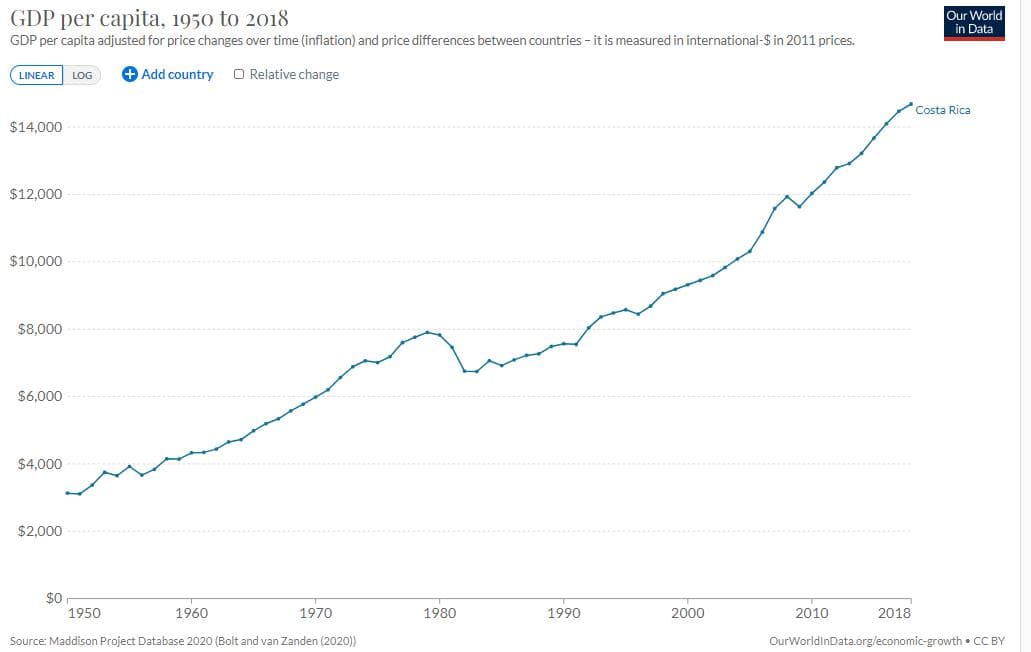
Despite the immense challenges, numerous examples demonstrate the possibility of balancing human needs with conservation priorities. Costa Rica reversed severe deforestation trends while growing its economy, increasing forest cover from 26% in 1983 to over 50% today through a combination of protected areas, payments for ecosystem services, and ecotourism development. The program has generated sustainable livelihoods while protecting biodiversity and positioning Costa Rica as a leader in sustainable development. Similarly, the city-state of Singapore has achieved remarkable economic prosperity while maintaining 47% green cover through innovative urban planning that integrates nature into development.
At smaller scales, community conservation initiatives like the community-managed forests of Nepal and Mexico demonstrate how local governance can sustain resources while supporting livelihoods. In business, companies like Interface have pioneered circular economy models that dramatically reduce resource use and waste while maintaining profitability. Wildlife corridors connecting protected areas in landscapes from Yellowstone to the Terai Arc of Nepal and India allow animals to migrate through human-dominated landscapes. These success stories share common elements: long-term vision, stakeholder participation, adaptive management, supportive policy frameworks, and recognition of the interdependence between human well-being and ecological health. They provide practical templates that can be adapted to diverse contexts.
The question posed in our title—can we share the planet?—has no simple answer but rather represents an ongoing challenge that will define humanity’s future. The evidence suggests that continued business-as-usual approaches to growth will undermine the ecological foundations upon which all prosperity ultimately depends. Yet the evidence also demonstrates that alternatives exist that can meet human needs while preserving the extraordinary diversity of life with which we share Earth.
Balancing growth and conservation requires transformative changes in how we measure progress, design economic systems, govern commons, and value nature. It demands technological innovation coupled with institutional evolution and cultural shifts toward more sustainable consumption patterns. Most fundamentally, it requires recognizing that humans are not separate from nature but embedded within it—our fates inextricably linked with the health of the biosphere.
The path forward lies not in choosing between people and planet but in reimagining development in ways that serve both. This means embracing complexity and moving beyond simplistic either/or thinking toward integrated approaches that generate multiple benefits. It means acknowledging the legitimate aspirations of communities seeking improved living standards while respecting ecological boundaries. Perhaps most importantly, it means expanding our moral circle to include future generations and non-human species in our conception of a just and flourishing world.
As we navigate the profound challenges of the 21st century, from climate change to biodiversity loss to persistent poverty, the question is not whether we can share the planet, but how we choose to do so. The answer will emerge not from any single policy or technology but from millions of decisions made at every level—from individual choices to international agreements. The vision of a world where both humans and nature thrive remains within reach, but realizing it requires unprecedented cooperation, creativity, and commitment to creating a truly sustainable relationship between people and planet.

- Balancing Growth and Conservation: Can We Share the Planet? - July 25, 2026
- Tips for Wildlife-Safe Composting in Your Garden - July 25, 2026
- The Brown Recluse: More Common Than You Think - July 25, 2026
Leave a comment
You must be logged in to post a comment.