

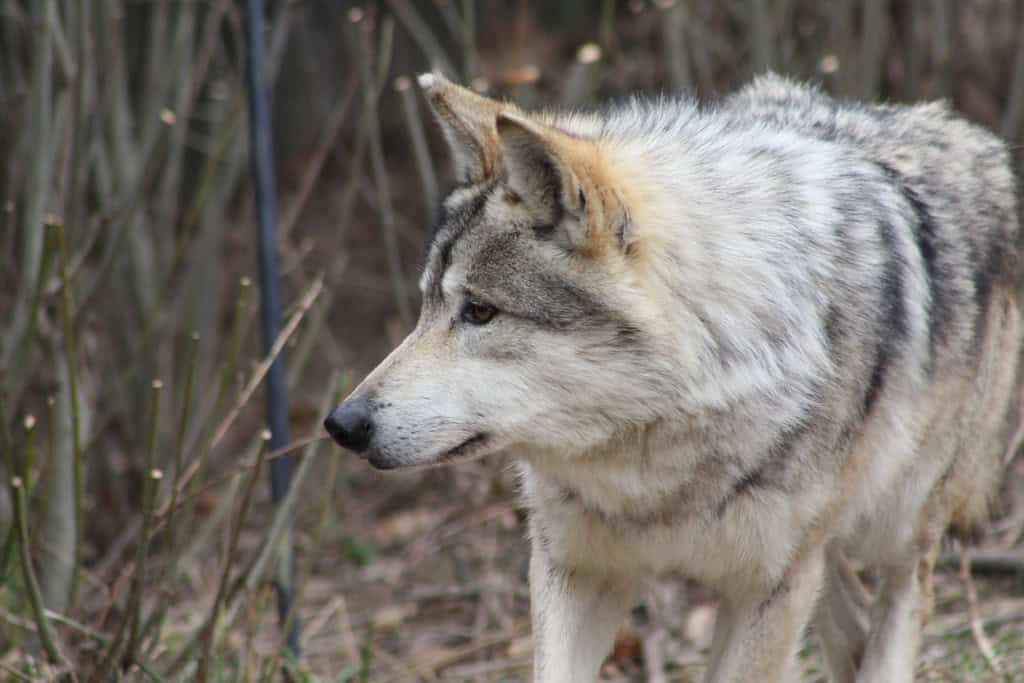
Wolves once roamed freely across North America, their howls echoing through forests and plains from coast to coast. While their numbers and range have dramatically decreased since European settlement, these magnificent predators have made a remarkable comeback in several regions of the United States. For wildlife enthusiasts and nature lovers, observing wolves in their natural habitat provides an unforgettable glimpse into wild America and the complex ecosystems these apex predators help maintain. This guide explores the best places across the United States where you can witness wolves in their natural environment, complete with information on the best times to visit, viewing opportunities, and what to expect from your wolf-watching adventure.
Yellowstone National Park: America’s Premier Wolf Watching Destination

Yellowstone National Park stands as the crown jewel of wolf watching in the United States. Following the successful reintroduction of gray wolves in 1995-1996, the park now hosts approximately 80-100 wolves across 8-10 packs. The Lamar Valley, often called “America’s Serengeti,” offers the most reliable wolf sightings in the country. This open valley landscape provides visitors with unobstructed views where wolves can be spotted hunting, playing, or interacting with their pack members, particularly during early morning and evening hours.
Winter months (December through March) offer the best viewing opportunities as wolves are more visible against the snow, and their prey concentrates in the valleys. The Yellowstone Wolf Project maintains data on pack movements, and park rangers or wildlife guides can direct visitors to recent sighting locations. While wolves can typically be seen only through spotting scopes or binoculars (usually at distances of half a mile or more), the experience of seeing these apex predators in their restored ecosystem is profoundly moving and educational.
Grand Teton National Park: Yellowstone’s Southern Neighbor

Adjacent to Yellowstone, Grand Teton National Park provides another excellent opportunity to observe wolves in the wild. While wolf populations here are smaller than in Yellowstone, with approximately 2-3 packs moving between the parks, the spectacular backdrop of the Teton mountain range makes wolf sightings here particularly dramatic. Wolves in this region frequently travel through the Willow Flats area and along the Snake River corridor, hunting elk and other prey that congregate in these habitats.
The best viewing times mirror those of Yellowstone – early morning and late evening during winter months when visibility improves. Summer sightings are less common as wolves move to higher elevations and denser forests. The Moose-Wilson Road and Antelope Flats are recommended viewing areas where visitors might catch a glimpse of these elusive predators. Wildlife tour operators in Jackson Hole offer guided wolf-watching excursions with experienced naturalists who know the movements and territories of local packs.
Isle Royale National Park: Wolves and Moose in Isolation
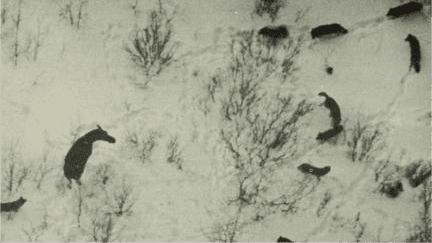
For a truly unique wolf-watching experience, Isle Royale National Park in Lake Superior offers a fascinating ecological case study. This isolated island ecosystem has hosted wolves and moose without human hunting pressure for decades, creating one of the world’s longest-running predator-prey studies. In recent years, the native wolf population had declined to just two individuals, prompting the National Park Service to begin a wolf reintroduction program in 2018. Today, approximately 28 wolves inhabit the island, offering visitors increasing chances to observe these predators.
Accessing Isle Royale requires planning, as the park is only open from mid-April through October and is reachable only by boat or seaplane. Once there, hikers on the island’s 165 miles of trails occasionally encounter wolves, though direct sightings remain rare. More common are signs of wolf presence – tracks, scat, and the haunting sound of howls across the water at dusk. The park’s isolation and limited human presence make it one of the most authentic wolf habitats in the United States, though patience and multiple visits may be necessary before a successful sighting.
Minnesota’s Boundary Waters and Superior National Forest
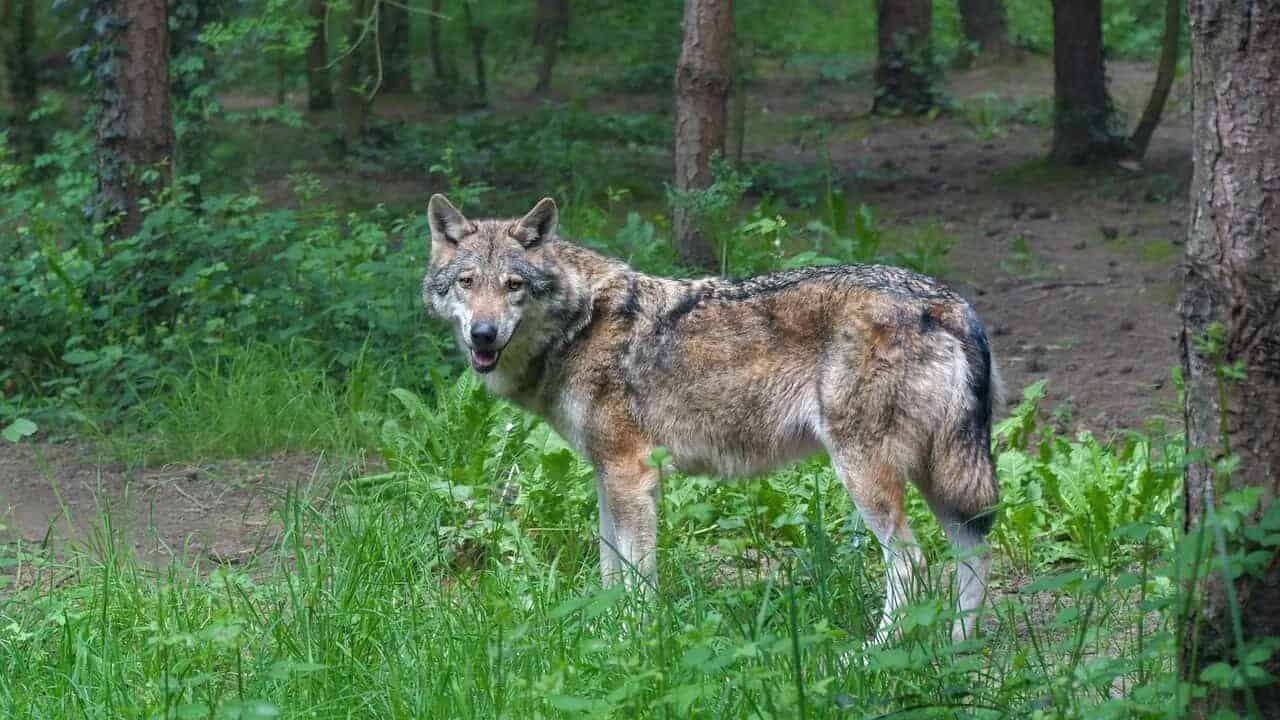
Minnesota hosts the largest wolf population in the lower 48 states, with approximately 2,700 wolves. The remote wilderness of the Boundary Waters Canoe Area (BWCA) and surrounding Superior National Forest provide essential habitat for these wolves, offering visitors opportunities to experience wolf country during multi-day canoe trips or hiking expeditions. While direct sightings remain uncommon due to the dense forest habitat, evidence of wolves – including tracks along shorelines and occasional howling – frequently rewards observant wilderness travelers.
The International Wolf Center in Ely, Minnesota, serves as an excellent educational resource before venturing into wolf territory. While the center maintains ambassador wolves in naturalistic enclosures, their staff can provide current information about wild wolf activity in the region. Winter offers improved tracking opportunities when frozen lakes allow for greater mobility and wolf tracks stand out clearly in the snow. Guided tracking expeditions, particularly overnight trips that include listening for howls at dusk and dawn, provide meaningful connections to wolf country even when direct sightings prove elusive.
Idaho’s Frank Church-River of No Return Wilderness
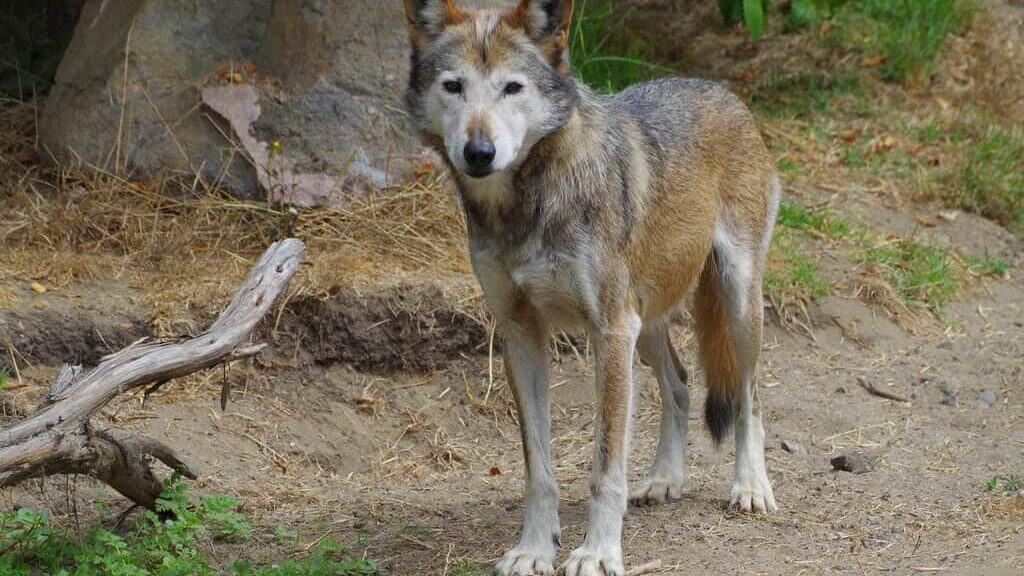
The largest contiguous federally managed wilderness in the continental United States, Idaho’s Frank Church-River of No Return Wilderness encompasses 2.3 million acres of pristine habitat that supports a significant wolf population. Following natural recolonization and reintroduction efforts in the 1990s, wolves have established numerous packs throughout this remote region. The rugged, largely roadless character of this wilderness makes accessing wolf territory challenging but rewards determined visitors with some of the most pristine wolf habitat in the country.
Multi-day backpacking trips or guided horseback expeditions provide the best access to areas where wolves may be encountered. The Salmon River corridor offers potential sighting opportunities during winter months when wolves follow elk and deer herds to lower elevations. Outfitters operating in the region sometimes report wolf sightings during hunting season and can provide guidance on recent wolf activity. While the wilderness character means sightings are never guaranteed, the Frank Church Wilderness offers a rare opportunity to experience wolf country largely unchanged from when these predators first evolved in North America.
Denali National Park: Alaska’s Wolf Haven

While many think of Alaska as a separate entity, it remains firmly within the United States, and Denali National Park offers some of the best wolf viewing opportunities in the country. Approximately 75-100 wolves in 10-12 packs inhabit the park’s six million acres. Unlike many Lower 48 wolf populations, Denali’s wolves have never been extirpated and represent an unbroken lineage stretching back thousands of years. The open tundra landscape and limited tree cover make spotting wolves more likely than in heavily forested habitats elsewhere.
Visitors traveling the 92-mile Denali Park Road often spot wolves, particularly in the Savage River, Teklanika, and Toklat areas. The best viewing occurs during the summer visitor season (May through September), with morning hours typically most productive. Park buses provide elevated vantage points for scanning the landscape, and drivers are experienced at spotting wildlife. Unfortunately, wolf viewing success has declined in recent years due to decreased protection zones outside park boundaries, but Denali still offers better opportunities to see wolves than most locations in the continental United States.
Wisconsin’s Northern Forests
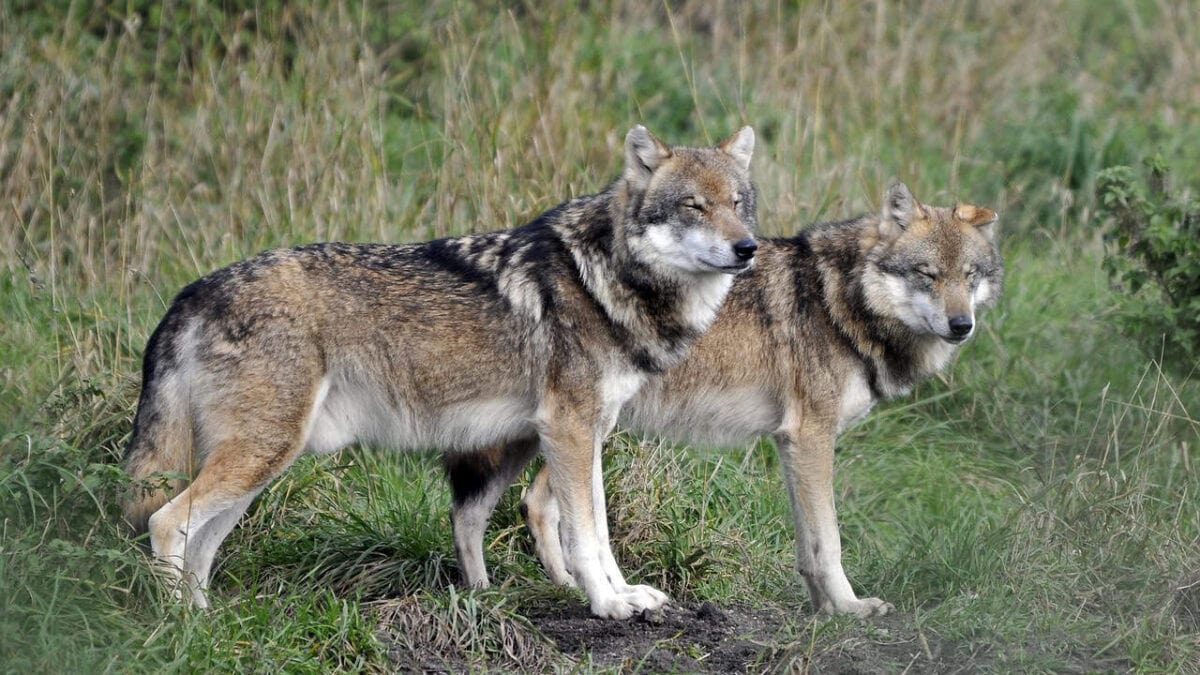
Wisconsin’s wolf population has recovered significantly in recent decades, with approximately 1,000 wolves now inhabiting the northern third of the state. The Chequamegon-Nicolet National Forest contains multiple wolf packs, particularly in more remote areas away from roads and human development. These wolves primarily inhabit mixed hardwood-conifer forests where deer, their main prey, are abundant. While the dense forest makes direct observation challenging, wolf howling surveys and tracking represent rewarding ways to connect with the local wolf population.
The Timber Wolf Information Network and the Timber Wolf Alliance offer periodic wolf howling expeditions during late summer when pups are old enough to travel but still respond readily to howls. Winter tracking workshops in the northern counties provide opportunities to learn about wolf behavior through the stories written in snow. The state’s wolf monitoring program occasionally allows public volunteers to participate in winter track surveys. Though you may not see a wolf directly, learning to identify their signs and hear their calls creates a meaningful connection to these elusive predators.
Michigan’s Upper Peninsula
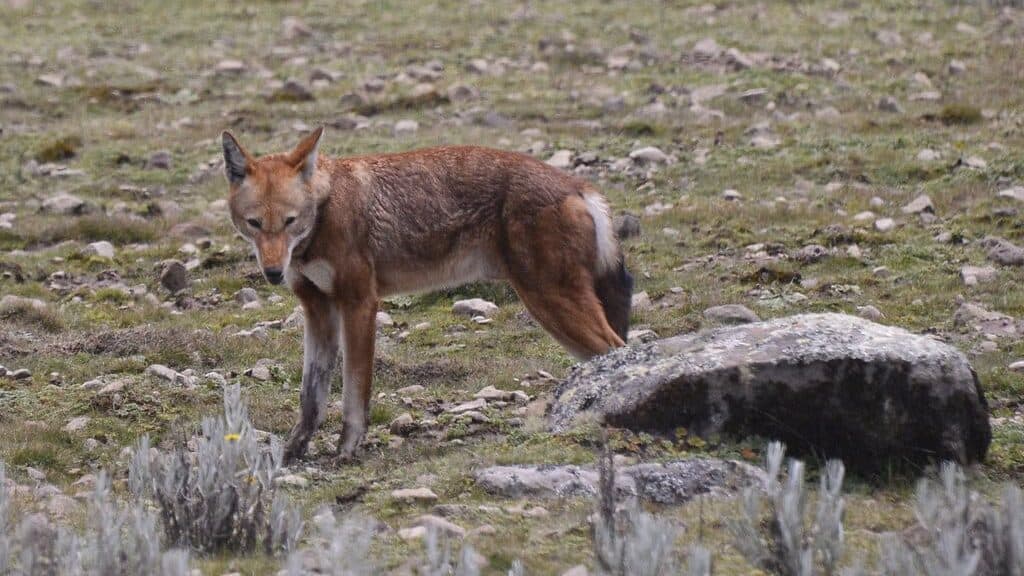
Michigan’s Upper Peninsula currently hosts approximately 700 wolves, primarily in the western and central regions. Areas around the Porcupine Mountains Wilderness State Park, Ottawa National Forest, and Hiawatha National Forest contain established wolf packs. The mixed landscape of forests, wetlands, and old farm fields creates ideal habitat for wolves and their prey. Winter provides the best opportunity to find wolf tracks crossing roads or frozen lakes, particularly after fresh snowfall. Remote forest roads with low traffic volume offer the best chances for lucky daytime sightings.
The Seney National Wildlife Refuge maintains trails where visitors occasionally report wolf sightings, particularly along the marshland edges during early morning hours. Organized howling surveys take place periodically throughout the UP, often coordinated through local conservation organizations. While the Michigan Department of Natural Resources monitors wolf populations closely, they generally don’t publicize pack locations to minimize disturbance. Connecting with local wildlife photographers or naturalist guides familiar with wolf territories can greatly increase your chances of encountering signs of wolves during your visit.
New Mexico and Arizona: Mexican Gray Wolf Territory
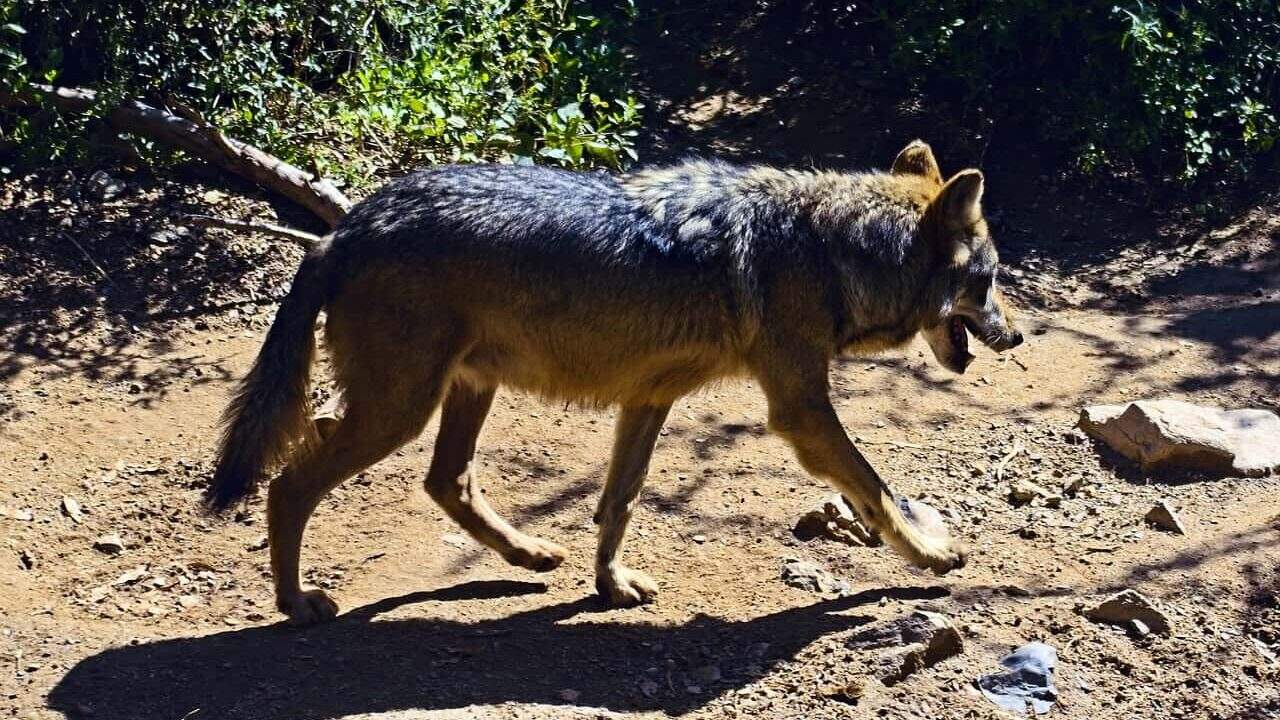
The southwestern states of New Mexico and Arizona host a different subspecies – the Mexican gray wolf, the most endangered wolf in North America. Following reintroduction efforts beginning in 1998, approximately 200 Mexican wolves now inhabit the Blue Range Wolf Recovery Area, which includes portions of the Apache-Sitgreaves National Forests in Arizona and the Gila National Forest in New Mexico. These wolves are smaller than their northern cousins and have adapted to the region’s unique mix of mountains, canyons, and high desert environments.
Wolf sightings remain extremely rare due to both the low population density and the wolves’ tendency to avoid humans. However, dedicated wildlife watchers occasionally spot these endangered predators in remote areas of the Gila Wilderness or along the Mogollon Rim. The wolf recovery program conducts periodic public outreach events, including opportunities to assist with radio tracking or other monitoring activities. Connecting with the Mexican Wolf Interagency Field Team can provide up-to-date information about appropriate viewing areas that won’t disturb these critically endangered animals.
Oregon’s Cascade Mountains and Northeast Forests

Oregon’s wolf recovery began when wolves naturally dispersed from Idaho in the late 2000s, establishing packs primarily in the northeastern corner of the state. Since then, wolves have expanded their range to include portions of the Cascade Mountains, with approximately 175 wolves now residing in Oregon. The Eagle Cap Wilderness in the Wallowa Mountains hosts several established packs, while newer territories are being established in the forests surrounding Mount Hood and in southern Oregon. These diverse habitats support wolves preying on elk, deer, and smaller mammals.
Wolf sightings in Oregon remain uncommon but are increasing as populations grow. The Oregon Department of Fish and Wildlife maintains updated maps of wolf activity that can guide interested wildlife watchers to appropriate areas. Winter tracking in snow, particularly in the Wallowa-Whitman National Forest, provides the most reliable way to confirm wolf presence. The White River Wildlife Area on the eastern slope of the Cascades occasionally yields wolf sightings or signs. As with other locations, dawn and dusk offer the best opportunities to glimpse these elusive predators.
Wolf Viewing Ethics and Best Practices

Responsible wolf watching requires adherence to ethical guidelines that prioritize the animals’ welfare and natural behavior. Always maintain a minimum distance of 100 yards (91 meters) from wolves, using spotting scopes or binoculars for close-up views rather than approaching the animals. Avoid howling in areas where wolves may have dens or rendezvous sites, particularly during the spring and early summer when pups are young. Such disturbances can displace wolves from important habitat or alter their behavior in ways that may impact their survival.
Join organized wolf-watching tours led by certified naturalists who understand wolf ecology and appropriate viewing practices. These guides not only increase your chances of successful sightings but ensure your presence doesn’t negatively impact the wolves. Contribute to citizen science by reporting sightings through official channels, which helps researchers monitor populations while maintaining a buffer between wolves and general tourist traffic. Remember that a successful wolf-watching experience might involve tracks, scat, or howls rather than direct sightings – embracing these indirect encounters demonstrates respect for the wolves’ elusive nature and wild character.
Observing wolves in the wild represents one of North America’s most challenging yet rewarding wildlife viewing experiences. Unlike more predictable wildlife encounters, successful wolf watching requires patience, preparation, and often a bit of luck. Yet the effort invested makes those rare moments when a wolf appears on a distant ridge or trots across a meadow all the more meaningful. Beyond the thrill of the sighting itself, spending time in wolf country connects visitors to a wilder America that has largely vanished from our modern landscape.
The restoration of wolves to portions of their former range stands as one of conservation’s great success stories, though not without ongoing controversy and challenges. By visiting these areas and supporting local economies that benefit from wolf-related tourism, wildlife enthusiasts contribute to the case for continued protection. Whether you glimpse a wolf pack hunting in Yellowstone’s Lamar Valley, find fresh tracks crossing a Minnesota lake, or simply hear howls echoing through Denali’s vast wilderness, encountering wolves creates lasting memories and a deeper appreciation for America’s wild heritage.

- Wildlife Mysteries That Took Decades to Solve - July 21, 2026
- The Largest Python Ever Captured in Florida’s Everglades - July 21, 2026
- How Crickets Chirp Using Their Wings - July 20, 2026