

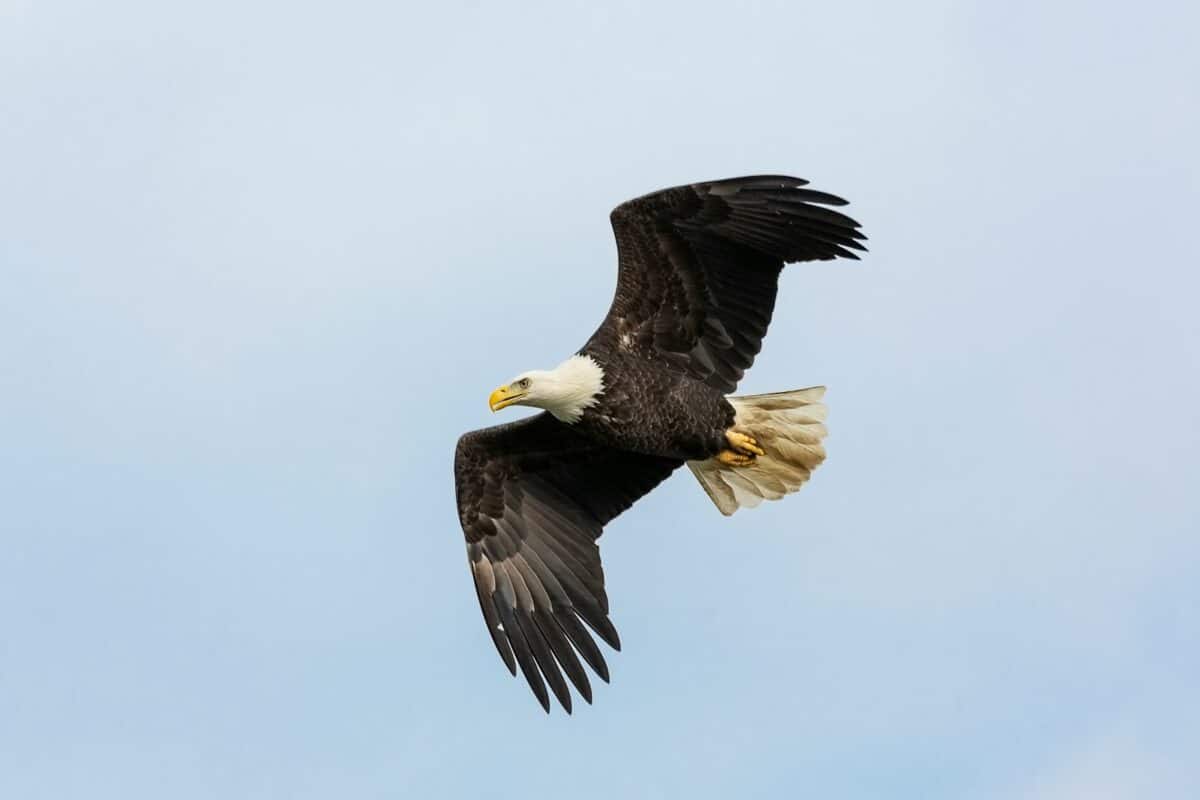
Eagles are renowned for their exceptional hunting abilities, particularly their capacity to spot potential prey from remarkable distances. These majestic birds of prey possess visual systems that far surpass human capabilities, allowing them to detect small animals from heights of up to 10,000 feet and distances of over 3 miles away. This extraordinary skill is not simply the result of good eyesight but rather a complex combination of specialized adaptations, evolutionary advantages, and hunting techniques that have developed over millions of years. Understanding how eagles achieve these remarkable feats offers fascinating insights into the intricate relationship between form and function in nature’s design and the incredible specialization that evolution can produce.
The Remarkable Visual Acuity of Eagles

Eagles possess visual acuity that is estimated to be 4 to 8 times sharper than that of humans. Where a human with 20/20 vision can clearly see an object at 20 feet, eagles can see the same level of detail from 80 to 160 feet away. This extraordinary vision allows them to spot a rabbit from approximately two miles away or detect fish swimming beneath the water’s surface from hundreds of feet in the air. Scientists measure this remarkable visual ability at around 20/5 vision, meaning eagles can see at 20 feet what humans would need to be at 5 feet to see clearly.
The exceptional visual capabilities of eagles are primarily due to their unique eye structure. Their eyes are proportionally enormous relative to their skull size, with each eye weighing approximately the same as a human eye despite eagles having much smaller heads. These large eyes allow for a bigger retinal image, which directly contributes to their ability to resolve fine details at great distances. Additionally, eagles have a higher density of photoreceptor cells in their retinas, particularly in a specialized region called the fovea, which further enhances their visual acuity.
Specialized Eye Structure and Function
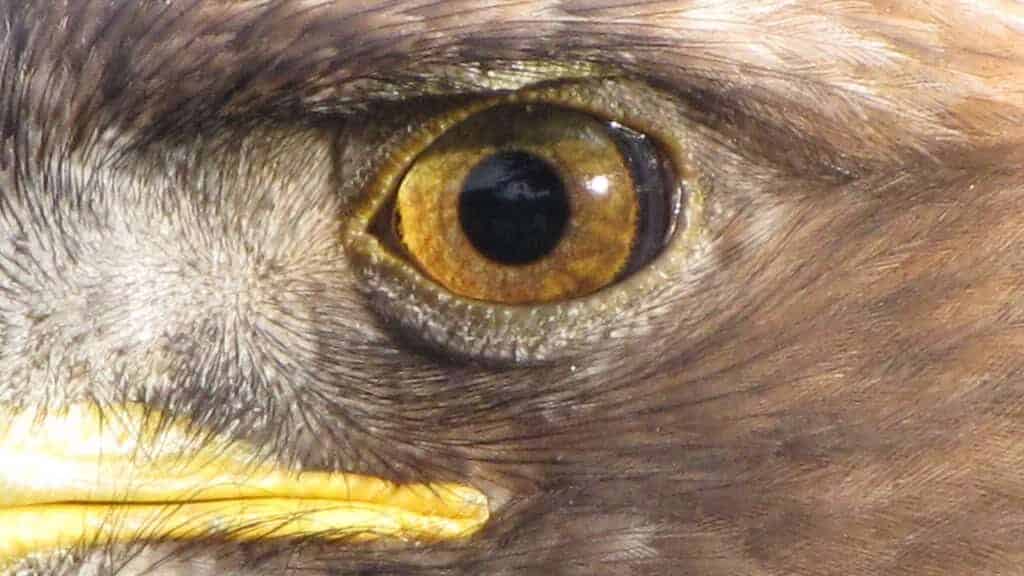
The eagle’s eye is a marvel of biological engineering, specifically adapted for long-distance vision and hunting. Unlike human eyes, which are roughly spherical, eagle eyes are relatively flat and large, taking up a significant portion of their skull. This unique shape allows for a longer focal length, similar to a telephoto camera lens, which magnifies distant objects. Eagles also possess two foveae (areas of concentrated photoreceptors) in each eye, compared to humans’ single fovea, giving them both forward-facing and sideways visual acuity.
Another crucial adaptation is the density of visual cells in the eagle’s retina. The human retina contains approximately 200,000 photoreceptors per square millimeter, while eagles boast over 1 million photoreceptors in the same area. This five-fold increase in receptor density translates directly to higher resolution vision. Eagles also have more color-sensitive cones than humans, enabling them to see a broader spectrum of colors, including ultraviolet light that’s invisible to the human eye, which may help them track urine trails left by prey animals.
The Role of Eagle Eye Muscles
The extraordinary vision of eagles is further enhanced by specialized muscles that control their eye movements with remarkable precision. Eagles possess six extraocular muscles attached to each eye, similar to humans, but these muscles are proportionally stronger and allow for greater control. These powerful muscles enable eagles to maintain a stable gaze while in flight, even when navigating through turbulent air currents or diving at high speeds. This stabilization is crucial for keeping potential prey in focus despite the eagle’s own movement.
Additionally, eagles can voluntarily control their pupil size to an exceptional degree, allowing them to rapidly adjust to changing light conditions. When soaring at high altitudes where light is intense, they can constrict their pupils to prevent light overload. Conversely, when hunting in lower light conditions such as dawn or dusk, they can dilate their pupils dramatically to maximize light capture. This pupillary control, combined with a specialized membrane called the pecten that supplies nutrients to the retina, helps maintain optimal visual performance across widely varying conditions.
The Eagle’s Field of Vision
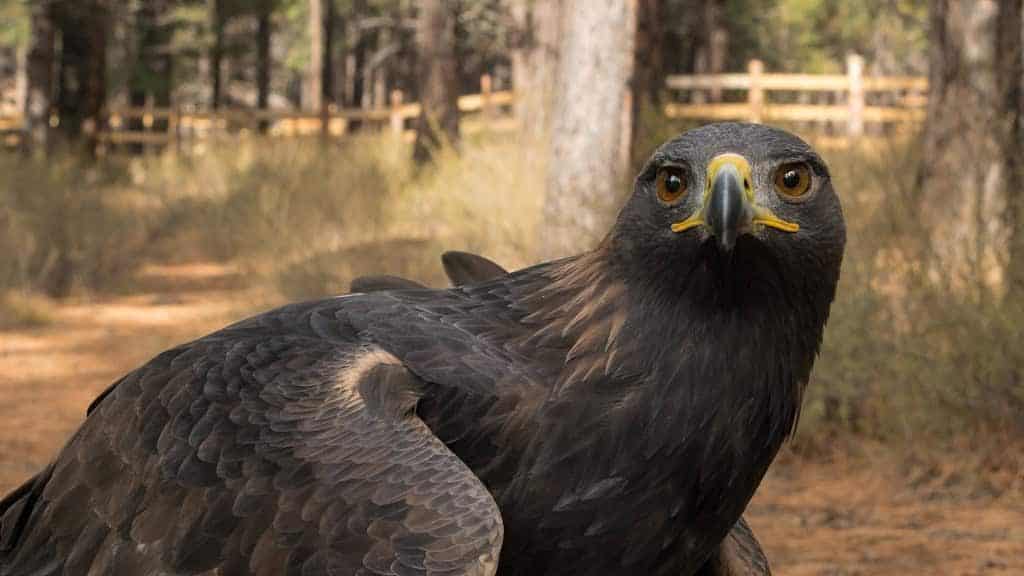
Eagles possess a remarkable field of vision that greatly contributes to their hunting prowess. With eyes positioned on the sides of their head, eagles enjoy a field of view spanning approximately 340 degrees, with about 50 degrees of binocular overlap directly in front. This arrangement provides them with nearly complete surveillance of their surroundings while still maintaining the depth perception crucial for accurately judging the distance to prey. The minimal blind spot behind their head is compensated for by their ability to rotate their neck up to 270 degrees.
The positioning of eagle eyes also enables them to scan vast areas while soaring. As they circle high above the landscape, they can systematically search for movement or color patterns that might indicate prey. Their wide field of vision allows them to monitor several square miles of terrain simultaneously, making efficient use of their hunting time. When a potential target is spotted, eagles can then focus their binocular vision on that specific area, assessing whether it’s worth pursuing before committing to an energy-intensive dive.
Perception of Movement and Detail
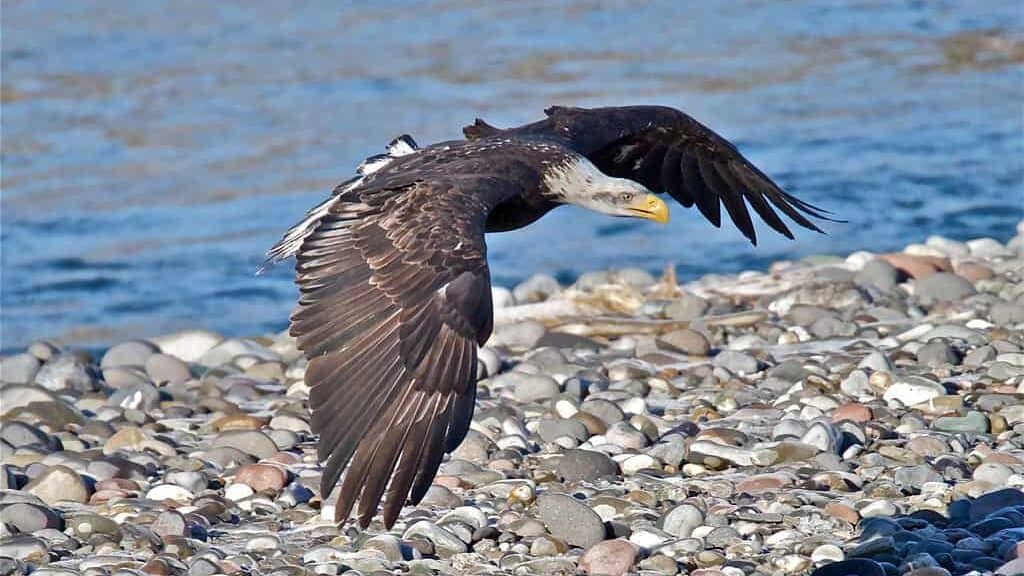
A key aspect of eagles’ hunting success is their extraordinary ability to detect subtle movements. Their visual system is highly attuned to noticing even the slightest motion against a static background, allowing them to spot a scurrying rodent or a fish moving near the water’s surface from remarkable distances. This motion sensitivity is due to specialized neural pathways that prioritize the processing of movement information. Unlike humans, who might overlook minor movements in a complex visual scene, eagles’ brains are wired to immediately register these potential signals of prey.
Eagles also excel at distinguishing fine details that would be imperceptible to human observers at the same distance. They can detect color variations that might indicate a camouflaged animal against similar-colored vegetation or distinguish the outline of a prey animal partially hidden by grass or foliage. This ability to perceive both movement and minute details simultaneously allows eagles to efficiently sort through the vast amount of visual information they encounter during hunting, focusing their attention only on the most promising targets.
Adaptations to Different Hunting Environments

Different eagle species have evolved visual adaptations specific to their preferred hunting environments and prey types. Bald eagles, which primarily feed on fish, have developed vision particularly suited for penetrating water surfaces and detecting underwater movement. Their eyes can adjust for the refraction of light at the water-air interface, allowing them to accurately judge the position of fish below the surface. This adaptation is crucial because water refraction causes objects to appear in a different position than they actually are.
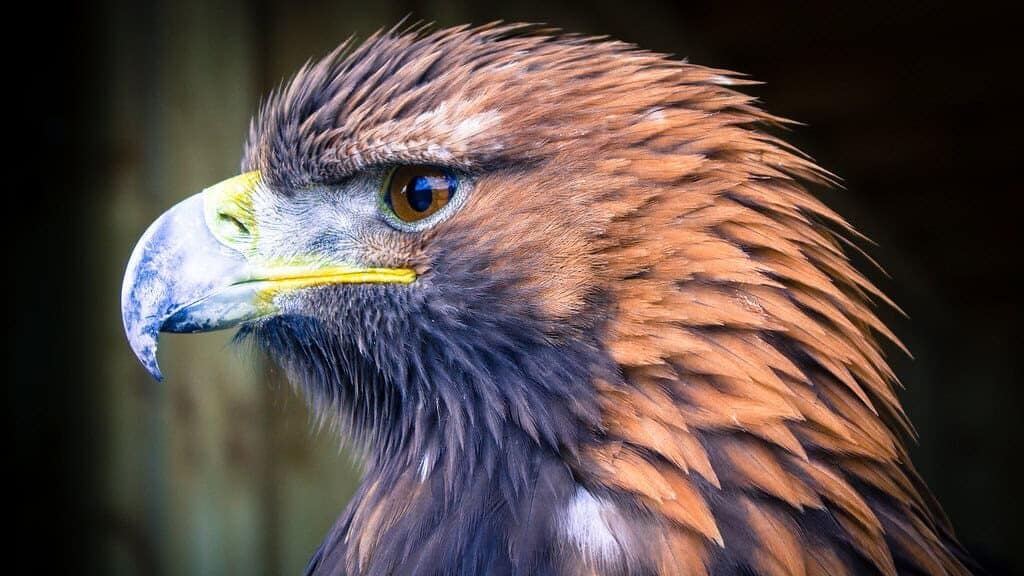
Golden eagles, conversely, have evolved visual systems optimized for spotting land mammals against varying terrestrial backgrounds. Their eyes are particularly adept at detecting the subtle color contrasts of prey against soil, rock, or vegetation. Both species benefit from altitude during hunting, but use it differently: bald eagles typically hunt from moderate heights over water bodies, while golden eagles often soar at extreme heights over open landscapes, taking advantage of their ability to spot small movements from miles away. These specialized adaptations demonstrate how eagle vision has been finely tuned through natural selection to maximize hunting success in specific ecological niches.
The Impact of Altitude on Hunting Success

The remarkable height from which eagles hunt is not arbitrary but strategically advantageous. By soaring at altitudes ranging from several hundred to several thousand feet, eagles gain a panoramic view of vast territories below. This elevated perspective allows them to survey areas spanning several square miles simultaneously, dramatically increasing their chances of spotting potential prey. Research has shown that hunting from optimal heights increases an eagle’s hunting efficiency by up to 30% compared to searching from lower altitudes.
Altitude also provides eagles with hunting stealth. At great heights, eagles are often invisible or appear as mere specks to ground-dwelling prey, whose eyes are typically positioned to detect predators approaching horizontally rather than from above. Additionally, higher altitudes allow eagles to conserve energy by utilizing thermal updrafts and air currents for soaring, enabling them to search for extended periods without expending significant energy. When prey is spotted, eagles can convert their potential energy from height into kinetic energy during their dive, reaching speeds over 100 mph in some species, giving prey little time to react once the attack begins.
Neural Processing and Brain Specialization
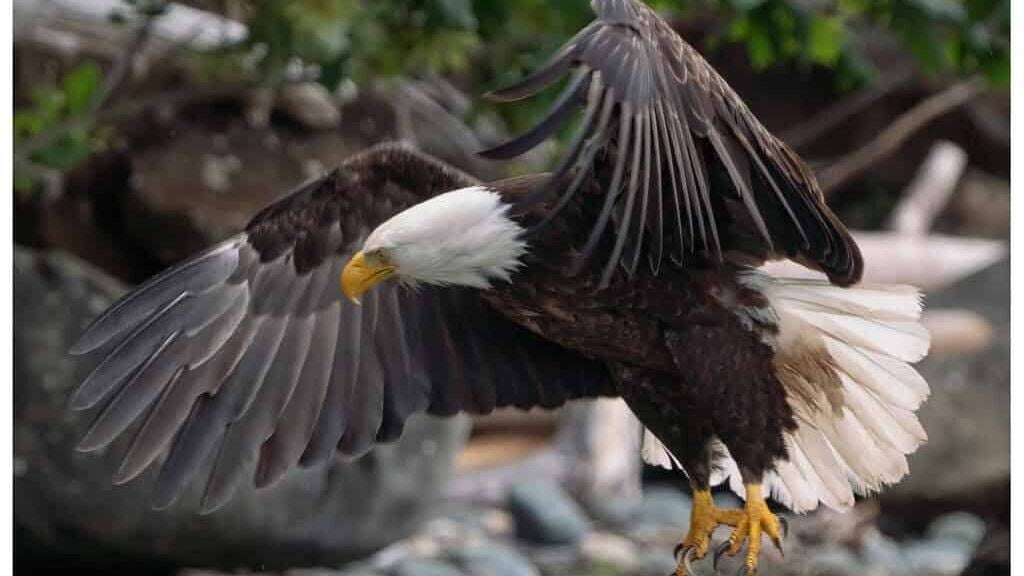
The extraordinary visual capabilities of eagles extend beyond their eye structure to include specialized neural processing in their brains. Despite having relatively small brains compared to their body size, eagles devote a disproportionately large percentage of their brain power to visual processing. The optic tectum, the region responsible for visual information processing, is particularly developed in eagles compared to other birds and mammals. This neural specialization allows eagles to process the enormous amount of visual data they receive more efficiently and effectively.
Eagles also possess neural circuits specifically dedicated to detecting motion against various backgrounds. These specialized neural pathways are tuned to recognize the characteristic movements of their preferred prey species, effectively serving as biological motion detection algorithms. Additionally, their brains contain dedicated regions for distance calculation and trajectory planning, which are crucial for the precise timing and execution of their hunting dives. This neural specialization represents millions of years of evolutionary refinement, creating a visual system that is perfectly optimized for the eagle’s predatory lifestyle.
Hunting Strategies That Maximize Visual Advantages

Eagles employ sophisticated hunting strategies that maximize the benefits of their exceptional vision. One common technique is the “sit-and-wait” approach, where eagles perch on high vantage points like tall trees or cliffs, scanning the surrounding area for extended periods. This stationary hunting method allows them to utilize their incredible distance vision while conserving energy. When potential prey is spotted, they can launch directly into pursuit from their elevated position, often taking advantage of the element of surprise.
Alternatively, many eagle species practice “soaring and stooping,” where they circle at high altitudes on thermal updrafts while systematically searching the ground below. This method allows them to cover vast territories with minimal energy expenditure. The bald eagle employs a specialized technique when fishing, flying parallel to water surfaces at moderate heights where their vision can best penetrate the water’s glare and refraction. Golden eagles sometimes hunt in pairs, with one bird flushing prey from cover while the other watches from above, ready to pursue any animals that break cover. These varied techniques all capitalize on the eagle’s primary advantage—its unparalleled vision—while adapting to specific prey types and hunting conditions.
Visual Limitations and Compensatory Mechanisms
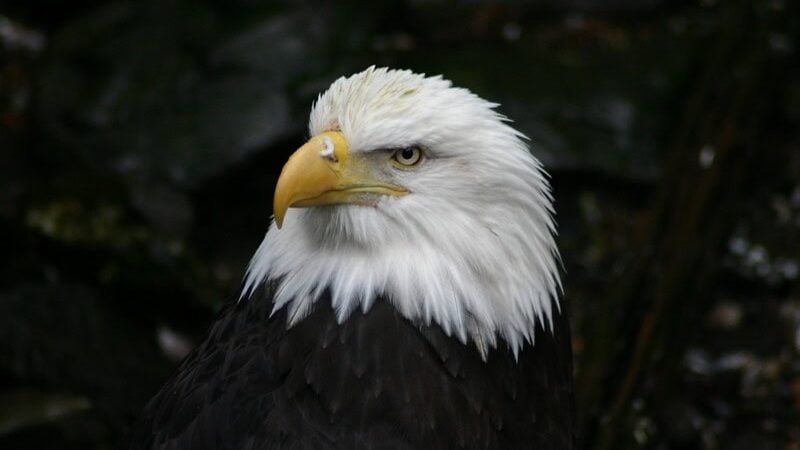
Despite their extraordinary visual capabilities, eagles do face certain limitations that they’ve evolved to overcome. Like most birds, eagles have relatively poor night vision compared to nocturnal predators such as owls. Their eyes are optimized for daytime hunting, with a higher proportion of color-sensitive cone cells than the light-sensitive rod cells that facilitate night vision. This limitation restricts most eagle species to hunting during daylight hours, though they can still function effectively in low-light conditions at dawn and dusk.
Eagles have developed several compensatory mechanisms to overcome their visual limitations. They often supplement their visual information with acute hearing, which can help detect prey rustling through vegetation. Some species, particularly those that hunt in forests or dense habitats, have evolved increased maneuverability to navigate through complex environments where long-distance vision is less advantageous. Additionally, eagles demonstrate remarkable adaptability in their hunting techniques based on environmental conditions, adjusting their strategies when visibility is compromised by factors such as fog, rain, or dense vegetation. These adaptations ensure that eagles remain efficient predators even when their primary sensory advantage is not operating under optimal conditions.
Comparing Eagle Vision to Other Raptors
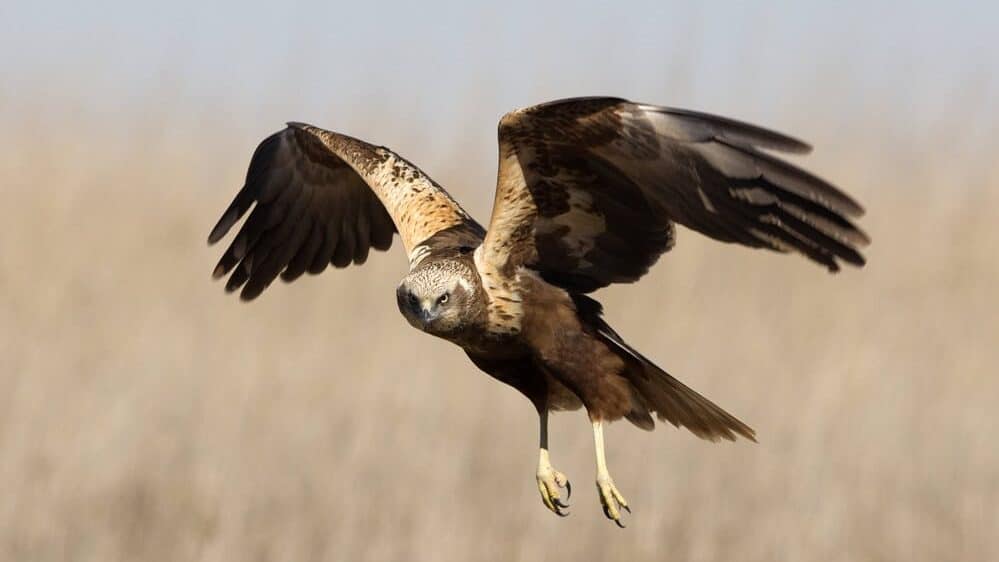
While all raptors possess exceptional vision compared to humans, notable differences exist between eagles and other birds of prey. Falcons, for instance, have evolved visual systems specialized for detecting movement at extreme speeds, with neural pathways that process visual information up to twice as fast as eagles. This adaptation is crucial for their hunting style, which often involves high-speed pursuit of flying prey. Hawks, particularly those that hunt in forested environments, have evolved eyes with a greater range of accommodation (focusing ability), allowing them to rapidly adjust focus between near and distant objects as they maneuver through trees.
Owls represent another interesting comparison, as they’ve evolved for nocturnal hunting with extremely large eyes relative to their skull size and a predominance of rod cells for maximum light sensitivity. Unlike eagles, owls cannot move their eyes in their sockets and must turn their entire head to change their field of view. Eagles maintain the best overall distance vision among raptors, with golden eagles possessing visual acuity estimated at 20/4 or better—roughly twice as sharp as most other eagle species and eight times sharper than human vision. These variations demonstrate how natural selection has fine-tuned raptor vision to specific ecological niches and hunting strategies.
The Evolutionary Development of Eagle Vision

The remarkable visual capabilities of eagles represent the culmination of millions of years of evolutionary development. The ancestors of modern eagles first appeared approximately 36 million years ago, with the earliest recognizable eagle fossils dating back to the early Miocene epoch. Throughout this long evolutionary history, natural selection has consistently favored individuals with superior vision, as even slight visual advantages would have translated directly to increased hunting success and improved survival chances. This sustained selection pressure over countless generations has produced the extraordinarily specialized visual system we observe in eagles today.
The evolution of eagle vision has coincided with the development of other physical adaptations that support their predatory lifestyle, including powerful talons, hooked beaks, and aerodynamic wing shapes. Together, these features form an integrated suite of adaptations that make eagles supremely efficient aerial predators. Interestingly, research suggests that the visual systems of eagles have continued to evolve even as other aspects of their anatomy have remained relatively stable, indicating that vision remains under particularly strong selection pressure. This ongoing evolutionary refinement ensures that eagle vision will likely continue to adapt to changing environmental conditions and prey behaviors in the future.
The extraordinary visual capabilities of eagles represent one of nature’s most impressive examples of biological specialization. Through millions of years of evolutionary refinement, eagles have developed visual systems that far surpass human capabilities, allowing them to detect prey from distances that seem almost impossible. This remarkable adaptation illustrates the power of natural selection to create specialized solutions to ecological challenges. Eagles’ ability to spot small prey animals from miles away is not merely an interesting biological curiosity but a crucial survival mechanism that has enabled these magnificent birds to thrive as apex predators across diverse habitats worldwide.
As we continue to study and understand the intricate mechanisms behind eagle vision, we gain valuable insights into the relationship between form and function in biological systems. The specialized eye structure, neural processing capabilities, and hunting strategies of eagles all work together in perfect harmony to create one of nature’s most effective hunting systems. Perhaps most remarkably, these capabilities have evolved through natural processes without conscious design, highlighting the extraordinary creativity of evolutionary processes. In the eagle’s eye, we find both inspiration for our own technological innovations and a humbling reminder of the biological sophistication that still surpasses our best human engineering efforts.

- The Most Successful Animal Comeback Stories - July 11, 2026
- Amazing Animal Tracks You Might Find on a Trail - July 11, 2026
- The Role of Bears in Keeping Forests Healthy - July 10, 2026