


The Earth’s population has surged from 1 billion in 1800 to nearly 8 billion today, marking an unprecedented period of human expansion across the planet. This exponential growth has transformed landscapes, altered ecosystems, and placed immense pressure on the world’s wildlife. As humans claim more territory for agriculture, urban development, and resource extraction, countless species face habitat loss, fragmentation, and direct competition with people for survival. The relationship between human population growth and wildlife decline represents one of the most significant conservation challenges of our time, with far-reaching implications for biodiversity, ecosystem services, and ultimately, human well-being itself. This article explores the multifaceted impacts of human overpopulation on wildlife and examines potential pathways toward a more sustainable coexistence.
The Scale of Human Population Growth
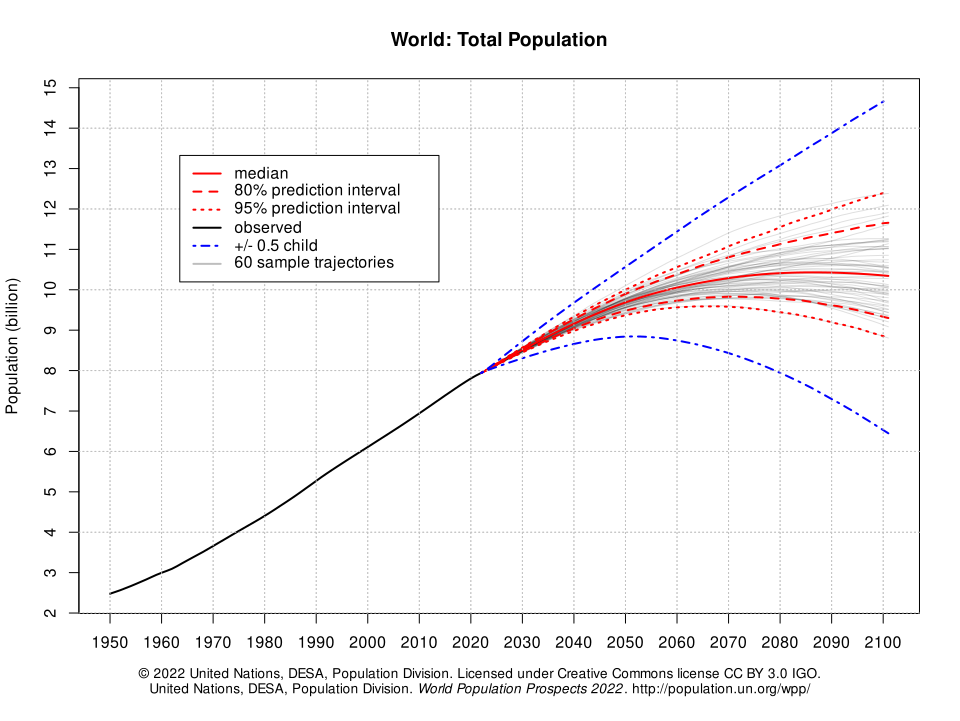
Human population growth has accelerated at an unprecedented rate over the past two centuries. While it took all of human history until 1804 to reach the first billion people, we added the most recent billion in just 12 years. This exponential growth trajectory has fundamentally altered the balance between humans and wildlife on Earth. According to United Nations projections, the global population is expected to reach 9.7 billion by 2050 and potentially 10.9 billion by 2100, though some recent studies suggest growth may plateau earlier.
This population expansion has been accompanied by even greater increases in resource consumption. Global economic output has grown much faster than population, meaning each person, on average, consumes more resources than previous generations. The collective ecological footprint of humanity now exceeds Earth’s biocapacity by approximately 70%, meaning we are using resources 1.7 times faster than ecosystems can regenerate them. This overshoot directly impacts wildlife by reducing the total carrying capacity of natural systems that support both human and non-human species.
Habitat Loss and Fragmentation

Habitat loss represents the single greatest threat to wildlife worldwide, with human population growth serving as its primary driver. As human settlements expand, natural habitats are converted to farmland, pasture, urban areas, and infrastructure. According to the Intergovernmental Science-Policy Platform on Biodiversity and Ecosystem Services (IPBES), humans have significantly altered approximately 75% of the Earth’s land surface. Tropical forests, which harbor about 80% of the world’s documented species, are disappearing at alarming rates, with over 420 million hectares lost since 1990.
Beyond outright destruction, habitats become increasingly fragmented as human development carves natural landscapes into isolated patches. Roads, farms, and cities create barriers that prevent wildlife movement, disrupt migration routes, and separate populations. This fragmentation reduces genetic diversity within species, making them more vulnerable to disease and environmental changes. Even protected areas often become ecological islands surrounded by human-dominated landscapes, limiting their effectiveness for wide-ranging species that require large, connected territories.
The Sixth Mass Extinction
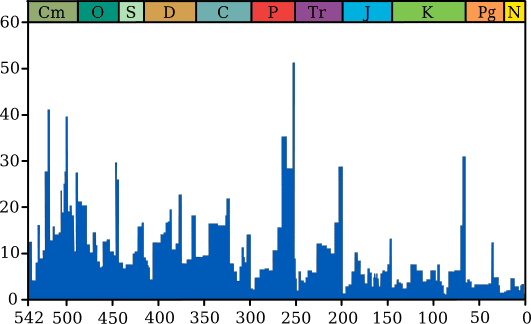
Scientists widely recognize that Earth is experiencing its sixth mass extinction event, the first to be driven by a single species—humans. Current extinction rates are estimated to be 100 to 1,000 times higher than natural background rates. The IUCN Red List currently includes over 40,000 species threatened with extinction, representing 28% of all assessed species. This biodiversity crisis directly correlates with human population growth and associated activities.
Unlike previous mass extinctions caused by asteroid impacts or volcanic activity, the current extinction crisis stems from habitat destruction, overexploitation, pollution, invasive species, and climate change—all consequences of human activities. Large-bodied animals with slow reproduction rates and specialized habitat requirements have proven particularly vulnerable. Mammals like rhinoceros species, orangutans, and tigers face severe population declines, while countless less charismatic species disappear without documentation. The rate of species loss threatens to undermine ecosystem functioning and stability across the planet.
Human-Wildlife Conflict
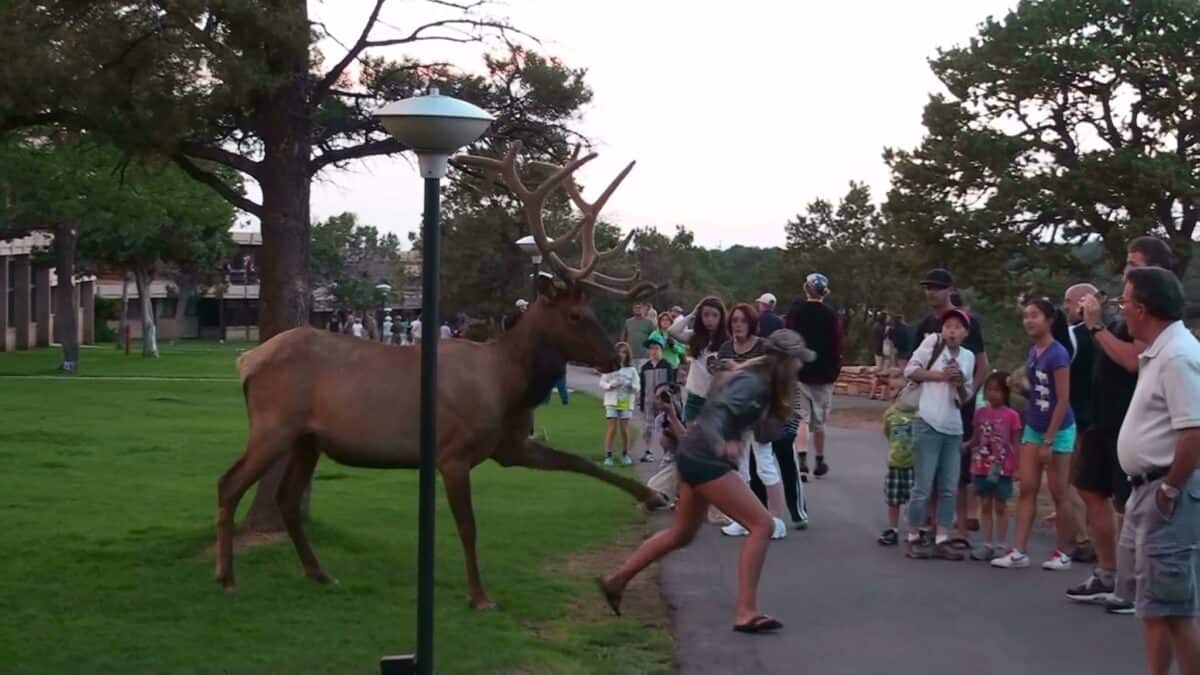
As human populations expand into previously wild areas, direct conflicts between people and wildlife inevitably increase. These conflicts take various forms, from crop-raiding elephants in Africa and Asia to predator attacks on livestock worldwide. In India alone, over 400 people are killed annually in conflicts with elephants and tigers, while thousands of these endangered animals die from retaliatory killings. Such conflicts often result in local extinctions as communities eliminate “problem” animals to protect their livelihoods and safety.
Competition for resources intensifies these conflicts. Water sources, grazing lands, and natural prey become scarce as humans appropriate these resources, forcing wildlife into closer contact with people. Climate change exacerbates these tensions by altering traditional ranges and resource availability. As human populations continue to grow in biodiversity hotspots like sub-Saharan Africa and South Asia, finding solutions to human-wildlife conflict becomes increasingly urgent for the survival of many species.
Exploitation and Wildlife Trade
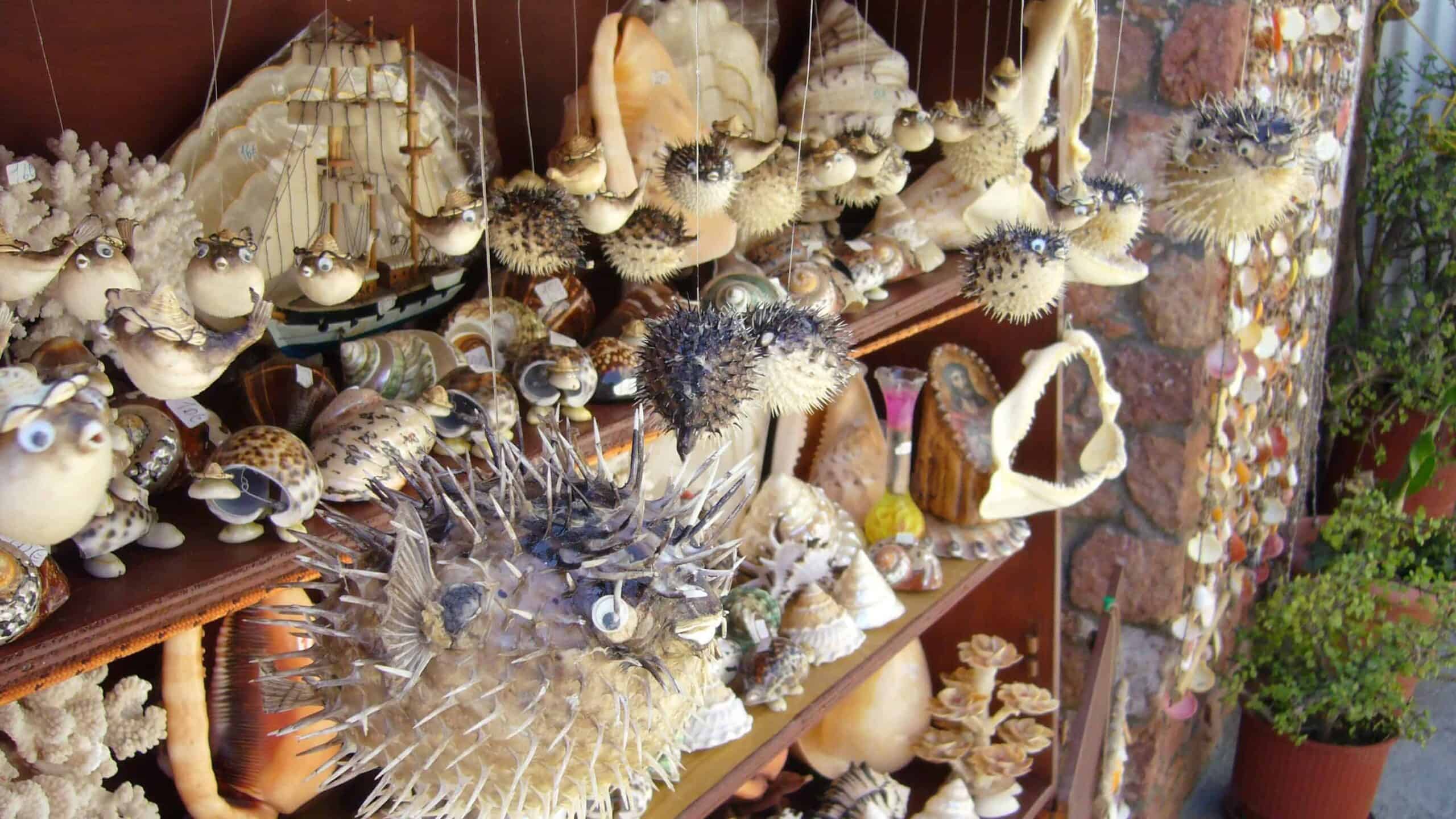
Growing human populations drive unsustainable exploitation of wildlife through hunting, fishing, and trade. Bushmeat hunting threatens numerous species in Africa and Asia, with an estimated 4.6 million tons of wild meat harvested annually from the Congo Basin alone. Commercial fishing has depleted 34% of fish stocks to unsustainable levels, with many iconic species like bluefin tuna reduced to a fraction of their historic populations. The relationship between human population density and wildlife exploitation is clear—as more people require protein sources, pressure on wild populations intensifies.
The global wildlife trade, worth an estimated $23 billion annually, supplies growing markets for exotic pets, traditional medicines, ornamental products, and luxury foods. Approximately 20% of vertebrate species are affected by international trade. Consumer demand from growing middle classes in China, Vietnam, and other rapidly developing countries has driven species like pangolins, rhinos, and tigers to the brink of extinction. Even legal wildlife trade often proves unsustainable when regulatory systems cannot keep pace with growing human demands.
Climate Change Impacts
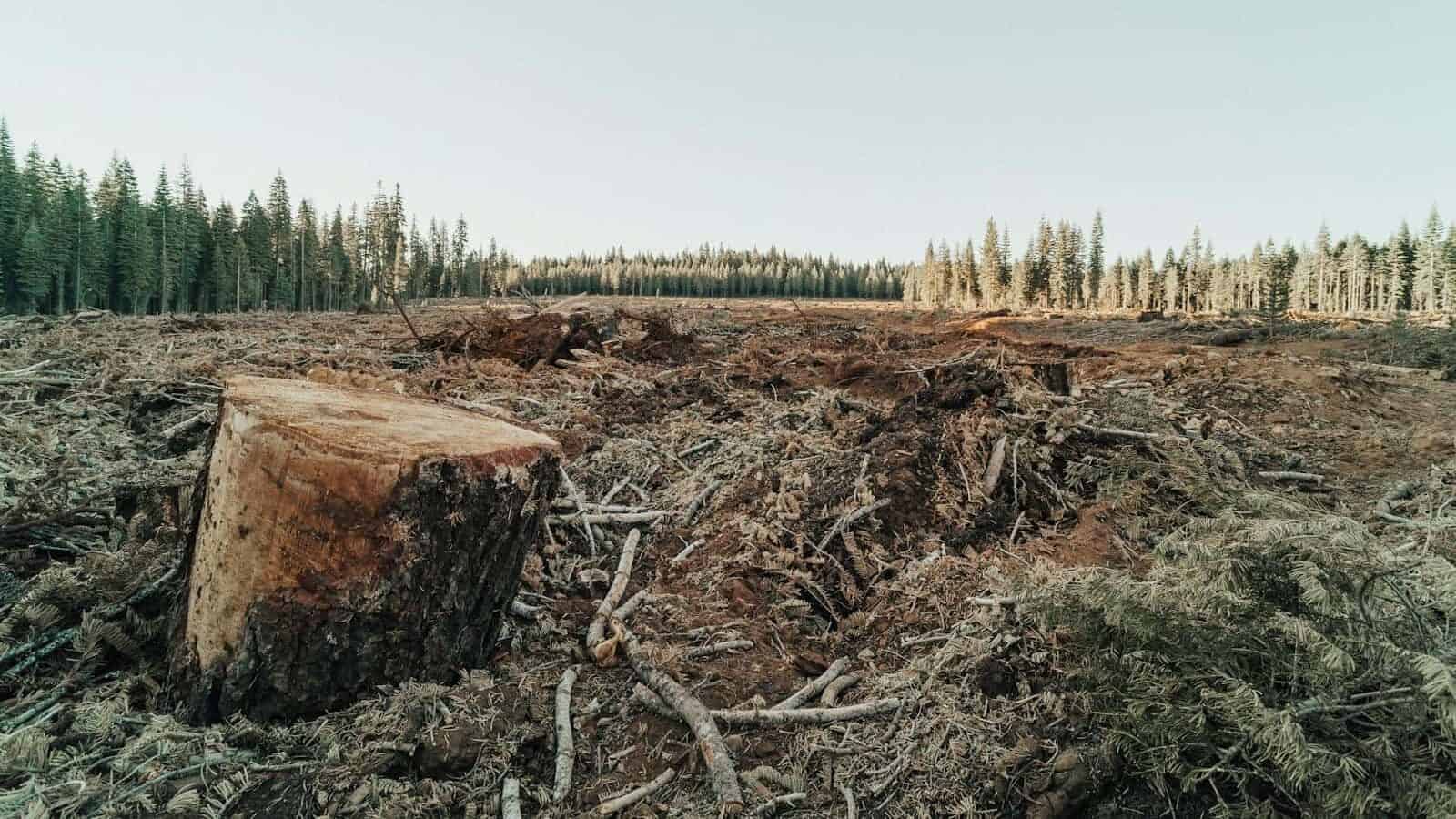
Human population growth contributes significantly to climate change through increased greenhouse gas emissions from energy production, transportation, agriculture, and deforestation. The resulting climate disruption poses severe threats to wildlife through habitat alteration, extreme weather events, and physiological stress. Species adapted to specific temperature ranges face particular challenges as warming temperatures shift suitable habitats poleward or to higher elevations. For many species, these shifts occur faster than they can migrate or adapt.
The compounding effects of climate change and habitat fragmentation create a particularly dangerous combination. As suitable climate zones move, species must navigate through human-dominated landscapes to reach new habitats. According to research published in the Proceedings of the National Academy of Sciences, if global warming reaches 4.5°C, up to 16% of species globally could be threatened with extinction. Marine ecosystems face additional stressors from ocean acidification, which threatens coral reefs and shellfish that form the foundation of many marine food webs.
Pollution and Waste
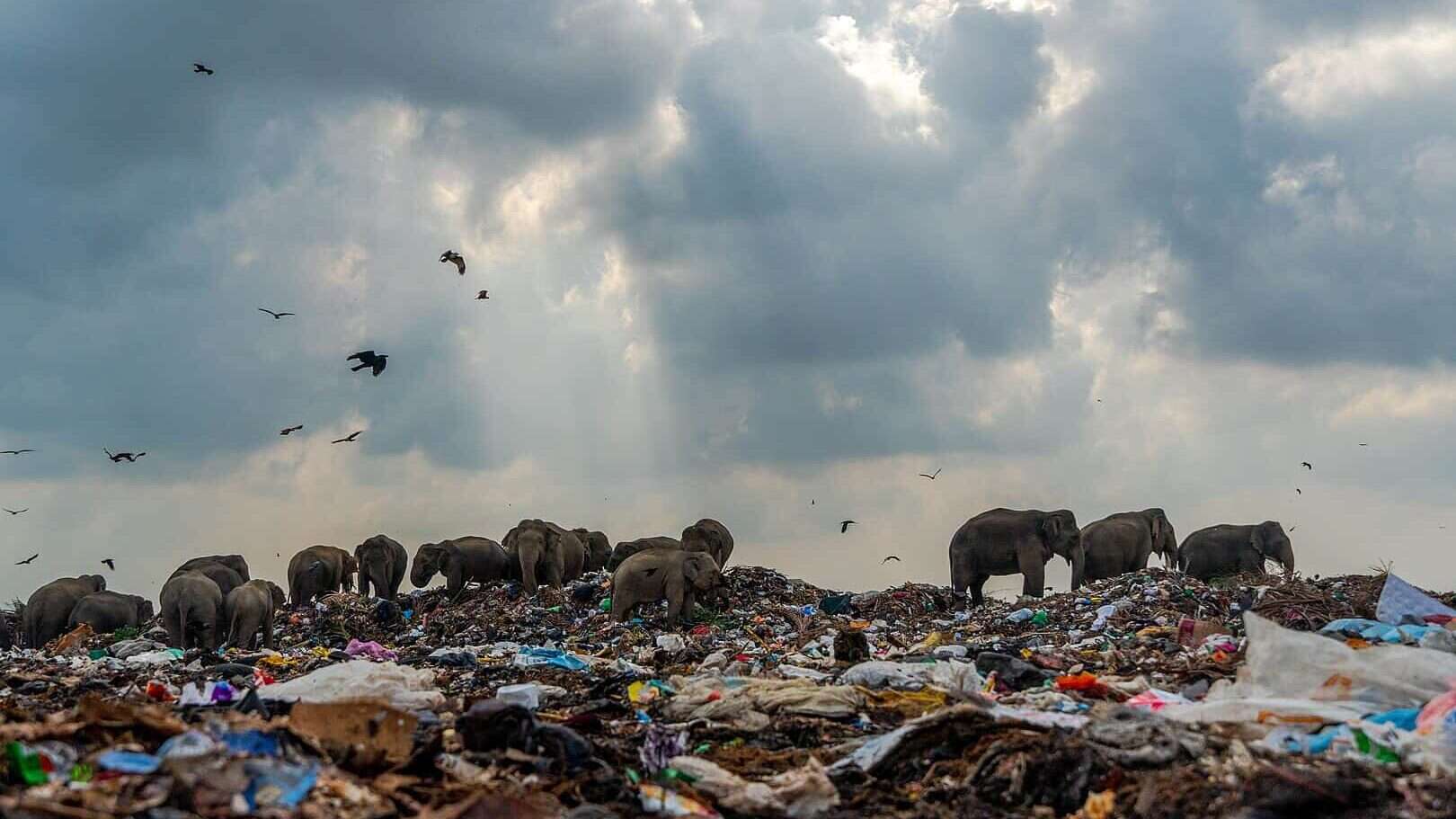
Larger human populations generate proportionally greater pollution and waste, with widespread consequences for wildlife. Plastic pollution has reached every corner of the planet, with an estimated 8 million metric tons entering oceans annually. This plastic entangles marine animals and is ingested by seabirds, turtles, and fish, often with fatal results. Studies have found plastic in 90% of seabirds and in marine animals from the deepest ocean trenches to Arctic sea ice.
Chemical pollutants from agriculture, industry, and urban areas contaminate ecosystems worldwide. Pesticides like neonicotinoids implicated in pollinator declines, endocrine-disrupting compounds that affect wildlife reproduction, and persistent organic pollutants that bioaccumulate in food chains represent just a few examples. Nitrogen and phosphorus runoff from fertilizers used to feed growing populations causes eutrophication and dead zones in aquatic systems. Light and noise pollution from expanding human settlements further disrupt wildlife behavior, affecting everything from bird migration to predator-prey relationships.
The Bushmeat Crisis
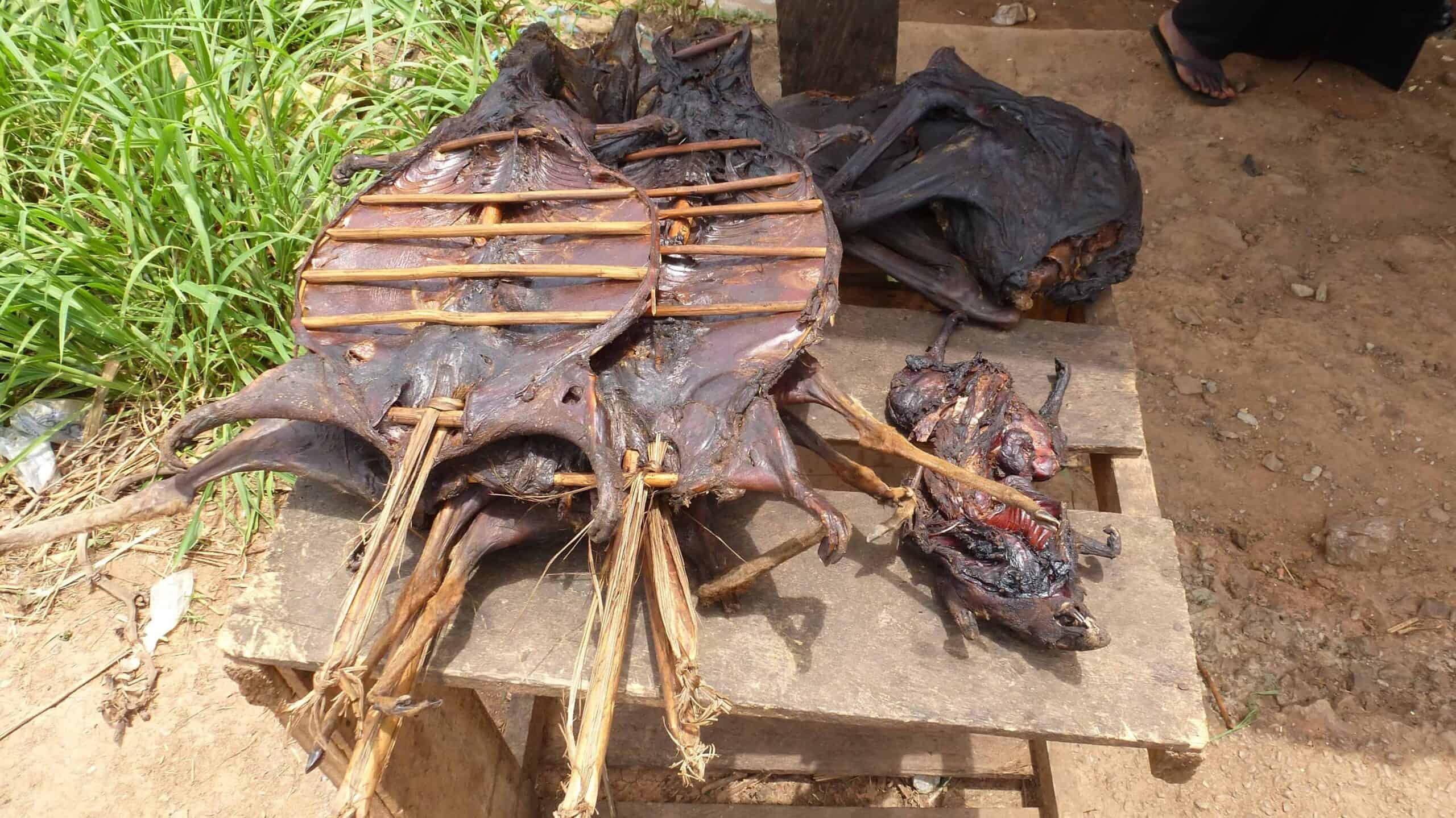
In many parts of the developing world, particularly Central Africa and Southeast Asia, wild meat (bushmeat) represents a critical protein source for growing rural populations. As human communities expand into forested areas, hunting pressure intensifies beyond sustainable levels. Species with slow reproduction rates, like great apes, cannot withstand this harvesting pressure. The construction of logging roads into previously inaccessible forests has transformed subsistence hunting into commercial operations supplying urban markets, where bushmeat often commands premium prices as a luxury item.
The consequences extend beyond targeted species. Removal of seed-dispersing animals like primates and large birds disrupts forest regeneration processes. Predator removal can trigger cascading ecological effects through prey population explosions. Disease transmission presents another serious concern, as the handling and consumption of bushmeat has been linked to zoonotic disease spillover events, including the initial HIV epidemic and Ebola outbreaks. As human populations grow in biodiversity-rich regions, developing sustainable alternatives to bushmeat becomes increasingly urgent.
Agricultural Expansion and Intensification
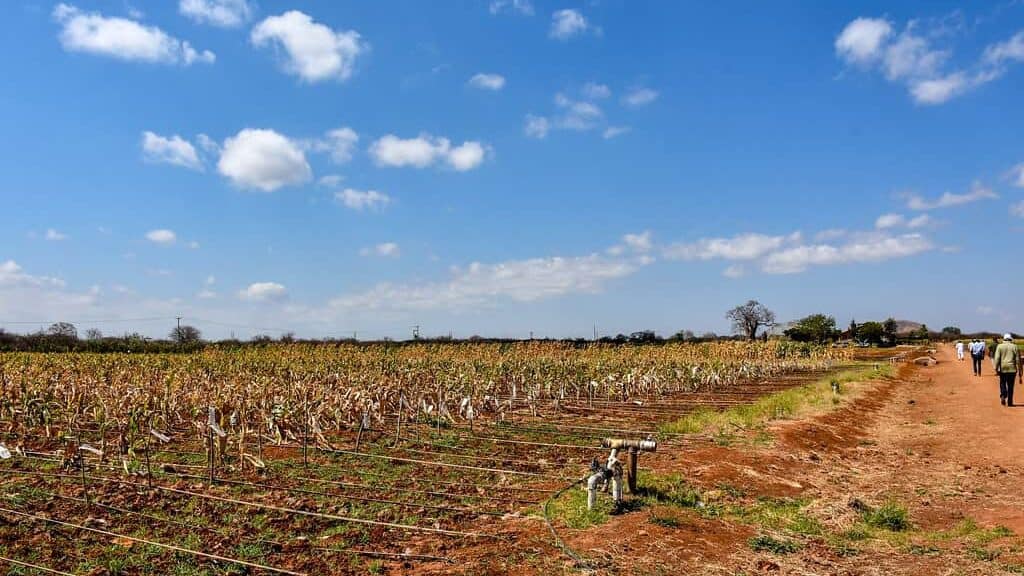
Agriculture represents the most extensive direct human impact on terrestrial habitats, occupying approximately 50% of Earth’s habitable land. Meeting the food demands of growing human populations drives both expansion (converting natural habitats to farmland) and intensification (increasing yields through technology and inputs). Between 2001 and 2015, agricultural expansion caused 73% of global deforestation. Sub-Saharan Africa and South America continue to see significant conversion of natural habitats to farmland as populations increase.
Modern intensive agriculture poses additional threats to wildlife through pesticide use, water diversion, soil degradation, and simplification of landscapes. Monocultures replace diverse ecosystems that supported numerous species. Pollinators crucial to both wild plants and crops face mounting pressures from habitat loss, pesticide exposure, and disease. Irrigation depletes water sources needed by wildlife, particularly in arid regions. While agricultural intensification theoretically reduces the need for expansion, the increasing global demand for meat has driven expansion of feed crop production and grazing lands, further squeezing wildlife into smaller fragments of natural habitat.
Urbanization and Infrastructure Development
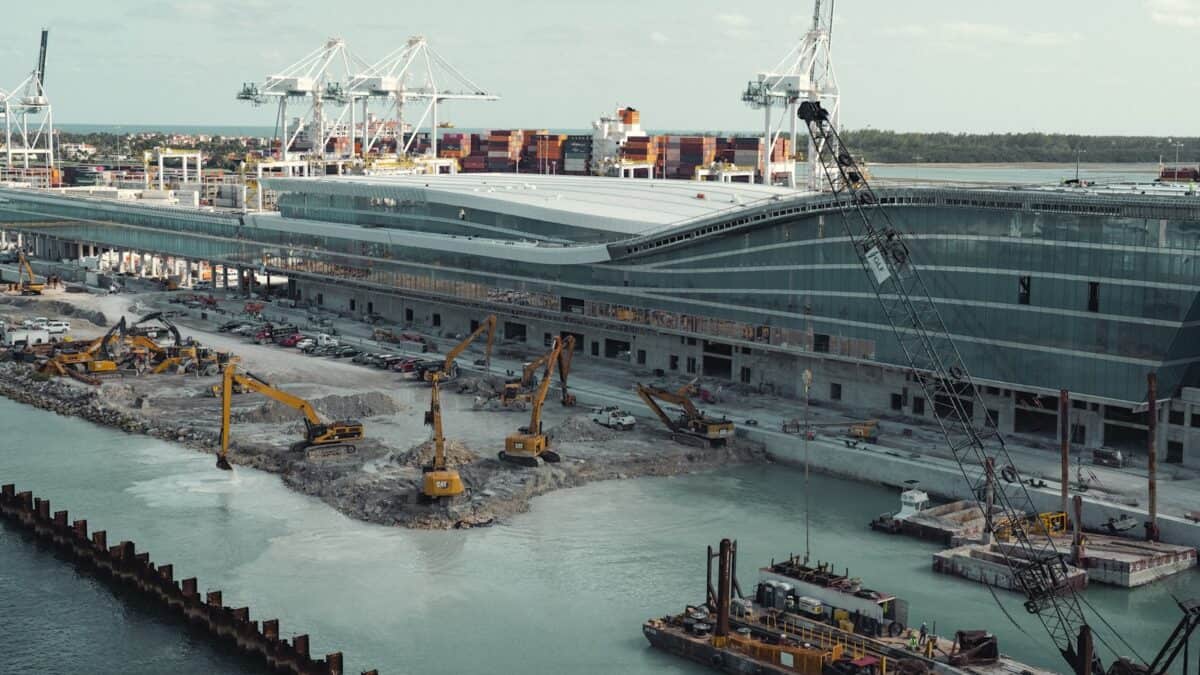
The world is rapidly urbanizing, with 56% of people already living in cities and projections suggesting this figure will reach nearly 70% by 2050. While urban living can concentrate human impacts and potentially reduce per capita land use, expanding cities consume critical wildlife habitats and fragment landscapes. The urban footprint extends far beyond city boundaries through demand for water, food, energy, and materials. Infrastructure development—roads, dams, pipelines, and power lines—connects human settlements but divides natural habitats.
Roads particularly threaten wildlife through direct mortality from vehicle collisions, barrier effects that isolate populations, and facilitation of human access to previously remote areas. The global road network spans over 64 million kilometers and is projected to increase by an additional 25 million kilometers by 2050. Dams fragment river systems and alter flow regimes critical for aquatic species. Bright lights from cities and infrastructure disrupt nocturnal wildlife behavior and migration patterns. As human population centers expand, careful urban planning becomes essential to maintain biodiversity within and around human settlements.
Conservation in an Overpopulated World
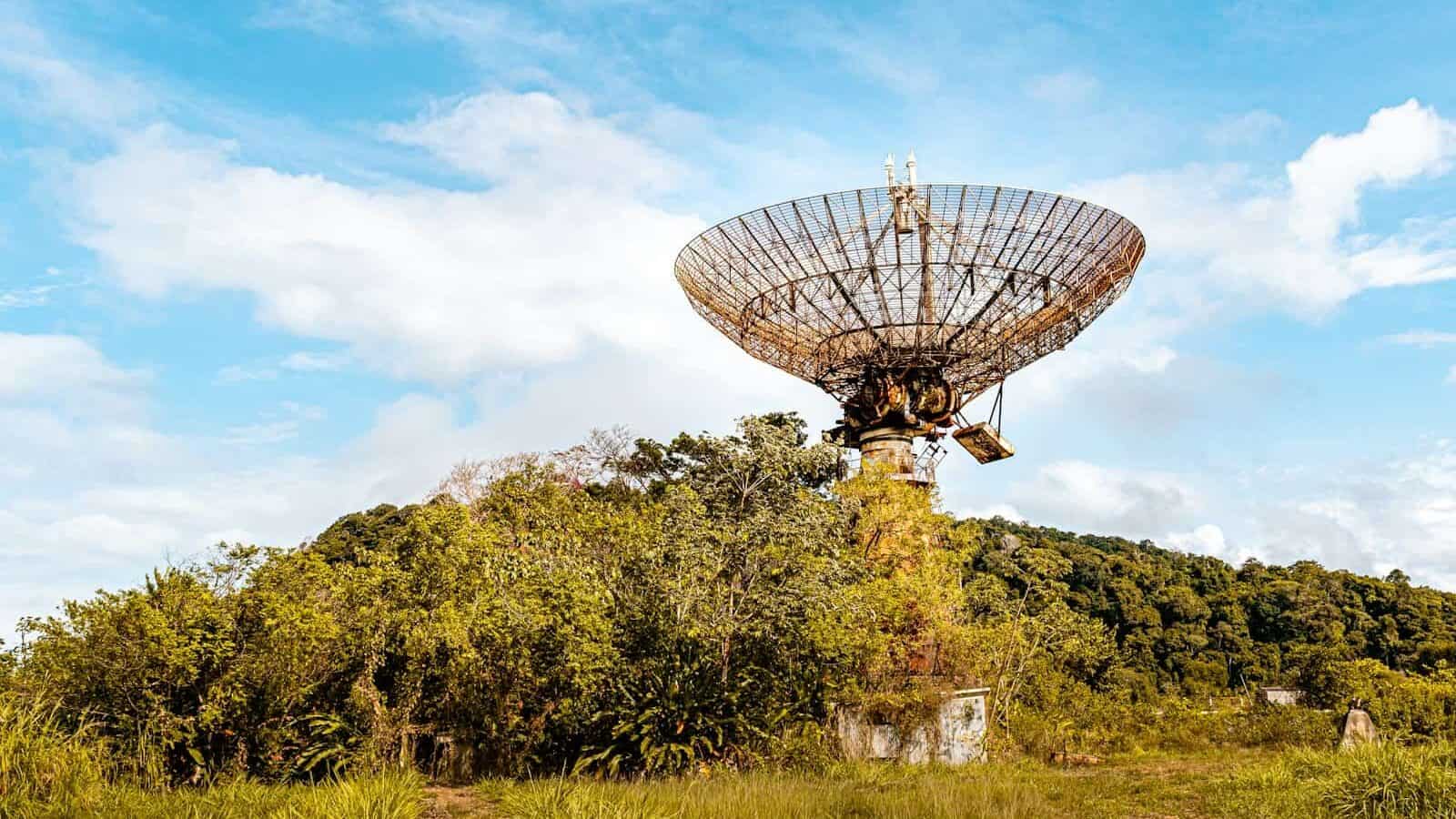
Despite the challenges of human population growth, innovative conservation approaches show promise. Protected area networks have expanded significantly, now covering approximately 15% of Earth’s land surface and 7.5% of oceans. Connectivity conservation seeks to link these protected areas through wildlife corridors that allow species movement. Community-based conservation programs recognize that conservation must benefit local people to succeed long-term, integrating sustainable livelihoods with wildlife protection.
Technological solutions offer additional possibilities. Wildlife surveillance using camera traps, satellite tracking, and environmental DNA allows more effective monitoring of threatened populations. Advances in renewable energy can reduce climate impacts and habitat destruction associated with fossil fuel extraction. Precision agriculture and vertical farming may help reduce land requirements for food production. Conservation breeding programs provide insurance for the most endangered species. However, these technological approaches must complement, not replace, addressing the root causes of wildlife decline, including unsustainable population growth and consumption patterns.
Looking Forward: Sustainable Coexistence
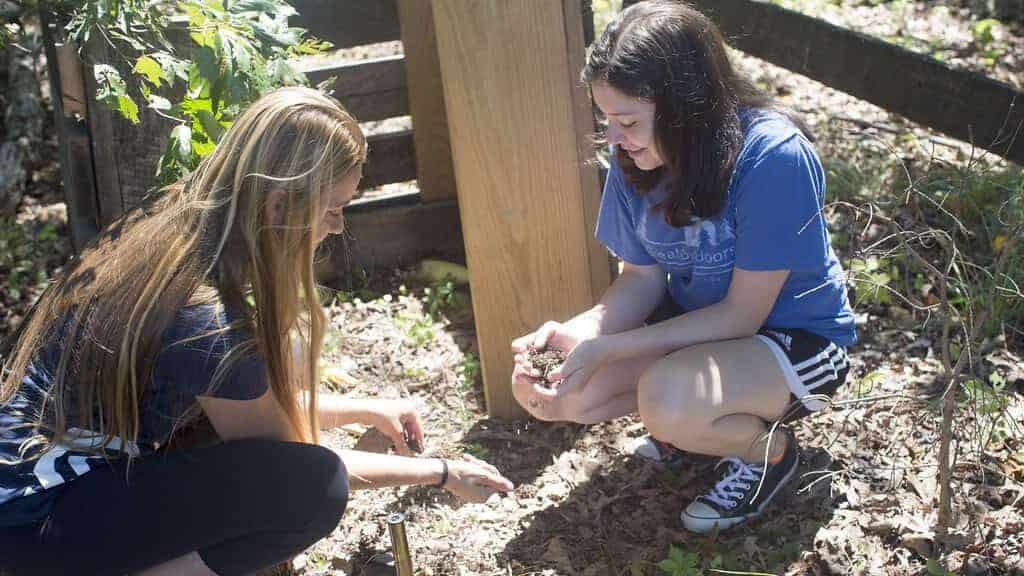
Addressing the wildlife impacts of human overpopulation requires integrated approaches that recognize the interconnected nature of population, consumption, and environmental protection. Family planning programs that provide voluntary access to contraception and education represent one essential component, as they enable couples to choose smaller families. When combined with women’s education and empowerment, these programs have demonstrated effectiveness in reducing population growth rates in diverse settings worldwide.
Sustainable development pathways that decouple economic well-being from environmental degradation offer another critical strategy. Circular economy models that minimize waste, sustainable food systems that require less land and water, and renewable energy transitions can all reduce per capita environmental footprints. Conservation must be mainstreamed into all sectors of human activity rather than treated as separate from economic development. Perhaps most fundamentally, cultural shifts toward valuing wildlife and recognizing humanity’s dependence on healthy ecosystems will be necessary for truly sustainable coexistence between growing human populations and the world’s wildlife.
Human overpopulation represents one of the most significant challenges to wildlife conservation in the 21st century. As our species approaches 8 billion individuals and continues to grow, the pressure on wild species intensifies through habitat loss, overexploitation, pollution, climate change, and direct conflict. The current biodiversity crisis, characterized by extinction rates far exceeding natural background levels, directly correlates with human population expansion and associated resource consumption.
Yet the future is not predetermined. Human ingenuity, combined with growing awareness of our dependence on functioning ecosystems, offers pathways toward more sustainable coexistence. Conservation strategies that integrate human needs with wildlife protection, technological innovations that reduce our ecological footprint, and social changes that address both population growth and consumption patterns can help reverse current wildlife declines. Ultimately, securing a future for Earth’s wildlife requires acknowledging the reality of human population impacts while working toward a world where both people and wild species can thrive.
The choices made in the coming decades will determine whether future generations inherit a planet still rich with diverse wildlife or one increasingly dominated by a single species and its domesticated animals. By addressing population growth alongside other drivers of wildlife decline, humanity has the opportunity to redefine its relationship with nature—from one characterized by exploitation and competition to one of stewardship and coexistence. Our shared future depends on recognizing that human well-being is inextricably linked to the health of wildlife populations and the ecosystems they help maintain.

- Where to Catch a Glimpse of River Otters in the Wild - July 21, 2026
- Jurassic Park’s Most Inaccurate Dinosaurs - July 21, 2026
- How Sustainable Farming Protects Wildlife in Tea Regions - July 21, 2026