

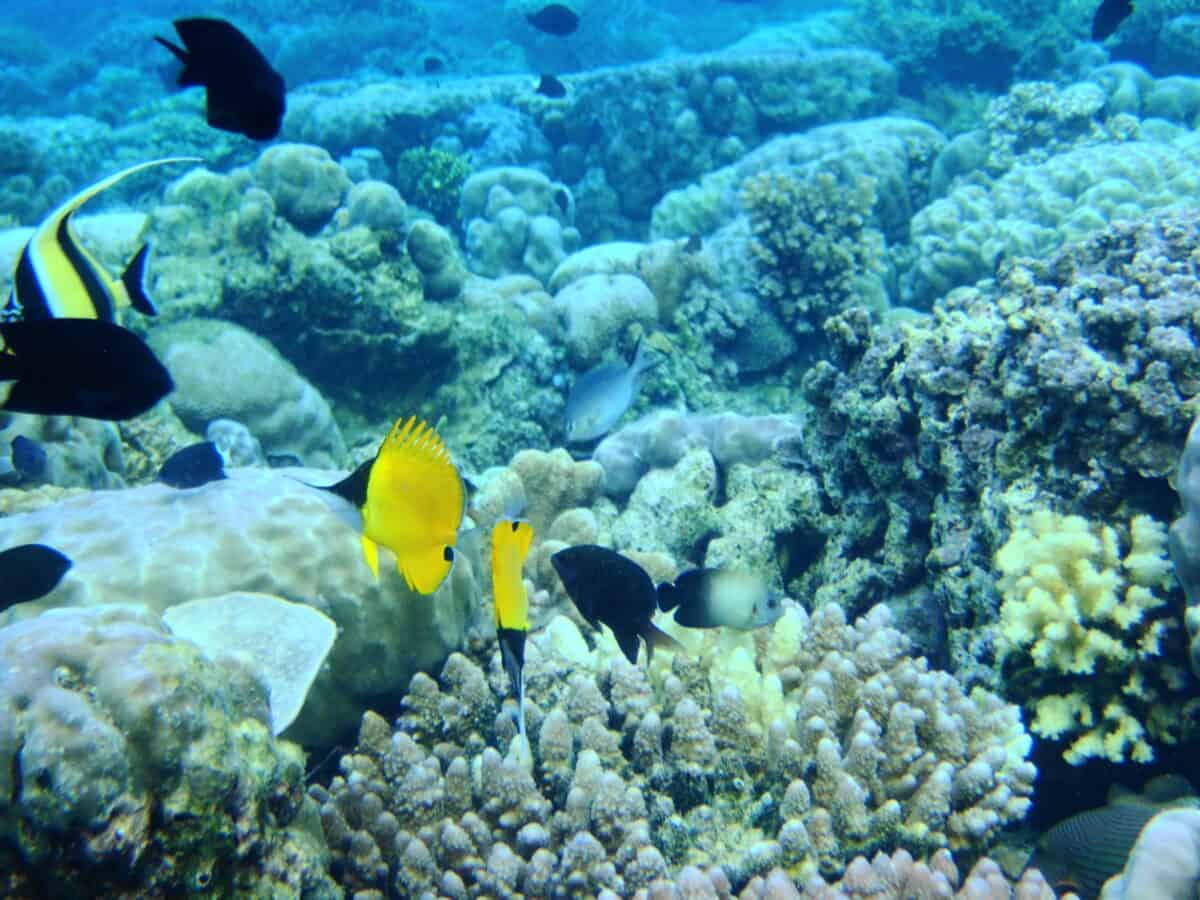
The vast blue expanse along the United States coastline holds far more than meets the eye. Beneath the waves and within these protected waters lies a network of underwater parks known as marine sanctuaries. These federally designated areas serve as crucial habitats and safe havens for thousands of species. From the icy waters of the Olympic Coast to the tropical paradise of the Florida Keys, U.S. marine sanctuaries encompass over 600,000 square miles of marine and Great Lakes waters. These sanctuaries represent America’s most valuable underwater treasures, not only for their natural beauty but also for the incredible diversity of life they support. Let’s dive beneath the surface and explore some of the remarkable animals that call these protected waters home.
The Magnificent Humpback Whales of Hawaiian Islands Humpback Whale National Marine Sanctuary
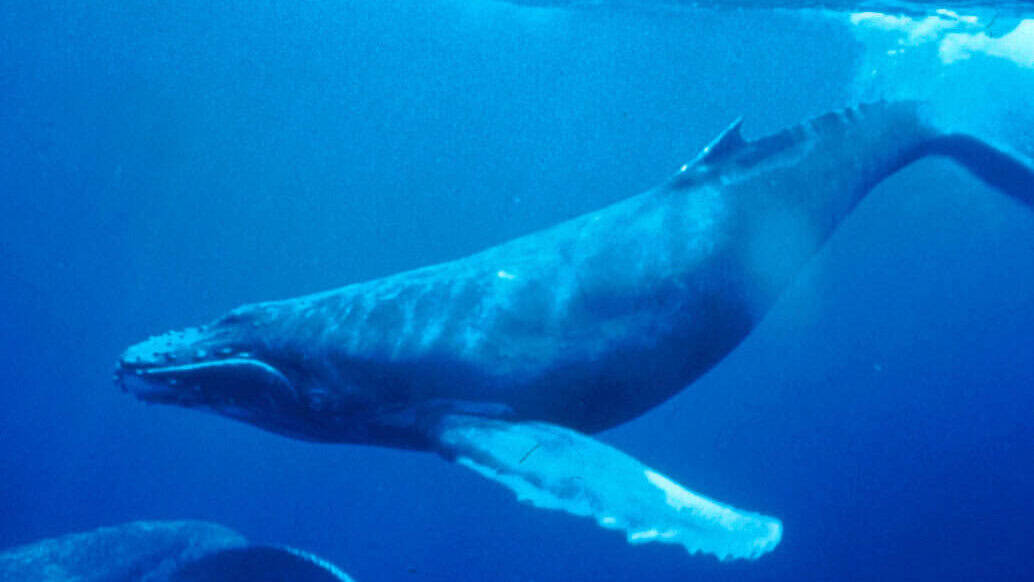
The warm, shallow waters surrounding the Hawaiian Islands become a nursery each winter as thousands of humpback whales (Megaptera novaeangliae) migrate from their feeding grounds in Alaska. The Hawaiian Islands Humpback Whale National Marine Sanctuary, established in 1992, provides critical protection for these gentle giants during their breeding and calving season. Between December and April, approximately 10,000 humpbacks—roughly two-thirds of the entire North Pacific population—find refuge in these protected waters.
What makes these marine mammals particularly remarkable is not just their massive size—reaching up to 60 feet in length and weighing up to 40 tons—but also their complex behaviors. Male humpbacks perform elaborate songs that can last up to 20 minutes and change progressively throughout the breeding season. The sanctuary’s protection has contributed significantly to the recovery of humpback populations, which had been decimated by commercial whaling. Today, visitors can witness spectacular breaches, tail slaps, and spy hops as these magnificent creatures utilize the sanctuary for one of nature’s most important journeys.
Monterey Bay’s Sea Otter Comeback Story
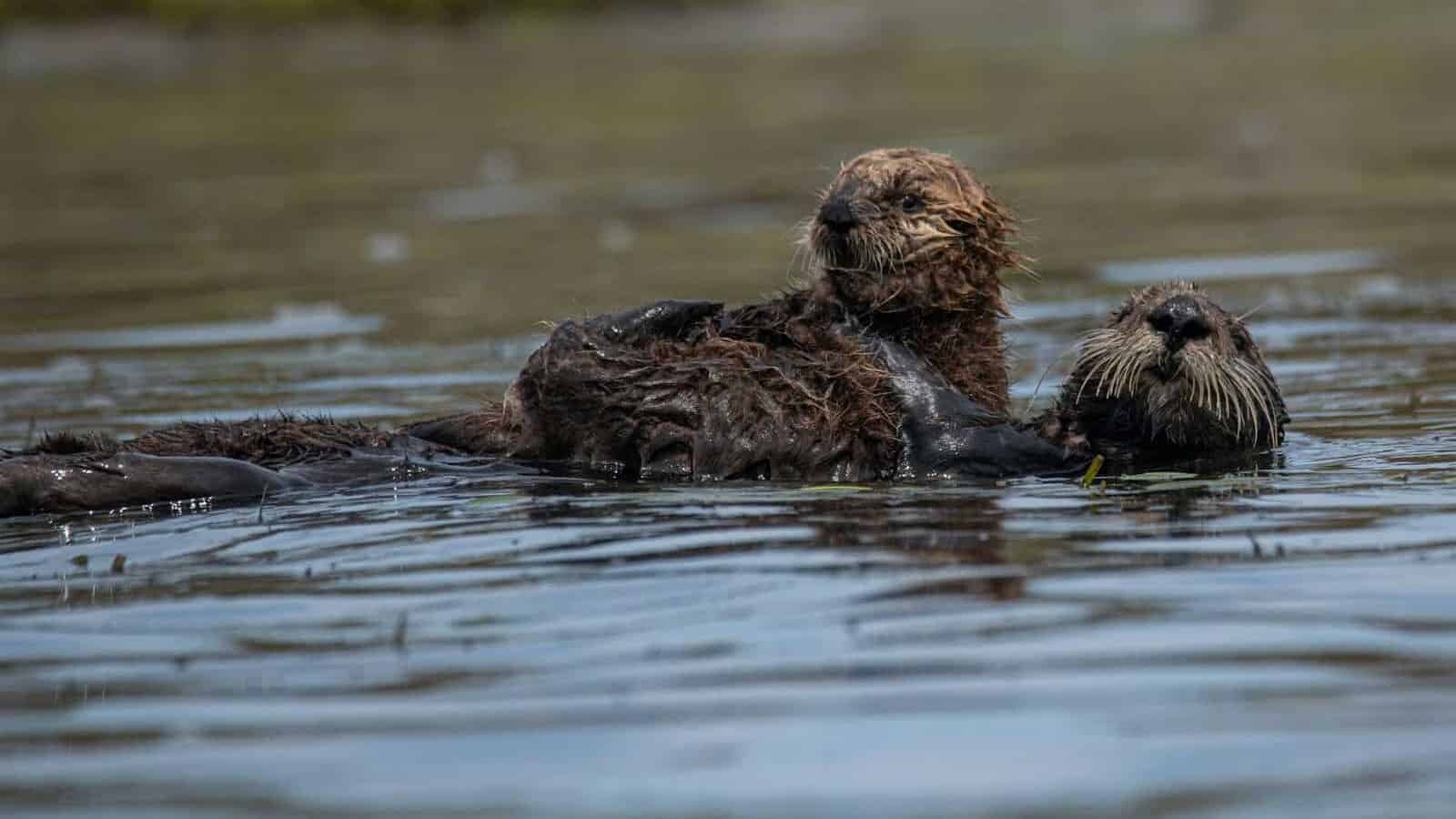
The southern sea otter (Enhydra lutris nereis) represents one of the most heartening conservation success stories within the Monterey Bay National Marine Sanctuary. Once hunted to near extinction for their luxurious fur during the 18th and 19th centuries, these charismatic marine mammals had dwindled to just 50 individuals by the early 20th century. Thanks to protective legislation and the sanctuary’s establishment in 1992, the population has rebounded to approximately 3,000 individuals along California’s central coast.
Sea otters serve as a keystone species within the sanctuary’s ecosystem. By consuming sea urchins, they prevent these spiny creatures from overgrazing kelp forests—allowing these underwater forests to thrive and provide habitat for countless other species. Sea otters are also among the most endearing animals to observe, often floating on their backs while using stones as tools to crack open shellfish on their chests. Unlike other marine mammals, they lack a blubber layer, instead relying on the densest fur in the animal kingdom—up to one million hairs per square inch—to keep warm in the chilly Pacific waters.
Florida Keys’ Vibrant Coral Reef Communities
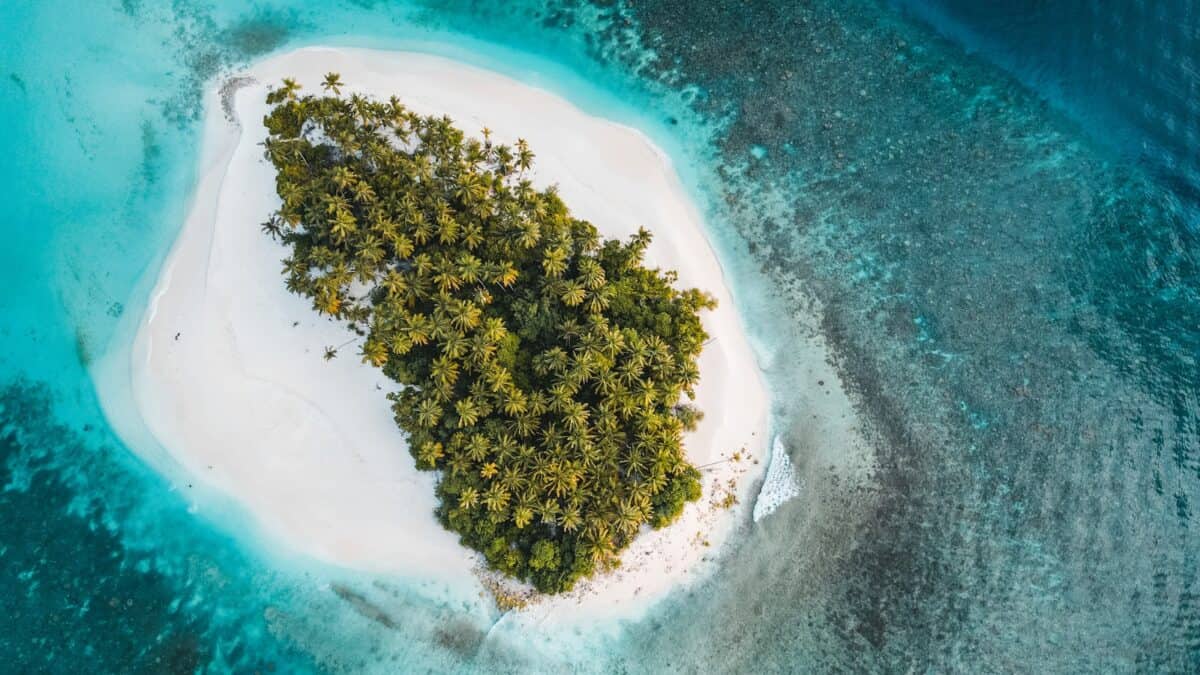
The Florida Keys National Marine Sanctuary protects North America’s only living coral barrier reef, the third largest coral barrier reef system in the world. This underwater ecosystem supports an astonishing diversity of marine life, with over 6,000 species calling the sanctuary home. Among the most captivating residents are the reef-building corals themselves—living animals that form the very foundation of this marine environment. The sanctuary harbors 52 species of stony corals, including the threatened staghorn (Acropora cervicornis) and elkhorn corals (Acropora palmata).
These reef communities support a kaleidoscope of tropical fish species, from the vibrant queen angelfish (Holacanthus ciliaris) with its electric blue and yellow patterns to the distinctively striped sergeant majors (Abudefduf saxatilis). Larger residents include the gentle nurse shark (Ginglymostoma cirratum), often found resting under ledges, and the critically endangered hawksbill sea turtle (Eretmochelys imbricata), which feeds on sponges among the reef’s crevices. The sanctuary’s protected status is crucial for these species as coral reefs worldwide face unprecedented threats from climate change, pollution, and physical damage.
The Enigmatic Giant Pacific Octopus of Olympic Coast
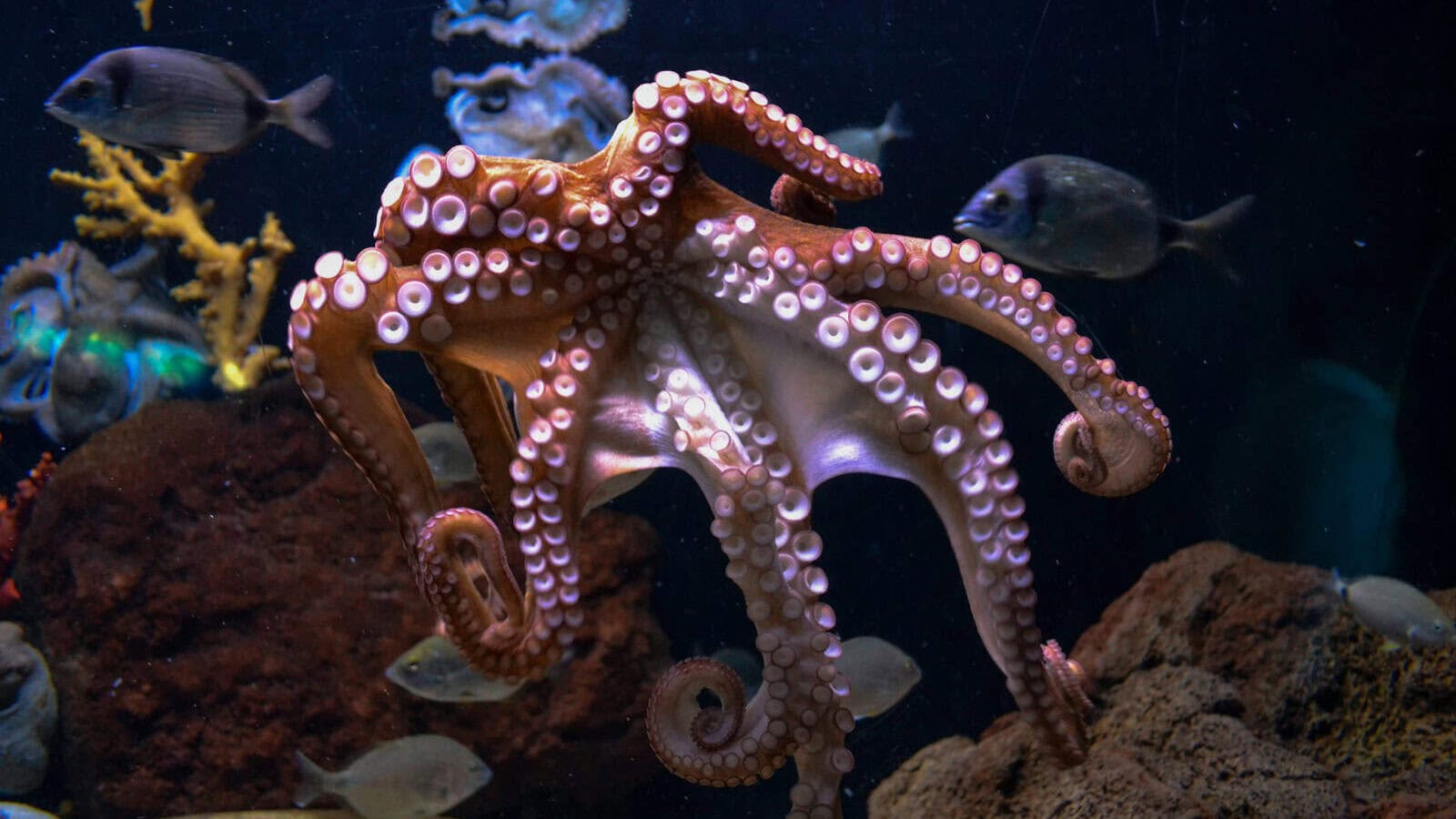
In the cold, nutrient-rich waters of the Olympic Coast National Marine Sanctuary off Washington state lives one of the ocean’s most intelligent invertebrates—the giant Pacific octopus (Enteroctopus dofleini). As the largest octopus species in the world, these remarkable creatures can reach arm spans of up to 20 feet and weigh as much as 150 pounds. Despite their impressive size, they are masters of camouflage, capable of changing both color and texture to blend seamlessly with their surroundings in seconds.
The giant Pacific octopus demonstrates problem-solving abilities that rival those of some vertebrates. They’ve been observed using tools, opening childproof pill bottles, and even recognizing individual human faces. Within the sanctuary, these eight-armed marvels make their homes in rocky dens where females lay up to 100,000 eggs, which they guard vigilantly without eating for 6-7 months until the young hatch. With a tragically short lifespan of just 3-5 years, the sanctuary provides crucial protection for these fascinating animals during their brief but extraordinary lives.
Majestic Great White Sharks of Greater Farallones
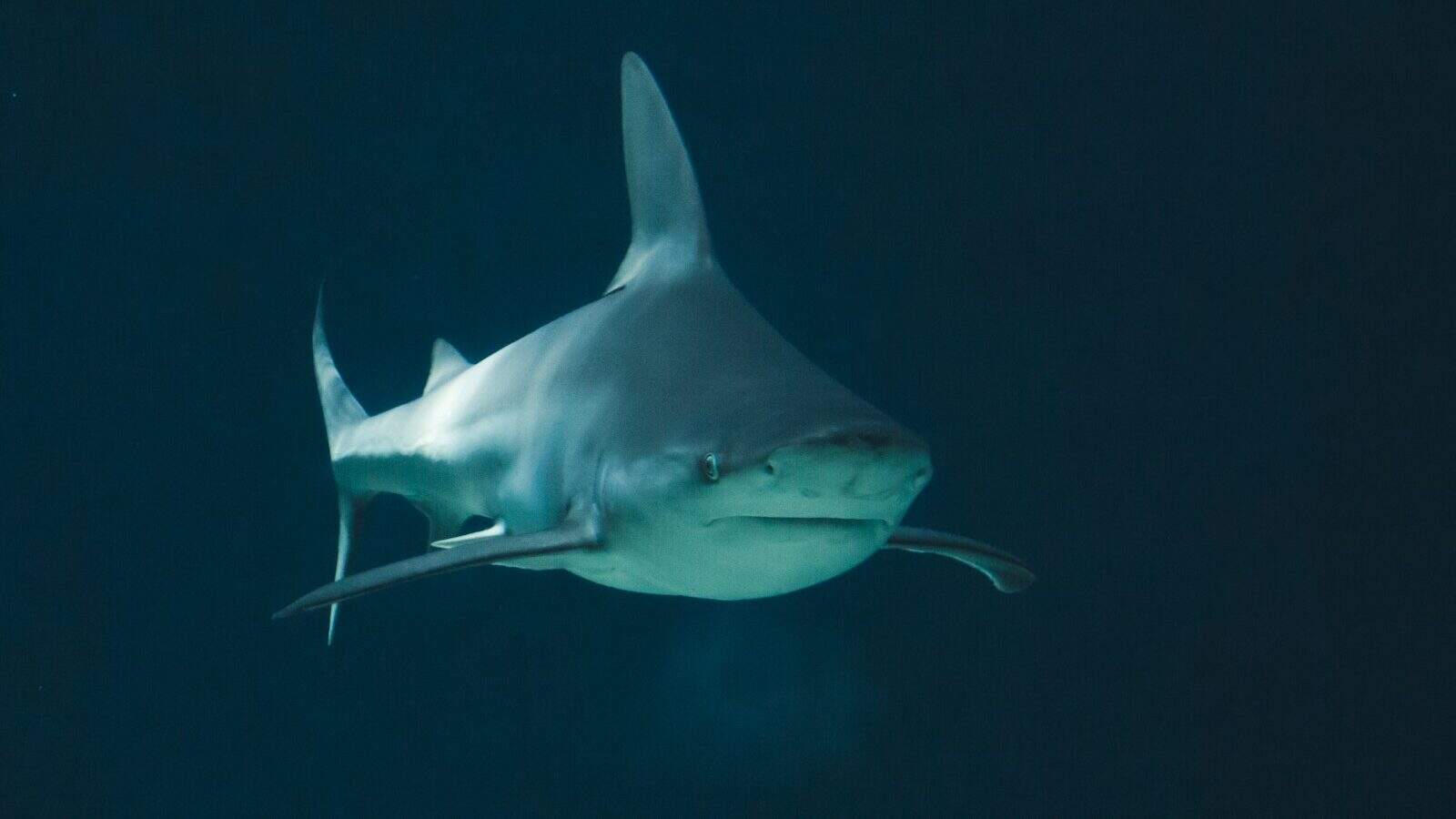
The Greater Farallones National Marine Sanctuary off the coast of San Francisco serves as a critical feeding ground for one of the ocean’s most formidable predators—the great white shark (Carcharodon carcharias). Each fall, these apex predators return to the waters around the Farallon Islands after spending months in the open ocean in an area scientists have dubbed the “White Shark Café.” The sanctuary hosts one of the largest seasonal congregations of adult white sharks in the world, with researchers having identified over 300 individual sharks in these waters.
Female great whites in the sanctuary can reach lengths of up to 20 feet and weigh over 4,000 pounds, making them among the largest predatory fish on the planet. They’re drawn to the area by the abundant elephant seal colonies that inhabit the Farallon Islands. Using specialized sensory organs called ampullae of Lorenzini, these sharks can detect the electrical fields generated by their prey’s muscle movements from impressive distances. Despite their fearsome reputation, great white sharks are actually vulnerable to extinction and face numerous threats from fishing pressure and habitat degradation, making the sanctuary’s protection vital for their long-term survival.
Channel Islands’ Playful California Sea Lions
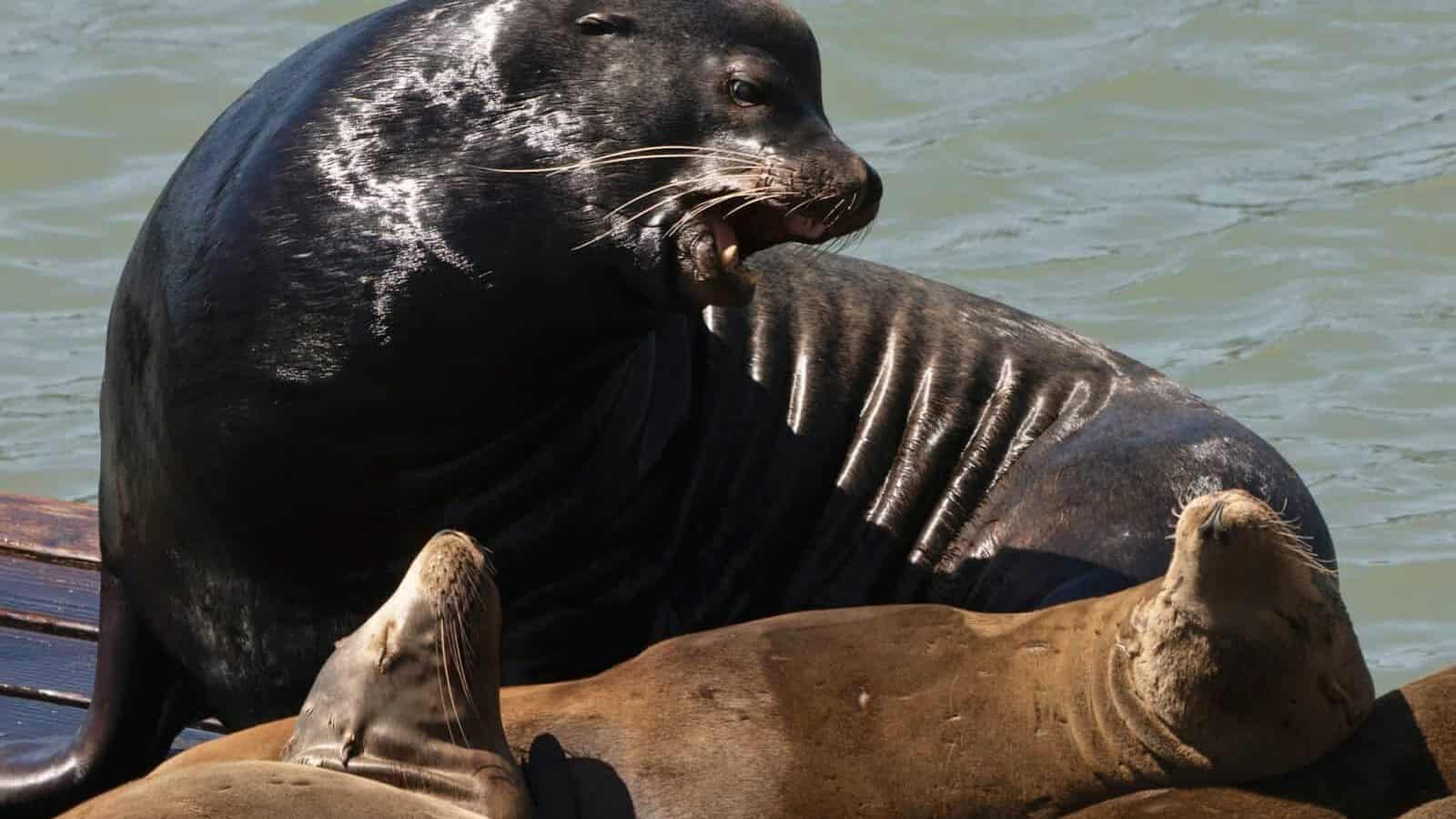
The Channel Islands National Marine Sanctuary protects the waters surrounding five of the eight Channel Islands off the coast of Southern California. These waters support thriving colonies of California sea lions (Zalophus californianus), with San Miguel Island hosting one of the largest breeding colonies in the United States. During peak breeding season, up to 100,000 sea lions may gather on the islands and in surrounding waters, creating a cacophony of barks and roars that can be heard for miles.
California sea lions are among the most agile and acrobatic pinnipeds, capable of reaching swimming speeds of up to 25 miles per hour. Males can grow to 8 feet in length and weigh up to 800 pounds, with distinctive sagittal crests that develop on their foreheads as they mature. Highly intelligent and naturally curious, these marine mammals often approach divers and kayakers in the sanctuary waters. Their playful nature, combined with their dog-like faces and expressive eyes, makes them a favorite among visitors to the sanctuary. However, their protected status is crucial as they face threats from entanglement in fishing gear, marine debris, and periodic food shortages during El Niño events.
Leatherback Sea Turtles of Stellwagen Bank
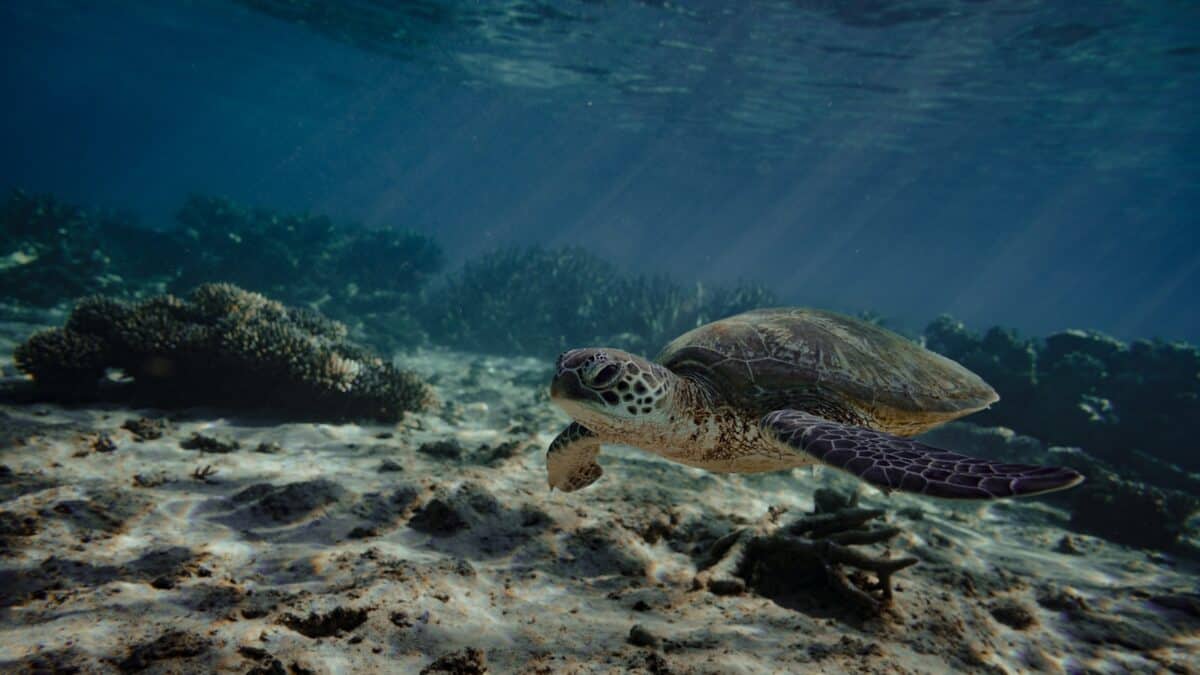
Stellwagen Bank National Marine Sanctuary, located at the mouth of Massachusetts Bay, might be best known for its whale populations, but it also provides crucial feeding habitat for the largest of all sea turtles—the leatherback (Dermochelys coriacea). Unlike other sea turtles with hard shells, leatherbacks have a leather-like carapace composed of small bones covered by tough, rubbery skin. These ancient mariners can reach lengths of over 7 feet and weigh up to 2,000 pounds, making them the fourth heaviest modern reptile.
What draws these massive turtles to the cold waters of Stellwagen Bank is the abundance of their preferred prey—jellyfish. Leatherbacks have specialized adaptations including backward-pointing spines in their throats and digestive tracts that help them consume these gelatinous creatures efficiently. Despite being able to dive to depths exceeding 4,000 feet and maintain body temperatures up to 18°F warmer than surrounding water, leatherbacks face severe conservation challenges. Listed as endangered, their global population has declined by 40% over the past three generations. The sanctuary provides critical protection for these remarkable reptiles during their seasonal feeding migrations in the North Atlantic.
Thunder Bay’s Prehistoric Lake Sturgeon
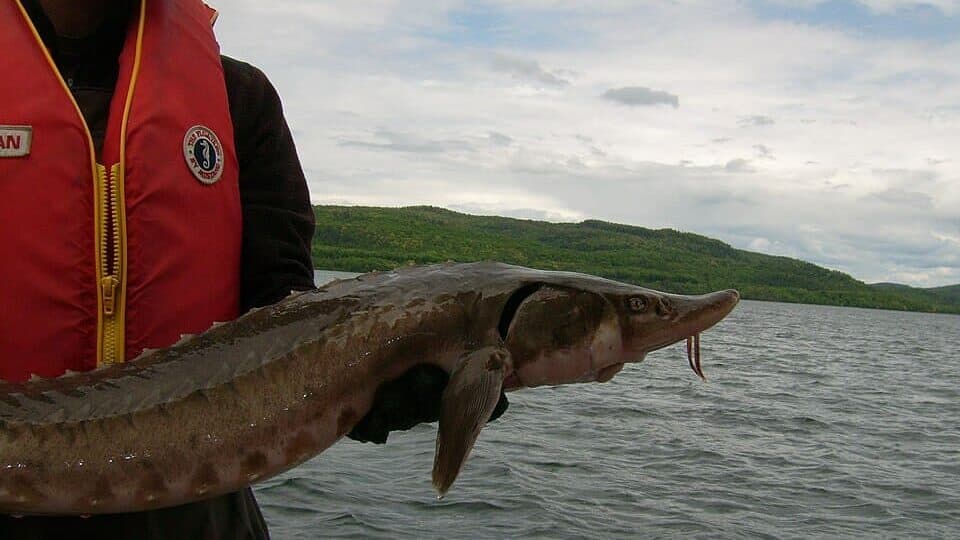
The Thunder Bay National Marine Sanctuary in Lake Huron may be best known for its shipwrecks, but the freshwater ecosystem it protects is home to one of North America’s most ancient fish species—the lake sturgeon (Acipenser fulvescens). Often referred to as “living fossils,” these remarkable fish have remained virtually unchanged for over 150 million years, swimming alongside dinosaurs during the Mesozoic era. With their armor-like scutes (bony plates) and shark-like tails, they seem like creatures from another time.
Lake sturgeon can live for over 100 years, with females not reaching sexual maturity until they’re 20-25 years old. They can grow to impressive sizes, with some specimens exceeding 7 feet in length and weighing over 200 pounds. Once abundant throughout the Great Lakes, sturgeon populations were decimated by overfishing, pollution, and habitat destruction during the 19th and early 20th centuries. Their slow growth and late maturity make them particularly vulnerable to human impacts. The protection afforded by the Thunder Bay sanctuary is crucial for the recovery of this remarkable prehistoric species, which plays an important role in the Great Lakes ecosystem as bottom-feeders that help maintain healthy benthic communities.
Gray’s Reef’s Colorful Tropical Fish in Temperate Waters
Gray’s Reef National Marine Sanctuary, located 19 miles off the coast of Georgia, represents a biological wonder—a vibrant reef ecosystem thriving in temperate waters. What makes this sanctuary particularly special is its unique geographic position where the warm Gulf Stream meets cooler coastal waters, creating conditions that support both temperate and tropical marine species. The sanctuary’s limestone reef formations provide habitat for over 200 species of fish, creating one of the most densely populated marine habitats in the region.
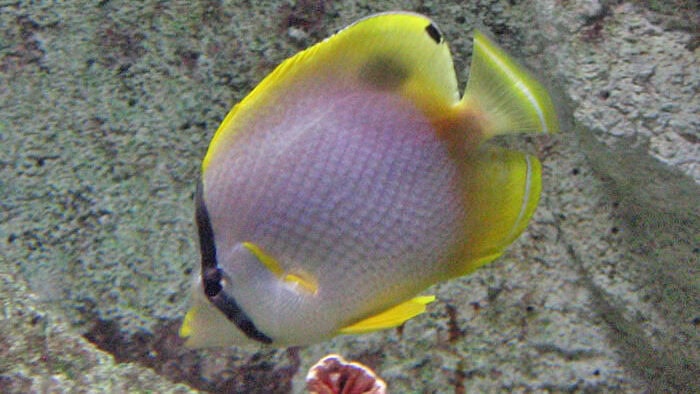
Among the most striking residents are tropical species at the northern limits of their range, including the royal hamlet (Hypoplectrus gummigutta) with its electric blue head and yellow body, and the spotfin butterflyfish (Chaetodon ocellatus) with its distinctive black spot near the tail. The reef also supports impressive aggregations of black sea bass (Centropristis striata) and snappers. These fish communities exist in a delicate balance, with many species serving as important indicators of ecosystem health. The sanctuary’s protected status is vital as climate change pushes marine species distributions northward, making Gray’s Reef an increasingly important refuge for species adapting to warming oceans.
American Samoa’s Pristine Coral Gardens
The National Marine Sanctuary of American Samoa, located in the South Pacific, protects some of the most pristine coral reef ecosystems under U.S. jurisdiction. Covering 13,581 square miles across six protected areas, it represents the largest marine sanctuary in the National Marine Sanctuary System. These tropical waters harbor an extraordinary diversity of life, with over 250 coral species—more than found in the entire Caribbean—and approximately 950 fish species swimming among them.
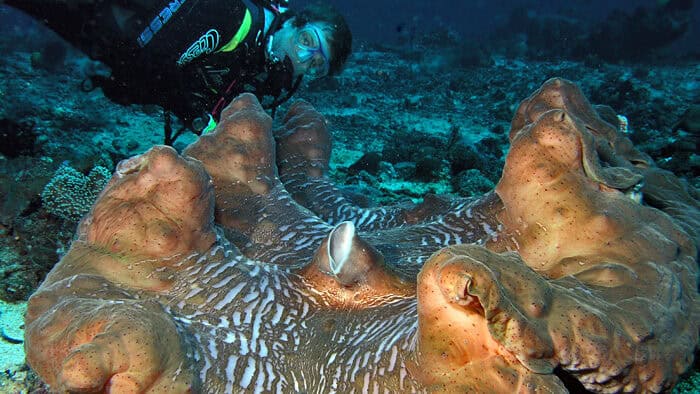
Among the most spectacular residents are the giant clams (Tridacna spp.), which can grow to over three feet across and weigh more than 500 pounds. These filter-feeding mollusks live in symbiosis with photosynthetic algae and can live for over a century. The sanctuary is also home to the threatened humphead wrasse (Cheilinus undulatus), a massive reef fish that can grow to 6 feet long and live for 30 years. Perhaps most remarkable is Rose Atoll, which features stunning pink-hued reefs created by encrusting coralline algae. The sanctuary’s remote location has helped preserve these ecosystems, providing scientists with valuable insights into how healthy, undisturbed coral reef communities function—knowledge that becomes increasingly precious as coral reefs worldwide face unprecedented threats.
Flower Garden Banks’ Deep-Sea Communities
Located 70 to 115 miles off the coasts of Texas and Louisiana in the Gulf of Mexico, Flower Garden Banks National Marine Sanctuary protects three underwater salt domes that rise dramatically from the seafloor. These geological formations support the northernmost coral reefs in the continental United States, thriving despite their distance from shore. While the shallow portions of these banks feature spectacular coral coverage, the deeper regions of the sanctuary harbor equally remarkable communities adapted to life in the twilight zone.
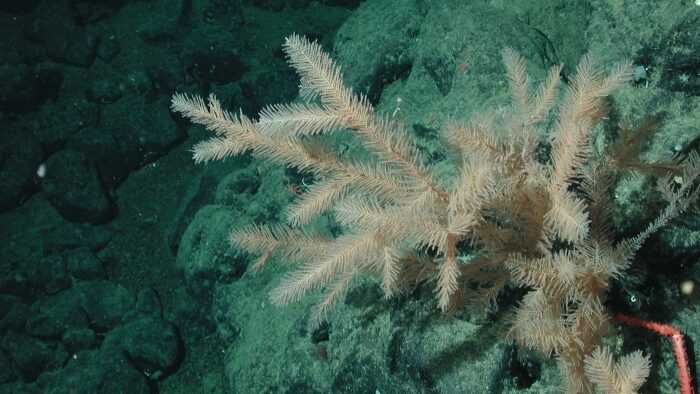
Below 150 feet, where sunlight struggles to penetrate, mesophotic coral ecosystems flourish with specialized species adapted to low-light conditions. Here, black corals (order Antipatharia) create tree-like formations that can live for thousands of years, making them among the oldest living animals on Earth. These deep habitats support unique fish assemblages including the striking longnose butterflyfish (Prognathodes aculeatus) and the reclusive sargassum triggerfish (Xanthichthys ringens). Even deeper, beyond the reach of diving technology, remotely operated vehicles have documented cold-water coral gardens, deep-sea sponge grounds, and communities of squat lobsters and giant isopods. The sanctuary’s protection of these diverse habitats from destructive bottom-trawling and energy development preserves irreplaceable biodiversity that scientists are only beginning to understand.
Preserving Marine Sanctuaries for Future Generations

The network of U.S. marine sanctuaries represents one of America’s most significant conservation achievements, protecting extraordinary biodiversity while balancing human uses of ocean resources. These underwater parks serve as living laboratories where scientists can study healthy marine ecosystems and develop strategies to restore degraded areas elsewhere. They also provide economic benefits through sustainable fisheries, tourism, and recreation, with visitor spending generating billions of dollars annually for coastal communities.
Despite their protected status, marine sanctuaries face growing threats from climate change, ocean acidification, marine debris, and invasive species. Rising water temperatures have triggered coral bleaching events in Florida Keys and American Samoa, while changing ocean chemistry threatens shell-forming organisms throughout sanctuary waters. Addressing these challenges requires expanding scientific research, strengthening enforcement capabilities, and engaging the public through education and citizen science initiatives. By understanding and appreciating the remarkable animals that call these sanctuaries home, we gain powerful motivation to preserve these underwater treasures for future generations.
As ocean advocates often say, “we protect what we love, and we love what we understand.” U.S. marine sanctuaries give us the opportunity to understand and connect with the ocean’s extraordinary biodiversity. From massive whales to microscopic coral polyps, each sanctuary species plays a vital role in maintaining healthy marine ecosystems. By continuing to strengthen protection for these special places, we ensure that the fascinating animals described here will continue to call U.S. marine sanctuaries home for generations to come.

- Jurassic Park’s Most Inaccurate Dinosaurs - July 21, 2026
- How Sustainable Farming Protects Wildlife in Tea Regions - July 21, 2026
- Why So Many Marine Animals Are Bioluminescent - July 21, 2026