


The humble hedgehog, with its distinctive spines and adorable appearance, has transcended its natural habitat to become one of the most iconic inspirations in video game history. When Japanese game developer Sega sought to create a mascot that could rival Nintendo’s Mario in the early 1990s, they found their muse in the spiny mammal that would evolve into Sonic the Hedgehog—the blue blur that revolutionized platforming games. But Sonic isn’t the only digital character to draw inspiration from these remarkable creatures. The journey from real-life hedgehog to pixelated hero reveals fascinating connections between nature and digital entertainment, showcasing how wildlife can inspire creative masterpieces that captivate generations of gamers.
The Natural Characteristics of Hedgehogs That Inspired Game Designers

Hedgehogs possess several distinctive traits that made them perfect inspiration for video game characters. Their most obvious feature—approximately 5,000-7,000 spines covering their backs—provides natural protection against predators. When threatened, hedgehogs roll into tight balls, presenting a formidable prickly exterior to potential threats. This defensive mechanism immediately suggests a character that could curl into a ball and roll through environments, a signature move that became central to Sonic’s gameplay mechanics.
Beyond their spines, hedgehogs are also known for their surprising speed. While wild European hedgehogs typically move at around 2 mph during normal foraging, they can reach speeds of up to 4-5 mph when frightened—impressive for their small size. This combination of defensive capability and unexpected quickness presented game designers with a compelling foundation for a character who could both attack enemies and navigate levels with speed. The hedgehog’s naturally determined personality and nocturnal curiosity further enhanced their appeal as inspiration for an adventurous game protagonist.
The Birth of Sonic: From Concept to Cultural Icon

In 1990, Sega found itself at a crossroads. Nintendo dominated the video game market with Mario, and Sega needed a mascot that could compete with the mustachioed plumber. A company-wide competition was held to design a character that would become the face of Sega. Artist Naoto Ohshima created several concepts, including an armadillo, a dog, a rabbit that could extend its ears to collect objects, and a hedgehog character called “Mr. Needlemouse.” The hedgehog design won out, with programmer Yuji Naka envisioning a game built around speed—a perfect match for the quick, spiny creature.
The development team refined the character, giving him blue coloring to match Sega’s logo, red shoes inspired by Michael Jackson and Santa Claus, and a personality influenced by Bill Clinton’s “get it done” attitude. Originally named “Sonic,” the character was designed with simplicity in mind—a round body with spikes that would be recognizable even in silhouette. When Sonic the Hedgehog launched in 1991, it wasn’t just a game but a statement: Sega was directly challenging Nintendo with a character whose entire ethos—speed, attitude, and cool factor—contrasted with Mario’s more methodical approach. The hedgehog-inspired design proved instrumental to Sonic’s success, launching a franchise that has sold over 140 million games worldwide.
Hedgehog Biology Transformed into Game Mechanics
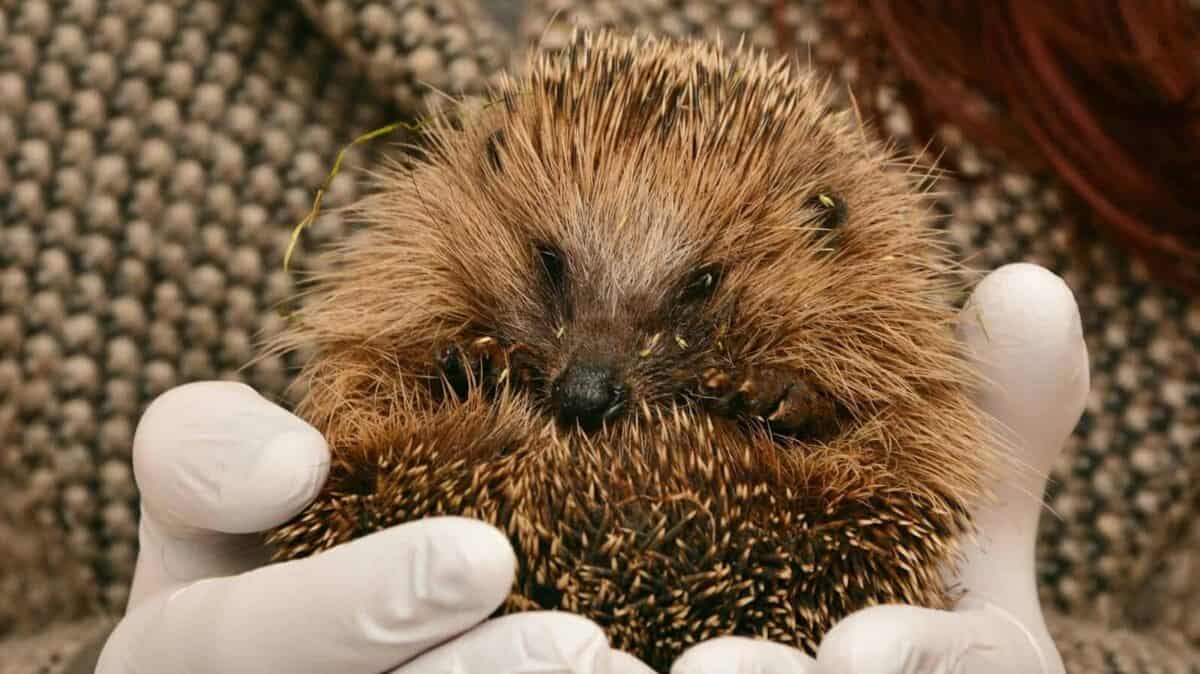
Game designers brilliantly translated hedgehog biology into Sonic’s core gameplay mechanics. The most iconic transformation was the spin dash—Sonic’s ability to curl into a ball and launch himself at high speeds. This directly mimics a hedgehog’s defensive posture when threatened. In nature, hedgehogs roll into balls to protect their vulnerable underbellies, using their spines as armor. In the game, this natural behavior became an offensive weapon, allowing Sonic to destroy enemies and obstacles while maintaining momentum.
Even Sonic’s collection of rings reflects aspects of hedgehog behavior. Real hedgehogs are collectors by nature, gathering nesting materials and food. Some species even engage in a behavior called “self-anointing,” where they chew on interesting objects and apply the frothy substance to their spines. While the golden rings that Sonic collects might seem disconnected from real hedgehogs, they represent this collecting instinct transformed into a game mechanic that offers both protection and reward. The developers ingeniously converted natural hedgehog behaviors into engaging gameplay elements that have remained central to the franchise for over three decades.
Beyond Sonic: Other Hedgehog-Inspired Game Characters

While Sonic remains the most famous hedgehog in gaming, he’s not alone in drawing inspiration from these spiny mammals. Shadow the Hedgehog, introduced in Sonic Adventure 2, presents a darker counterpart to Sonic’s carefree attitude while maintaining the core hedgehog-inspired abilities. Silver the Hedgehog brought psychokinetic powers to the franchise while still incorporating the species’ characteristic spines and form. Outside the Sonic universe, characters like Needles Kane (Sweet Tooth) from Twisted Metal feature hedgehog-like spiky hair as part of their menacing appearance.
Independent game developers have also embraced hedgehog inspiration. The 2018 indie game “Hedge” features a hedgehog protagonist navigating environmental puzzles, with mechanics that more closely mimic actual hedgehog behavior than Sonic’s high-speed adventures. Mobile games like “Hedgehog Launch” and “Hedgehog Bounce” utilize the rolling ball defense mechanism as their primary gameplay element. These diverse interpretations show how the humble hedgehog continues to provide rich creative material for game designers across genres and platforms, each emphasizing different aspects of hedgehog biology and behavior.
The Cultural Impact of Hedgehog Game Characters

Sonic the Hedgehog transcended his gaming origins to become a cultural phenomenon that introduced millions of people to hedgehogs. Prior to Sonic’s debut in 1991, many people—particularly in North America—had limited awareness of these creatures. Sonic changed that dramatically, creating a surge of interest in real hedgehogs. Conservation organizations and zoos reported increased attention to their hedgehog exhibits and educational programs following Sonic’s popularity, inadvertently making him an ambassador for his real-life counterparts.
This cultural impact extended beyond awareness. The Sonic franchise expanded to include animated television series, comics, merchandise, and most recently, successful feature films. The 2020 Sonic the Hedgehog movie grossed over $320 million worldwide, introducing a new generation to the character. This media presence has cemented hedgehogs in popular culture, influencing everything from fashion (with spiky hairstyles sometimes called “the Sonic”) to slang (with “going sonic” meaning to move quickly). Few animals can claim to have inspired a character with such far-reaching cultural influence, demonstrating the powerful connection between natural inspiration and creative expression.
Scientific Accuracy vs. Creative License in Hedgehog Games

While Sonic and other hedgehog-inspired characters capture the essence of their real-life counterparts, game designers have taken considerable creative liberties. Real hedgehogs cannot run anywhere near Sonic’s supersonic speeds, which can exceed 767 mph in the games. Their actual top speed of 4-5 mph pales in comparison. Similarly, while hedgehogs can roll into balls, they cannot maintain this position while rolling at high speeds or use it as an offensive attack. The vibrant blue coloration of Sonic also bears no resemblance to the natural brown or dark coloration of actual hedgehogs.
Some hedgehog games do incorporate more biologically accurate elements. Games like “Shelter” and nature simulators feature hedgehog characters that must forage for food, avoid predators, and protect their young—activities that closely mirror real hedgehog behavior. These games serve more educational purposes, contrasting with the action-oriented approach of the Sonic franchise. This spectrum from scientific accuracy to creative interpretation demonstrates how natural inspiration can be adapted to serve different gaming experiences, from fantasy escapism to realistic simulation.
The Evolution of Hedgehog Game Design Over Decades

The representation of hedgehog-inspired characters has evolved significantly since Sonic’s debut in 1991. Early 16-bit games featured simplified, pixelated designs that suggested rather than detailed the hedgehog’s spines. As technology advanced, so did the rendering of these characters. The Dreamcast-era Sonic Adventure (1998) introduced a fully 3D Sonic with individually modeled spines and more realistic movement physics. Modern iterations, such as those in Sonic Frontiers (2022), feature highly detailed models with thousands of individually rendered quills that move realistically with the character’s momentum.
This visual evolution parallels advancements in gameplay mechanics. Early games simplified the hedgehog’s rolling ability to basic directional control, while modern titles incorporate complex physics engines that simulate momentum, gravity, and resistance. Sound design has similarly progressed, from simple electronic approximations of Sonic’s spin to carefully engineered audio that captures the whoosh and impact of a spinning hedgehog in motion. This technical evolution demonstrates how growing technological capabilities have allowed game designers to more faithfully represent the natural characteristics that inspired these characters in the first place, creating increasingly immersive hedgehog-inspired experiences.
Hedgehog Conservation Awareness Through Gaming

An unexpected benefit of hedgehog-inspired video games has been increased awareness about real hedgehog conservation issues. As players developed affection for characters like Sonic, many became curious about actual hedgehogs, leading to greater interest in their welfare. Several hedgehog species face significant threats in the wild, including the European hedgehog (Erinaceus europaeus), which has seen population declines of over 50% in rural Britain since 2000 due to habitat loss, road casualties, and agricultural intensification.
Game developers have occasionally leveraged this connection to support conservation efforts. Sega has partnered with wildlife organizations for special events and promotions that highlight hedgehog protection. Some indie game developers have created hedgehog-themed games with explicit conservation messages, donating portions of proceeds to wildlife organizations. The Sonic franchise has also incorporated subtle environmental themes, with Dr. Robotnik/Eggman often portrayed as industrializing and polluting natural environments—a storyline that resonates with real-world conservation concerns. This demonstrates how fictional characters inspired by nature can circle back to benefit their real-world counterparts through increased awareness and conservation support.
The Psychology Behind the Appeal of Hedgehog Characters

The enduring popularity of hedgehog-inspired game characters can be partially explained through evolutionary psychology and design principles. Humans are naturally drawn to creatures with “baby schema” characteristics—large heads relative to body size, round faces, and big eyes—all features that game designers accentuated in Sonic and similar characters. These neotenic traits trigger care responses in humans, creating immediate emotional connections. Additionally, the hedgehog’s combination of vulnerability (small size) and strength (protective spines) creates a compelling duality that resonates with human experience.
From a game design perspective, hedgehogs offer perfect protagonist material because they balance relatability with uniqueness. Players can identify with Sonic’s underdog status against larger opponents while admiring his special abilities. The hedgehog’s natural defensive mechanism translated into a distinctive gameplay feature that differentiated Sonic from other platforming heroes. This psychological appeal explains why hedgehog characters have maintained popularity across multiple generations of gamers, transcending technological limitations and gaming trends. The hedgehog archetype taps into fundamental human preferences for characters that are simultaneously vulnerable and powerful, ordinary and special.
Fan Communities and Hedgehog-Inspired Creativity

Hedgehog game characters have inspired vibrant fan communities that extend the creative impact of these digital creatures. The Sonic fan community is particularly notable, producing an extraordinary volume of fan art, music remixes, animations, and even complete fan games. This community has developed its own culture and terminology, with phenomena like “Sonic OCs” (original characters) becoming so widespread that they’ve entered mainstream internet culture. Many professional game developers and artists cite early experiences creating Sonic fan content as formative to their careers.
The hedgehog as a creative template has proven remarkably versatile within these communities. Fans have reimagined hedgehog characters across countless styles and scenarios, from realistic nature settings to science fiction universes. The modding community has created thousands of modifications for official Sonic games, sometimes incorporating more biologically accurate hedgehog behaviors or appearances. This grassroots creativity demonstrates how the initial natural inspiration of the hedgehog has catalyzed a self-perpetuating creative ecosystem, with each generation of fans finding new ways to interpret and expand upon the hedgehog’s gaming legacy.
The Future of Hedgehogs in Gaming

As gaming technology continues to advance, the future looks bright for hedgehog-inspired characters and mechanics. Virtual reality and haptic feedback technologies offer new possibilities for simulating the unique physical sensations of rolling, spinning, and deploying spines. Emerging AI technologies could enable more complex and realistic hedgehog behaviors in simulation games, potentially creating educational experiences that accurately model how real hedgehogs interact with their environments. The Sonic franchise continues to evolve, with Sonic Frontiers (2022) introducing open-world elements while maintaining the core hedgehog-inspired mechanics.
Beyond established franchises, independent developers continue to find fresh inspiration in hedgehogs. Games exploring different aspects of hedgehog biology—such as their remarkable immune resistance to certain toxins or their specialized senses—could provide novel gameplay experiences. As environmental concerns grow more prominent, we may also see more games using hedgehog characters to highlight conservation themes. The versatility of the hedgehog as inspiration suggests we’ve only scratched the surface of its gaming potential, with much more innovation to come as technology and creative approaches evolve.
Conclusion: From Nature to Pixels—The Enduring Legacy
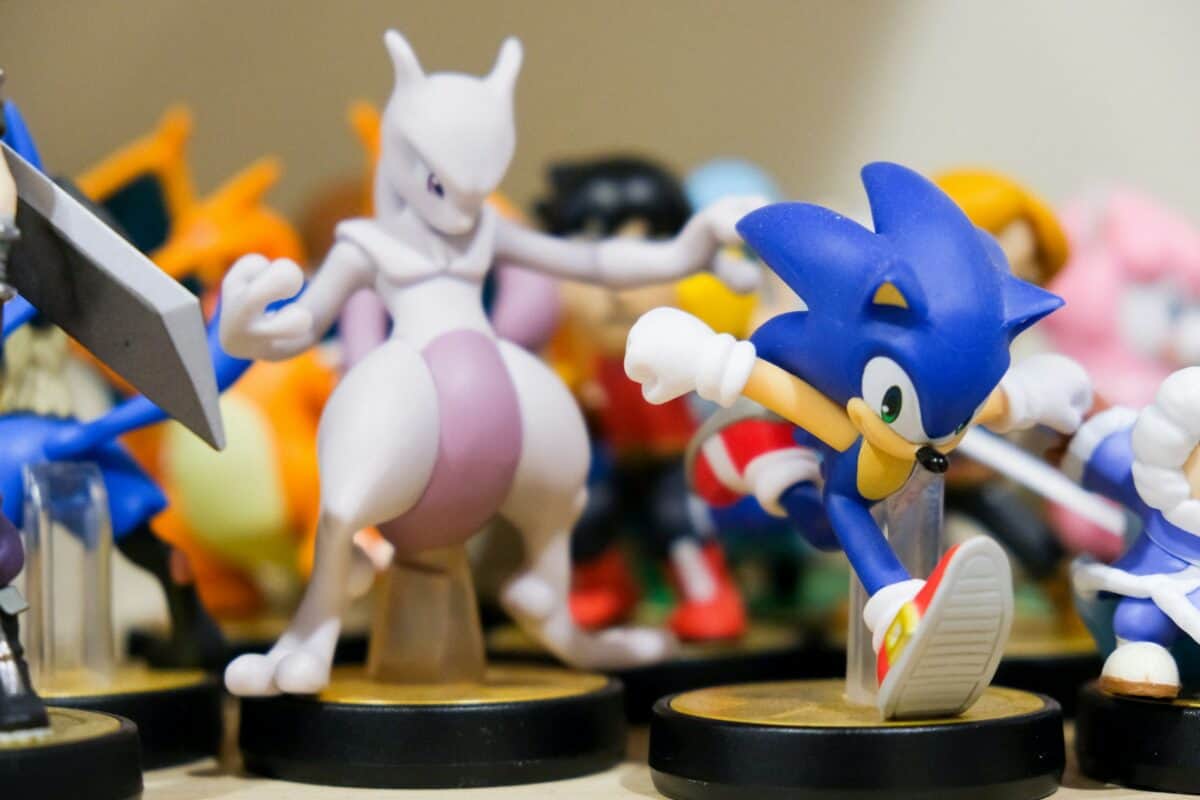
The journey from actual hedgehogs to beloved video game characters exemplifies the powerful interplay between nature and human creativity. What began as observation of a spiny mammal’s defensive rolling mechanism transformed into one of gaming’s most distinctive and enduring mechanics. Sonic the Hedgehog and his counterparts have introduced millions of people to these remarkable creatures, creating a unique cultural bridge between digital entertainment and natural appreciation. The hedgehog’s influence extends far beyond gaming, reaching into broader popular culture and even supporting conservation awareness for real hedgehog species facing threats in the wild.
This creative transformation reminds us that inspiration often comes from unexpected sources, with nature providing templates that human imagination can amplify and reimagine. For over three decades, hedgehog-inspired games have entertained players while subtly connecting them to the natural world. As technology advances and creative approaches evolve, the humble hedgehog will likely continue to inspire new generations of game designers, proving that the connection between natural adaptation and digital innovation remains as vibrant as ever. In both pixels and reality, the hedgehog’s journey demonstrates how a small creature can make an outsized impact on human culture and creativity.

From exploring the marine wonders in the Azores and witnessing the vast savannas of Kenya, to delving deep into the rich biodiversity of South Africa and traversing iconic landscapes in Australia and the US like Yellowstone, Chris's experiences are vast.
With a penchant for diving alongside sharks, the ocean holds a special place in his heart.
Through his academic insights, he champions wildlife conservation, striving with 'Animals Around The Globe' to cultivate a profound connection between humans and animals, enhancing our mutual appreciation.
Connect with him at Feedback@animalsaroundtheglobe.com.
- Why Spiders Don’t Get Stuck in Their Own Webs - July 20, 2026
- What Scientists Found in a 10,000-Year-Old Beehive - July 20, 2026
- This Spider Builds Fake Decoys of Itself - July 20, 2026