

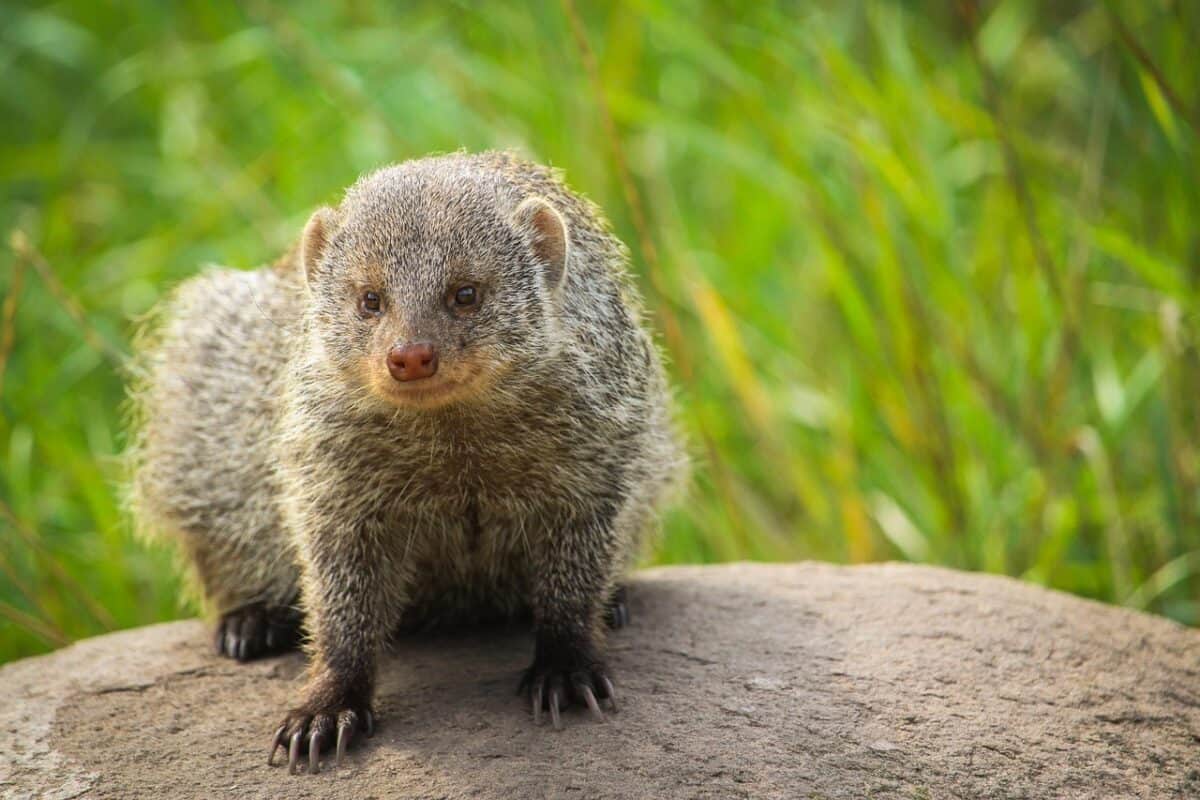
In the lush paradise of Hawaii, a cautionary tale of ecological intervention gone wrong continues to unfold. The mongoose introduction represents one of the most notorious examples of misguided biological control in the Pacific archipelago’s history. What began as a well-intentioned solution to rat problems in the sugarcane fields during the 1880s has evolved into an environmental catastrophe with far-reaching consequences that persist to this day. This invasive species has wreaked havoc on native Hawaiian wildlife, demonstrating how even seemingly straightforward solutions to agricultural problems can spiral into ecological disasters when non-native species are introduced without proper scientific assessment.
The Hawaiian Sugar Industry’s Rat Problem

Hawaii’s sugarcane industry boomed in the late 19th century, becoming the economic backbone of the islands. As plantations expanded across the fertile Hawaiian landscape, so did populations of rats that found the sugar-rich crops irresistible. These rodents, themselves introduced accidentally by earlier European ships, caused devastating damage to the valuable sugarcane harvests, gnawing through stalks and contaminating the crop. Plantation owners watched helplessly as profits literally disappeared beneath the teeth of these prolific pests.
By the 1880s, the situation had become dire. Plantation owners were desperate for a solution as traditional control methods proved inadequate against the overwhelming rat population. The economic losses mounted, putting pressure on Hawaii’s primary industry and threatening the livelihoods of countless workers. This crisis set the stage for a decision that would alter Hawaii’s ecological balance forever—the intentional introduction of what was believed to be nature’s perfect rat-killer: the mongoose.
The Fateful Decision to Import Mongooses

In 1883, sugar plantation owner William H. Smith made a decision that would have permanent repercussions for Hawaii’s ecosystem. Based on reports of mongoose success controlling rat populations in Jamaica’s sugar plantations, Smith imported 72 small Indian mongooses (Herpestes auropunctatus) from Jamaica to his plantation on the Big Island. The mongooses quickly reproduced, and within a year, their descendants were being distributed to plantations on Maui, Molokai, and Oahu. Remarkably, Kauai remained mongoose-free, likely due to a dockworkers’ strike that prevented a planned shipment from reaching the island—a fortunate accident that would later highlight the devastating impact of the mongoose elsewhere.
The introduction reflected the scientific understanding of the era, which lacked the ecological awareness and caution that characterizes modern conservation biology. No environmental impact studies were conducted, and there was little consideration of potential consequences beyond the immediate goal of rat control. This well-intentioned but catastrophically shortsighted decision exemplifies 19th-century approaches to pest management, when introducing predator species seemed like a simple, natural solution to biological problems.
The Critical Biological Mismatch

The fundamental flaw in the mongoose introduction plan lay in a simple but devastating biological mismatch: mongooses are diurnal (active during daylight hours), while rats are primarily nocturnal (active at night). This crucial behavioral difference meant that mongooses and rats were rarely active at the same time, dramatically limiting the effectiveness of mongooses as rat predators. While mongooses would occasionally capture young rats or those encountered during daytime, they never became the efficient rat-control mechanism that plantation owners had envisioned.
Instead, the mongooses turned to easier prey—Hawaii’s native birds, insects, and reptiles, many of which had evolved without mammalian predators and lacked appropriate defensive behaviors. This ecological naïveté made Hawaii’s unique native fauna particularly vulnerable to the newly introduced predator. The mongooses, facing abundant and easily captured prey, thrived and multiplied rapidly throughout the islands, expanding their territory far beyond the plantation areas where they were originally released.
Rapid Proliferation Across the Islands

Mongooses proved to be prolific breeders in Hawaii’s favorable climate with abundant food sources and few natural predators. Females can produce two to three litters annually, with each litter containing 2-5 young. This reproductive capacity allowed mongoose populations to explode across the islands they colonized. Within just a few decades, mongooses had established themselves throughout the lowland areas of Hawaii Island, Maui, Molokai, and Oahu, adapting to diverse habitats from coastlines to forests up to 3,000 feet in elevation.
Their ability to thrive in varied environments—from dry leeward regions to wet windward areas—demonstrated their remarkable adaptability. The mongoose’s opportunistic feeding behavior further enabled their successful invasion, as they could survive on everything from insects and small vertebrates to fruits and human refuse. By the early 20th century, it had become clear that the mongoose introduction had created a self-sustaining invasive population that would be virtually impossible to eradicate, with estimates suggesting that their numbers may have reached hundreds of thousands across the affected islands.
Devastation of Ground-Nesting Birds

The most profound ecological impact of the mongoose invasion has been on Hawaii’s ground-nesting birds, many of which evolved without mammalian predators and had no innate defensive behaviors against such threats. Native species like the Hawaiian petrel (ʻuaʻu), Newell’s shearwater (ʻaʻo), Hawaiian goose (nēnē), and various native duck species have suffered catastrophic population declines partly attributed to mongoose predation. These birds often nest in burrows or on the ground, leaving their eggs and chicks highly vulnerable to mongooses, which readily raid nests and prey on both eggs and young birds.
The Hawaiian goose, the state bird, was pushed to the brink of extinction by the mid-20th century, with mongooses identified as a significant contributing factor. Many ground-nesting seabird colonies on the main islands have been completely eliminated, with remaining populations restricted to mongoose-free offshore islets or Kauai. Studies monitoring nesting success have documented dramatic differences between Kauai (which remains mongoose-free) and the other main islands, providing compelling evidence of the mongoose’s devastating impact. The absence of mongooses on Kauai has made the island a crucial refuge for several bird species that have been decimated elsewhere in the archipelago.
Wider Ecological Consequences

The mongoose’s impact extends far beyond birds to affect multiple components of Hawaii’s fragile island ecosystem. These opportunistic predators consume a wide variety of native fauna, including endangered insects such as the Blackburn’s sphinx moth, native lizards, and invertebrates that play crucial roles in pollination and nutrient cycling. By preying on these species, mongooses have disrupted ecological processes and contributed to cascading effects throughout the food web. For example, reduced populations of native pollinators can impact plant reproduction, while declines in detritivores affect decomposition rates and nutrient availability.
Additionally, mongooses compete with native predators for food resources and may transmit diseases to both wildlife and humans. They are known carriers of leptospirosis and potentially rabies, though the latter has not been detected in Hawaii. The mongoose invasion has also altered natural selection pressures, potentially driving evolutionary changes in surviving native species. In combination with other invasive species, habitat destruction, and climate change, mongooses have contributed to Hawaii’s unfortunate distinction as the “extinction capital of the world,” with the highest rate of endemic species loss in the United States.
The Kauai Exception: An Ecological Control Case

Kauai stands as a living laboratory demonstrating what Hawaii’s ecosystems might look like without the mongoose invasion. Due to a fortuitous accident—likely a labor strike that prevented a planned mongoose shipment from reaching the island—Kauai has remained mongoose-free. This absence has created a natural experiment that highlights the devastating impact mongooses have had elsewhere in Hawaii. Native ground-nesting birds on Kauai have fared significantly better than their counterparts on mongoose-infested islands, with species like the Newell’s shearwater maintaining larger populations on Kauai despite facing other threats.
Conservation authorities remain vigilant about keeping Kauai mongoose-free, with robust detection systems and public education programs encouraging residents to report any mongoose sightings immediately. Occasional reports of mongoose sightings on Kauai have triggered rapid response efforts, though no established population has been confirmed. The stark contrast between Kauai’s relatively intact bird populations and the depleted fauna of other Hawaiian islands serves as both a reminder of what has been lost and inspiration for conservation efforts that might help restore ecological balance to the archipelago.
Modern Control Efforts and Challenges
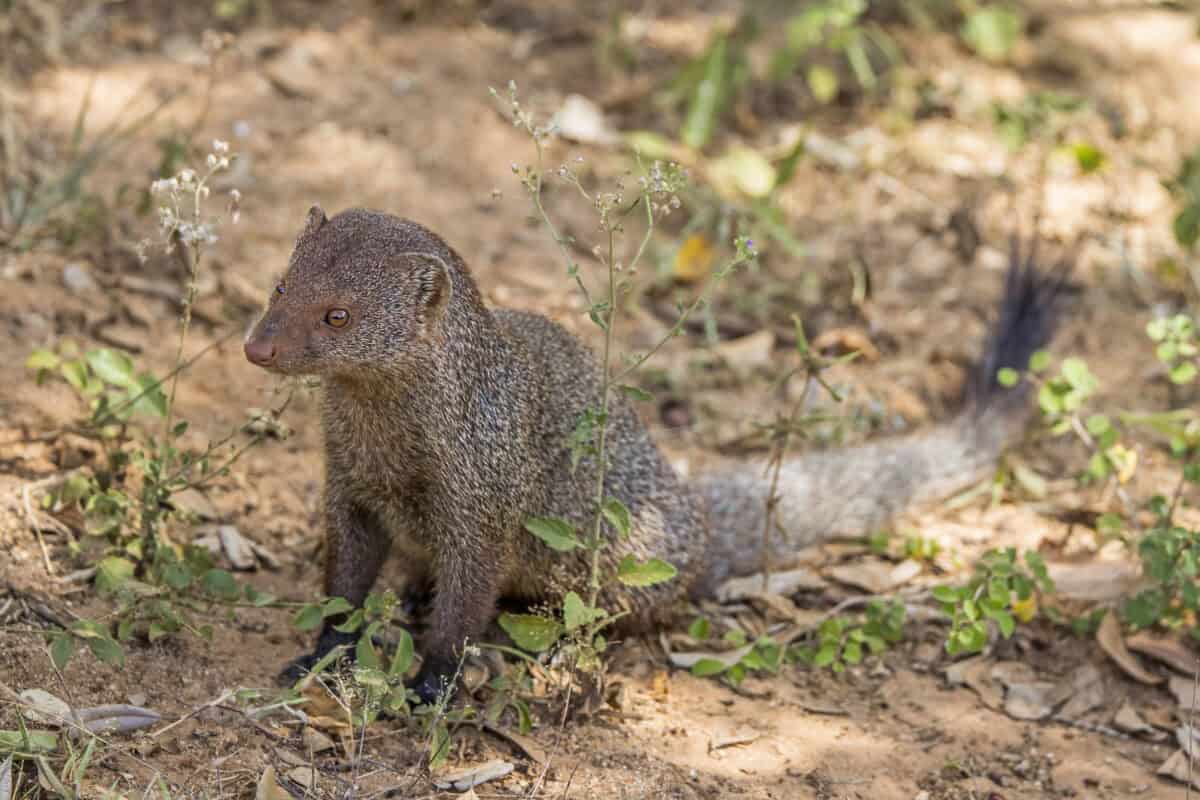
Contemporary efforts to control mongoose populations in Hawaii involve multiple approaches, though complete eradication from the main islands is considered virtually impossible with current technologies. Wildlife managers employ targeted trapping programs in high-value conservation areas, particularly around endangered bird nesting sites. These labor-intensive efforts can create temporary “mongoose-free zones” that allow vulnerable species a chance to reproduce successfully. Various trap designs and baits have been tested to improve capture rates, with some specialized traps achieving higher success.
Research into new control methods continues, including exploration of toxicants specific to mongooses, contraceptives to reduce reproduction, and genetic approaches like gene drive technology that might limit population growth. However, each approach faces significant technical, financial, and ethical challenges. The extensive range, high reproductive rate, and adaptable behavior of mongooses make control particularly difficult. Additionally, any large-scale control effort must navigate complex regulatory requirements, consider potential impacts on non-target species, and secure substantial long-term funding—all significant hurdles to implementing effective mongoose management across Hawaii’s diverse landscapes.
Economic Impacts Beyond Ecology
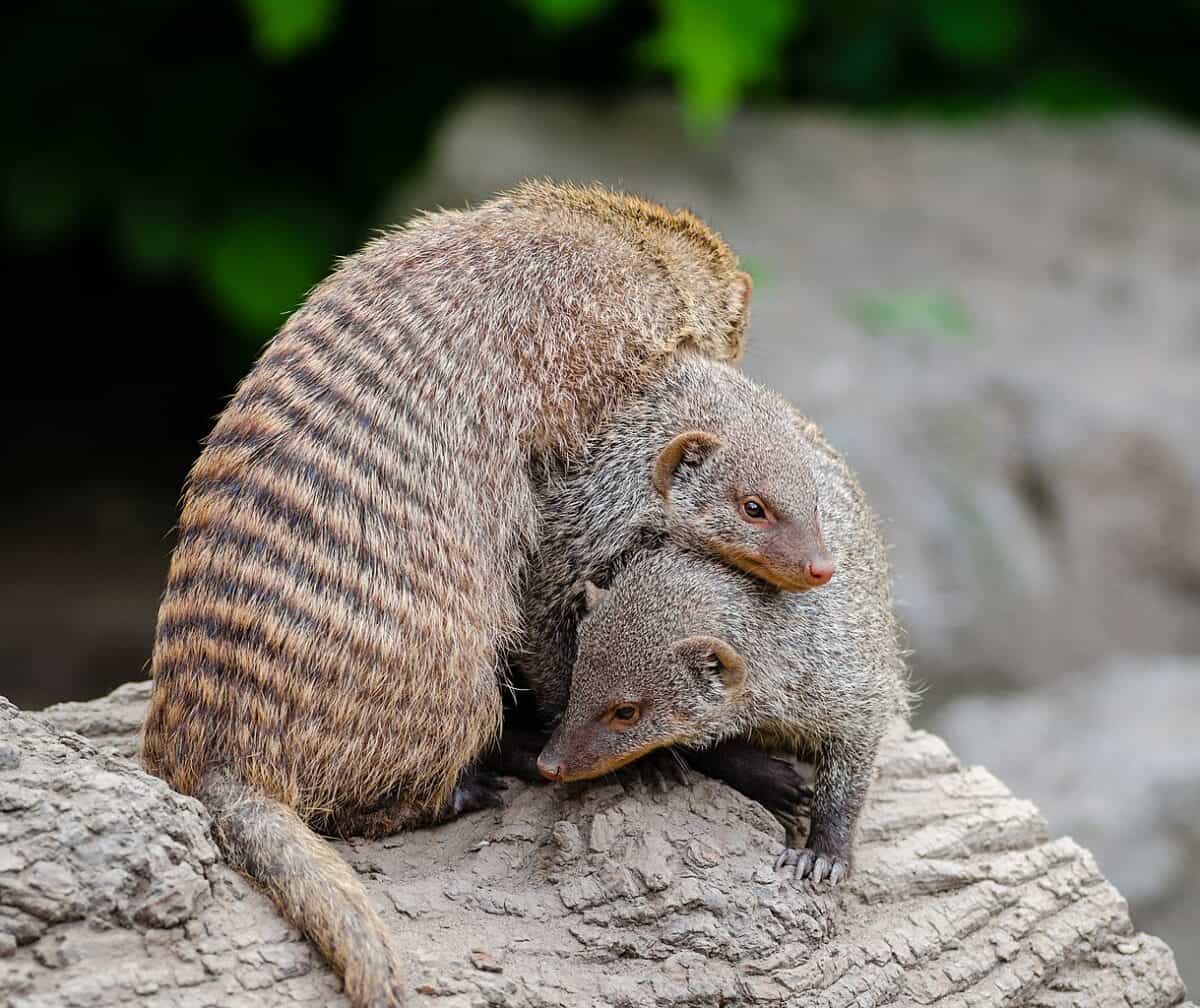
The mongoose invasion has inflicted substantial economic costs on Hawaii beyond its ecological damage. Direct expenditures on mongoose control by government agencies, conservation organizations, and private landowners amount to millions of dollars annually. The U.S. Department of Agriculture, Hawaii Department of Land and Natural Resources, and various non-profit organizations allocate significant resources to trapping programs, research, and public education campaigns. These costs represent an ongoing economic burden that diverts resources from other conservation priorities.
Indirect economic impacts may be even greater. Hawaii’s tourism industry, which contributes significantly to the state’s economy, relies partly on the islands’ unique natural heritage. The loss of iconic native species and degradation of natural areas diminishes this appeal. Agricultural damages continue as well—ironically, mongooses themselves damage crops and prey on poultry, creating ongoing losses for the very industry they were imported to protect. Public health costs associated with mongoose-transmitted diseases add another economic dimension, as does infrastructure damage from mongoose burrowing activities. When aggregated, these direct and indirect costs make the mongoose introduction one of Hawaii’s most expensive ecological mistakes.
Lessons for Modern Conservation Biology
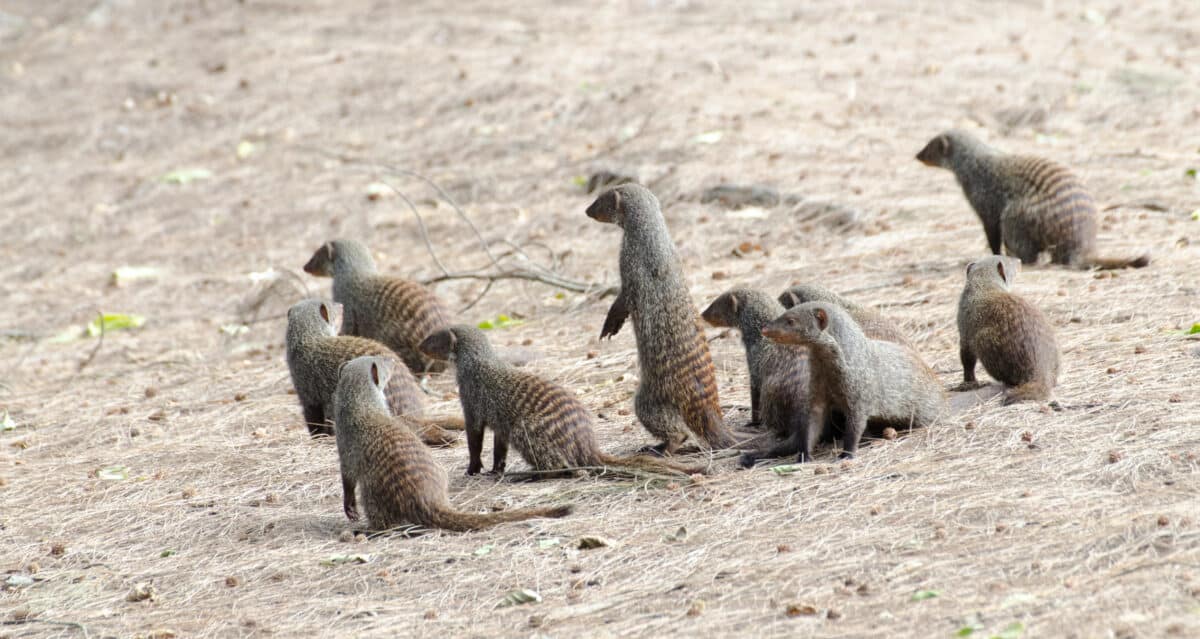
The mongoose disaster has become a textbook example in conservation biology courses worldwide, illustrating fundamental principles about invasive species management and the potential unintended consequences of biological control. Modern ecological science now emphasizes thorough risk assessment before any non-native species introduction, including extensive research on potential ecological interactions and establishment of monitoring protocols. The precautionary principle—the notion that new species should not be introduced without compelling evidence they won’t become harmful—has emerged partly in response to cautionary tales like the Hawaiian mongoose.
Conservation biologists now recognize that island ecosystems are particularly vulnerable to invasive species due to their evolutionary isolation and high rates of endemism. This understanding has led to stricter biosecurity measures for island regions globally. The mongoose case also demonstrates the asymmetry between introduction and removal—while introducing a species can be accomplished easily and cheaply, removing that same species once established often proves technically challenging or impossible, regardless of resources committed. These lessons have influenced both scientific approaches and regulatory frameworks governing species introductions, though similar mistakes continue to occur in various parts of the world.
Cultural Significance and Public Perception
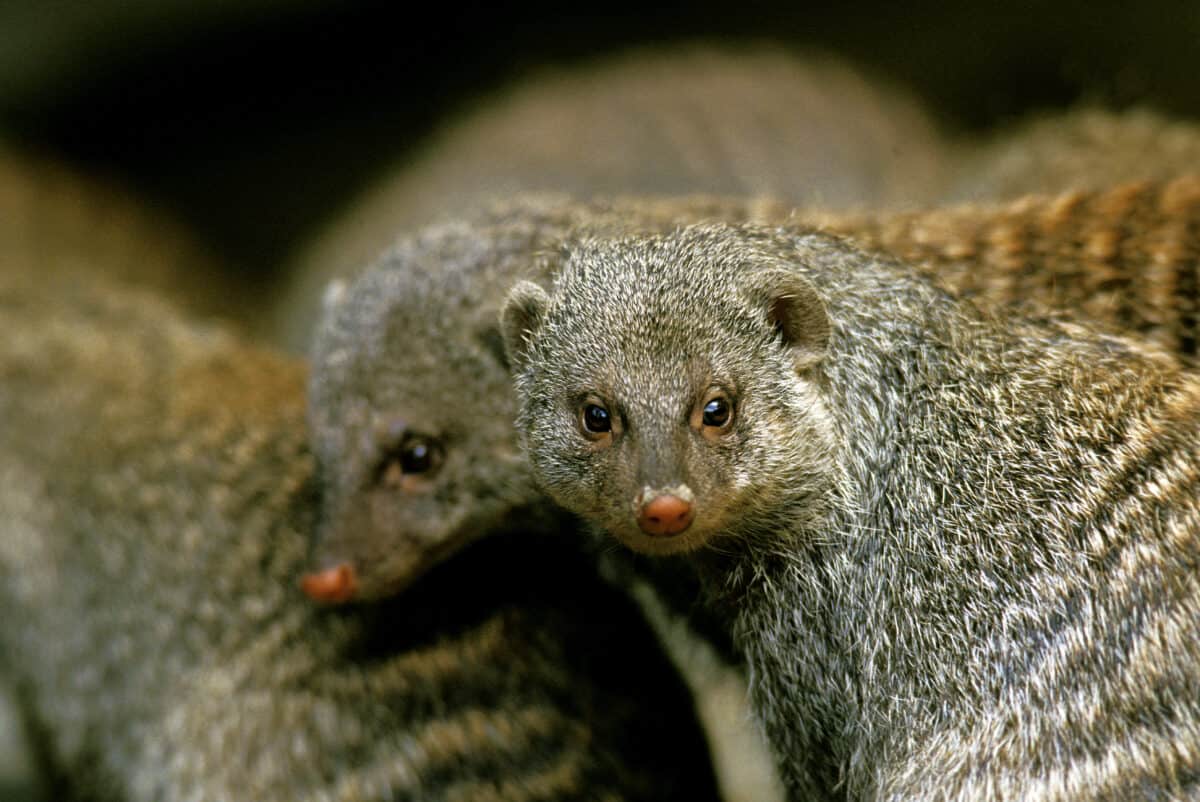
The mongoose has become embedded in Hawaiian cultural consciousness as a symbol of unintended consequences and environmental folly. Local expressions and stories often reference the mongoose as a metaphor for shortsighted solutions that create bigger problems than they solve. In educational programs throughout Hawaii, the mongoose story serves as a powerful narrative tool to teach ecological concepts and environmental stewardship. Most Hawaii residents recognize mongooses as problematic invaders rather than as the charismatic animals they might be considered in their native range.
Public perception has evolved significantly since the 1880s when mongooses were welcomed as agricultural saviors. Today, public education campaigns by conservation organizations have successfully fostered broad awareness of the mongoose problem, with most residents supporting control efforts. This shift represents an increased ecological consciousness within Hawaiian society, with greater appreciation for native species and ecosystem health. Nonetheless, mongooses occasionally appear as ambivalent characters in local literature and art, reflecting their complicated status as both villains of the ecological story and long-term inhabitants of the modern Hawaiian landscape that many residents have never known without.
The Legacy of Hawaii’s Greatest Invasive Mistake
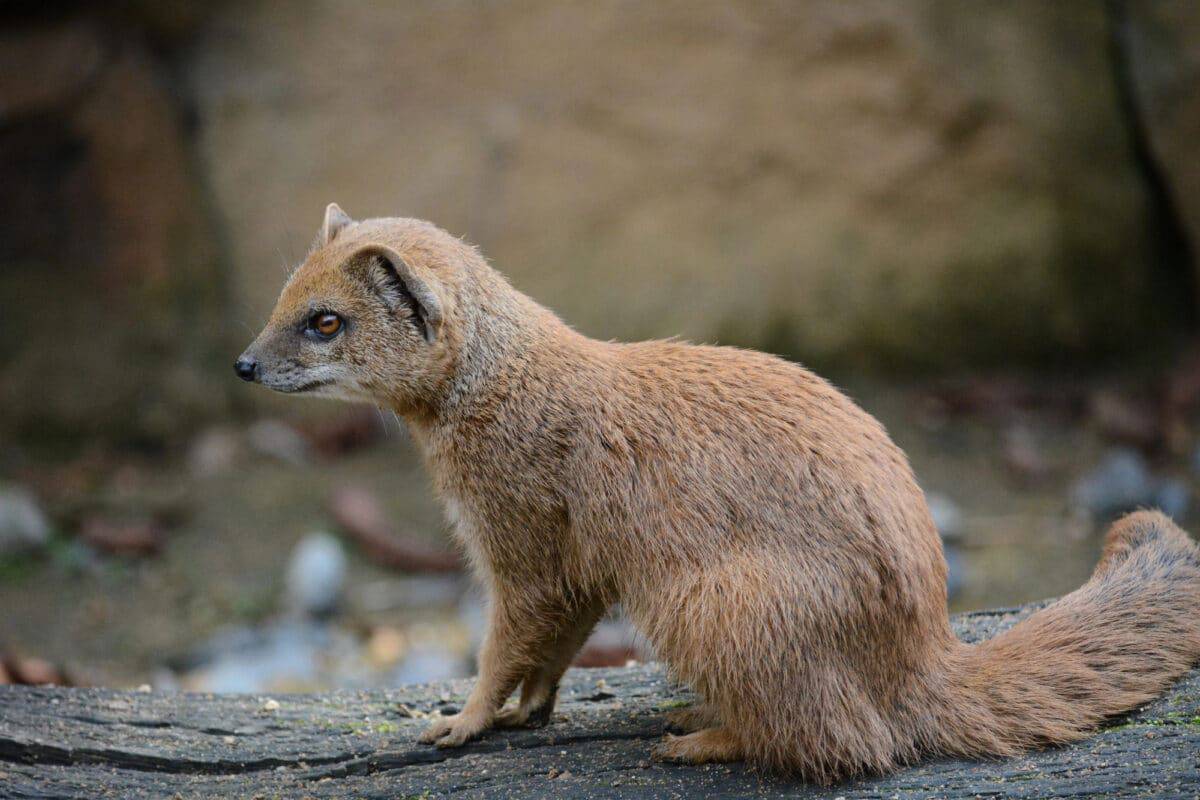
The mongoose introduction stands as Hawaii’s most infamous invasive species disaster, a prime example of how human interference in complex ecological systems can have profound, irreversible consequences. Nearly 140 years after those first 72 mongooses arrived on Hawaii Island, their descendants continue to threaten native wildlife daily, serving as a persistent reminder of the fragility of island ecosystems and the responsibility that comes with environmental management. The ecological wounds inflicted by this single misguided decision continue to shape conservation priorities and challenges throughout the archipelago, requiring ongoing investment of resources that might otherwise support habitat restoration or protection of remaining native species.
Despite this sobering legacy, the mongoose disaster has also catalyzed positive developments in conservation science and practice. The stark contrast between Kauai and the mongoose-infested islands has highlighted the value of invasive species prevention, while ongoing management efforts have developed innovative approaches to protecting vulnerable species. Perhaps most importantly, this ecological tragedy has fostered greater environmental awareness among Hawaii’s people and visitors, contributing to a conservation ethic that may help prevent similar mistakes in the future. Though the mongooses themselves may never be eradicated from Hawaii, their story continues to educate and influence environmental decision-making worldwide.

From exploring the marine wonders in the Azores and witnessing the vast savannas of Kenya, to delving deep into the rich biodiversity of South Africa and traversing iconic landscapes in Australia and the US like Yellowstone, Chris's experiences are vast.
With a penchant for diving alongside sharks, the ocean holds a special place in his heart.
Through his academic insights, he champions wildlife conservation, striving with 'Animals Around The Globe' to cultivate a profound connection between humans and animals, enhancing our mutual appreciation.
Connect with him at Feedback@animalsaroundtheglobe.com.
- The Mongoose Disaster: Hawaii’s Greatest Invasive Animal Mistake - July 24, 2026
- The Most Venomous Animal in the Ocean Isn’t a Shark - July 24, 2026
- The Animal That Can Survive Without Oxygen for Hours - July 24, 2026
Leave a comment
You must be logged in to post a comment.