


In the vast expanses of African savannas and Asian forests, elephants have developed a remarkable communication system that extends far beyond what human ears can detect. These magnificent creatures use infrasound—sounds below the frequency threshold of human hearing—to communicate over extraordinary distances, sometimes spanning several miles. This sophisticated system allows elephants to coordinate group movements, warn of dangers, find mates, and maintain complex social bonds despite physical separation. While humans rely primarily on visual and audible cues for communication, elephants have evolved this extraordinary ability to literally “speak” through the earth and air using sound waves that travel farther than conventional sound.
The study of elephant infrasonic communication has revolutionized our understanding of these intelligent animals. Scientists have discovered that these low-frequency rumbles, typically ranging between 14-35 Hz (below the 20 Hz lower limit of human hearing), can travel unimpeded through various terrains and obstacles that would normally block higher-frequency sounds. This adaptation has proven crucial for elephants’ survival and social cohesion in environments where visual contact is often limited by vegetation, terrain, or distance. Through specialized recording equipment and decades of field research, we are now beginning to decode the complex language of elephant infrasound.
The Science Behind Infrasound Production

Elephants generate infrasonic calls through their unique vocal anatomy. Unlike human vocal production, which relies primarily on the larynx, elephants use their massive larynx in combination with specialized vocal folds to produce these low-frequency sounds. The exceptional size of an elephant’s larynx—much larger than any other land mammal’s—allows for the production of these deep, rumbling vocalizations. Their vocal folds can vibrate at extraordinarily slow rates, creating sound waves with very long wavelengths that correspond to infrasonic frequencies.
The elephant’s large nasal passages and trunk also play critical roles in amplifying and modulating these sounds. When an elephant produces an infrasonic call, the sound resonates through its massive head cavities and nasal passages, effectively using the entire front portion of the skull as a sound chamber. This anatomical adaptation functions similarly to a bass instrument, where larger resonating chambers produce deeper tones. Research has demonstrated that elephants can control the fundamental frequency of their calls with remarkable precision, allowing them to create distinctive vocalizations that can be recognized individually by other elephants.
How Far Can Elephant Infrasound Travel?

The transmission range of elephant infrasound is nothing short of extraordinary. Under ideal conditions, these low-frequency calls can travel between 5-10 kilometers (3-6 miles) through air, but even more impressively, they can travel up to 16 kilometers (10 miles) through solid ground. This remarkable range is possible because infrasonic waves have longer wavelengths that encounter less interference from obstacles and atmospheric conditions than higher-frequency sounds. When traveling through ground, these vibrations propagate through the earth’s surface in what scientists call “seismic communication,” adding another dimension to elephant long-distance messaging.
Environmental factors significantly influence transmission distance. In the early morning hours, when temperature inversions occur (where cooler air is trapped beneath warmer air), infrasonic waves can travel even farther—sometimes exceeding 10 miles through air. Elephants appear to intuitively understand these atmospheric conditions, often timing their long-distance calls during dawn hours when transmission efficiency is maximized. Geographic features like valleys can channel these sounds, while dense forests might reduce transmission distances. Even with these variables, elephant infrasound communication remains one of the most effective long-distance communication systems in the animal kingdom.
Detecting Infrasound: The Elephant’s Sensitive Reception System
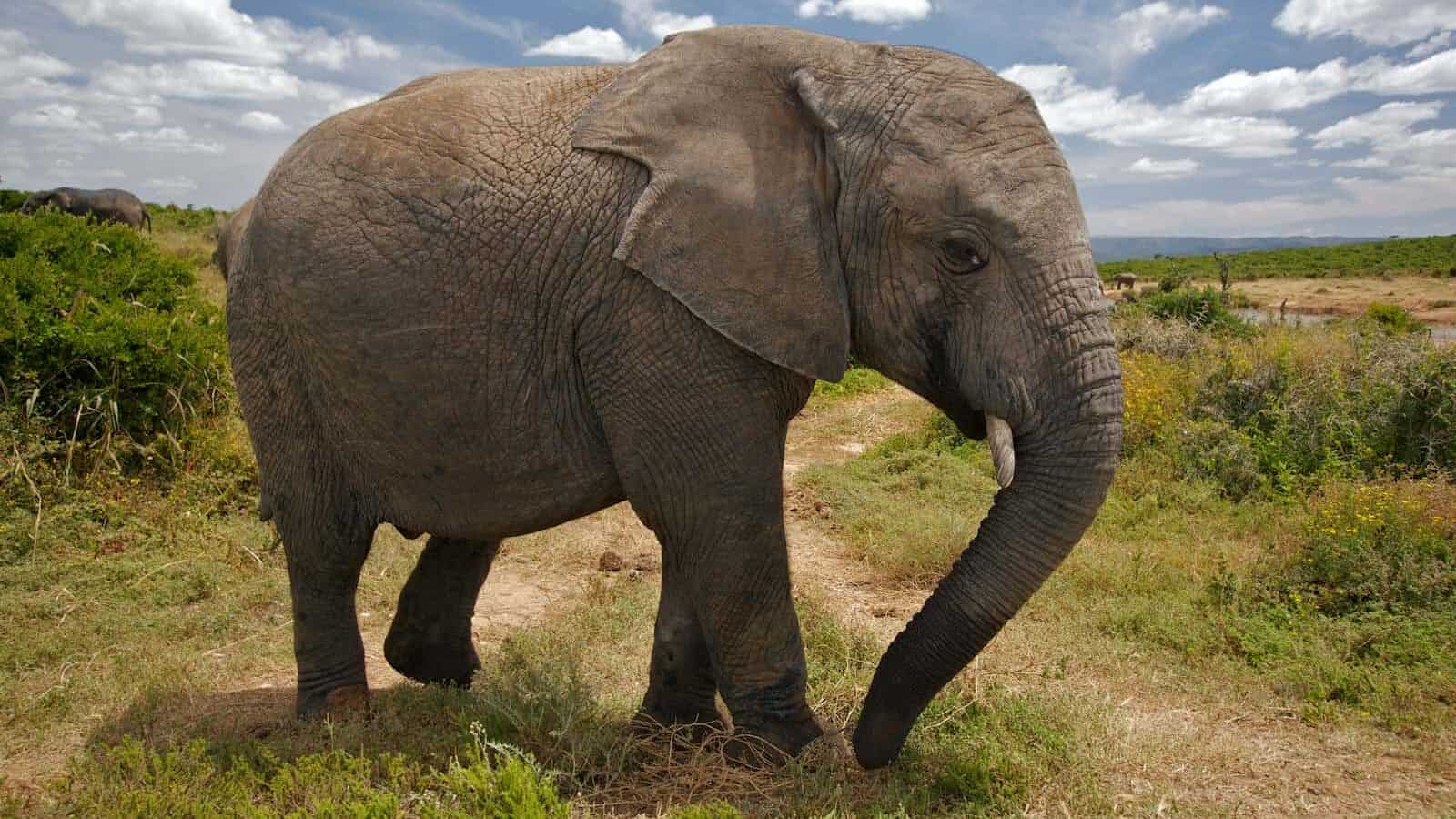
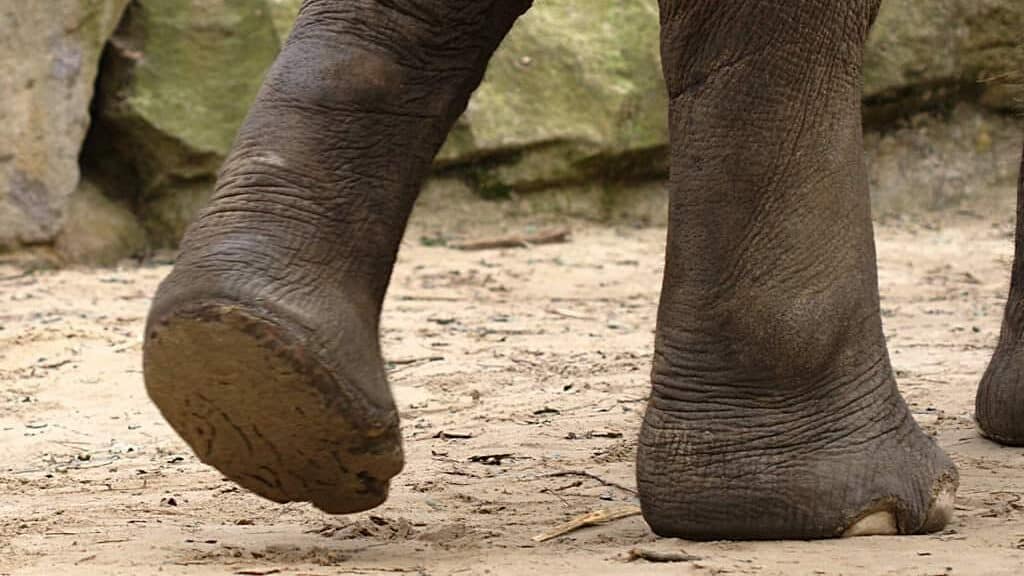
Just as remarkable as their ability to produce infrasound is elephants’ sophisticated system for detecting these vibrations. Elephants possess multiple sensory pathways for receiving infrasonic messages. Their large ears certainly play a role in detecting airborne infrasound, but research has revealed even more specialized adaptations. Elephants have sensitive mechanoreceptors in their feet and trunk that can detect vibrations traveling through the ground. These specialized cells transform physical vibrations into neural signals that the elephant’s brain can interpret as communication.
Perhaps most fascinating is the discovery that elephants may also sense infrasound through their skull and even directly through their brain tissue. Scientists have observed behaviors suggesting that elephants sometimes press their foreheads to the ground when “listening” for distant calls. This multi-channel reception system gives elephants a remarkable advantage in detecting and interpreting infrasonic signals from distant herd members, potential mates, or even approaching predators. Their brain contains specialized auditory processing regions that are particularly tuned to these low-frequency sounds, allowing them to filter important signals from background noise.
The Social Significance of Infrasonic Communication
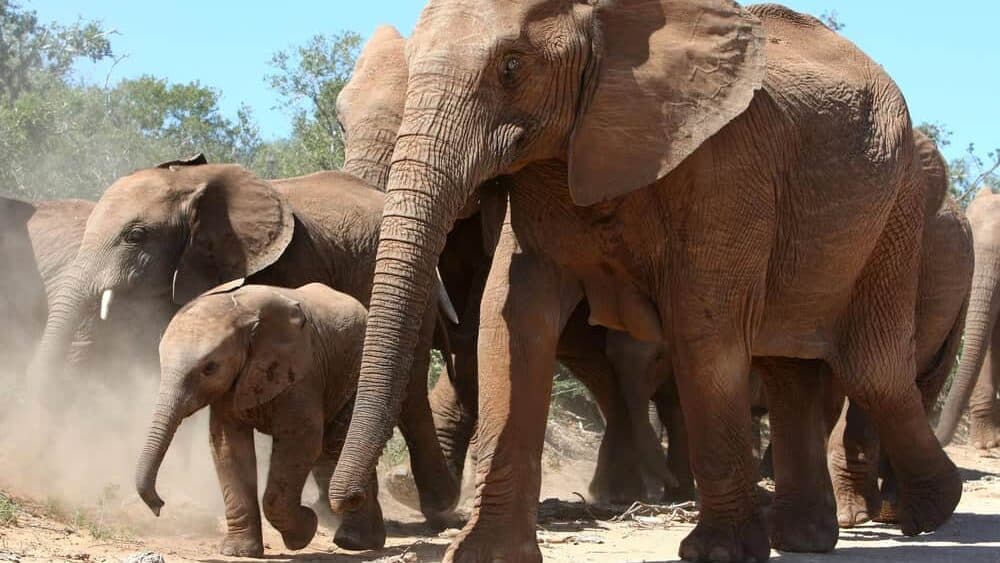
Infrasound serves as the foundation for elephants’ complex social structures. In both African and Asian elephant societies, family groups are often dispersed across large territories while maintaining strong social bonds. Matriarchs use infrasonic calls to coordinate group movements, arrange meetups at water sources, and maintain contact with distant family members. These low-frequency communications help preserve the intricate social hierarchy within elephant communities even when visual contact is impossible. Research has documented “contact calls” that appear to function much like phone calls between separated individuals, containing information about identity, location, and emotional state.
The social significance extends beyond basic coordination. Young elephants learn to recognize the distinct infrasonic signatures of family members, and calves in distress will emit specific infrasonic calls that prompt immediate response from mothers or other relatives, even from considerable distances. These communication patterns reinforce social bonds and contribute to the remarkable cohesion observed in elephant societies. Scientists studying elephant vocalization patterns have identified specific infrasonic “dialects” that differ between family groups and regions, suggesting that these communication systems also contribute to cultural identity within elephant populations.
Mating and Reproduction Signals
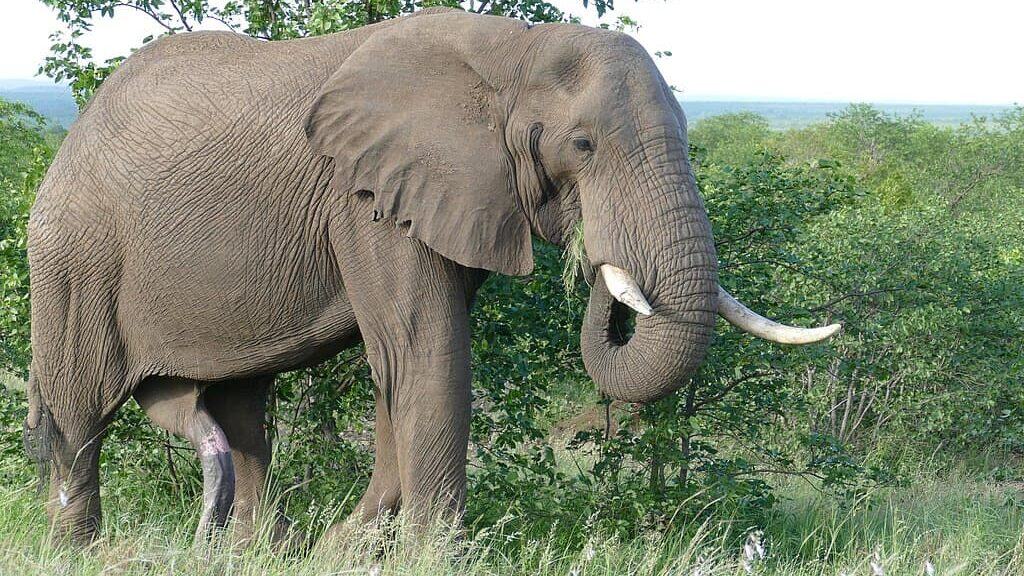
Infrasonic communication plays a critical role in elephant reproduction. Female elephants in estrus emit distinctive infrasonic calls that can be detected by males up to several miles away. These reproductive advertisements contain specific acoustic information about the female’s fertility status, allowing males to locate potential mates efficiently across vast territories. For male elephants, this long-distance communication system is especially valuable during musth—a period of heightened testosterone and sexual activity—when finding receptive females quickly can mean reproductive success.
Males also use infrasound during competition for mates. Bulls produce powerful, distinctive infrasonic rumbles that establish dominance hierarchies and warn competing males to stay away. These calls communicate the male’s size, condition, and competitive status without requiring direct confrontation. Females appear to be able to assess male quality through these vocalizations, potentially influencing mate choice. The sophisticated nature of these reproductive communications highlights the evolutionary importance of infrasound in elephant societies, where finding appropriate mates across large territories presents a significant challenge that this communication system elegantly solves.
Warning Signals and Predator Avoidance

Elephants use infrasound as an early warning system to alert distant herd members about potential dangers. When elephants detect predators like lions or human hunters, they produce specific alarm calls that travel rapidly across the landscape, warning family members who may be miles away. These warning signals can trigger defensive behaviors or evasive movements before the threat is directly encountered. Research has shown that elephants produce distinctly different infrasonic patterns depending on the specific threat—the calls for humans differ from those for lions, suggesting a sophisticated categorization system within their communication.
This advance warning system extends beyond immediate predator threats. Elephants also use infrasound to communicate about environmental hazards such as beehives (which elephants typically avoid), poisonous plants, or unsafe water sources. During natural disasters like droughts, elephants’ infrasonic communications help coordinate group movements toward better resources, potentially saving lives. Researchers have documented cases where elephant herds began moving away from areas shortly before natural disasters like tsunamis occurred, suggesting they may detect infrasonic signals produced by these events before humans can perceive any danger—a remarkable example of how this communication system contributes to their survival.
Weather Detection and Environmental Awareness
One of the most fascinating applications of elephant infrasound sensitivity is their apparent ability to detect approaching weather systems long before they arrive. Thunderstorms, in particular, generate powerful infrasonic waves that travel hundreds of miles ahead of the actual storm front. Elephants can detect these signals and use them to make decisions about movement and shelter. Researchers have observed elephant herds changing direction or seeking higher ground well before the arrival of heavy rains or floods, suggesting they’re responding to these advance infrasonic warnings.
This environmental awareness extends to other natural phenomena as well. There is compelling evidence that elephants detected the infrasonic signals preceding the 2004 Indian Ocean tsunami, with many herds moving to higher ground before the waves hit. Seismic events like earthquakes also produce low-frequency vibrations that elephants can perceive through ground conduction. This remarkable sensitivity to environmental infrasound provides elephants with a kind of “sixth sense” about their surroundings that extends far beyond their immediate visual or conventional auditory range, offering crucial survival advantages in unpredictable environments.
Cultural Transmission of Infrasonic Knowledge

Like many aspects of elephant behavior, infrasonic communication skills appear to be culturally transmitted from generation to generation within family groups. Young elephants learn the specific calls used by their family and the appropriate contexts for different vocalizations through observation and practice. Researchers have documented mother elephants apparently “teaching” calves which infrasonic calls to use in different situations, and young elephants gradually refining their vocal production to match family patterns. This cultural learning creates distinctive “dialects” among different elephant populations, even when they live in similar environments.
The cultural dimension of infrasonic communication becomes particularly evident when studying orphaned elephants or those raised in isolation from their natal herds. These individuals often show deficits in their infrasonic communication abilities, producing less nuanced calls or failing to respond appropriately to certain signals. Conservation programs working with orphaned elephants now recognize the importance of exposing young animals to proper infrasonic models—often older female elephants—to ensure they develop normal communication skills. This cultural transmission highlights the complex, learned nature of elephant communication and the importance of social structures for maintaining these sophisticated systems across generations.
Research Techniques for Studying Elephant Infrasound

Studying sounds that humans cannot naturally hear presents unique scientific challenges. Researchers have developed specialized equipment to record, visualize, and analyze elephant infrasound. Modern studies typically employ microphones with enhanced low-frequency sensitivity, often paired with digital recorders capable of capturing frequencies below the human hearing range. Once recorded, these sounds can be analyzed using spectrograms—visual representations of sound frequencies over time—allowing scientists to identify patterns, individual signatures, and contextual variations in infrasonic calls.
Field studies have evolved to include multiple measurement approaches. Some researchers place seismic sensors in the ground to detect the vibrations transmitted through soil, while others use arrays of microphones to triangulate the source and direction of calls. Playback experiments, where recorded infrasound is broadcast to elephants while researchers observe their reactions, have proven particularly valuable in understanding how elephants interpret different calls. More recently, advances in technology have allowed for the development of wearable recording devices that can be attached temporarily to elephants, providing unprecedented insights into both the production and reception of infrasonic signals in natural contexts. These combined approaches have revolutionized our understanding of this hidden communication dimension.
Conservation Implications of Infrasonic Communication

Understanding elephant infrasonic communication has significant implications for conservation efforts. Human development and infrastructure can disrupt these essential communication channels in ways invisible to us but devastating to elephants. Noise pollution from highways, construction, or aircraft creates infrasonic interference that can mask important elephant calls. Physical barriers like roads and fences not only restrict elephant movement but can also block ground-transmitted infrasonic vibrations that elephants rely on for coordination and warning signals. Conservation planning increasingly considers these “acoustic corridors” as essential elements of elephant habitat, recognizing that preserving silent spaces is as important as protecting physical land.
Conversely, knowledge of infrasonic communication offers innovative conservation tools. Researchers have experimented with broadcasting specific infrasonic signals to guide elephant movements away from human settlements or dangerous areas. Some conservation programs use infrasonic monitoring to track elephant populations non-invasively, identifying individuals and family groups by their distinctive vocal signatures. As human-elephant conflict intensifies in many regions, understanding and leveraging elephants’ natural communication systems may provide humane solutions that respect these animals’ sophisticated social needs while protecting human communities. The protection of elephants’ communication channels represents a new frontier in conservation thinking that extends beyond traditional habitat preservation.
Comparing Elephant Infrasound to Other Species

While elephants have the most studied and perhaps most sophisticated infrasonic communication system, they are not the only animals to utilize these low frequencies. Whales, particularly blue and fin whales, produce infrasonic calls that can travel hundreds of miles through ocean waters. Rhinoceroses, elephants’ distant relatives, also use infrasound for territorial and mating communications. Even some smaller animals like alligators and cassowary birds produce low-frequency sounds at the edge of the infrasonic range. What makes elephant communication stand out is the complexity of their vocal repertoire and the multi-channel reception system they employ, combining airborne and ground-transmitted signals.
Interestingly, different elephant species show variations in their infrasonic communication. African savanna elephants, living in more open habitats, rely heavily on long-distance infrasound, while forest elephants and Asian elephants, which inhabit denser vegetation, may use more mid-range frequencies that travel effectively through their specific environments. These adaptations highlight how communication systems evolve to suit ecological niches. Comparative studies between elephants and other infrasound-using species provide valuable insights into the evolution of this communication strategy and its relationship to social complexity, brain development, and environmental challenges across different animal groups.
The field of elephant infrasonic communication research continues to evolve rapidly with new technologies and approaches. Artificial intelligence and machine learning algorithms are now being applied to vast databases of recorded elephant vocalizations, helping scientists identify patterns and meanings that might escape human analysis. Miniaturized recording devices and satellite tracking are enabling more comprehensive studies of how elephants coordinate movements across large landscapes using infrasound. Some researchers are even exploring whether elephants might detect and respond to geophysical events like distant earthquakes or volcanic activity through their sensitivity to ground vibrations, potentially offering new insights into animal perception.
The future of this research holds tremendous promise for both scientific understanding and conservation applications. As human development continues to fragment elephant habitat, understanding exactly how and when elephants use infrasonic channels becomes increasingly urgent for designing effective conservation interventions. Emerging research also points to fascinating connections between infrasonic communication and elephant cognition, suggesting these complex communication systems both require and support the remarkable intelligence these animals display. By continuing to investigate this hidden dimension of elephant life, scientists hope to unlock not only the secrets of elephant society but also new insights into the evolution of communication, social complexity, and intelligence in the animal kingdom. The silent conversations of elephants still have much to teach us about the natural world and our place within it.

- The Soundless Flight of the Great Horned Owl - June 20, 2026
- The Komodo Dragon’s Bite Could Take Down a Buffalo - June 20, 2026
- 12 Dog Breeds That Are Surprisingly Good with Kids - June 20, 2026