

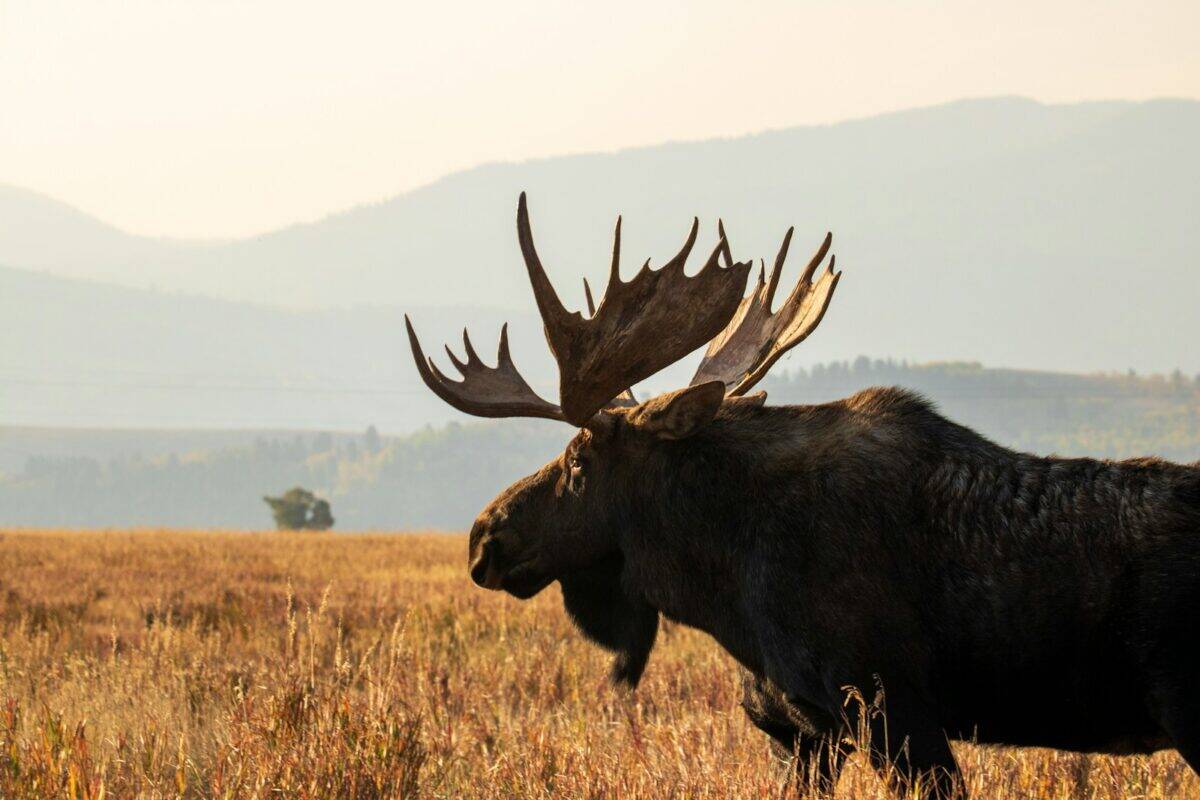
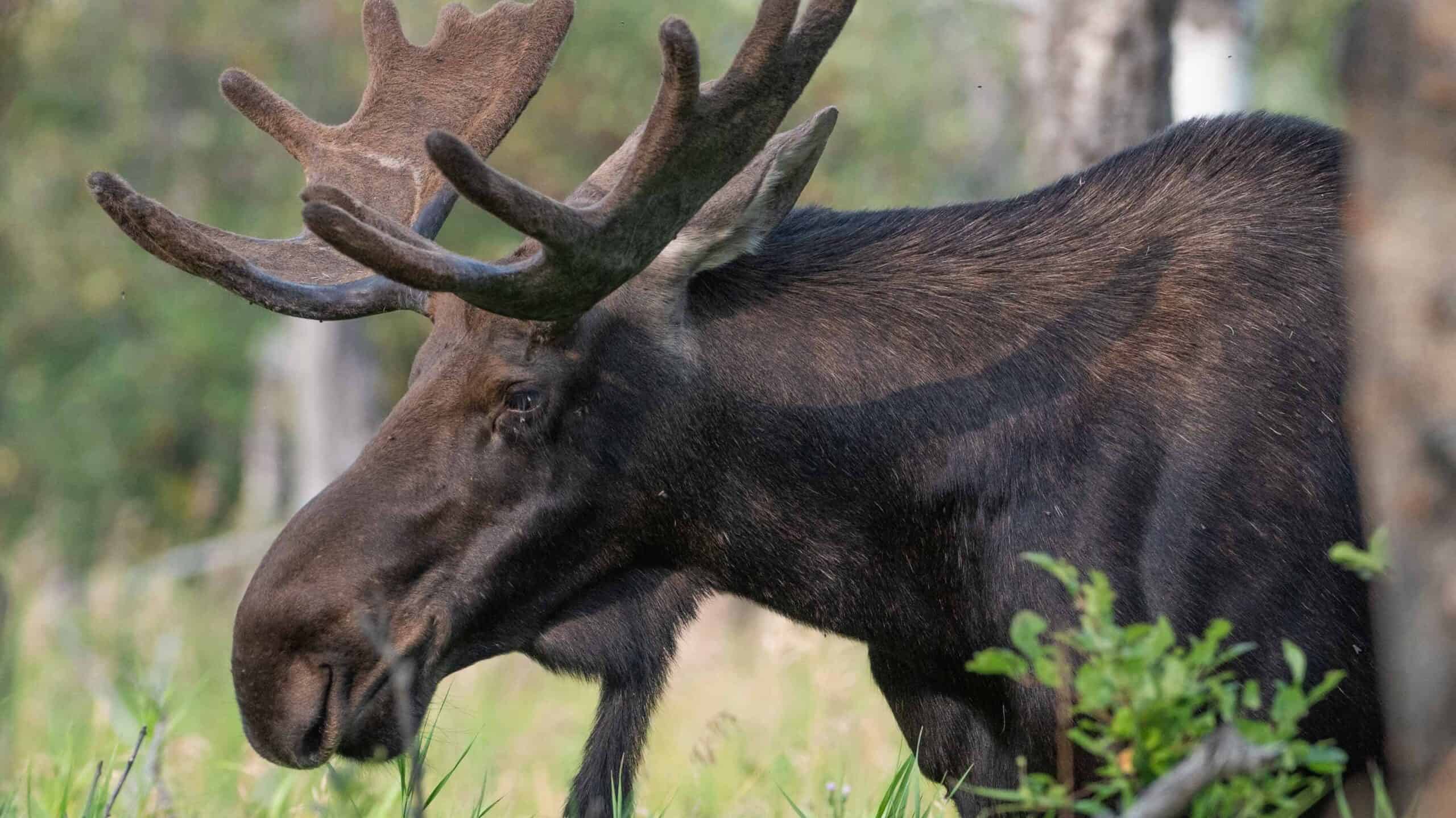
Few wildlife encounters match the awe-inspiring experience of spotting a moose in its natural habitat. These magnificent creatures—North America’s largest deer species—can stand over 6 feet tall at the shoulder and weigh up to 1,500 pounds. With their distinctive broad, flat antlers (on males) and imposing presence, moose sightings leave lasting impressions on wildlife enthusiasts. While moose populations are concentrated in northern states with boreal and mixed deciduous forests, finding them requires knowledge of their habitats, behavior patterns, and the best viewing locations. This guide explores the premier U.S. road trips for maximizing your chances of witnessing these majestic animals in the wild, complete with seasonal tips, safety guidelines, and the most scenic routes worth traveling.
Understanding Moose Behavior and Viewing Opportunities
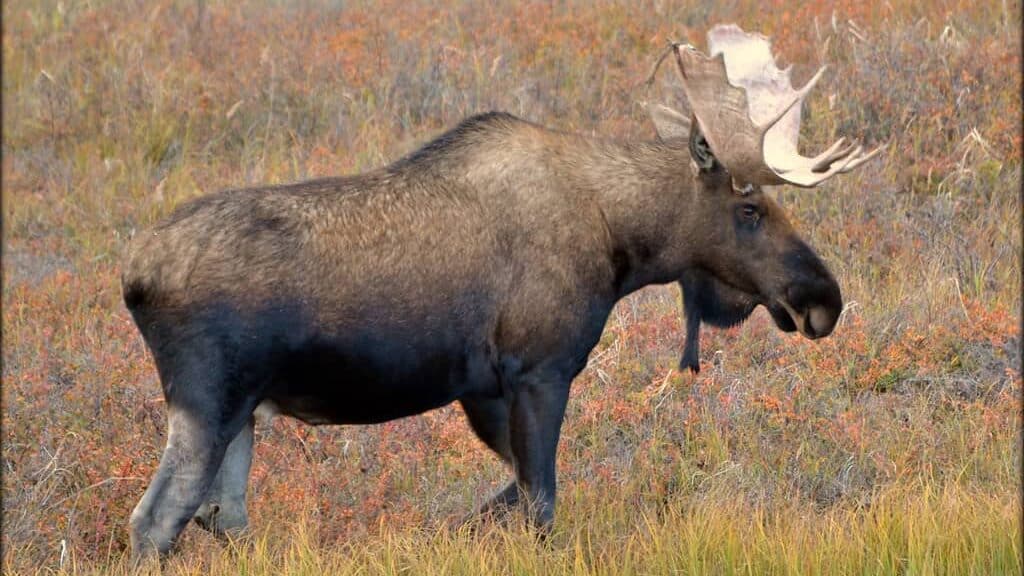
Successful moose watching begins with understanding their behavior and habitat preferences. Moose (Alces alces) are primarily solitary animals that prefer wetland environments like marshes, ponds, and lakes where they feed on aquatic vegetation. They’re most active during dawn and dusk (crepuscular), making these the optimal times for wildlife enthusiasts to spot them. During summer months, moose often seek water bodies not only for feeding but also to cool down and escape biting insects.
Seasonal patterns significantly impact moose viewing opportunities. In spring, females (cows) may be accompanied by newborn calves, while late September through October marks the rutting season when bulls are more active and visible as they compete for mates. Winter viewing can be productive as moose congregate in valleys and lowlands where food is more accessible. Understanding these patterns helps travelers plan their road trips during peak viewing seasons, increasing the likelihood of memorable encounters while maintaining a safe distance from these powerful animals.
Maine’s Moosehead Lake Region Scenic Byway
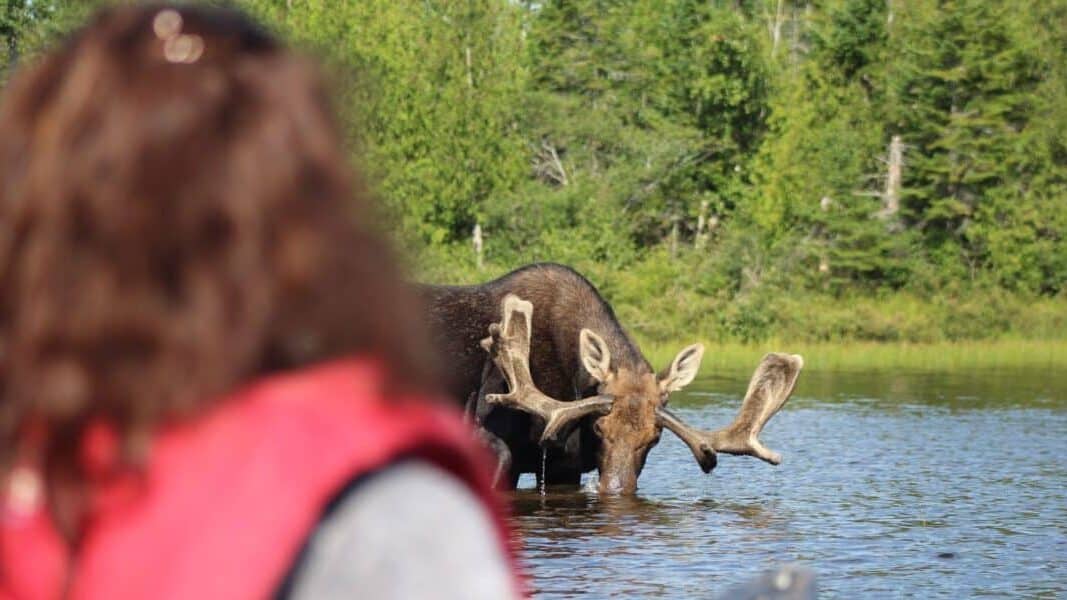
Maine boasts the highest moose population in the lower 48 states (estimated at 60,000-70,000), making it a premier destination for moose enthusiasts. The Moosehead Lake Region Scenic Byway offers an aptly named 59-mile route circling Maine’s largest lake. This well-maintained road winds through prime moose habitat, with numerous wetlands and bogs visible from the roadside. The stretch between Greenville and Rockwood is particularly productive, especially in early morning or evening hours during late spring and summer.
Local wildlife guides recommend stopping at the aptly named “Moose Alley” along Route 16 between Stratton and Rangeley, where roadside salt deposits attract moose throughout the season. The Maine Department of Inland Fisheries and Wildlife maintains several viewing areas with informational kiosks along the byway. For the most comprehensive experience, consider scheduling your visit between mid-May and July when moose are frequently spotted feeding in roadside wetlands, or during the September-October rutting season when bulls are more active and visible.
New Hampshire’s Kancamagus Highway
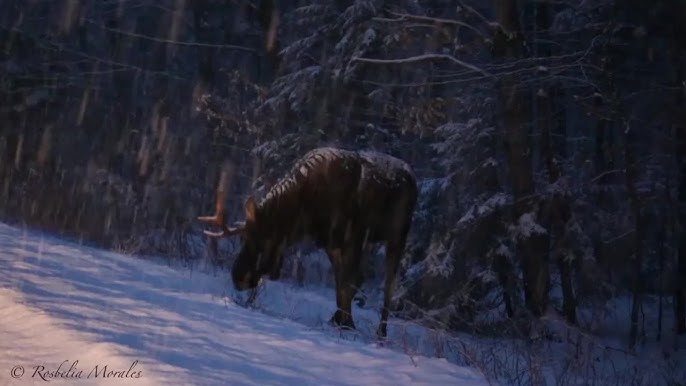
The Kancamagus Highway (Route 112) stretches 34.5 miles through New Hampshire’s White Mountain National Forest, offering one of the Northeast’s most scenic drives with exceptional moose-viewing opportunities. This east-west route between Conway and Lincoln traverses a pristine wilderness area without gas stations, restaurants, or other commercial enterprises, creating an uninterrupted wildlife corridor. The highway’s elevation changes from 500 to 3,000 feet take travelers through diverse habitats including wetlands and forests that moose call home.
Prime viewing locations include the Lily Pond area near Lincoln and the stretch between Bear Notch Road and Passaconaway Campground, where roadside wetlands attract feeding moose. Early morning drives (5-7 AM) or evening excursions (7-9 PM) during May through July offer the highest success rates. The numerous pullouts and scenic overlooks along the route allow for safe wildlife observation, though drivers should remain vigilant as moose-vehicle collisions are a serious concern in the region, particularly during low-light conditions when these dark-colored animals can be difficult to spot on the roadway.
Minnesota’s Superior National Forest and Gunflint Trail
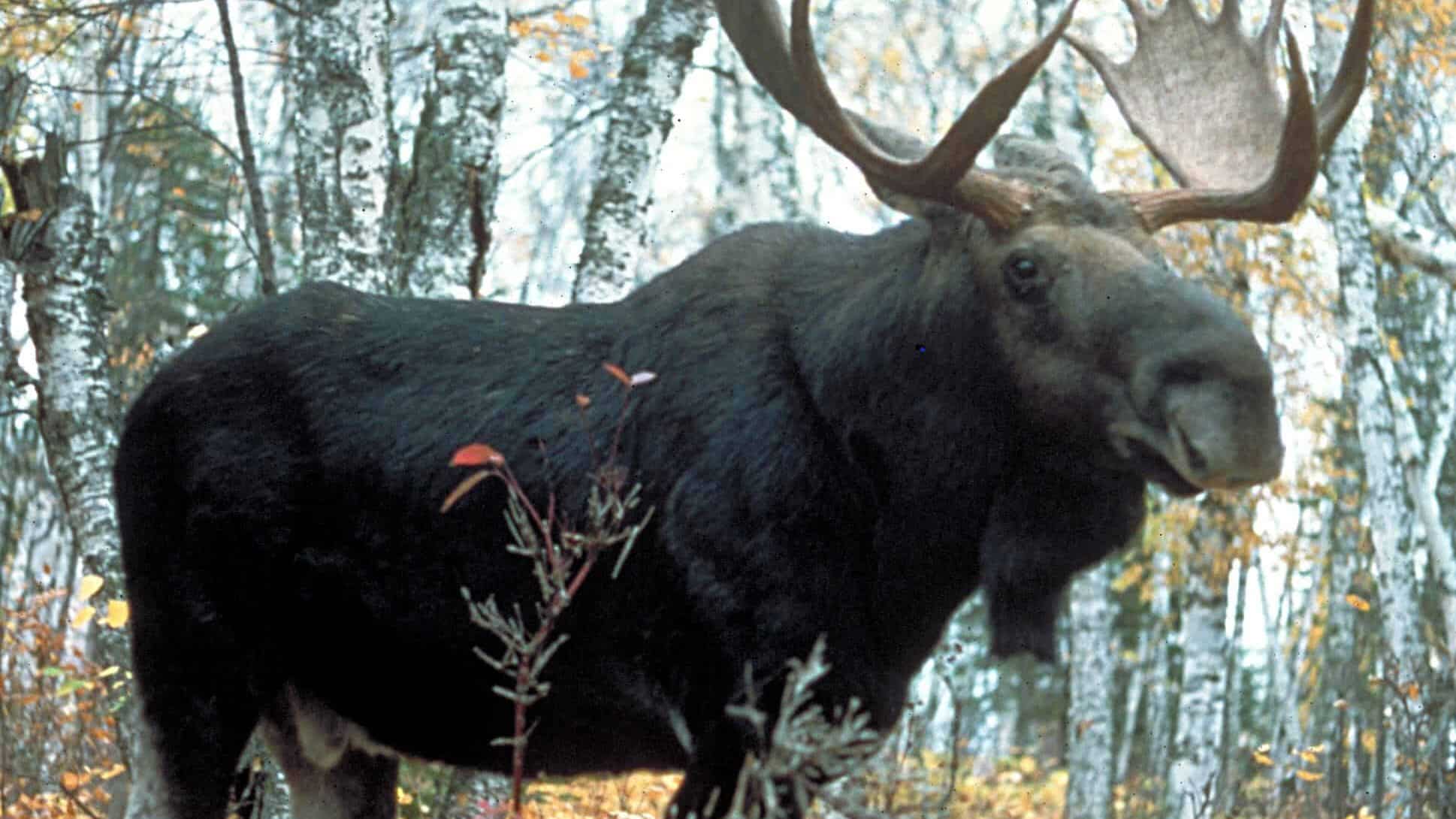
Minnesota’s northeastern wilderness harbors a significant moose population, with the Superior National Forest and Gunflint Trail providing exceptional viewing opportunities. The Gunflint Trail, a 57-mile paved road running from Grand Marais to Saganaga Lake near the Canadian border, traverses some of the state’s most remote moose habitat. This scenic byway winds through boreal forest and past numerous lakes and wetlands where moose frequently feed on aquatic vegetation, particularly during morning and evening hours.
Wildlife biologists recommend focusing on the upper portion of the trail beyond Gunflint Lake, where human development is minimal and moose density increases. The Minnesota Department of Natural Resources reports that the state’s northeastern moose population has stabilized at approximately 3,000-4,000 animals after previous declines, with concentrated populations in the Superior National Forest region. Several resorts along the trail offer guided moose-watching excursions, and the Chik-Wauk Museum and Nature Center provides educational resources about local wildlife. Spring (May-June) offers opportunities to see cows with calves, while fall brings the dramatic rutting season.
Wyoming’s Grand Teton National Park Loop
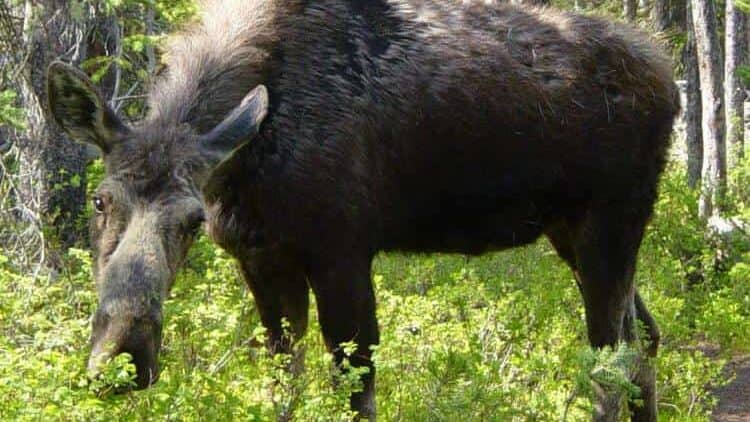
Grand Teton National Park offers a spectacular 42-mile scenic loop drive with multiple moose-viewing hotspots. The park’s population of approximately 500-800 moose favors riparian areas along the Snake River and its tributaries. The Moose-Wilson Road section of the loop is particularly productive, living up to its name with frequent sightings. Wildlife biologists note that this area’s combination of willow thickets, wetlands, and relative protection from predators creates ideal moose habitat.
Other prime viewing locations include Oxbow Bend, Willow Flats near Jackson Lake Junction, and the Gros Ventre River area. Park rangers recommend early morning visits to Schwabacher Landing, where moose often feed in beaver ponds with the dramatic Teton Range as a backdrop—a photographer’s dream scenario. The park’s signature wildlife viewing experience occurs in late September through October when bull moose, adorned with massive antlers, compete for mates in open meadows. Visitors should check with the Craig Thomas Discovery and Visitor Center for recent sighting reports and viewing tips specific to seasonal moose behavior in the park.
Colorado’s Rocky Mountain National Park Drives
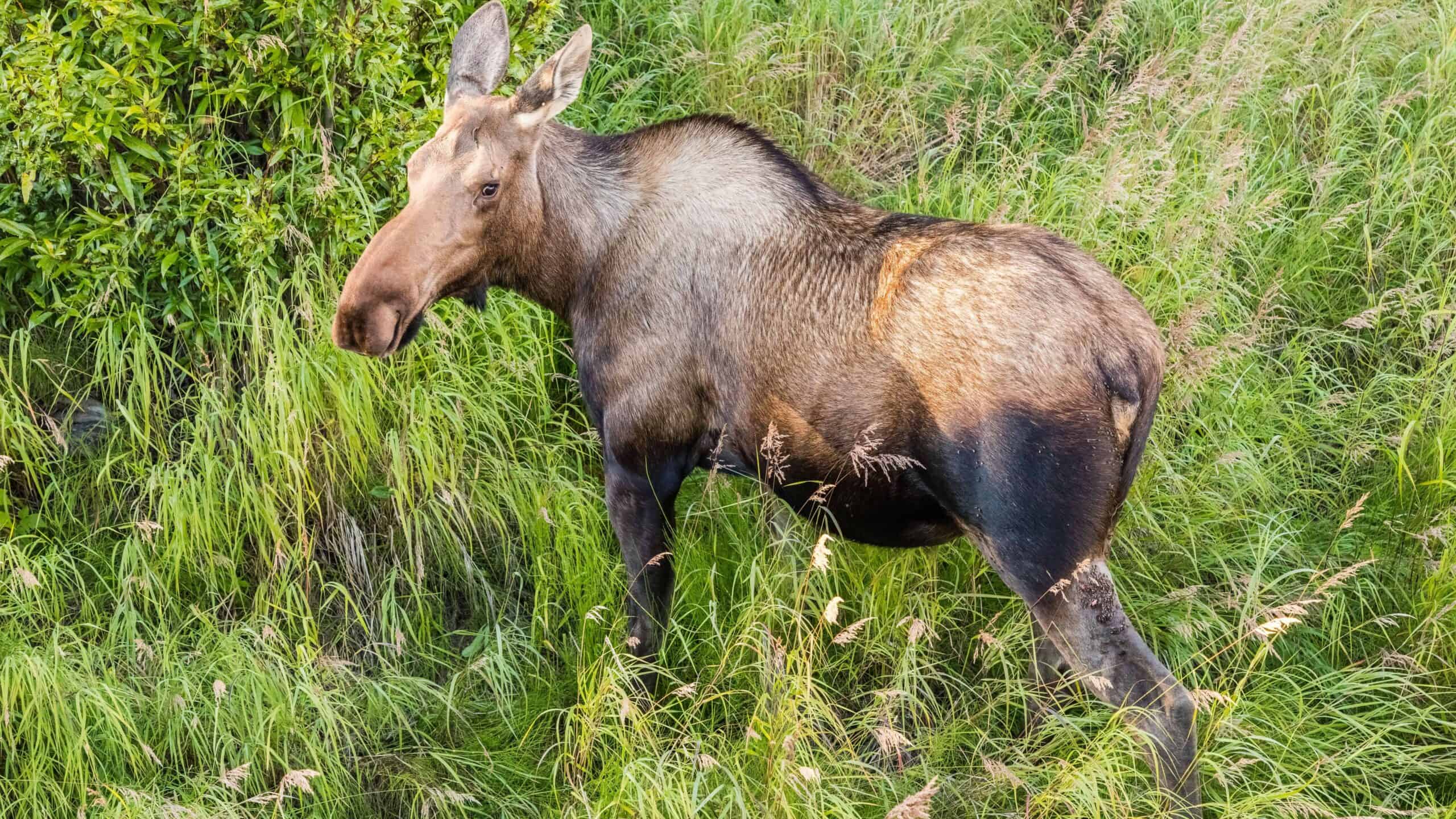
Rocky Mountain National Park offers several scenic drives that provide opportunities to observe the park’s resident moose population, estimated at 150-200 animals. The moose in this region were actually reintroduced in the 1970s after being absent for many decades. Trail Ridge Road, America’s highest continuous paved road reaching 12,183 feet, offers panoramic vistas across diverse ecosystems. However, for moose specifically, the western side of the park near Grand Lake provides the most consistent sightings.
The Colorado Parks and Wildlife Department recommends focusing on the Kawuneeche Valley along Highway 34, where meadows and wetlands along the Colorado River create ideal moose habitat. The East Inlet and North Inlet Trails near Grand Lake serve as excellent starting points for short walks to enhance viewing opportunities. Moose in this area tend to be relatively habituated to human presence, though visitors should always maintain a minimum distance of 50 yards. Unlike other regions where dawn and dusk are optimal, Rocky Mountain National Park’s moose can often be spotted midday, particularly in summer when they seek shade near water sources during the hottest hours.
Alaska’s Kenai Peninsula Circuit
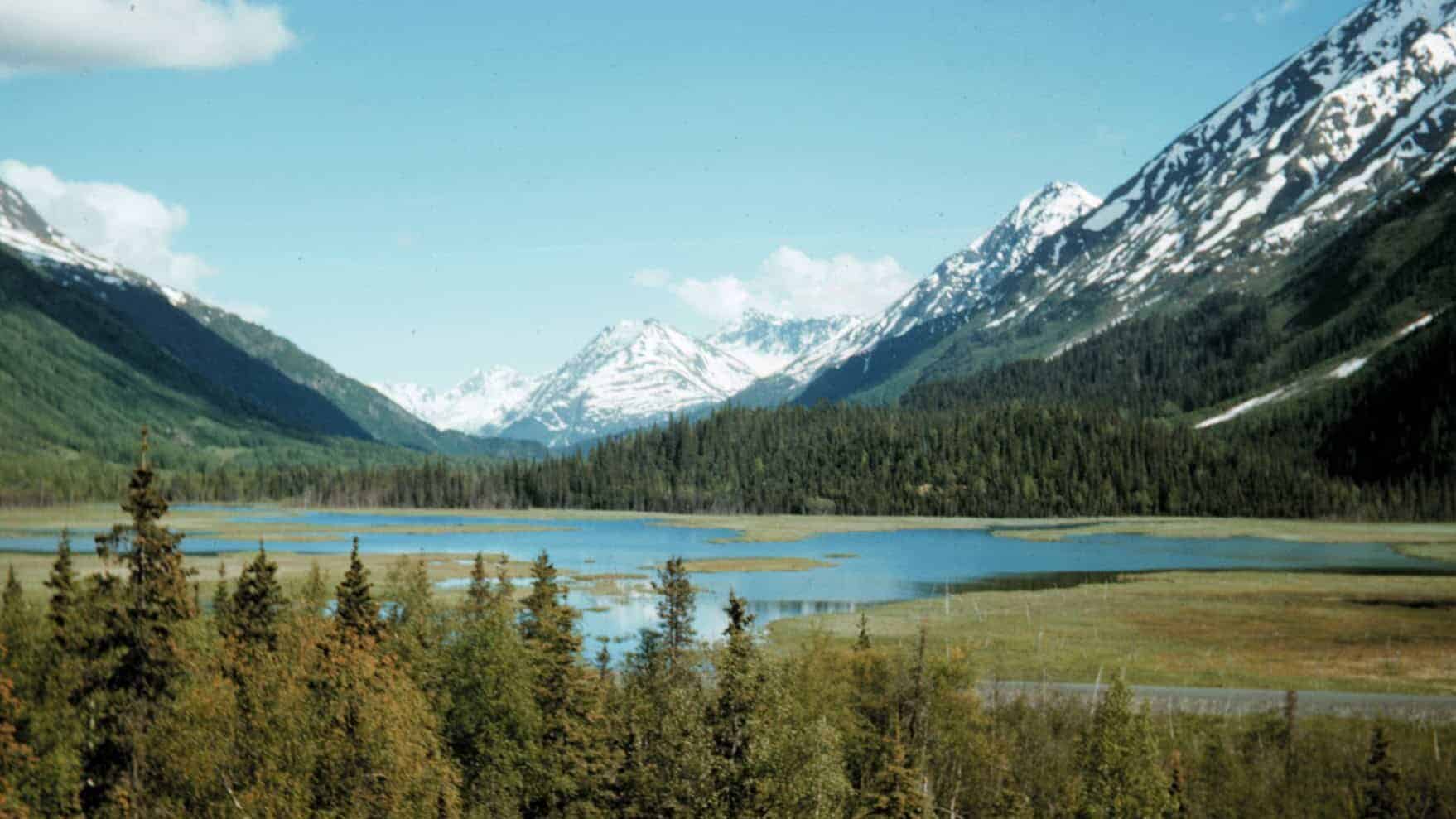
Alaska’s Kenai Peninsula offers the ultimate moose-viewing road trip with an estimated 3,000 moose inhabiting the region. The 190-mile circuit from Anchorage to Seward via the Seward Highway and returning via the Sterling Highway traverses diverse moose habitats. The Kenai National Wildlife Refuge alone is home to approximately 1,500-2,000 moose, making it one of North America’s densest populations. Wildlife researchers note that Kenai moose are genetically distinct, with bulls developing particularly massive antlers that can spread more than six feet.
Prime viewing areas include the Mystery Creek Road area near Sterling, Skilak Lake Road Wildlife Management Area, and numerous pullouts along the Sterling Highway between Cooper Landing and Homer. The Alaska Department of Fish and Game maintains several wildlife viewing platforms, particularly around the Kenai River flats and Tern Lake. Unlike more southern populations, Alaska’s moose are often active throughout daylight hours in summer when extended daylight affects their behavior patterns. Winter trips along plowed roads offer striking opportunities to see moose in snow-covered landscapes, though driving conditions require appropriate vehicles and preparation.
Vermont’s Northeast Kingdom Circuits
Vermont’s Northeast Kingdom region harbors the state’s highest moose concentration, with approximately 1,000 animals. Route 105 between Island Pond and Bloomfield, often called “Moose Alley,” cuts through prime habitat with numerous wetlands visible from the roadway. This 30-mile stretch parallels the Connecticut River and passes through the Nulhegan Basin Division of the Silvio O. Conte National Wildlife Refuge, a protected area specifically managed to support moose populations and other wildlife.
Complementing this primary route, the Vermont Fish and Wildlife Department recommends a loop incorporating Route 114 between Canaan and Norton, where roadside salt accumulation from winter road maintenance attracts moose throughout spring and summer. Victory Basin Wildlife Management Area, accessible via Route 114 and Victory Road, offers additional viewing opportunities with its extensive wetland complex. Vermont’s moose population has stabilized after peaking in the early 2000s, with current management focusing on maintaining healthy population densities. The best viewing seasons are May-July and September-October, with evening drives particularly productive during summer months when moose emerge from forest cover to feed in wetlands.
Michigan’s Upper Peninsula Circuit
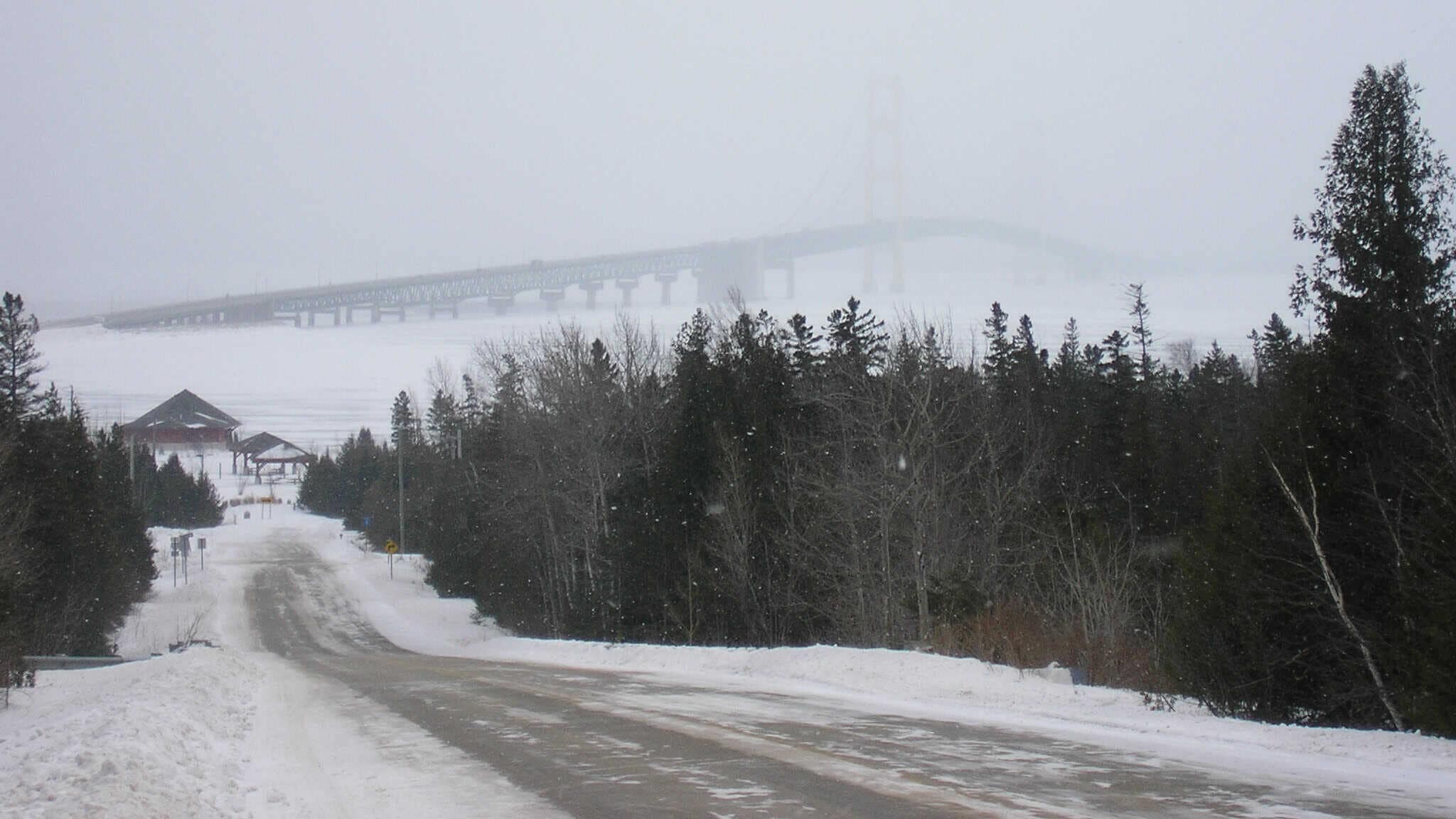
Michigan’s Upper Peninsula hosts a growing moose population, primarily concentrated in the western counties following successful reintroduction efforts that began in the 1980s. Current estimates place the population at 400-500 animals. The scenic drive along US-41 and M-28 between Marquette and Pictured Rocks National Lakeshore traverses excellent moose habitat. The Michigan Department of Natural Resources particularly recommends exploring the roads around the Yellow Dog Plains and the McCormick Wilderness Area, where moose favor the numerous wetlands and young forest growth.
The Seney National Wildlife Refuge, accessible via M-77 and M-28, maintains an observation drive with viewing platforms overlooking marshlands where moose frequently feed. Spring brings opportunities to see cows with newborn calves, particularly in May and June. Unlike states with longer-established populations, Michigan’s moose are still expanding their range, making sightings less predictable but particularly exciting. Local wildlife officials suggest consulting with visitor centers in Marquette or Munising for recent sighting information before setting out. The Upper Peninsula’s relatively lower human population density creates extensive uninterrupted habitat, contributing to the growing success of the moose population.
Idaho’s Selway-Bitterroot Wilderness Access Roads
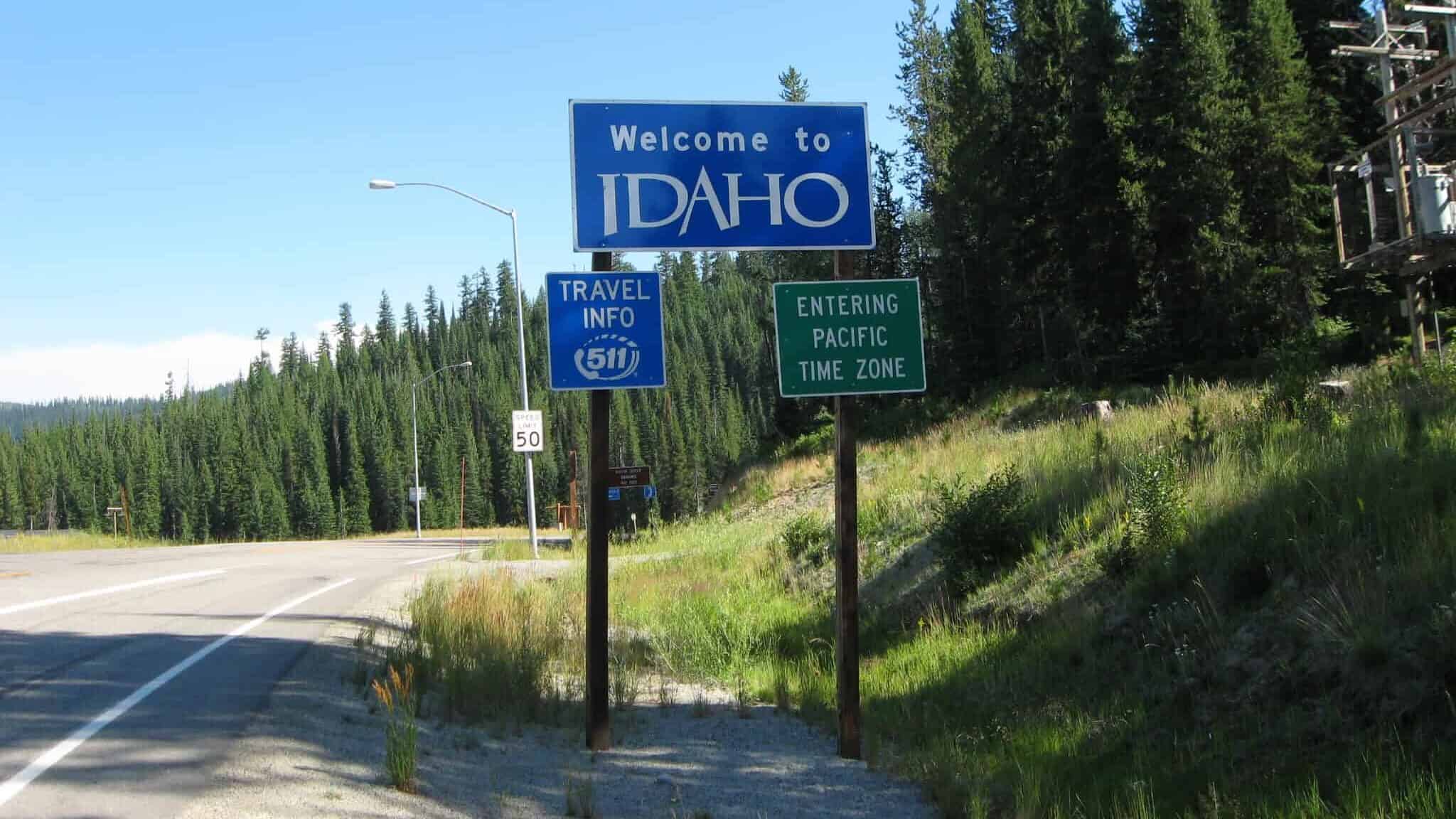
Idaho’s panhandle region offers exceptional moose-viewing opportunities, particularly around the access roads to the vast Selway-Bitterroot Wilderness. Highway 12 along the Lochsa River between Lowell and the Montana border cuts through prime moose territory, with frequent sightings reported at river access points. The Idaho Department of Fish and Game estimates approximately 10,000-12,000 moose statewide, with concentrations in the northern panhandle region where mixed coniferous forests and riparian habitats provide ideal conditions.
For a comprehensive circuit, wildlife enthusiasts recommend combining Highway 12 with a northern return via the St. Joe River Road (Route 50) between St. Maries and Avery, another productive area for moose sightings. The Kelly Creek and North Fork Clearwater River areas are particularly notable for moose concentrations, accessible via Forest Service roads from Highway 12. Unlike more developed wildlife viewing destinations, these routes offer a more remote experience with fewer services but potentially more authentic wildlife encounters. Spring runoff periods (May-June) concentrate moose along riverbanks and wetlands, while early fall brings rutting behavior with increased visibility as bulls move more extensively in search of mates.
Montana’s Glacier National Park: Going-to-the-Sun Road
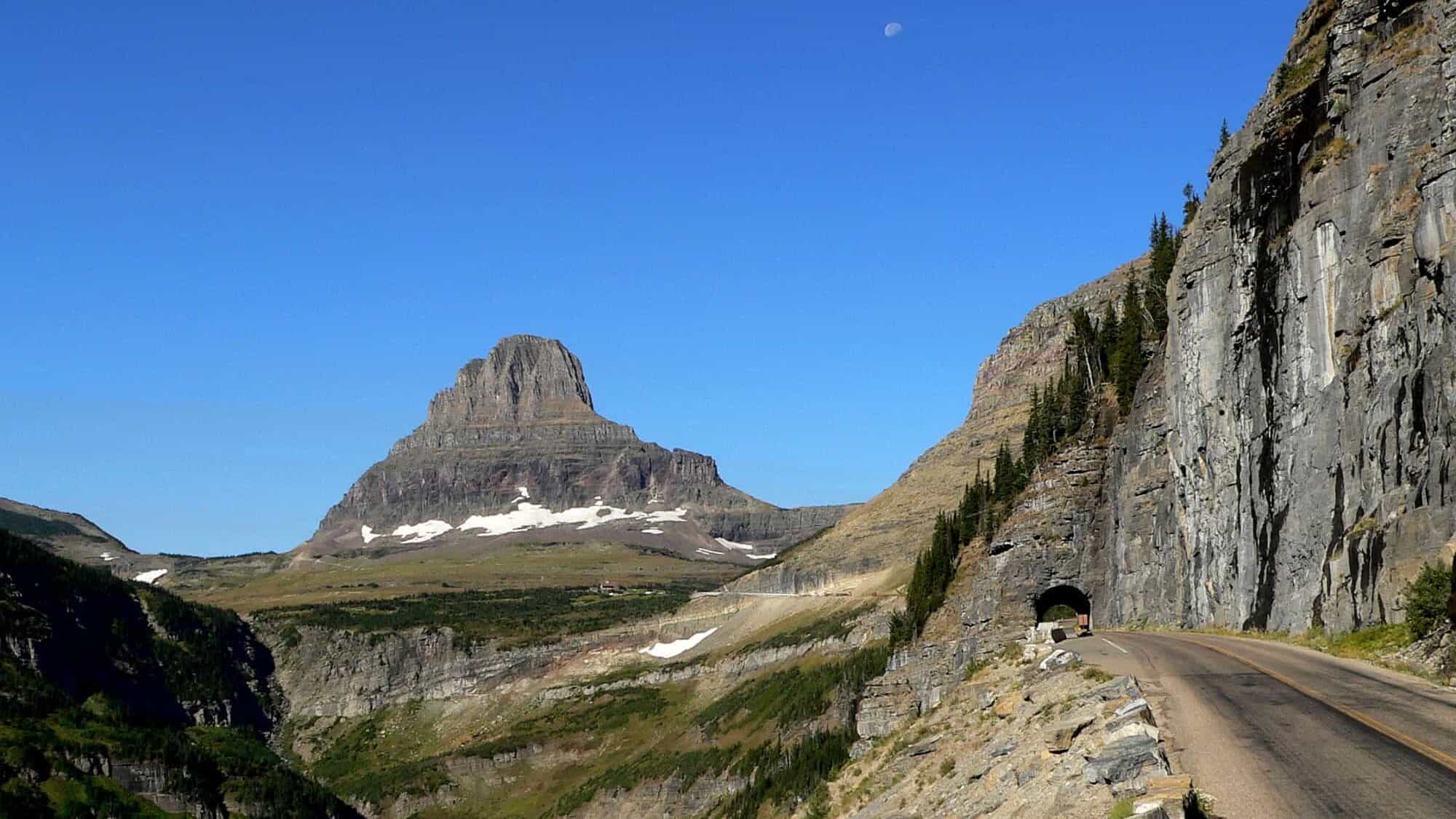
Glacier National Park’s legendary 50-mile Going-to-the-Sun Road traverses some of America’s most spectacular mountain landscapes while providing opportunities to spot the park’s estimated 300-400 moose. While the alpine sections attract most tourists’ attention, moose enthusiasts should focus on the lower-elevation eastern and western portions where wetlands and riparian zones support moose populations. The areas around Fishercap Lake and Swiftcurrent Lake in the Many Glacier region are particularly productive, with short walks from parking areas often rewarded with sightings.
Park biologists recommend early morning visits to the wetlands visible from the road near St. Mary Lake on the eastern side and around Lake McDonald on the western approach. Unlike some wildlife that retreats during peak visitor seasons, Glacier’s moose often remain visible throughout summer, particularly near water sources where they feed on aquatic vegetation and escape summer heat. The park’s shuttle system offers an excellent alternative to driving, allowing passengers to focus entirely on scanning for wildlife while reducing traffic. For photography enthusiasts, the combination of moose and Glacier’s dramatic mountain backdrops creates unparalleled opportunities, particularly in early morning when calm waters create mirror-like reflections.
Safety Tips and Ethical Viewing Practices
While pursuing moose sightings, safety must remain paramount. Moose are wild animals weighing up to 1,500 pounds and can be dangerous when disturbed or threatened. Wildlife biologists recommend maintaining a minimum distance of 50 yards (150 feet) from any moose. This distance should be increased during calving season (May-June) when cows are protective of young calves, and during the fall rut when bulls experience heightened aggression. Warning signs of moose distress include laid-back ears, raised hackles, and a lowered head—indicators to increase your distance immediately.
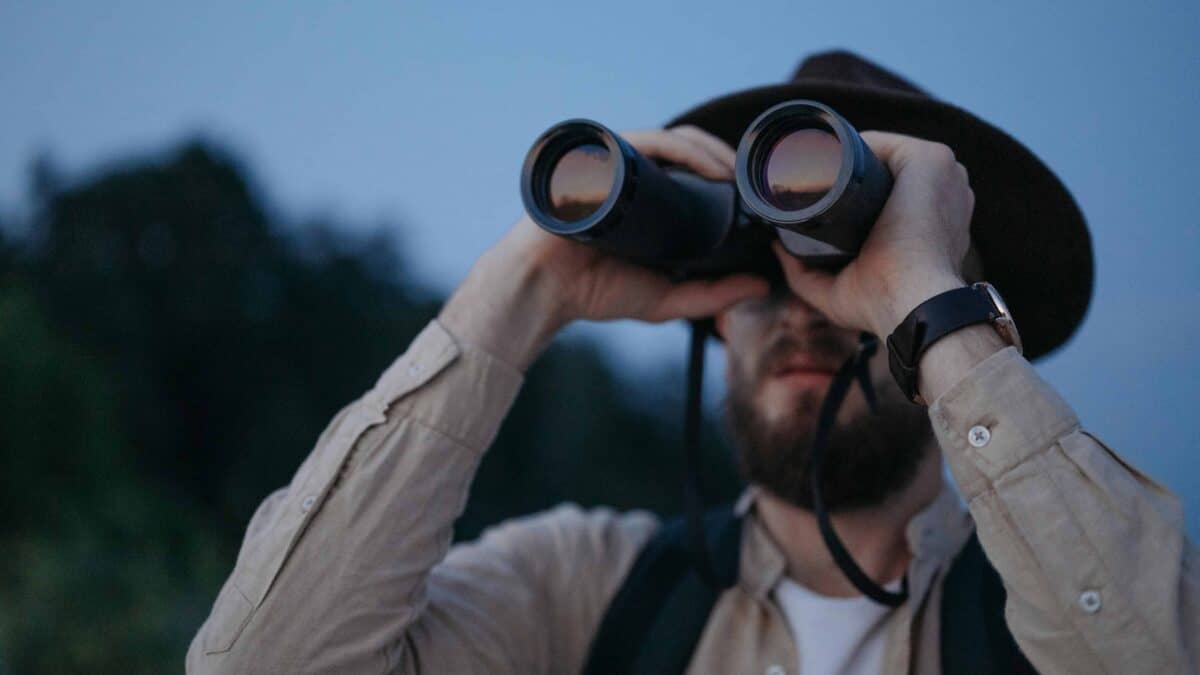
Ethical viewing practices enhance both safety and conservation efforts. Always use binoculars or telephoto lenses rather than approaching animals directly. Remain in your vehicle when possible, as vehicles serve as excellent blinds that moose generally find less threatening than humans on foot. Never feed moose or other wildlife, as this alters natural behavior and can create dangerous dependencies. When stopping along roadways, pull completely off the road and use hazard lights to alert other drivers. The most respectful wildlife encounters prioritize the animal’s welfare while minimizing human impact—a philosophy that ultimately provides the most authentic and sustainable wildlife viewing experiences.
Embarking on a moose-viewing road trip offers not only the chance to witness one of North America’s most magnificent mammals but also to explore some of the continent’s most stunning landscapes. The routes outlined in this guide traverse diverse ecosystems from Maine’s dense forests to Alaska’s vast wilderness, each offering unique perspectives on moose behavior and habitat. When planning your journey, consider seasonal timing carefully—spring offers newborn calves and hungry post-winter adults, while fall brings the drama of the rutting season with massive antlered bulls in their prime.
Beyond the specific routes detailed here, successful moose viewing requires patience, preparation, and respect for these magnificent animals. Bringing appropriate viewing equipment (binoculars, spotting scopes, cameras with telephoto lenses), researching recent sighting reports, and consulting with local wildlife agencies can significantly enhance your experience. Remember that wildlife viewing is never guaranteed, but the journey through these spectacular landscapes holds its own rewards, regardless of animal sightings.
As human development continues to fragment wildlife habitats, responsible ecotourism plays an increasingly important role in conservation by demonstrating the economic value of protecting natural areas and their inhabitants. Your moose-viewing adventure contributes to this broader conservation effort while creating memories that will last a lifetime. Whether you’re witnessing a massive bull moose silhouetted against a mountain backdrop or watching a cow and calf peacefully feeding in a misty morning wetland, these encounters connect us to the wild heart of America’s northern landscapes in profound and unforgettable ways.

- Chocolate and Wildlife: How Cocoa Farming Affects Rainforest Animals - July 21, 2026
- How Koalas Survive on a Diet of Toxic (To Humans) Eucalyptus Leaves - July 21, 2026
- Where to Catch a Glimpse of River Otters in the Wild - July 21, 2026