


Koalas have evolved one of the most specialized diets in the animal kingdom, feeding almost exclusively on eucalyptus leaves. These iconic Australian marsupials derive approximately 90% of their hydration needs directly from these leaves, which contain about 50-55% water content. This remarkable adaptation has allowed koalas to survive in Australia’s variable climate without needing to regularly descend from their treetop homes to find water sources.
This evolutionary adaptation serves a dual purpose: it not only provides koalas with their hydration needs but also minimizes their exposure to ground predators. By remaining in the canopy and rarely coming down to drink, koalas historically reduced their vulnerability during what would otherwise be a risky activity. Their name itself, derived from the Dharug word “gula,” reflects this behavior, as it literally translates to “no drink” – a testament to how rarely they were observed drinking water by indigenous Australians.
Metabolic Efficiency: Conservation At Its Best

Koalas have developed incredibly efficient metabolic systems that maximize water conservation. Their kidneys contain specialized structures that can concentrate urine to extraordinary levels, allowing them to excrete waste products while retaining as much water as possible. This adaptation is crucial for an animal that obtains most of its moisture from a relatively dry food source. Their digestive system also extracts the maximum amount of water from their food before elimination.
Additionally, koalas are masters of energy conservation, sleeping up to 22 hours per day. This sedentary lifestyle significantly reduces their metabolic demands and, consequently, their water requirements. By limiting physical activity primarily to feeding and occasional movement between trees, koalas minimize water loss through respiration and other metabolic processes. This complete system of adaptations has been refined over millions of years of evolution in Australia’s challenging environment.
The Rare Occasions: When Koalas Do Drink

While koalas primarily rely on eucalyptus leaves for hydration, they do occasionally drink water under specific circumstances. During periods of extreme heat or drought, when the water content of eucalyptus leaves decreases significantly, koalas may supplement their hydration by seeking out water sources. They’ve been observed licking water from tree trunks after rainfall or drinking from streams and water bodies during particularly dry conditions.
Koalas suffering from illness, particularly those affected by chlamydia (a common disease in koala populations), often develop increased thirst as a symptom. This change in behavior can actually serve as an indicator of health problems for wildlife researchers and caretakers. When healthy, a koala might go its entire life rarely, if ever, actively seeking out water to drink—a testament to their remarkable physiological adaptations to Australia’s often water-scarce environment.
Climate Change: The Growing Thirst

Climate change is dramatically altering the delicate balance that has allowed koalas to thrive with minimal direct water consumption. Rising global temperatures and increasing frequency of heatwaves in Australia are placing unprecedented stress on koala populations. Research published in the journal “Biology Letters” found that during heatwaves, koalas are increasingly seeking out artificial water stations, with some studies documenting up to a 700% increase in drinking behavior during extreme heat events.
As temperatures rise, koalas face a dangerous physiological challenge. Unlike many mammals, koalas don’t effectively regulate their body temperature through panting or sweating, instead relying on resting in cool areas of the tree canopy. When temperatures exceed 35°C (95°F), eucalyptus leaves provide insufficient moisture, forcing koalas to actively seek supplementary water sources. This behavioral change exposes them to increased predation risk and road hazards as they travel on the ground in search of water.
Drought Effects: Changing Leaf Chemistry

Prolonged drought conditions, which are becoming more common in Australia due to climate change, significantly impact the nutritional and moisture content of eucalyptus leaves. During drought, eucalyptus trees respond by reducing the water content of their leaves while simultaneously increasing toxic compounds as a defense mechanism. These changes create a double challenge for koalas: the leaves provide less hydration while requiring more energy to detoxify, further increasing their water requirements.
Studies from the Australian Wildlife Conservancy have documented alarming changes in leaf chemistry during severe drought periods, with water content dropping to as low as 40% in some regions—a critical threshold below which koalas cannot maintain proper hydration solely from their diet. This forced change in their water acquisition strategy represents one of the most significant disruptions to koala behavior in recent history and signals a potentially dangerous vulnerability in their specialized adaptations.
Bushfires: Exacerbating The Crisis
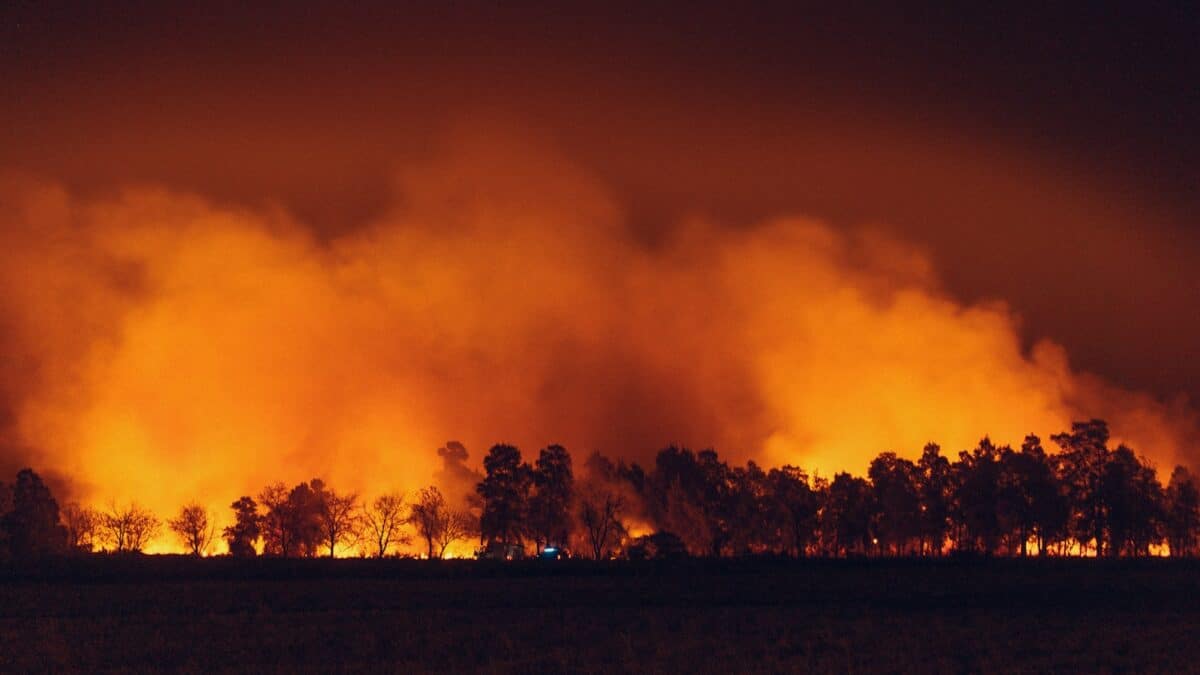
Australia’s devastating bushfires, particularly the catastrophic 2019-2020 fire season that burned over 46 million acres, have dramatically worsened the koala’s water crisis. These fires destroyed vast tracts of koala habitat, killed thousands of koalas directly, and created long-lasting changes to surviving eucalyptus forests. Post-fire, many eucalyptus trees produce regenerative foliage that contains lower moisture content and higher levels of defensive compounds, making them less suitable for koala consumption and hydration.
The aftermath of bushfires creates additional water stress as landscapes recover. Increased solar radiation reaching the forest floor after canopy destruction leads to higher ground temperatures and faster evaporation rates, reducing overall moisture in the ecosystem. Koalas that survive fires often suffer from dehydration, burns, and respiratory damage, further increasing their need for direct water consumption during a time when their natural water-rich food sources are severely diminished. Conservation groups have responded by establishing emergency water stations in fire-affected areas, with wildlife cameras capturing unprecedented scenes of koalas regularly drinking from these artificial sources.
Human Intervention: Water Stations Save Lives

In response to increasing koala dehydration, conservation organizations across Australia have implemented water station networks in key koala habitats. These specially designed drinking stations are typically elevated platforms with shallow water containers, positioned to minimize predation risk while allowing easy access for koalas. Organizations like the Australian Koala Foundation and local wildlife care groups maintain these stations, particularly during summer months and drought periods when natural hydration sources are insufficient.
The effectiveness of these interventions has been demonstrated through both observational studies and scientific research. A 2020 study published in the journal “PLOS ONE” found that water stations in New South Wales were regularly visited by koalas during heatwaves, with thermal imaging cameras showing significant improvements in body temperature regulation among koalas that accessed these artificial water sources. While these interventions are crucial for immediate survival, they represent a concerning dependence on human assistance for a species that evolved to rarely, if ever, need supplementary water.
Urban Development: Fragmenting Water Access

Ongoing urban expansion throughout eastern Australia continues to fragment koala habitat, creating additional challenges for water access. As forests are cleared for housing and infrastructure, koalas lose not only their food sources but also natural water bodies and dew collection points that serve as emergency water supplies during extreme conditions. Urban development often creates “heat islands” that further elevate local temperatures, exacerbating dehydration risks for koalas in remnant habitat patches.
The fragmentation of habitat forces koalas to travel longer distances across dangerous ground environments to reach water. Data from koala hospitals in Queensland and New South Wales show alarming increases in koala admissions for dehydration, particularly from urban fringe populations. Urban development also introduces new threats like domestic dogs and vehicle strikes, which disproportionately affect koalas forced to travel on the ground in search of water. Some progressive urban planning initiatives now incorporate wildlife corridors and artificial water sources, but these measures remain insufficient to fully address the growing crisis.
Biological Constraints: Limited Adaptability

Unlike some wildlife species that can rapidly adapt to changing conditions, koalas face significant biological constraints that limit their adaptability to increased water needs. Their specialized digestive system, which allows them to process toxic eucalyptus leaves, has evolved over millions of years specifically for their unique ecological niche. This specialization comes at the cost of adaptability—koalas cannot quickly evolve new physiological mechanisms to cope with rapidly changing climate conditions.
Koalas’ low metabolic rate and energy-conserving lifestyle, while beneficial for surviving on their nutrient-poor diet, also limits their ability to travel long distances to find water. Their relatively slow reproductive rate—typically producing just one joey per year—further reduces their capacity for rapid adaptive evolution in response to environmental changes. Scientists estimate that meaningful evolutionary adaptations would require thousands of generations, while the current climate crisis is unfolding over mere decades, creating an unprecedented mismatch between environmental change and evolutionary response time.
Conservation Implications: Changing Management Approaches

The increasing water dependency of koalas is forcing a fundamental shift in conservation strategies. Traditionally, koala conservation focused primarily on habitat preservation and disease management, with little attention paid to water provisioning. Today, comprehensive koala management plans must incorporate climate adaptation strategies, including the establishment and maintenance of artificial water sources as a standard practice. This represents a significant change in how we approach wildlife conservation, acknowledging that simply preserving habitat may no longer be sufficient.
Conservation organizations are also advocating for broader policy changes to address the root causes of increased water stress. These include stronger climate action policies, improved bushfire prevention and management, stricter regulations on habitat clearing, and the creation of climate refugia—areas specifically managed to provide cooler microclimates and reliable water access. The plight of koalas serves as a powerful indicator of broader ecosystem changes that will likely affect many other Australian species that have not received the same level of monitoring and attention.
Research Frontiers: Understanding Hydration Physiology

The changing water needs of koalas have sparked new research into their hydration physiology. Scientists at the University of Sydney and the Australian Wildlife Conservancy are conducting groundbreaking studies using isotope analysis to precisely track water turnover rates in wild koalas across different climate conditions. These studies aim to establish exact thresholds at which leaf moisture becomes insufficient and to identify early physiological indicators of dehydration stress before it becomes life-threatening.
Other research focuses on the relationship between water stress and disease susceptibility, particularly regarding chlamydia, which affects up to 100% of some koala populations. Preliminary evidence suggests that dehydration may compromise immune function, potentially increasing vulnerability to this devastating disease. Researchers are also exploring selective breeding programs focused on heat and drought tolerance, though such approaches remain controversial within conservation circles. These scientific efforts represent a race against time to understand and address the complex physiological challenges facing one of Australia’s most beloved species.
The Future For Koalas: Adapting To A Thirstier World
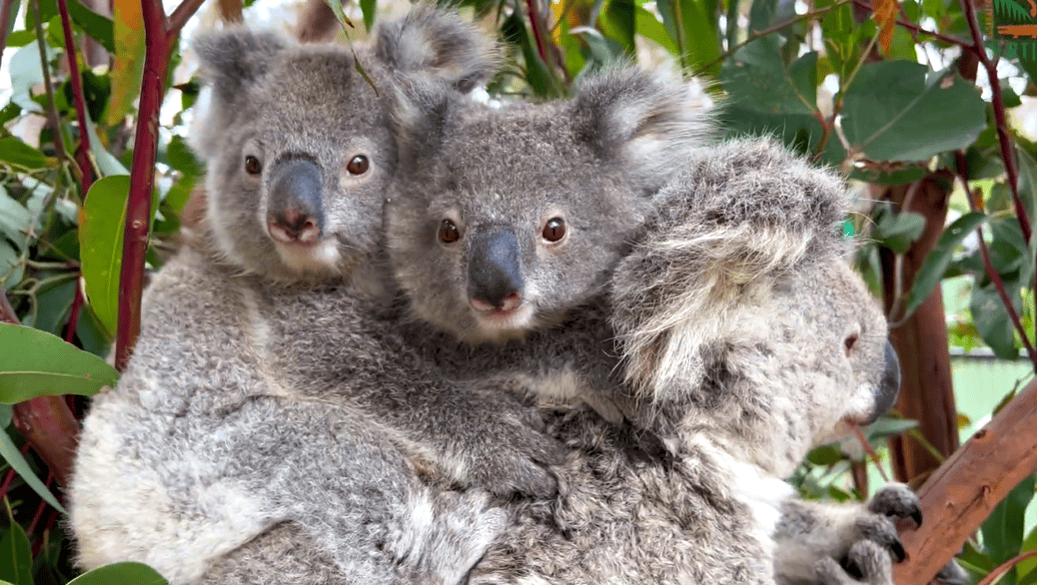
The future of koalas in a changing climate depends largely on how effectively we implement both immediate interventions and long-term solutions to their water crisis. Without significant action, projections from the Australian Koala Foundation suggest that koalas could become extinct in the wild in parts of their range by 2050, with climate-related dehydration playing a major role in this decline. The transition from a species that rarely drinks water to one increasingly dependent on direct water consumption represents a profound disruption to their evolutionary adaptations.
Despite these challenges, there is room for cautious optimism. Increased public awareness has driven greater investment in koala conservation, including innovative approaches like genomic research to identify climate-resilient populations and drone technology to deliver water to inaccessible habitat during emergencies. The story of koalas’ changing relationship with water serves as a powerful reminder of climate change’s concrete impacts on wildlife and the urgent need for both mitigation and adaptation strategies. Through continued research, conservation action, and policy change, we may yet help these iconic marsupials navigate their increasingly thirsty future in a rapidly changing world.

- How Crickets Chirp Using Their Wings - July 20, 2026
- The Largest Sea Turtle Ever Rescued Off North Carolina - July 20, 2026
- The Ocean’s Escape Artist: Why Octopuses Outsmart Us All - July 20, 2026